
14 Rare Tree Fruits Most People Have Never Tasted
There are countless fruits around the world, but many of them remain hidden gems, often overlooked outside their native regions. Some of these rare tree fruits have unique flavors that are unlike anything most people have ever tasted. From tropical treasures to exotic finds, these fruits bring something special to the table with their unexpected tastes and textures. Whether enjoyed fresh or used in cooking, they add a unique twist to dishes and offer a delightful experience for the adventurous eater. While many of these fruits are difficult to find outside their native climates, their growing popularity is starting to bring them to new markets.
This post may contain affiliate links, which helps keep this content free. Please read our disclosure for more info.
Jabuticaba
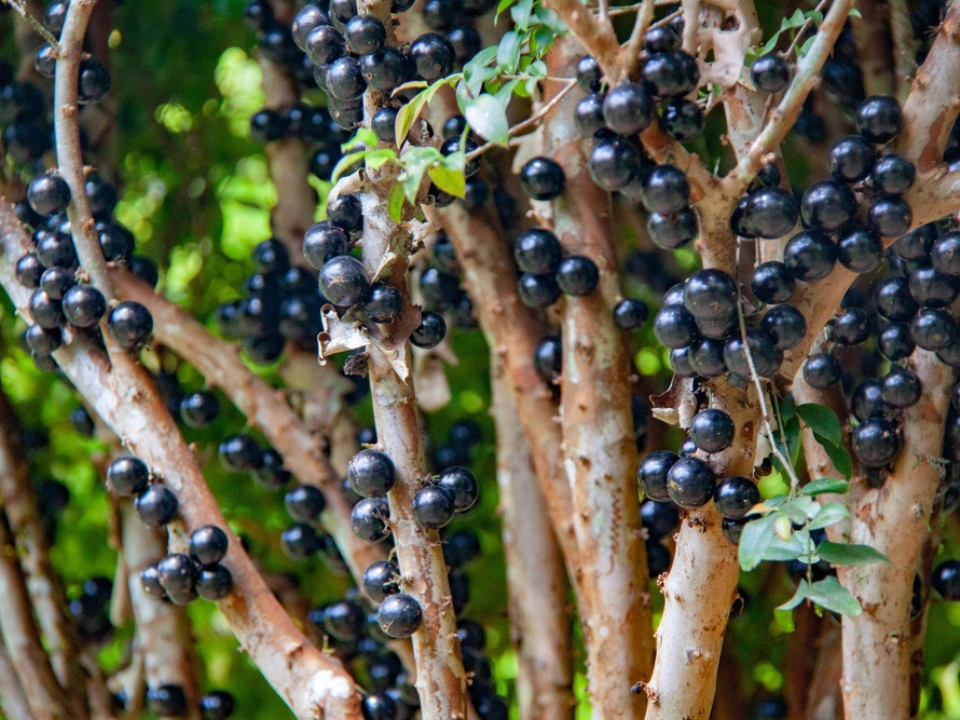
Jabuticaba is a fruit native to Brazil, often referred to as the “Brazilian grape tree” because it grows directly on the trunk of the tree. Its skin is a dark purple color, and the flesh is white and sweet, with a slightly tart aftertaste. The fruit has a unique, slightly earthy flavor that combines the sweetness of grapes with the freshness of a berry.
While commonly found in South America, it is not well-known outside of this region. Jabuticaba is often used to make wines, jellies, and liqueurs, but it can also be eaten fresh. The tree itself is quite striking, with clusters of fruit growing directly on the bark, making it a fascinating sight. This fruit is highly perishable, so it is often consumed right off the tree or preserved in various forms to enjoy its distinctive taste throughout the year.
Longan
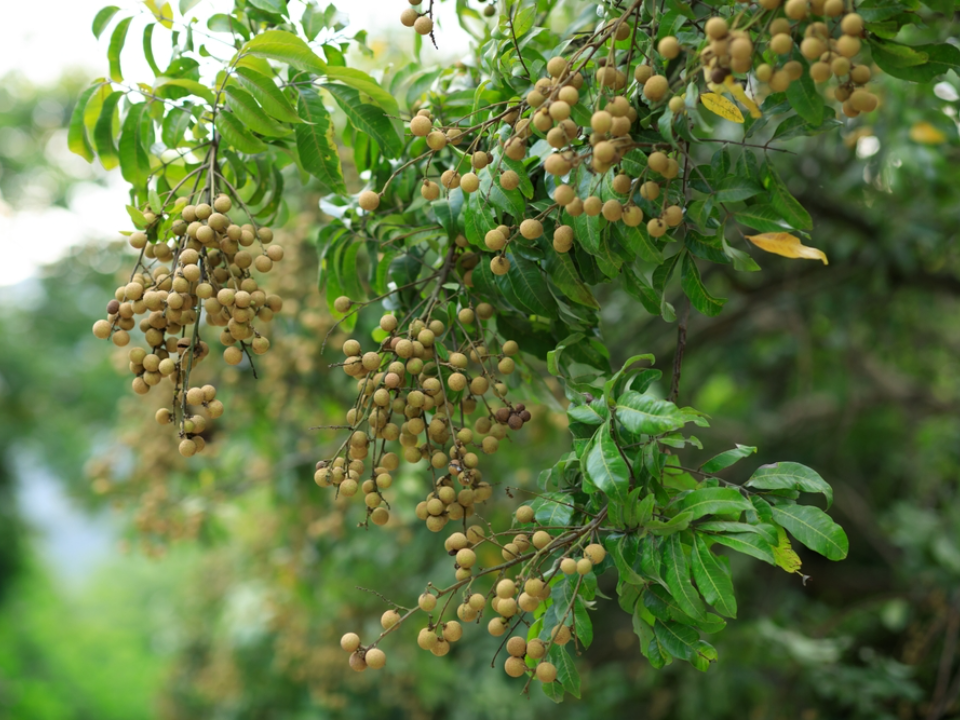
Longan is a tropical fruit native to Southeast Asia, often compared to lychee due to its similar appearance and taste. The fruit is small and round, with translucent flesh that is juicy and sweet. Its skin is light brown, and once peeled, it reveals a pearly-white interior that is almost gel-like in texture.
Longan is often used in Asian cuisines, adding a delicate sweetness to both savory and sweet dishes. The fruit is also valued for its medicinal properties in traditional practices, believed to help with stress relief and improving sleep. It is commonly found in dried form in herbal teas or snacks but is less widely available fresh outside of Asia. Its sweet and floral flavor makes it a rare treat for those lucky enough to taste it, offering a refreshing experience.
Yunnan Hackberry
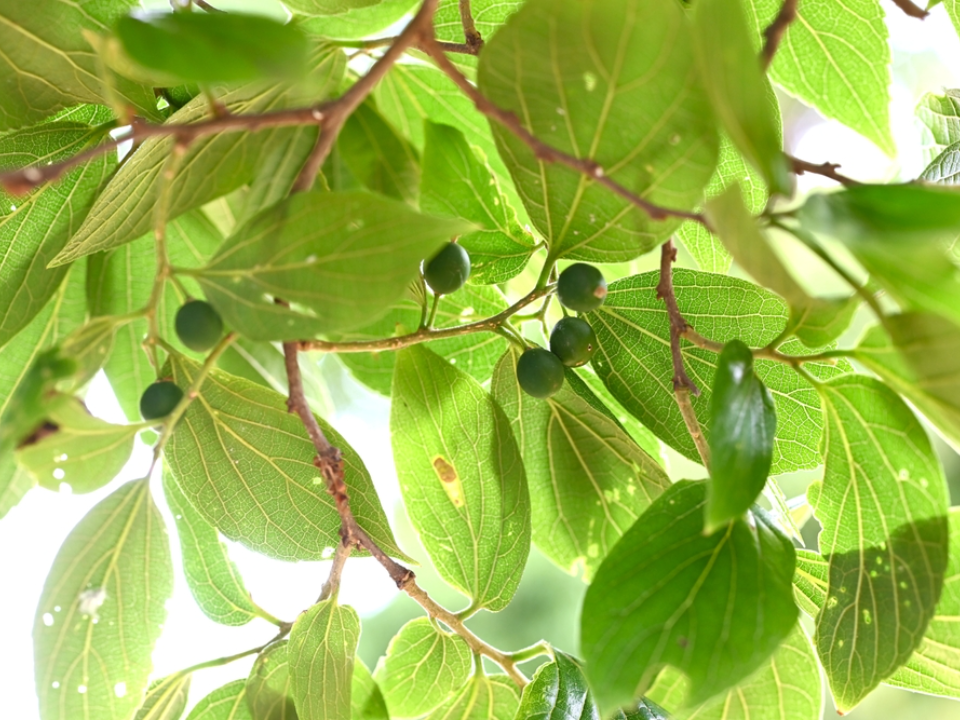
Yunnan hackberry is a fruit native to the Yunnan province in China. It grows on trees that are known for their ability to thrive in rugged mountain terrains. The fruit is small and spherical, covered with a thin, papery skin that can be orange or red when ripe. The flesh inside is firm, crunchy, and mildly sweet, with a slightly tangy note that adds to its complexity.
Due to its unique growing conditions, the Yunnan hackberry is not easily cultivated in other parts of the world, making it quite rare. In Chinese culinary traditions, it is used in both fresh and dried forms for various desserts and herbal concoctions. Its taste and texture make it a hidden gem, enjoyed primarily by those familiar with the mountainous regions where it grows.
Black Sapote
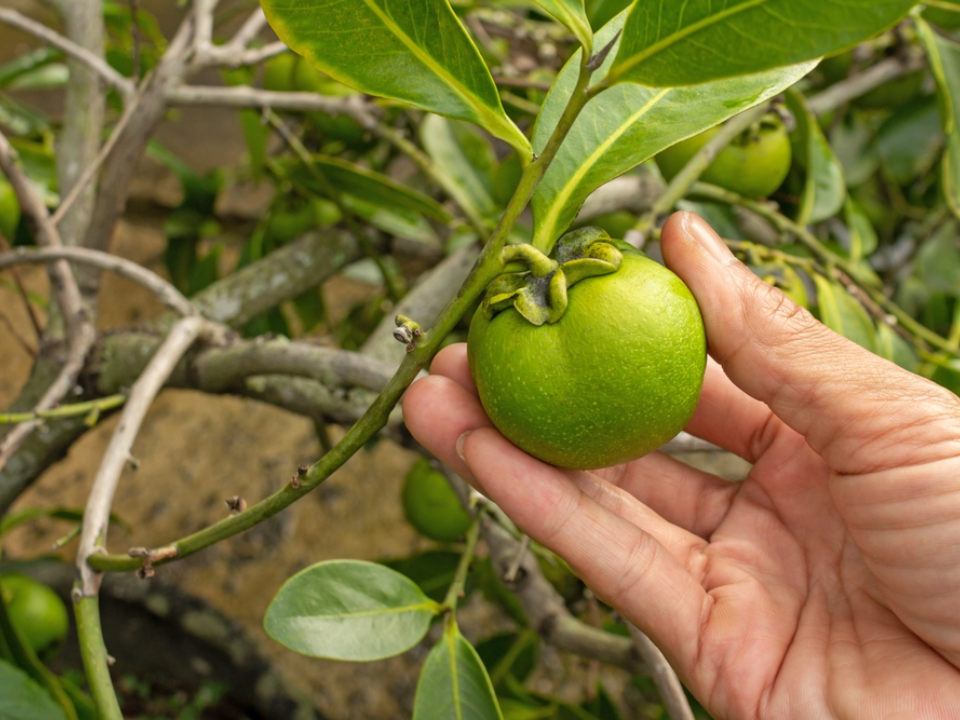
Known as the “chocolate pudding fruit,” black sapote is a tropical fruit native to the Philippines and Central America. When fully ripe, its flesh transforms into a dark brown, creamy texture that closely resembles chocolate pudding. Its flavor is mild, with a subtle sweetness and an earthy richness that adds to its dessert-like quality.
The fruit is typically eaten fresh, though it is also used in smoothies, ice creams, and baked goods due to its smooth consistency. Black sapote grows on trees that are hardy and can tolerate a variety of soil conditions, but its fruit is highly perishable and is difficult to find in most grocery stores. While it is a popular fruit in its native regions, it remains largely unknown outside of tropical areas. For anyone with a taste for subtle sweetness and creamy textures, black sapote is a must-try.
Santol
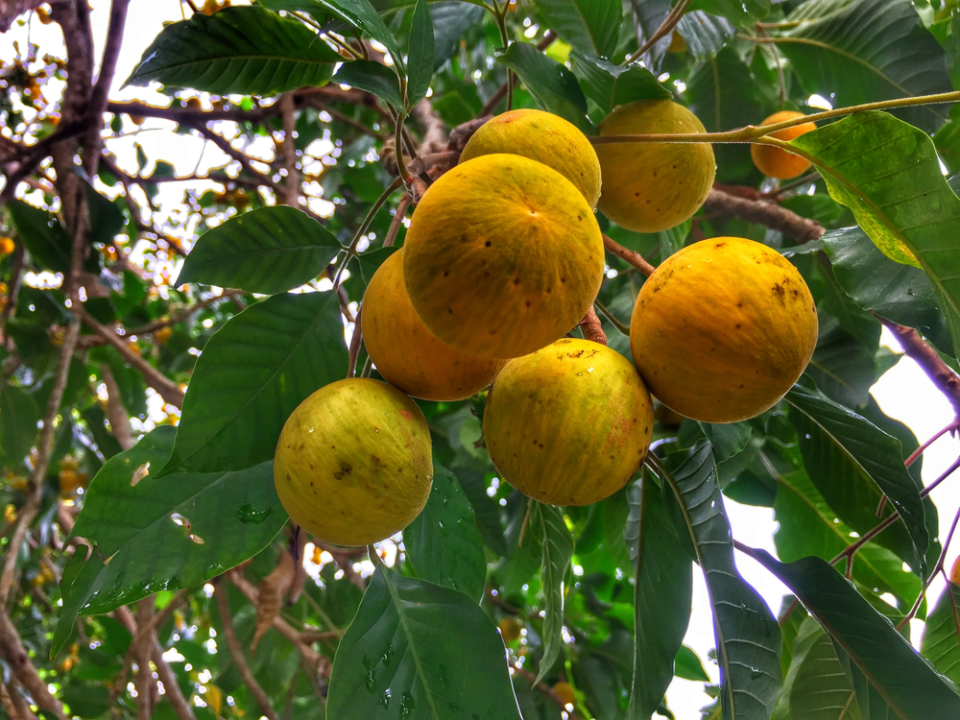
Santol, sometimes known as the “wild mangosteen,” is a tropical fruit native to Southeast Asia. The fruit is round and has a thick, yellow to orange rind that encases a white, segmented pulp. The flesh is juicy and can be sweet or sour, depending on its ripeness. Santol is highly aromatic, with a fragrance that resembles a mix of citrus and floral notes.
It is often eaten fresh, though it is also commonly used in traditional Asian cooking for making jams, sauces, and pickles. The fruit’s unique combination of sweet and tart flavors makes it a delightful experience for those who encounter it. Santol is also popular in Southeast Asian markets, where it is a regular feature in local fruit stalls. Its rarity outside the region adds to its mystique.
Pulasan
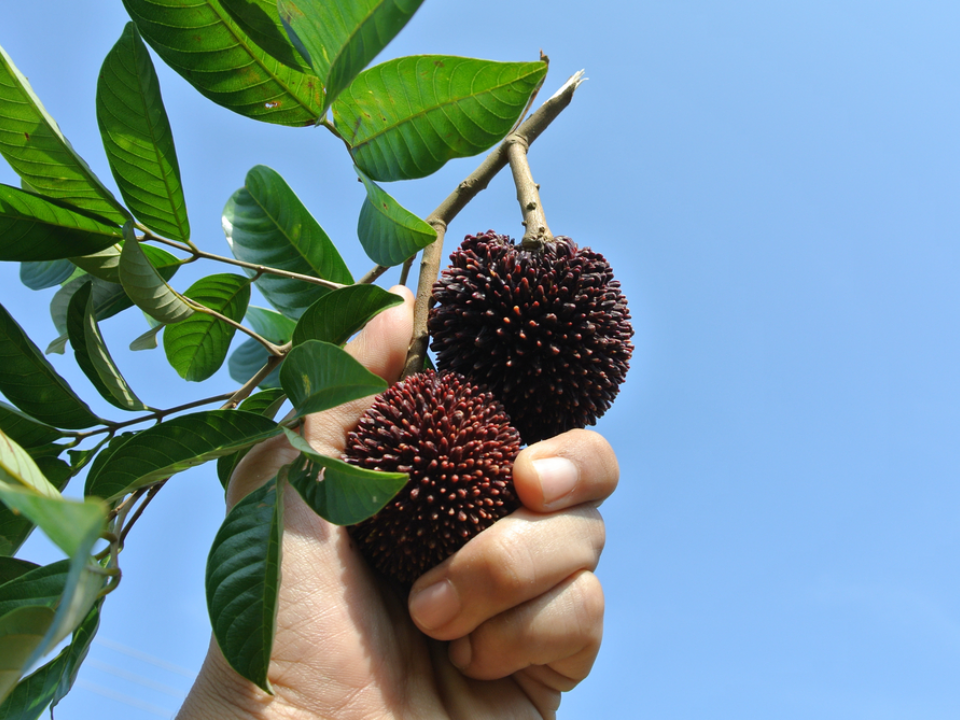
Pulasan is a fruit closely related to rambutan and lychee, but it is much rarer and often overlooked. Native to Malaysia and the Philippines, pulasan has a similar appearance to rambutan, with spiky red or purple skin that is soft to the touch. However, the skin of pulasan is thicker and more fibrous, making it more challenging to peel.
Once opened, the fruit reveals translucent, sweet flesh that is similar in taste to lychee but with a slightly less floral flavor. Pulasan trees are not as widely cultivated as other tropical fruit trees, making it difficult to find outside of Southeast Asia. The fruit is typically eaten fresh, though it is also used in jams, juices, and traditional desserts. Its elusive nature and unique taste make it a rare find for those lucky enough to taste it.
Buddha’s Hand
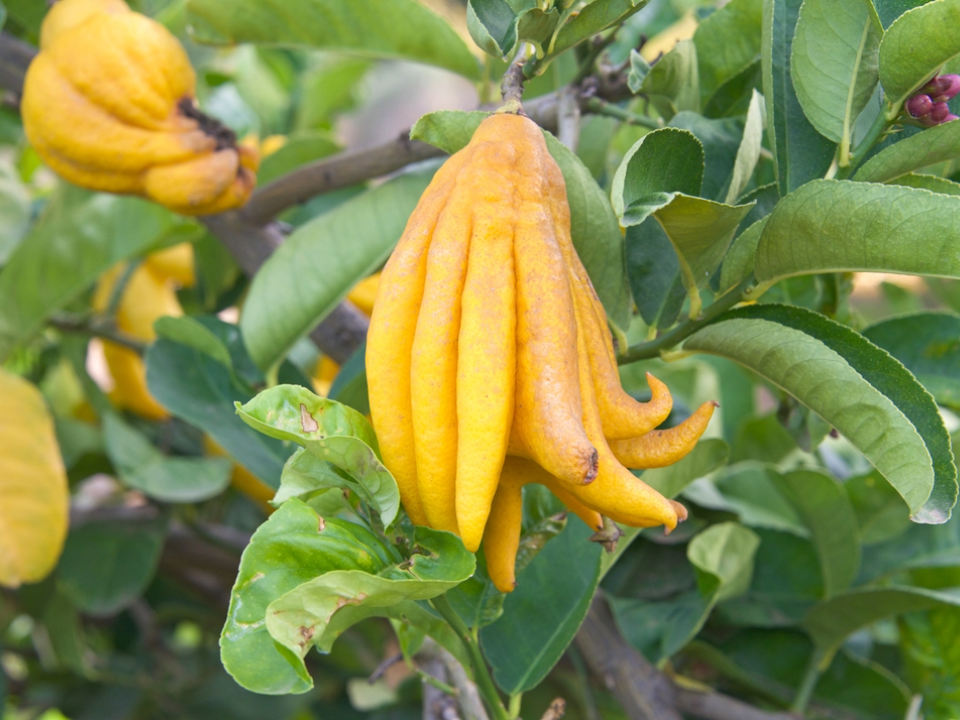
Buddha’s Hand is an unusual and aromatic fruit native to China and India. It is shaped like a series of yellow fingers extending from a central base, resembling a hand in a gesture of prayer or blessing, which is where it gets its name. Unlike most fruits, Buddha’s Hand has no edible flesh or juice. Instead, its zest and rind are prized for their intense lemon fragrance, making it a popular addition to perfumes and aromatherapy.
The fruit is often used to infuse liquids, such as vodka or tea, adding a fragrant citrus flavor. It is also used as a natural air freshener or as a garnish for culinary dishes. Though not eaten in the traditional sense, Buddha’s Hand is highly valued for its unique shape and strong, fragrant aroma.
Marula
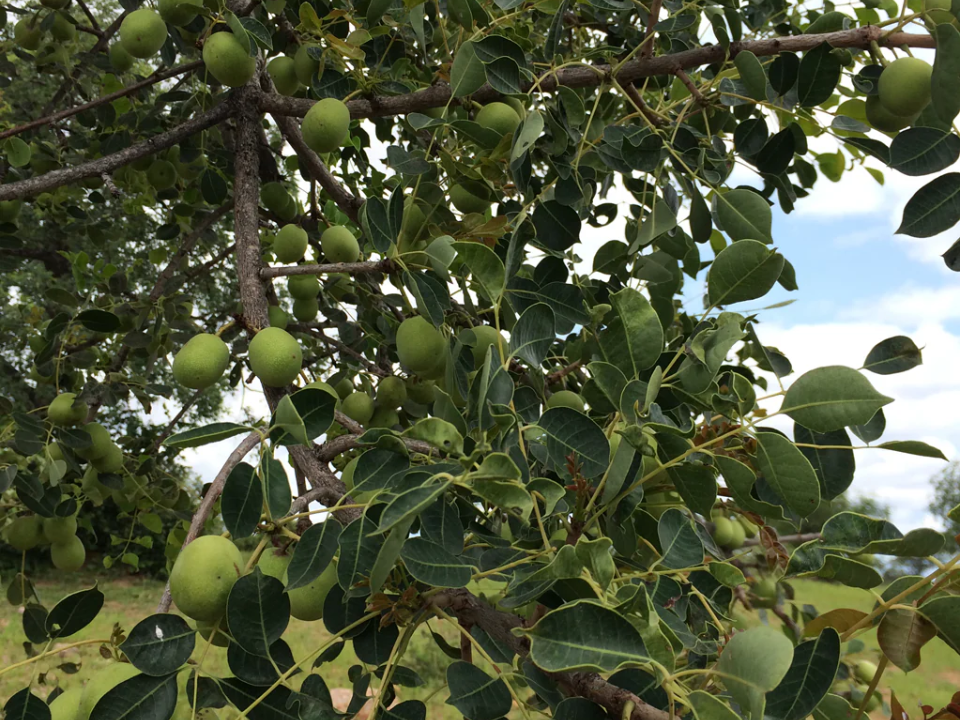
Marula is a small, round fruit native to Southern Africa, and it is known for its use in the popular Amarula liqueur. The fruit has a yellow skin that ripens to a golden color when it is ready to harvest. Inside, the flesh is soft and fibrous, with a tart taste that becomes sweet when fully ripe. Marula trees grow in dry, arid climates and are an important food source for local wildlife, particularly elephants, who are known to consume large quantities of the fruit.
Marula’s tangy flavor is often enjoyed fresh or used to make juice, jam, or fermented beverages. In addition to its culinary uses, marula is also prized for its oil, which is extracted from the seeds and used in skincare products due to its nourishing properties. The fruit’s rarity outside of Africa makes it an exotic treat for those who encounter it.
Jackfruit
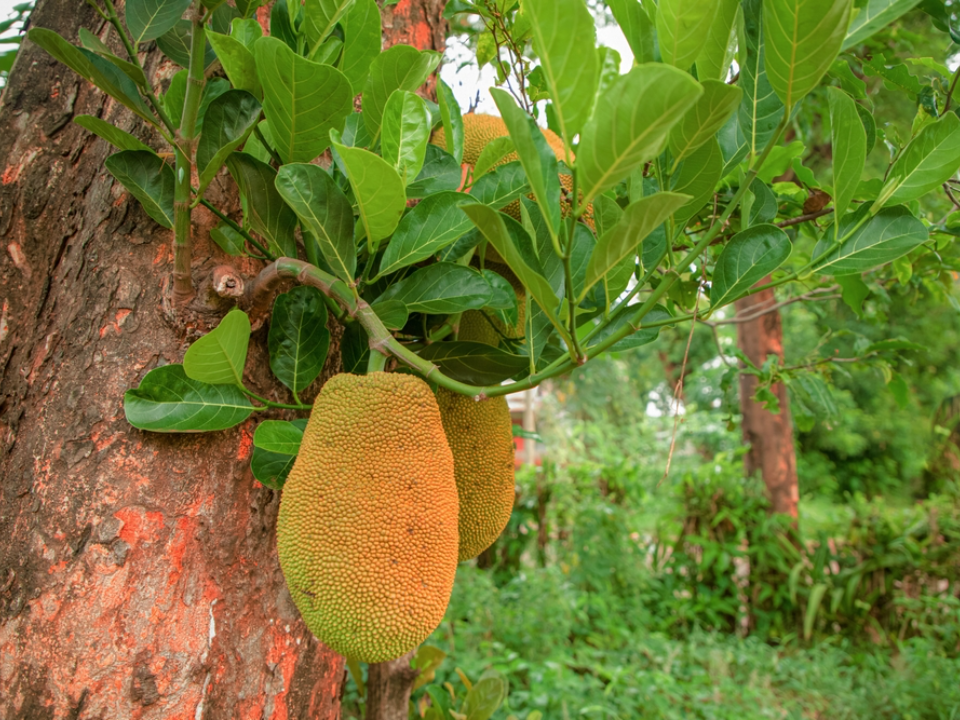
Jackfruit is one of the largest tree fruits in the world, and it is native to southwest India. Its outer skin is thick and green when unripe, but it turns yellow as it ripens. The fruit is large and bulbous, weighing up to 80 pounds or more, making it a striking sight on the tree. Inside, the flesh is soft and fibrous, with a sweet, fruity flavor that combines elements of banana, mango, and pineapple.
Jackfruit is versatile and can be eaten fresh, cooked, or dried. It is also increasingly popular as a meat substitute in vegan cooking due to its texture, which closely resembles pulled pork when cooked. While jackfruit is widely known in tropical regions, its size and unfamiliarity often prevent it from being found outside of these areas.
Breadfruit
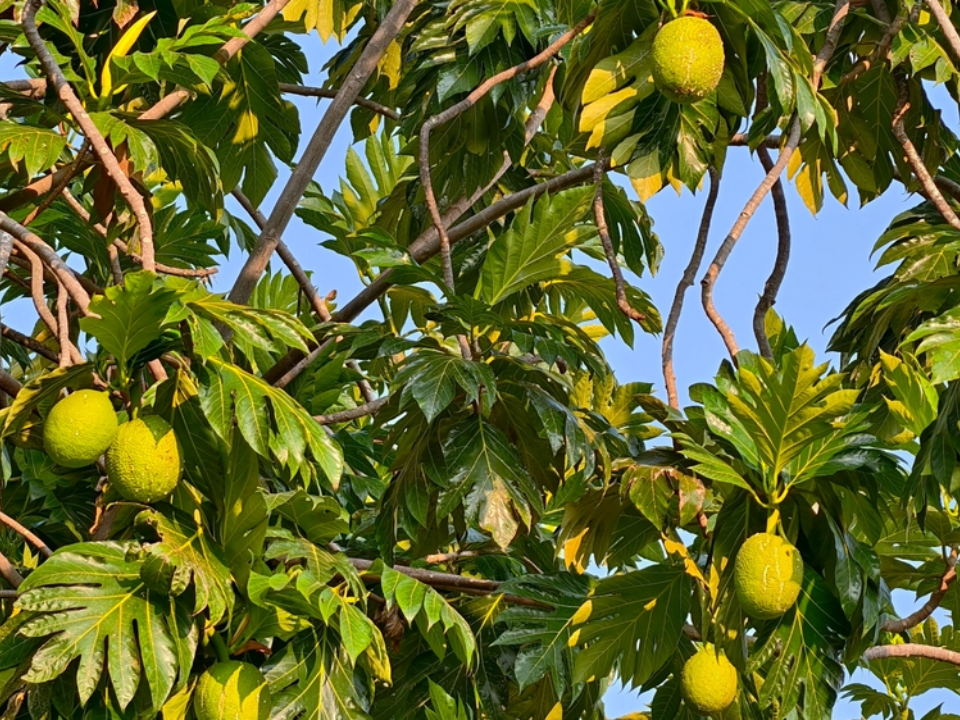
Breadfruit is a tropical fruit that originates from the Indo-Malay region and is widely cultivated in the Pacific Islands. The fruit is large and round, with a rough, green skin. Its flesh is starchy and firm, similar in texture to that of a potato, and when cooked, it has a flavor that is often described as similar to freshly baked bread.
Breadfruit is commonly used as a vegetable in savory dishes, and it can be roasted, boiled, or fried. It is also an important food staple in many tropical countries due to its high carbohydrate content. The tree itself is highly valued for its ability to produce a large amount of fruit, making it a reliable food source. While breadfruit is not commonly found in grocery stores outside of tropical regions, it remains a key ingredient in local cuisines.
Sapodilla
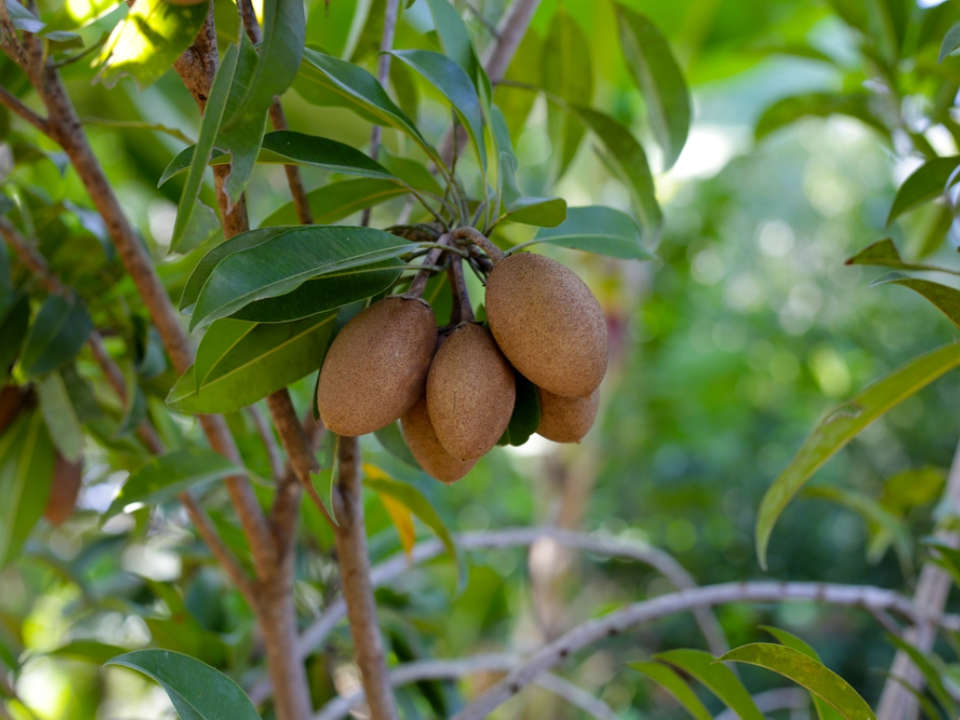
Sapodilla, native to southern Mexico, the Caribbean, and Central America, is a small, round fruit with rough, brown skin. Its flesh is a soft, grainy texture with a flavor that combines elements of pear, brown sugar, and molasses. Often referred to as the “chiku” in Southeast Asia, the sapodilla fruit is sweet and aromatic, offering a rich, satisfying taste. It is commonly eaten fresh, though it is also used in smoothies, ice creams, and desserts.
The fruit’s natural sweetness makes it a favorite in tropical regions, though its lack of widespread availability outside these areas makes it a rare treat for many. Sapodilla trees are relatively hardy and can thrive in tropical and subtropical climates, making the fruit a sustainable source of food in its native regions. Due to its high sugar content, it is often enjoyed as a natural, energy-boosting snack.
Soursop
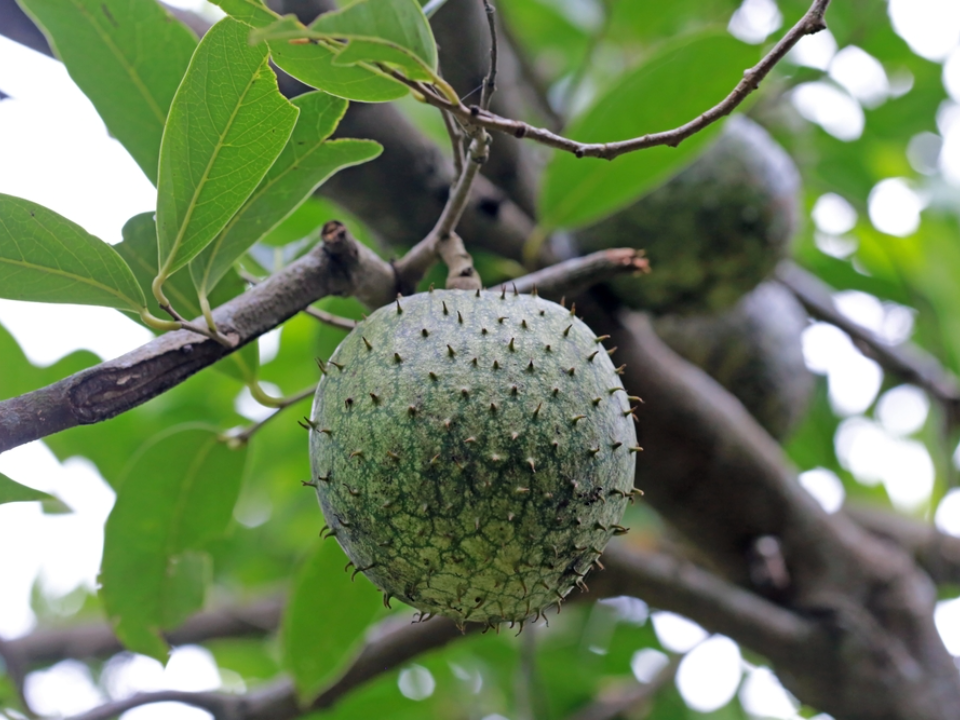
Soursop, also known as graviola, is a large, spiky green fruit found primarily in the tropics of Central and South America. The fruit has a distinctive flavor, with a mix of sweet and tangy notes, resembling a combination of strawberry, pineapple, and citrus. The flesh inside is soft and white, with a slightly fibrous texture and large black seeds.
Soursop is often used to make juices, smoothies, or desserts due to its refreshing taste. Its unique flavor profile makes it a favorite in tropical regions, though it is less commonly found outside these areas. Beyond its culinary uses, soursop is also known for its purported health benefits, which are believed to include immune-boosting properties and the ability to combat certain infections. The fruit is highly perishable, so it is often enjoyed fresh or preserved in local markets.
Mangosteen
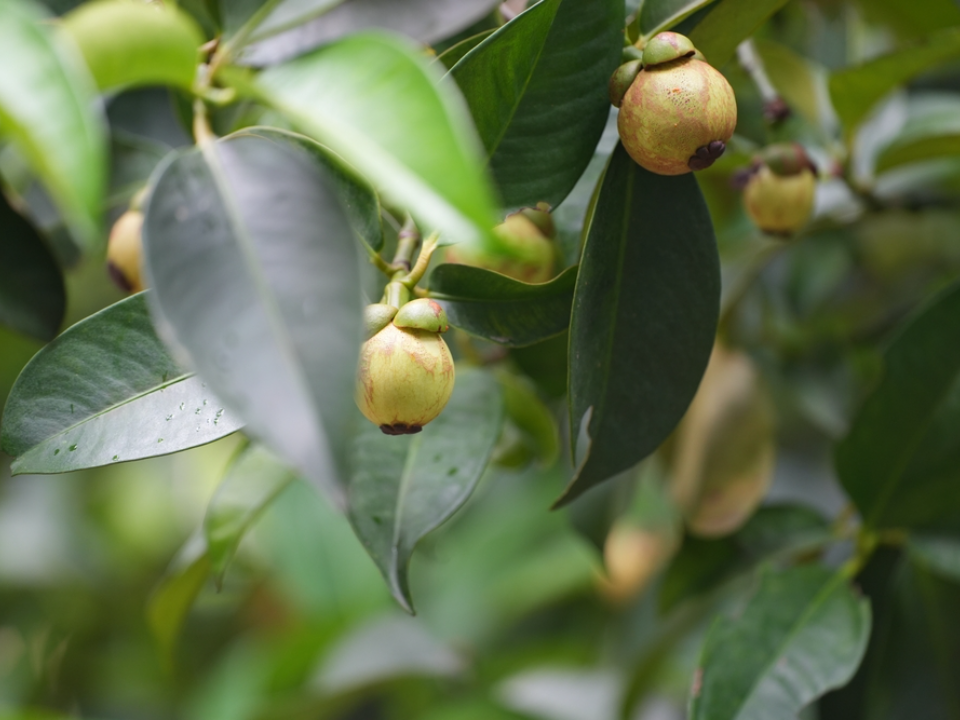
Mangosteen, often referred to as the “queen of fruits,” is a small, round fruit with a deep purple rind and juicy, segmented white flesh. It is native to Southeast Asia and is prized for its sweet, tangy, and aromatic flavor. The fruit is known for its refreshing taste, which has been described as a mix of peach, pineapple, and citrus.
Mangosteen is typically eaten fresh, but it is also used in smoothies, juices, and desserts in its native regions. The fruit is quite perishable, making it a rare treat for those outside of its growing regions. Despite being hard to find in many parts of the world, mangosteen is often considered one of the most delicious fruits in existence. It also contains a high amount of antioxidants, making it a healthy snack.
Langsat
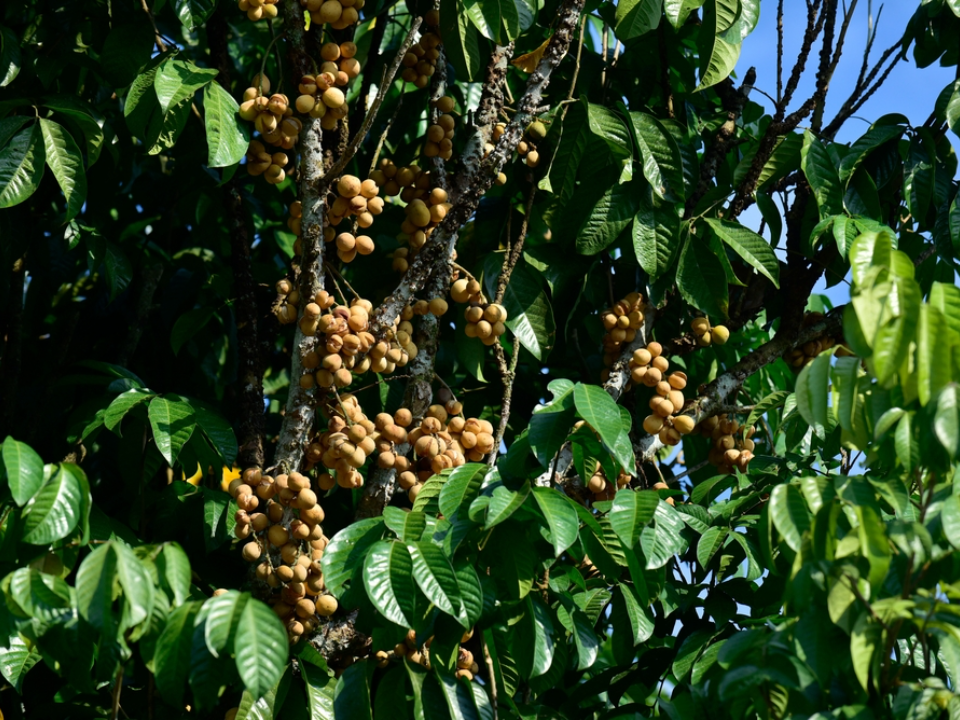
Langsat is a small, oval-shaped fruit that grows on trees in Southeast Asia, particularly in Malaysia and Indonesia. It is similar in appearance to the duku fruit, with a thin, yellowish-brown skin that is easily peeled away. Inside, the fruit has translucent, juicy segments that are sweet and slightly tangy. Langsat is often compared to a less-sweet version of lychee, though it has its own distinct flavor.
The fruit is typically eaten fresh, though it is also used in preserves and sauces in some cultures. Langsat trees grow in tropical climates and are an important part of local agriculture. While it is not widely available outside Southeast Asia, langsat is beloved for its refreshing taste and delicate texture.
This article originally appeared on Avocadu.