
13 Low Effort Garden Projects for February That Make Spring Easier
February might feel like the quietest time in the garden, but it is actually the perfect month to get ahead on a few simple tasks that will make your spring gardening much easier. With just a little effort now, you can ensure that your plants will thrive once the warmer weather arrives. Whether you are prepping your tools, starting seedlings indoors, or organizing your supplies, these small projects will save you time and energy later. Plus, getting a jump on these tasks means you can enjoy a smoother transition into the busy gardening season. The best part is that none of these tasks require a lot of effort, but they can make a big difference in how well your garden performs.
This post may contain affiliate links, which helps keep this content free. Please read our disclosure for more info.
Clean and Sharpen Garden Tools
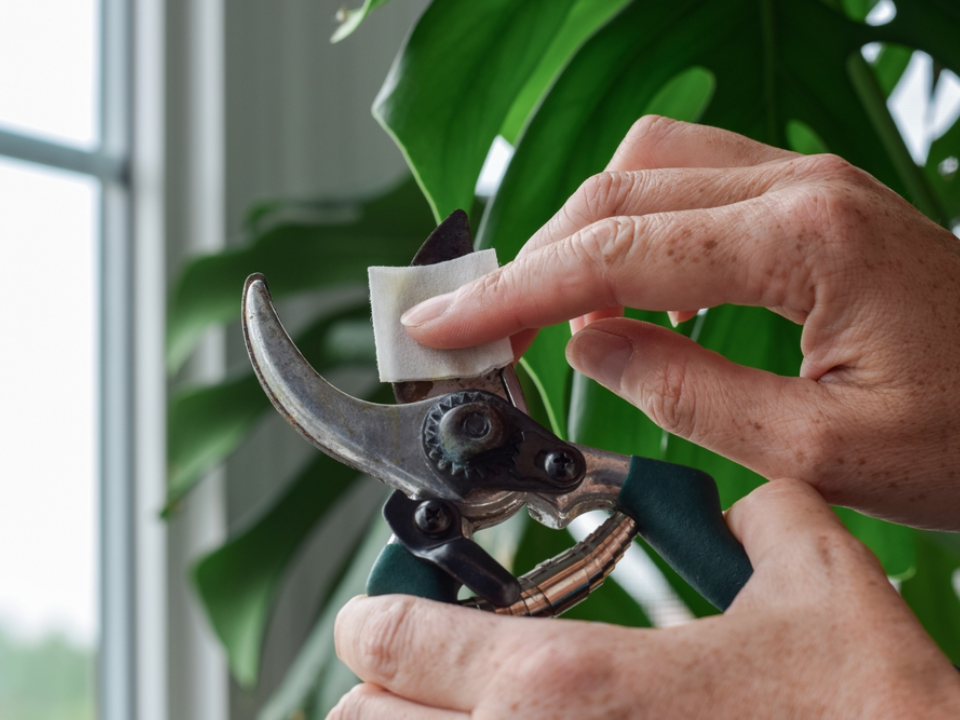
One of the easiest tasks you can do in February is to clean and sharpen your garden tools. Over time, tools can become rusty and dull, which can make your gardening tasks much more difficult come spring. To clean them, start by using a wire brush or steel wool to remove any dirt and rust. For sharpening, you can use a sharpening stone or file. This will not only help your tools last longer but also make them much more efficient when it is time to get planting.
It is important to maintain your tools throughout the year, but February is the perfect time to ensure they are ready for the busy gardening season. After cleaning, consider applying some oil to prevent rust from forming in the future. This simple project can save you time and effort when you are finally ready to dig into the garden.
Plan Your Garden Layout
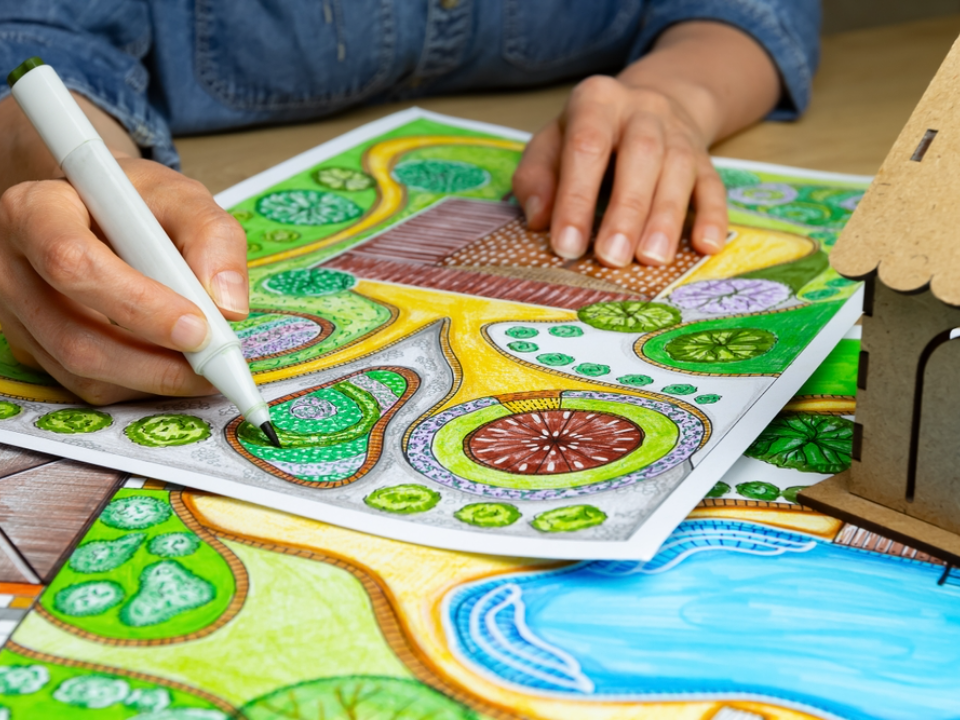
February is the ideal time to plan your garden layout for the upcoming season. While you may not be able to plant yet, thinking ahead can make a big difference when the weather warms up. Take some time to sketch out your garden space, considering the amount of sunlight each area receives and what plants will thrive in those spots. Planning now allows you to be strategic about plant placement and avoid overcrowding later on.
You can also make a list of the seeds and plants you want to grow, helping you stay organized when it is time to start shopping for supplies. Planning your garden in advance will ensure a smoother planting process and a healthier garden come spring. Plus, it gives you plenty of time to research new plants or gardening techniques you may want to try. Having a solid plan will make your gardening experience more enjoyable.
Clean Up Your Garden Beds
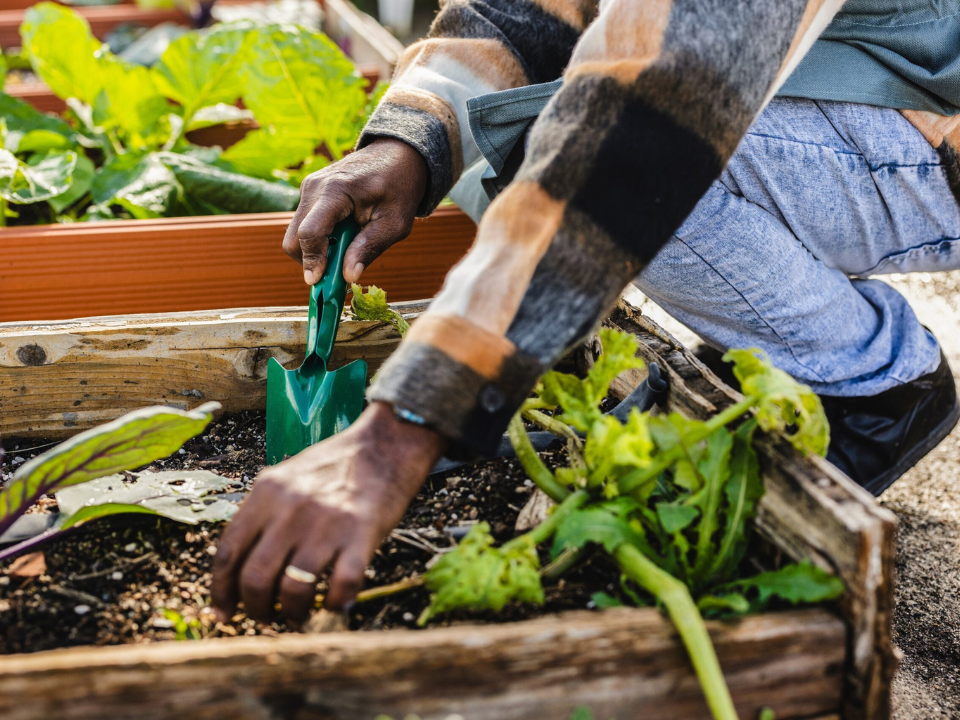
Another low-effort task for February is cleaning up your garden beds. Remove any remaining leaves, dead plants, or other debris that may have accumulated over the winter. Not only does this improve the appearance of your garden, but it also helps prevent pests and diseases from overwintering in your garden beds. If you have mulch in your beds, now is a good time to refresh it by adding a new layer.
This will help protect the soil and provide insulation for your plants when the temperatures rise. Clearing out the old debris ensures that you will have a clean slate when it is time to start planting in spring. This project is straightforward, and you will be surprised at how much it improves the look and feel of your garden. Plus, it helps prepare the soil for the new season ahead.
Start Indoor Seedlings
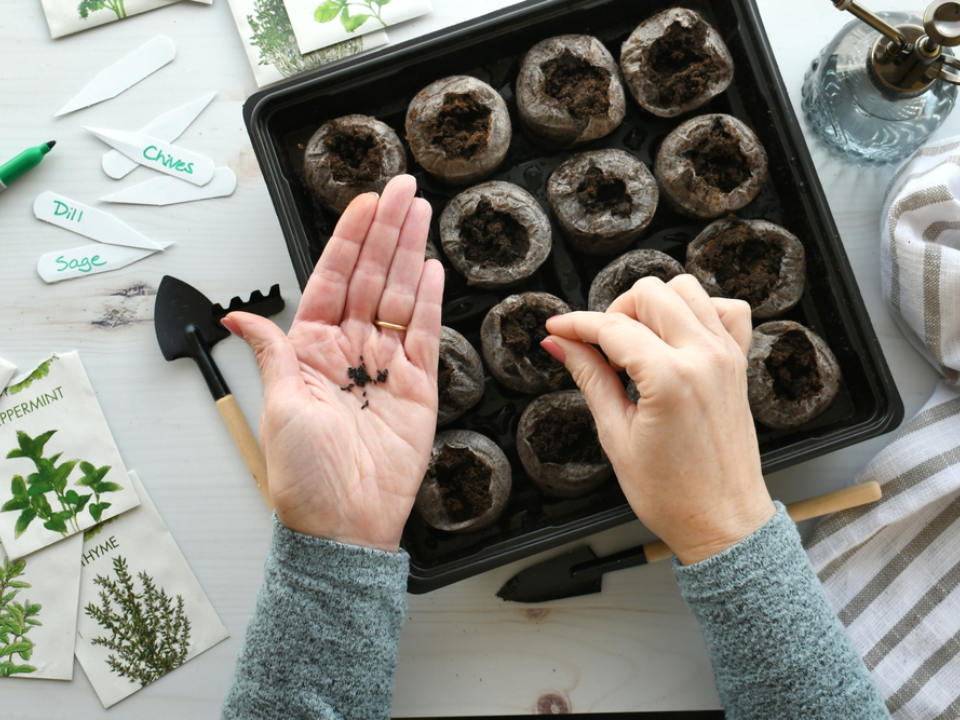
February is a great month to begin starting seedlings indoors. Many plants, like tomatoes and peppers, need a head start before being transplanted outside. You do not need an elaborate setup to start your seeds. A few small containers, some potting mix, and a sunny windowsill are all you need.
Simply plant your seeds according to the package instructions, water them, and wait for them to sprout. Starting seeds indoors allows you to get a jump on the growing season, and by the time the weather is warm enough to plant outside, you will have strong, healthy seedlings ready for transplanting. Starting seeds at home is a low-effort way to ensure your garden gets off to a good start. It can also save you money by not having to buy seedlings from the store.
Mulch Your Garden Beds
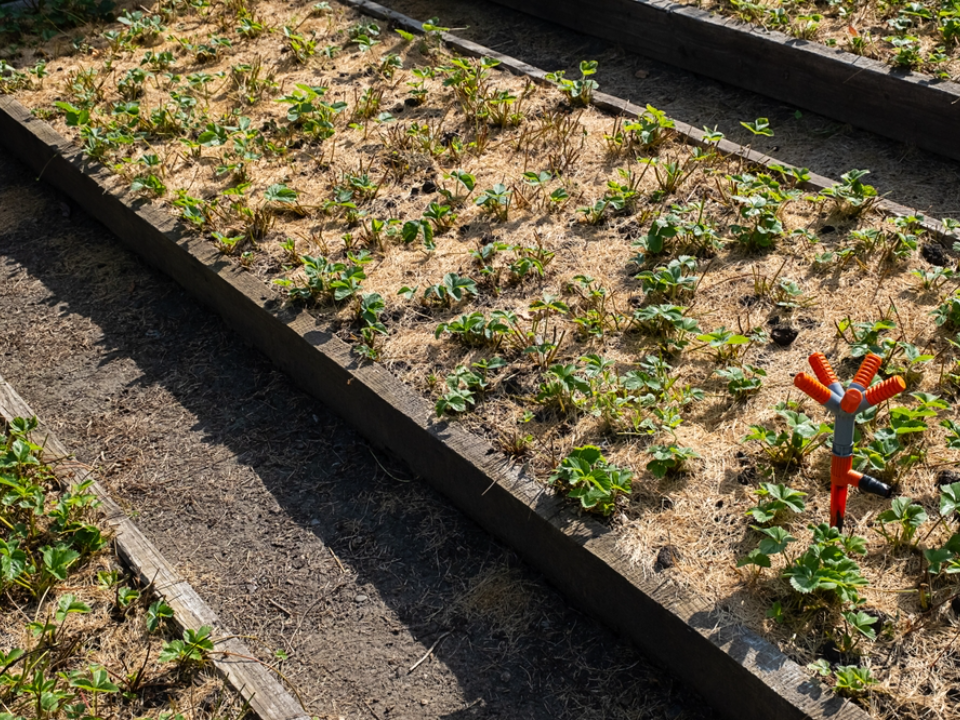
Mulching your garden beds in February can be an easy yet effective way to improve the health of your garden. Adding a layer of mulch helps regulate soil temperature, retains moisture, and suppresses weeds. If you had mulch in your garden last year, simply fluff it up and add more if needed.
Organic mulches, like wood chips or straw, are great because they break down over time and enrich the soil. Be sure to spread the mulch evenly and keep it a few inches away from plant stems to prevent rotting. By mulching now, you will save time and effort in the spring when weeds start to sprout. It also helps to prepare your garden beds for the season ahead by keeping the soil in optimal condition.
Prune Dormant Trees and Shrubs
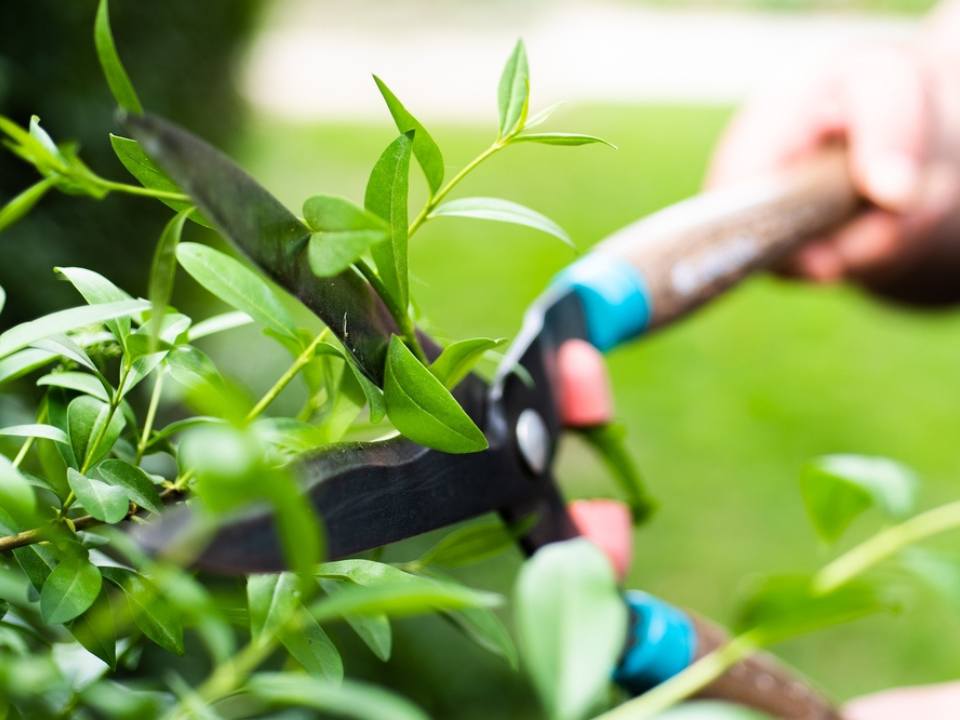
Pruning dormant trees and shrubs is another simple February garden task. It is best to prune trees and shrubs while they are still dormant, as it promotes healthy growth when they wake up in the spring. Look for any dead, damaged, or crossing branches, and remove them to encourage better airflow and prevent disease.
Be sure to use sharp, clean pruning tools to make clean cuts. If you are unsure how to prune a specific plant, you can research the best methods for each type of tree or shrub. Pruning now will not only make your plants healthier but also help them look more attractive once they begin to grow. This simple task will make your garden look more organized and prepared for the growing season.
Composting Leftover Organic Material
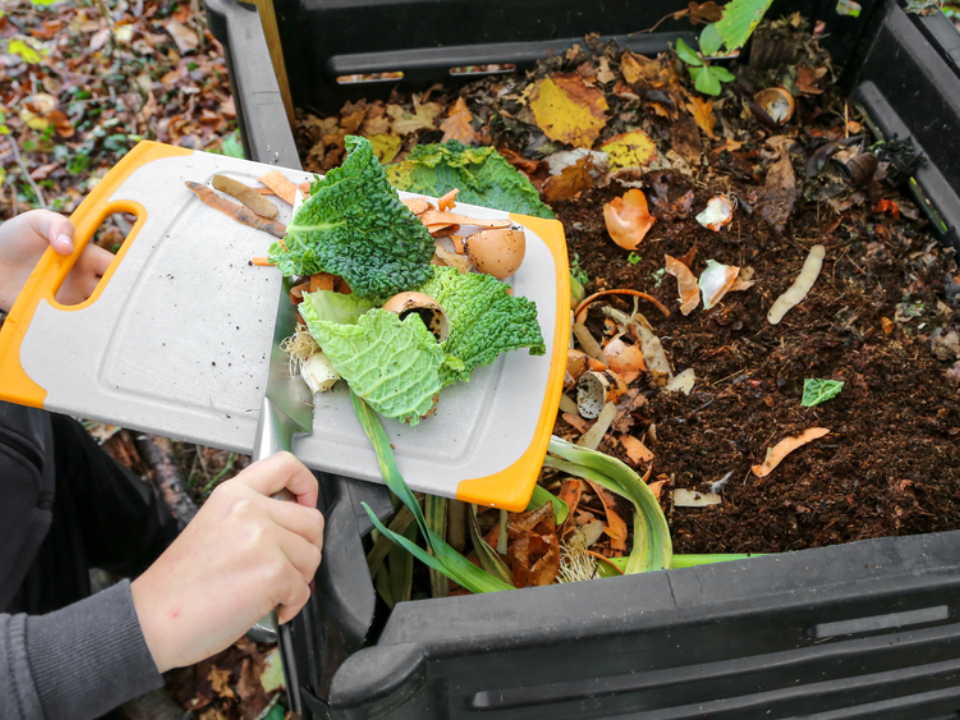
Composting is a low-effort project that can have long-lasting benefits for your garden. Throughout the winter, many organic materials like food scraps and yard waste may have built up. Now is a great time to start composting them. Simply create a compost pile in a corner of your garden or use a compost bin. Be sure to include a balance of green materials (like vegetable scraps and grass clippings) and brown materials (like leaves and cardboard).
Over time, these materials will break down and turn into nutrient-rich compost that you can use to improve your soil. Not only is composting an environmentally friendly project, but it also saves you money on store-bought fertilizers. This is a great way to make use of leftover organic waste and help your garden thrive in the upcoming season.
Inspect Your Garden Fencing
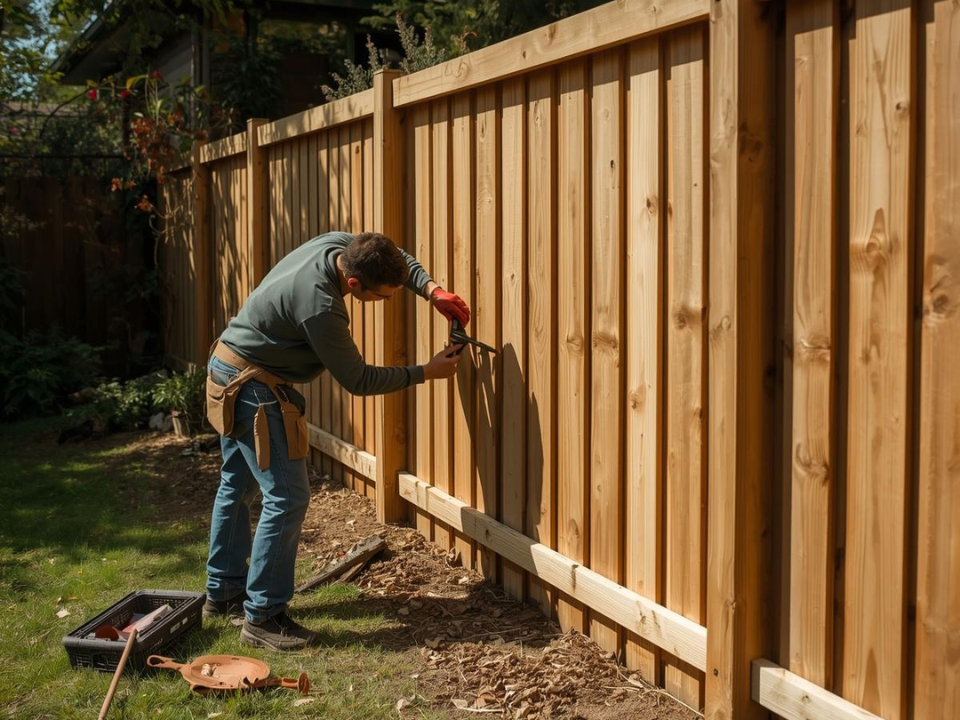
February is an excellent time to inspect your garden fencing for any damage caused by the winter weather. Check for loose or broken panels, rust on metal fences, or gaps where animals could enter. If you find any issues, take the time to repair or replace the damaged sections. A sturdy fence helps keep pests out and ensures that your plants are protected.
It is easier to fix any problems now before the growing season begins, as you will not want to deal with them when your plants are in full bloom. If you have a vegetable garden, a secure fence is especially important to keep critters from feasting on your crops. Regular maintenance of your fencing will ensure it stays in top condition throughout the year.
Organize Your Garden Shed
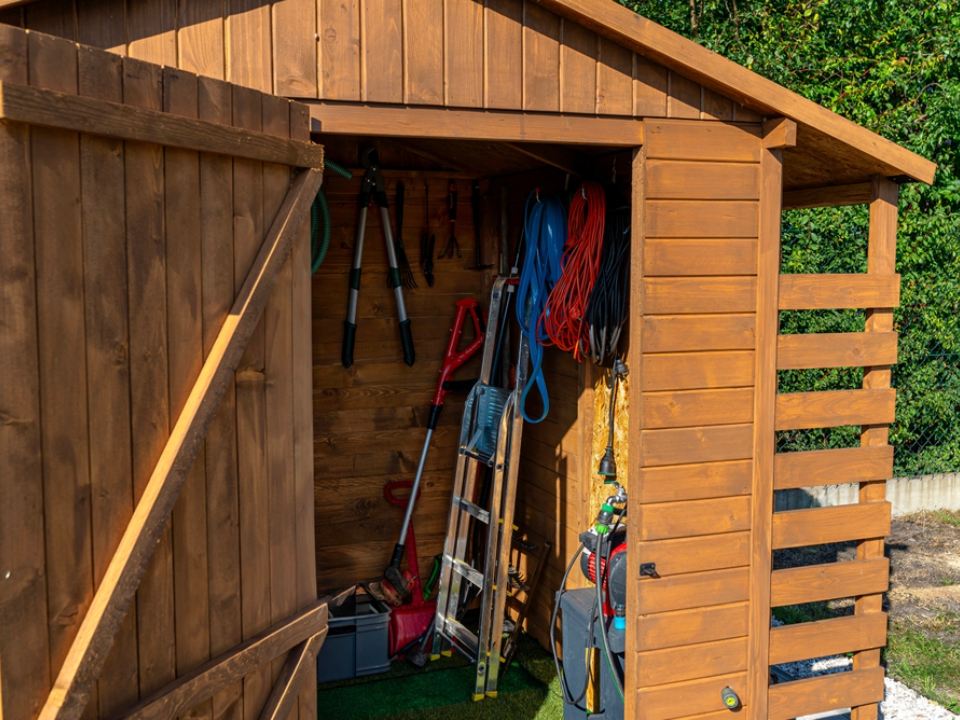
Getting your garden shed organized is a great low-effort project to tackle in February. Over the winter, tools, supplies, and other items can pile up and make it difficult to find what you need when spring arrives. Take the time now to sort through your garden shed and get rid of any items that are broken or no longer useful.
Organize your tools, seeds, and other supplies so they are easy to access when the busy gardening season begins. This will save you time and frustration in the spring. Use containers, hooks, and shelves to keep everything in its place. Having a clean and organized shed will make your gardening tasks more efficient and enjoyable when the weather warms up.
Start an Herb Garden Indoors
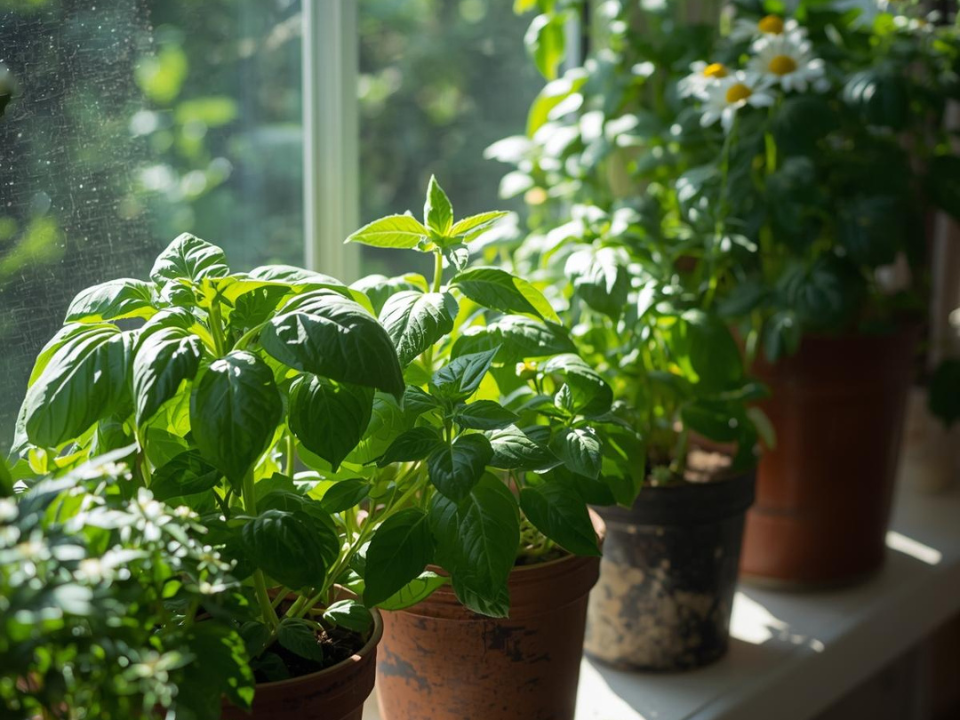
February is the perfect time to start growing herbs indoors. You can grow herbs like basil, parsley, cilantro, and thyme on a sunny windowsill. Use small containers with good drainage and potting mix to ensure that your herbs get the nutrients they need. Growing herbs indoors not only adds greenery to your home but also gives you fresh herbs for cooking throughout the year.
Be sure to water them regularly but avoid overwatering, as herbs do not like to sit in soggy soil. Starting your herb garden now will give your plants a good head start, and they will be ready to transplant outdoors once the weather warms up. Plus, indoor herbs add fragrance and beauty to your home, making it an enjoyable project that requires minimal effort.
Create a Raised Garden Bed
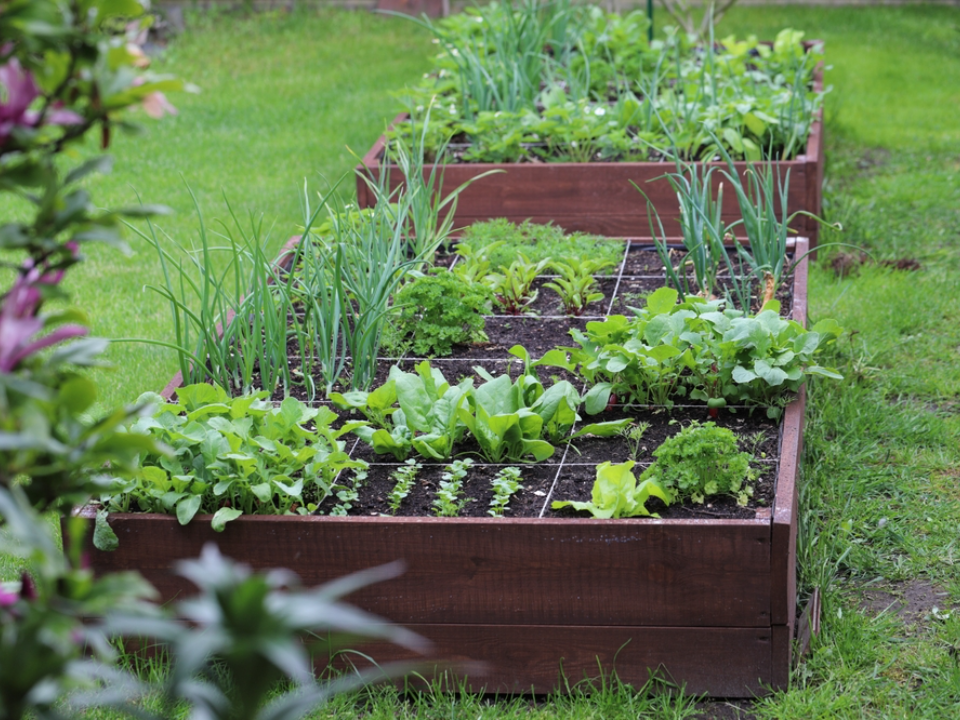
Building a raised garden bed is an easy way to improve your garden’s growing conditions. Raised beds allow for better drainage, less compaction, and warmer soil, all of which lead to healthier plants. In February, you can begin gathering materials like untreated wood, bricks, or stone for the frame. You can also start filling your bed with a mixture of compost and soil.
Raised beds are particularly beneficial if you have poor soil in your yard, and they are great for growing vegetables, flowers, or herbs. Once the weather warms up, you can start planting directly into your raised bed without worrying about the quality of your soil. This is a low-effort project that will provide long-term benefits for your garden.
Make a Bird Feeder
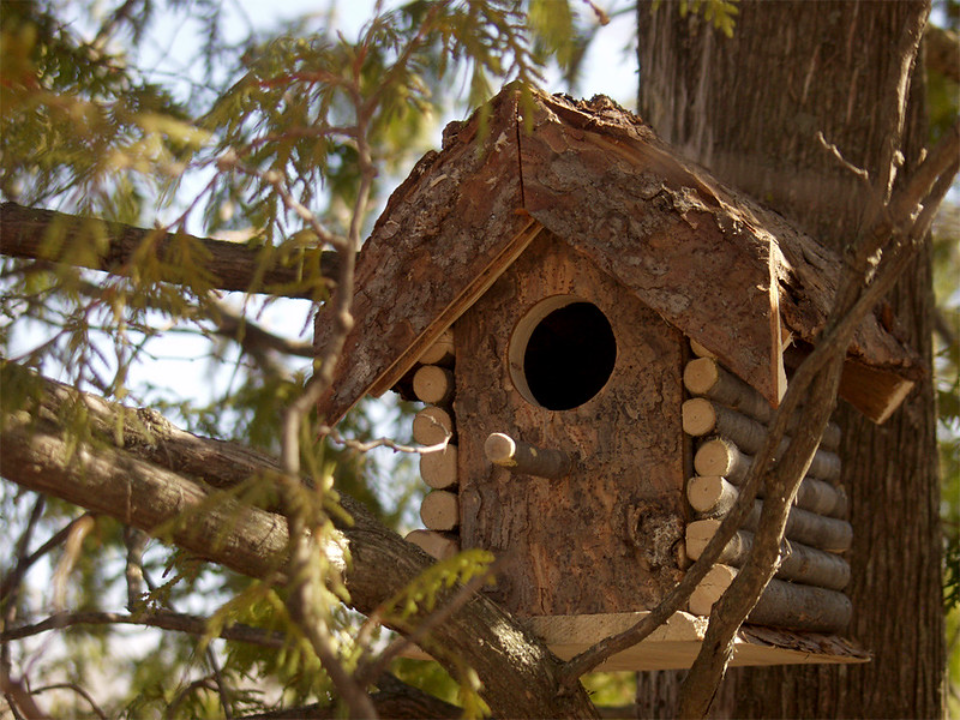
Building a bird feeder is a simple way to bring wildlife into your garden, and it can be done with minimal effort. You can create a bird feeder from everyday items such as toilet paper rolls, pine cones, or plastic bottles. Spread peanut butter on the rolls or pine cones, and then roll them in birdseed. Hang your homemade feeder in a tree or from a hook outside, and watch the birds flock to it.
Providing food for birds during the winter months helps them survive, and it can add a peaceful, natural element to your garden. Plus, it’s a great project for the whole family to get involved in. Bird feeders are low-maintenance, and all you need to do is refill them when the food runs out.
Prepare Garden Containers
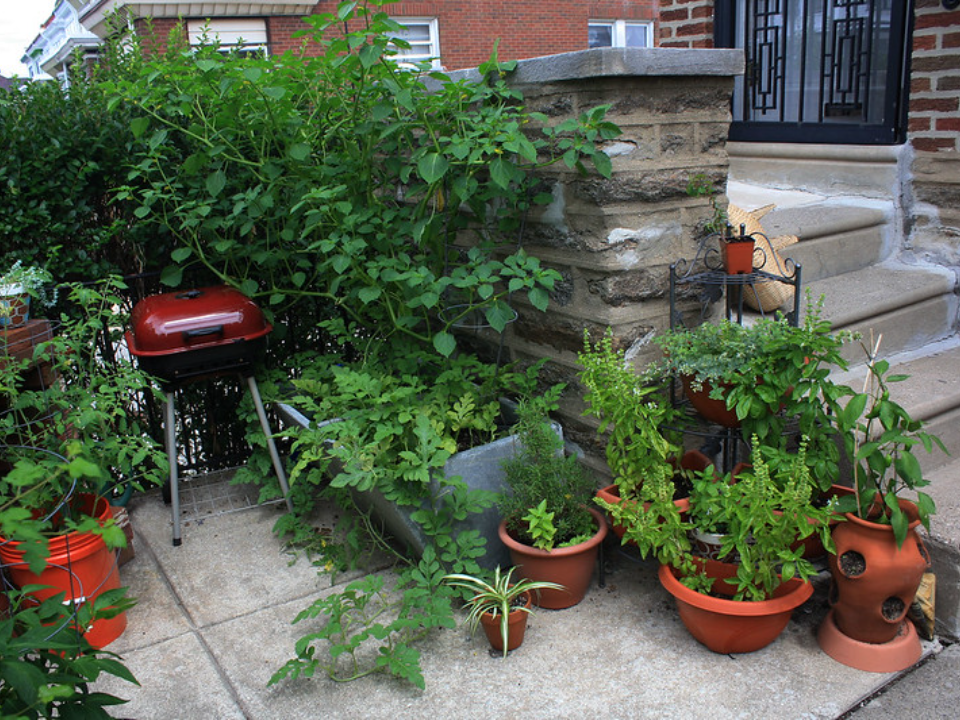
If you plan to grow plants in containers this spring, February is the time to get them ready. Clean your containers thoroughly to remove any old dirt, pests, or plant diseases. You can use a mixture of water and bleach to disinfect your pots before filling them with fresh soil. If you have cracked or broken containers, this is the time to repair or replace them.
Consider using a variety of sizes and shapes for your plants to add visual interest to your garden. Container gardening is great for small spaces or for growing plants that need extra attention, like tomatoes or peppers. Taking the time to prepare your containers now will save you time and effort later when planting season arrives.
This article originally appeared on Avocadu.