
15 Rare Carnivorous Plants That Eat Bugs in Surprisingly Different Ways
Carnivorous plants are fascinating creatures that have evolved unique ways to survive in nutrient-poor environments. Instead of relying on soil to get the nutrients they need, these plants have developed ingenious methods to catch and digest insects. From jaw-like traps to sticky surfaces, each plant has its own way of attracting and capturing prey. While some use speed to snare their meals, others take a more patient approach. These plants can be found in different parts of the world, each with their own strategies for luring insects. Exploring how these plants work gives us a glimpse into the amazing adaptability of nature.
This post may contain affiliate links, which helps keep this content free. Please read our disclosure for more info.
Venus Flytrap (Dionaea muscipula)
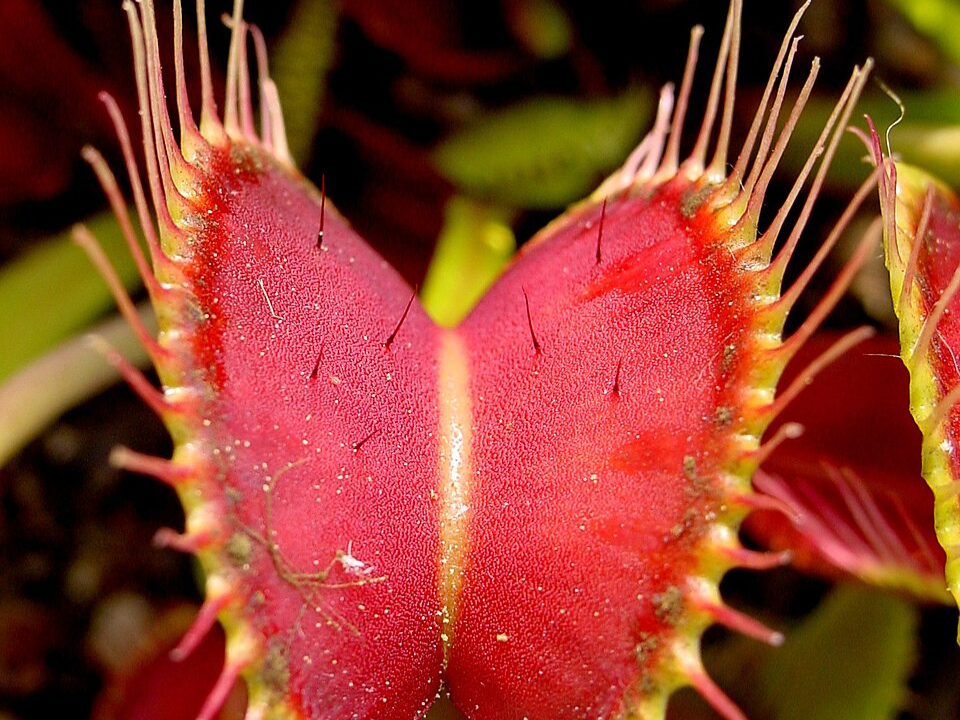
The Venus Flytrap is one of the most famous carnivorous plants known for its unique method of trapping prey. Its leaves are modified into jaws that snap shut when tiny trigger hairs are touched by an insect. These traps can close in less than a second, catching prey with remarkable speed. The Venus Flytrap is native to subtropical wetlands and thrives in nutrient-poor soil, relying on insects for its nutrients.
It can catch and digest a variety of insects, including ants, beetles, and spiders. After capturing its prey, the plant secretes digestive enzymes that break down the insect over several days. This digestion process provides the plant with essential nutrients, such as nitrogen and phosphorus, that are lacking in its natural soil. The Venus Flytrap’s trap mechanism is triggered by two to four quick touches, making it highly sensitive to its environment.
Pitcher Plant (Nepenthes spp.)
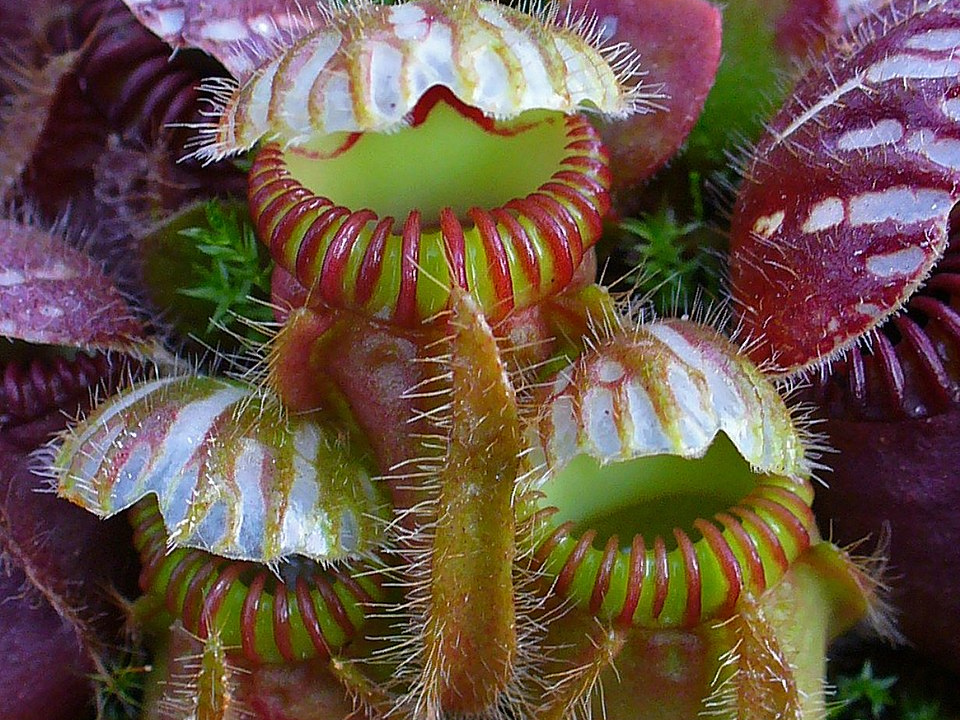
Pitcher plants are known for their unique tubular leaves that resemble a pitcher or a container. These plants have evolved to attract, capture, and digest insects with their specialized leaves that hold water or digestive fluid. The surface inside the pitcher is slippery and covered with downward-facing hairs, causing insects to fall into the trap. Once the insect is trapped inside, it drowns and is gradually digested by the enzymes produced by the plant.
Pitcher plants often lure prey with sweet-smelling nectar found around the rim of the pitcher. These plants are commonly found in nutrient-poor environments, such as bogs and marshes. There are various species of pitcher plants, each with different types of traps, but all share the basic structure of a pitcher-shaped leaf. Some species even catch small vertebrates, such as frogs, in addition to insects.
Sundew (Drosera spp.)
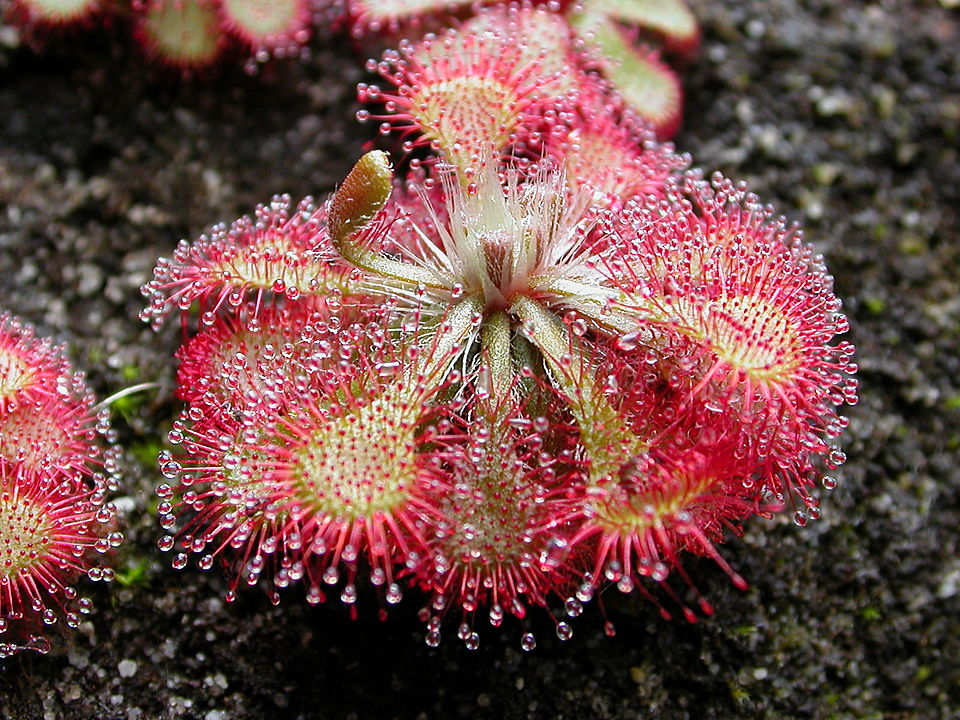
Sundews are small carnivorous plants that use sticky, glandular hairs on their leaves to trap and digest prey. The tiny hairs secrete a sticky, glistening substance that resembles dew, which lures insects to the plant. When an insect lands on the leaf, it gets stuck in the sticky fluid, and the leaf begins to curl around the prey, securing it in place. The sundew then produces enzymes to digest the insect, absorbing nutrients such as nitrogen.
These plants are typically found in areas with acidic, nutrient-poor soils, such as bogs and wetlands. Sundews are especially known for their attractive, shiny, and dew-like appearance, which helps them lure prey. Some sundew species can catch small insects like flies, ants, and beetles. The plant’s ability to digest a variety of prey makes it highly adaptable to its environment.
Butterwort (Pinguicula spp.)
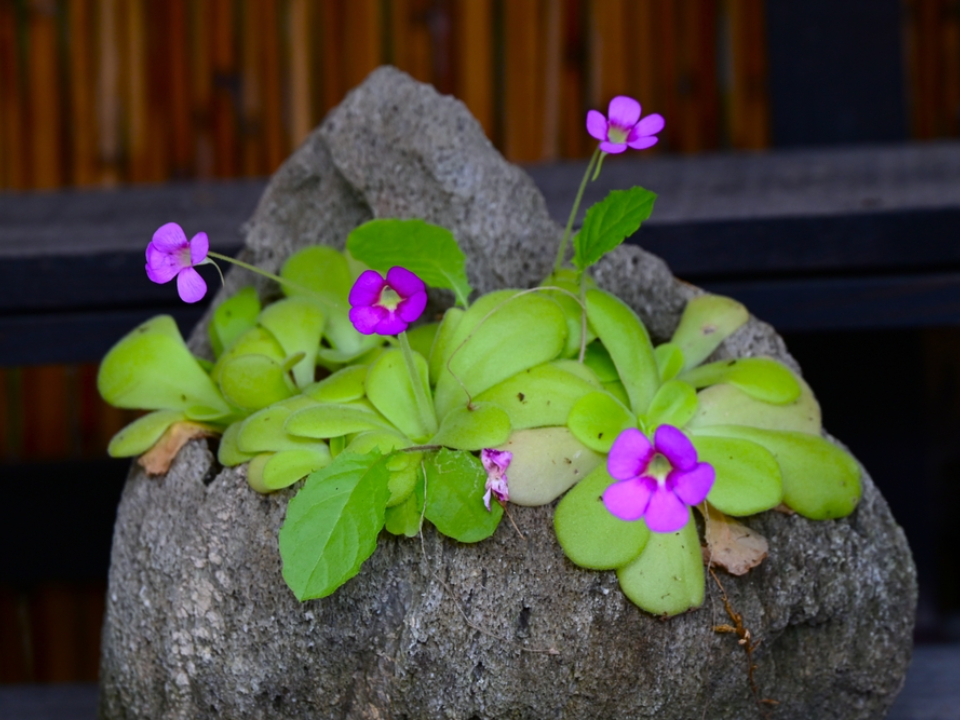
Butterworts are unique carnivorous plants that rely on a sticky surface to capture their prey. Their leaves are covered with glandular hairs that secrete a sticky, mucilaginous substance, which traps insects that land on them. The prey is then slowly digested by enzymes released by the plant. Butterworts are found in nutrient-poor environments such as acidic soils, where they rely on insects for the nutrients they cannot obtain from the soil.
These plants are often mistaken for simple houseplants due to their attractive, soft leaves that resemble butter. Insects are drawn to the leaves, but once they are stuck, the plant’s digestive process begins. Some species of butterwort are capable of digesting a wide variety of insects, including gnats, flies, and even small beetles. Butterworts are well-adapted to their environments and can thrive in both cold and warm climates.
Cobra Lily (Darlingtonia californica)
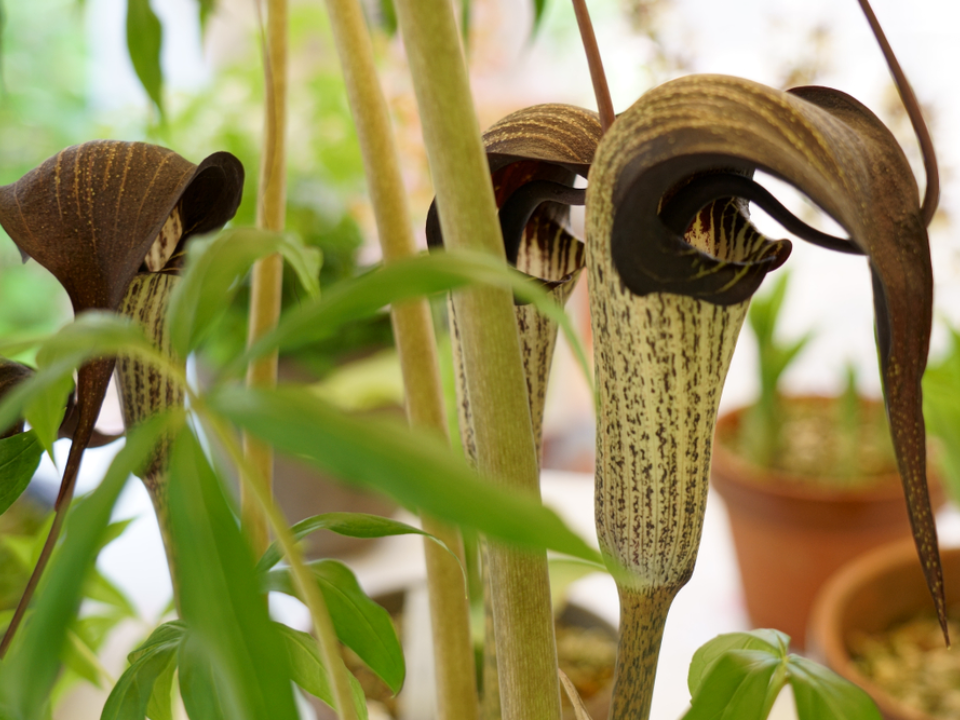
The Cobra Lily, also known as the California Pitcher Plant, is a remarkable carnivorous plant native to the foggy bogs of Northern California. Its tubular leaves are designed to trap prey, but what makes it unique is the plant’s use of deceptive structures to confuse and capture insects. The plant has a “false entrance” near the top of the pitcher, which leads insects to an area where they become trapped inside.
The inside of the cobra lily’s pitcher contains downward-facing hairs, preventing the insects from escaping. Once inside, the prey eventually falls into a digestive pool of fluid at the base of the plant. The Cobra Lily’s trap structure is designed not only to catch insects but also to make escape difficult. Its unusual appearance, with its hooded top and tubular body, resembles the shape of a cobra, which is how it got its name.
Bladderwort (Utricularia spp.)
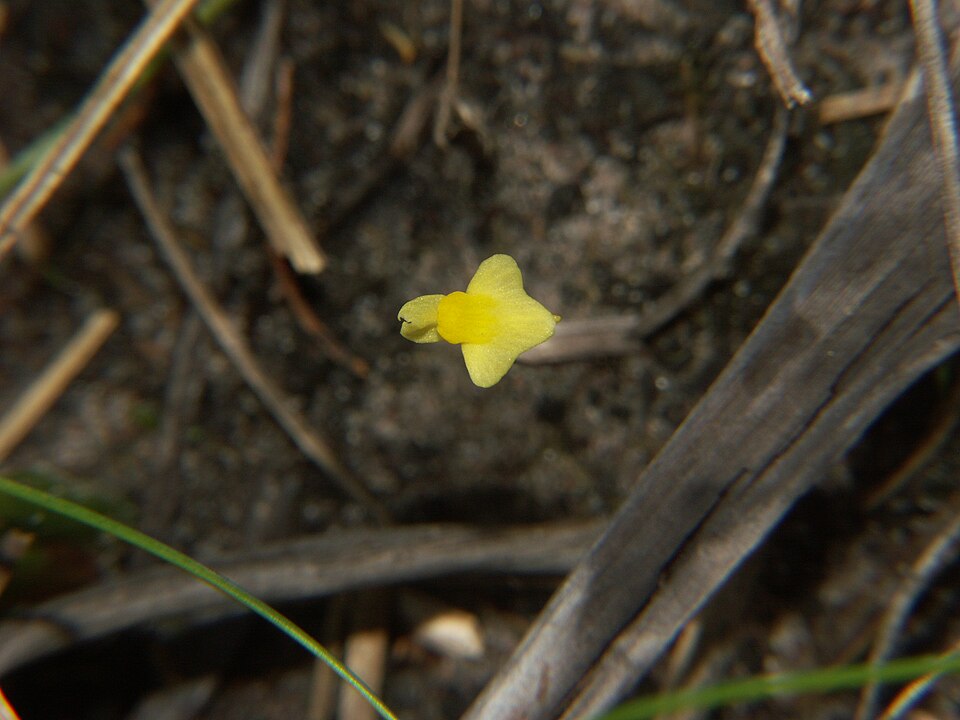
Bladderworts are fascinating carnivorous plants that capture prey with tiny bladder-like structures. These bladders are underwater traps that suck in small organisms when they touch the trigger hairs located around the opening. The bladderwort releases a vacuum-like force that pulls the prey inside, where it is trapped. Bladderworts are typically found in aquatic or semi-aquatic environments, such as ponds, lakes, and marshes.
The traps are highly sensitive to movement, and once an insect or small invertebrate touches the hairs, the bladder activates. These plants are capable of trapping microscopic prey, including tiny crustaceans, protozoa, and insect larvae. Bladderworts are unique because they use suction to capture their food, making them one of the most efficient carnivorous plants in terms of speed.
Maranta (Maranta spp.)
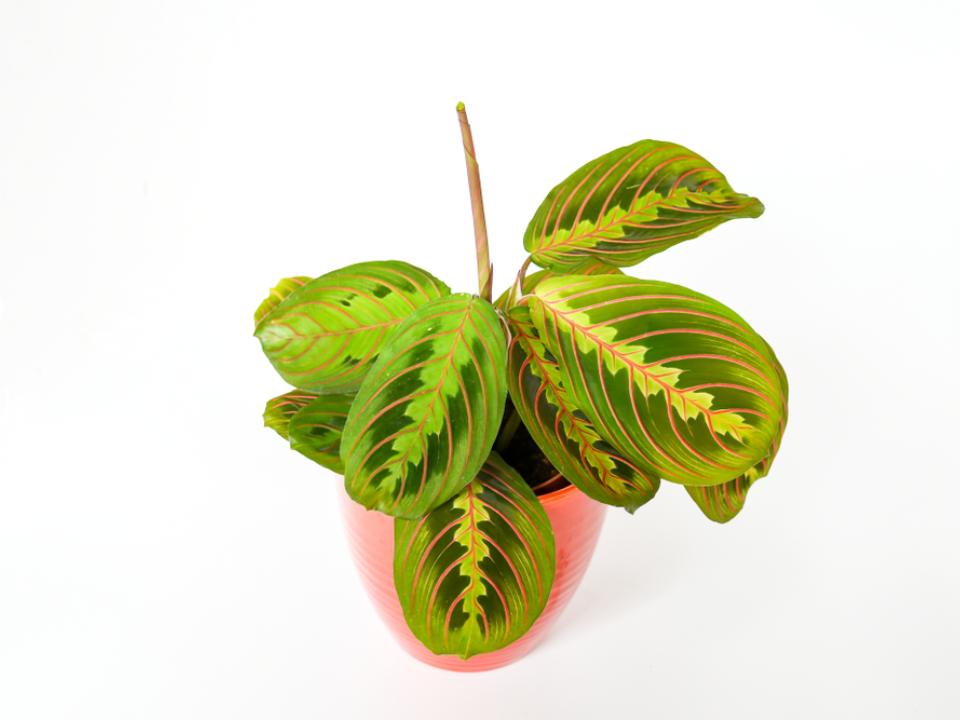
Maranta, also known as the “prayer plant,” has some species that are considered carnivorous due to their ability to capture small insects. While not as well-known as other carnivorous plants, these plants use specialized glands on their leaves to secrete a sticky substance that traps insects. Insects are attracted to the plant’s shiny, bright leaves, which are coated with sticky fluid.
Once an insect lands on the leaf, it becomes trapped and is eventually digested by the plant’s enzymes. Maranta plants are typically found in tropical areas, where they thrive in moist, shaded environments. The sticky secretion is designed to capture a variety of small insects, including gnats and flies. Although they are not as aggressive as some other carnivorous plants, Maranta’s insect-catching ability makes it an interesting addition to the carnivorous plant family.
Heliamphora (Heliamphora spp.)
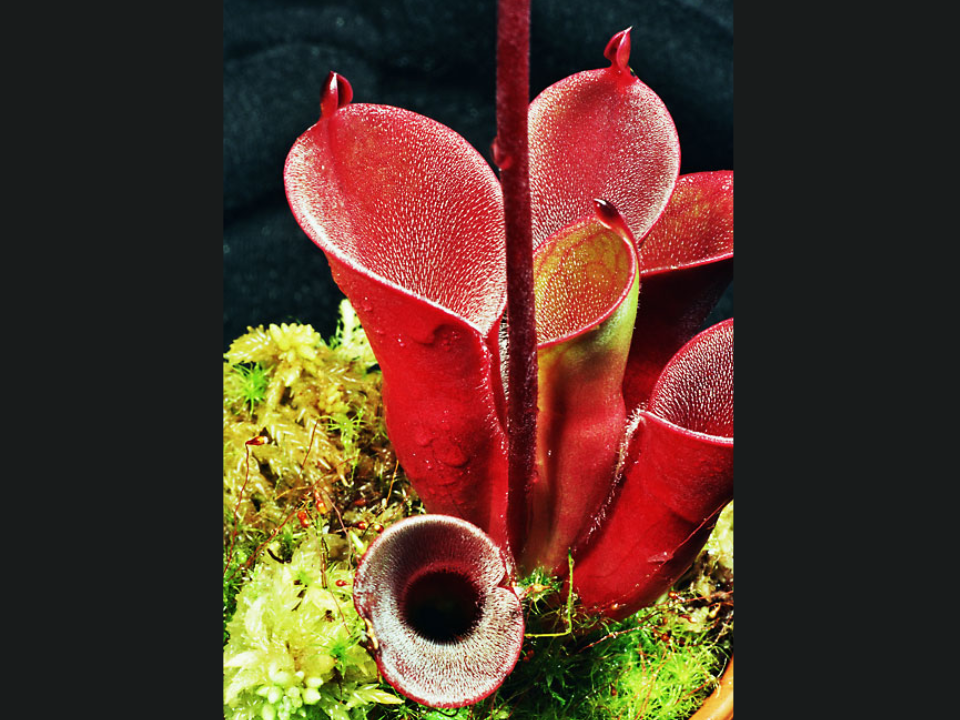
Heliamphora, or sun pitchers, are carnivorous plants native to the highland regions of South America. These plants grow in nutrient-poor soils and rely on their pitcher-shaped leaves to trap insects. The plant’s leaves contain a watery digestive fluid that helps break down and absorb nutrients from trapped insects. Heliamphora’s traps are highly specialized, with a structure that includes a “lid” to keep rainwater out, ensuring that the digestive fluid remains intact.
Insects are attracted to the nectar around the rim of the pitcher, and once they slip inside, they are unable to escape due to the slippery walls and downward-facing hairs. The digestive process is slow but effective, allowing the plant to absorb vital nutrients. The unique structure and environment of Heliamphora make it one of the most fascinating pitcher plants.
Sarracenia (Sarracenia spp.)
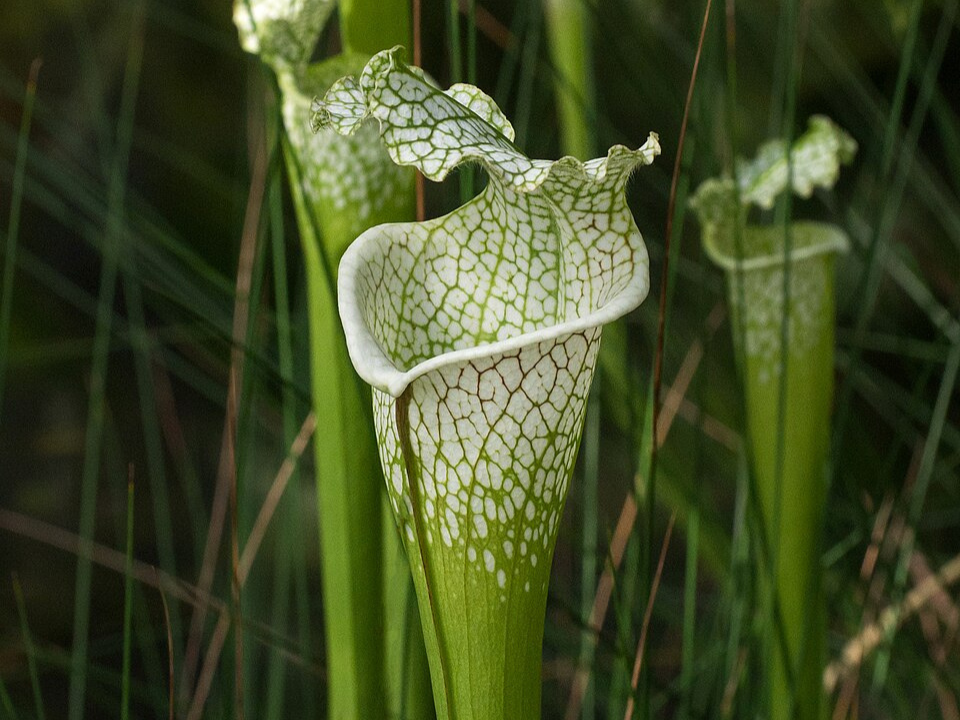
Sarracenia, commonly known as North American pitcher plants, are a diverse group of carnivorous plants with tall, tube-like leaves that act as traps for insects. These plants grow in nutrient-poor wetlands and rely on insects for the nutrients they cannot get from the soil. The leaves are often brightly colored, which attracts insects, and they are lined with downward-facing hairs that prevent prey from escaping.
Once inside, the prey drowns in a pool of digestive enzymes at the base of the trap. The process of digestion takes several days, allowing the plant to absorb essential nutrients. Sarracenia species vary in their trap structure, with some having more specialized mechanisms for attracting and trapping insects. These plants are incredibly effective at catching a wide range of insect prey, from ants to larger flying insects.
Roridula (Roridula spp.)
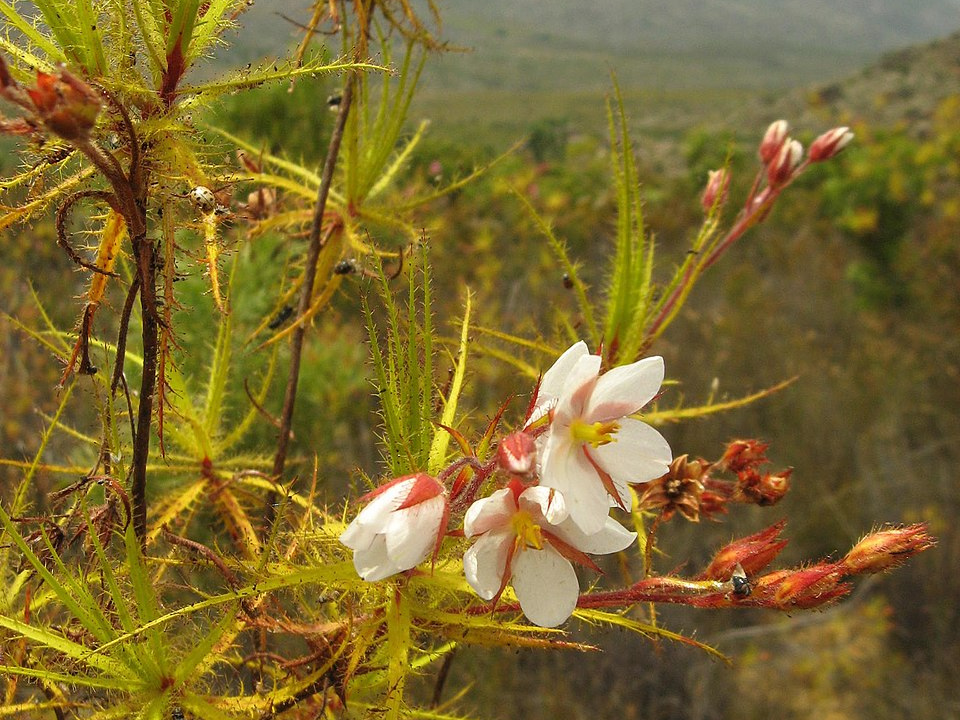
Roridula is a genus of carnivorous plants native to South Africa, and they use a unique method of catching prey. Unlike other carnivorous plants, Roridula does not digest its prey directly. Instead, the plant relies on the help of predatory insects, such as assassin bugs, to catch and break down the trapped insects. The leaves of the Roridula plant are covered in sticky glands that trap insects, but it is the assassin bugs that eventually consume the prey.
The plant benefits from the nutrients released by the predatory insects after they digest the prey. This mutualistic relationship between Roridula and the assassin bugs is a fascinating example of cooperation in the plant kingdom. The plant’s sticky leaves are highly effective at trapping insects, including flies and beetles, but it is the bugs that do the actual digestion.
Deppea splendens
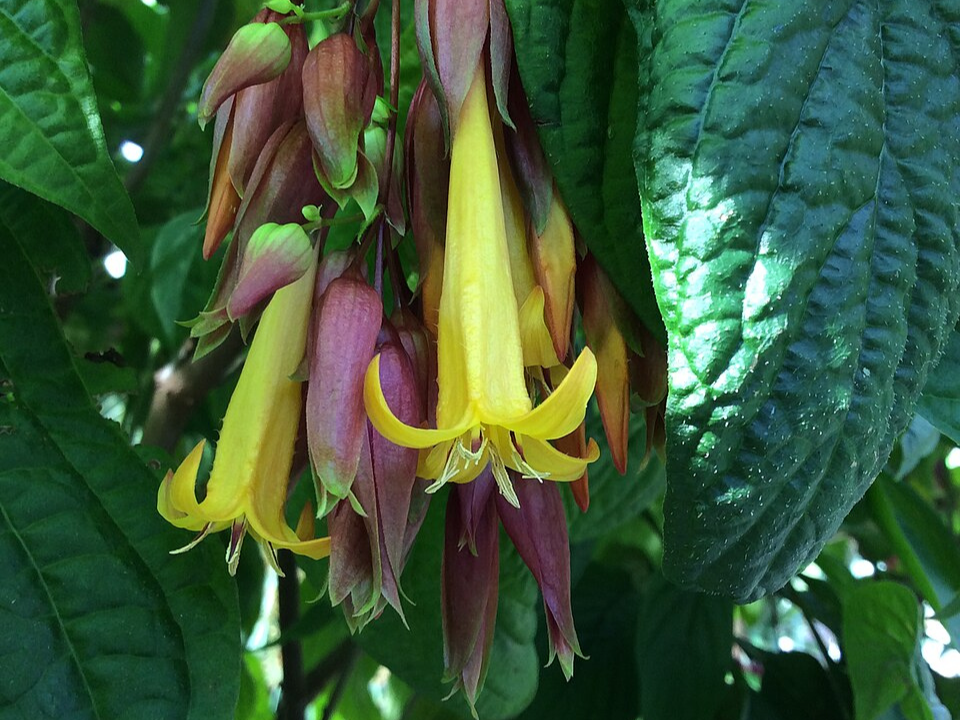
Deppea splendens, a rare carnivorous plant native to Mexico, is known for its attractive, large, brightly colored flowers. Unlike many other carnivorous plants, Deppea does not have typical traps like those of the Venus Flytrap or Pitcher Plant. Instead, it captures its prey through the sticky resin that coats the surface of its leaves. Insects are drawn to the plant by its nectar, but when they land on the leaves, they become trapped in the sticky substance.
Over time, the plant secretes enzymes that break down the insects, absorbing vital nutrients in the process. Deppea’s ability to catch insects makes it a fascinating example of an evolutionary adaptation, as the plant thrives in nutrient-poor soils that are common in the Mexican highlands. While the plant’s method of capturing prey may be subtler than other carnivorous plants, its effectiveness lies in its unique sticky surface and the relationship it forms with its prey.
Cephalotus follicularis
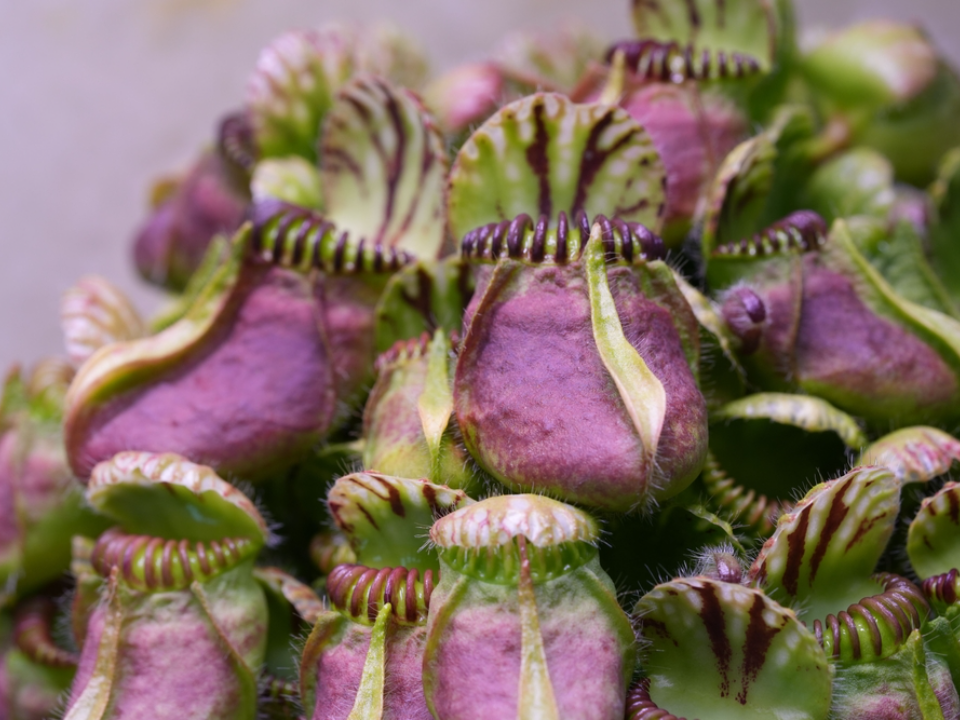
The Australian Pitcher Plant, Cephalotus follicularis, is a small carnivorous plant that traps its prey using specialized, hollow pitchers. These pitchers have a lid that prevents water from entering, creating a small digestive pool where prey is trapped. The rim of the pitcher secretes nectar, attracting insects, and when they land, they slip into the liquid below.
Cephalotus’s pitcher design is highly effective in catching small insects, such as ants and flies, which are unable to escape once they have fallen inside. The digestive process begins as the plant releases enzymes to break down the trapped prey. Although Cephalotus is native to only a small region in southwestern Australia, it is widely cultivated due to its unique trapping mechanism. Its attractive appearance and efficient method of capturing insects make it a standout in the world of carnivorous plants.
Utricularia (Bladderwort)
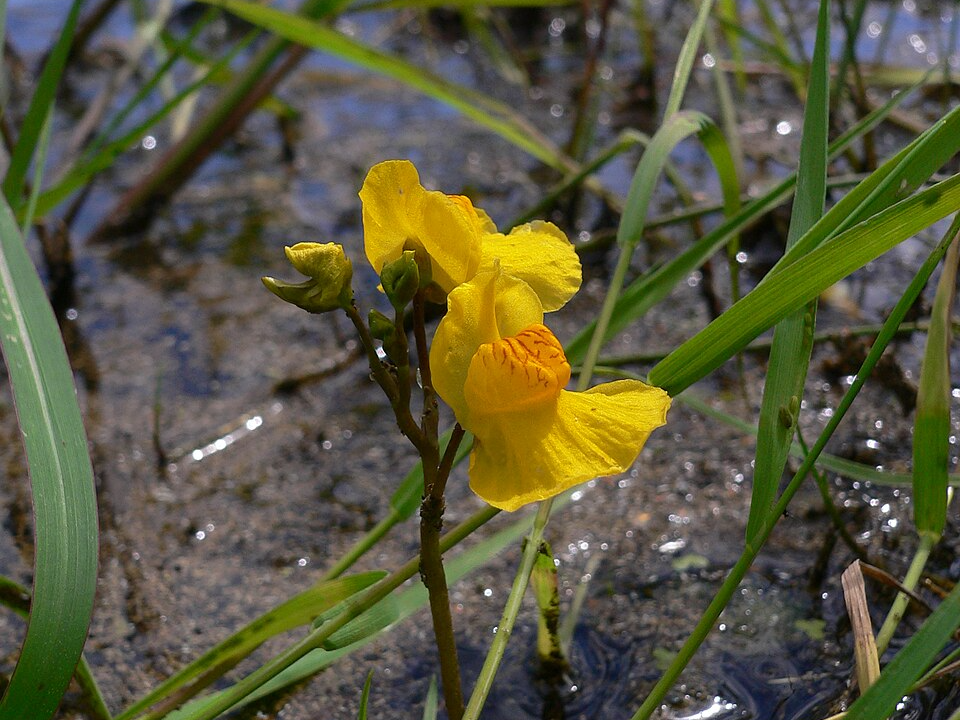
Bladderworts are fascinating carnivorous plants that use underwater traps to catch small prey. These traps, known as “bladders,” are microscopic vacuums that suck in tiny organisms when they touch the plant’s sensitive trigger hairs. The bladderwort’s traps are highly specialized, and they are capable of capturing aquatic insects, small crustaceans, and even protozoa. Bladderworts are often found in ponds, marshes, and other wetland environments, where they thrive in nutrient-poor soils.
The suction mechanism is so fast and efficient that the prey is captured in a fraction of a second. After the prey is trapped, the bladderwort secretes digestive enzymes to break it down. This unique method of catching prey is highly effective, and bladderworts are among the fastest carnivorous plants when it comes to trapping their food.
Byblis (Rainbow Plant)
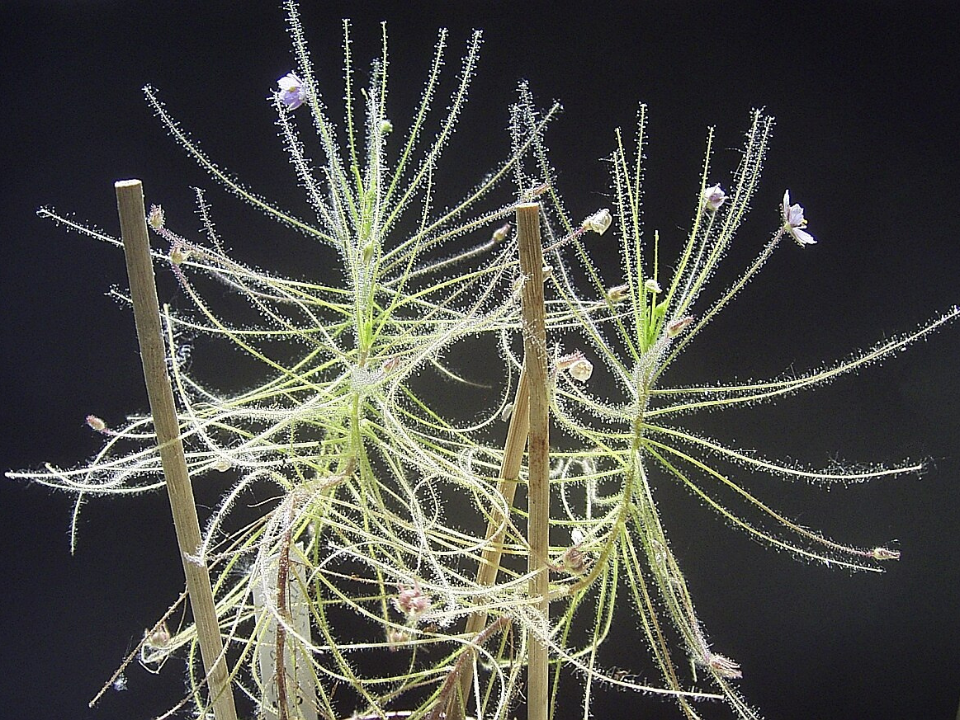
Byblis, also known as the Rainbow Plant, is a genus of carnivorous plants that catches its prey using sticky, glandular hairs on its leaves. The plant’s leaves are covered in bright, colorful, glandular cells that secrete a sticky substance designed to trap small insects. The vivid colors of Byblis attract various insects, which become stuck on the leaves. Once trapped, the plant produces digestive enzymes to break down the insects, providing essential nutrients like nitrogen and phosphorus.
Byblis is native to Australia and Southeast Asia, where it grows in nutrient-poor soils. The plant is known for its unique, attractive appearance, as the glands on its leaves sparkle like dewdrops in the sunlight, making it a standout among carnivorous plants. Byblis’s method of trapping prey is similar to that of sundews, though it differs in its striking appearance and colorful, glistening leaves.
Nepenthes (Tropical Pitcher Plant)
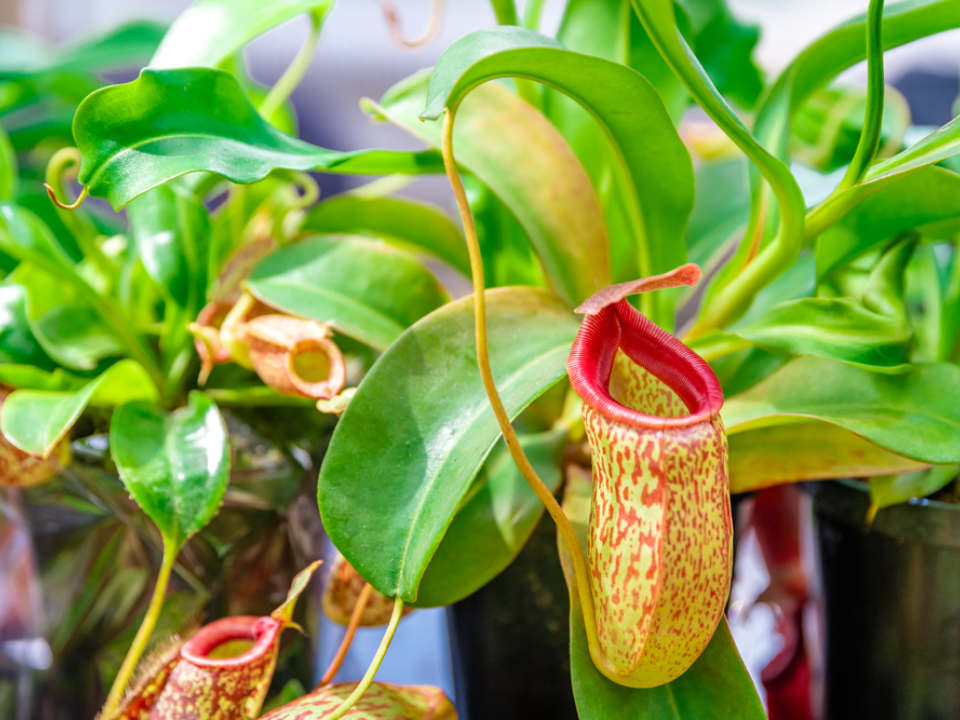
Nepenthes, or tropical pitcher plants, are a group of carnivorous plants known for their distinctive, pitcher-shaped leaves. These plants have evolved to trap insects by luring them into their deep, slippery pitchers, which contain a pool of digestive fluid. The rim of the pitcher is often lined with nectar-producing glands, which attract insects to the plant. Once an insect lands on the pitcher’s rim, it often slips into the digestive fluid below.
Inside the pitcher, downward-facing hairs prevent the insect from climbing back out, ensuring it remains trapped. Nepenthes are found in tropical regions of Southeast Asia and Madagascar, where they thrive in nutrient-poor soils. The digestive process is slow but effective, allowing the plant to absorb the nutrients it needs. Some species of Nepenthes are even capable of trapping small vertebrates, such as frogs and mice.
This article originally appeared on Avocadu.