
15 Best Things to Plant in Your Container Garden in February
February is the perfect time to get a jump start on your container garden, even if the weather is still a bit chilly. With a little planning and the right choices, you can grow a variety of plants that thrive in cooler temperatures. Whether you have a small balcony, patio, or just a sunny windowsill, container gardening offers a flexible way to grow fresh vegetables, herbs, and flowers. Many plants enjoy the crisp, cool air and can be harvested early in the season. From leafy greens to fragrant herbs, there are plenty of options to start in February. With the right care, you will soon be enjoying fresh, home-grown produce and greenery to brighten up your space.
This post may contain affiliate links, which helps keep this content free. Please read our disclosure for more info.
Garlic
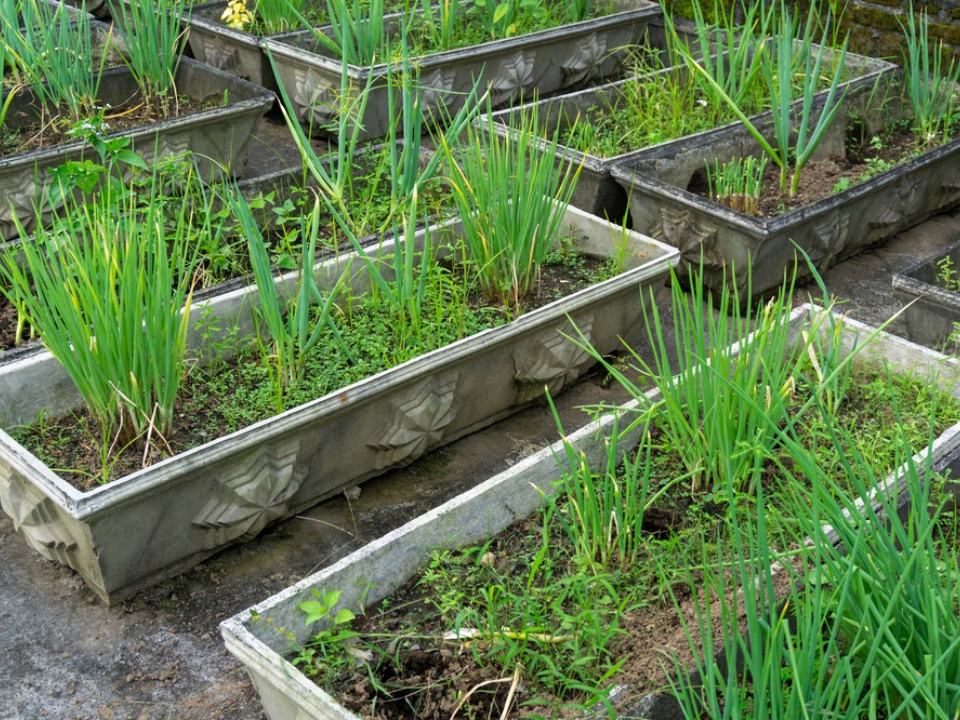
Garlic is a versatile plant that grows well in containers during February. It thrives in cool weather, making it a great choice for early spring planting. Start by selecting a variety of garlic suited to your local climate. Separate the cloves and plant them about 2 inches deep, ensuring each clove is spaced 4 to 6 inches apart.
Garlic requires well-drained soil and regular watering. Once the shoots begin to sprout, maintain consistent moisture without overwatering. Garlic is easy to grow and requires minimal care, but it does need a sunny spot to reach its full potential. Harvest it once the leaves begin to yellow, and you will enjoy fresh, home-grown garlic.
Spinach
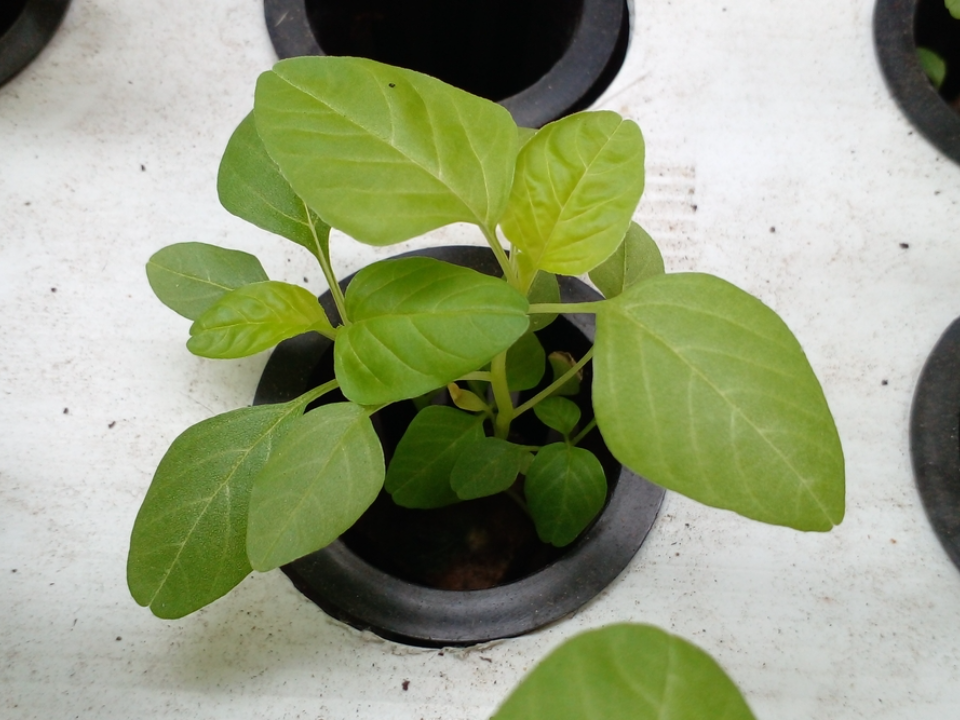
Spinach is a cool-season vegetable that can be planted in February for an early spring harvest. It grows well in containers, especially when placed in a spot that gets plenty of sunlight. Spinach thrives in rich, well-drained soil, and you can direct sow the seeds into the container, spacing them about 1 inch apart. Keep the soil consistently moist, but not soggy, to promote healthy leaf growth.
If you are in a colder climate, use a frost cover to protect your spinach from late winter chill. Spinach is packed with nutrients and can be harvested when the leaves are young and tender. As the weather warms up, you can harvest individual leaves or pull the whole plant. Fresh spinach is perfect for salads, smoothies, or cooking.
Kale
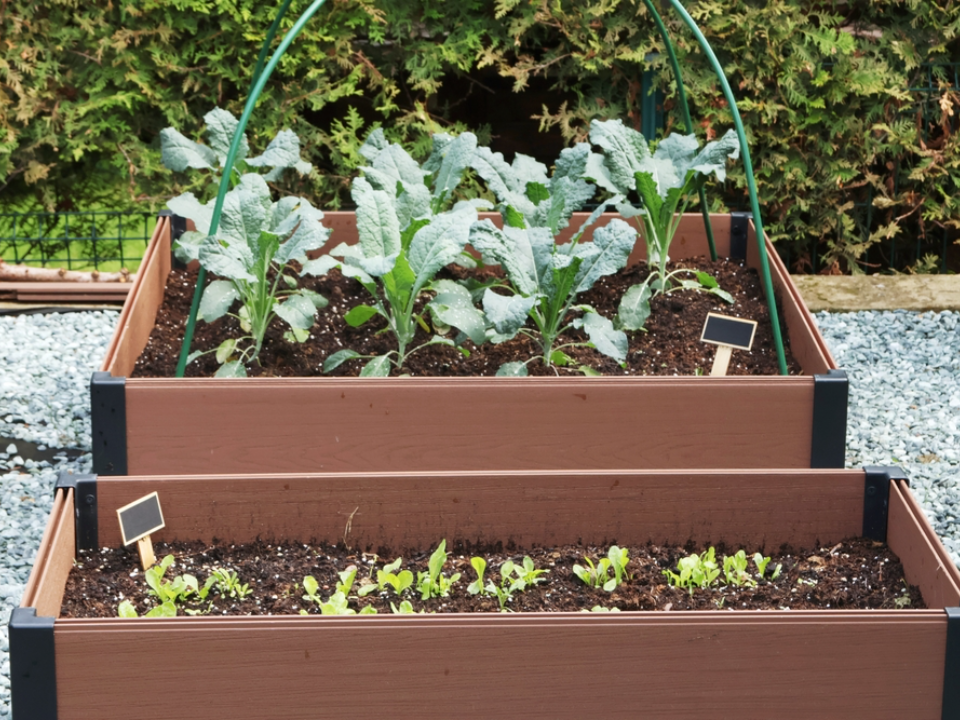
Kale is another cool-weather vegetable that does well in containers. It can be planted in February, and it is known for its hardiness. Select a container that is at least 12 inches deep to accommodate the plant’s root system. Kale thrives in rich, well-drained soil, and it prefers a sunny spot with at least 4 hours of direct sunlight.
You can start from seeds or transplants, spacing the plants about 6 inches apart. Kale is a nutrient-rich green that grows well in cooler temperatures, and it can withstand light frost, making it ideal for early spring gardens. Regularly water the plants and remove any yellowing or damaged leaves. Enjoy kale in salads, soups, or as a healthy snack.
Lettuce
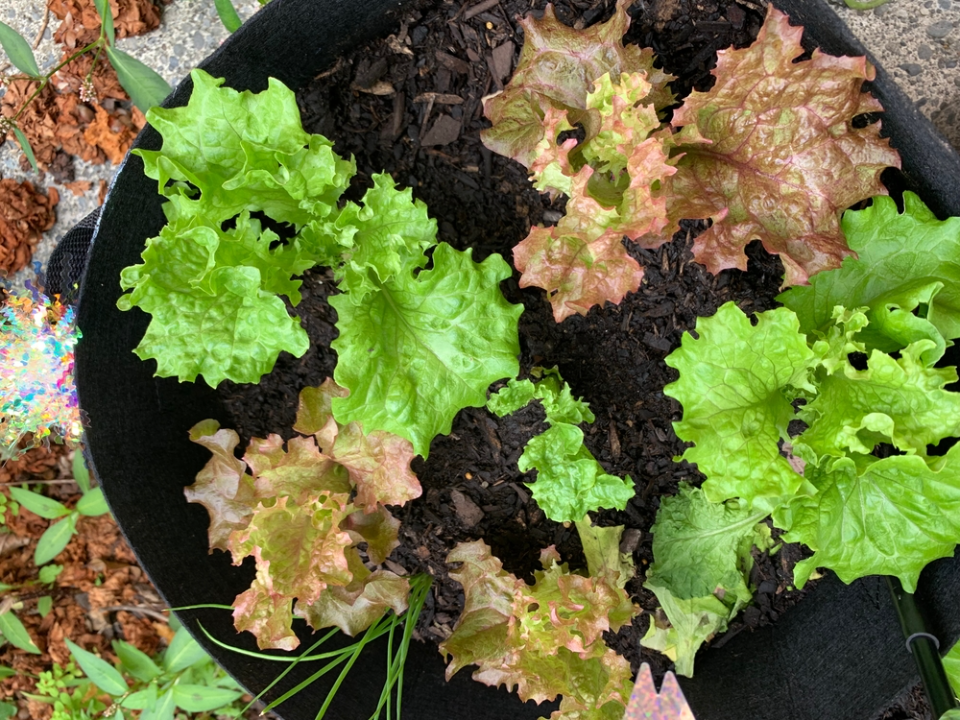
Lettuce is an excellent choice for container gardening in February, as it prefers cool weather and grows quickly. You can plant seeds or start with young seedlings, placing them in a container that has good drainage. Lettuce likes to grow in rich, slightly acidic soil. Space your seeds about 1 inch apart for loose-leaf varieties, and about 8 inches apart for head lettuce.
Ensure the container gets enough light, but protect the plants from harsh afternoon sun, as lettuce tends to wilt in high heat. Keep the soil moist, but avoid waterlogging. Lettuce is perfect for picking leaves as needed and can be grown in succession for continuous harvests. The tender leaves are ideal for fresh salads or garnishes.
Peas
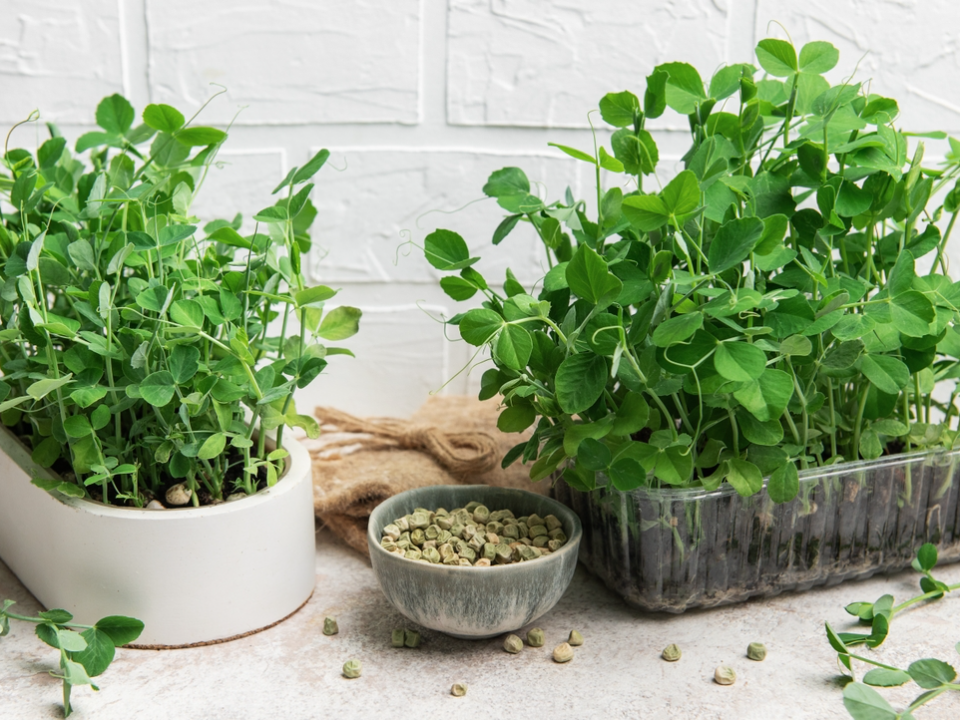
Peas are another great vegetable to plant in your container garden in February. They do well in cooler temperatures and will thrive in containers that are at least 12 inches deep. Start by planting seeds about 1 inch deep and space them about 2 inches apart. Peas need support as they grow, so be sure to provide a trellis or other structure for the vines to climb.
Ensure the container has good drainage, as peas do not like to sit in water. Keep the soil moist, especially during dry spells, and ensure they get at least 6 hours of sunlight each day. With proper care, you can expect a good crop of fresh peas in late spring. Fresh peas are perfect for stir-fries, salads, or as a snack.
Radishes
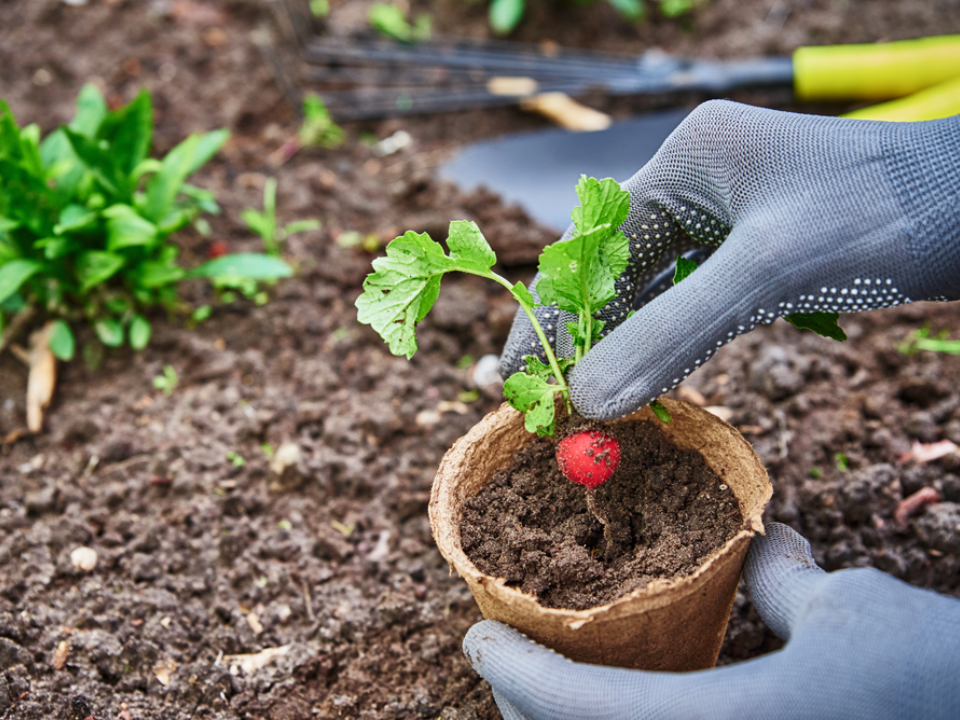
Radishes are quick-growing, making them ideal for planting in containers during February. They prefer cooler temperatures and can be grown successfully in containers with at least 6 inches of depth. Plant the seeds about ½ inch deep, spaced about 1 inch apart. Radishes do not require much maintenance, but they do need well-drained soil and regular watering.
Make sure the container receives full sunlight, as radishes grow best in warm conditions. In about 3 to 4 weeks, you can start harvesting the radishes when they reach a good size. Radishes add a crunchy, peppery flavor to salads and sandwiches and are a fun, easy crop for container gardeners.
Carrots
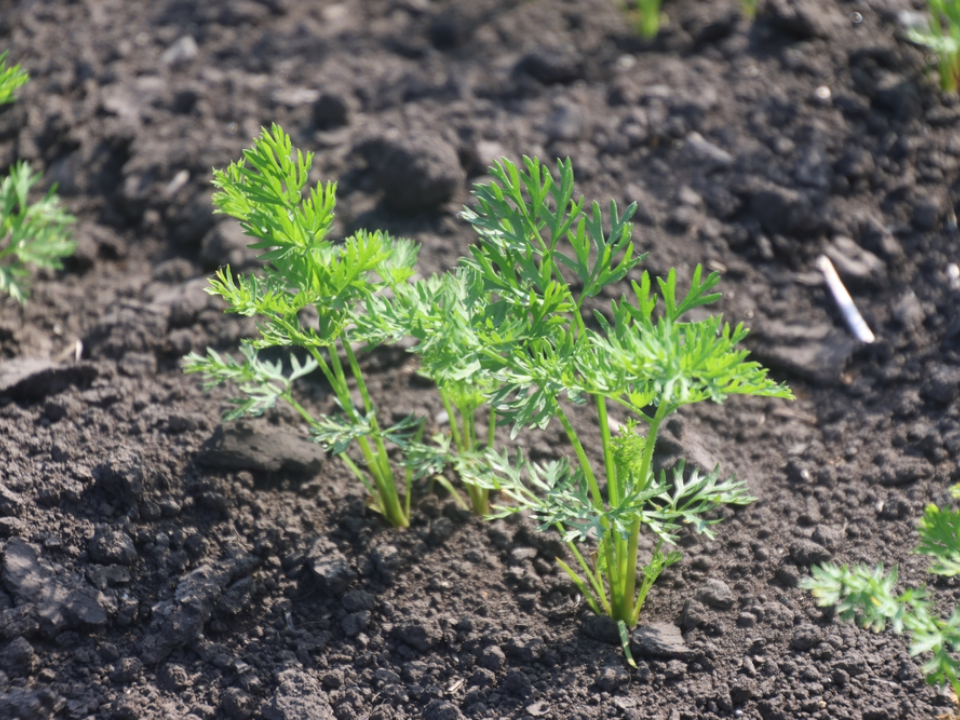
Carrots can be planted in containers in February, especially in regions with milder winters. Choose a deep container, at least 10 inches, to give the carrot roots enough space to grow. Use loose, well-drained soil, as carrots need room to expand. Plant the seeds about ¼ inch deep and thin them out as they grow to avoid overcrowding.
Carrots need regular watering but avoid letting the soil become soggy. Place the container in a sunny spot, and as the weather warms, the carrots will begin to sprout. Carrots can be harvested when they are about ½ to 1 inch in diameter, and they can be enjoyed raw, in salads, or cooked in stews.
Swiss Chard
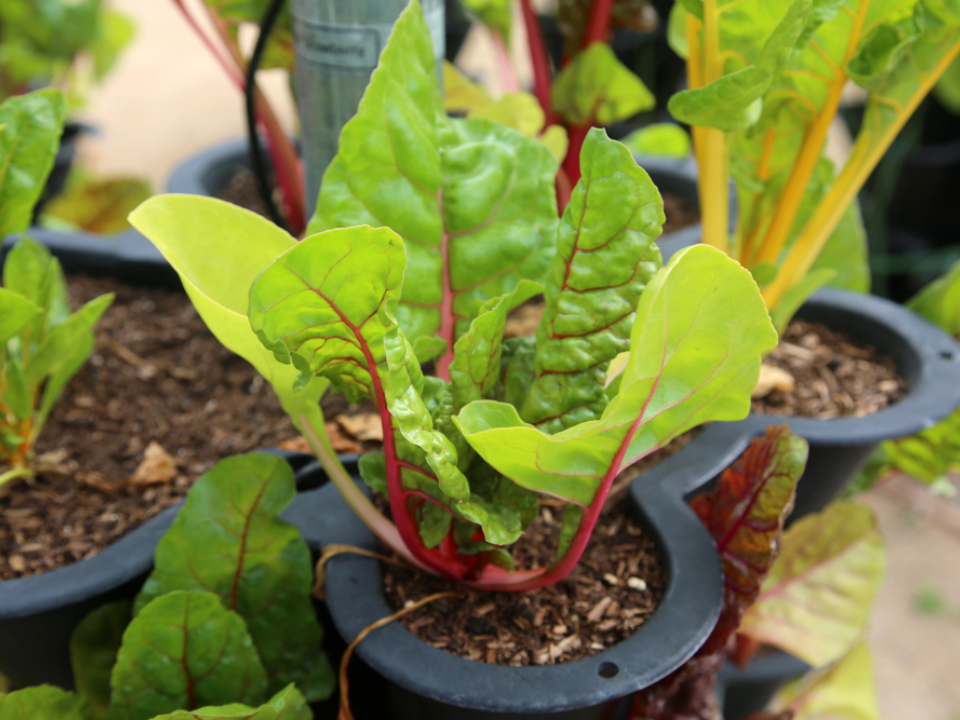
Swiss chard is a hardy, leafy vegetable that can be planted in containers during February. It tolerates cold weather and thrives in a sunny spot. You can either plant seeds or start with transplants, spacing the plants about 6 inches apart.
Swiss chard requires well-drained, fertile soil and regular watering. It grows best when the weather is cool, and it can withstand some light frost. As the plants grow, you can harvest individual leaves or the whole plant. Swiss chard adds a colorful and nutritious touch to salads, soups, and sautés, making it a great addition to your container garden.
Mustard Greens
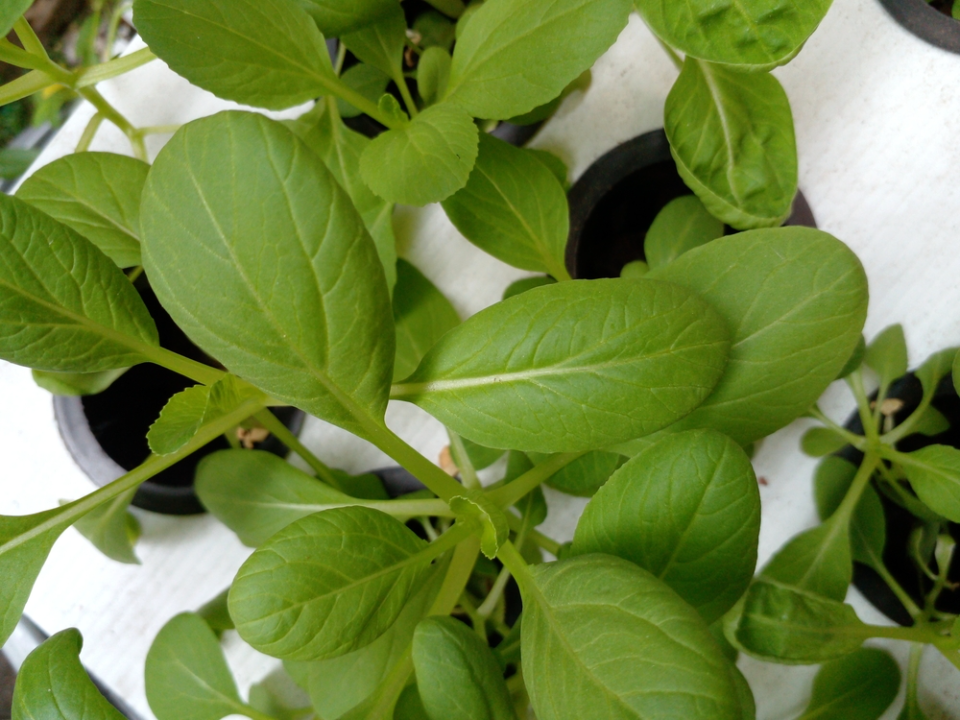
Mustard greens are a fast-growing, cold-tolerant vegetable that does well in containers. They thrive in cooler temperatures and can be planted as early as February. Plant the seeds about ¼ inch deep and space them about 4 inches apart. Mustard greens like full sunlight but can tolerate some shade.
Keep the soil consistently moist and use a container with good drainage to prevent waterlogging. You can begin harvesting the greens as soon as they are big enough, typically in about 4 to 6 weeks. Mustard greens are known for their spicy flavor and are excellent in salads, stir-fries, or as a side dish.
Cabbage
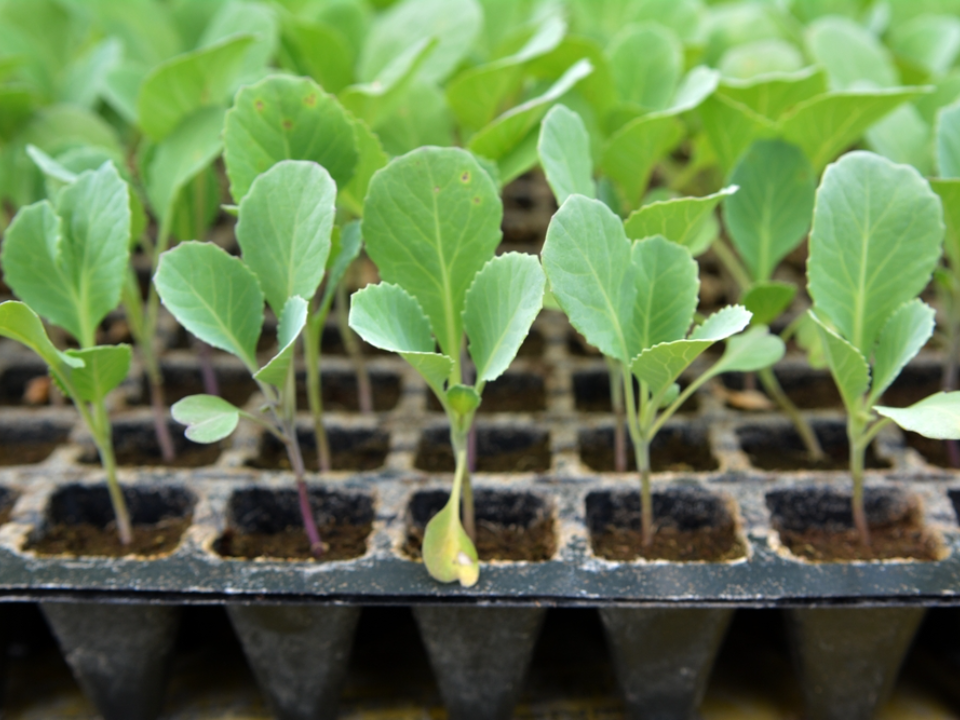
Cabbage is an excellent choice for container gardening in February, as it grows well in cool temperatures. It requires a large container with deep soil for proper root development. Choose a variety of cabbage suited to your space and climate. Plant the seedlings about 12 inches apart to allow the heads to form properly.
Cabbage prefers rich, well-drained soil and needs regular watering to thrive. Place the container in a sunny spot, as cabbage requires at least 6 hours of sunlight per day. You can harvest the cabbage once the heads feel firm to the touch. Cabbage is versatile in the kitchen, perfect for coleslaw, stews, or stir-fries.
Chives
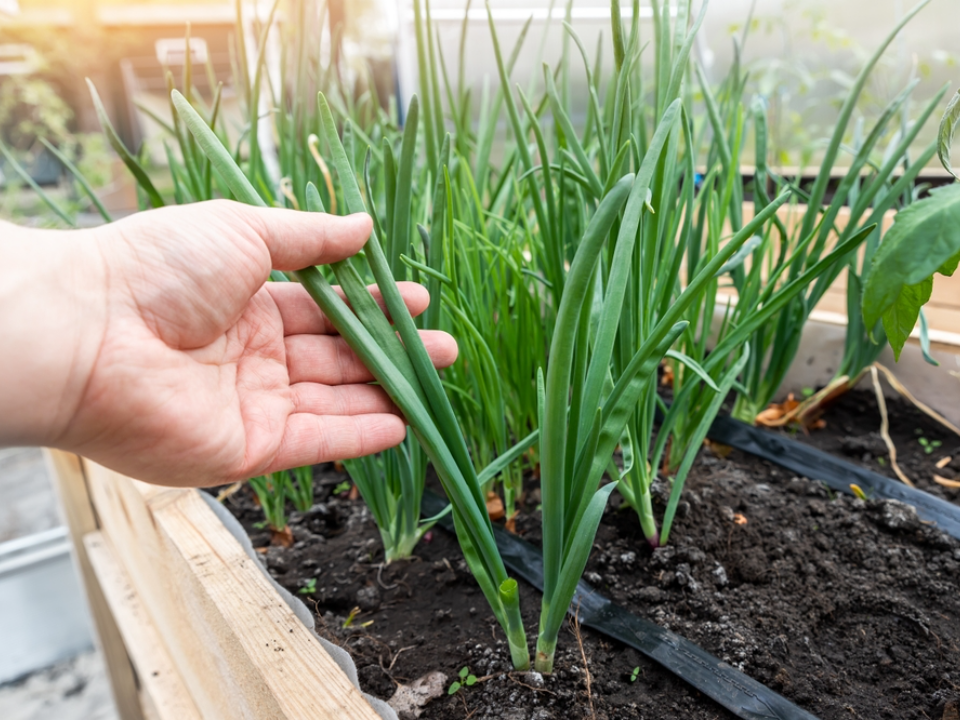
Chives are a great herb to plant in containers during February. They are hardy and can survive through chilly weather, making them ideal for early spring planting. Use a container with good drainage and fill it with well-drained soil. Plant chive seeds about ¼ inch deep and space them a few inches apart.
Chives thrive in full sunlight and only need moderate watering. As the plants grow, they will form clusters of long, green stems that can be harvested and used in various dishes. Chives are excellent for adding a mild onion flavor to salads, soups, and omelets, and they also work well as a garnish.
Thyme
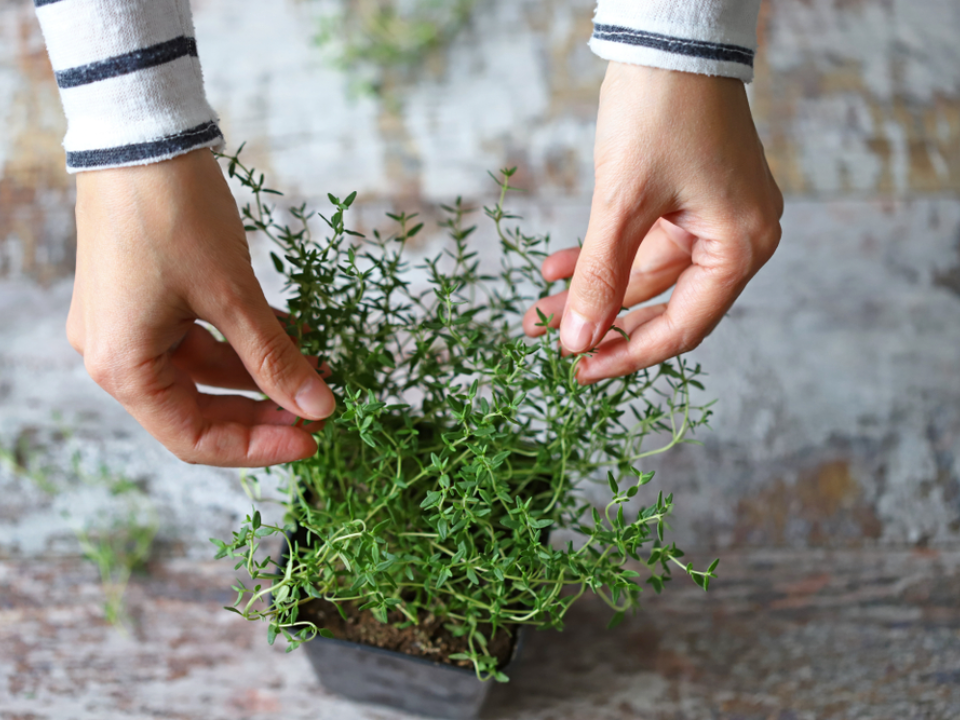
Thyme is a hardy herb that grows well in containers, especially when planted in February. This herb enjoys cool weather and can tolerate mild frost. Thyme requires well-drained soil, so ensure your container has sufficient drainage holes. Plant thyme seeds about ¼ inch deep and space them 8 to 12 inches apart.
The plant thrives in full sun, so place your container in a sunny spot. Thyme does not require much water, but be sure to keep the soil moderately moist, particularly during dry spells. Once established, thyme is a low-maintenance herb that can be used in a variety of dishes such as roasted meats, soups, and stews.
Parsley
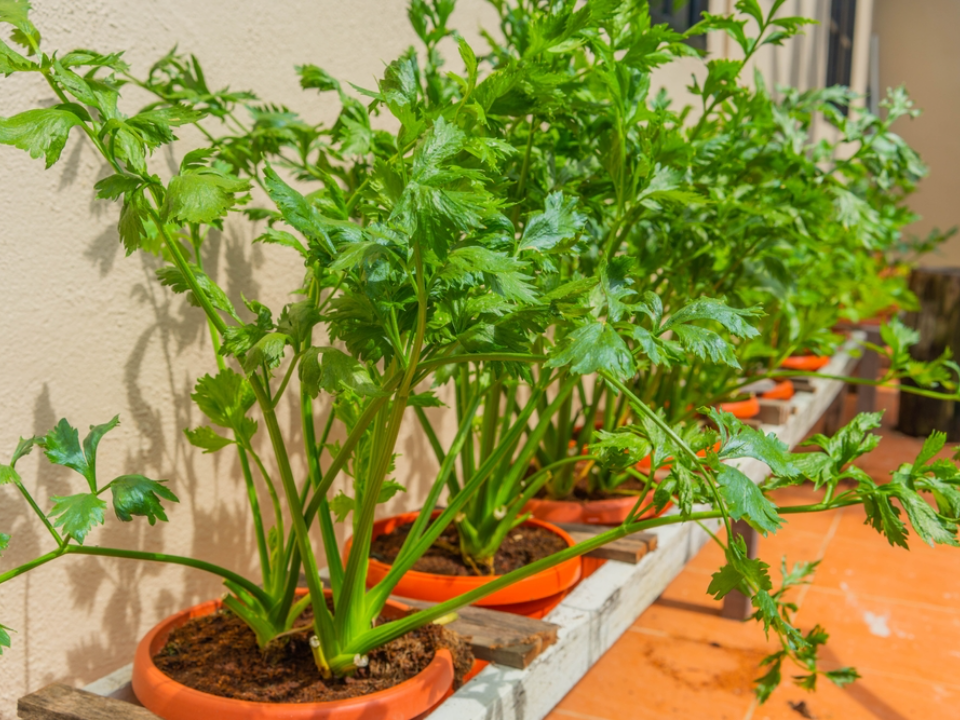
Parsley is another great herb to plant in containers in February. It is cold-tolerant and can handle light frost, making it ideal for early spring planting. Use a deep container, as parsley has a long taproot. Plant the seeds about ½ inch deep and space them a few inches apart.
Parsley prefers rich, well-drained soil and a spot that receives partial to full sunlight. Keep the soil consistently moist, but avoid waterlogging, as parsley does not like soggy roots. You can begin harvesting parsley once the leaves are mature. Fresh parsley is a versatile herb used in salads, garnishes, sauces, and soups.
Oregano
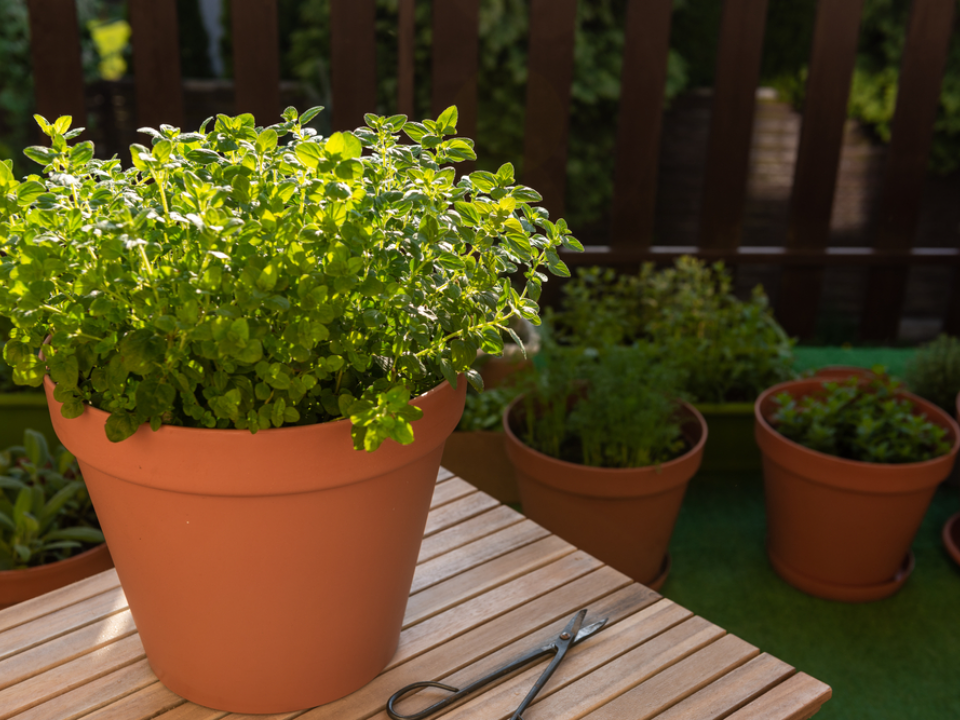
Oregano is a hardy herb that does well in containers during February. It thrives in cooler temperatures and can even withstand some frost. To grow oregano in containers, choose a well-drained pot that is at least 8 inches deep. Plant the seeds about ¼ inch deep and space them around 6 inches apart.
Oregano requires full sunlight and well-drained soil. Water it regularly, but avoid overwatering, as oregano prefers dry soil between waterings. Oregano is a low-maintenance herb, and once it grows, you can harvest the leaves as needed. It is perfect for use in Italian dishes, such as pasta, pizza, and marinara sauce.
Sage
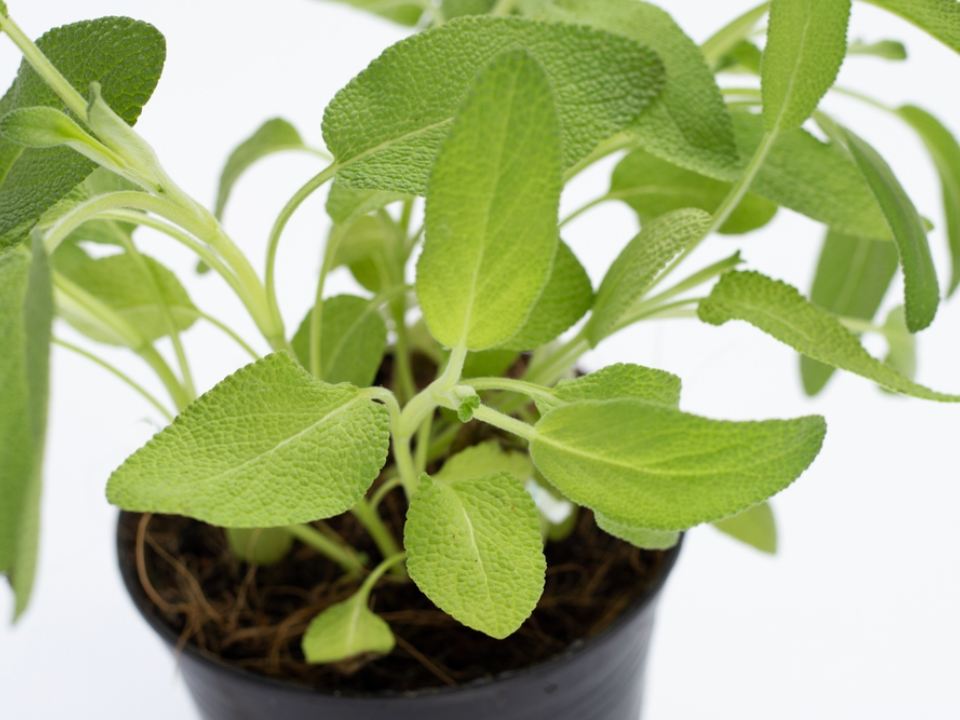
Sage is a hardy herb that grows well in cool weather, making it ideal for planting in February. It needs a container with good drainage and well-drained soil. Plant sage seeds about ¼ inch deep and space them 10 to 12 inches apart. Sage thrives in full sunlight, so make sure your container gets plenty of light.
This herb is drought-tolerant, so it does not need frequent watering. Once the sage plants are established, you can harvest the leaves, which are great for seasoning meats, adding flavor to stuffing, or infusing oils. Sage is a must-have herb in many savory dishes, especially for holiday meals.
This article originally appeared on Avocadu.