
11 Fruit Tree Care Steps You Should Do Before Bud Break
Preparing your fruit trees for the upcoming growing season is essential for a healthy, bountiful harvest. Taking the right steps before the buds begin to swell helps control pests, strengthen the tree’s structure, and promote vigorous growth. From pruning to applying dormant oil, these tasks ensure that your trees are ready to thrive as the weather warms up. Follow these key care tips to give your fruit trees the best start for the year ahead.
This post may contain affiliate links, which helps keep this content free. Please read our disclosure for more info.
Prune Dead or Damaged Wood
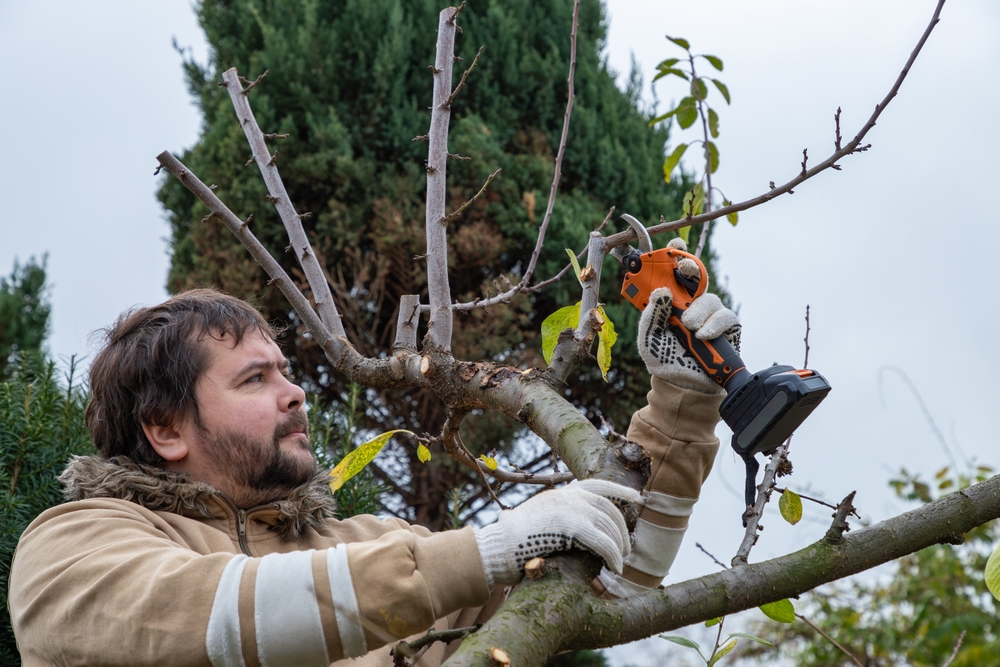
Pruning in late winter helps remove dead or damaged branches, improving the structure of the tree and allowing for better air circulation. This helps prevent disease and encourages healthy growth. Pruning also helps shape the tree, ensuring that it grows in the desired direction and that new growth has space to develop. Cutting away these unwanted parts before bud break reduces the risk of disease, which can be harder to treat once the tree starts to leaf out.
Additionally, pruning in winter ensures the cuts heal quickly without interference from new growth. The trees will use their energy to produce healthy new wood once the weather warms up. This early action sets the foundation for the upcoming growing season by strengthening the overall structure of the tree.
Apply Dormant Oil to Kill Pests
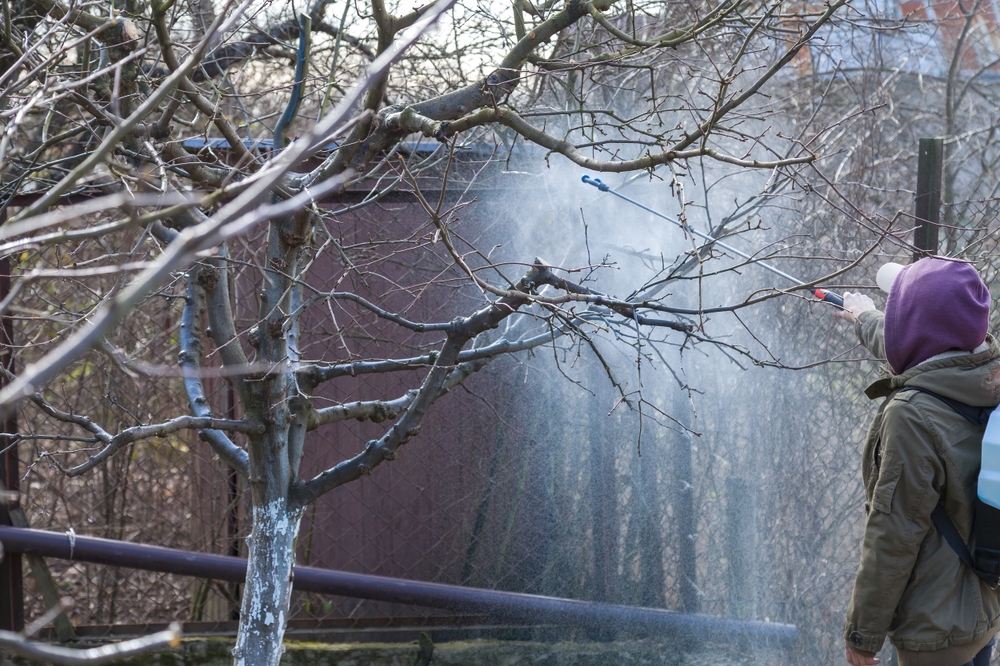
Applying dormant oil in late winter is a vital step in pest management. Dormant oil smothers overwintering insects and their eggs, such as scale, aphids, and mites, which can otherwise infest your trees when the weather warms up. Spraying dormant oil before buds begin to swell helps ensure that these pests do not have the opportunity to emerge and start damaging the tree’s new growth. It is especially effective on trees that have previously been affected by pest problems.
Be sure to follow the manufacturer’s instructions on how to apply dormant oil, ensuring full coverage of the tree’s bark and branches. This preventive measure keeps the tree free from pests, reducing the need for harsher chemicals later in the season. It is most effective when applied during the dormant stage before buds break open, as it can penetrate the bark and effectively smother pests.
Clear Debris Around the Tree
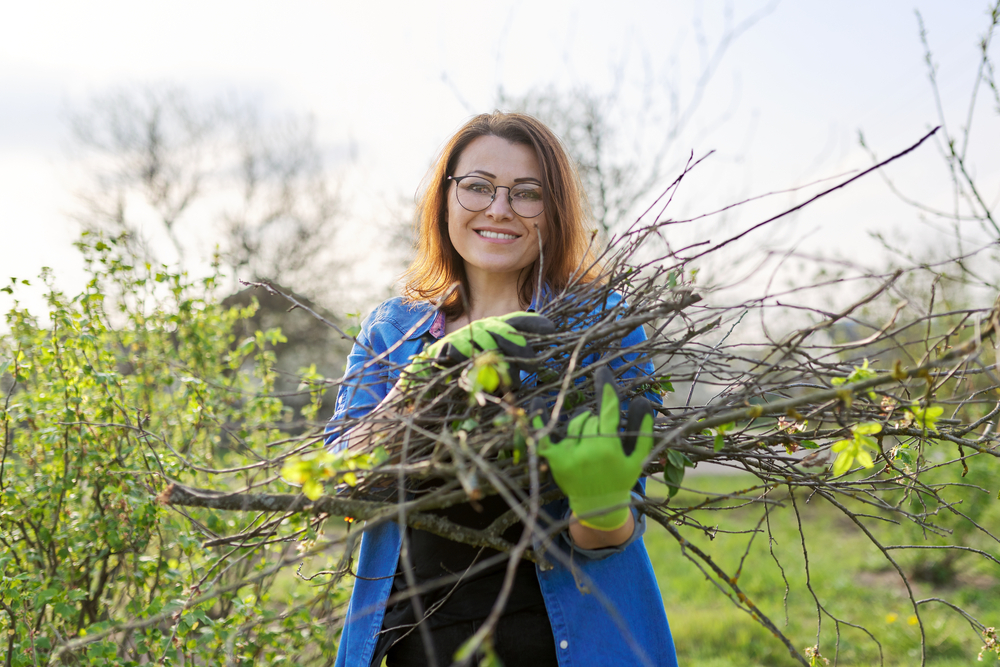
Clearing fallen leaves, fruit, and other debris from around the tree is important for preventing disease buildup. Leftover organic matter can harbor fungi, pests, and diseases that could infect your tree when it starts to grow again. By removing debris in late winter, you ensure that the tree’s base remains clean and less likely to harbor these harmful agents. This step also improves the overall appearance of your garden and allows for better airflow.
Taking the time to clean the area helps prevent diseases such as fire blight, which thrives in decaying organic material. It also reduces the risk of pests that might overwinter in the debris. Removing this material also makes it easier to spot any issues with the tree’s health once new growth begins.
Inspect for Pest Damage
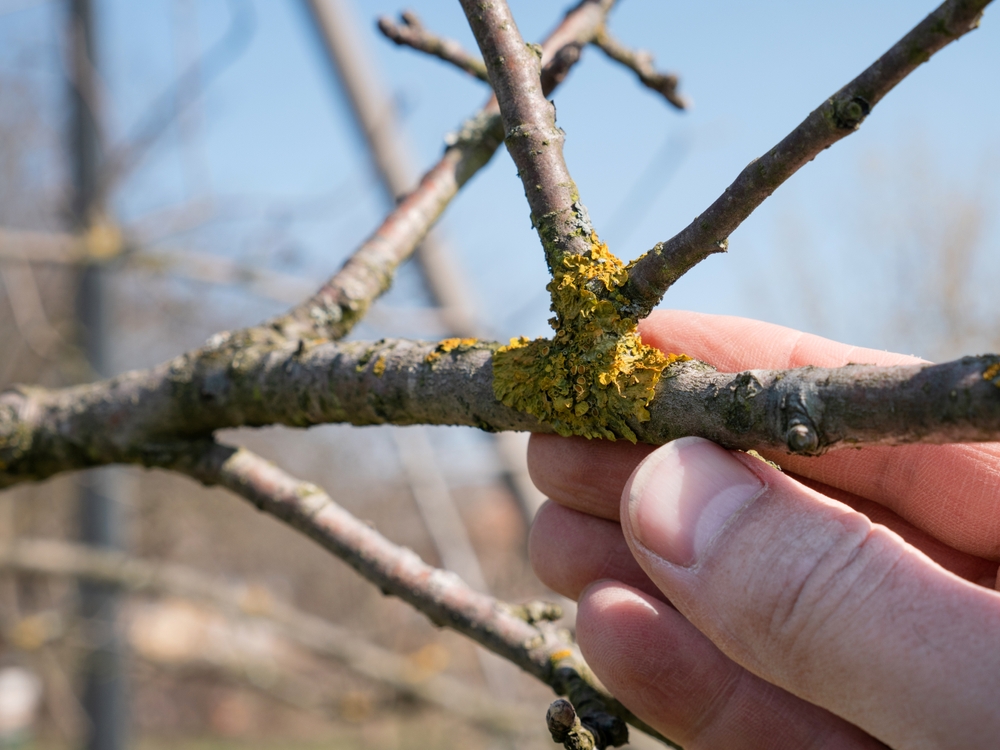
Before bud break, take time to carefully inspect your fruit trees for any signs of pest damage. Look for holes, larvae, or unusual markings on the bark and branches. Identifying pest damage early allows you to take action before the pests become a larger issue. This inspection also helps you determine if additional pest control measures are necessary.
During the inspection, check both the upper and lower sides of branches and leaves for signs of infestations. If you find any pests, treat them appropriately with organic or chemical solutions, depending on the severity of the problem. Addressing pest issues early is critical to the tree’s long-term health and success in the coming growing season.
Apply Fertilizer
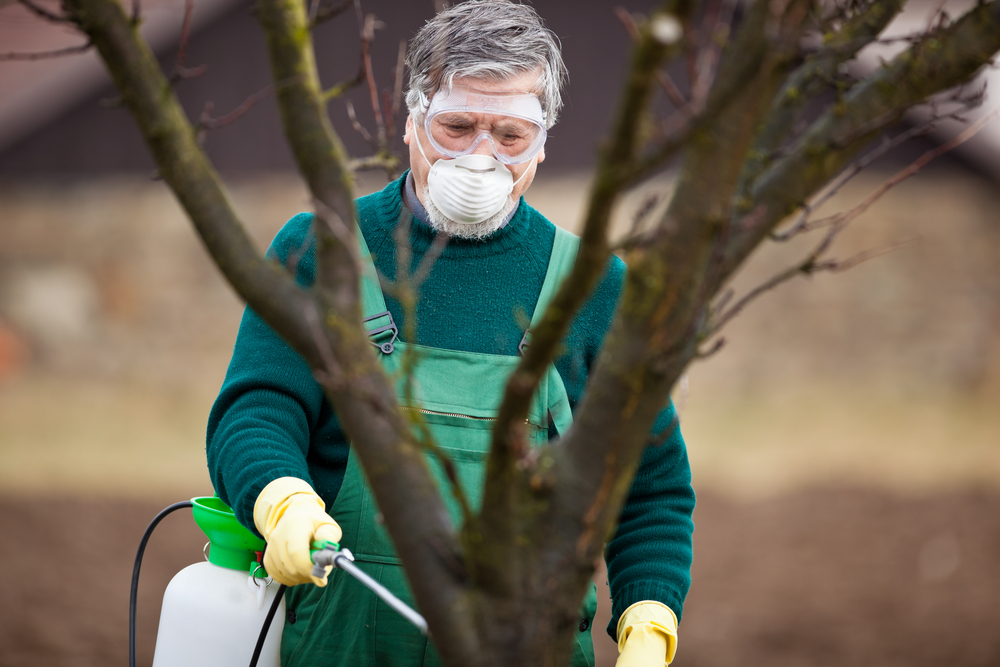
Late winter is the ideal time to apply a balanced fertilizer to your fruit trees, providing them with the nutrients they need to grow strong during the upcoming season. Applying fertilizer before bud break ensures that the tree has access to essential nutrients like nitrogen, phosphorus, and potassium right as it starts to push out new growth. Fertilizing too late in the season can result in rapid growth that is too weak to withstand pests and diseases.
Be sure to choose a fertilizer specifically formulated for fruit trees, as this will meet the unique needs of your trees. Spread the fertilizer evenly around the base of the tree, following the package instructions. Proper fertilization encourages healthy, vigorous growth and lays the groundwork for a healthy, fruitful harvest.
Check for Root Health

Before the tree begins to break dormancy, inspect the roots for signs of disease or damage. Roots are crucial for absorbing water and nutrients, so ensuring they are in good condition is key to your tree’s overall health. If you notice any issues, such as soft, discolored, or rotten roots, remove the damaged sections to prevent further spread. Healthy roots lead to a healthy tree, which is more likely to produce a fruitful harvest.
If necessary, add organic matter like compost to improve the soil structure around the root zone. Healthy, well-draining soil will promote strong root growth and allow your tree to thrive. Taking the time to assess the roots in winter gives you a head start on the growing season and helps prevent root-related issues down the line.
Ensure Proper Watering
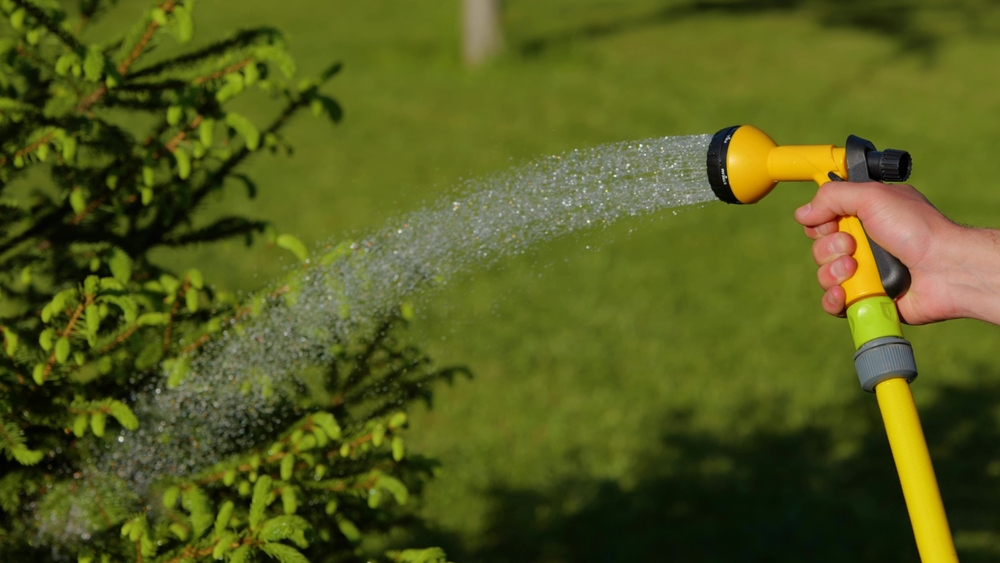
While the tree is dormant, it still needs occasional watering, especially if the winter is dry. Ensure the tree’s root zone is moist but not waterlogged. Deep watering before the tree breaks dormancy ensures the roots are hydrated and can begin to absorb water when the tree starts to grow again. Avoid shallow watering, which may not reach the deeper roots where they are most needed.
Watering in late winter also helps flush out salts and other unwanted materials that may have built up in the soil. However, make sure not to overwater, as this can lead to root rot. Monitoring the soil moisture levels ensures that the tree starts the growing season with the right balance of water.
Apply Mulch to Protect Roots
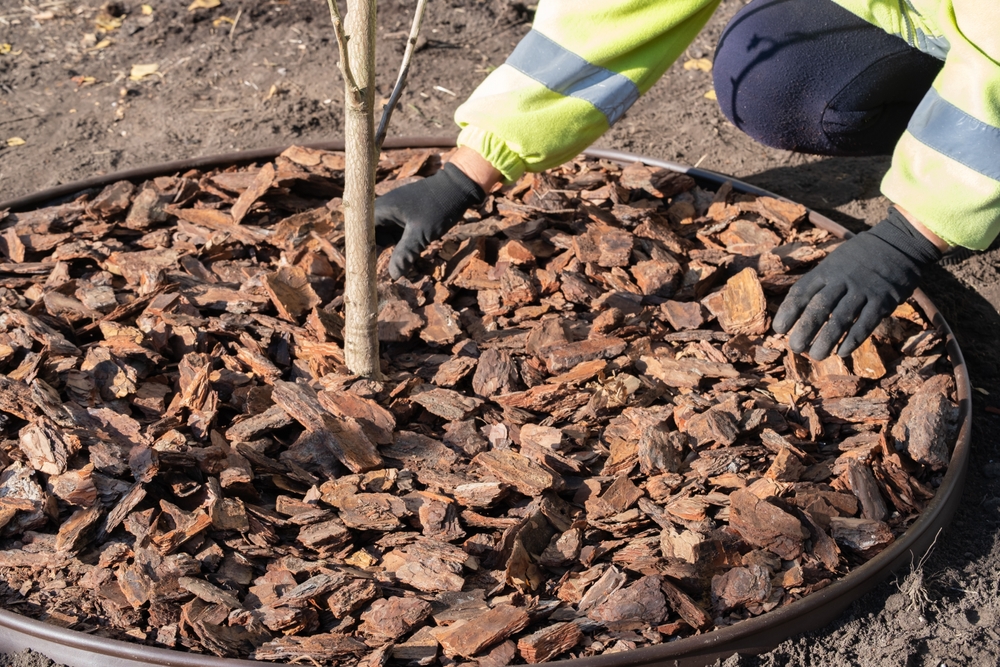
Adding a layer of mulch around the base of your tree before bud break is a simple yet effective way to protect the roots. Mulch helps regulate soil temperature, keeping roots insulated from extreme cold and sudden temperature fluctuations. This is especially important in areas with harsh winters. Mulch also helps retain moisture in the soil, which is beneficial for the tree when it begins to grow.
Be sure to apply the mulch in a 3- to 4-inch layer around the base of the tree, but avoid piling it against the trunk. This prevents moisture buildup near the tree’s base, which can lead to fungal diseases. Using organic mulch like wood chips or bark is ideal, as it gradually decomposes and improves soil quality over time.
Examine the Tree Trunk for Damage
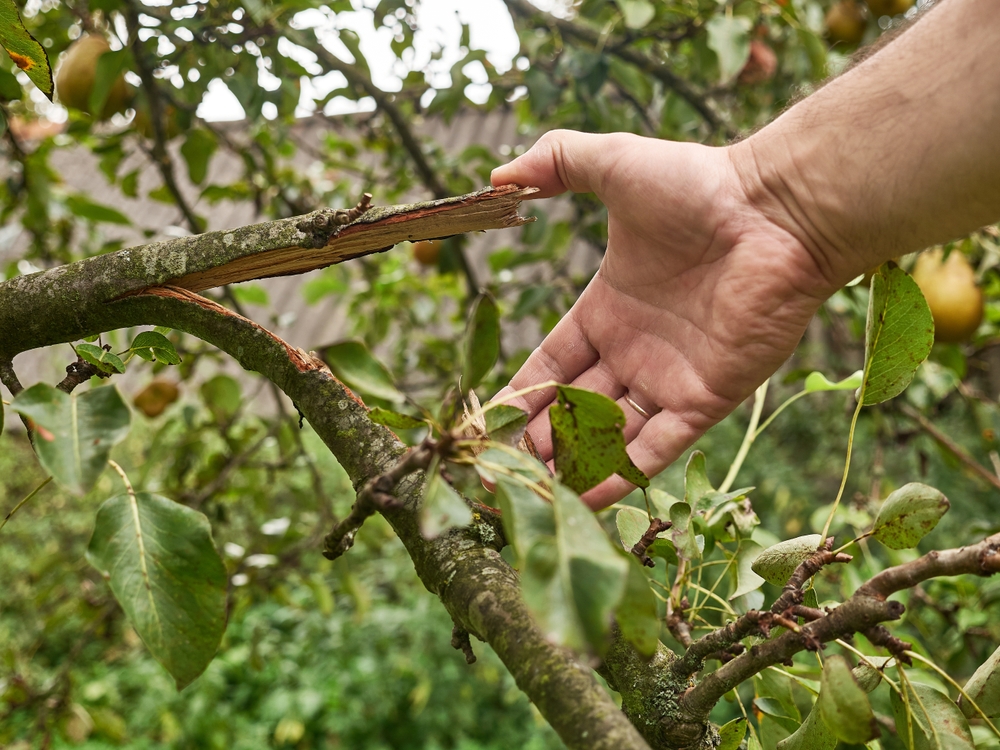
Take the time to check the tree trunk for any damage that may have occurred during the winter. Look for cracks, splits, or signs of chewing or burrowing. These issues can be caused by pests, weather conditions, or animals. Early detection allows you to address the damage before it affects the tree’s overall health. Minor cracks can be sealed with tree wound dressing to prevent infection.
If you notice any significant damage, consult with an arborist to determine the best course of action. A healthy tree trunk is essential for supporting branches and new growth, so repairing any damage as soon as possible helps ensure the tree’s strength throughout the growing season.
Remove Suckers and Water Sprouts
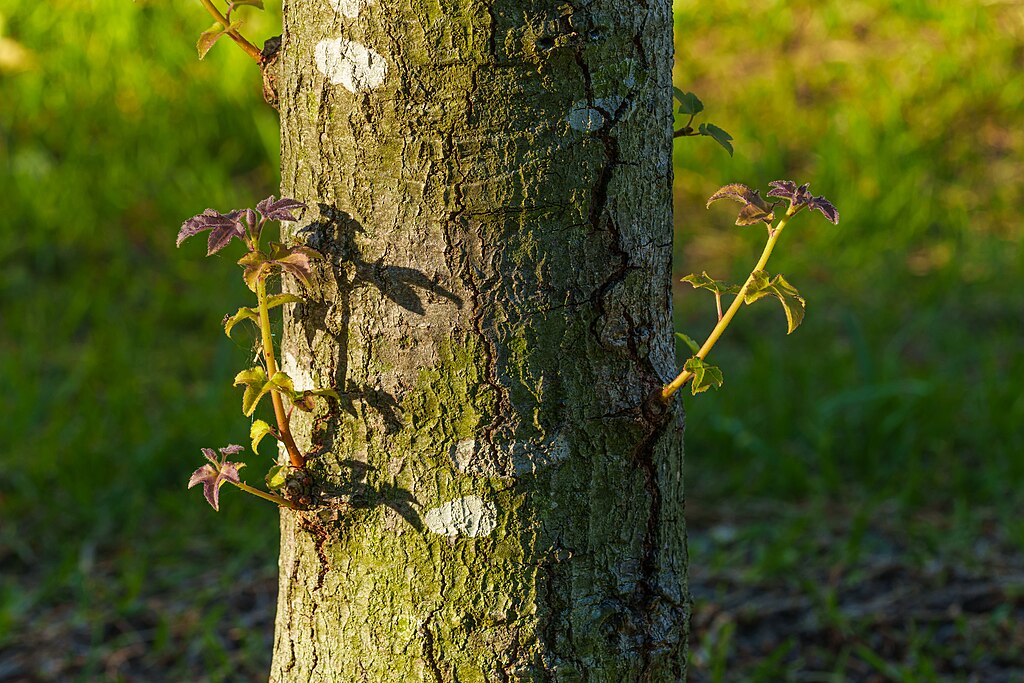
Suckers and water sprouts can sap the tree’s energy, diverting resources from the main branches and reducing fruit production. These unwanted growths often appear near the base or along the trunk of the tree. By removing them before bud break, you help the tree direct its energy into productive growth. Use sharp pruning tools to remove suckers cleanly without damaging the tree.
Regularly checking for suckers and water sprouts helps maintain the shape of the tree and prevents unnecessary growth. If left unchecked, these growths can become difficult to remove and may eventually harm the tree’s health. Keeping the tree focused on its core structure is essential for a strong and healthy harvest.
Inspect for Diseases
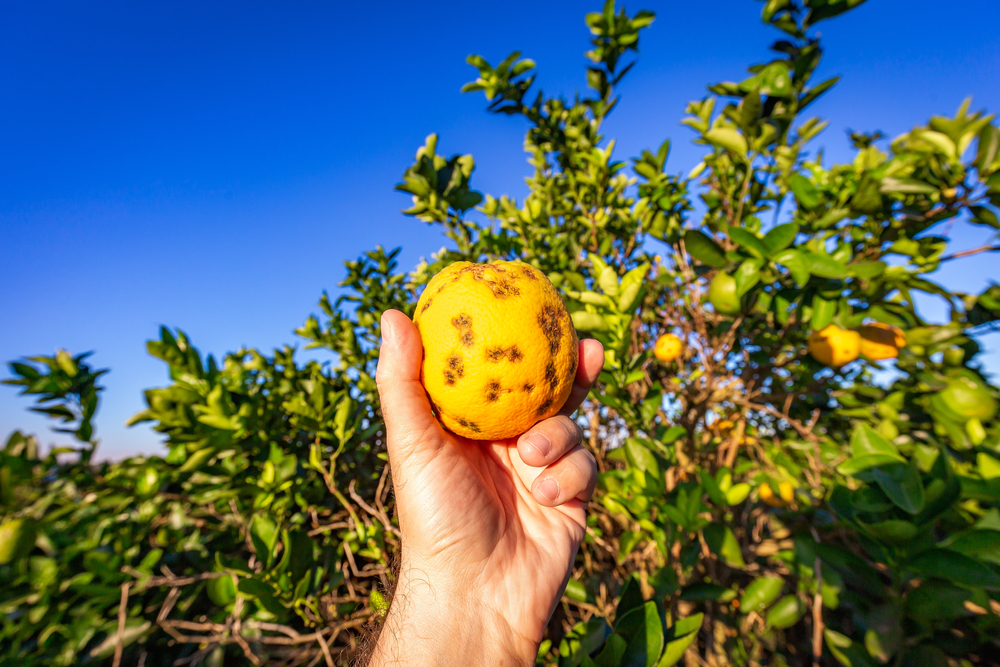
Before your tree starts to break dormancy, it is important to look for any signs of disease. Inspect the bark, branches, and leaves for any discoloration, lesions, or fungal growth. Diseases like rust, powdery mildew, or cankers can harm the tree if not addressed in time. Identifying and treating diseases early helps ensure that the tree is healthy and ready for the growing season.
Use organic treatments or fungicides as needed to treat fungal infections, and always follow the application instructions to avoid damaging the tree. By catching diseases early, you can prevent the spread to new growth and protect the overall health of the tree.
This article originally appeared on Avocadu.