
10 Model Trains With Offbeat Scales That Found Their Audience
When it comes to model trains, enthusiasts are often drawn to unique and offbeat scales that set their layouts apart. With each scale offering something distinct, collectors are always on the lookout for the next hidden gem. Exploring these trains is a chance to see how diversity in size and design brings new life to this age-old hobby.
This post may contain affiliate links, which helps keep this content free. Please read our disclosure for more info.
LGB 1 to 22.5 Scale Garden Trains
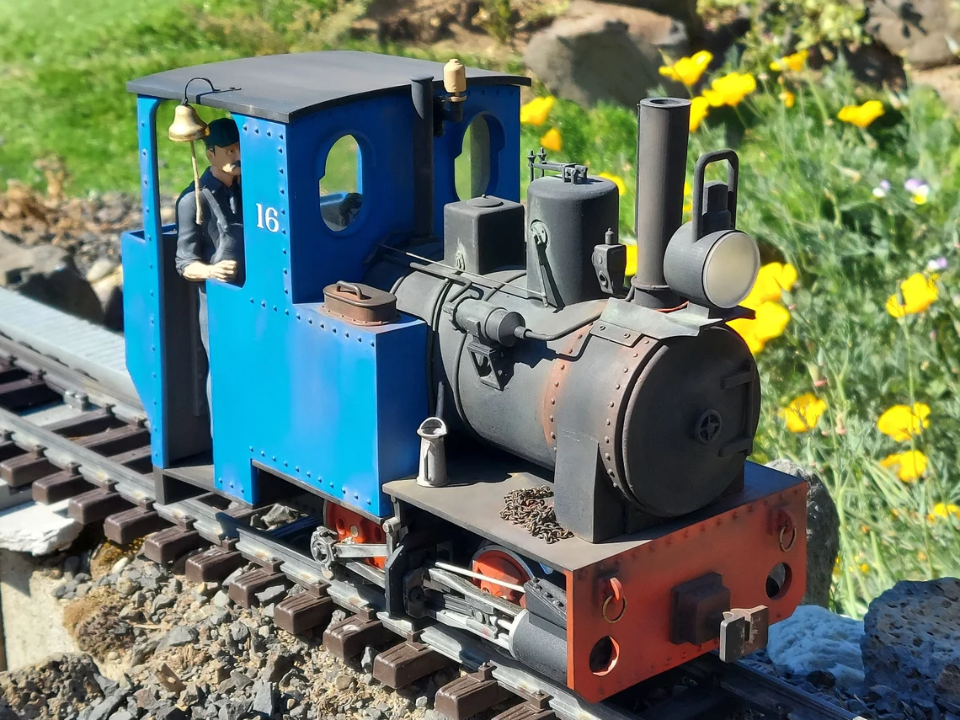
Released in the 1980s, LGB’s 1 to 22.5 scale trains brought a fresh perspective to garden railroading. Manufactured by Lehmann Gross Bahn, this scale is larger than most, making it perfect for outdoor layouts where visibility and durability are key. The trains are built to endure the elements with robust metal construction and detailed paintwork. This scale has gained a dedicated following due to its ability to work well in outdoor settings and its rich historical accuracy. The estimated market value for a set can range from $200 to $1,000, depending on the model and condition.
LGB trains are known for their ability to operate on a variety of tracks, offering flexibility for larger layouts. This scale is especially popular in Europe and North America, where hobbyists enjoy designing extensive garden railway setups. The durability and scale make it a favorite for both experienced modelers and newcomers to the hobby. The pricing varies greatly, with limited edition models reaching higher values.
Z Scale Trains (1 to 220)
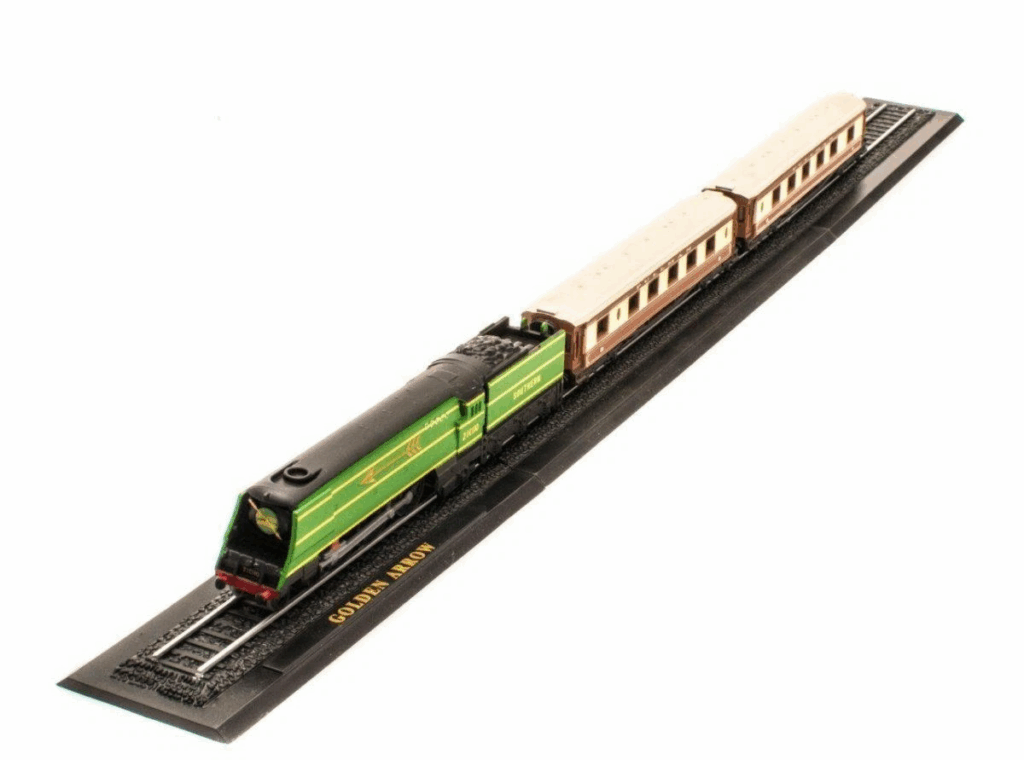
Introduced in the late 1970s, Z scale trains are one of the smallest available, with a scale of 1 to 220. Manufactured by companies like Marklin and Rokuhan, Z scale trains are perfect for hobbyists with limited space or those looking for a challenge in design. Despite their small size, these trains feature intricate details and smooth operation, impressing collectors with their precision. Z scale has found its audience by offering a unique solution for compact layouts, and the market value ranges from $50 to $800 depending on the model and rarity.
These miniature trains allow enthusiasts to build expansive layouts in much smaller areas compared to larger scales. The compact nature has sparked a niche following, with many enjoying the challenge of fitting fine details into tight spaces. The demand for Z scale has steadily increased, especially among collectors who appreciate its portability and the level of detail achieved in such a small scale.
HO Scale Trains (1 to 87) by Bachmann
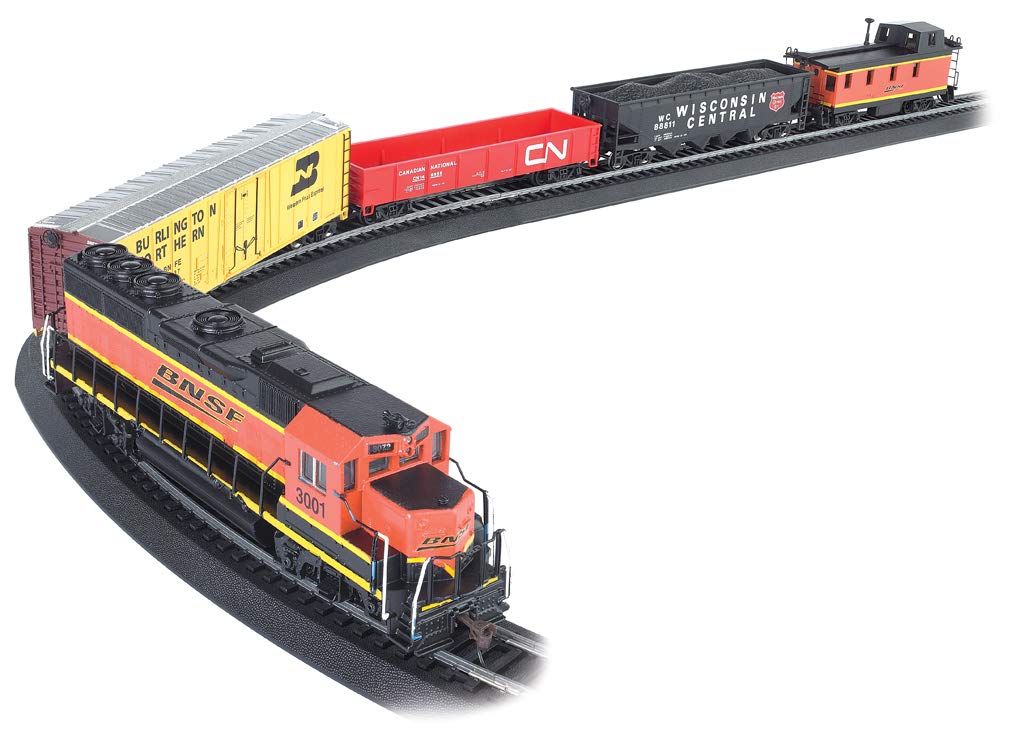
Bachmann’s HO scale trains, released in the mid-20th century, are some of the most popular model trains worldwide. The 1 to 87 scale is ideal for creating highly detailed layouts without taking up too much space. Bachmann’s products are well-regarded for their reliability and detailed locomotives, from steam engines to modern-day diesel trains. These trains appeal to a broad audience due to their affordable prices and ease of setup, with market values typically ranging from $30 to $600, depending on the model.
The widespread popularity of Bachmann’s HO scale is due to the variety and accessibility of its products. Its trains are compatible with other brands in the HO scale category, which allows for a diverse range of customization options. Hobbyists appreciate the ease of upgrading these models with additional details, making them ideal for both beginners and experienced modellers.
N Scale Trains (1 to 160) by Kato
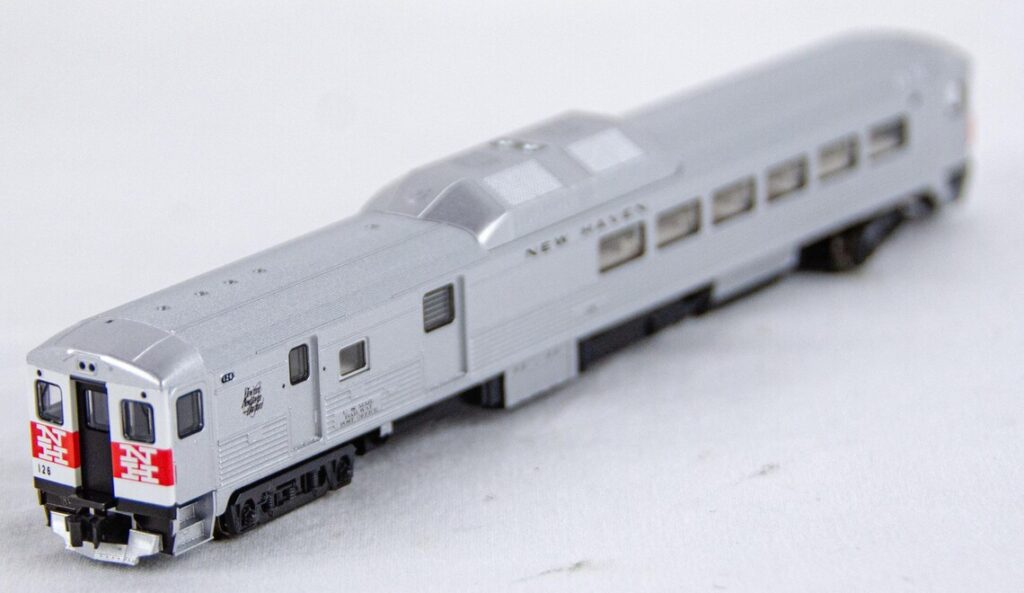
Kato’s N scale trains, released in the 1980s, revolutionized the miniature train world with their compact size and incredible detail. At a scale of 1 to 160, these trains are smaller than the typical HO scale, offering a chance to build extensive layouts in limited spaces. Kato is known for its precision engineering and reliable performance, with smooth operation that enhances the experience for users. The market value of N scale trains ranges from $30 to $500, depending on the model and condition.
This scale has earned a loyal following because of its ability to create intricate layouts in smaller rooms. N scale’s popularity is driven by its ability to fit an extensive number of trains and accessories into a tight space. Collectors are drawn to Kato’s N scale for its level of detail, smooth running performance, and the convenience of using less space while still having a complete train set.
G Scale Trains (1 to 22.5) by Piko
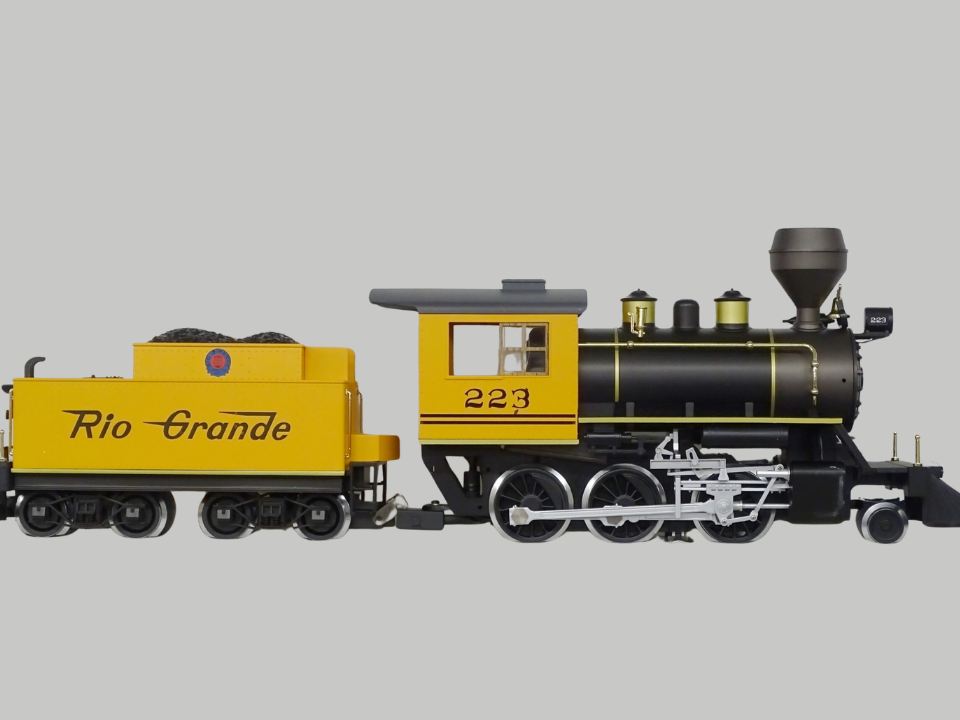
Piko’s G scale trains, typically in the 1 to 22.5 scale, are favored for outdoor gardening layouts and large-scale displays. Released in the 1980s, these trains are bigger than most traditional model trains and offer excellent durability for outdoor use. Made from high-quality plastic and metal, Piko G scale trains are designed to withstand the elements and provide long-lasting enjoyment. The market value for these models ranges from $100 to $1,000, depending on the complexity and age of the train.
The large size of G scale trains allows for intricate detailing, making them ideal for creating lifelike landscapes in garden railway setups. Piko trains have become a favorite due to their robust construction and realistic look. The G scale offers enthusiasts the chance to build grand layouts with visible details, and the demand for these models is particularly high among outdoor hobbyists.
S Scale Trains (1 to 64) by American Flyer
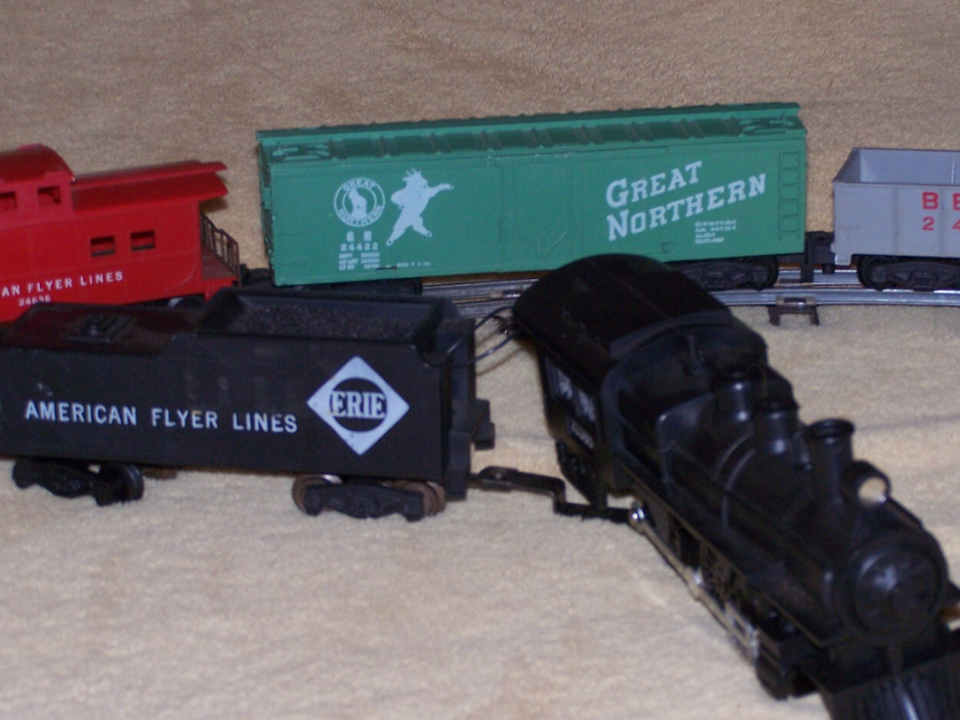
American Flyer’s S scale trains, which are in the 1 to 64 scale, found their audience in the 1940s when they offered a middle ground between O and HO scales. Their slightly larger size made them easier to handle while still providing intricate detail. Known for their solid build quality, these trains are often favored by collectors seeking a vintage feel. The market value of American Flyer S scale trains can range from $50 to $1,500 depending on the rarity of the model and condition.
S scale trains appeal to those who want something in between the compact HO scale and the larger O scale. The durability of American Flyer’s trains also makes them a great option for people who prefer operating their models rather than just displaying them. The scale has found a niche audience, particularly among enthusiasts looking for a unique size and those interested in collecting vintage trains. The wide variety of models produced in the S scale ensures there is something for every type of collector.
HOe Scale Trains (1 to 87 Narrow Gauge) by Roco
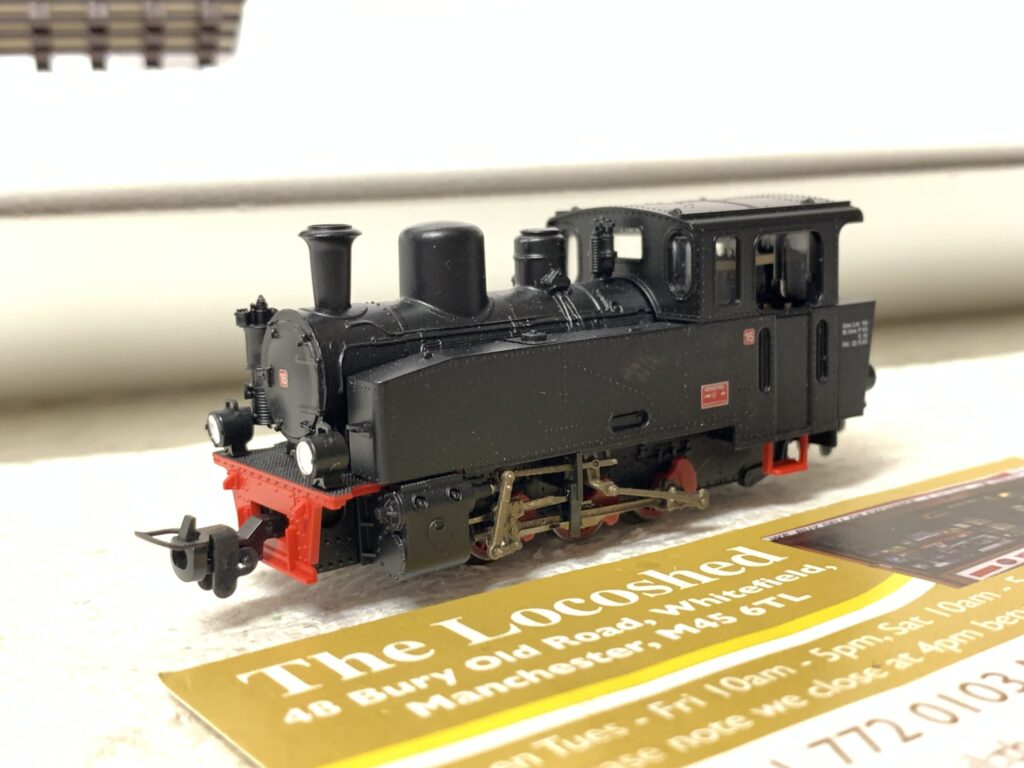
HOe scale trains, produced by Roco, feature narrow gauge railways at a 1 to 87 scale, but with smaller tracks and trains. Released in the 1990s, this scale is perfect for enthusiasts who want a narrow gauge layout that still fits within the common HO scale size. These trains are characterized by their compact size and fine detailing, offering the feel of a miniature railroad system. The market value for HOe scale models varies, generally ranging from $50 to $300.
HOe scale appeals to hobbyists interested in the unique features of narrow gauge railroads, which were often used in rugged, mountainous regions. These models allow collectors to build a more specialized layout while still enjoying the benefits of the widely available HO scale. The level of detail and the challenges of narrow gauge railroading make this scale appealing for those who enjoy a different type of railway operation. This scale’s specific niche ensures its steady demand among railroad enthusiasts.
LGB H0n3 Trains (1 to 87 Narrow Gauge)
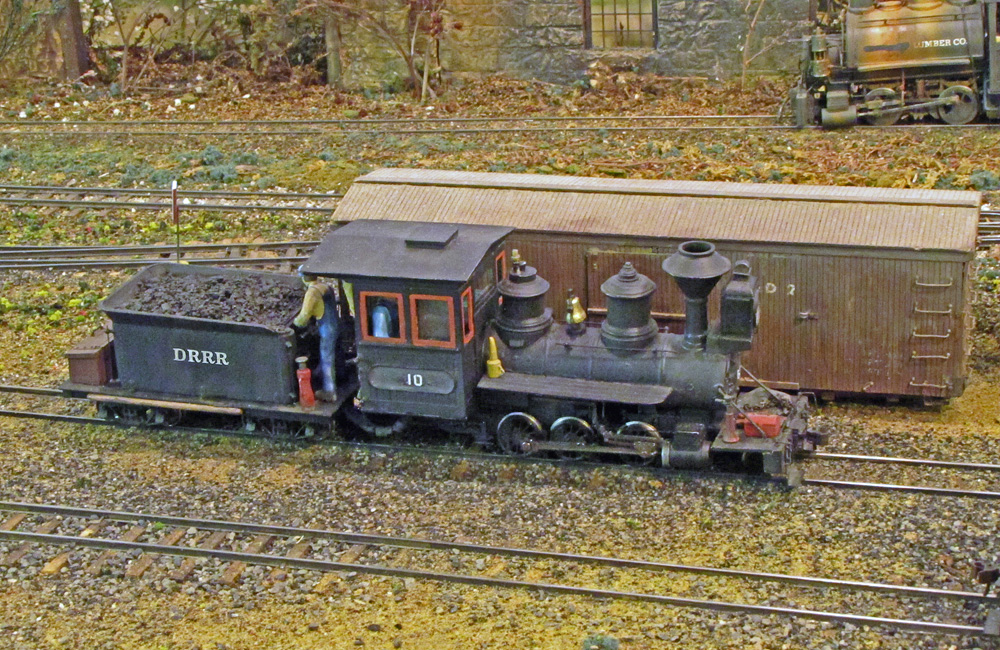
LGB, known for its large garden trains, also produced HO scale narrow gauge trains at a 1 to 87 scale. The H0n3 models, introduced in the 1980s, are designed to reflect smaller, real-world narrow gauge trains. These trains feature a high level of detail and are compatible with LGB’s larger 1 to 22.5 models, creating an interesting contrast in layouts. Market values for LGB H0n3 models range from $200 to $600, depending on rarity and model condition.
LGB’s H0n3 trains offer a compact way for enthusiasts to enjoy narrow gauge railroads without taking up too much space. The company’s well-regarded craftsmanship and attention to detail have made these models a sought-after option for collectors. Whether displayed in a collection or used for running small layouts, LGB H0n3 trains have garnered a loyal following. The relatively small size makes them ideal for creating detailed, realistic layouts in smaller spaces.
O-Scale On30 Trains (1 to 48 Narrow Gauge)
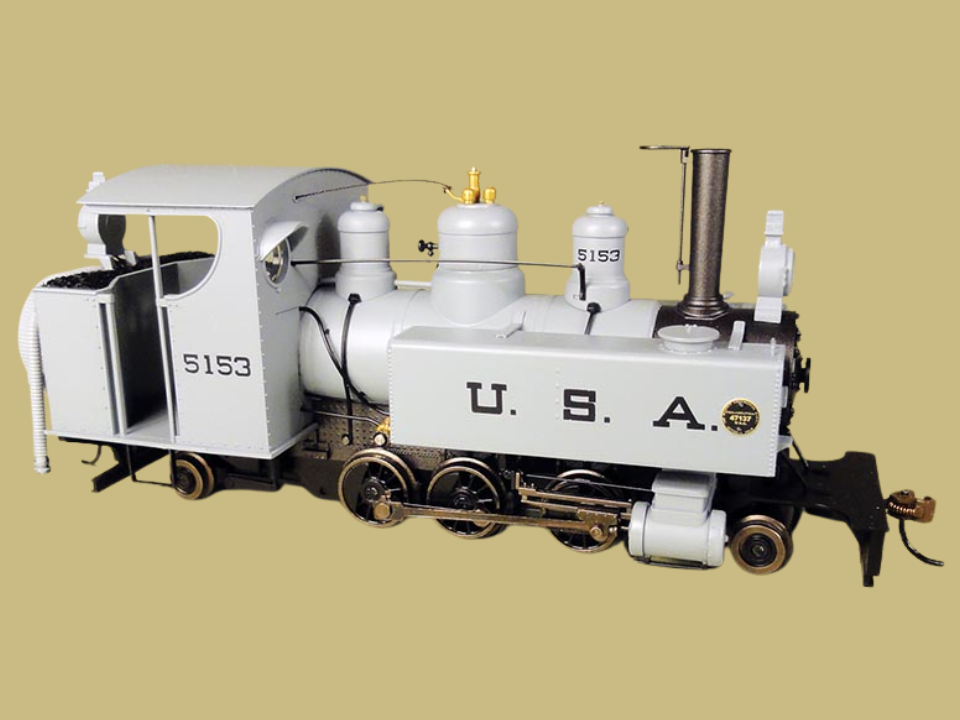
On30 trains, at a 1 to 48 scale, represent narrow gauge trains in a larger size, and they have been made by companies like Bachmann. Released in the early 2000s, these trains offer a unique combination of the popular O scale and narrow gauge railway features. The models are well-known for their vintage look, with highly detailed engines and rolling stock. Their current market value ranges from $100 to $600, depending on the age and condition of the model.
The combination of O scale size and narrow gauge design offers a unique twist on classic train setups. On30 trains are particularly popular for creating scenic, vintage-inspired layouts that showcase the charm of narrow gauge railroads. These trains appeal to hobbyists who enjoy the combination of size and historical authenticity. The market for On30 models continues to grow, with many collectors looking for rare pieces to complete their collections.
OO-Scale Trains (1 to 76) by Hornby
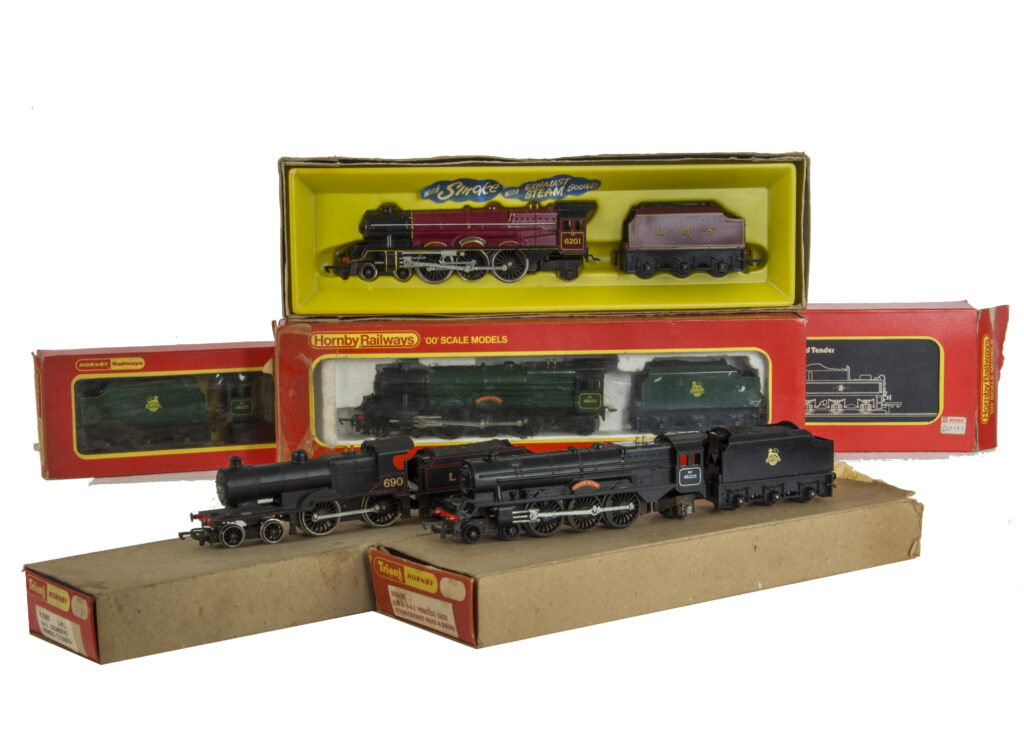
OO-scale trains by Hornby, produced in the 1950s, were designed with a scale of 1 to 76 and are especially popular in the UK. These trains were originally introduced as a compromise between the HO scale and the larger O scale. The physical features of OO trains include detailed exteriors and functional mechanisms, making them a favorite for enthusiasts. OO-scale trains generally have market values ranging from $40 to $400, depending on the model’s age and condition.
The smaller scale of OO trains makes them an ideal choice for those who want detailed models that don’t require large amounts of space. Hornby’s trains have remained popular due to their historical significance and the variety of models they produced. Enthusiasts often use them for detailed layouts that replicate British railroads, ensuring their place in the hearts of collectors.
This article originally appeared on Avocadu.