
13 Raised Bed Tasks to Do in February Before Planting Starts
February is the perfect time to prepare your raised bed for the upcoming planting season. While the ground may still be cold, there are plenty of tasks to tackle that will set you up for success when spring arrives. This is a great opportunity to get your soil in shape, clear out any debris, and make sure your bed is ready for planting. Whether you are testing the soil, adding nutrients, or ensuring proper drainage, these tasks will help create a healthy environment for your crops to thrive. Taking these steps now can save you time and effort later in the season, and it will give your plants a strong foundation to grow. A little work in February can go a long way toward a fruitful garden come spring.
This post may contain affiliate links, which helps keep this content free. Please read our disclosure for more info.
Clear the Bed of Debris
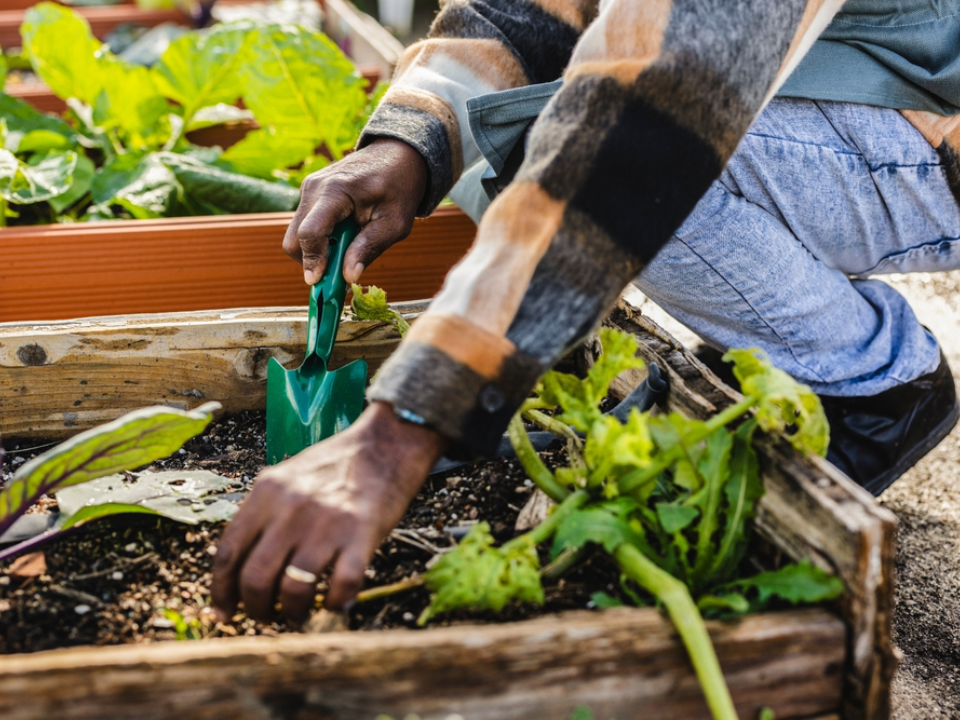
Before you can start preparing your raised bed for planting, it is essential to remove any leftover debris from the previous season. Old plant stems, leaves, and weeds can all harbor pests and diseases, so it is best to get rid of them early. Clear out any dead plants and make sure to dispose of them properly. Also, check for any root remnants from last year’s crops that might have been missed.
After clearing the bed, it is a good idea to rake the soil lightly to ensure it is even. This will help prepare the space for new plants and make it easier to work with later on. Cleanliness in your garden bed now will prevent problems later in the growing season.
Test the Soil
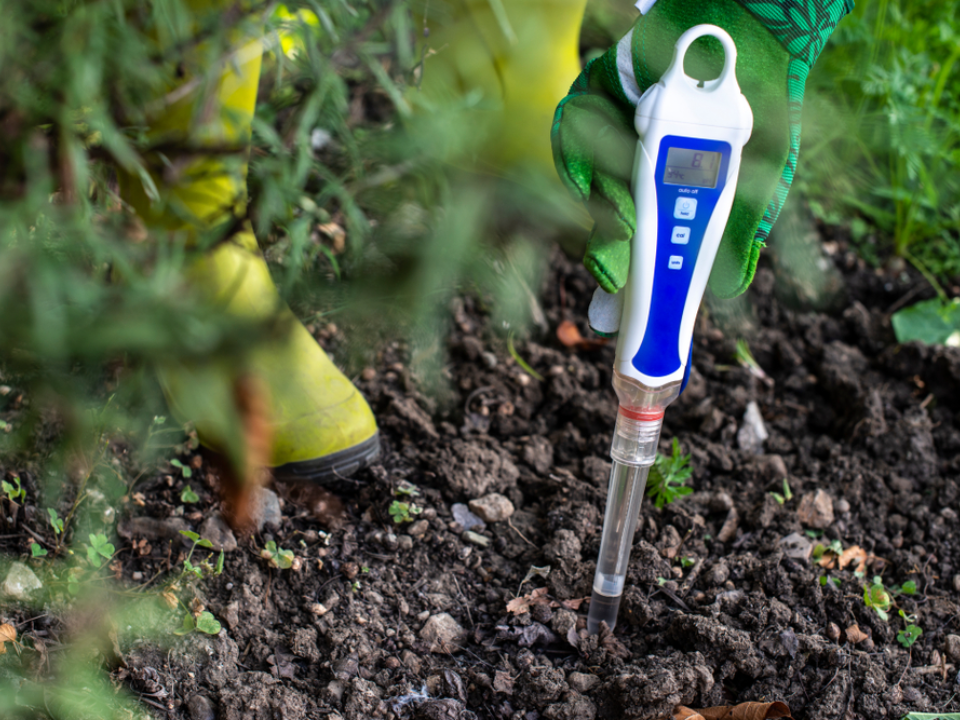
Now is a great time to test the soil in your raised bed to understand its current condition. You can buy a soil test kit or send a sample to a local garden center or university lab for analysis. Testing the soil will give you insight into its pH, nutrient levels, and any deficiencies. If your soil test reveals any issues, you can amend the soil with the necessary fertilizers or soil conditioners.
For example, if the soil is too acidic, adding lime can help raise the pH. On the other hand, if it is too alkaline, adding sulfur can lower the pH. Ensuring the soil is in the right balance before planting will give your crops the best start.
Add Organic Matter
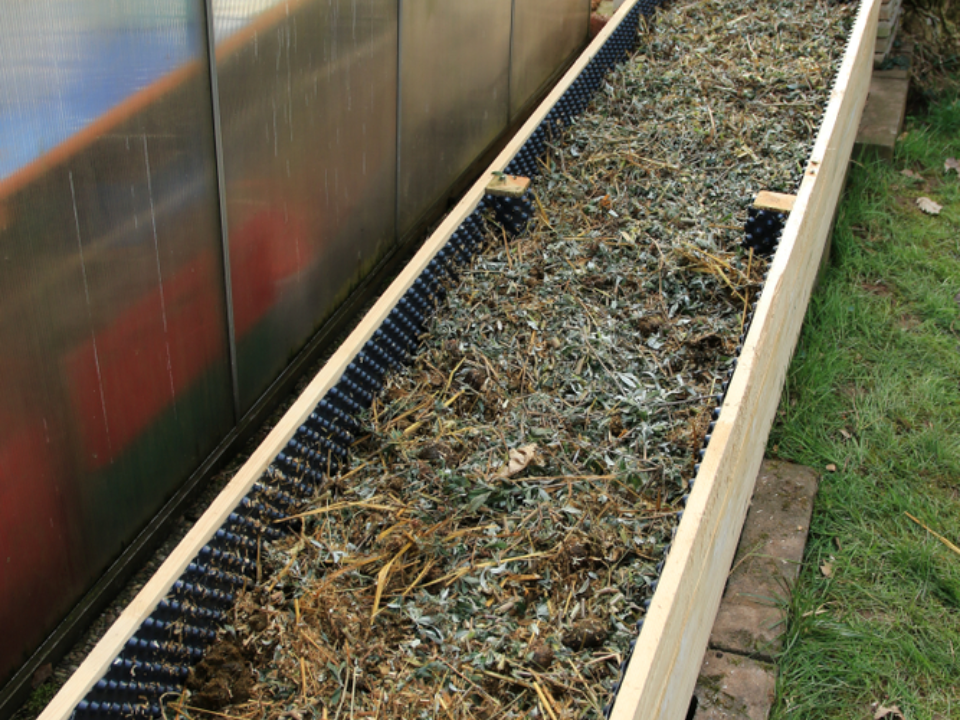
Incorporating organic matter into your raised bed is a crucial task in February. Organic matter, like compost, aged manure, or leaf mulch, improves the structure of your soil, increases moisture retention, and adds nutrients.
These benefits can help support the development of healthy roots and plants later in the season. Spread a 2 to 3-inch layer of compost or organic mulch over the soil, and then work it in with a rake or shovel. This process will improve the fertility and texture of the soil and make it more conducive to growing. Adding organic matter can also help with drainage in your raised bed.
Check for Drainage Issues
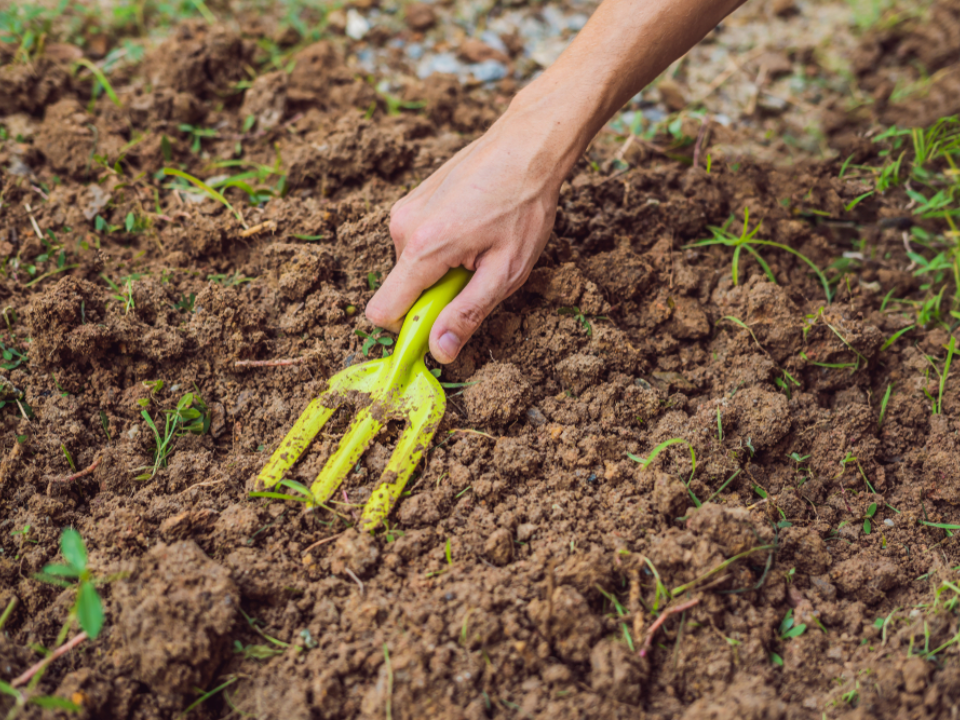
Proper drainage is vital for the health of plants in raised beds. February is the perfect time to inspect your raised bed for any drainage issues that may have developed over the winter. Check if the soil is compacted, which can prevent water from draining properly. To fix this, you may need to loosen the soil by forking it over and adding more organic matter.
If your raised bed has a wooden frame, check for any areas that may have become waterlogged or warped. If needed, improve the drainage by adding gravel at the base of the bed or installing a drainage system to ensure that excess water will escape. Proper drainage will prevent your plants from sitting in water, which can lead to root rot.
Plan Your Crop Rotation
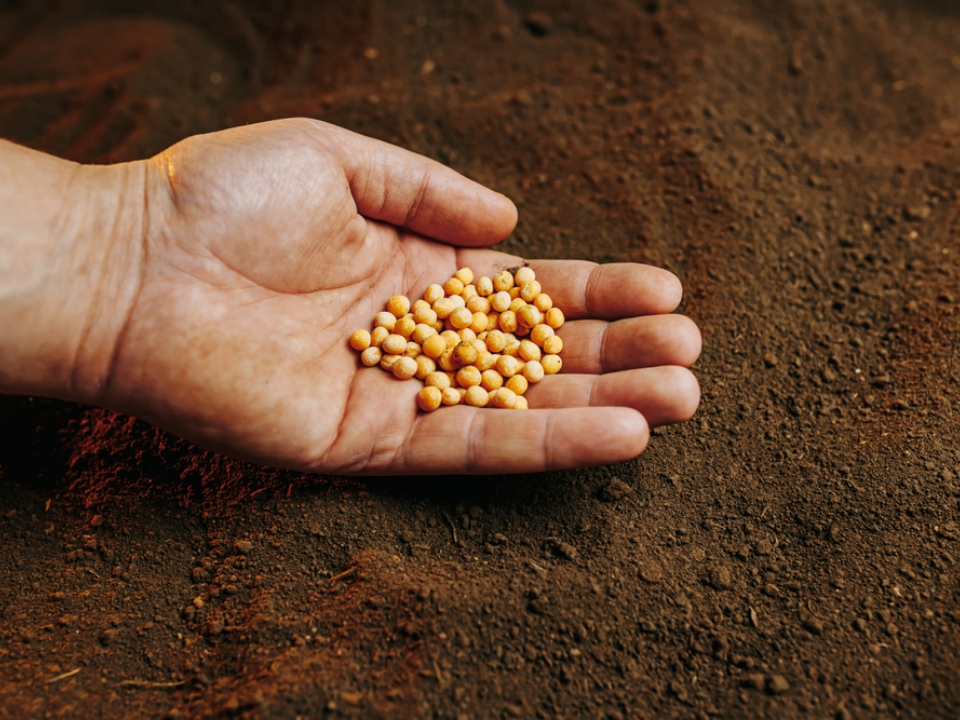
Planning ahead is essential when it comes to crop rotation, especially in a raised bed. Crop rotation helps to prevent the depletion of soil nutrients and reduces the buildup of pests and diseases. Take the time in February to plan where each crop will go in the upcoming growing season. Avoid planting the same type of plant in the same spot year after year. For example, follow tomatoes with beans or peas, which add nitrogen back into the soil.
Planning your crop rotation ahead of time ensures that your plants receive the nutrients they need, and it reduces the risk of plant stress. Consider keeping a gardening journal to track what you plant and where, which will make it easier to plan for future years.
Apply Mulch
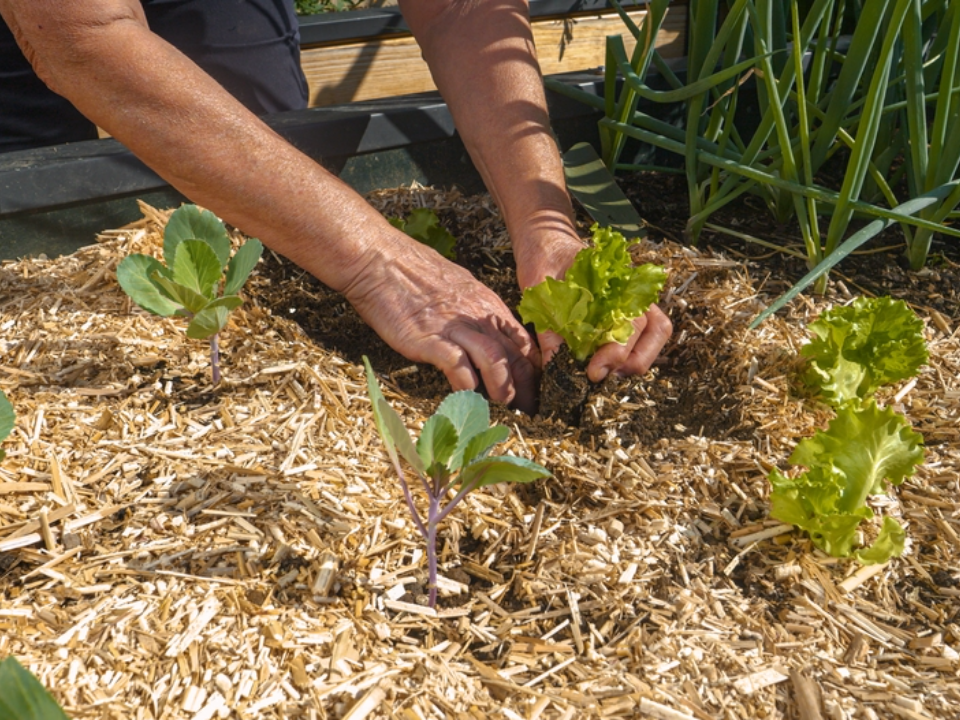
February can be a time when temperatures fluctuate, and mulching your raised bed can help maintain a more stable environment for plants once the growing season begins. Applying mulch in early spring can help retain soil moisture, reduce weed growth, and protect plant roots from temperature extremes.
Use a natural mulch, like shredded leaves, straw, or bark chips, as they break down over time and enrich the soil. Lay about 2 to 3 inches of mulch over the bed after the soil has been worked and amended. Avoid covering any young seedlings with mulch until they are well established. Mulching early will keep your raised bed ready for planting in spring.
Prepare Support Structures
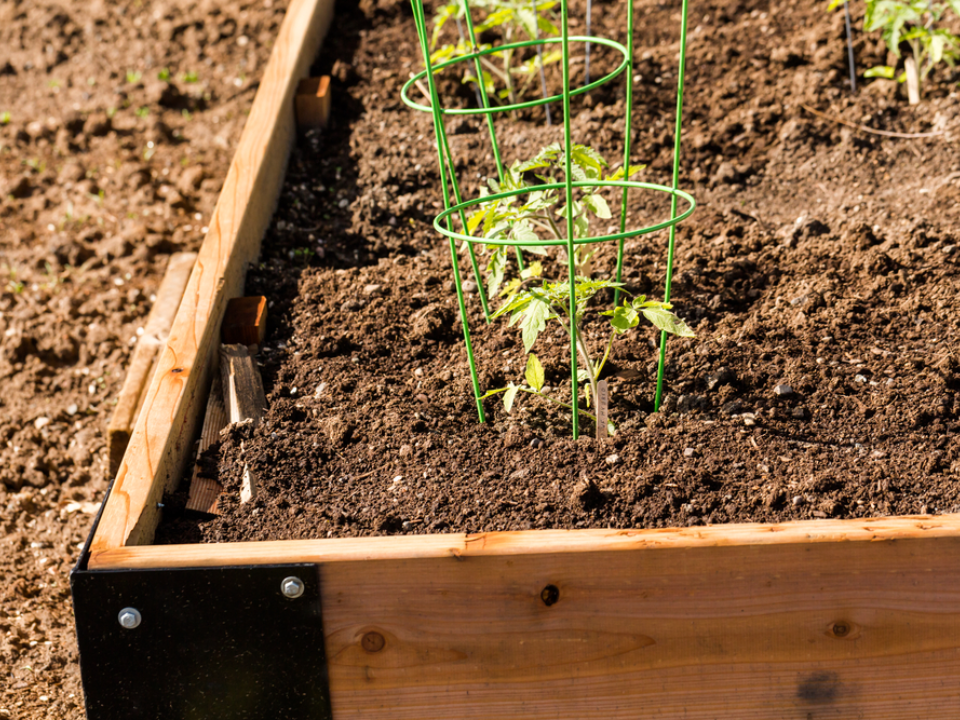
While the ground is still soft in February, take the time to prepare support structures for climbing plants like tomatoes, beans, or cucumbers. Set up trellises, stakes, or cages to support the plants as they grow. Installing these supports early will save you time once planting begins, and it will give your plants the room they need to thrive.
Make sure the supports are securely anchored and tall enough to accommodate the growth of the plants. Consider the layout of your raised bed when setting up the supports, ensuring they do not block sunlight for other plants. Support structures are essential for keeping crops healthy and making harvesting easier later in the season.
Check Raised Bed Frame Condition
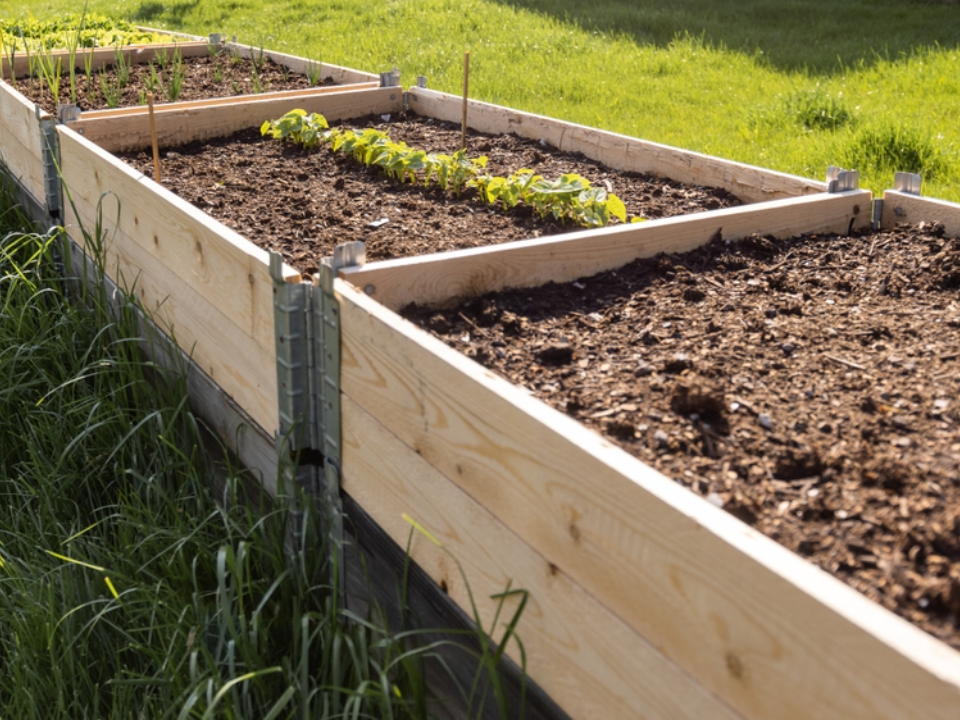
In February, inspect the frame of your raised bed for any signs of wear or damage. Check for rotting wood, rust on metal parts, or shifting in the structure. The harsh winter months may have caused some wear, so repairing it now will ensure that your raised bed is sturdy and reliable when planting begins.
If necessary, replace any damaged wood or re-secure the frame. For wooden raised beds, consider applying a protective sealant to the exterior to extend their lifespan. A solid and secure bed frame will keep your plants protected and provide a stable growing environment.
Improve Soil Fertility
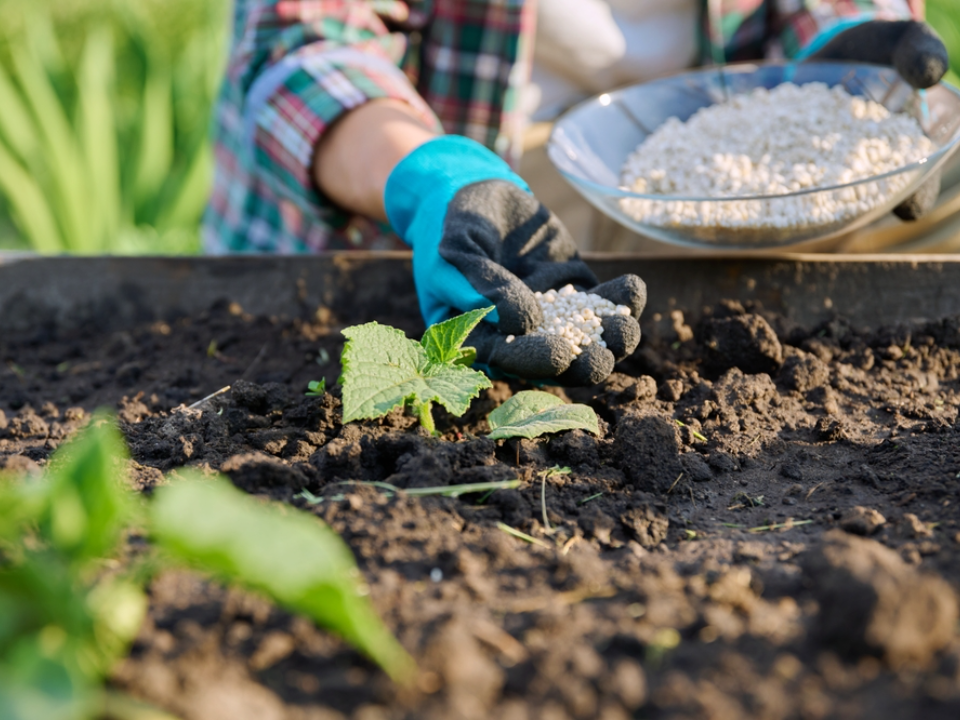
Now is a good time to focus on improving the fertility of your raised bed’s soil. After testing the soil, you might find that it needs additional nutrients. You can add compost, bone meal, or fish emulsion to boost nutrient levels, which will support healthy plant growth once the season begins.
Fertilizing the soil early ensures that the plants have the nutrients they need to thrive when they are planted. For vegetable gardens, a balanced organic fertilizer is often a good choice. Make sure to mix the amendments into the top layer of soil for optimal results. Fertile soil encourages strong roots and healthier plants as they grow.
Consider Adding Worms or Beneficial Insects
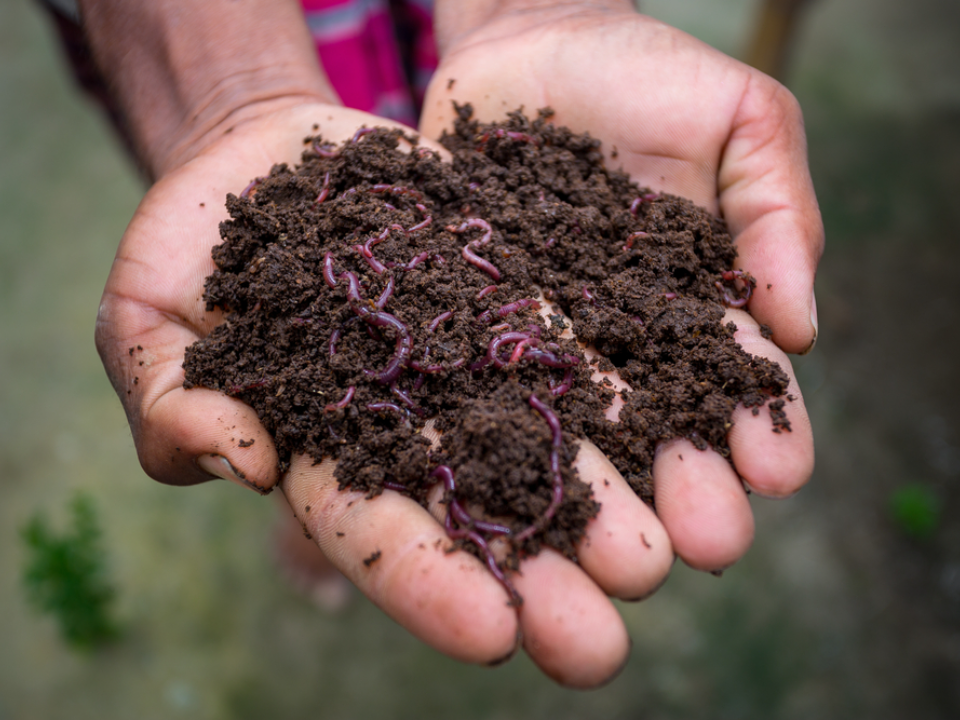
If you want to promote healthy soil in your raised bed, consider adding earthworms or beneficial insects. Worms help break down organic matter, enriching the soil and improving its structure. Beneficial insects like ladybugs or predatory beetles can help control pests naturally, reducing the need for chemical interventions later on.
You can introduce these helpful creatures into your raised bed now, so they are ready to support your plants throughout the growing season. Creating a healthy ecosystem in your garden will make it more sustainable and productive. Take care to choose local species that will thrive in your climate. The addition of beneficial organisms now will help ensure a thriving garden later.
Check for Pest Issues
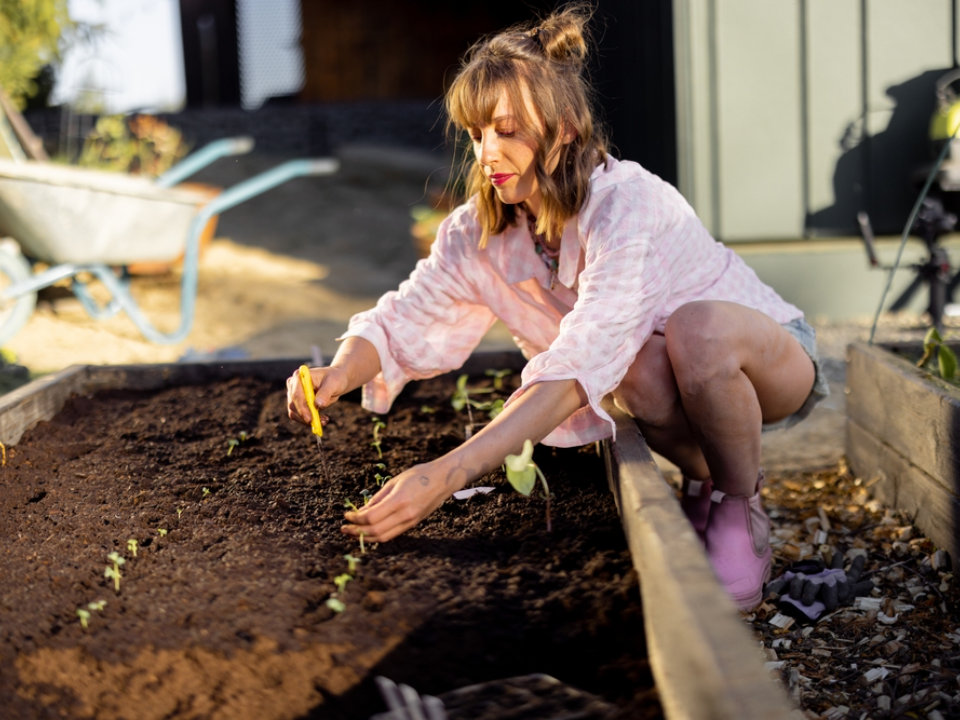
February is a good time to do a pest check in your raised bed. While it may seem early for pests, some insects can overwinter in your bed, such as aphids or slugs. Inspect the soil and the frame of your raised bed for any signs of pest activity. If you find any, you can remove them manually or introduce natural predators like ladybugs.
You can also use a gentle insecticidal soap to treat any infestations before the growing season begins. Taking care of pest issues early will prevent them from causing damage later in the season. A clean and pest-free bed will give your plants the best chance to grow.
Repair or Build New Garden Fencing
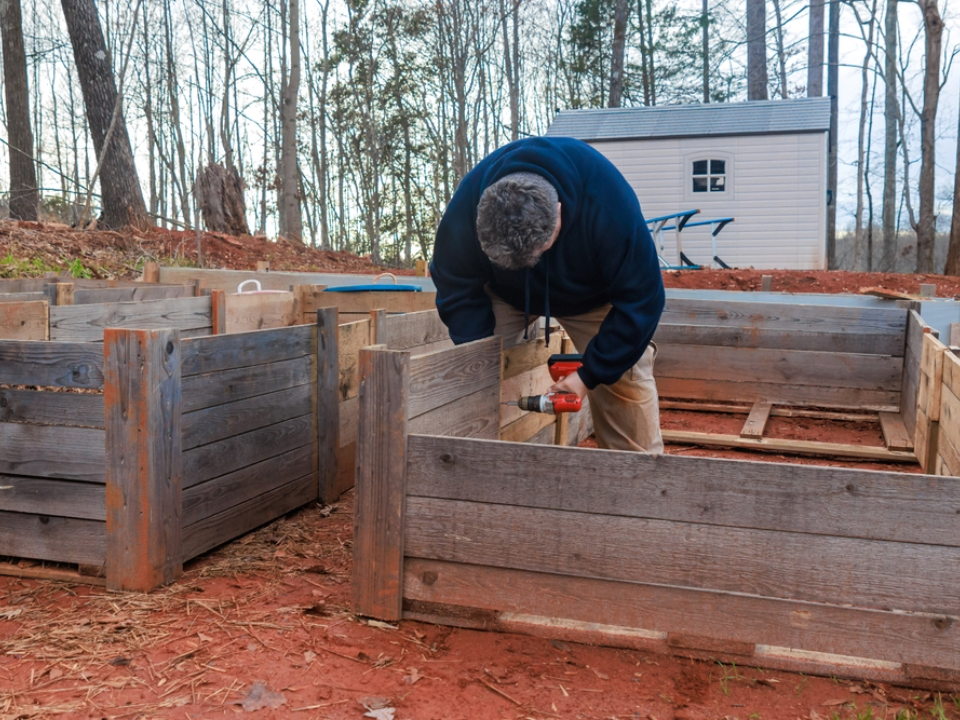
If you have a garden fence around your raised bed, February is a great time to inspect it for any damage and make repairs. Check for any loose wires, broken boards, or gaps that could let pests or animals into your garden. A sturdy fence is essential for protecting your plants from rodents and larger animals like rabbits or deer. If you do not already have a fence, consider building one now.
Garden fencing can be made from wood, wire, or plastic, depending on your needs. Make sure the fence is tall enough to keep out larger animals and buried deep enough to prevent burrowing pests. Proper fencing will keep your plants safe and help you avoid unnecessary damage.
Create a Seed Starting Plan
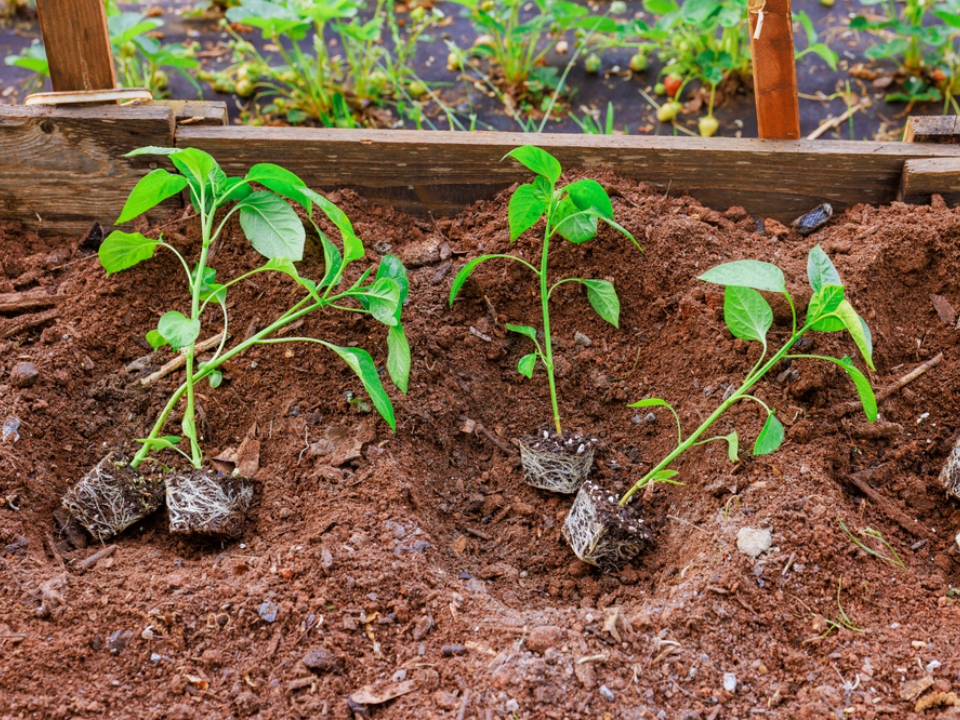
Before planting season begins, it can be helpful to plan out your seed starting schedule. In February, start thinking about what plants you want to grow and when you need to start the seeds indoors. Some plants, like tomatoes and peppers, need to be started 6-8 weeks before the last frost. Make a list of the seeds you plan to grow, and research the best times for starting them indoors.
Creating a seed starting plan will help you stay organized and ensure that your plants are ready for transplanting when the time comes. Set up a system to track the progress of your seedlings, so you can care for them properly while they grow. A well-thought-out seed starting plan can make your gardening efforts more efficient and successful.
This article originally appeared on Avocadu.