
14 Things To Plant In February By Zone With Easy Indoor And Outdoor Options
February may seem like an odd time to think about planting, but it’s actually perfect for getting ahead of the season. Whether you’re tending to indoor pots or prepping your outdoor garden, this month offers a variety of options. With a little care, your garden can bloom much sooner than expected.
This post may contain affiliate links, which helps keep this content free. Please read our disclosure for more info.
Lettuce (Zone 3-9)
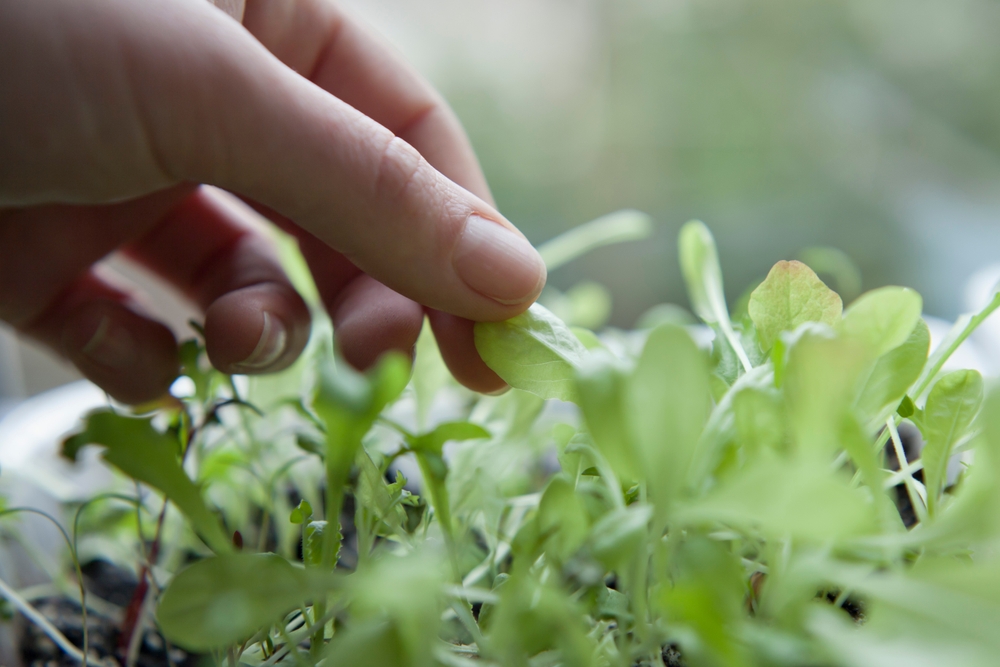
Lettuce is one of the easiest vegetables to grow, especially during the cooler months. In February, you can start sowing seeds indoors, or you can plant them directly in your garden if your zone allows. It thrives in the cooler temperatures and grows quickly, making it ideal for those who want to harvest within a short period. Indoor options include growing lettuce in containers with good drainage, where it can enjoy ample sunlight.
Outdoors, you can direct sow lettuce if the weather is mild enough, or you can prepare a cold frame or cloche to protect it from frost. Lettuce needs consistent moisture, so be sure to water it regularly. You can choose from various varieties, such as romaine, butterhead, or leaf lettuce. With the right care, you can enjoy fresh, crisp greens early in the season.
Spinach (Zone 3-9)
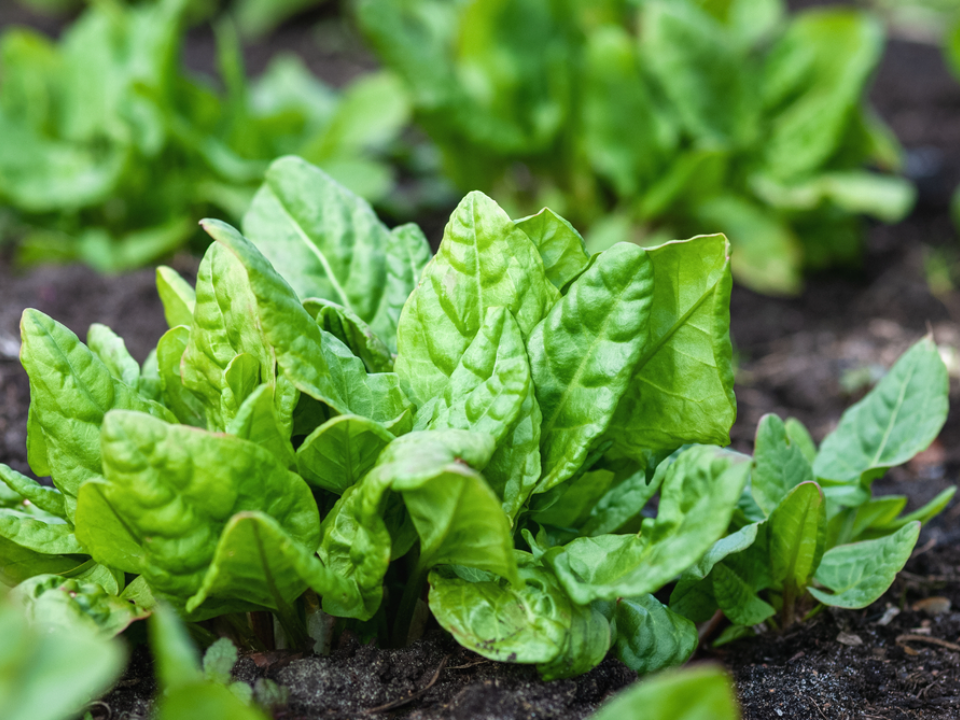
Spinach is another great cold-weather vegetable that can be planted in February. It grows well both indoors and outdoors, making it a versatile addition to any garden. If planting indoors, use a deep container with plenty of space for the roots to spread. Spinach prefers slightly cooler temperatures, so keeping it in a spot with good natural light will help it thrive.
Outdoors, spinach can be direct-sown in the garden as long as the soil can be worked. It’s a fast-growing vegetable, with most varieties ready to harvest in about 40 to 50 days. Spinach is also a nutrient-dense plant, packed with vitamins and minerals. Just remember to keep the soil moist but not soggy, as spinach does not do well in overly dry conditions.
Kale (Zone 3-9)
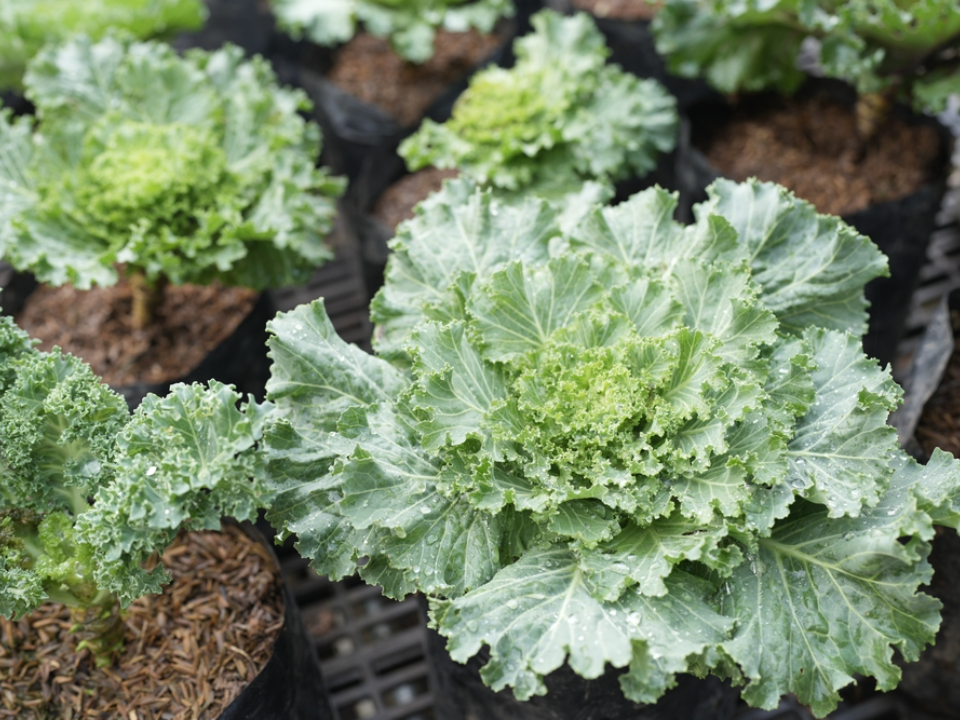
Kale is a hardy green that can handle the cold, making it perfect for February planting. It can be started indoors and then transferred outside when the weather warms, or it can be direct-sown outdoors in milder zones. Kale can tolerate frost, and some varieties even become sweeter after a light frost. Indoors, plant it in a sunny spot and ensure it gets at least 4-6 hours of light each day.
When planting outdoors, ensure the soil is rich in nutrients, as kale prefers fertile, well-drained soil. Kale is also a great plant for container gardening, making it a good option for indoor spaces with limited ground. Once established, you can harvest the outer leaves while the plant continues to grow, providing a steady supply of fresh greens. With its high nutritional value, kale is a great addition to any vegetable garden.
Peas (Zone 3-8)
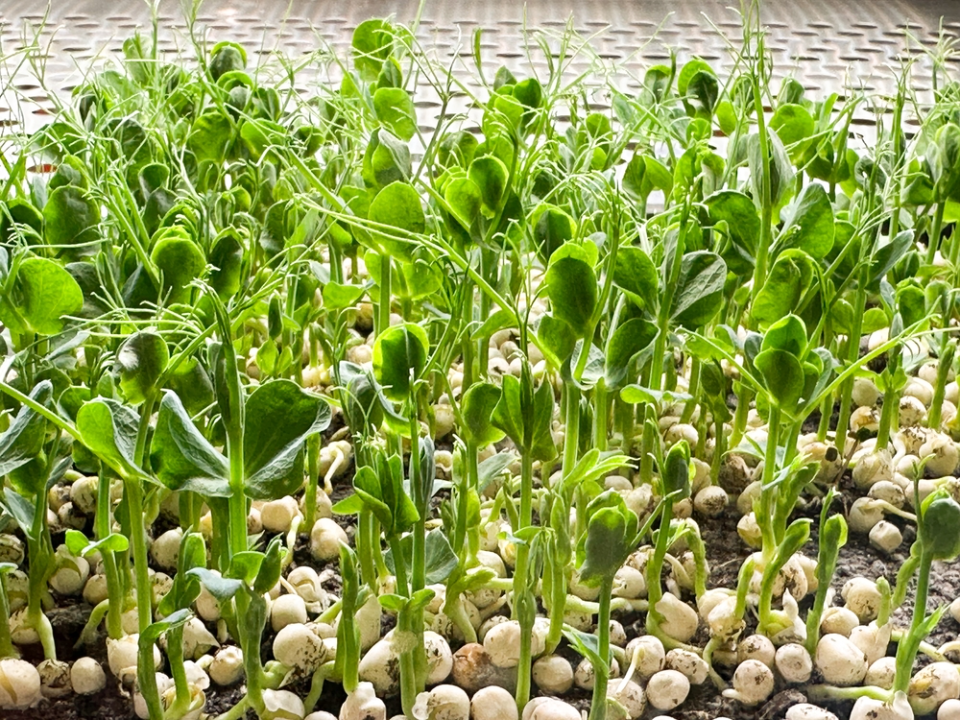
Peas are another excellent option for February planting, especially if you’re in a cooler zone. They can be directly sown outdoors as soon as the soil is workable, and they thrive in the cool temperatures of early spring. If you’re growing peas indoors, they’ll need a sunny spot with a support structure like a trellis to climb. Be sure to plant them in a well-drained, fertile soil to encourage strong growth.
Peas are great for adding nitrogen to the soil, which can benefit the plants around them. They’re also quite quick-growing, and you can typically start harvesting in 60 to 70 days. For best results, plant peas in rows and make sure they have enough space to spread. Keep the soil evenly moist, and you’ll soon have sweet, crunchy peas to enjoy.
Radishes (Zone 3-9)
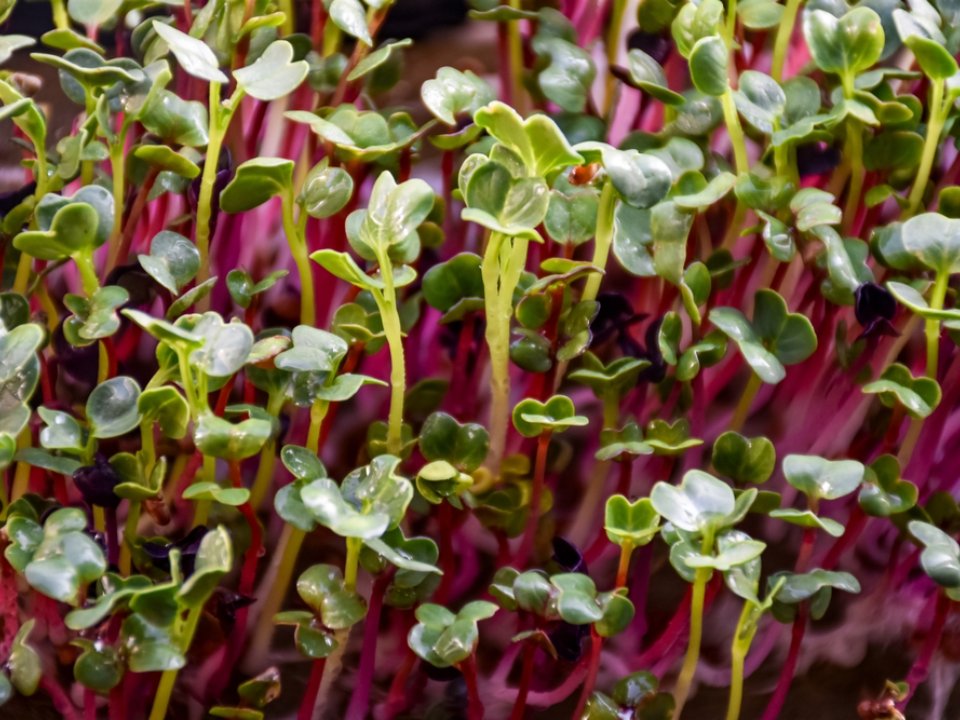
Radishes are a fast-growing root vegetable that’s perfect for February planting. They can be started indoors and moved outside once the weather is suitable or directly sown outdoors in warmer zones. Radishes thrive in cooler temperatures and take just about 3-4 weeks to reach maturity, making them a great choice for early-season harvests. Indoor containers should have well-drained soil, and make sure they receive plenty of sunlight.
Outdoors, radishes grow best in well-worked soil with good drainage, so it’s important to prepare your garden bed properly. Radishes are also quite low-maintenance, as long as the soil stays moist. Once they’re ready, you can harvest them quickly and enjoy them raw in salads or as a crunchy snack. There are many different varieties to choose from, including red, white, and purple radishes, each offering a slightly different flavor profile.
Herbs (Zone 4-9)
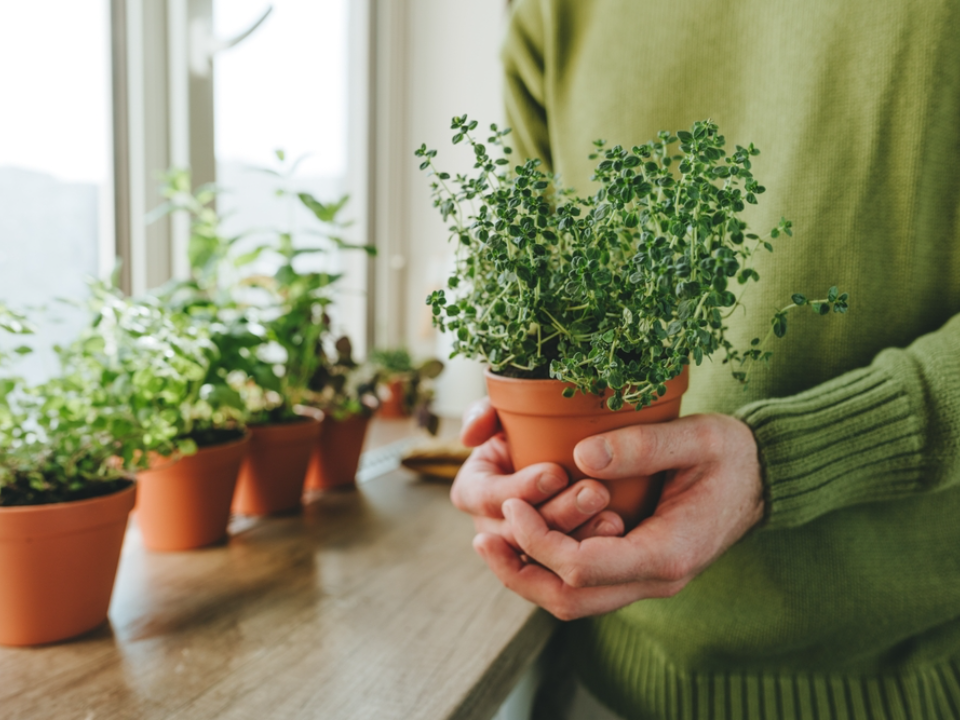
February is a great time to start herbs, either indoors or in a greenhouse. Popular indoor herbs like basil, cilantro, and parsley can be started in small pots on a sunny windowsill. Herbs are typically easy to grow and don’t require much space, making them perfect for indoor gardening. Just make sure to provide them with enough light and water to keep them thriving.
Outdoor herb gardens can also be started in February, but it’s important to check your zone for the best timing. Herbs like thyme, oregano, and chives are hardier and can handle cooler temperatures. When planting herbs outdoors, make sure they have good drainage and are spaced far enough apart to allow for growth. Herbs can be used in a wide variety of dishes, adding flavor and fragrance to your meals.
Carrots (Zone 3-9)
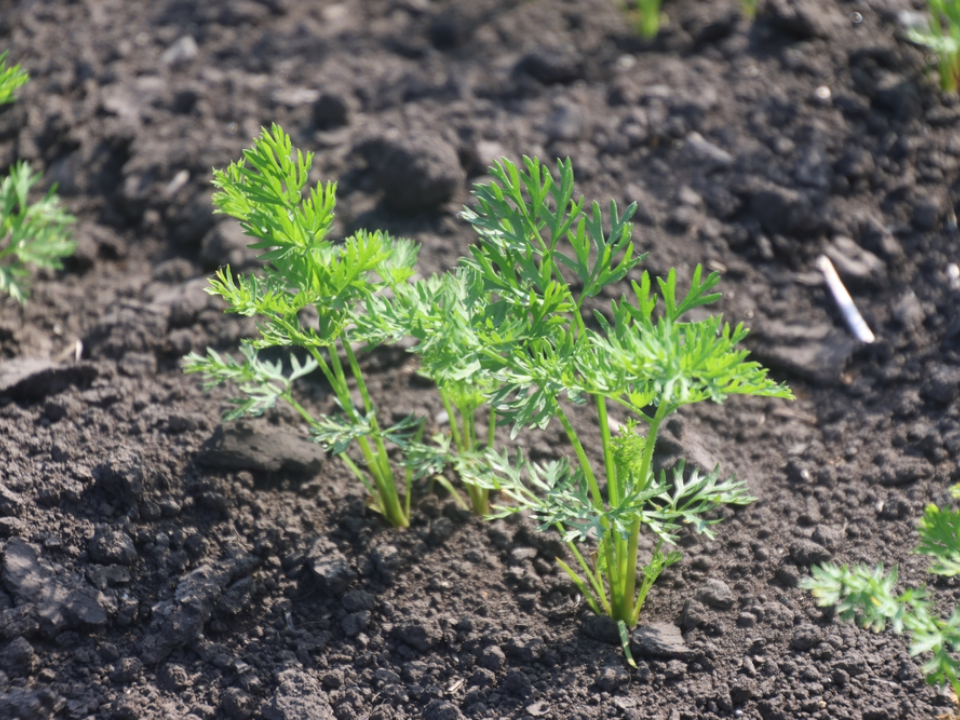
Carrots are a great vegetable to plant in February, especially if you live in a cooler climate. They can be direct-sown outdoors in early spring, or you can start them indoors for an earlier harvest. Carrots need loose, well-draining soil to grow long and straight, so be sure to prepare your garden bed properly. They also prefer cooler weather, so they do well in February when temperatures are still mild.
Carrots take longer to mature than some other vegetables, but with the right care, they’re well worth the wait. Make sure to keep the soil moist, but not waterlogged, and be patient as the plants develop. Carrots can be harvested once they reach the desired size, usually after about 70 to 80 days. They’re a versatile vegetable, perfect for everything from salads to soups.
Onions (Zone 3-9)
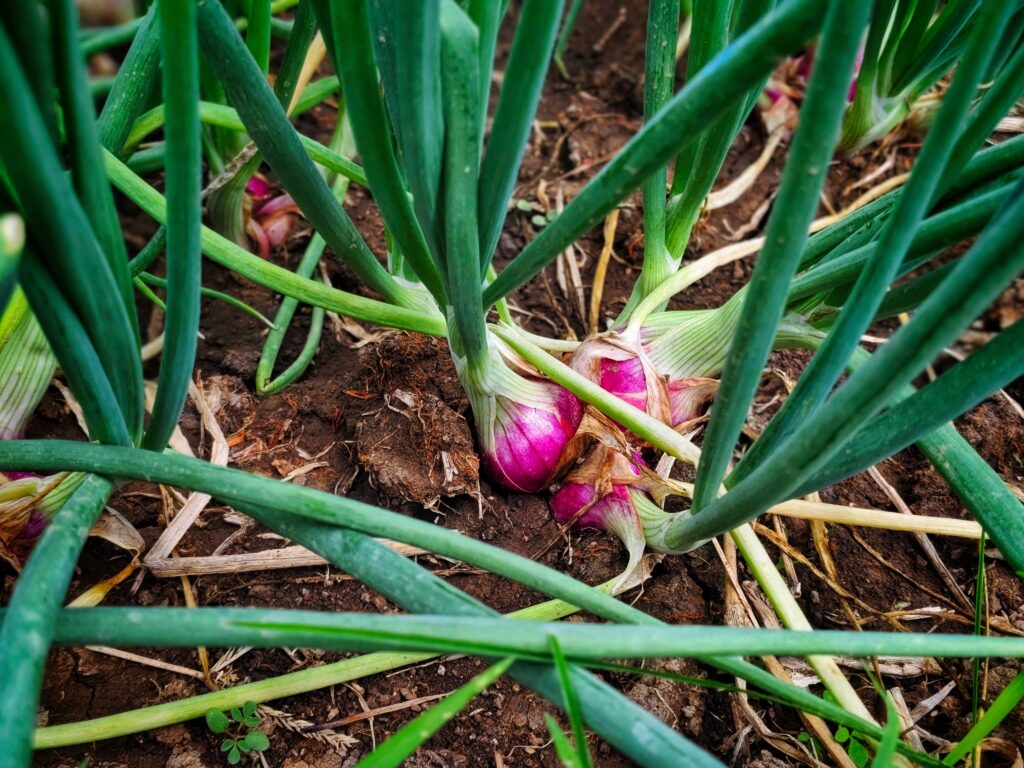
Onions are a great option for February planting, as they can be started from seeds indoors or directly sown outdoors in mild climates. If planting indoors, use seed trays or containers, and make sure they get plenty of light. Onions are a hardy vegetable that thrives in cool weather, so February is a great time to start them. Make sure to use well-drained, fertile soil for the best results.
Outdoors, onions should be planted as early as the ground is workable. They can tolerate frost, and planting them in early spring ensures they’ll be ready for harvest later in the season. Onions need regular watering, but be careful not to overwater them, as this can lead to rot. With the right care, onions will provide a steady supply for your kitchen throughout the year.
Mustard Greens (Zone 3-9)
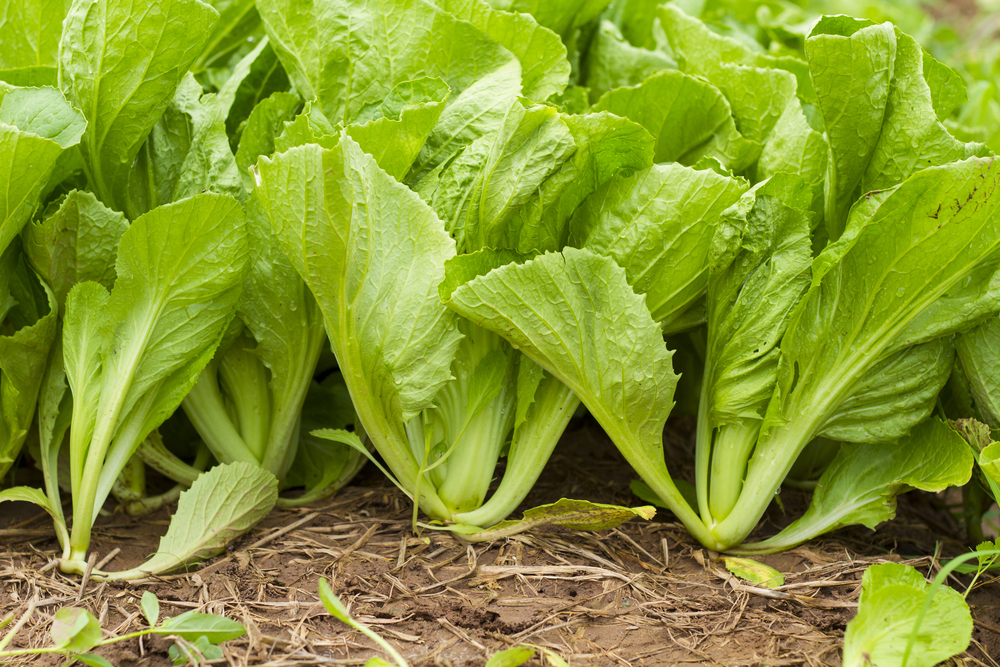
Mustard greens are a fast-growing, cool-weather vegetable that can be planted in February. They’re perfect for adding some spice to your garden and your meals. You can start them indoors and transplant them later, or directly sow them outdoors if the weather is mild enough. Mustard greens prefer rich, well-drained soil and benefit from a bit of organic matter mixed into the soil.
Mustard greens grow quickly, and you can start harvesting them in about 30 to 40 days. They’re packed with vitamins and minerals, making them a healthy addition to your garden. Keep the soil consistently moist, but not waterlogged, to encourage steady growth. Mustard greens are great for sautéing, adding to salads, or using in soups and stews.
Cauliflower (Zone 3-9)
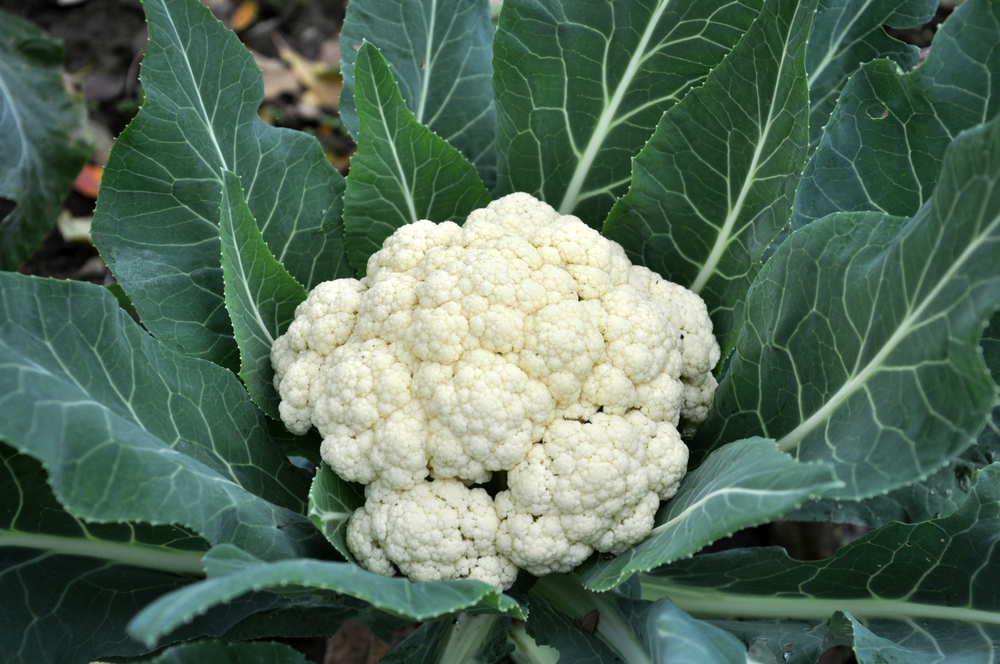
Cauliflower is another excellent cool-weather crop that can be planted in February. Like broccoli, it can be started indoors and then transplanted outside when the weather warms up. Cauliflower requires plenty of sunlight, so place it in a sunny spot if you’re growing it indoors. Make sure to use fertile, well-drained soil to give the plants the best chance to thrive.
Outdoors, cauliflower should be planted as soon as the soil can be worked. It’s important to keep the soil evenly moist throughout its growing period to encourage large, healthy heads. Cauliflower is a great addition to your garden if you enjoy home-grown vegetables for roasting, soups, and stews. Keep an eye on your plants for pests and diseases, and provide plenty of space for growth.
Turnips (Zone 3-9)
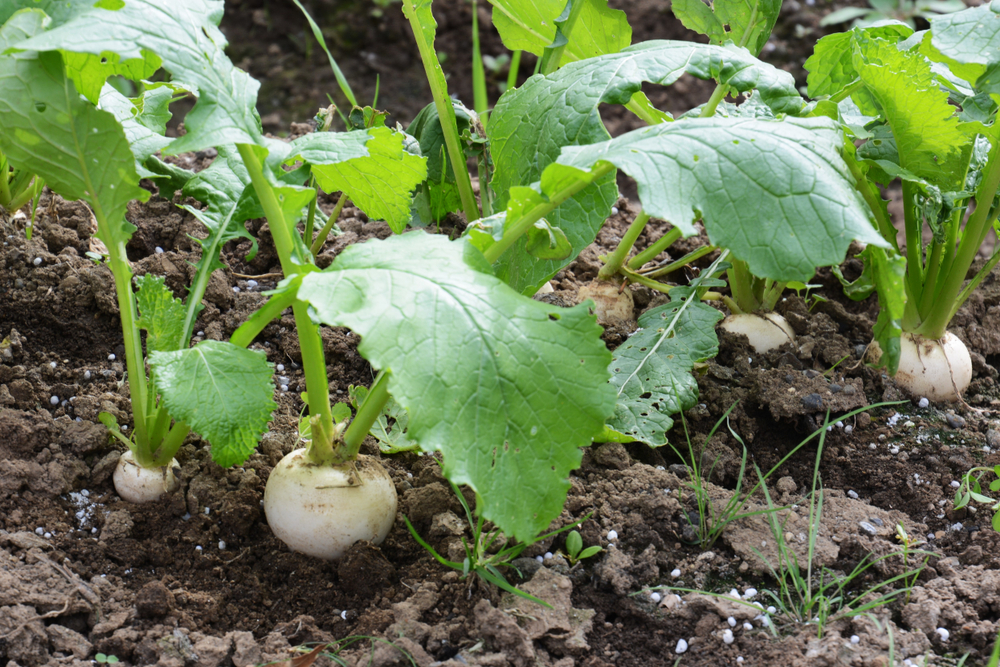
Turnips are a great root vegetable to plant in February, as they thrive in cooler temperatures. You can either direct sow them outdoors or start them indoors and transplant them later. Turnips grow quickly and can be harvested in just 30-60 days, making them a perfect crop for early-season gardening. They prefer well-draining, fertile soil to encourage healthy root development.
Turnips are also quite versatile in the kitchen, as both the roots and the greens are edible. The greens can be used in salads or sautéed, while the roots are great roasted, mashed, or used in stews. Keep the soil consistently moist, but not soggy, to promote healthy growth. With a little care, turnips will reward you with a bountiful harvest.
Swiss Chard (Zone 3-9)
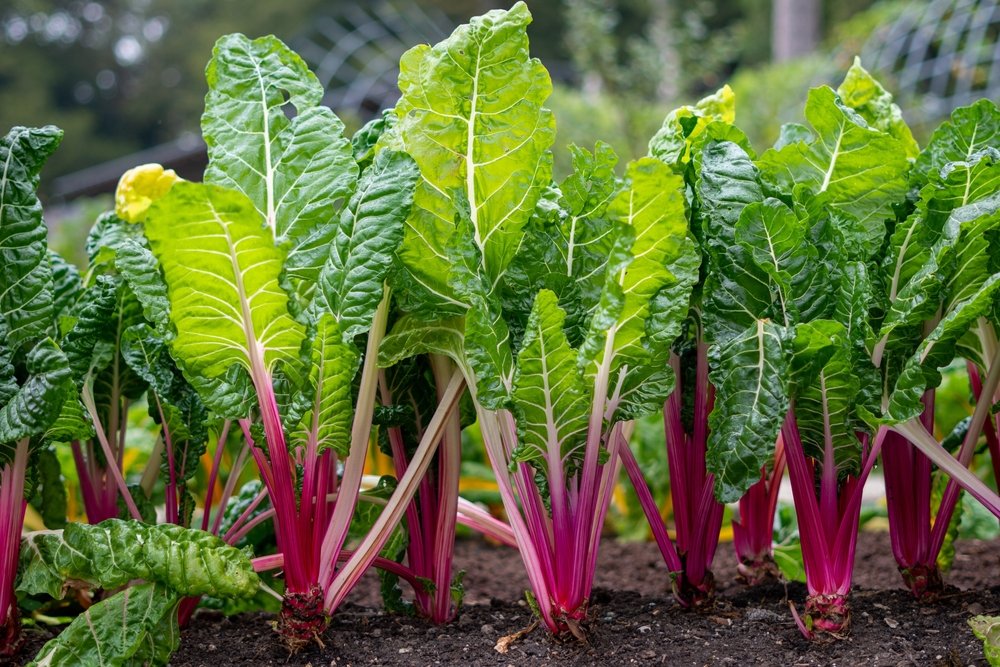
Swiss chard is an easy-to-grow leafy green that thrives in cooler temperatures. You can start it indoors in February and then transplant it outside when the weather is mild, or you can direct sow it outdoors if your zone allows. Swiss chard doesn’t require a lot of space, making it a great option for both small and large gardens. It also grows well in containers, which is perfect for indoor gardening.
Swiss chard is a highly nutritious vegetable, packed with vitamins and minerals, and can be harvested as baby greens or mature leaves. Regular harvesting will encourage new growth, giving you a steady supply throughout the season. Make sure the soil is rich and well-drained, and keep it consistently moist for the best results. Swiss chard is perfect for salads, sautés, and soups, making it a versatile addition to your garden.
Cabbage (Zone 3-9)
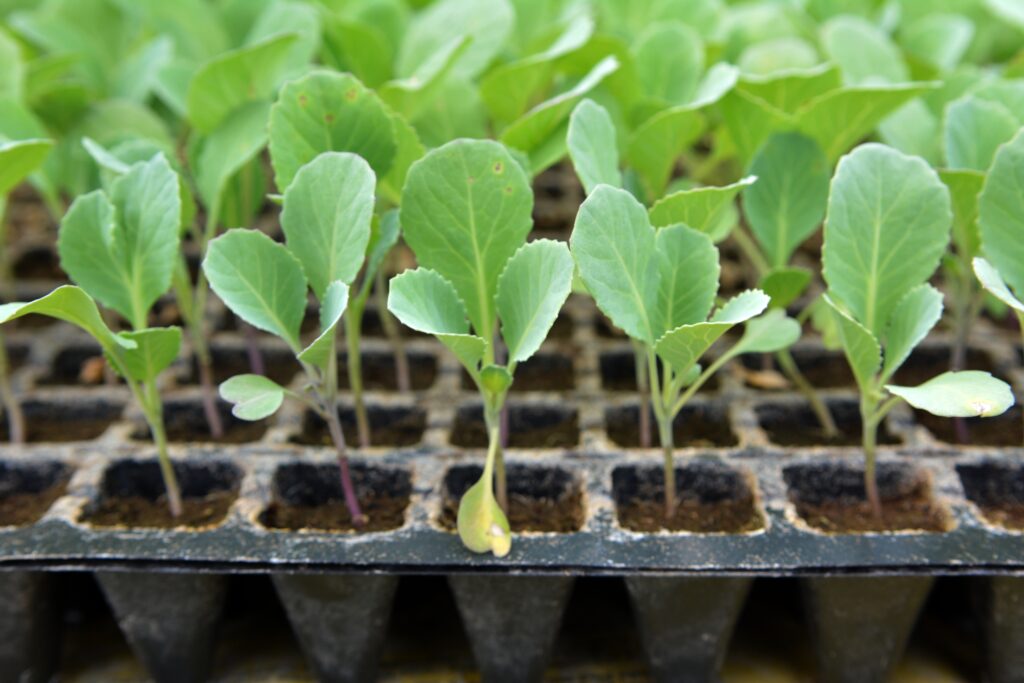
Cabbage is another excellent cool-weather crop that can be planted in February. It can be started indoors in seed trays and transplanted outdoors when the weather permits, or you can direct sow it in mild climates. Cabbage prefers well-draining soil rich in organic matter, and it does well in areas with plenty of sunlight. Starting early in February gives you a chance to harvest in the early summer.
Outdoors, cabbage should be spaced adequately to allow for large, round heads to form. It’s important to keep the soil consistently moist, but not overly wet, as cabbage does not tolerate waterlogged conditions. Cabbage is a great vegetable for making sauerkraut, slaws, or adding to stews. With proper care, cabbage is a rewarding vegetable to grow in your garden.
Beets (Zone 3-9)
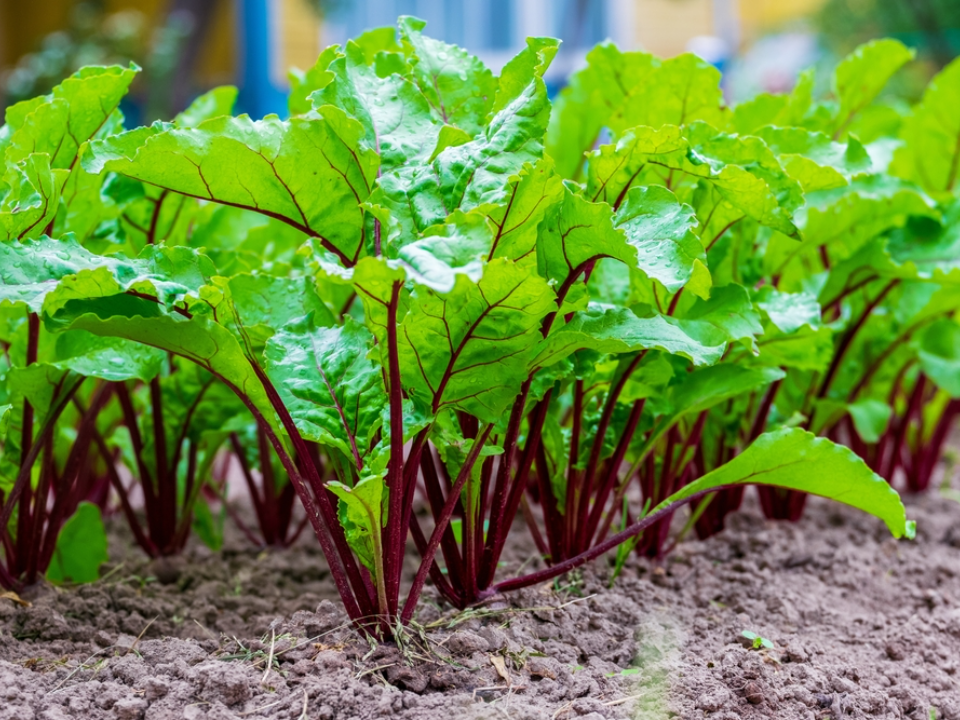
Beets are perfect for planting in February, as they thrive in cooler temperatures and are relatively low-maintenance. You can start them indoors and transplant them once the weather warms, or you can direct sow them outdoors if your zone allows. Beets need loose, well-draining soil to grow properly, so be sure to prepare your garden bed by loosening the soil before planting. They also prefer full sun, so choose a location that receives at least 6 hours of sunlight per day.
Outdoors, beets grow best in soil that’s rich in organic matter. Keep the soil consistently moist, but avoid over-watering, as beets do not tolerate soggy conditions. Beets are a great source of vitamins and minerals and can be used in salads, soups, or roasted as a side dish. You can harvest the roots when they reach the desired size, and the greens can also be harvested and used in salads or cooked like other leafy greens.
This article originally appeared on Avocadu.