
15 Low Light Houseplants That Thrive Through Late Winter
As the winter days grow shorter and the sunlight becomes scarce, many of us struggle to keep our indoor plants thriving. If you’re someone who enjoys having a bit of greenery inside your home during the colder months, you may be wondering which plants can survive with minimal light. Luckily, there are plenty of houseplants that are well-suited for these low-light conditions, making them perfect companions through late winter. Whether you have a dim corner or a spot that barely gets sunlight, these plants can add life and color to your space without much effort. From low-maintenance favorites to resilient beauties, these plants are easy to care for and will continue to flourish even when daylight is at a premium. With the right selection, you can enjoy the beauty of houseplants year-round, no matter the season.
This post may contain affiliate links, which helps keep this content free. Please read our disclosure for more info.
Snake Plant (Sansevieria Trifasciata)
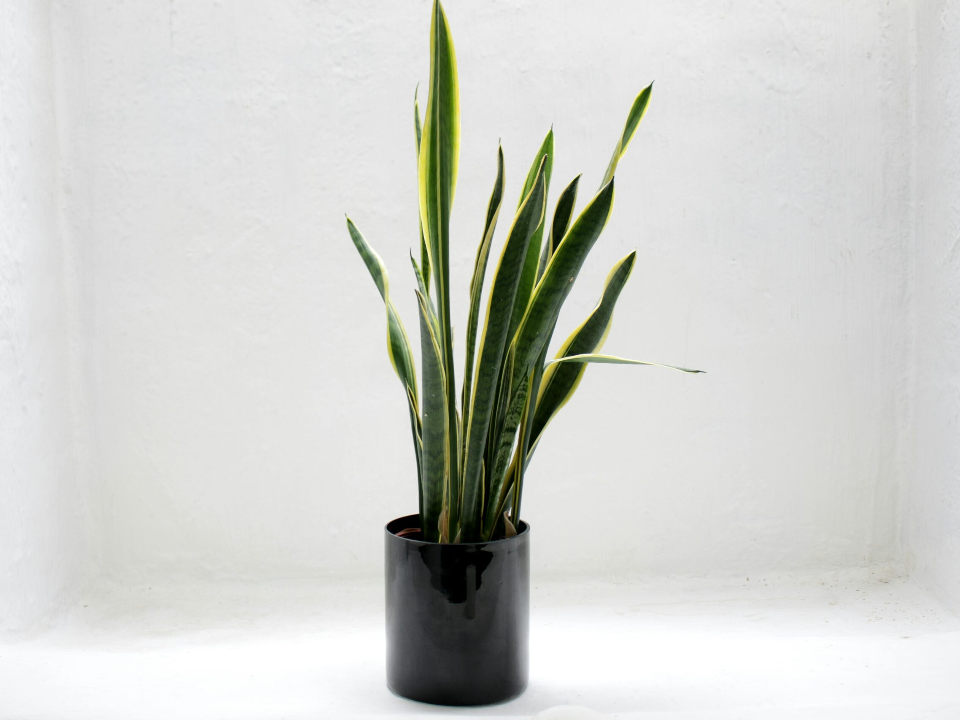
The Snake Plant, often called mother-in-law’s tongue, is a fantastic low-light houseplant. It is well-known for its ability to survive in minimal light and can thrive even in dark corners of the home. This plant has tall, stiff, upright leaves that are typically green with yellow margins. It is highly tolerant of neglect, making it an ideal choice for winter months when you might forget to water your plants frequently.
The Snake Plant is also known for its air-purifying qualities, helping to remove toxins from indoor spaces. It requires only occasional watering, allowing the soil to dry out between waterings. It can tolerate temperatures as low as 50°F, so even during colder nights, it will manage just fine. It is a great choice for bedrooms or offices with low light and a touch of natural greenery.
ZZ Plant (Zamioculcas zamiifolia)
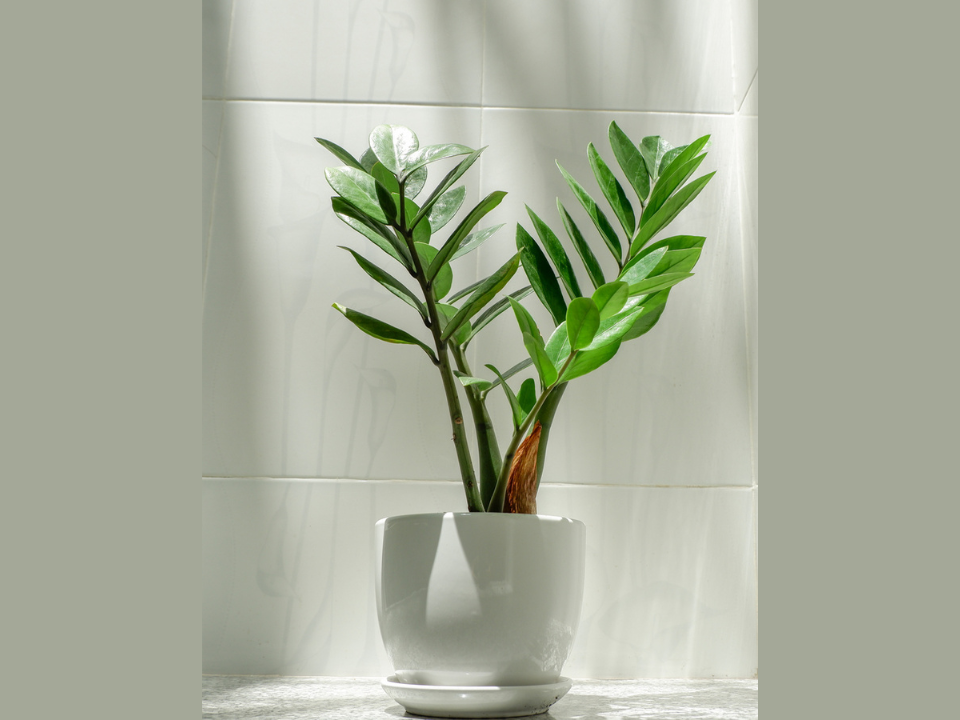
The ZZ Plant is another excellent choice for those looking for a low-maintenance houseplant during late winter. Its glossy, dark green leaves stand out, even in low-light conditions. This plant thrives in indirect or filtered light but can tolerate dark corners as well. It is extremely drought-tolerant, as it stores water in its thick stems and leaves.
The ZZ Plant does not need much water, making it easy to care for during the winter months when the indoor climate tends to be drier. It can also adapt to fluctuating temperatures, so it is not as sensitive to changes in your home environment. The ZZ Plant adds a modern, stylish touch to any room with minimal care required. It is perfect for offices, living rooms, or any space that does not get direct sunlight.
Peace Lily (Spathiphyllum)

The Peace Lily is known for its elegant white flowers and its ability to thrive in low light. It does well in indirect light, making it a perfect choice for winter months when sunlight can be scarce. This plant is also beneficial for improving indoor air quality, as it filters out harmful toxins like formaldehyde and benzene.
The Peace Lily has dark green, glossy leaves and produces delicate white flowers that add a sense of peace and tranquility to any space. It prefers slightly moist soil, but it is forgiving if you forget to water it occasionally. The Peace Lily does well in temperatures between 65°F and 80°F, making it a great option for your home during the colder months. Its easy-care nature and ability to thrive in low light make it a popular choice for people with busy lifestyles.
Pothos (Epipremnum aureum)
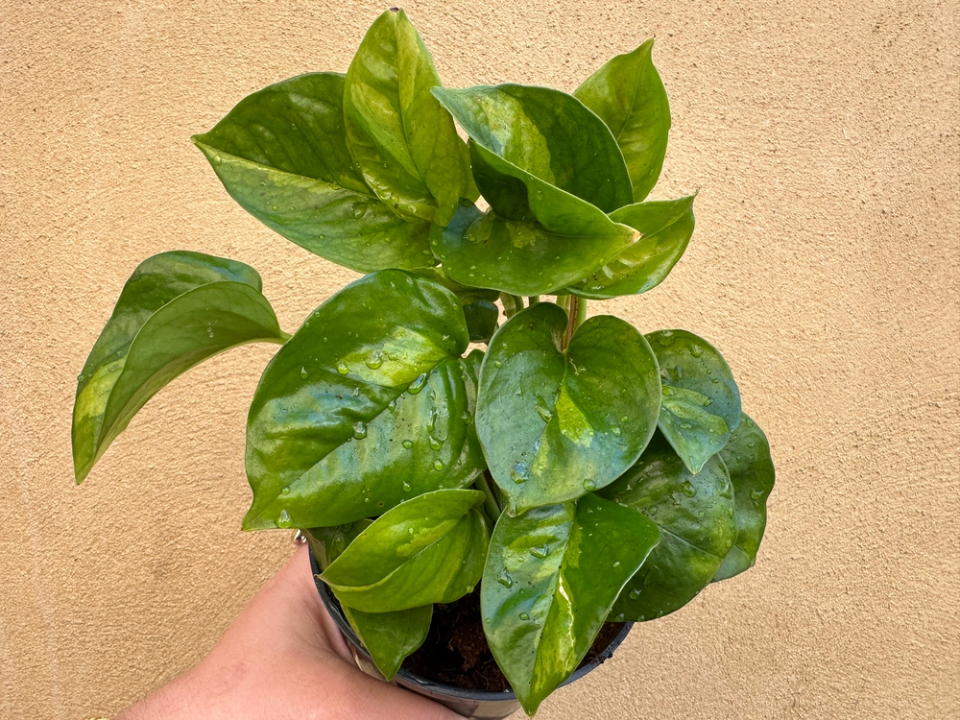
Pothos is a popular houseplant known for its resilience and ability to thrive in low light. It has trailing vines with heart-shaped leaves that are typically variegated in shades of green and yellow. Pothos can grow in a variety of lighting conditions, from low light to bright indirect light, making it a perfect plant for winter months when the days are shorter.
This plant does not require much maintenance, as it can tolerate periods of neglect in terms of both light and water. It is a fast grower, and the vines can be trained to trail down or climb up supports, adding a unique aesthetic to any room. Pothos can also adapt to varying temperatures, so it will do well even during cold spells. It is an ideal plant for those looking for a low-light option that adds a touch of greenery to their home with minimal effort.
Cast Iron Plant (Aspidistra elatior)
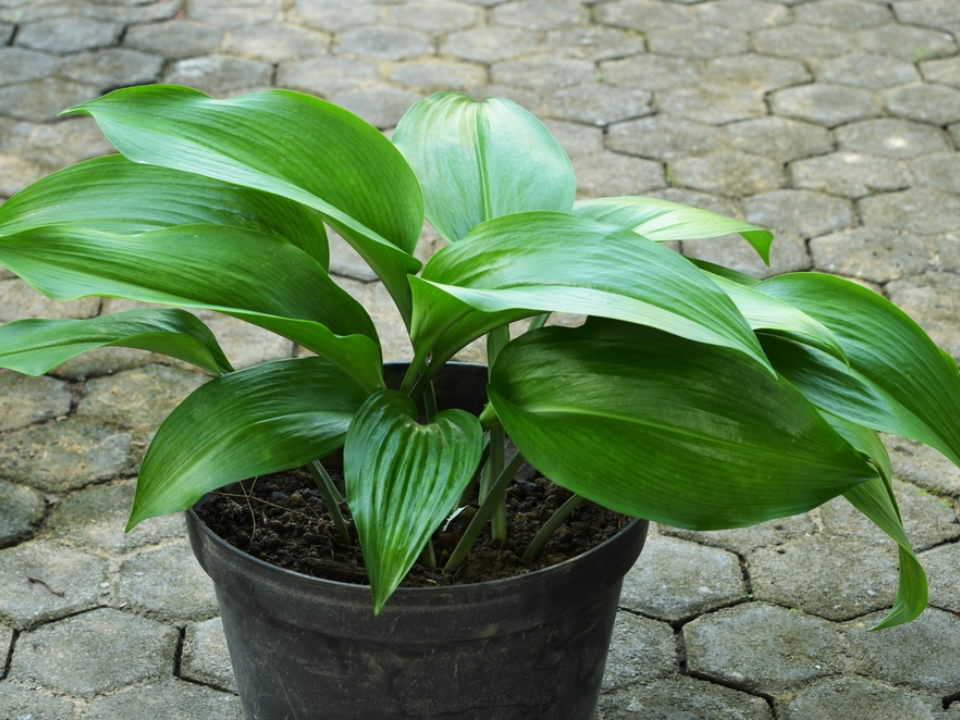
The Cast Iron Plant is another excellent choice for a low-light houseplant that thrives through late winter. True to its name, it is known for its durability and ability to withstand a variety of conditions, including low light. This plant features large, glossy, dark green leaves that can grow up to two feet long. It is an excellent option for dimly lit rooms, as it can tolerate minimal light without losing its lush appearance.
The Cast Iron Plant is also resistant to pests, making it a hassle-free choice for winter months when you may not want to deal with frequent plant care. It prefers to dry out a bit between waterings, so it is easy to care for during the colder months when indoor humidity tends to be low. It can adapt to a range of temperatures and is a reliable plant that adds a touch of elegance to your indoor spaces.
Spider Plant (Chlorophytum comosum)
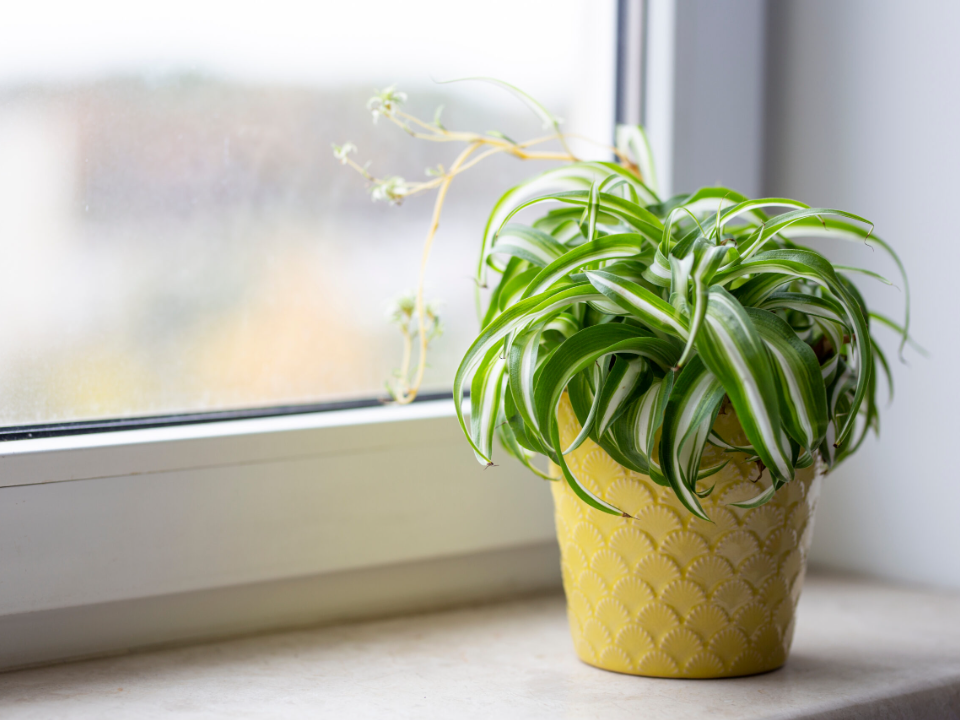
The Spider Plant is a hardy, low-light houseplant that does well even in the colder months. It is well-suited for dimly lit areas in your home and can tolerate a variety of indoor conditions. The Spider Plant has long, arching leaves that are typically green with white stripes, making it a striking addition to any room. During late winter, it is a great plant for areas that do not get much direct sunlight.
This plant is also known for its air-purifying abilities, as it can remove toxins like formaldehyde from indoor air. The Spider Plant is easy to care for, requiring only occasional watering and occasional repotting. It can also produce small white flowers and “babies” or offshoots that add to its charm. It is perfect for beginners or anyone looking for a low-maintenance plant to brighten up their home.
Chinese Evergreen (Aglaonema)
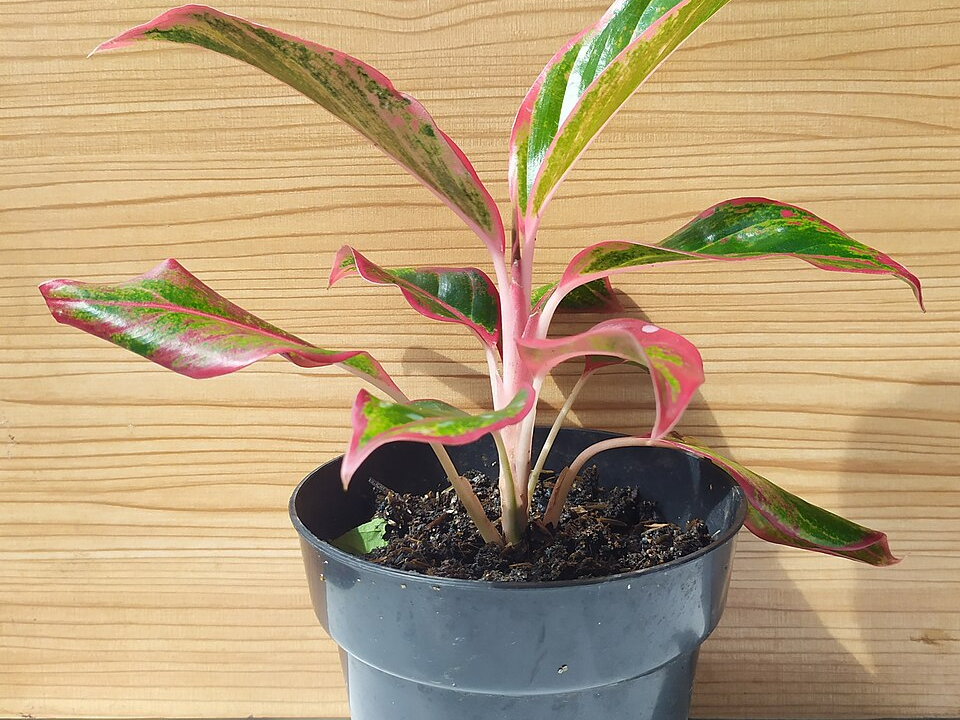
Chinese Evergreen is a beautiful houseplant that thrives in low-light conditions, making it perfect for late winter. This plant is known for its striking foliage, which can come in various colors, including green, silver, and even red. It is a slow-growing plant, but it is highly tolerant of indoor environments with low light and minimal care.
The Chinese Evergreen prefers to dry out a little between waterings, making it an ideal plant for those who might forget to water frequently. It can also tolerate a wide range of temperatures, making it adaptable to indoor heating during winter months. The Chinese Evergreen is a low-maintenance, attractive addition to your home and does well in bedrooms, living rooms, or office spaces. Its ability to filter air and thrive in low light makes it a great option for winter months when sunlight is limited.
Dracaena (Dracaena spp.)
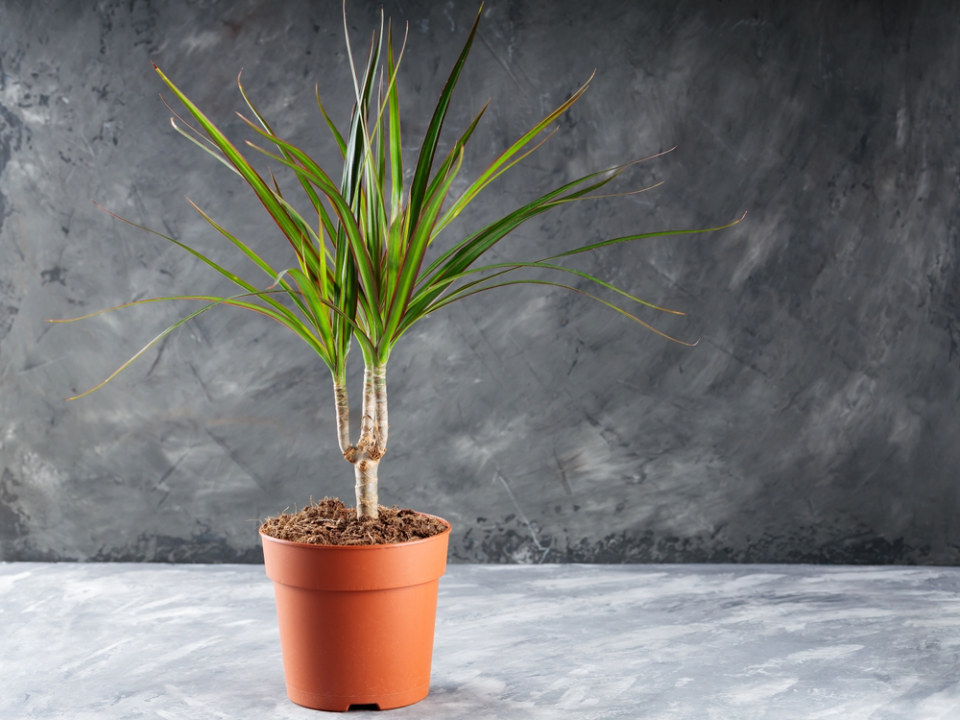
Dracaena is a popular houseplant that can thrive in low light, making it an excellent choice for late winter. It has long, narrow leaves that are often variegated in shades of green, yellow, or red, which add a colorful touch to any room. The Dracaena does well in indirect light, so it can tolerate areas of your home that are not brightly lit. It is also drought-tolerant, needing only occasional watering.
Dracaena plants are slow growing, so they will not outgrow their space quickly. They can adapt to a range of indoor temperatures, so they can thrive even when the indoor environment is cooler during winter. With minimal care, Dracaena plants provide a stylish, low-maintenance addition to any room.
Parlor Palm (Chamaedorea elegans)
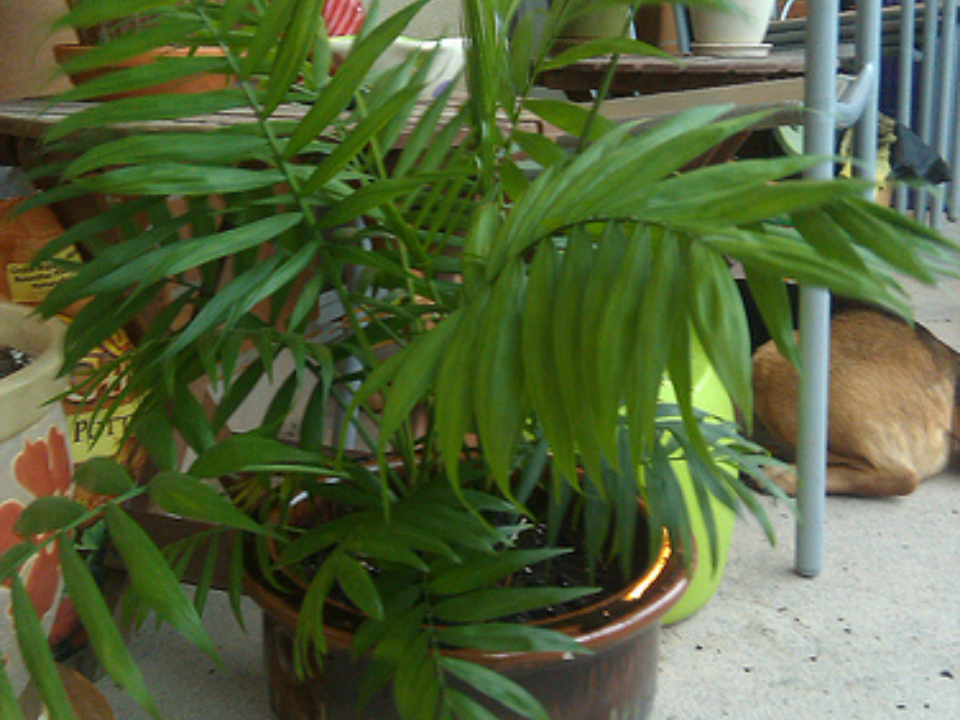
The Parlor Palm is a great low-light plant for winter months. It thrives in indirect or filtered light and can tolerate low light, making it an excellent choice for dimly lit spaces. This plant has elegant, feathery fronds that add a tropical touch to any room. The Parlor Palm does well in temperatures between 60°F and 80°F, making it perfect for indoor environments where temperatures fluctuate.
It does not require frequent watering and is forgiving if you forget to water it occasionally. The Parlor Palm is also great for improving indoor air quality, as it can filter out harmful toxins. It is a low-maintenance plant that provides a sophisticated look with minimal effort.
English Ivy (Hedera helix)
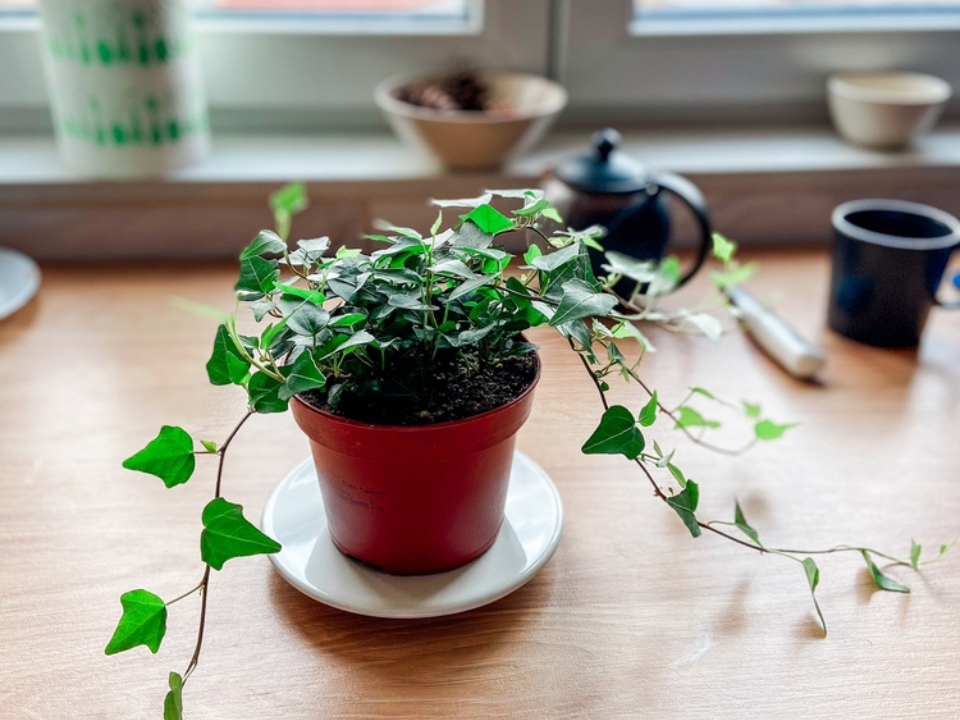
English Ivy is an adaptable plant that can thrive in low light, making it a great option for late winter. It is a fast-growing vine with small, lobed leaves that can be green or variegated with white or yellow. English Ivy is perfect for hanging baskets, shelves, or draping down from a mantel, adding a unique touch to your space.
While it prefers bright, indirect light, it can adapt to low-light conditions during winter months. This plant is also known for its air-purifying qualities, removing toxins from the indoor air. It prefers moderate moisture but is forgiving if you miss a watering. English Ivy can handle the lower humidity found in winter months and can add a charming, elegant touch to your home.
Heartleaf Philodendron (Philodendron hederaceum)
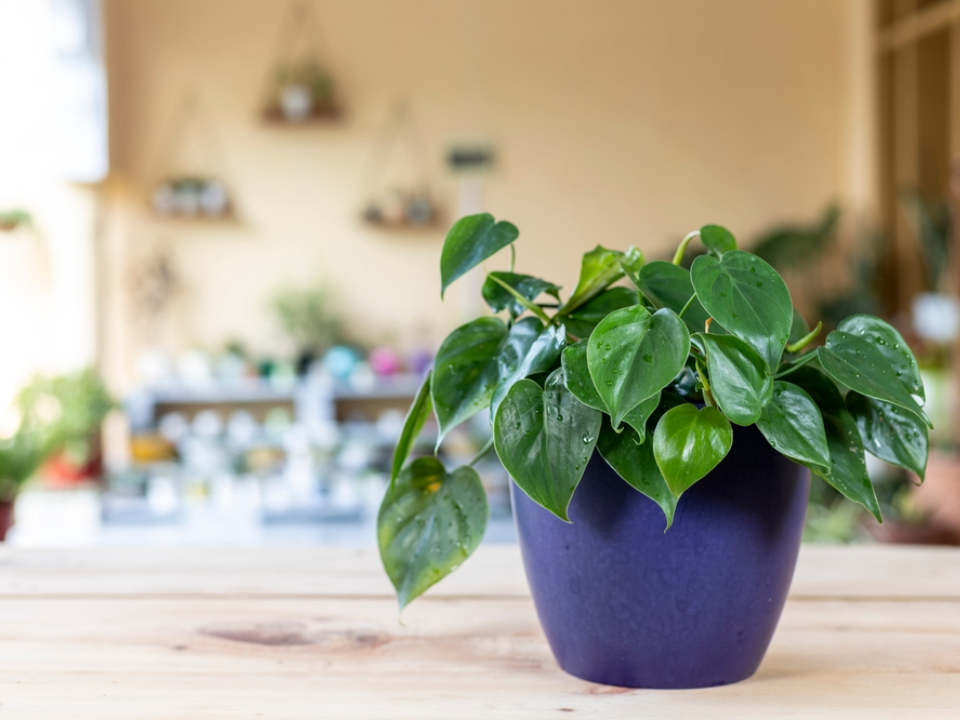
The Heartleaf Philodendron is a favorite among indoor plant enthusiasts, especially during late winter. It is known for its ability to grow in low light, making it ideal for dimly lit rooms or areas that do not get much natural sunlight. This plant has beautiful, heart-shaped leaves that are typically green, but some varieties can have a touch of bronze or red in their color.
The Heartleaf Philodendron is also a forgiving plant that does not require frequent watering, as it prefers its soil to dry out a bit between waterings. It grows well in temperatures ranging from 60°F to 75°F, which makes it perfect for winter indoor environments. With its easy-care nature and trailing vines, it is a great plant to place on shelves, hanging baskets, or even trained to climb. It adds a touch of lush greenery without the need for much effort.
Boston Fern (Nephrolepis exaltata)
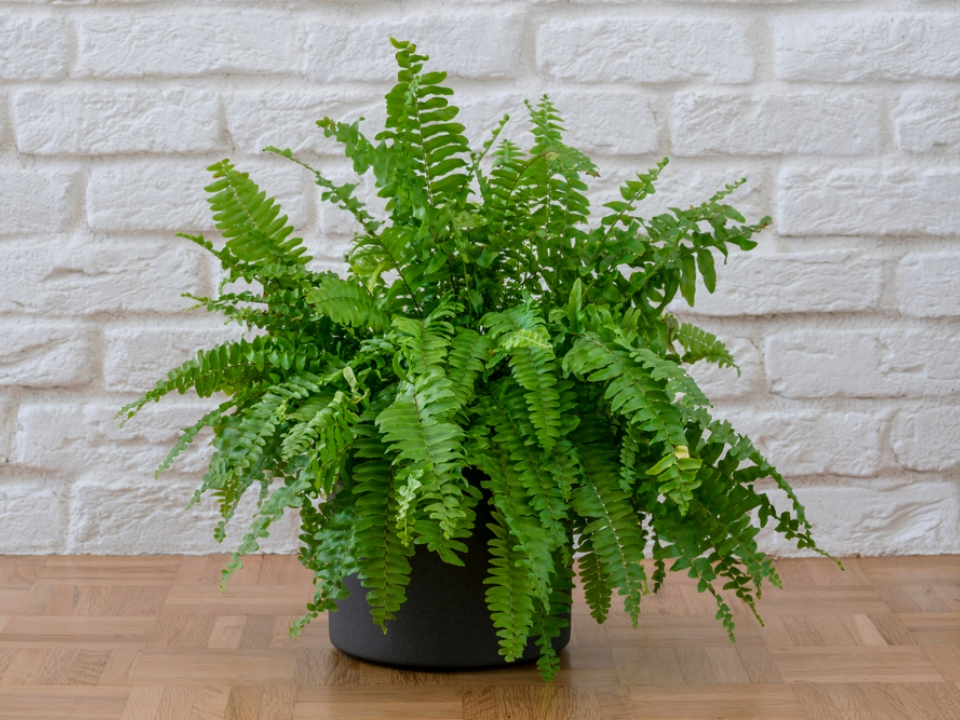
The Boston Fern is another fantastic option for low-light conditions, and it thrives in areas with high humidity. This plant has feathery, delicate fronds that bring a soft, natural look to any room. It is well-suited to bathrooms or kitchens, but it can also do well in living rooms and bedrooms with indirect light. During the colder months, it is especially important to keep the soil slightly moist to prevent the plant from drying out, as ferns generally prefer consistent moisture.
The Boston Fern can tolerate a range of temperatures, making it suitable for indoor environments. It is an excellent air-purifying plant, helping to remove harmful chemicals from the air. Despite being relatively low-maintenance, it does require some care in terms of humidity and watering, making it ideal for those who are willing to provide a little extra attention.
Aloe Vera (Aloe barbadensis miller)
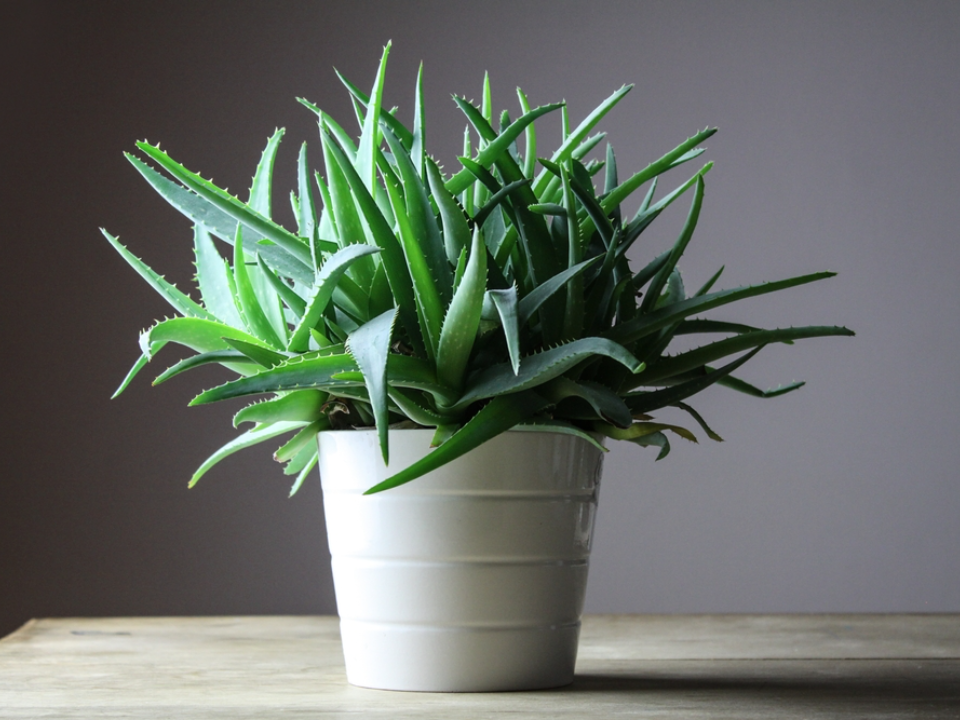
Aloe Vera is well-known for its healing properties, especially for skin care, but it is also a great houseplant for low light. It thrives in indirect or low light conditions and can adapt to a variety of indoor environments. Aloe Vera has thick, fleshy leaves that store moisture, making it an ideal plant for people who are often busy or forget to water their plants.
This succulent requires very little maintenance, only needing watering every few weeks, especially in winter when growth slows down. It prefers warmer temperatures but can tolerate cooler indoor conditions during winter. Aloe Vera is also an excellent air purifier, and its simple, spiky leaves can add a unique look to your space. It is perfect for windowsills, desks, or anywhere that does not receive direct sunlight.
Jade Plant (Crassula ovata)
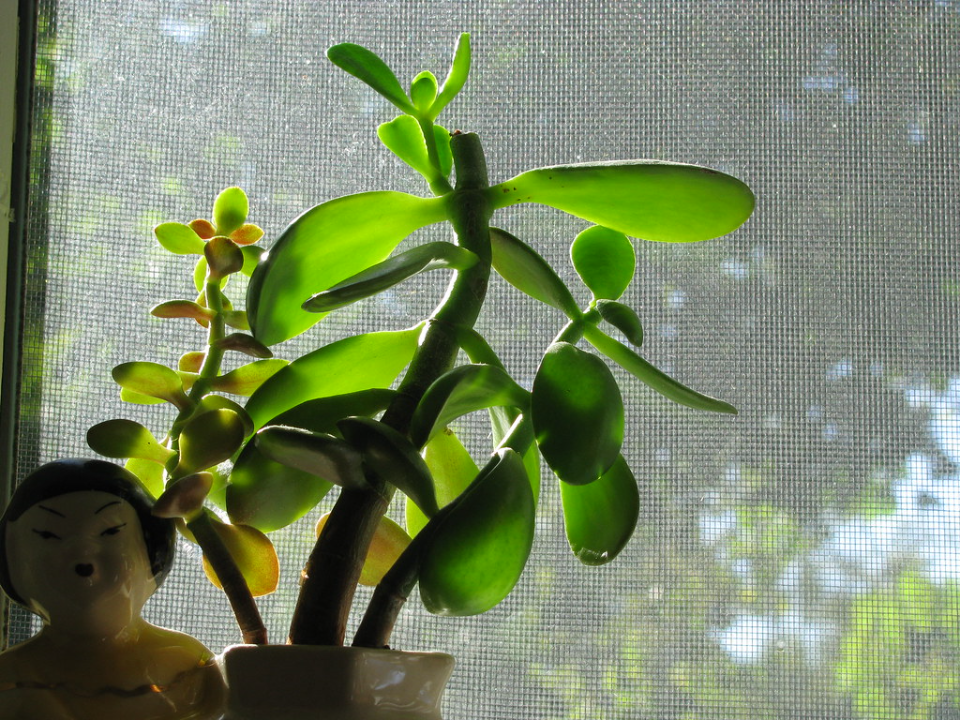
The Jade Plant is a popular succulent that does well in low light and is perfect for winter months when sunlight is limited. It has thick, fleshy leaves that are usually a rich green, sometimes tinged with red on the edges. The Jade Plant grows slowly and can live for many years, making it a long-term addition to your indoor plant collection.
It prefers dry soil between waterings, as it is a succulent that stores water in its leaves. This plant thrives in temperatures ranging from 60°F to 75°F, making it ideal for indoor winter conditions. The Jade Plant is low-maintenance and resilient, and it is often seen as a symbol of good luck. It adds a touch of nature to any room without requiring much care, making it an excellent choice for beginners.
Philodendron Brasil (Philodendron hederaceum ‘Brasil’)
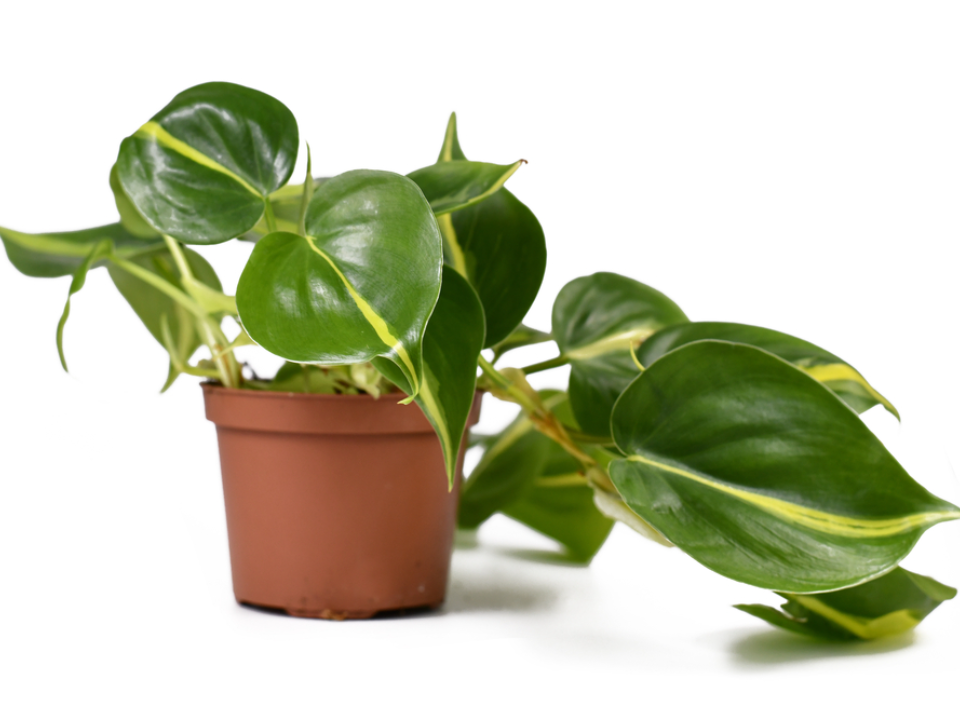
The Philodendron Brasil is a striking, low-light houseplant that adds a splash of color to your home during the darker winter months. Its heart-shaped leaves are green with yellow or lime-green variegation, creating a beautiful contrast. This plant thrives in low to moderate light, making it ideal for spots in your home that are not directly exposed to sunlight.
It is a low-maintenance plant that requires minimal care, needing only occasional watering and the ability to dry out between waterings. The Philodendron Brasil does well in temperatures between 65°F and 80°F, making it a great indoor plant for winter. It is perfect for hanging baskets or allowing its vines to trail down from shelves. Its ability to tolerate low light and air-purifying qualities make it a practical and attractive addition to any room.
This article originally appeared on Avocadu.