
14 Vegetables You Can Plant in Batches While Nights Are Still Cold
While the nights stay chilly, your garden can still thrive with the right planning. Succession sowing allows you to keep planting vegetables that will grow through the colder weeks. It’s an effective way to ensure a consistent harvest without overcrowding your garden. By choosing the right crops, you can enjoy fresh, homegrown vegetables all season long.
This post may contain affiliate links, which helps keep this content free. Please read our disclosure for more info.
Spinach
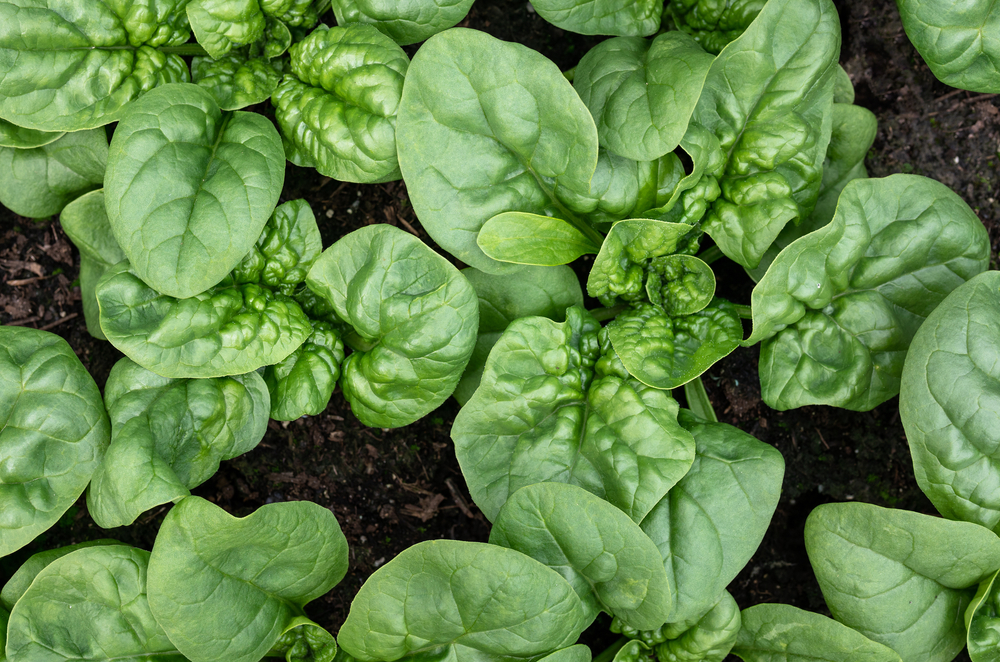
Spinach is one of the easiest vegetables to grow in cooler temperatures. It thrives in the chill of early spring or late fall and can be succession sown for a continuous harvest. Planting spinach in well-drained, fertile soil allows it to grow quickly. The leaves are perfect for salads or cooked dishes and offer plenty of vitamins and minerals.
By sowing seeds every few weeks, you can ensure a fresh supply of spinach throughout the season. It requires a moderate amount of sunlight but can tolerate the cold. Regular harvesting of the outer leaves encourages the plant to grow more, extending your crop. Succession sowing this leafy green will reward you with a steady harvest.
Lettuce
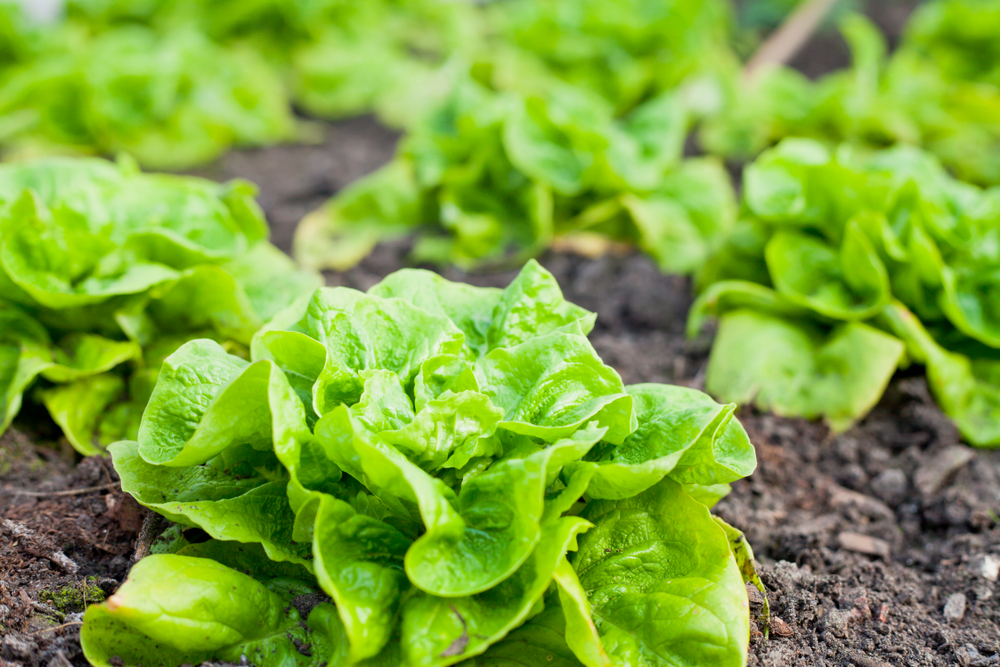
Lettuce is another vegetable that does well in cooler temperatures, making it a great option for succession sowing. It grows quickly, making it perfect for planting throughout the cold months. Different types, such as leaf or Romaine, thrive in early spring and late fall. You can easily harvest leaves as they grow, enjoying fresh salads and sandwiches.
To keep your lettuce patch productive, sow seeds every few weeks. This ensures a continuous supply of tender leaves without overcrowding. Lettuce enjoys regular watering, but be careful not to let the soil stay too soggy. By succession sowing, you can enjoy crisp lettuce all season long.
Radishes
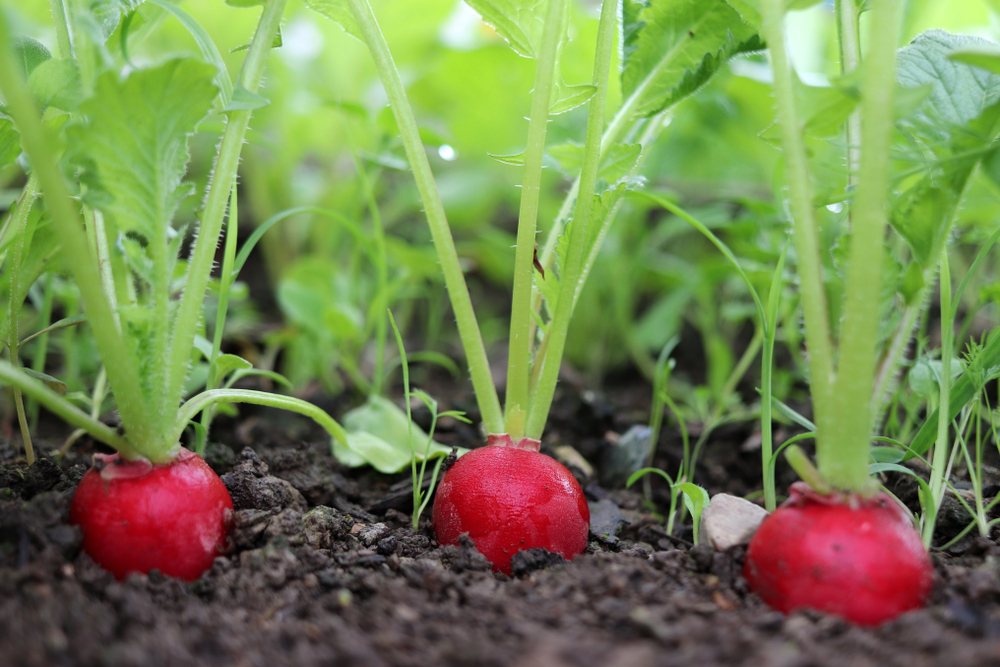
Radishes are perfect for succession sowing, as they grow rapidly even in colder weather. They thrive in the cool soil of early spring or fall and can be planted directly outdoors. Radishes grow quickly and can be harvested in as little as three weeks, giving you fast rewards for your efforts. They add a nice crunch to salads and other dishes.
Planting radish seeds every 10 to 14 days ensures that you always have fresh radishes available. These root vegetables prefer loose, well-drained soil to grow properly. Because of their short growing cycle, they are great for beginner gardeners. Succession sowing helps keep the harvest coming even when the nights are cold.
Carrots
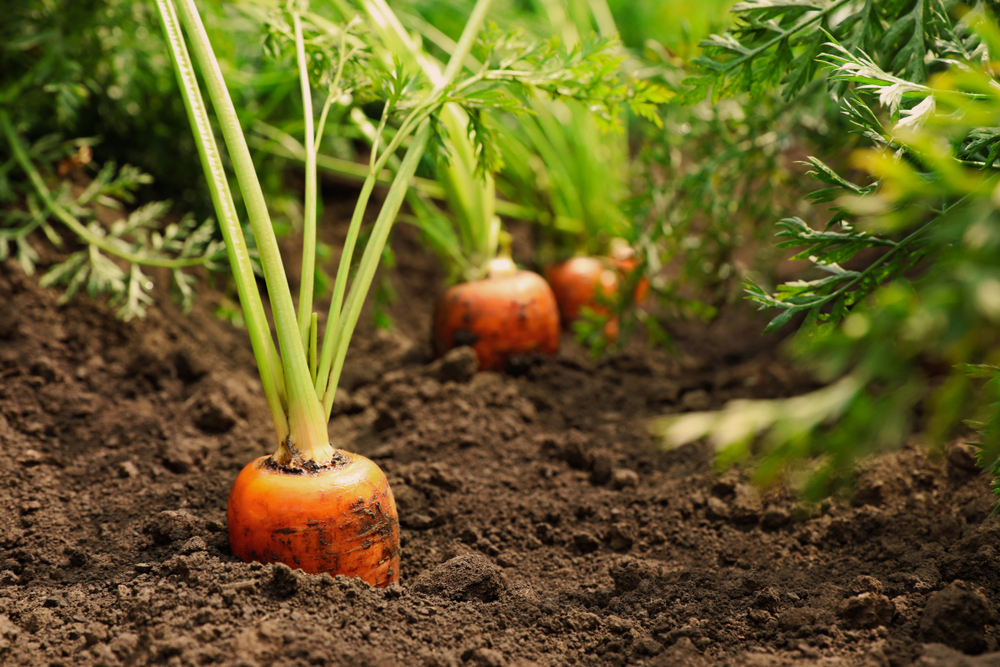
Carrots thrive in cooler temperatures and are well-suited for succession sowing in the fall or early spring. They require deep, well-drained soil to allow their long taproots to develop. By planting a small row every few weeks, you can enjoy fresh carrots throughout the season. They are perfect for snacking, soups, and stews.
While carrots do best with regular watering, they can tolerate a range of conditions. Successive sowings ensure a steady harvest without overwhelming your garden space. The seeds are small, so be sure to plant them at the recommended depth. Growing carrots over the colder months can provide you with an abundant, crunchy treat.
Peas
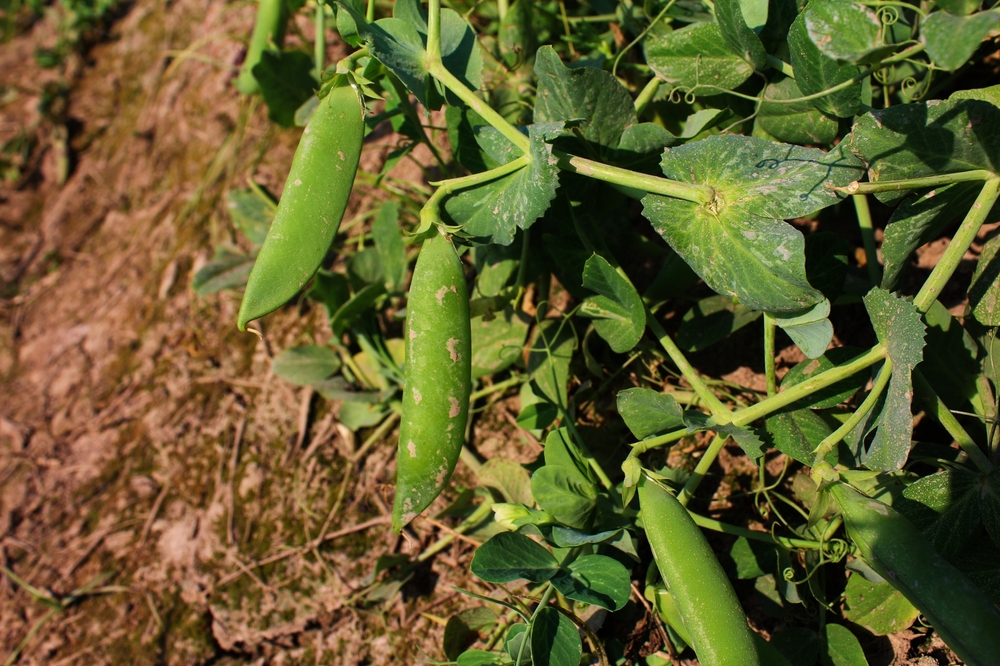
Peas love the cool weather and are an excellent choice for succession sowing in early spring or late fall. They are hardy enough to withstand cold nights and can grow quickly in the right conditions. Plant peas in rows with good soil, and they will begin to climb and produce pods. Fresh peas are a delicious addition to many dishes.
By sowing peas every few weeks, you can enjoy a continuous harvest. They require minimal care, just regular watering and support for their climbing vines. Peas also help fix nitrogen in the soil, improving the quality of your garden for future crops. Succession sowing these veggies guarantees an abundant, long-lasting harvest.
Kale
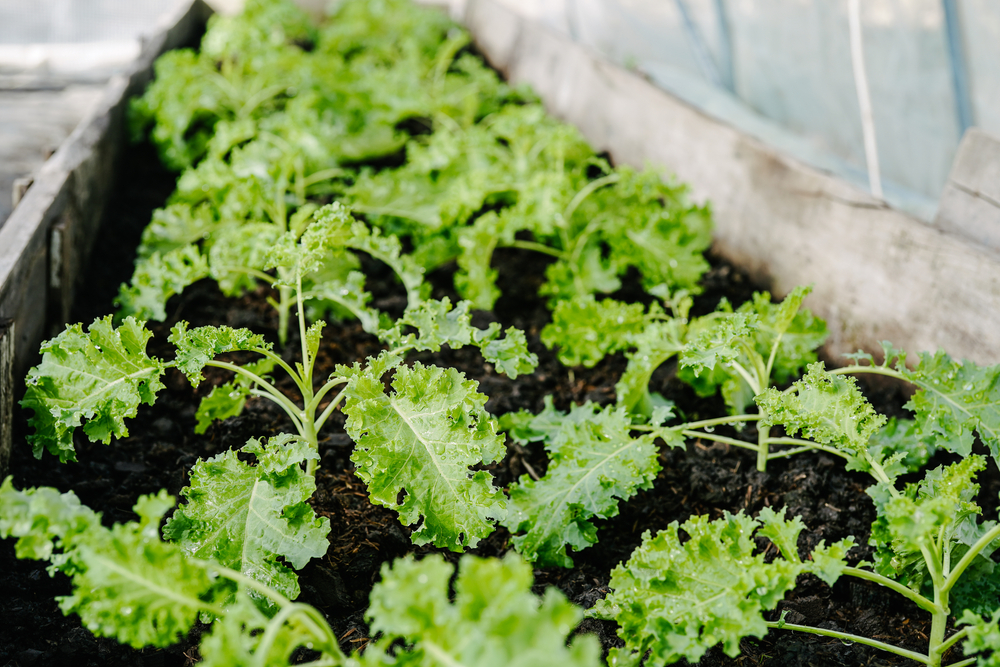
Kale is a cold-hardy vegetable that thrives even during the colder months. It grows best in temperatures between 45 degrees F and 65 degrees F, making it perfect for planting as the nights stay cold. Kale can be used in a variety of dishes, from salads to soups, offering a nutritious punch. Planting it in well-drained soil ensures healthy, sturdy plants.
With regular succession sowing, you can enjoy fresh kale leaves throughout the season. It does well in both full sun and partial shade, which makes it versatile in the garden. Be sure to harvest outer leaves as the plant grows, encouraging more to sprout. This method of sowing will keep your kitchen stocked with leafy greens.
Mustard Greens
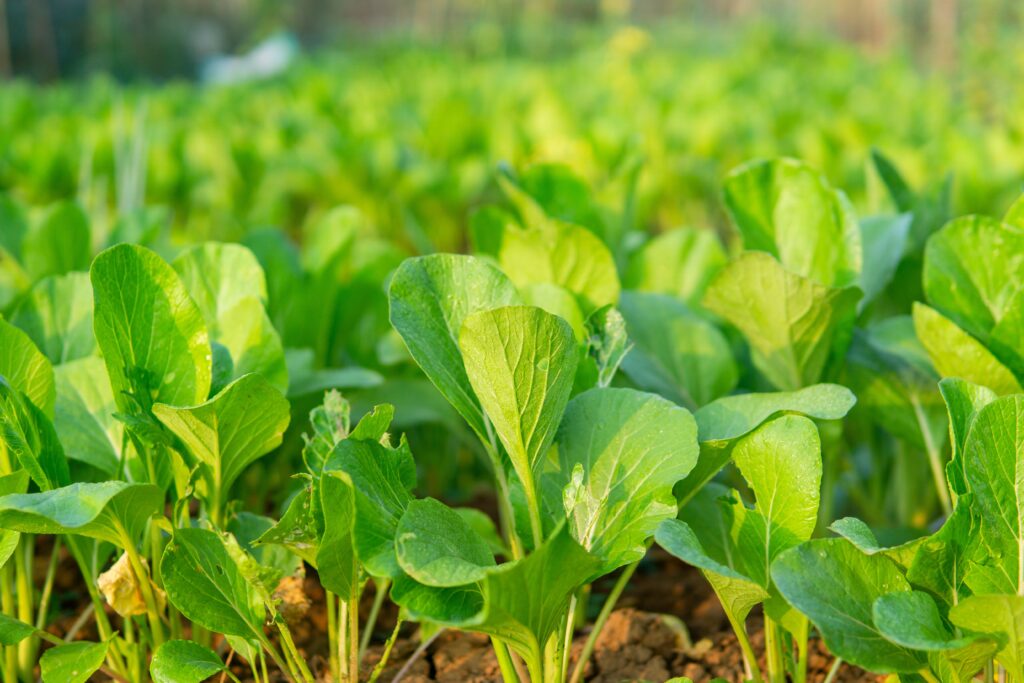
Mustard greens are another cold-tolerant vegetable that grows well in cooler temperatures. They thrive in early spring or fall, making them ideal for succession sowing. Mustard greens grow quickly and can be harvested in about a month, providing fast results. The spicy leaves are great in salads or stir-fries.
By sowing seeds every two weeks, you can enjoy fresh mustard greens throughout the season. These greens like rich, well-drained soil and plenty of sunlight. With regular watering and care, they can grow quickly, making them a rewarding crop. Succession sowing ensures a steady supply of this peppery green.
Chard
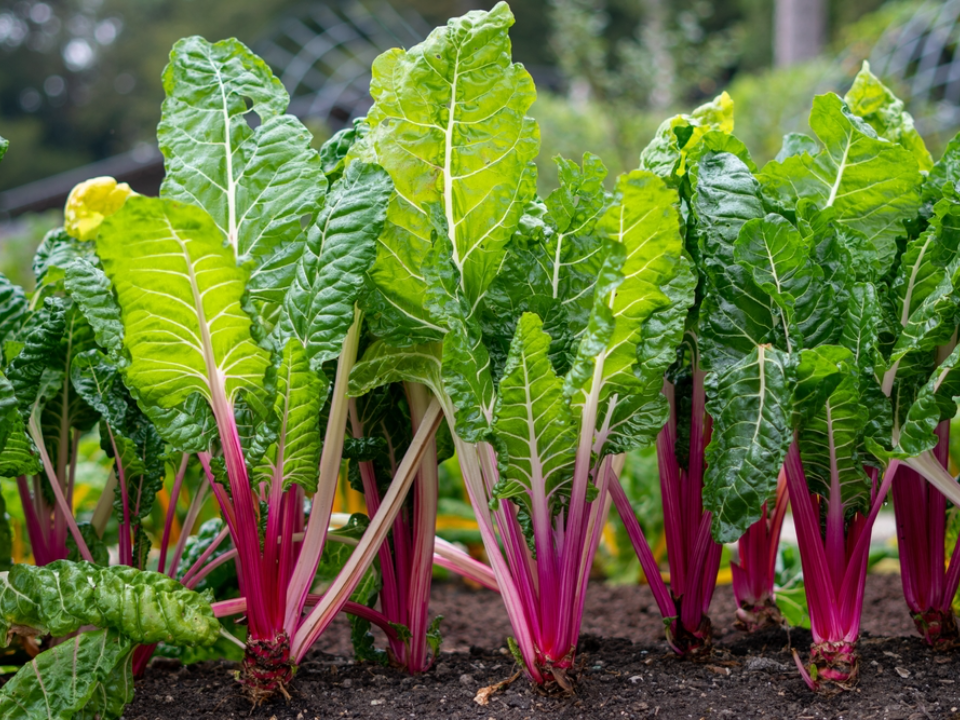
Chard is a versatile vegetable that thrives in cool temperatures, making it an excellent choice for succession sowing. This leafy green can be harvested throughout the season, from its tender baby leaves to the mature stalks. Chard can tolerate cold temperatures and even light frost, making it perfect for chilly nights.
Regular sowing every few weeks will ensure a continuous supply of chard in your garden. It grows best in fertile, well-drained soil and benefits from plenty of sunlight. By harvesting the outer leaves, you encourage the plant to grow more, extending your crop. With its vibrant colors and versatility, chard is a great addition to any garden.
Broccoli
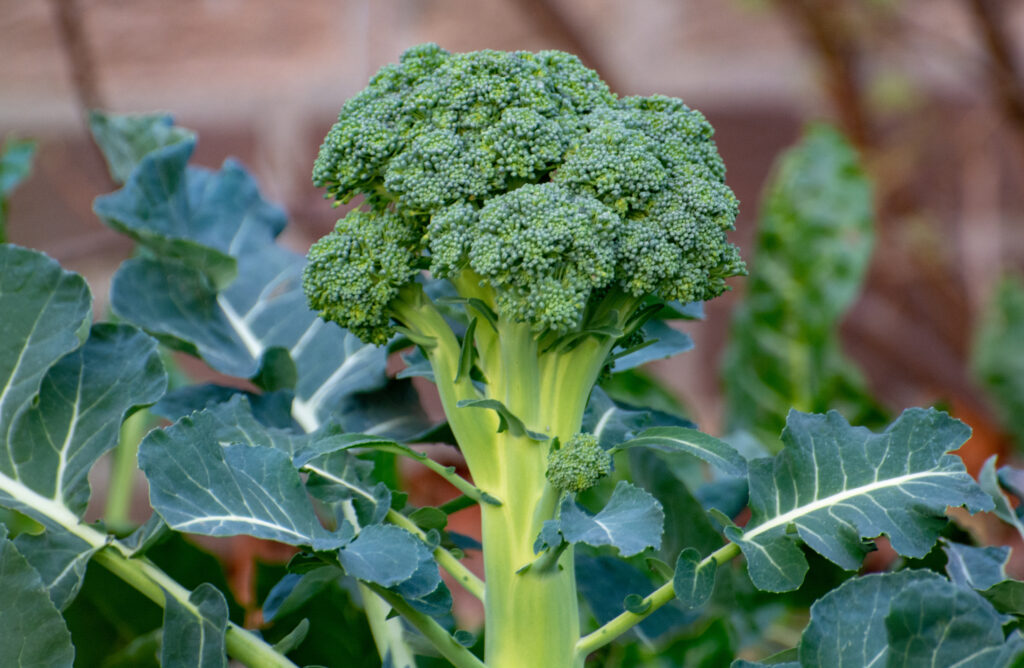
Broccoli grows well in cooler weather and is a fantastic vegetable for succession sowing. This vegetable prefers temperatures between 55 degrees F and 75 degrees F, making it ideal for planting during the colder months. Broccoli can be enjoyed steamed, roasted, or raw, and provides essential nutrients.
Sowing broccoli seeds every few weeks ensures a steady crop, providing you with fresh heads throughout the season. It requires plenty of sunlight and fertile, well-drained soil. By succession sowing, you can harvest fresh broccoli even when the nights stay cold. Regular care and attention will reward you with healthy, tasty produce.
Turnips
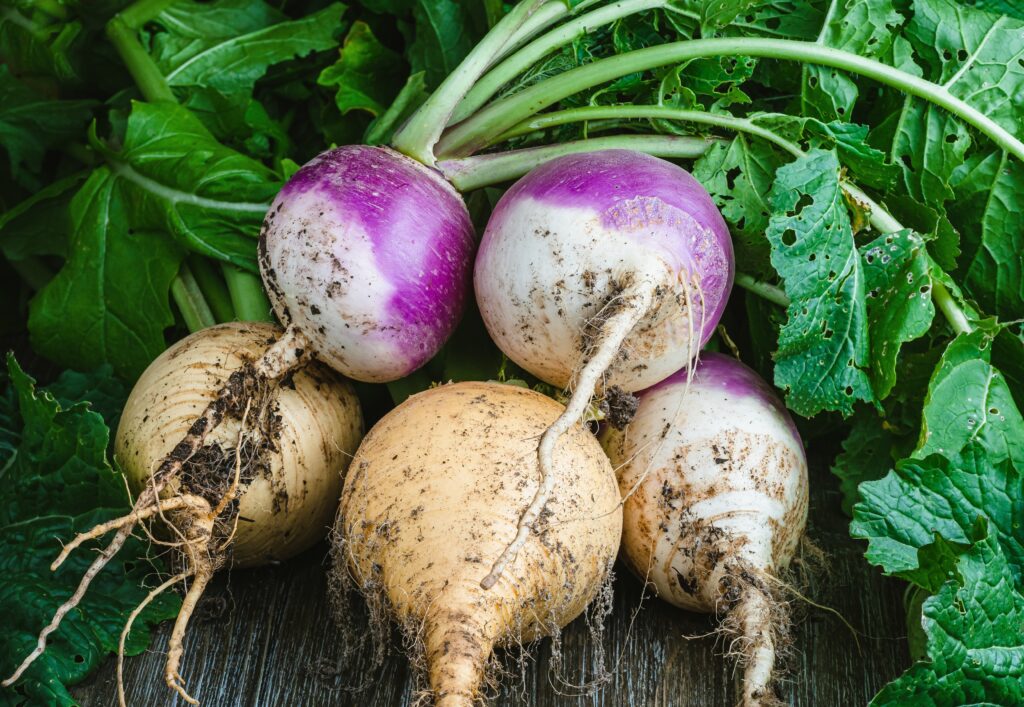
Turnips are cold-hardy vegetables that can thrive in early spring or late fall. Their quick-growing nature makes them ideal for succession sowing, allowing you to have a constant supply of tender roots. Turnips can be enjoyed roasted, in stews, or even raw in salads. They are a great addition to any cool-weather garden.
Planting turnip seeds every few weeks ensures a fresh supply of root vegetables. They grow best in rich, well-drained soil and prefer full sun or partial shade. Turnips tolerate frost, which makes them perfect for cold nights. By succession sowing, you can enjoy turnips well into the colder months.
Cabbage
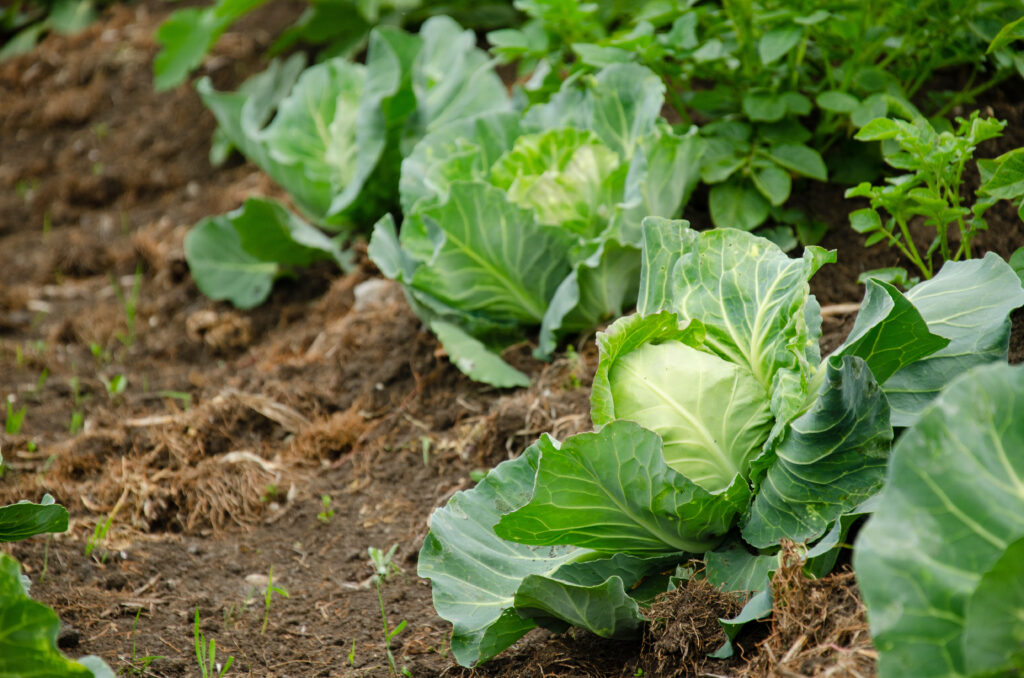
Cabbage grows best in cooler temperatures, making it perfect for planting in early spring or late fall. Succession sowing cabbage ensures a continuous harvest throughout the season. This vegetable can be used in salads, soups, or as a side dish, providing versatility in the kitchen.
Plant cabbage in rich, well-drained soil to encourage strong growth. It requires regular watering but can tolerate a variety of conditions. Sowing seeds every few weeks guarantees fresh, healthy cabbage heads for your meals. Cabbage can withstand frost, making it a perfect choice for succession sowing.
Onions
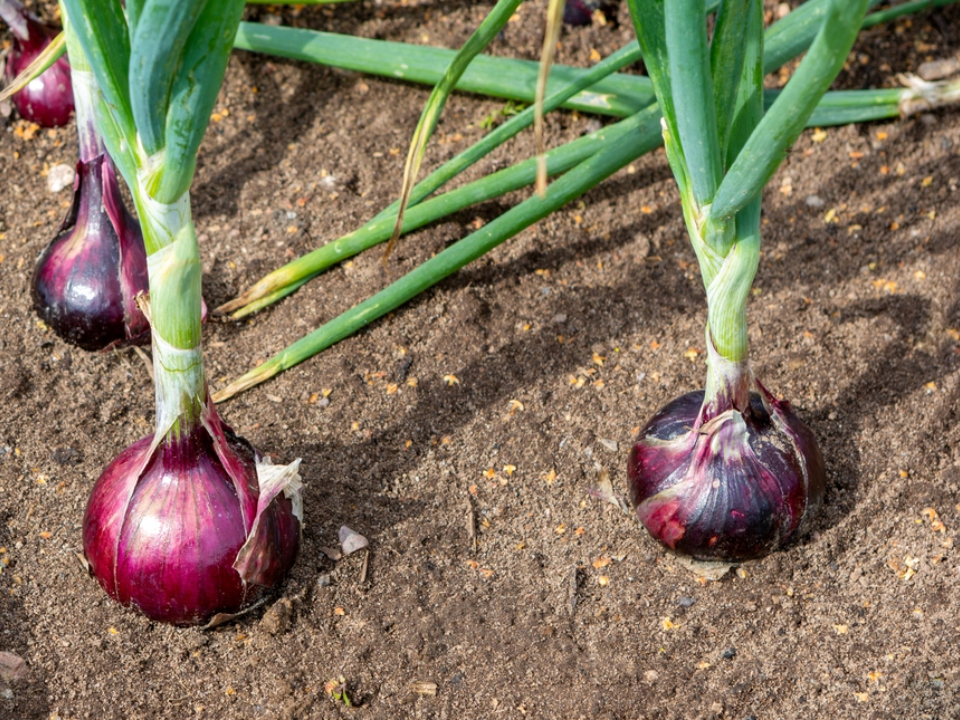
Onions grow well in cooler temperatures, making them ideal for succession sowing throughout the colder months. They prefer well-drained soil and plenty of sunlight. Onions are a staple in many dishes, adding flavor and depth to your meals.
Sowing onion seeds every few weeks ensures that you always have fresh bulbs available. These vegetables grow best in fertile soil and need regular watering. They can be harvested at different stages, from green onions to fully grown bulbs. Succession sowing will keep your kitchen stocked with onions all season long.
Beets
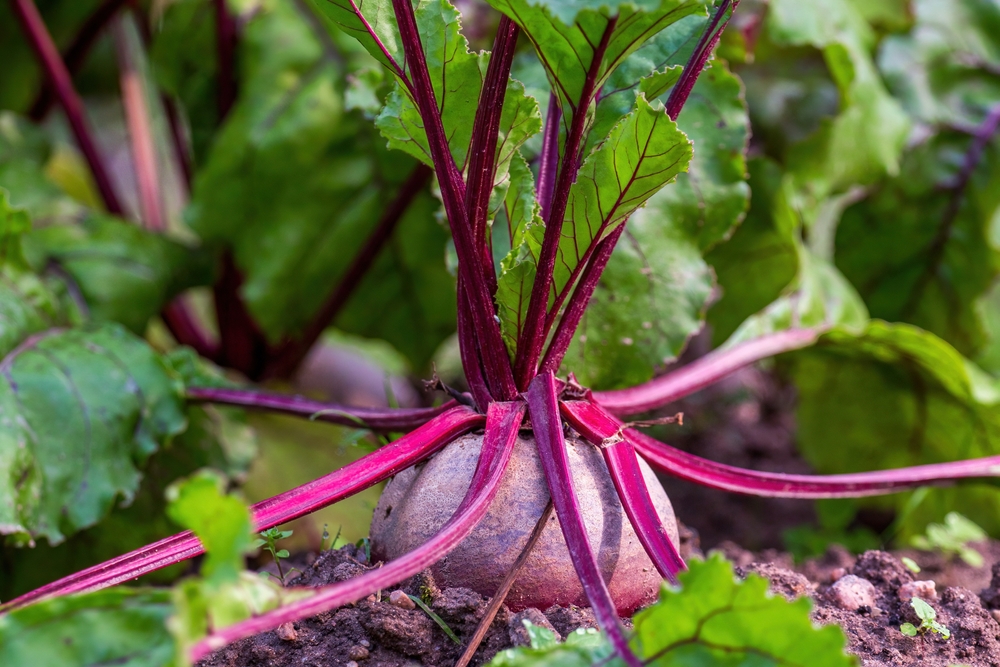
Beets grow well in cool weather and can be planted early for an early spring or late fall harvest. Their rich, earthy flavor makes them a favorite in soups, salads, and roasted dishes. Beets thrive in well-drained soil and need consistent moisture to grow well.
Sowing beet seeds every few weeks ensures a steady supply of fresh beets. They are easy to grow and adapt to a variety of soil types. With regular sowing, you can enjoy fresh, tender beets throughout the colder months. Succession sowing helps ensure a longer growing season and a continuous harvest.
Fennel
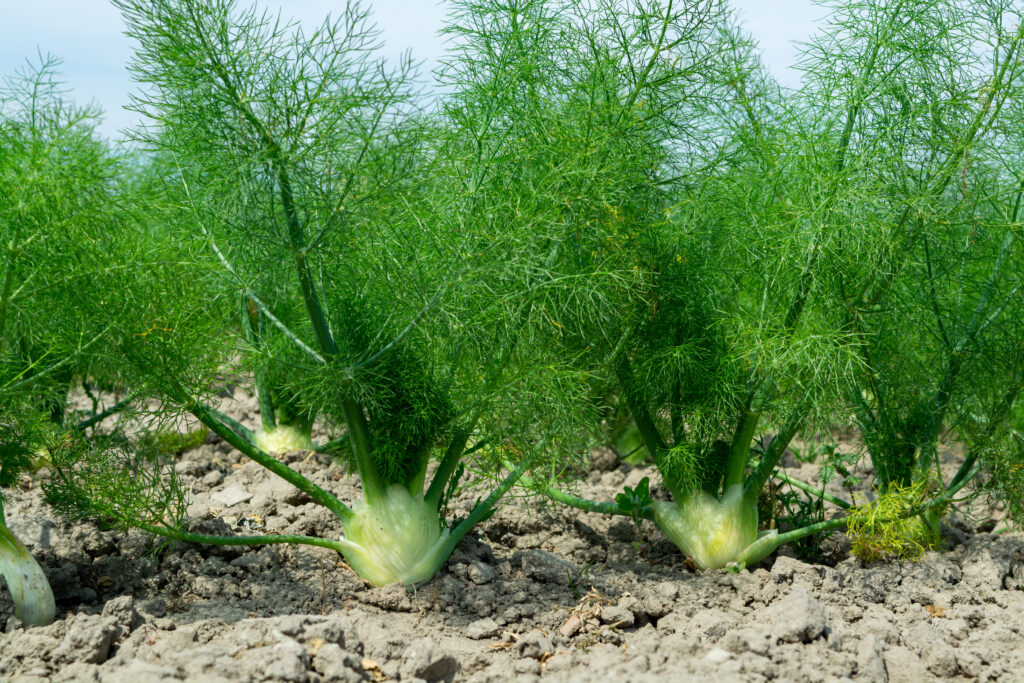
Fennel thrives in cooler temperatures and grows best in fertile, well-drained soil. It’s an ideal choice for succession sowing during the colder months. Both the bulbs and fronds of fennel are edible and offer a mild, anise-like flavor to your dishes.
By sowing fennel seeds every few weeks, you can enjoy a constant supply throughout the season. Fennel needs full sunlight and regular watering to grow. This vegetable can handle cool temperatures and light frost, making it perfect for succession sowing. The delicate fronds and crunchy bulbs make fennel a versatile addition to any garden.
This article originally appeared on Avocadu.