
12 Native Plants To Preorder This Month For An Easier Spring Garden
February is a great time to start planning native plants for spring planting, especially while conservation districts and native nurseries begin opening their preorder lists. Many of the most popular species sell out early, so planning now helps secure plants that support pollinators and local wildlife. Ordering ahead also allows time to design garden spaces with plants that bring seasonal color, structure, and interest that lasts beyond the growing season.
This post may contain affiliate links, which helps keep this content free. Please read our disclosure for more info.
Common Milkweed Asclepias syriaca
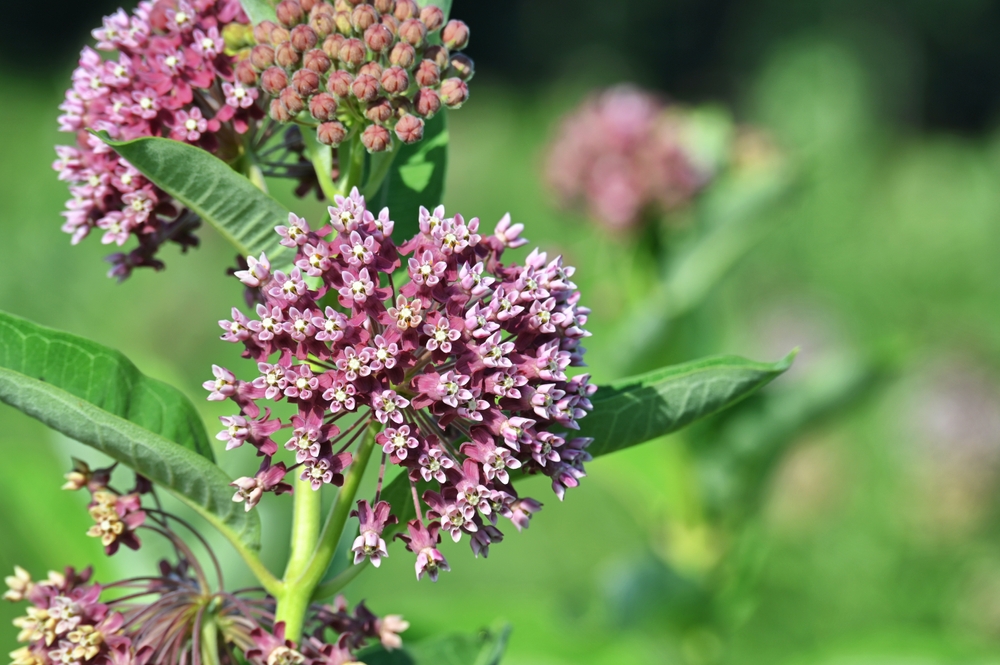
Common Milkweed is one of the most important native plants to plan for early because it plays a direct role in the life cycle of monarch butterflies. February is when many conservation districts begin taking orders, and this plant often sells out fast due to its value for habitat restoration. Preordering now gives growers time to prepare strong plants that will ship at the right stage for spring planting.
Beyond its ecological role, Common Milkweed adds height and texture to garden beds. The broad leaves and upright stems remain noticeable well into late summer, while the seed pods add visual interest after flowering ends. Leaving the pods in place through winter provides subtle structure and supports wildlife that rely on seed sources.
Purple Coneflower Echinacea purpurea
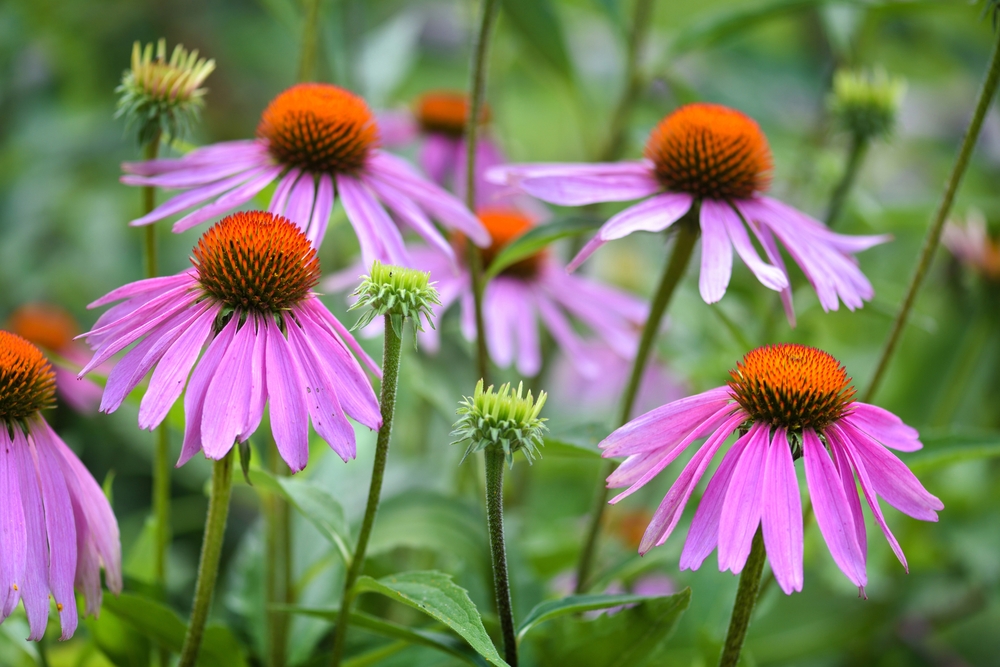
Purple Coneflower is a reliable native perennial that benefits from early planning since it establishes best when planted early in the season. February ordering allows gardeners to secure healthy plants before spring demand rises. Many native plant sales open now to help gardeners reserve popular species without last-minute stress.
The plant produces long-lasting blooms that attract bees and butterflies throughout summer. After flowering, the sturdy seed heads stand upright and become a food source for birds. These seed heads also give the garden visual interest during colder months when most plants have faded.
Black Eyed Susan Rudbeckia hirta
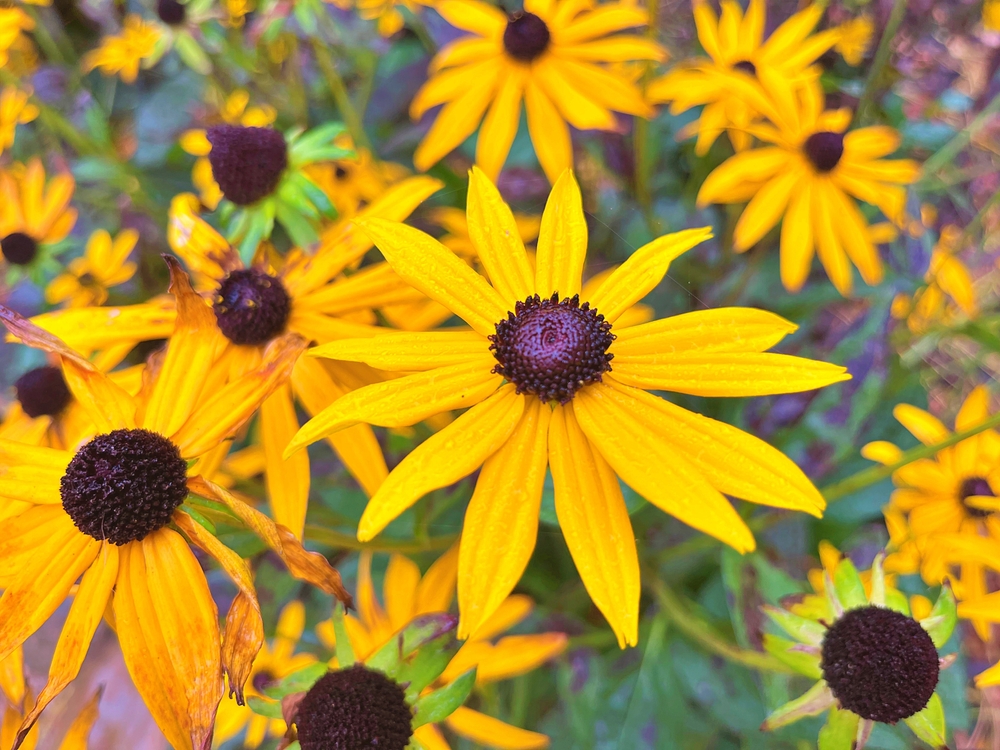
Black Eyed Susan is often included in native plant lists because it is easy to grow and offers strong pollinator value. Planning and ordering in February ensures access to well-grown plants that are ready to go once spring arrives. Conservation groups encourage early orders since this species is frequently chosen for meadow-style plantings.
The bright yellow flowers create a strong visual presence in summer gardens. When blooms fade, the dried centers remain attractive and help support birds through fall and winter. This combination of seasonal color and structure makes it a smart choice to reserve early.
Blue Blazing Star Liatris spicata
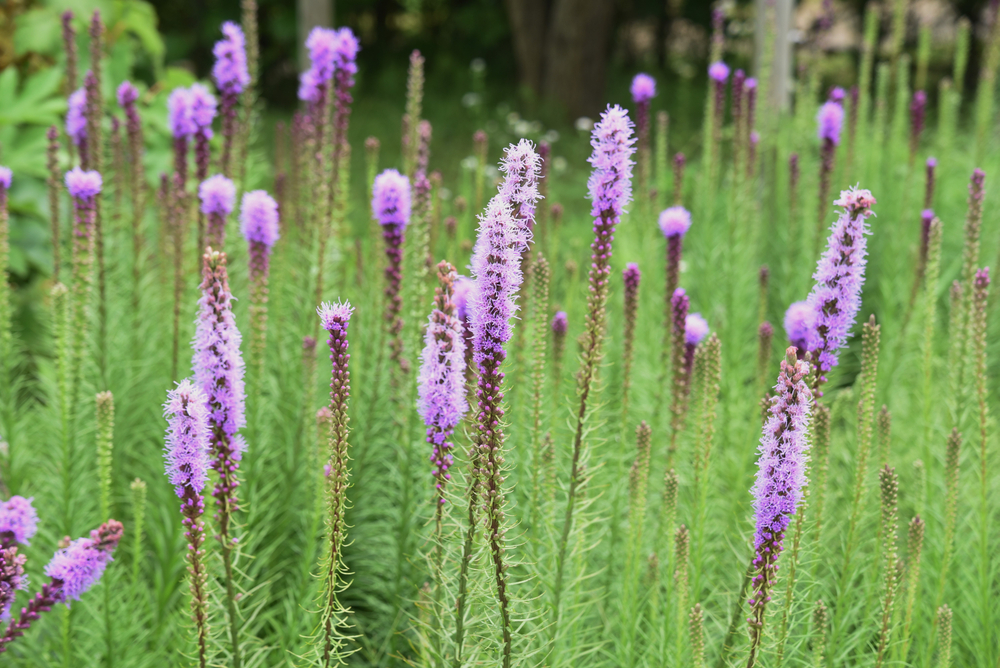
Blue Blazing Star stands out for its tall spikes of purple flowers that attract butterflies and native bees. It grows from a corm, so ordering early allows growers to prepare plants that establish quickly when planted in spring. February is often the first chance to reserve this species through conservation programs.
The upright form adds contrast to softer plant shapes and keeps its presence even after flowering ends. Its narrow leaves and dried stalks contribute vertical interest during winter. Including this plant in early plans helps create balance in garden design.
Wild Bergamot Monarda fistulosa
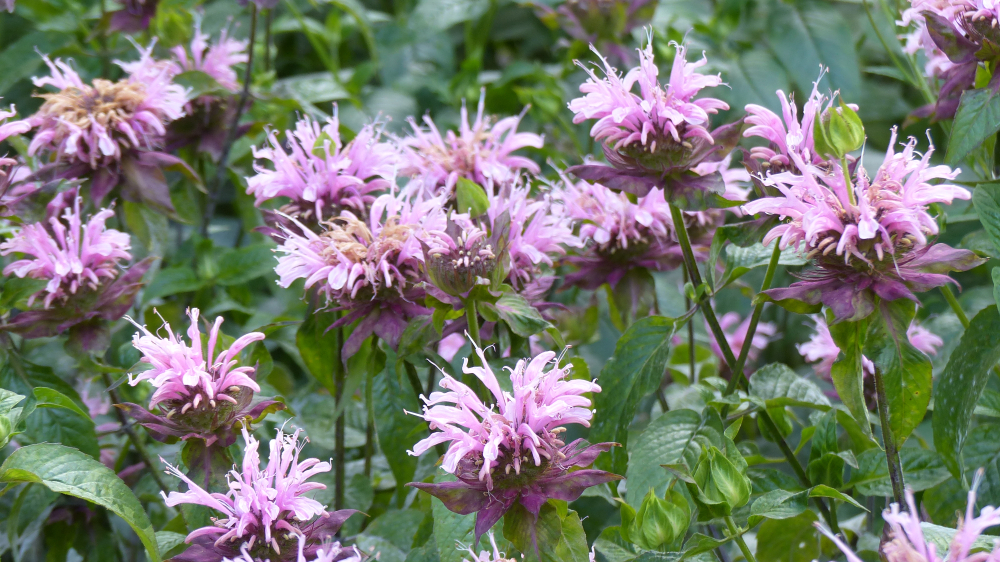
Wild Bergamot supports a wide range of pollinators and is valued for its soft lavender flowers. February planning allows gardeners to secure plants before the limited stock disappears. Native nurseries often highlight this species early due to its popularity and usefulness.
After flowering, the seed heads and stems remain visible and add texture into fall. The plant also spreads gently, filling space over time. Ordering now helps gardeners place it where there is room for natural growth.
Butterfly Weed Asclepias tuberosa
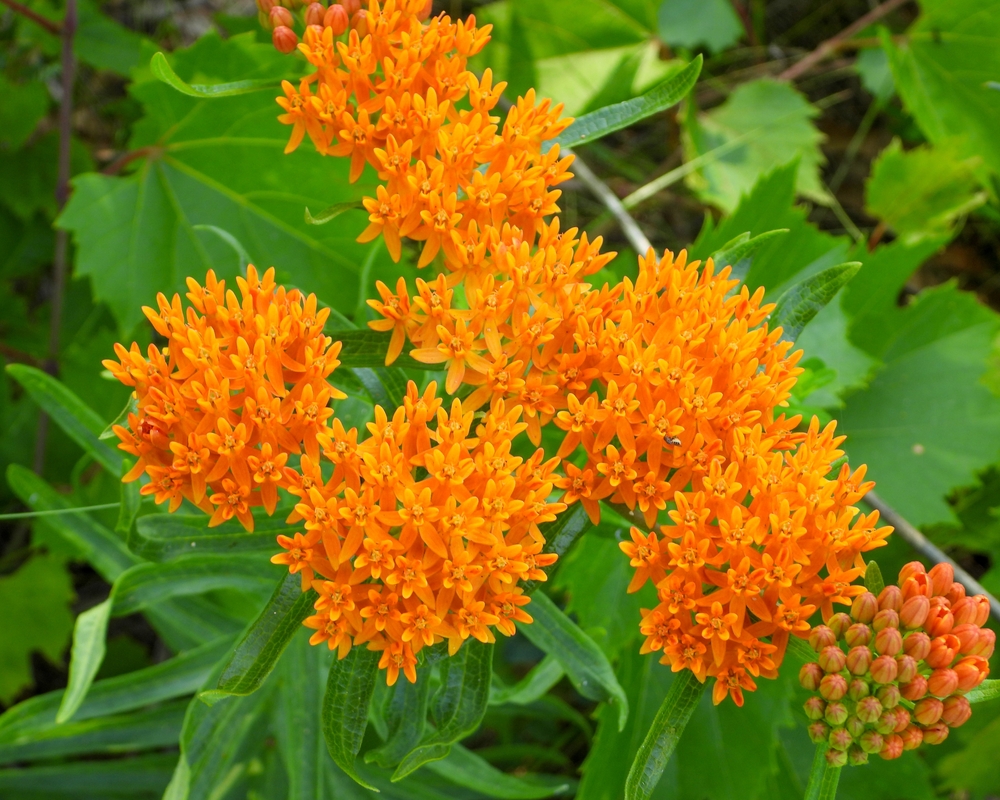
Butterfly Weed is highly valued for monarch support and its vivid orange flowers. February is the best time to plan and preorder because this species often sells out quickly once spring approaches. Early orders help growers match supply with demand.
Its compact form works well in smaller gardens and borders. Even after flowering, the plant maintains a tidy shape and produces seed pods that add interest later in the season. Reserving it now avoids missing out during peak buying months.
New England Aster Symphyotrichum novae-angliae
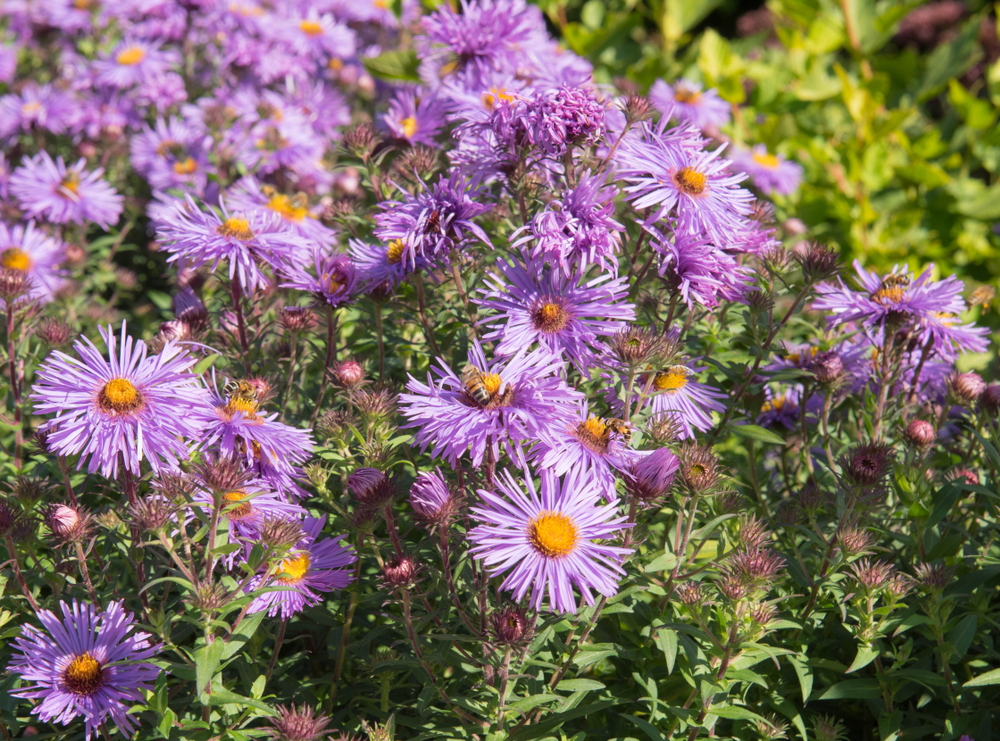
New England Aster provides nectar late in the growing season when other flowers are gone. Planning in February helps gardeners secure this important plant before spring lists close. Conservation districts promote early ordering since late-season bloomers are essential for pollinator survival.
The tall stems and dense clusters of flowers also add visual weight to garden beds. After blooming, the dried seed heads contribute texture and winter presence. This makes it useful for both habitat and seasonal appearance.
Wild Senna Senna hebecarpa
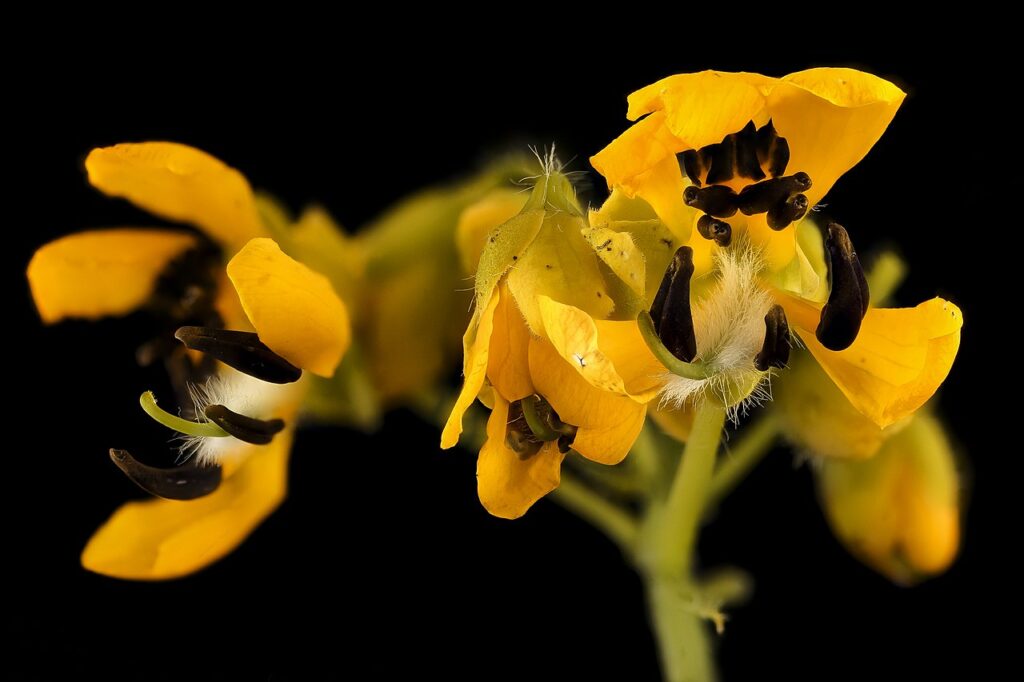
Wild Senna is a strong native perennial that plays an important role in supporting native insects, including sulfur butterflies that rely on it as a host plant. February is a key time to plan and preorder this species because many conservation districts release limited quantities early in the year. Reserving plants now allows gardeners to receive healthy starts that are ready for planting once soil temperatures begin to warm.
This plant grows into a substantial presence with upright stems and lush foliage that fills space in sunny areas. Its yellow flowers appear in mid to late summer and stand out against green backgrounds. After flowering, the seed pods remain visible and provide interest into fall, while the sturdy stems continue to give shape through winter when left standing.
Little Bluestem Schizachyrium scoparium
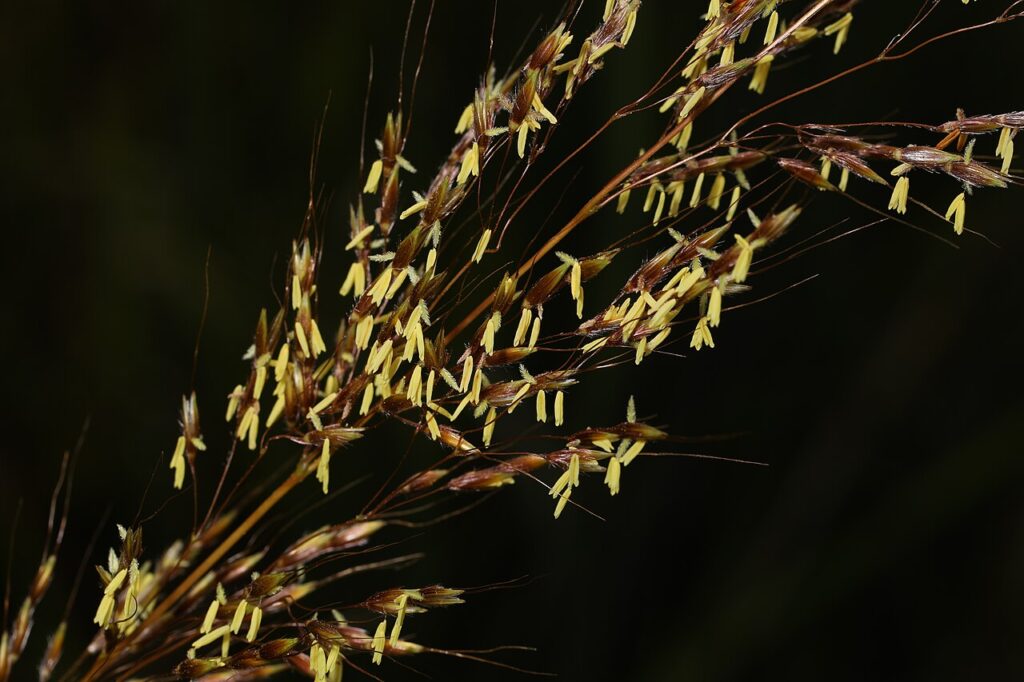
Little Bluestem is a native grass that serves as both a habitat plant and a visual anchor in garden design. February planning is helpful because native grasses often sell out quickly once spring approaches. Many conservation sales encourage early ordering so gardeners can secure grasses that take time to establish.
Throughout the growing season, the narrow blades create a fine-textured look that pairs well with flowering plants. As temperatures cool, the foliage shifts to warm shades that stand out in autumn gardens. The upright stems remain through winter, adding movement and structure while offering shelter for overwintering insects.
Switchgrass Panicum virgatum
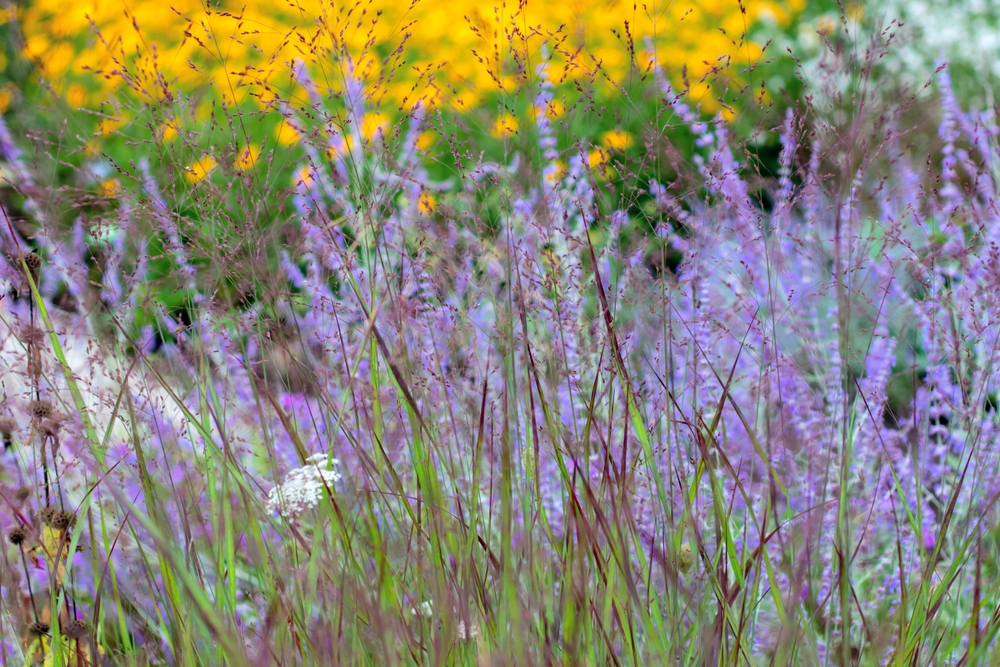
Switchgrass is valued for its ability to support wildlife while also contributing long-lasting structure to landscapes. Ordering in February allows gardeners to plan spacing carefully and secure plants before demand increases. Conservation districts often include this grass in early sales because of its importance in native plantings.
During summer, Switchgrass forms tall clumps with airy seed heads that move with the wind. In the fall, the color deepens, and the plant becomes more prominent in the garden. The dried stems and seed heads stay upright through winter, providing visual interest and food sources for birds.
Eastern Red Columbine Aquilegia canadensis
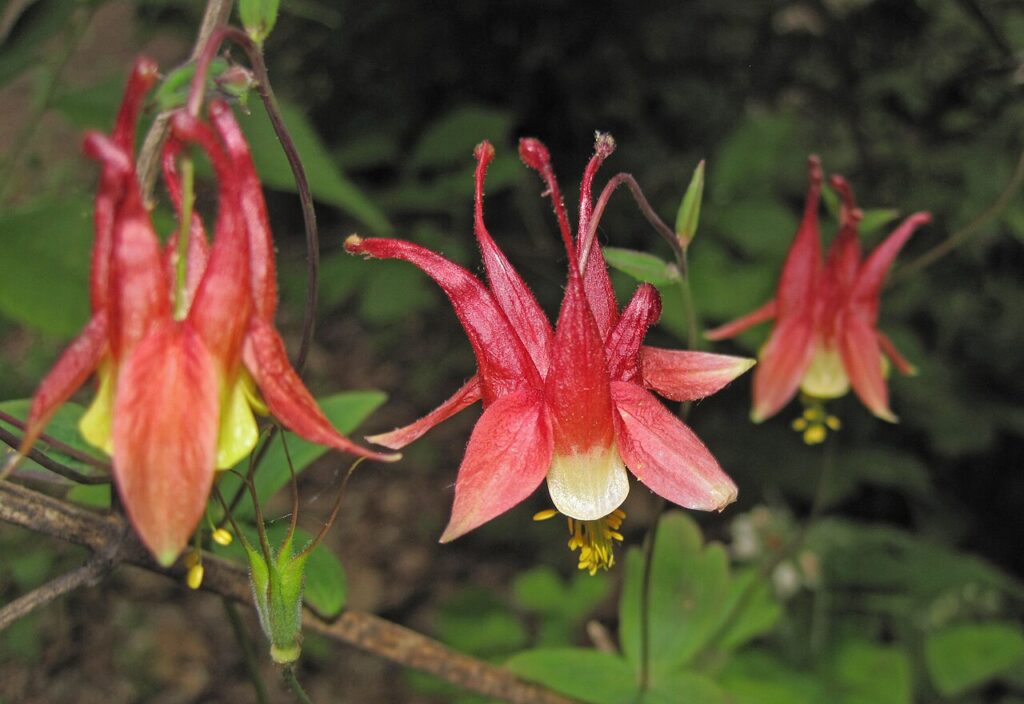
Eastern Red Columbine is one of the earliest blooming native plants, making early planning especially important. February preorders help gardeners secure this species before spring delivery windows fill up. Many nurseries list it early because it performs best when planted early in the growing season.
The red and yellow flowers attract hummingbirds and early pollinators when few other blooms are available. After flowering, the soft green foliage remains attractive and fills space without overpowering nearby plants. Its gentle form works well in woodland settings and adds seasonal interest from spring into early summer.
Prairie Dropseed Sporobolus heterolepis
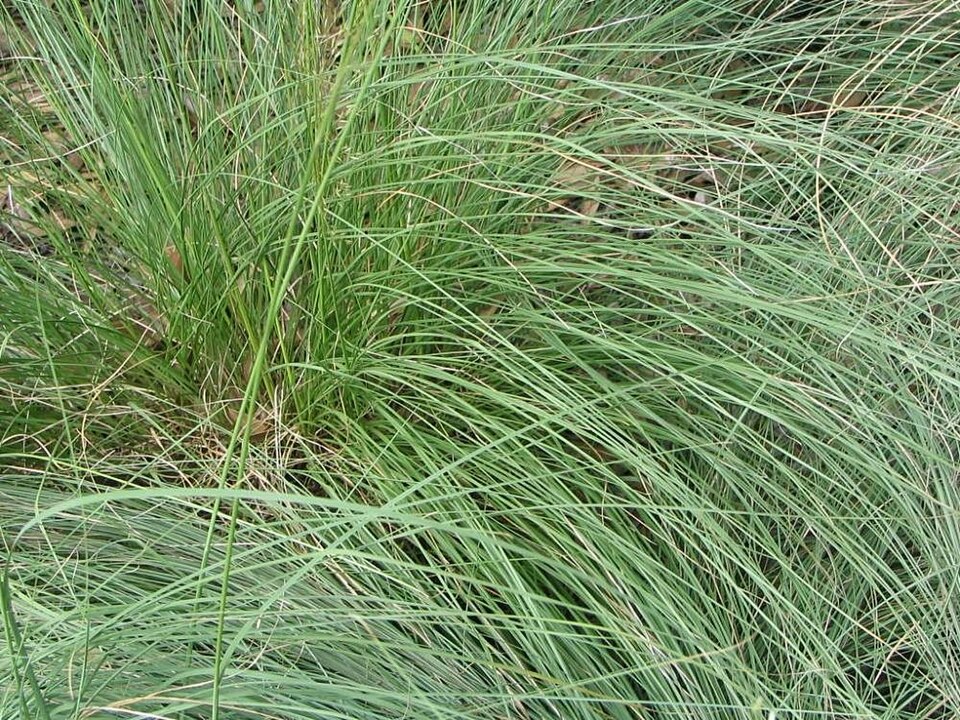
Prairie Dropseed is a slow-growing native grass that benefits from careful planning and patience. Ordering in February gives growers time to prepare strong plants and allows gardeners to include them in long-term garden layouts. Conservation programs often highlight this species early due to its reliability and longevity.
The grass forms tidy clumps that stay neat throughout the year. In late summer and fall, the fine blades take on warm tones and release a subtle scent. Through winter, the plant holds its shape and adds quiet structure to beds and borders when most other plants have faded.
This article originally appeared on Avocadu.