
11 Trusted Places For Guitar Finds Without Neck Issues
Buying a guitar with a solid neck can make a huge difference in how it plays, feels, and holds up over time. Neck problems often come from poor storage, weak inspection, or sellers who do not check instruments closely before selling. Choosing the right source helps reduce the risk of twists, uneven frets, or truss rod trouble. Reliable sellers usually provide clear photos, detailed condition notes, and proper setup checks. Starting with a trusted place makes it much easier to enjoy your guitar without costly fixes later on.
This post may contain affiliate links, which helps keep this content free. Please read our disclosure for more info.
Sweetwater

Sweetwater is a strong pick when you want a neck that feels stable right out of the box. Their listings typically include clear photos and detailed descriptions, which help you spot red flags like twisted grain, uneven fretwork, or suspicious action at the nut. Their staff checks instruments before shipping, and they have a solid return process if something arrives with a problem. That combination lowers the odds of ending up with a guitar that needs major neck work.
Another reason people like Sweetwater is the attention to storage and handling. A neck can shift if a guitar sits in poor humidity or gets knocked around, so good warehousing habits matter. When the guitar arrives, you can still do a quick at-home check with a capo and a straight edge, but you are starting from a safer baseline. If you want a neck that feels consistent across the fretboard, that initial inspection step is a big deal. (Note that this is not an actual photo of Sweetwater Sound, Inc.)
Guitar Center

Guitar Center can be a practical option because you can often play the exact instrument you are buying. That matters for neck issues because you can feel high frets, dead spots, rough fret ends, or a truss rod that seems maxed out. You can also sight down the neck in person to check for twists or ski jump rise near the body joint. Buying in-store gives you immediate feedback that photos sometimes hide.
If you buy used, ask for a quick tech check or have the store verify that the truss rod turns smoothly. Many locations can do basic setup work, and even a quick adjustment can reveal whether the neck responds normally. You can also compare multiple examples of the same model and pick the one with the best neck feel. That kind of side-by-side testing is hard to beat.
Chicago Music Exchange
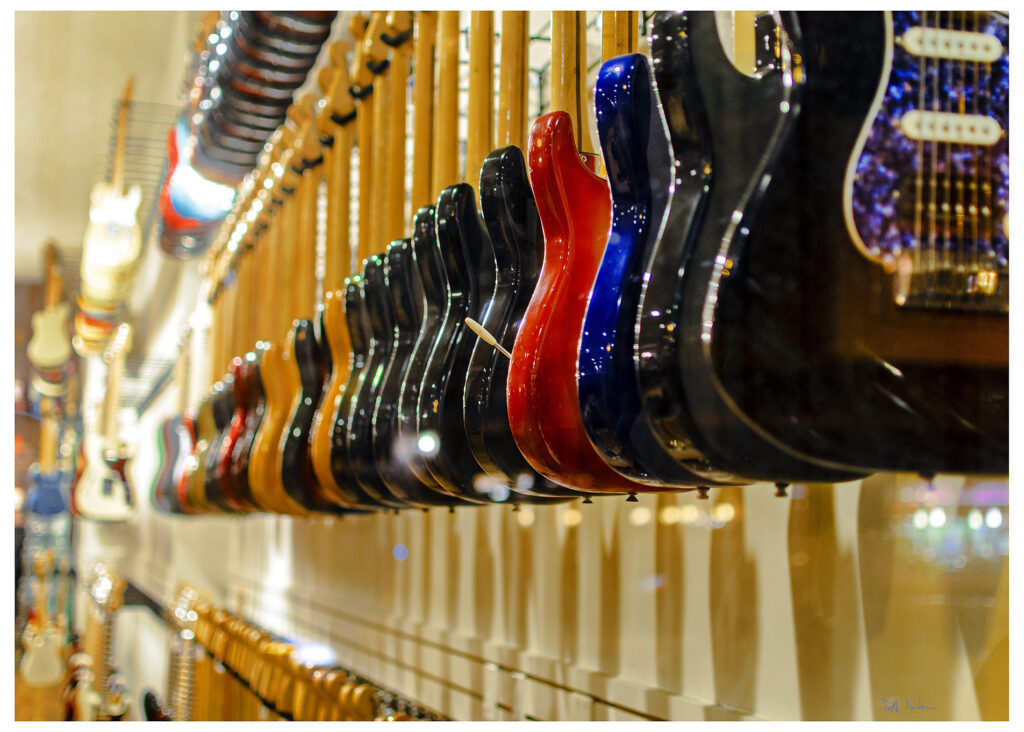
Chicago Music Exchange is known for careful listings and a shop culture that takes condition details seriously. Their photos are usually sharp and plentiful, which helps you judge fret wear, neck relief, and overall care. When a seller documents a guitar well, it is easier to avoid hidden neck damage from drops or poor storage. That transparency is a big part of why buyers feel safer there.
They also handle a lot of higher-end and vintage instruments where neck condition is critical to value and playability. Many of those guitars get looked over by experienced staff before they go on the floor or ship out. If you are spending real money, you want that extra set of eyes on the neck joint, truss rod access, and fret life. It can save you from expensive surprises.
Reverb

Reverb can be a good place to buy if you filter carefully and stick to sellers with strong feedback and clear return terms. Neck problems often show up in the details, so listings with many high-quality photos, close-ups of frets, and clear relief and action notes are a safer bet. Many professional shops sell through Reverb, and those listings tend to be more reliable than casual one-photo posts. It is about choosing the right sellers, not just the platform.
Before you buy, message the seller and ask direct neck questions in plain terms. Ask if the truss rod turns both ways, if there are any twists, and if the neck has had a reset or major repair. Request a straight down the neck photo and a shot of the headstock to the nut area. Those simple steps can screen out a lot of bad options. (Note that this is not an actual photo of Reverb Music Store.)
Thomann

Thomann is a strong choice for new guitars because of its scale and consistent processes. Large retailers typically have repeatable receiving checks, careful packing, and clear return rules, which matter if a neck arrives with shipping stress. Their listings and specs are usually clear, and the buying process is predictable. That consistency can reduce risk when you cannot play the guitar first.
Shipping distance can still matter for neck stability, so it helps that they pack well and move a lot of instruments every day. When your guitar arrives, let it acclimate to your room before you start tuning hard or adjusting anything. A stable neck usually settles in quickly, while problem necks keep drifting. The return policy is your safety net if it does not settle.
Andertons Music Co.

Andertons is widely used for new guitars, and their listings often include clear visuals and honest notes on condition. A reliable seller is important because neck issues can be subtle, like a slight twist that only shows under string tension. When a shop handles a high volume of instruments, the team tends to spot common problems fast. That helps you avoid guitars that should have been rejected at intake.
They also have in-house tech capability, which matters if you want a guitar set up before it ships. A basic setup can reveal whether the neck responds normally to truss rod and saddle changes. If the neck fights normal adjustment, that is a warning sign. Starting with a guitar that behaves as expected saves time and money.
Wildwood Guitars
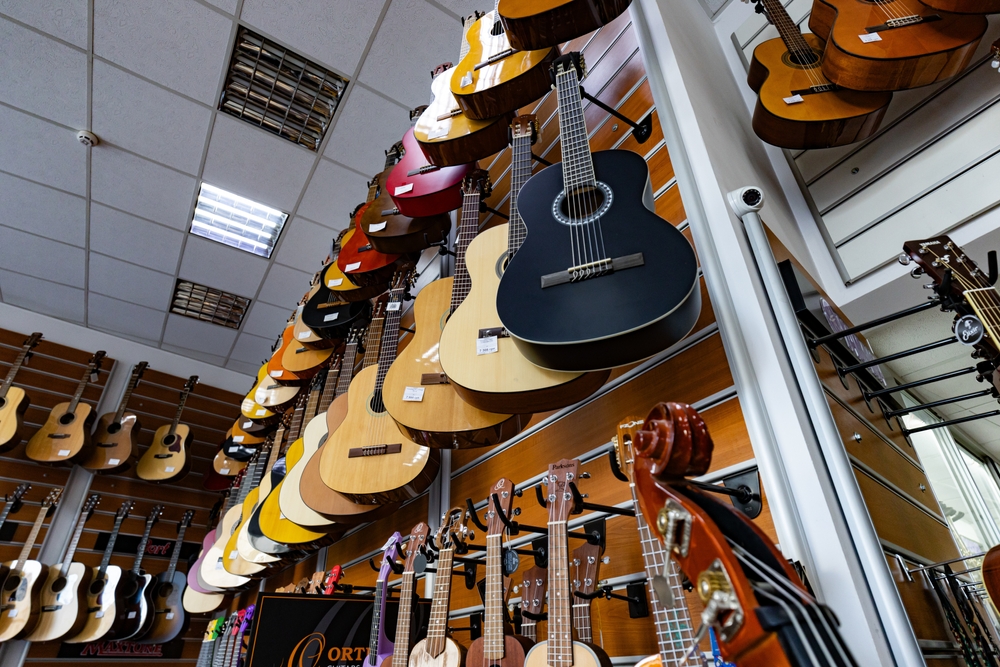
Wildwood Guitars has a reputation for detailed listings, especially for higher-end instruments. Clear photos of the neck, frets, and nut area help you judge whether a guitar has been played hard, dried out, or stored poorly. Many neck issues show up as fret sprout, lifted frets, or odd relief patterns. Good documentation makes those easier to spot before you pay.
Their staff are used to buyers who care about neck feel, so questions about profile, relief, and setup do not feel out of place. If you want a guitar that feels right across the fretboard, that kind of shop is a comfortable fit. A neck can be structurally fine but still feel wrong in your hand. Getting accurate details helps you choose well. (Note that this is not an actual photo of Wildwood Guitars.)
Dave’s Guitar Shop

Dave’s Guitar Shop is a good option for both new and used instruments with clear condition notes. Neck issues are common in used guitars, so a shop that checks truss rods, fret wear, and neck straightness matters. Many listings include enough detail to judge whether the guitar has been cared for. That reduces the odds of surprise neck work after delivery.
A big benefit is that reputable shops often have techs who can do a setup before shipping. Even if you plan to set it up locally, a pre-ship setup can catch problems early. If the neck cannot hold relief or the frets are uneven, it tends to show during setup. Catching that at the shop is much easier than dealing with it later.
The Music Zoo

The Music Zoo is known for clear photos and careful descriptions, which is key when you cannot try the guitar in person. Neck problems like twists, back bow, or a poor neck angle can sometimes be hinted at through action measurements and close-ups. A listing with real detail makes it easier to judge what you are buying. That is especially useful for used or limited-run guitars.
They also tend to handle a lot of higher-quality instruments where buyers expect clean playability. Shops serving that crowd usually take setups and checks seriously. A neck that is stable should take normal relief adjustments and hold tune without drama. When a shop builds its business on happy repeat customers, it usually filters out obvious problem guitars. (Note that this is not an actual photo of the world-renowned online guitar store Music Zoo.)
Elderly Instruments
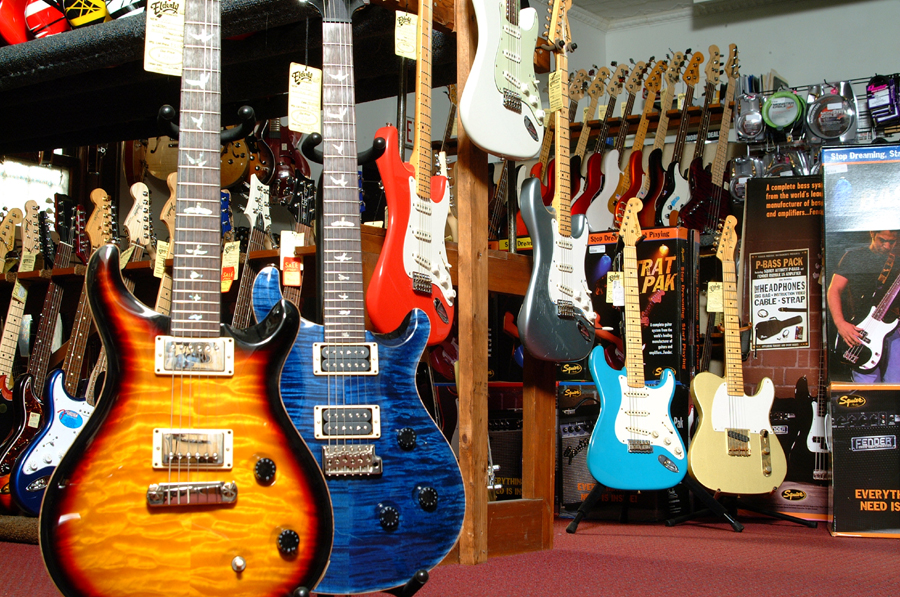
Elderly Instruments is a strong choice for acoustic and vintage-leaning buyers, where neck angle and structural integrity matter a lot. Acoustic neck issues can get expensive fast, so a shop that evaluates neck set, saddle height, and top geometry is valuable. Clear grading and honest condition notes help you avoid guitars that are heading for a neck reset. That is the kind of problem you want to spot before checkout.
They also have experience with instruments that have lived through decades of climate change. That background helps them judge whether a neck is stable or just temporarily shifted. If you are buying used acoustic gear, ask about neck relief under tension and any prior neck work. Shops like this usually answer those questions in a clear way.
Gruhn Guitars
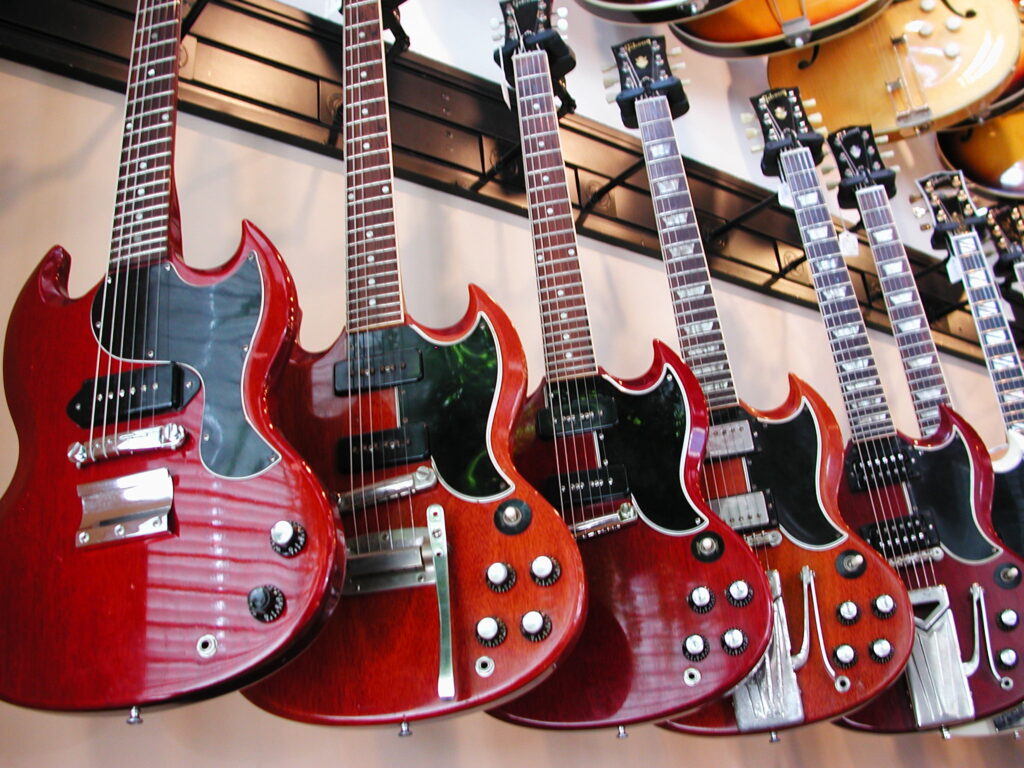
Gruhn Guitars is a respected name for vintage instruments, and vintage neck condition can make or break a purchase. A reputable vintage dealer will look closely at neck angle, truss rod function, fret life, and any repairs around the headstock or heel. Those checks matter because vintage guitars can hide old damage under finish work. Buying from a dealer that knows what to look for lowers risk.
Because the shop deals in valuable instruments, documentation, and honesty tend to be part of the process. You are more likely to get clear notes about prior resets, refrets, or repaired cracks. Those details help you understand what you are buying and what maintenance may be next. Vintage can be great, but only when the neck story is clear.
This article originally appeared on Avocadu.