
10 Seed Stratification Tricks To Try In February
February is a great time to prepare seeds that need cold exposure before planting. Many native plants, shrubs, and perennials rely on weeks of cold and moisture to break dormancy and sprout evenly in spring. Using simple at-home methods during this month allows seeds to follow a natural winter pattern without delay. This timing fits well with typical planting schedules and helps avoid rushed preparation later. With a little planning now, seeds are ready to grow once warmer weather arrives.
This post may contain affiliate links, which helps keep this content free. Please read our disclosure for more info.
Refrigerator Bag Method
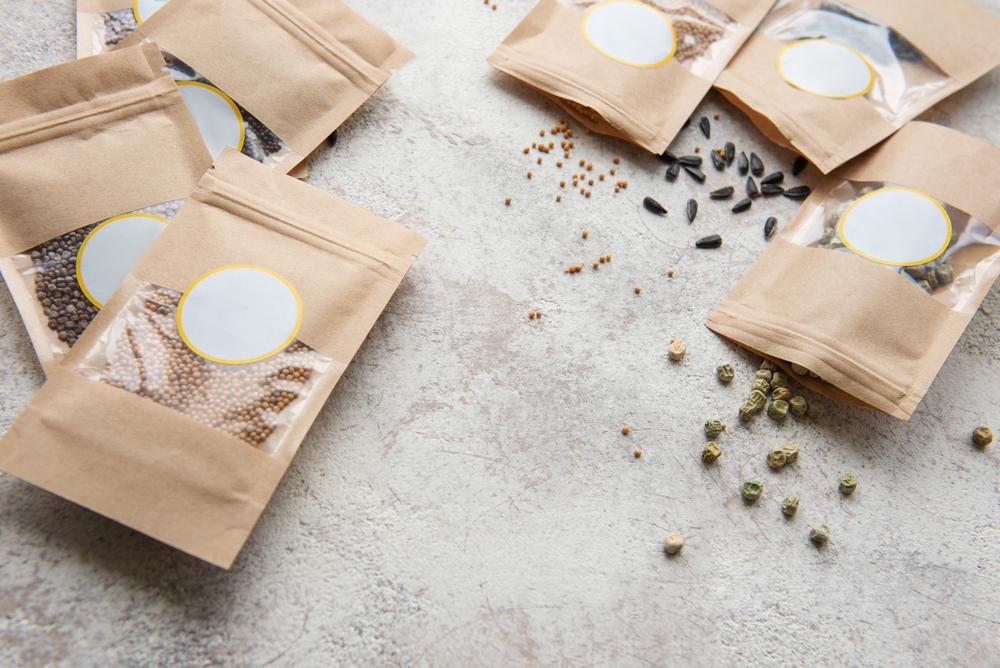
February works well for the refrigerator bag method because it lines up perfectly with the remaining weeks of winter chill needed before spring planting. Many native and perennial seeds respond well when placed in a sealed bag with slightly damp peat moss or sand, allowing cold and moisture to work together slowly. Keeping the bag in the refrigerator provides steady cold without freezing, which helps soften seed coats and prepare embryos for growth. Checking moisture levels weekly prevents mold while maintaining the damp environment seeds need. By late March or early April, seeds treated this way are often ready to sprout once planted.
Placing seeds in labeled bags helps track different plant types and treatment dates. February temperatures inside a refrigerator stay consistent, which reduces stress on seeds compared to fluctuating outdoor weather. This method works especially well for wildflowers, shrubs, and woodland plants that rely on winter conditions to break dormancy. A simple rinse before planting helps remove any residue from the medium. Many gardeners notice stronger and more uniform germination after using this approach.
Outdoor Pot Cold Exposure
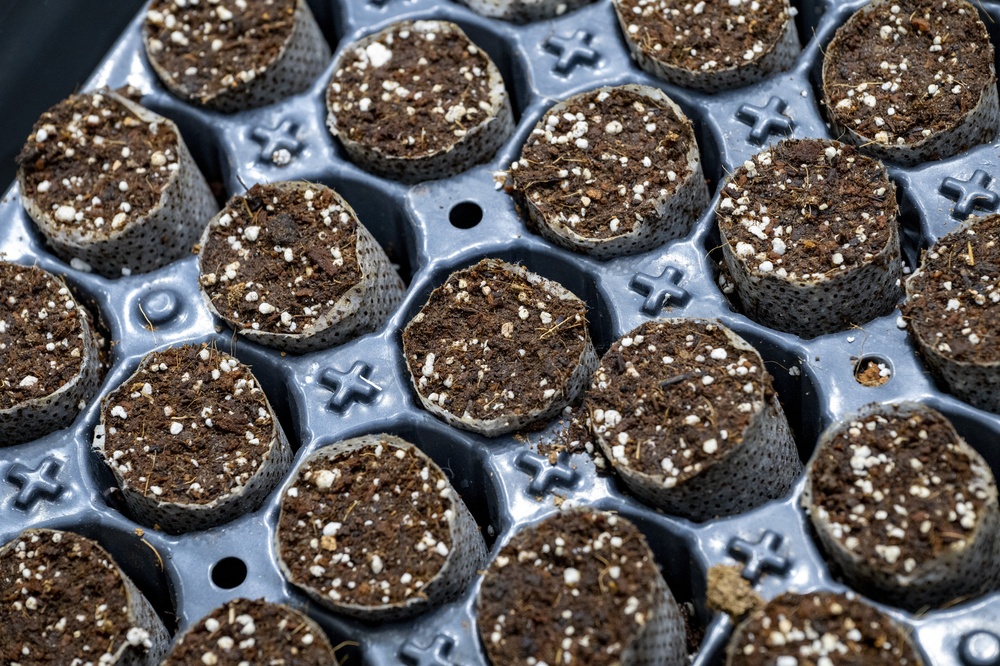
Leaving seeded pots outdoors in February allows nature to finish the cold cycle naturally. The remaining winter chill gives seeds the time they need while exposing them to natural moisture from rain or light snow. This approach closely mirrors how seeds overwinter in the soil. Sheltered areas, like against a wall or under a bench, help protect pots from extreme weather swings.
As temperatures begin to rise later in the season, seeds receive a gentle signal to sprout. February timing works well because the cold period is still long enough to meet stratification needs. Drainage holes prevent water buildup that could damage seeds. Labeling pots clearly avoids confusion once growth begins. Many hardy perennials respond well to this slow and steady treatment.
Sand and Jar Method
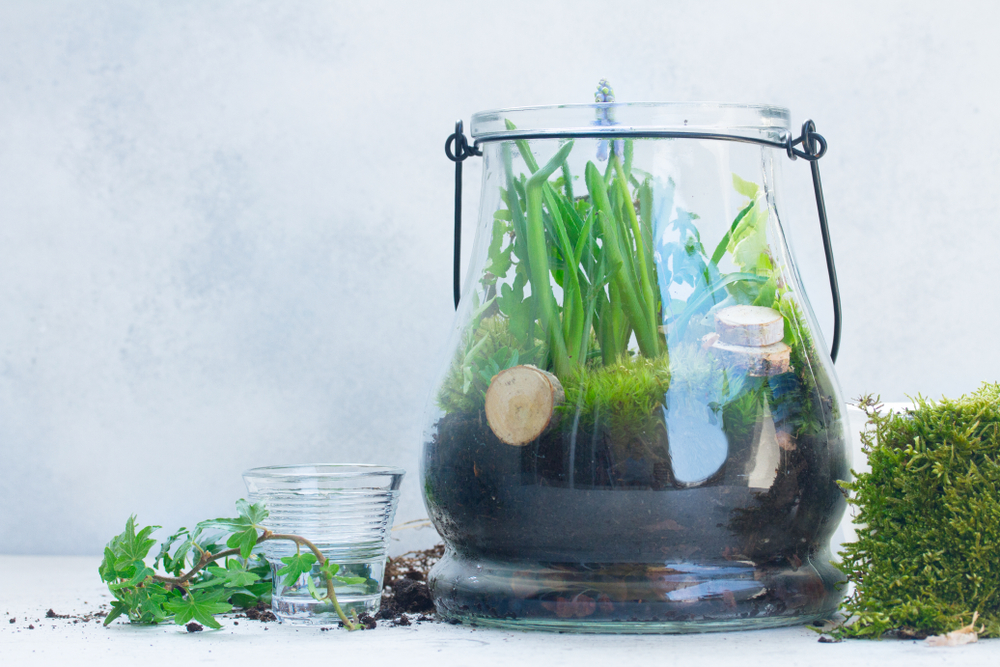
Mixing seeds with damp sand in a glass jar allows even moisture contact during the cold phase. February provides enough remaining winter weeks to complete the cold period before planting time. The sand keeps seeds from clumping while maintaining airflow. A loosely closed lid helps regulate moisture without sealing in excess humidity.
Placing the jar in the refrigerator creates a stable cold environment. Occasional gentle shaking keeps seeds evenly coated. This method works well for shrubs and trees with tougher seed coats. Once the chilling period ends, seeds can be separated easily for sowing. Many gardeners appreciate the control this method offers.
Paper Towel Wrap
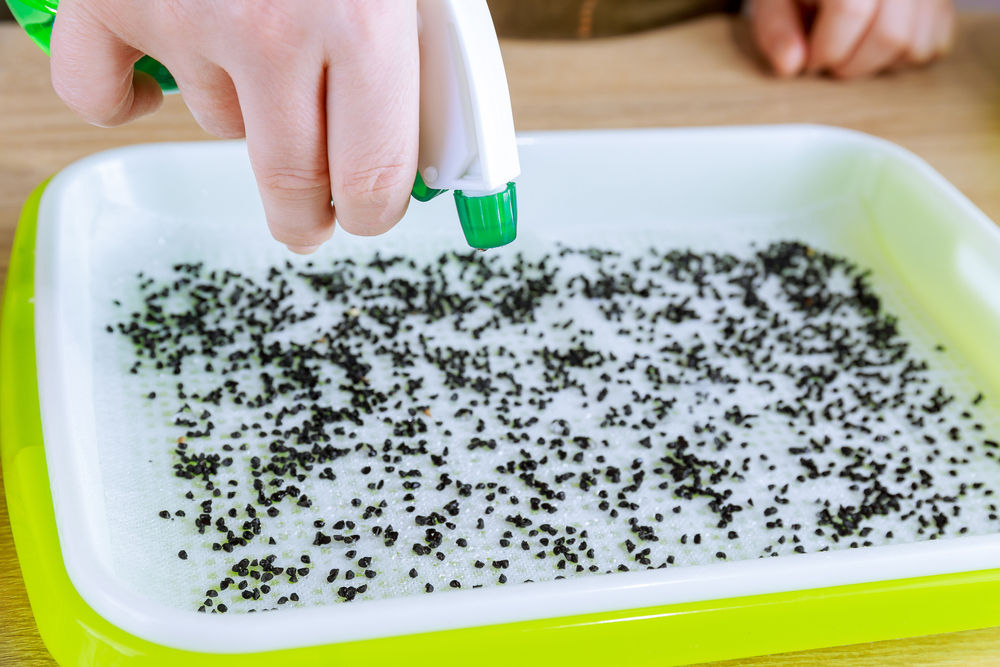
Wrapping seeds in a damp paper towel and sealing them in a plastic bag creates a simple cold treatment setup. February allows enough time for the towel to stay cold and moist without rushing the process. This setup works especially well for small seed batches. The towel holds moisture evenly around each seed.
Regular checks help prevent drying or mold. The refrigerator keeps temperatures steady, which supports slow internal changes inside the seed. When roots begin to show, seeds can be planted carefully. This method gives clear visual cues that stratification is working. It suits gardeners who like to monitor progress closely.
Snow Burial Technique
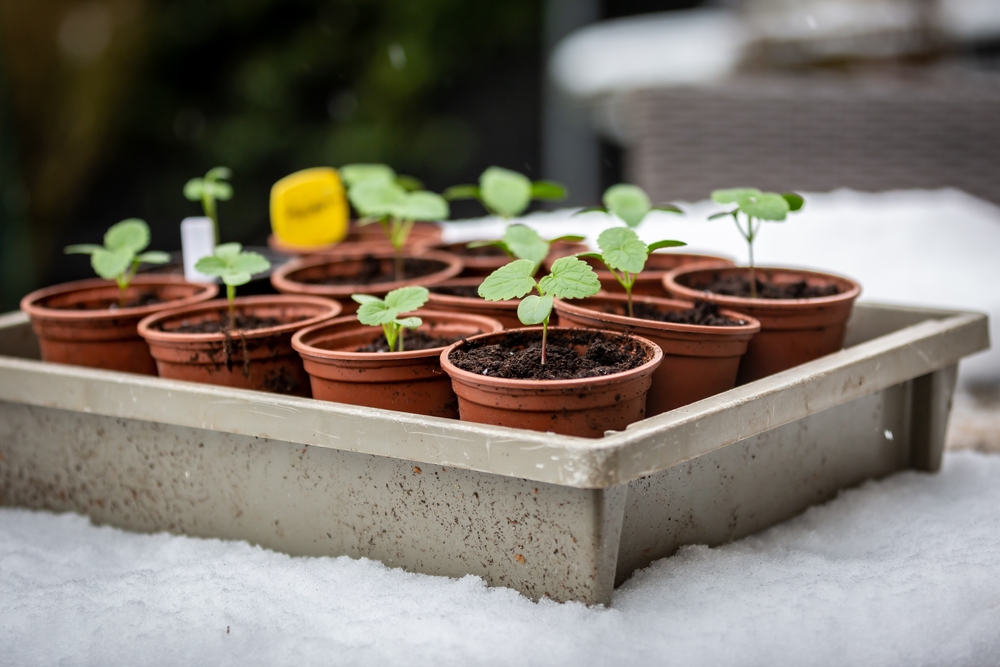
February snowfall can serve as a natural cold blanket for stratifying seeds outdoors. Placing seed trays under snow keeps temperatures low while allowing gradual moisture penetration. Snow melts slowly, providing consistent dampness without waterlogging. This method closely follows natural winter cycles.
As days lengthen, melting snow signals the coming growing season. Seeds remain protected from sudden warm spells. Mesh covers can keep animals away while allowing airflow. This approach works well for native wildflowers and woodland species. Germination often begins naturally as spring arrives.
Cold Frame Stratification
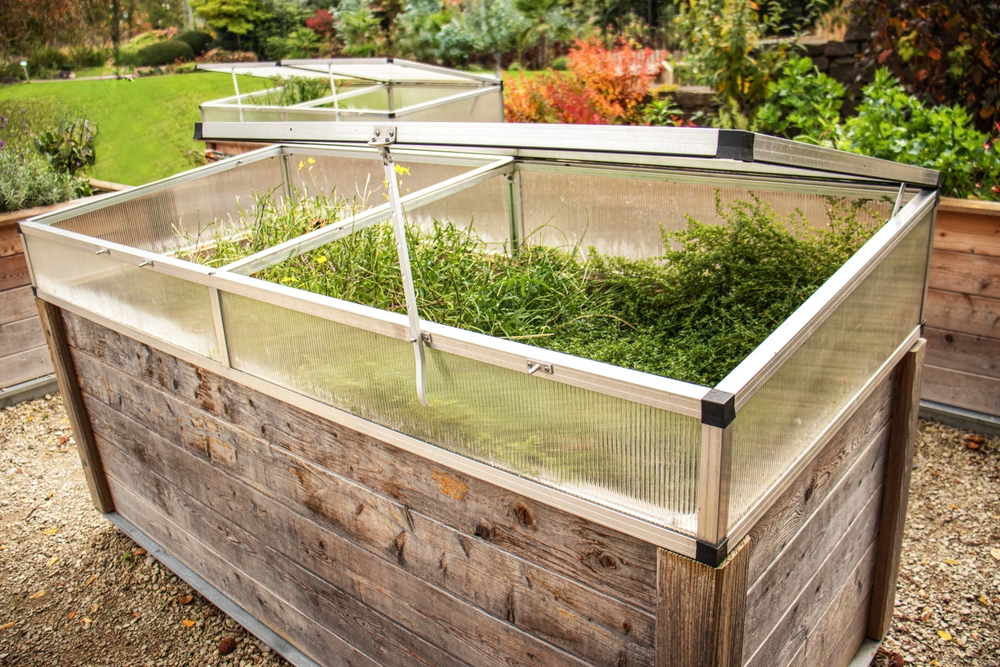
Using a cold frame in February offers protection while maintaining cold exposure. Seeds receive winter chill without direct exposure to harsh weather. The enclosed space holds moisture while preventing excessive drying. This setup suits gardeners who want more control than open outdoor methods.
Ventilation helps prevent excess condensation. February temperatures remain cold enough to meet stratification needs. As spring approaches, opening the frame gradually introduces warmth. Seeds transition smoothly from dormancy to growth. Many perennials respond well to this steady shift.
Moist Soil Tray Method
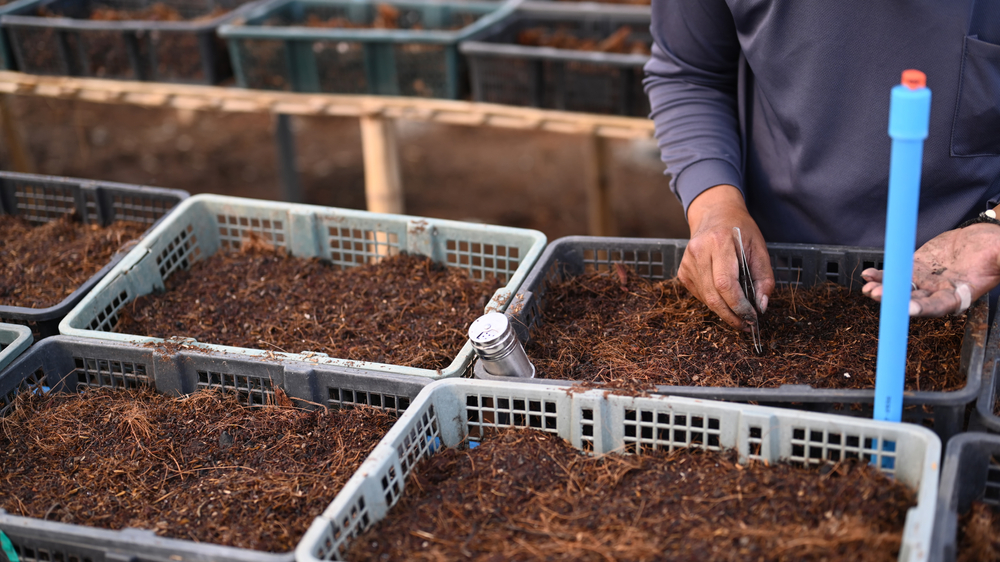
Sowing seeds directly into trays filled with damp soil allows cold treatment and planting in one step. February gives enough time for seeds to rest before warming conditions arrive. Soil provides natural buffering against temperature changes. Trays can be placed outdoors or in an unheated space.
Consistent moisture keeps seeds viable during the process. Drainage holes prevent rot. As temperatures rise, seeds sprout without being disturbed. This reduces transplant stress later. Many gardeners prefer this approach for convenience.
Freezer Pre Chill Plus Fridge
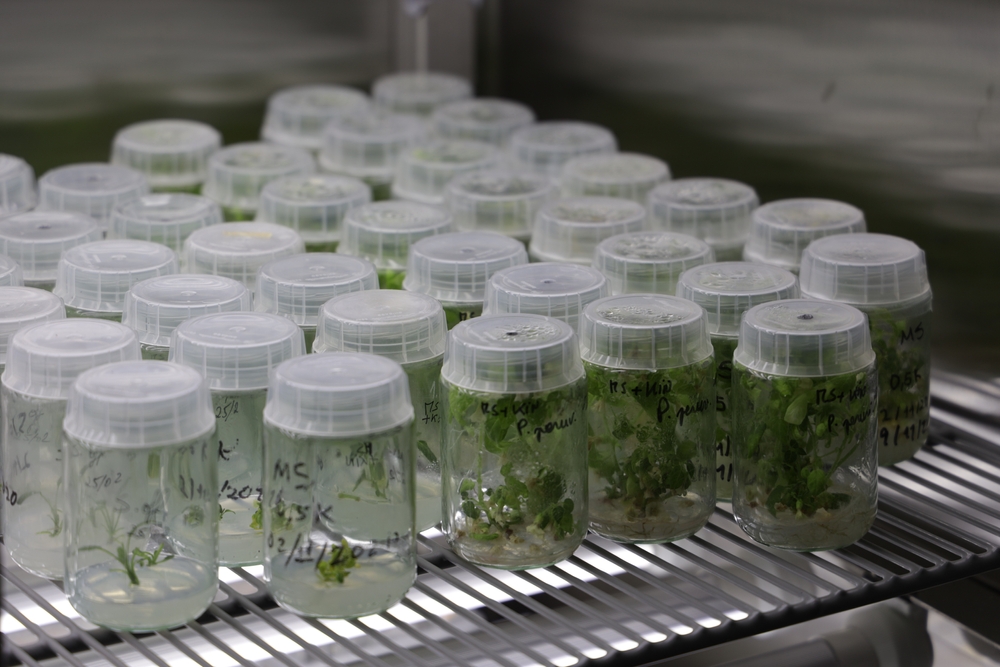
Some seeds benefit from a short freezer stay before refrigerator chilling. February timing allows this two-stage method without delaying spring planting. A brief freeze mimics sudden winter cold snaps. Afterward, steady refrigerator temperatures continue the process.
This method suits tougher seeds that need extra stimulation. Careful timing prevents damage from prolonged freezing. Moist packing materials help protect seeds. Once chilled, seeds often sprout more evenly. It works well for certain shrubs and trees.
Outdoor Seed Bottle Method
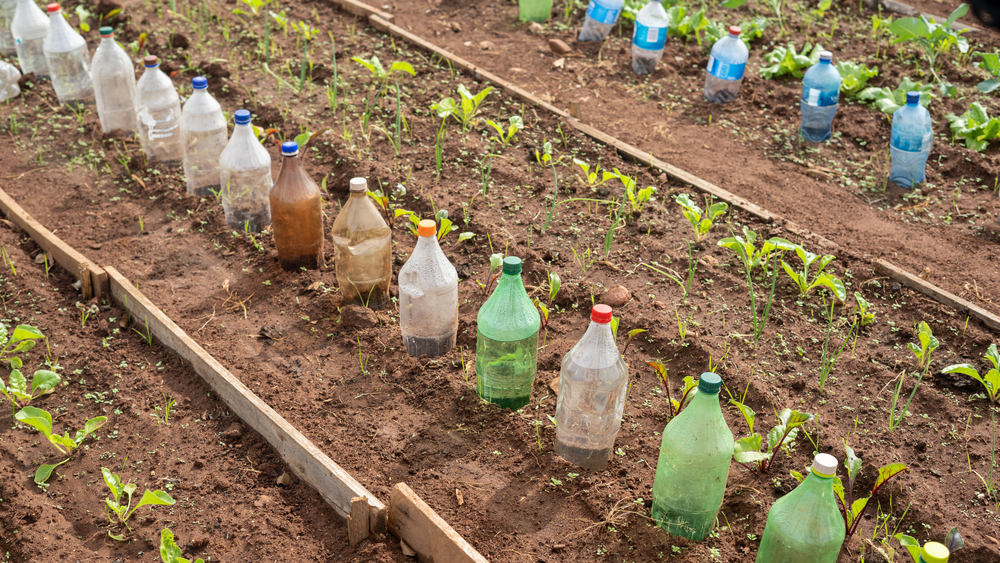
Using recycled bottles filled with soil allows seeds to experience outdoor winter conditions safely. February remains cold enough to complete the chilling period. Bottles trap moisture while allowing light and airflow. Small drainage holes prevent excess water buildup.
As temperatures rise, seedlings emerge inside the container. This creates a natural greenhouse effect later in the season. Bottles protect seeds from animals and heavy rain. Many gardeners like this method for native plants. It requires little daily attention.
Outdoor Seed Trench
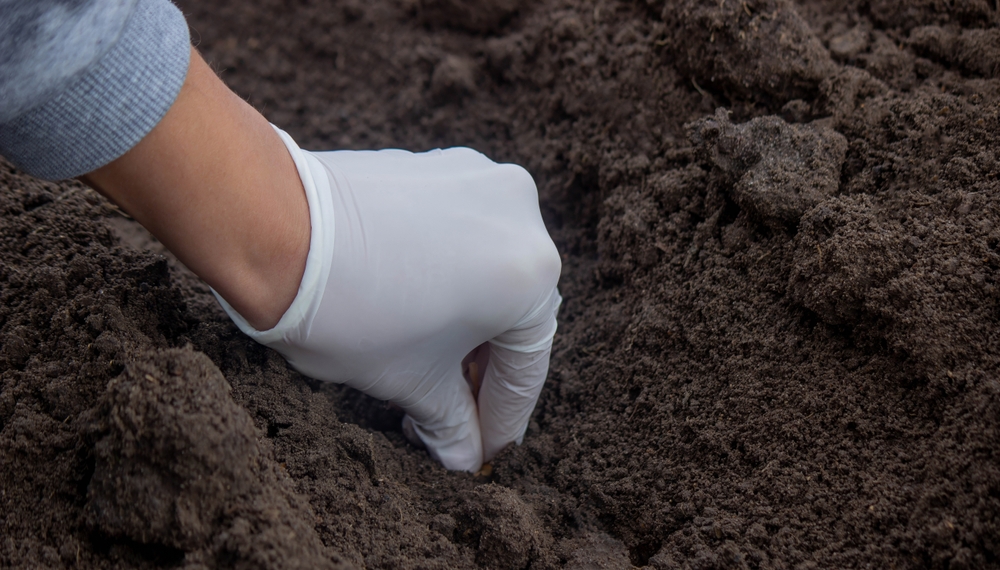
Digging a shallow trench and placing seeds inside allows direct exposure to winter soil conditions. February still provides sufficient cold time for stratification. Soil insulation prevents deep freezing. Moisture remains consistent underground.
Covering the trench lightly protects seeds from animals. As spring approaches, warming soil signals growth. This method works well for hardy shrubs and perennials. It closely follows natural cycles. Many gardeners value its simplicity.
This article originally appeared on Avocadu.