
12 Old Mill Villages With Waterwheel Paths And Footbridges
If you love exploring places that feel like they belong in a storybook, old mill villages will captivate you. Waterwheels turn slowly beside tranquil streams, and footbridges arch gracefully over calm waters. These villages are the perfect place to experience a connection to nature and history. With so many paths to explore, each visit is a chance to discover something new.
This post may contain affiliate links, which helps keep this content free. Please read our disclosure for more info.
Blaenavon, Wales
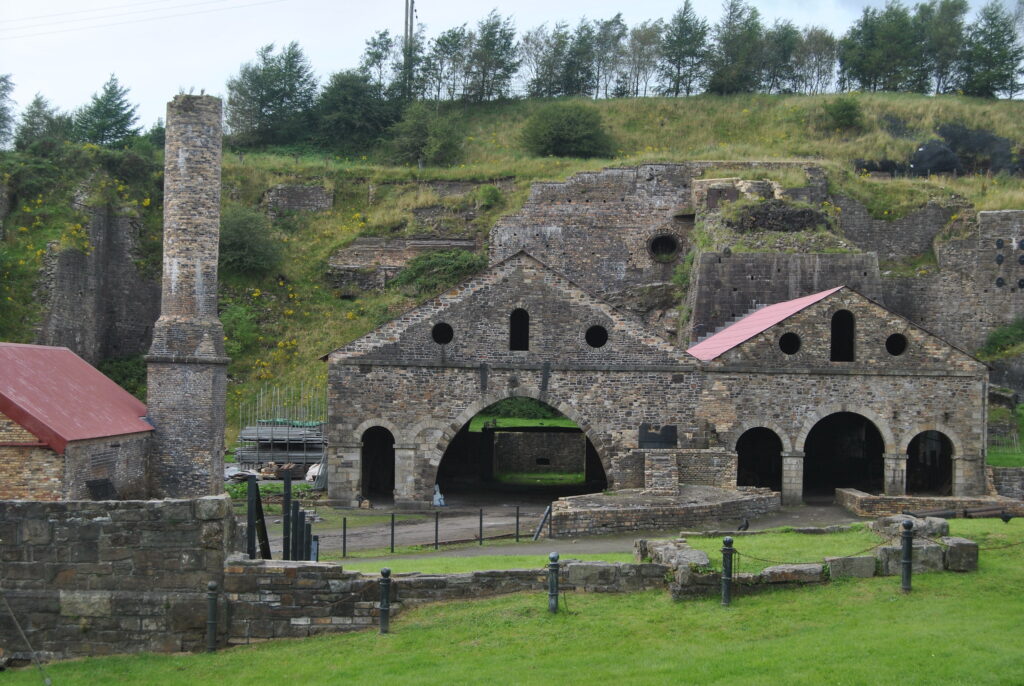
Blaenavon, nestled in the heart of South Wales, is a UNESCO World Heritage site known for its well-preserved industrial history. The village once thrived on coal mining and ironworks, and its mills are a testament to this era. The Blaenavon Ironworks site showcases a stunning waterwheel, which once powered the machinery that helped make the village an industrial hub. Visitors can wander along scenic footpaths that lead through the historic mill buildings, offering an immersive experience in the village’s industrial past.
The surrounding area, known as the Blaenavon World Heritage Site, is perfect for nature lovers and history enthusiasts alike. Exploring the footbridges over the watercourses offers visitors a serene view of the landscape while connecting them to the village’s industrial roots. The preserved waterwheel is a rare find, a symbol of the village’s once-booming iron industry. With guided tours available, it is a must-see destination for anyone wanting to learn more about Wales’ industrial heritage.
Capernaum, Israel
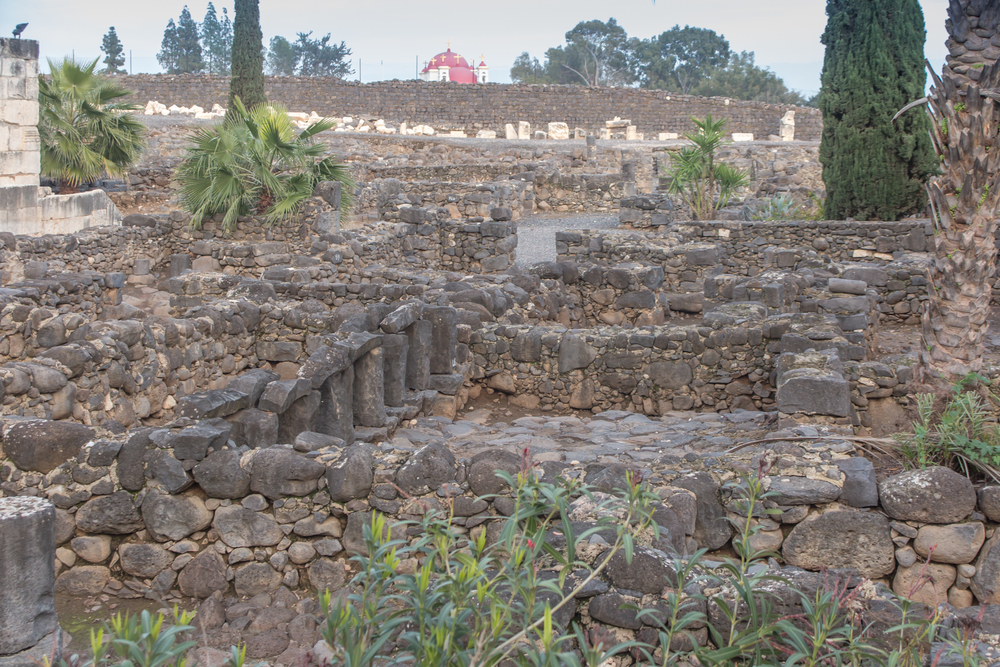
Nestled along the Sea of Galilee, Capernaum is not only a historical site but also home to ancient watermills that powered the community. The village, which dates back to the time of Jesus, has mill structures that date back to the Byzantine period, showcasing waterwheels that were once used for grinding grain. The remains of these old mills are beautifully situated near the river, with footpaths leading visitors to stunning vistas and peaceful waterside views. It is an excellent place to explore both the historical and natural beauty of the region.
As you walk through the village, you’ll find remnants of ancient millstones and other artifacts that tell the story of Capernaum’s role in the region’s ancient trade routes. The footbridges in the area lead across the river to scenic walking paths that take you closer to the watermills and other historical landmarks. The peaceful sounds of the water and the historical ruins make this village a perfect blend of serenity and ancient history. For those interested in exploring the intersection of biblical history and the ancient milling industry, Capernaum is an ideal spot.
Hocking Hills, Ohio, USA
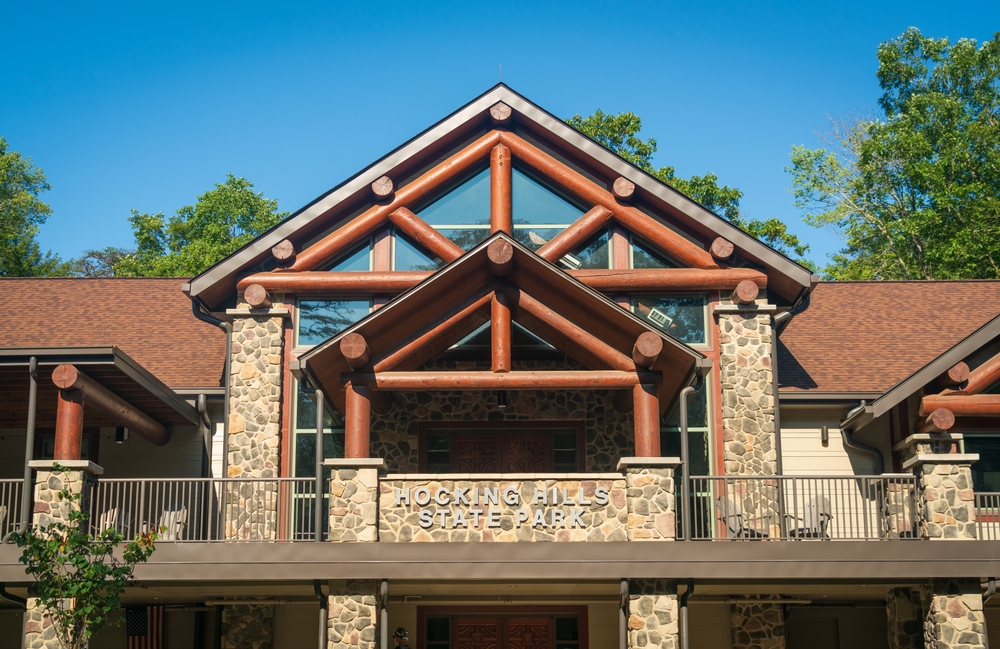
Hocking Hills in Ohio is home to a handful of picturesque mill villages nestled within the rolling hills of the Appalachian region. The historic Ash Cave area features a waterwheel that once powered a local mill, providing grain to the surrounding communities. The picturesque setting is enhanced by footbridges that cross over bubbling streams and lead to beautiful forested trails. The region’s natural beauty is truly a sight to behold, with rugged cliffs, cascading waterfalls, and tranquil paths that are perfect for hiking.
In addition to the waterwheels, Hocking Hills offers visitors a glimpse into early American industry. The nearby Hocking Canal provided a transport route for goods, while the water-powered mills helped sustain the local economy. Exploring the footbridges and taking in the sights of the surrounding forests and water features allows visitors to understand the area’s historical significance. For those looking to learn about the past while immersed in nature, this village is an excellent choice.
New Hope, Pennsylvania, USA
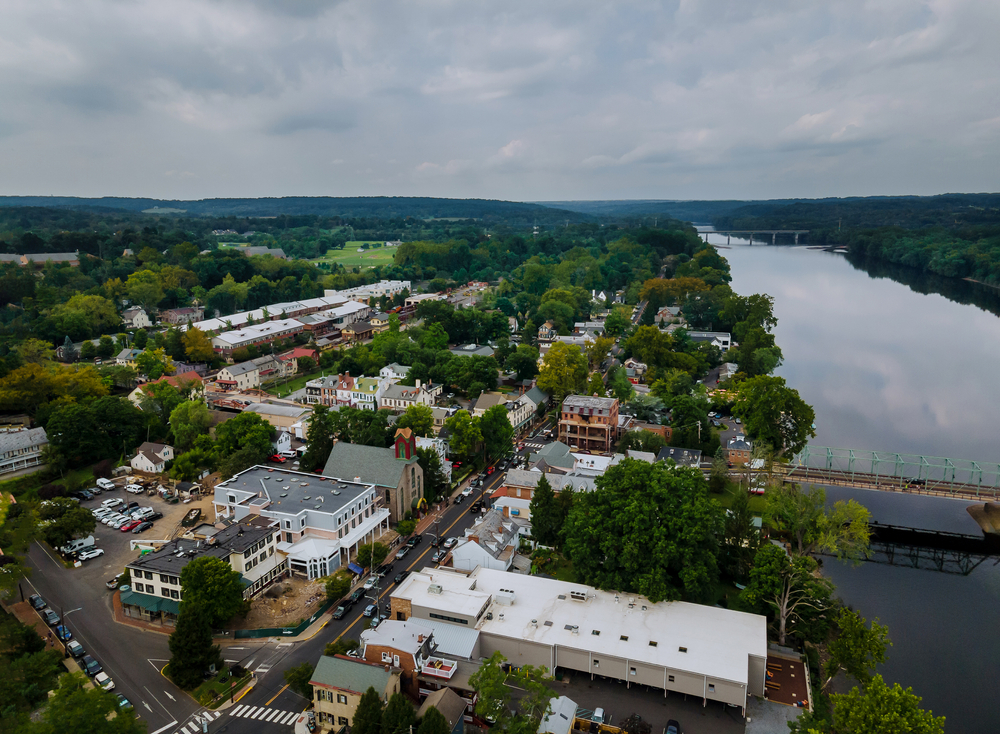
New Hope is a charming riverside village steeped in history and scenic beauty. Known for its art galleries and antique shops, New Hope also boasts several historic mills along the Delaware River. These mills, which powered the village for decades, are still visible today, with several restored waterwheels that help illustrate the village’s rich industrial past. Footbridges connect various mill sites, allowing visitors to explore the area on foot while enjoying views of the river and the surrounding forest.
A walk through New Hope offers more than just a step back in time, as it provides an opportunity to experience the harmony between history and nature. The mills are tucked away along the riverbanks, with bridges offering serene views and the chance to spot wildlife. The presence of the waterwheels and their connection to the early economy of the region add a layer of richness to the historical narrative. New Hope is a destination for anyone interested in experiencing the convergence of art, history, and nature.
Ludlow, England
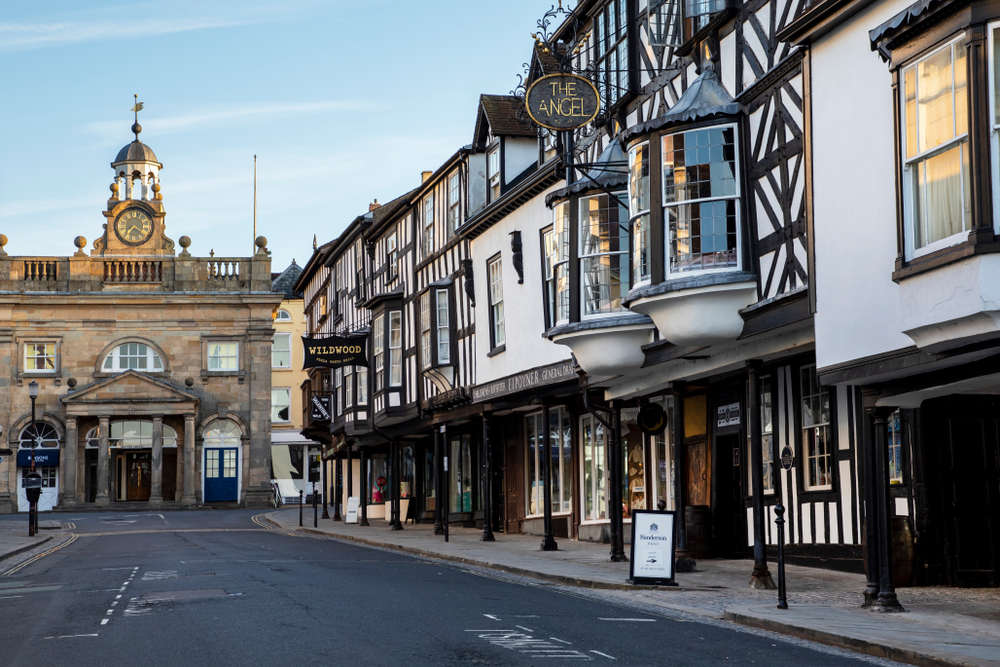
Ludlow is a medieval market town located in the picturesque Shropshire Hills, renowned for its historic buildings and scenic views. The town’s historic mills are located near the River Teme, where waterwheels once powered industries that ranged from fulling mills to corn grinding. These mills are carefully preserved, with footpaths that lead through beautiful countryside and provide access to ancient waterwheels still standing proudly. Walking along the footbridges across the river gives visitors an opportunity to admire the picturesque mills and the surrounding natural beauty.
The town’s rich history is displayed in its well-preserved architecture, which includes the Ludlow Castle and the old mill buildings scattered along the riverbanks. As you walk through the village, you can enjoy the peaceful sounds of the river and the gentle turn of the waterwheels. The mills were once vital to Ludlow’s economy, serving both local farmers and the broader community. Today, they serve as a reminder of the village’s industrial past and are an essential part of its historical charm.
Kilmartin Glen, Scotland
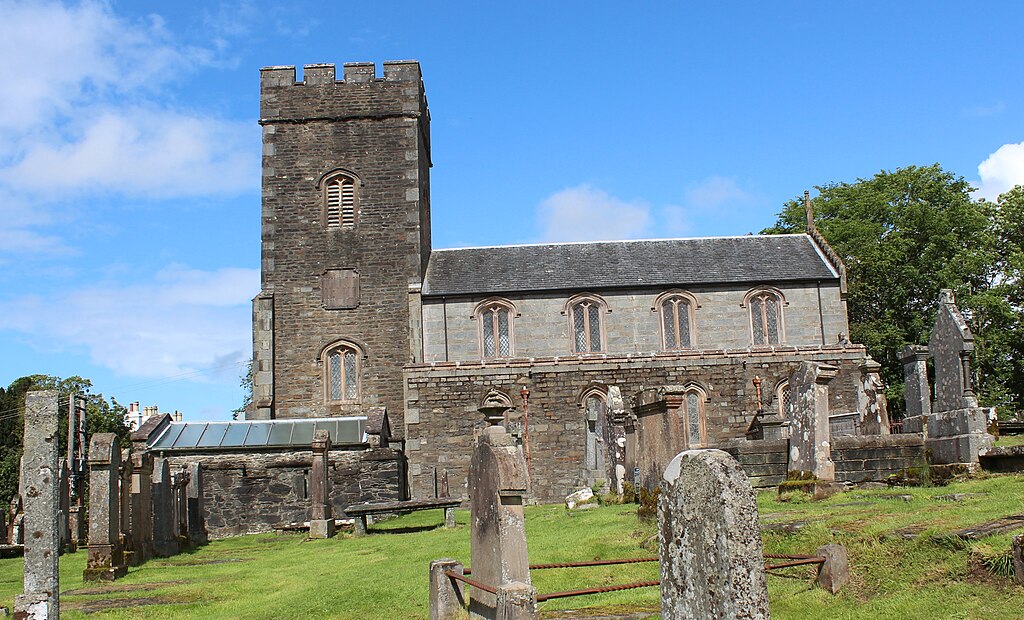
Kilmartin Glen, located in the heart of Argyll, Scotland, is home to some of the oldest and most important archaeological sites in the UK. The village is known for its ancient watermills that were part of the local economy for centuries. These mills were powered by the nearby streams and rivers, and the waterwheels were an integral part of daily life. The footpaths that run alongside these rivers are perfect for walking, offering views of the historic mills, stone circles, and burial cairns that dot the glen.
The surrounding landscape is breathtaking, with rolling hills and tranquil streams that provide a peaceful backdrop for those exploring the area. Kilmartin Glen is a blend of natural beauty and historical significance, with its ancient sites offering a unique experience. The preserved waterwheels stand as monuments to the past, reflecting the ingenuity of the communities that once relied on them. Visitors can enjoy a stroll through history, connecting with both the natural and cultural heritage of Scotland.
Pella, Iowa, USA
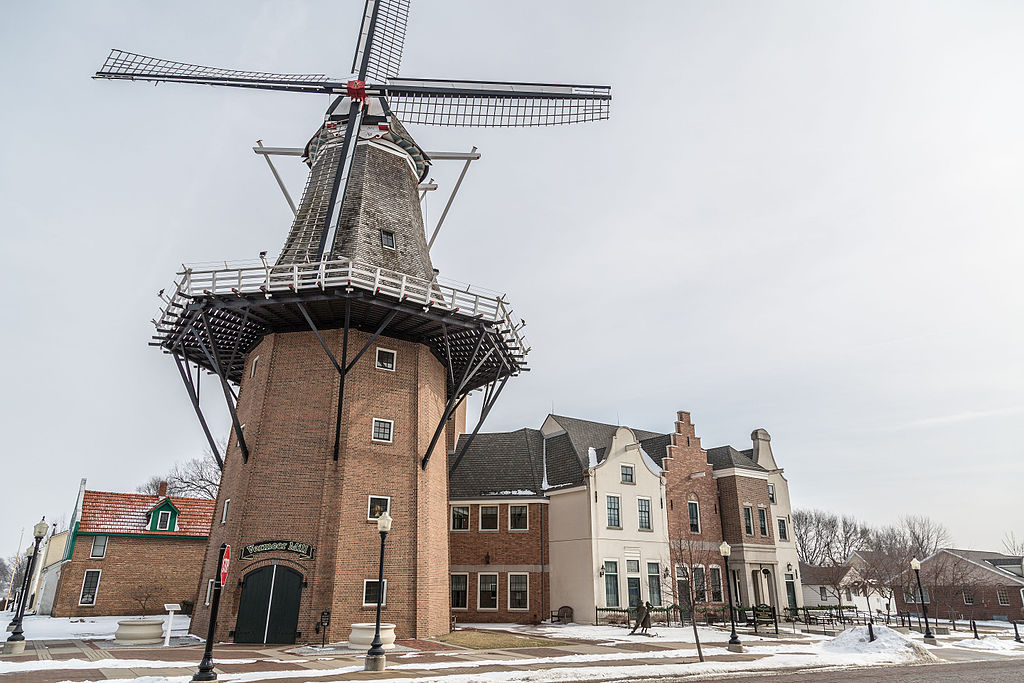
Pella, a small town in Iowa, is known for its Dutch heritage and charming windmills. The town is home to a traditional Dutch-style windmill that was once used to grind grain and still stands proudly in the town center. Visitors can explore the mill and learn about its history through informative displays and demonstrations. The nearby footbridges cross the rivers and streams that were once harnessed to power the mill, providing scenic views and a peaceful atmosphere.
Pella’s unique blend of Dutch architecture and American history creates a captivating atmosphere. The windmill, a symbol of the town’s heritage, is a centerpiece that attracts visitors from all over the world. Exploring the surrounding area, you can admire the historic buildings and gardens that reflect Pella’s cultural roots. With its well-maintained footbridges and easy access to the mill, Pella offers an enriching experience for those interested in cultural history.
Linton, England
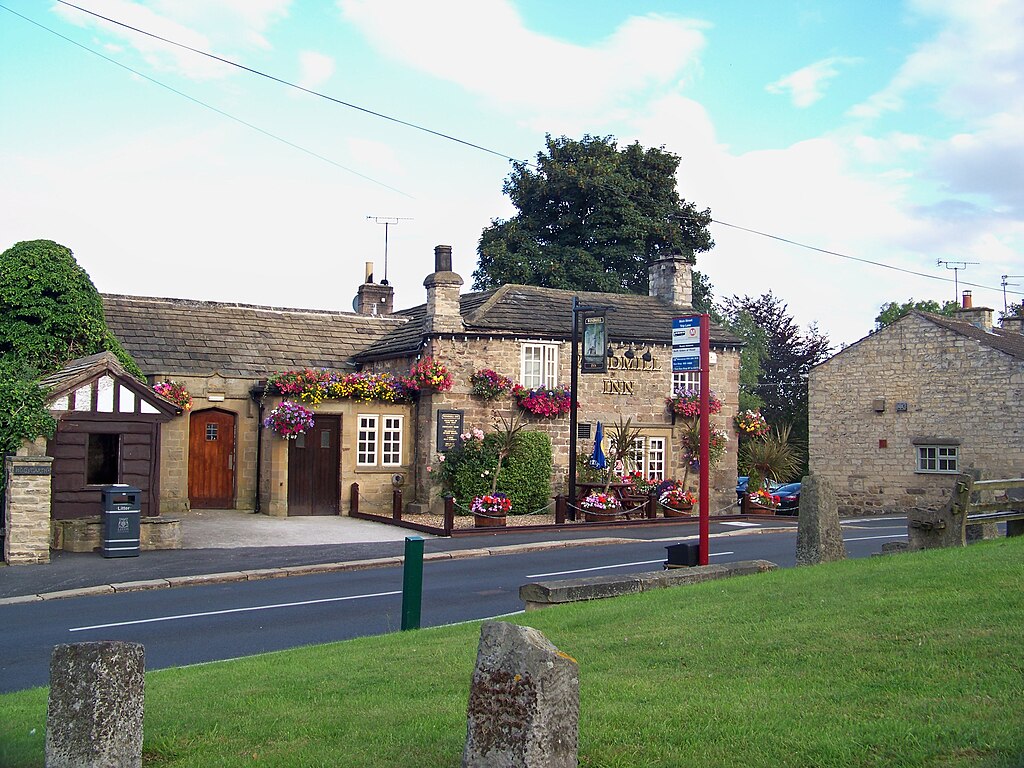
Linton is a picturesque village located in the Cotswolds, known for its charming old mills and rustic waterwheels. The Linton Mill, which dates back to the 17th century, is a significant part of the village’s history and has been preserved to show how it operated in its prime. Visitors can enjoy walking along the peaceful footpaths that wind through the village and along the river, offering views of the old mill buildings and their waterwheels. The natural beauty of the area, with its tranquil streams and rolling hills, makes it a perfect destination for nature lovers and history buffs alike.
The village of Linton offers a glimpse into the industrial past of the Cotswolds. The mills in the area were once integral to the local economy, serving as hubs for grinding grain and processing wool. Today, the preserved waterwheels and the surrounding footbridges offer visitors the chance to experience a piece of history while enjoying the area’s natural beauty. Whether you’re exploring the mill or simply taking in the views from a footbridge, Linton offers a peaceful and enriching experience for anyone interested in the region’s heritage.
Doolin, Ireland
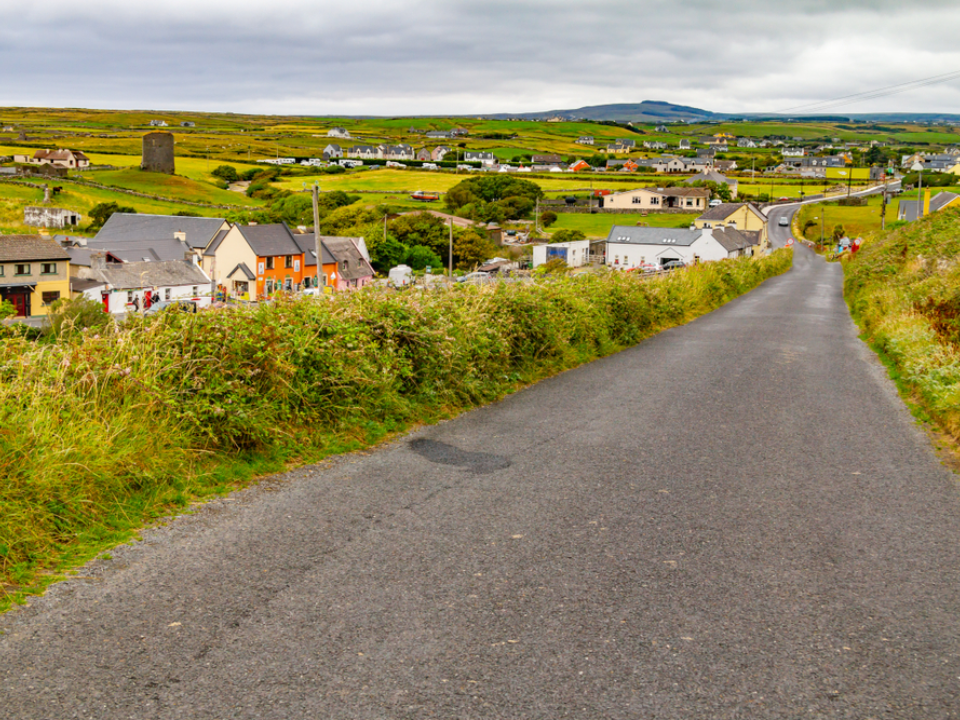
Doolin, located on Ireland’s rugged west coast, is a village steeped in history and surrounded by breathtaking landscapes. The village’s historic mills, powered by the nearby rivers, were once used to grind grain and serve the local farming community. The waterwheels, some of which are still in place, are a reminder of the area’s agricultural past. Visitors can cross footbridges over the rivers and enjoy a quiet walk along the paths that take them past the old mill sites.
Doolin’s mills are an important part of the village’s history, which is deeply connected to the land and the water that surrounds it. The town’s location near the Cliffs of Moher adds to the beauty of the experience, offering a stunning backdrop for a walk through history. The footbridges allow visitors to access scenic viewpoints and appreciate the blend of nature and heritage. For anyone interested in both Irish culture and natural beauty, Doolin is a must-see destination.
Tewkesbury, England
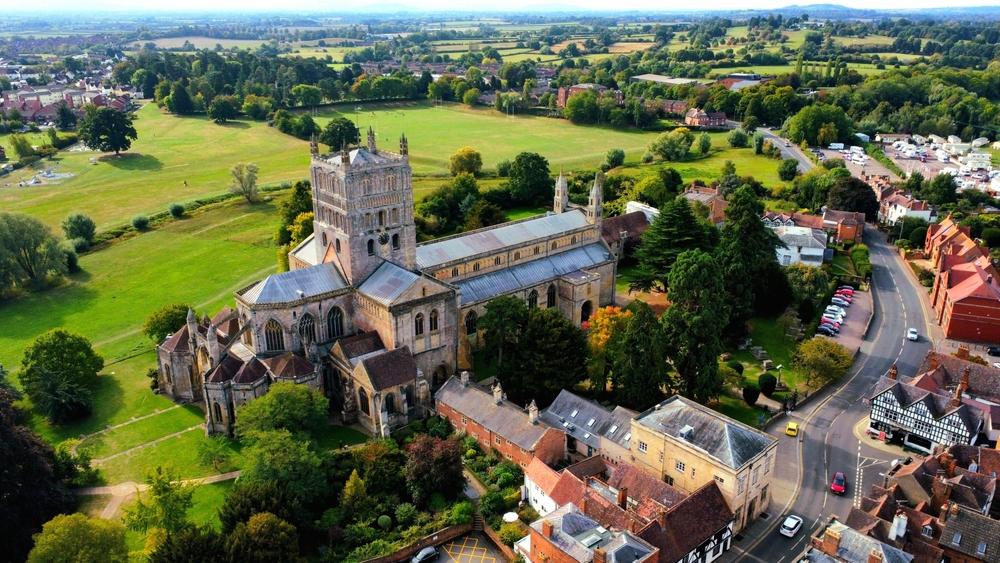
Tewkesbury, located at the confluence of the River Severn and the River Avon, is known for its rich history and well-preserved medieval buildings. The village’s historic mills were powered by the rivers, and several waterwheels remain intact today. Tewkesbury’s mills played a crucial role in the local economy, grinding grain and processing wool. Footbridges spanning the rivers give visitors easy access to these historic sites, offering picturesque views of the water and the surrounding countryside.
The mills of Tewkesbury represent an important chapter in the village’s industrial history. The preserved waterwheels are a testament to the village’s role in England’s agricultural economy. Visitors can explore the old mills and learn about the impact they had on the region’s development. The village’s combination of natural beauty and historical significance makes it a perfect destination for those interested in both history and scenic walks.
Nantucket, Massachusetts, USA
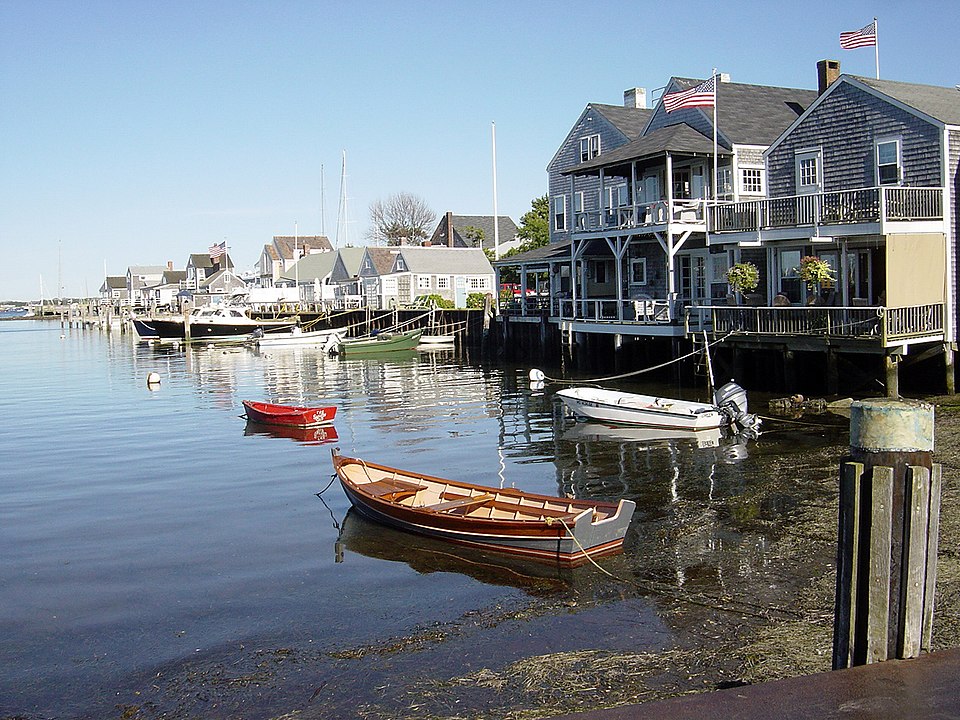
Nantucket, an island off the coast of Massachusetts, is known for its beautiful landscapes and historical significance. The island’s mills, powered by the surrounding waters, played an important role in the local economy, especially in the production of flour. The waterwheels, although few remain, are still visible in some of the village’s most charming areas. The footbridges that span the island’s streams offer visitors a chance to walk through the past and experience the tranquil beauty of Nantucket.
The island’s history is closely tied to the whaling industry, but the mills and waterwheels were vital to the day-to-day life of the island’s early settlers. Today, visitors can explore the quaint village streets and walk along the footpaths that lead to the old mill sites. The peaceful sounds of the water and the picturesque views of the surrounding landscapes make Nantucket an ideal destination for those looking to enjoy both history and nature. With its well-preserved historical sites and scenic beauty, Nantucket remains a hidden gem for visitors.
Boroughbridge, England
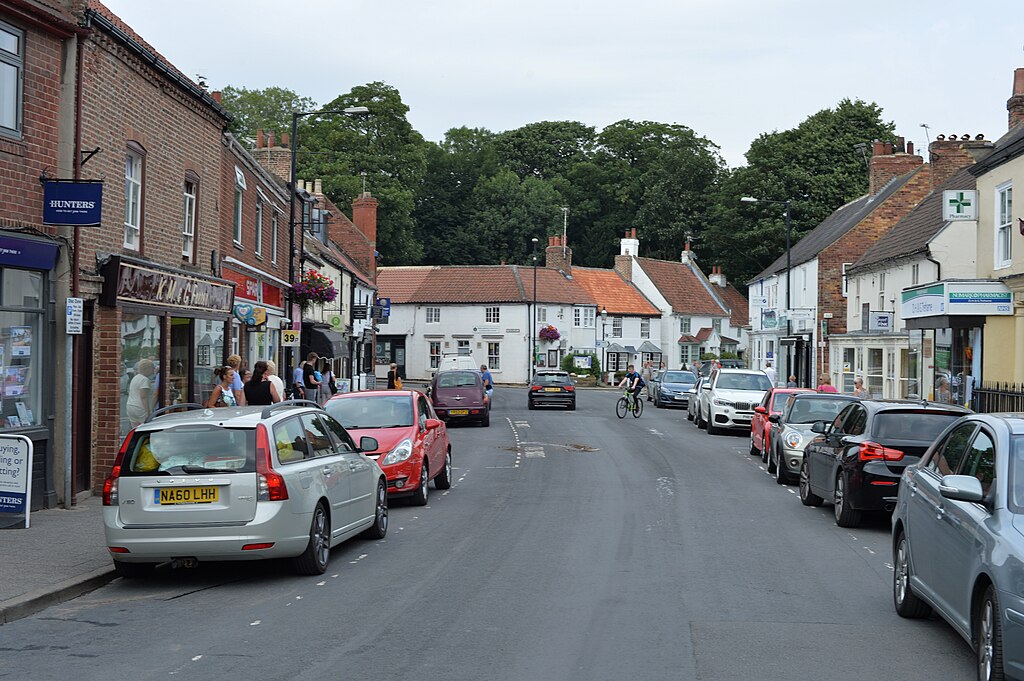
Boroughbridge, located in North Yorkshire, is a small village with a rich history tied to its watermills. The village’s mills were historically powered by the River Ure, with waterwheels providing the energy needed to grind grain and process wool. Today, visitors can explore these historic mills, some of which have been carefully restored. The footpaths and footbridges that cross the river offer peaceful walks with stunning views of the surrounding countryside.
The mills of Boroughbridge are integral to the village’s history, representing a time when water power was essential to local industry. Visitors can walk along the footpaths that lead through the area, taking in the sights of the old waterwheels and the picturesque landscape. The peaceful setting makes it a perfect place to relax and reflect on the village’s past. Boroughbridge’s combination of history, nature, and tranquil beauty makes it a must-visit destination for history buffs and nature lovers alike.
This article originally appeared on Avocadu.