
12 Directors Who Write From Cabin Porches
In a world where many filmmakers are constantly on the move, some prefer a slower pace. For them, a cabin porch provides the perfect environment to put pen to paper. The quiet atmosphere helps them focus on the stories they want to tell. Away from the distractions of modern life, their best ideas emerge.
This post may contain affiliate links, which helps keep this content free. Please read our disclosure for more info.
Quentin Tarantino
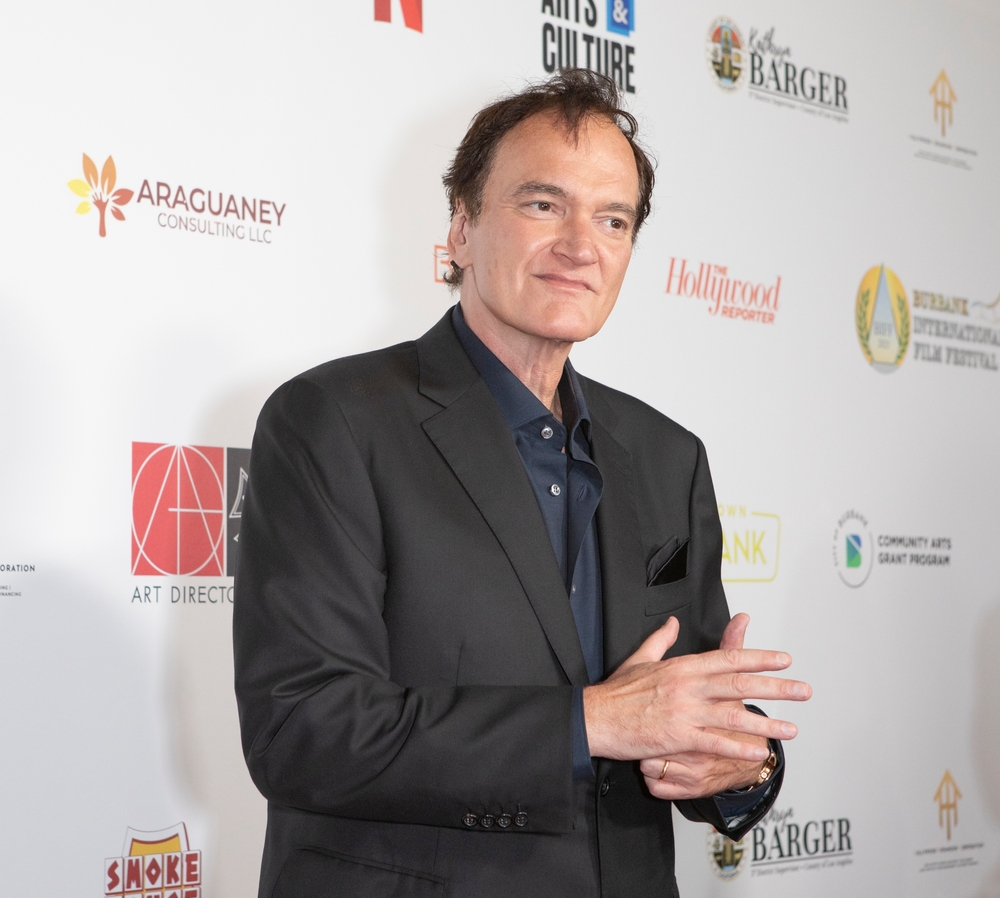
Quentin Tarantino is known for his unique storytelling style and knack for blending genres, but what many don’t know is that he finds inspiration in nature. Tarantino has mentioned that he enjoys writing in seclusion, often retreating to a cabin in the mountains to focus on his scripts. These quiet environments allow him to concentrate and develop the complex characters and dialogue that are signature to his films. With fewer distractions, he’s able to fully immerse himself in his creative process.
His cabin writing retreats are a way for Tarantino to reconnect with the essence of his craft. While some directors prefer the hustle and bustle of city life, Tarantino embraces solitude. The fresh air and peaceful surroundings give him the space to think deeply about his next big project. It’s in these tranquil moments that some of his best-known films have come to life.
David Lynch
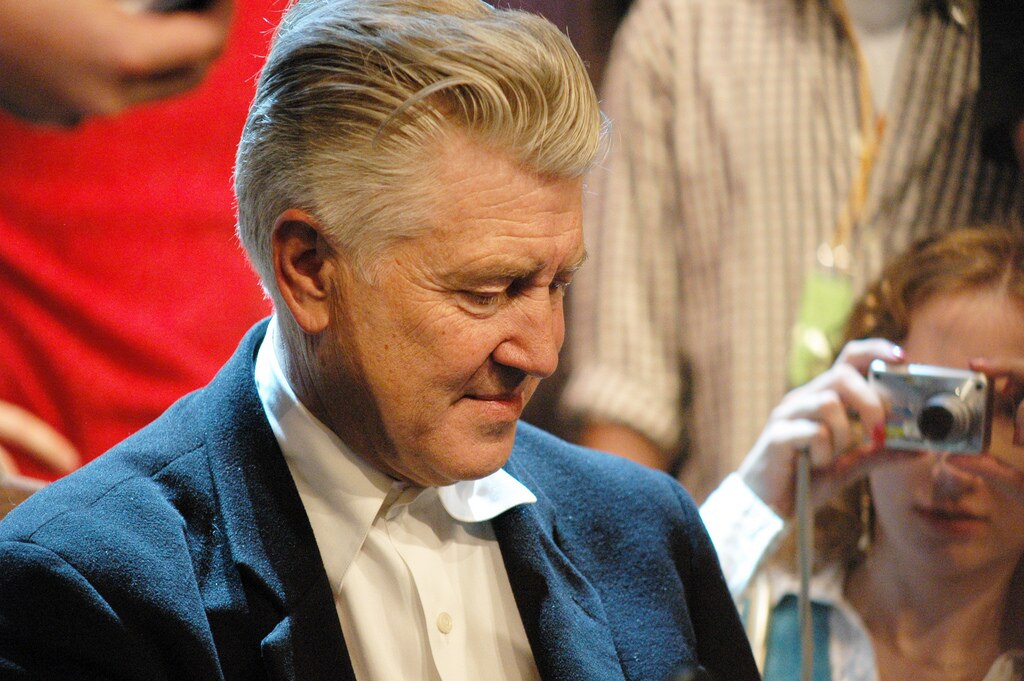
Known for his surreal, dreamlike films, David Lynch has always gravitated toward quiet, isolated spaces to write and reflect. His cabin porch retreats are a cornerstone of his creative process, where he can sit and let ideas flow without the usual distractions of city life. Lynch has spoken about how the peace of nature helps him access his subconscious, which is crucial for the bizarre narratives he’s known for. The cabin setting allows him to dig deep into the unknown, a hallmark of his filmmaking style.
Lynch’s writing process is highly intuitive, and his cabin retreats offer him the calm he needs to follow his instincts. The serene environment allows him to focus on the inner workings of his mind, which often leads to the creation of his most enigmatic stories. For Lynch, the solitude of his cabin porch is essential for maintaining his creative vision and achieving the complex layers of his films. In these moments, he taps into a world of abstraction and complexity that defines his work.
Sofia Coppola

Sofia Coppola’s films often explore themes of isolation and introspection, and her cabin porch writing retreats are the perfect setting for such explorations. Known for her minimalist style, Coppola has said that she finds solace in quiet spaces, where she can focus deeply on her characters and their inner lives. The natural surroundings of a cabin provide the calm necessary for her to develop the subtle emotions that define her work. Away from the busy city, she can fully immerse herself in her creative process.
In these retreats, Coppola has the space to reflect on her personal experiences and translate them into her films. She often uses her time in nature to get away from the pressures of the industry and explore the delicate dynamics of human relationships. Her films, like Lost in Translation and The Virgin Suicides, benefit from her time in such tranquil settings. The peace of her cabin retreats allows her to focus on the emotional depth that makes her stories resonate with audiences.
Robert Redford
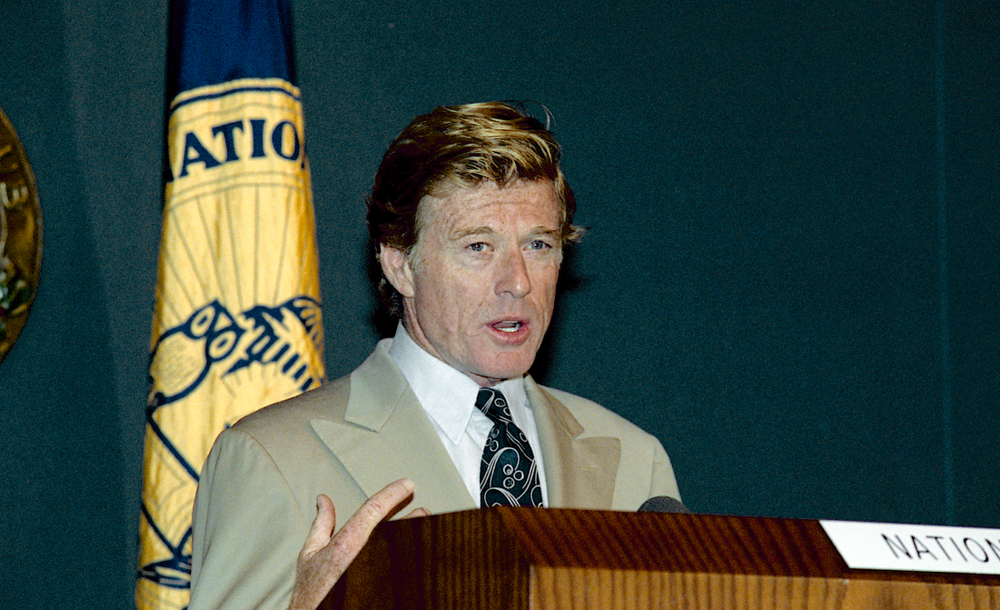
Robert Redford, a legendary figure in Hollywood, has long been a fan of quiet retreats for his writing process. His cabin in the Utah mountains offers a peaceful, inspiring setting for him to craft scripts that often explore themes of nature and personal reflection. Redford has stated that the seclusion of his cabin helps him focus on storytelling without the distractions of city life. The serene environment is the perfect place for him to develop the characters and settings that populate his films.
The cabin’s isolation provides Redford with the opportunity to reflect deeply on the themes he wants to explore in his films. Whether he’s writing or thinking about new projects, this space helps him maintain a sense of clarity and purpose. His connection to the land and the natural world is evident in the films he creates, and these cabin retreats allow him to continue that connection. It’s in this solitude that some of his most thoughtful scripts come to life.
Wes Anderson
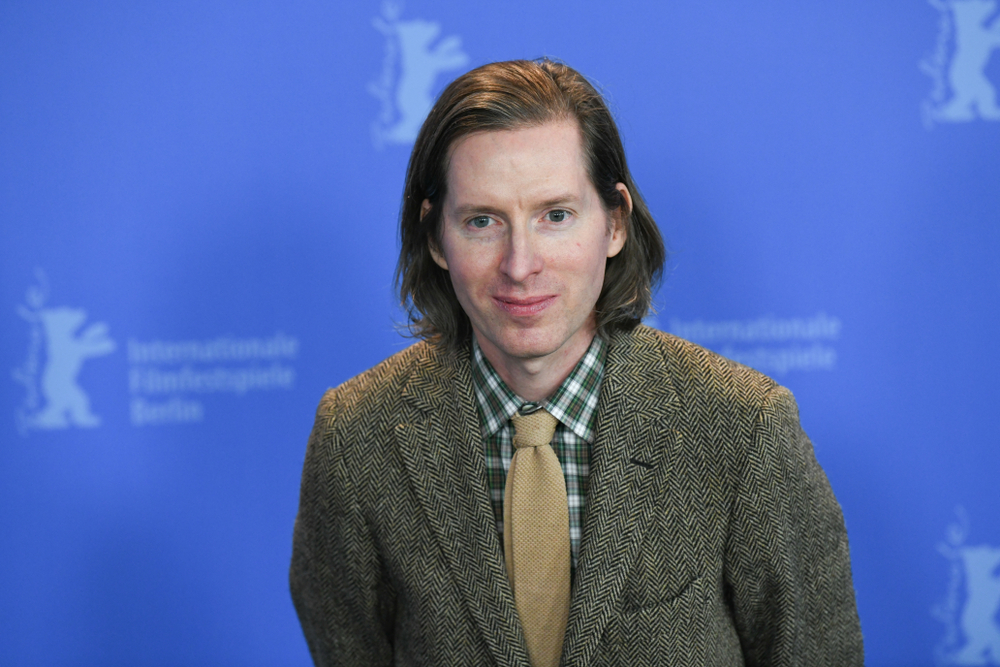
Wes Anderson is known for his visually distinct films and whimsical narratives, and his cabin porch serves as an ideal place for him to brainstorm and write. Anderson’s films often feature quirky characters and imaginative worlds, and the solitude of a cabin allows him to create these unique environments. Away from the distractions of city life, he can focus on the finer details of his stories, developing them with the precision for which he’s known. The cabin’s tranquility gives him the space to think and plan the intricacies of his stories.
Anderson has spoken about how the stillness of his cabin retreats helps him block out external noise and immerse himself in the world he’s creating. The calm setting also allows him to focus on the visual aspects of his films, which are often as important as the dialogue. Writing from a cabin porch helps him retain his signature style of symmetry and intricate design. It’s in these quiet moments that the colorful worlds of his films begin to take shape.
M. Night Shyamalan

Night Shyamalan, the director of films like The Sixth Sense, often writes in isolation, retreating to a cabin to find inspiration for his next project. Known for his twists and suspenseful storytelling, Shyamalan has found that these quiet, serene spaces help him focus on the nuances of his plots. The solitude allows him to take a step back and reflect on the elements of suspense and surprise that are key to his work. Away from the noise, he can consider every detail and how it will impact the final twist in his films.
In his cabin retreats, Shyamalan is able to tap into his creative instincts and develop the intricate plots that are the hallmark of his films. He has often said that the seclusion gives him the mental space to explore ideas without interference. These peaceful retreats allow him to fully engage with the suspenseful moments that keep his audience on the edge of their seats. For Shyamalan, the isolation of a cabin porch is an essential part of creating his thought-provoking stories.
Guillermo del Toro
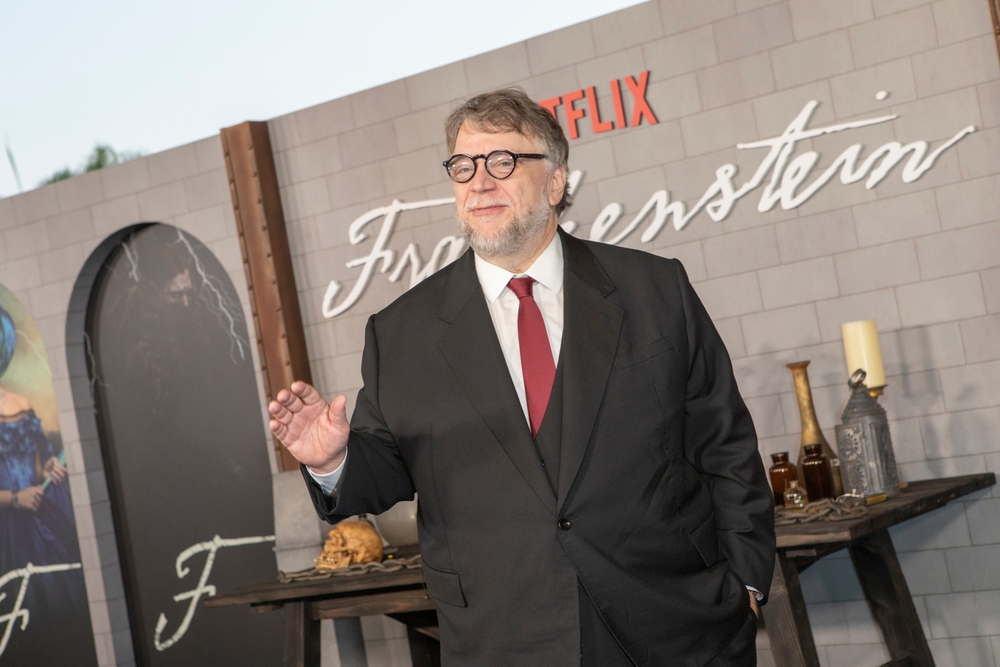
Guillermo del Toro’s films are known for their rich fantasy elements and deep emotional themes. He has often retreated to a cabin in the woods to write, away from the distractions of everyday life. The natural setting helps him reconnect with the themes of magic, monsters, and human emotion that often appear in his work. Del Toro has mentioned that the isolation allows him to focus on the fantastical elements that are central to his storytelling.
For del Toro, the solitude of a cabin provides the perfect space to dream up the complex worlds he brings to life on screen. Writing in such a tranquil environment helps him create the depth and detail for which he’s known. The quiet retreat gives him the space to immerse himself in both the horror and beauty of his stories. The cabin’s isolation allows him to focus on the intricacies that make his films so captivating and emotionally charged.
Greta Gerwig

Greta Gerwig, the director behind Lady Bird and Little Women, has found that writing from a cabin porch helps her focus on the emotional depth of her characters. Her films often explore the nuances of family and personal growth, and the quiet of a cabin offers the perfect setting for her to reflect on these themes. Gerwig has said that the solitude of a cabin gives her the space to connect with her stories on a deeper level. It allows her to concentrate on the details that make her films resonate with audiences.
In her cabin retreats, Gerwig finds the clarity needed to develop her characters’ emotional journeys. The peace of nature helps her get to the heart of her stories, bringing out the subtle moments that define her films. The natural surroundings give her the time to reflect on her own experiences, which often influence her work. Gerwig’s time in isolation helps her craft narratives that are both personal and universally relatable.
Paul Thomas Anderson
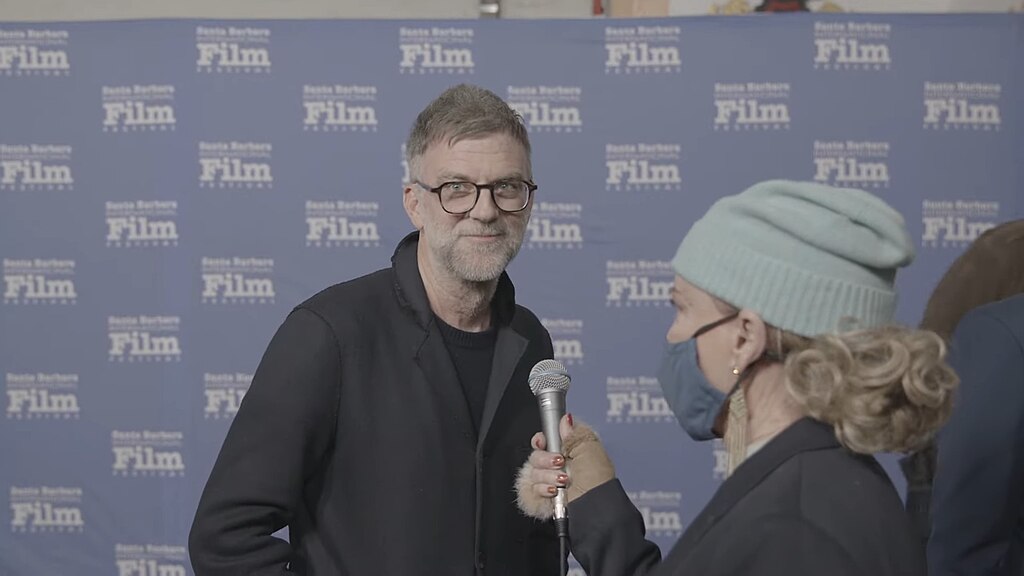
Paul Thomas Anderson, the director of There Will Be Blood and Boogie Nights, finds inspiration in the solitude of cabin retreats. His films, known for their complex characters and intricate plots, benefit from the quiet of nature, where he can focus without distraction. Anderson has said that these retreats give him the mental space to explore the deep, often dark themes of his work. The isolation helps him hone in on the emotional depth of his characters, which is central to his filmmaking.
For Anderson, writing in a secluded cabin allows him to escape the noise of the world and dive into the complexities of his stories. The peace of the natural world helps him reflect on the human condition, which is often a central theme in his films. His time in these quiet environments helps him craft the layered characters and narratives that have made him a respected figure in modern cinema. The cabin setting provides the space Anderson needs to shape the intricate worlds of his films.
Alexander Payne
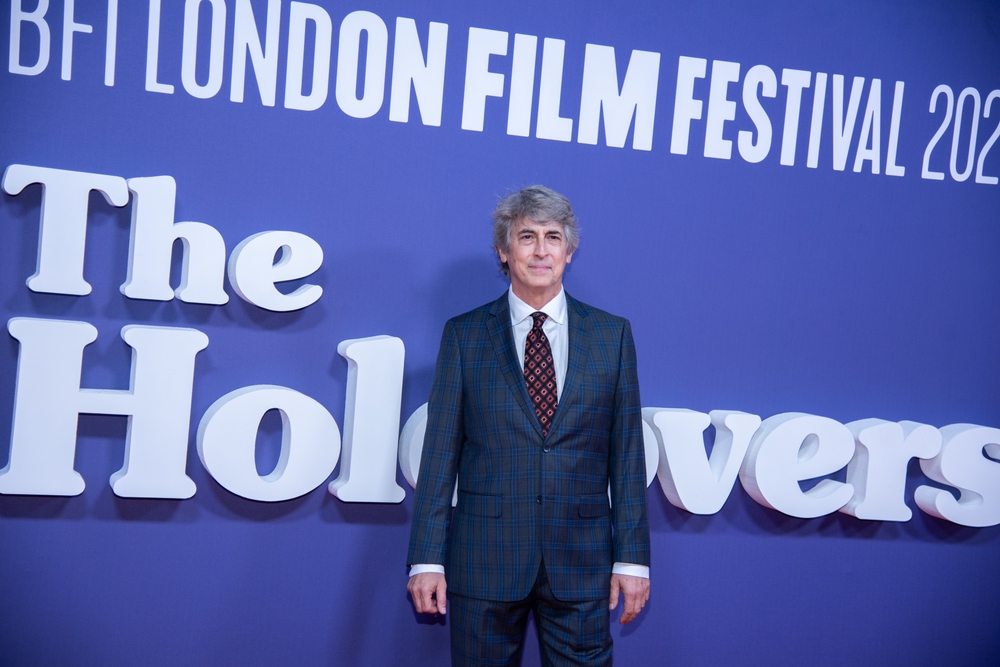
Alexander Payne is known for his sharp, character-driven stories, and he often writes from a cabin to fully develop his ideas. His films, such as Sideways and The Descendants, explore the complexities of personal relationships, and Payne has found that the solitude of a cabin retreat is the perfect place to reflect on these themes. Away from distractions, he can dive deep into his characters’ motivations and the emotional weight of their stories. The cabin’s quiet atmosphere provides him with the focus he needs to craft his narratives with precision.
In these isolated settings, Payne is able to explore the quiet moments that make his films so impactful. Writing in solitude allows him to focus on the subtleties of character development, which are central to his storytelling style. These cabin retreats help him reflect on the nuances of human relationships, allowing him to build stories that resonate with audiences. The calm of nature offers Payne the clarity to develop his films with the emotional depth that defines his work.
Taika Waititi

Taika Waititi, known for his unique sense of humor and vibrant storytelling, enjoys writing in solitude, often retreating to a cabin to work. His films, like What We Do in the Shadows and Thor: Ragnarok, balance quirky humor with emotional depth. Waititi has said that the isolation of a cabin helps him focus on the creative aspects of his projects without outside distractions. The quiet of nature gives him the freedom to experiment with ideas and develop his distinct voice.
For Waititi, the cabin is the perfect space to reflect on the blend of comedy and drama that defines his films. Writing in such an environment allows him to explore different storytelling techniques and discover new ways to approach his work. The peaceful surroundings give him the mental space to take risks with his projects, which often lead to unexpected and delightful results. In these quiet moments, Waititi’s creative ideas come to life, ready to be shared with the world.
Richard Linklater
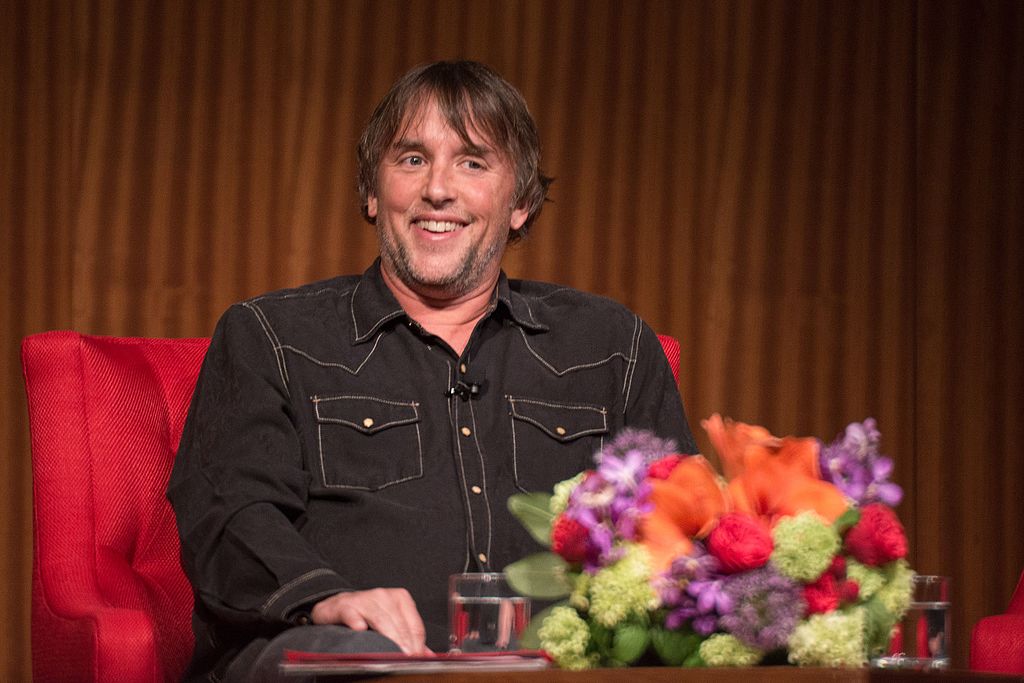
Richard Linklater, the director behind Boyhood and Dazed and Confused, has found that a cabin porch provides the ideal environment for his reflective writing process. Known for his dialogue-driven films, Linklater values the quiet time to contemplate the human experience. The calm setting of a cabin allows him to focus on the subtle nuances of conversation and character development. It also offers him the space to reflect on the larger themes of time, memory, and personal growth that are central to his films.
In his cabin retreats, Linklater finds the solitude necessary to explore the philosophical and emotional aspects of life. The peaceful environment helps him connect with his characters’ journeys and the natural flow of their relationships. This space allows him to carefully craft the dialogues that have made his films so impactful. For Linklater, the cabin retreat is essential for reflecting on the passage of time and the intimate moments that define his work.
This article originally appeared on Avocadu.