
14 Skin Barrier Basics for February When Everything Feels Dry
Skin can be particularly vulnerable during February’s dry, chilly weather, which makes understanding your skin barrier even more important. This natural shield works to lock in moisture and protect against harmful irritants. With a few simple changes, you can help restore your skin’s balance and hydration. The key to healthier, more resilient skin is knowing the right steps to take.
This post may contain affiliate links, which helps keep this content free. Please read our disclosure for more info.
Use a Gentle, Non-Soap Cleanser
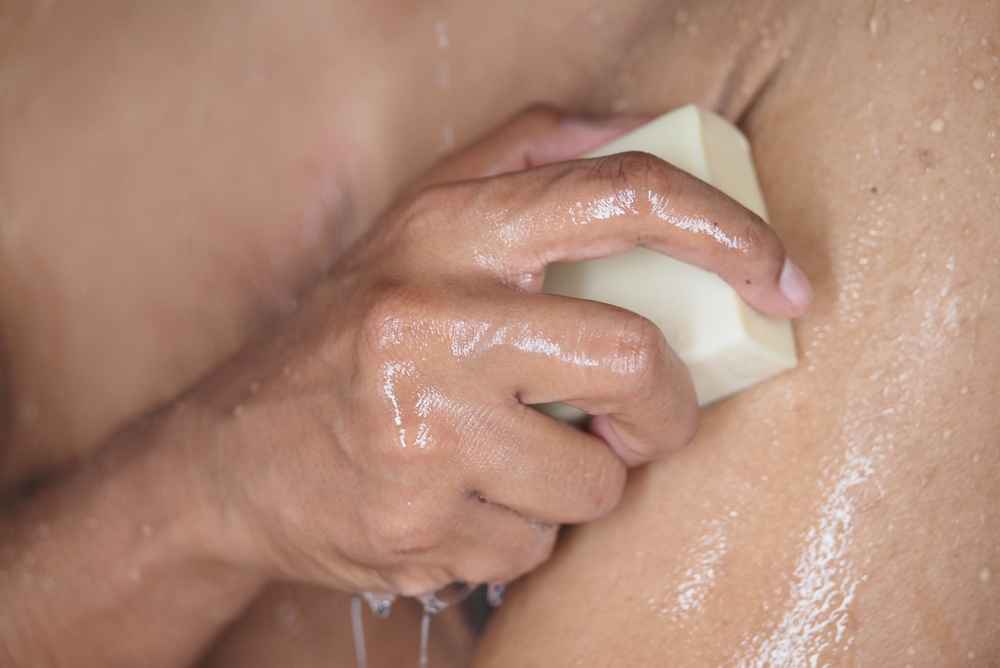
Harsh soaps can strip your skin of its natural oils, leading to an impaired skin barrier. In February, when the air is dry and cold, it’s even more important to choose a gentle, non-soap cleanser. Look for cleansers that are formulated with hydrating ingredients like glycerin or hyaluronic acid. These ingredients help draw moisture to the skin, keeping it hydrated while cleansing. Opting for a non-foaming formula is a great way to ensure that your skin does not lose its natural moisture balance.
Cleanse your face and body without disrupting your skin’s protective layer by using lukewarm water. Avoid hot water, as it can further dry out the skin and compromise the barrier. A gentle, hydrating cleanser will leave your skin feeling soft and smooth without feeling tight or dry. Make this switch as part of your daily routine for healthier, more balanced skin throughout the winter.
Apply a Humidifier at Home

Indoor heating systems often dry out the air in your home, which can lead to a dry and irritated skin barrier. Using a humidifier in your living space helps maintain moisture in the air, preventing your skin from becoming overly dry. A humidifier works by releasing water vapor, which increases humidity levels and prevents the skin from losing moisture. It can be especially beneficial while you sleep, as your skin has time to absorb the moisture in the air.
To make the most of your humidifier, place it near your bed or in your most-used room to help balance out the dry indoor environment. Keep it clean to avoid bacteria or mold build-up, which could irritate your skin. A humidifier is a simple way to support your skin barrier during dry winter months and keep your skin hydrated around the clock.
Moisturize with a Rich, Emollient Cream
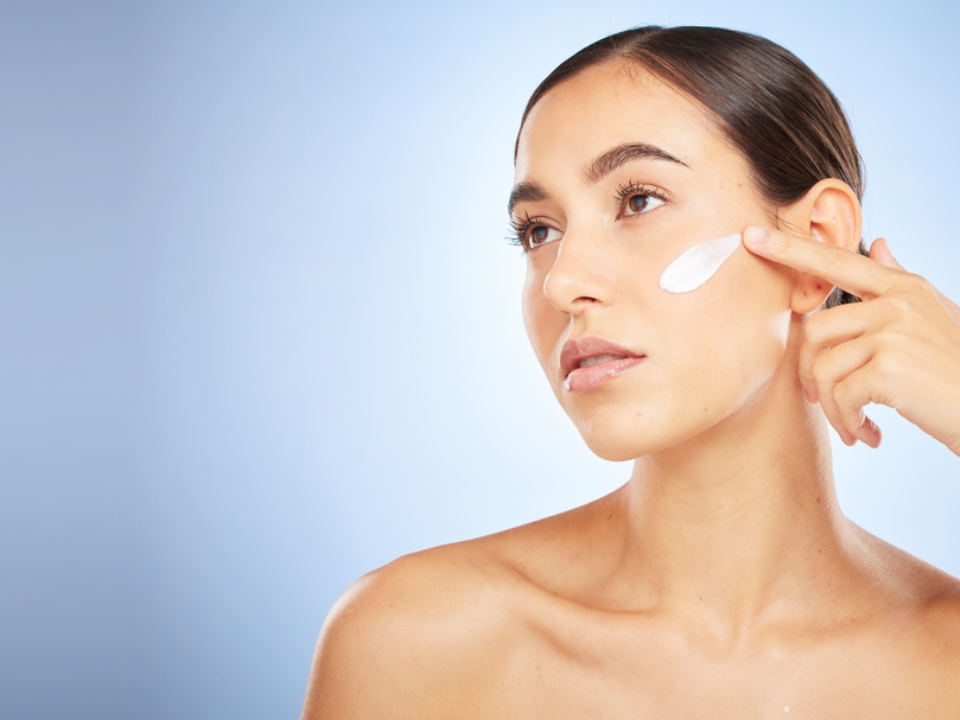
In cold weather, your skin loses moisture quickly, making it vital to use a rich, emollient moisturizer. These creams are packed with ingredients like ceramides and fatty acids, which help restore the skin’s natural barrier. Applying this type of moisturizer helps lock in hydration, keeping your skin feeling smooth and nourished throughout the day. Be sure to apply it immediately after a shower while your skin is still damp for maximum benefit. This simple step can provide long-lasting moisture protection even on the driest days.
For those experiencing excessive dryness, consider opting for a thicker, more occlusive cream. This will create a protective layer that prevents moisture from escaping and shields your skin from harsh external factors. When using a rich moisturizer, focus on areas that tend to get drier, such as your hands, elbows, and knees. The right moisturizer works to replenish the skin’s lipid barrier, preventing further irritation from cold, dry air.
Choose Hydrating Face Masks
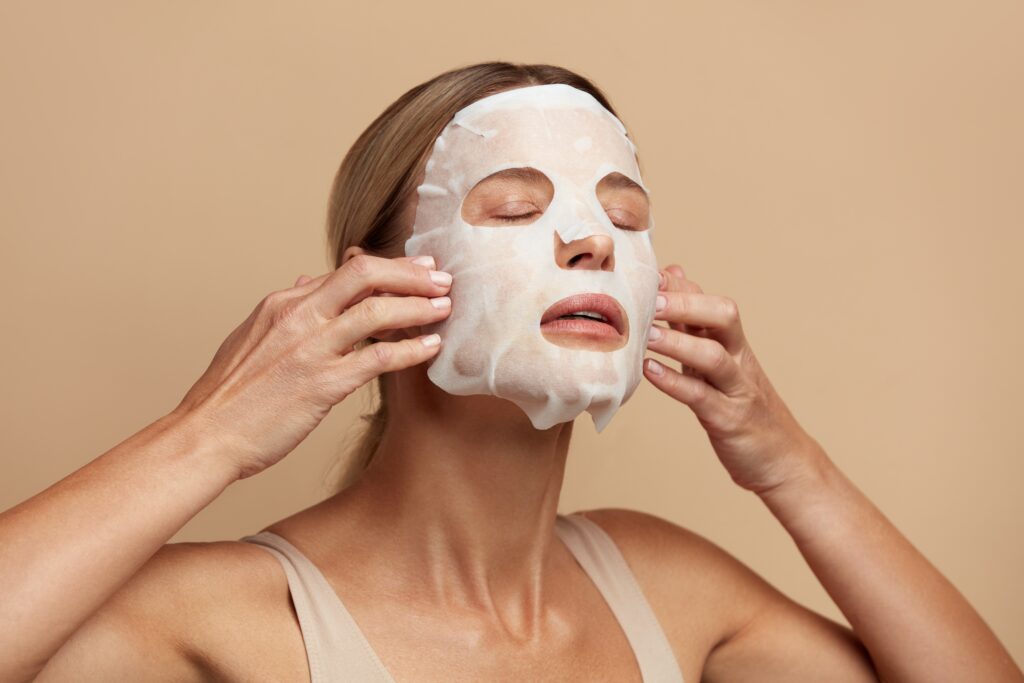
Hydrating face masks are an excellent way to give your skin a moisture boost when it feels particularly dry. They are often packed with ingredients like aloe, honey, or glycerin, which provide deep hydration and repair the skin barrier. Once or twice a week, apply a hydrating mask for 10-15 minutes to lock in moisture and help soothe any dry patches. This extra step helps restore hydration levels, leaving your skin plump and refreshed.
Look for face masks that cater to dry skin and avoid those with harsh exfoliating properties. If your skin is particularly dry, look for masks designed for overnight use to provide prolonged hydration. These masks help strengthen the skin’s natural barrier, allowing it to retain moisture for longer periods.
Avoid Over-Exfoliating Your Skin
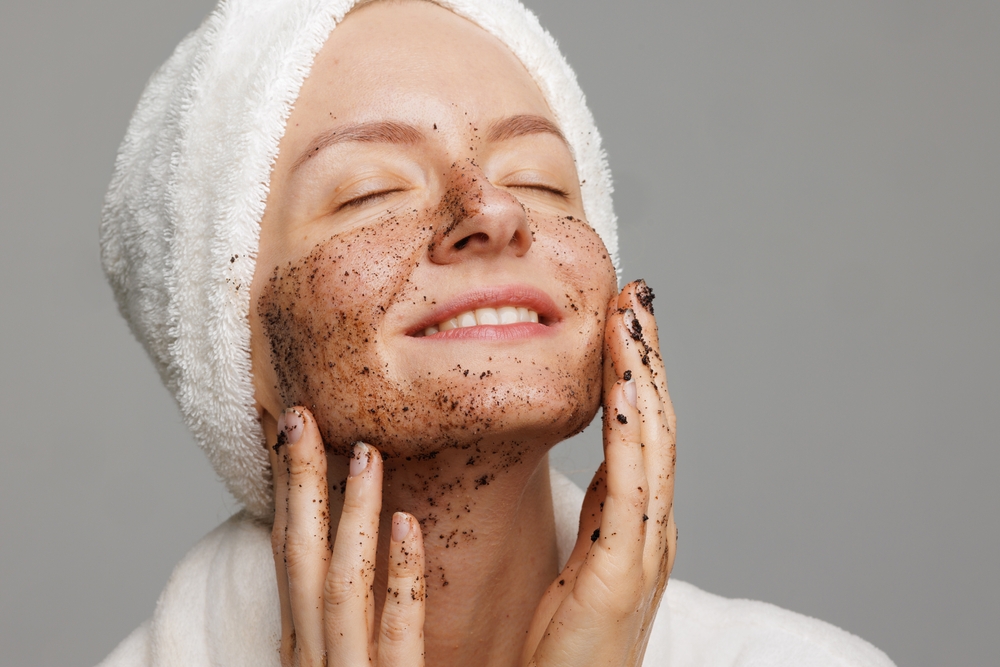
While exfoliating can help remove dead skin cells, over-exfoliating can damage the skin barrier, leading to irritation and dryness. During colder months, it’s especially important to be gentle with exfoliation. Instead of harsh scrubs, opt for mild exfoliants like enzymatic or chemical exfoliants that are less abrasive. Exfoliate just once or twice a week to prevent over-stripping your skin’s natural oils and moisture.
If you feel that your skin barrier has been compromised, it’s best to take a break from exfoliation for a while. Over-exfoliation can lead to increased dryness and sensitivity, so it’s important to balance exfoliation with proper hydration. By using the right exfoliant and frequency, you’ll help your skin retain its natural protective layer.
Avoid Long, Hot Showers

Long, hot showers might feel relaxing, but they can do more harm than good to your skin barrier. Hot water strips your skin of its natural oils, leading to dryness and irritation. Try to limit your shower time to 5-10 minutes and use lukewarm water instead. If you enjoy hot showers, make sure to follow up with a rich moisturizer while your skin is still damp to help lock in moisture.
In the winter months, when your skin is more prone to dryness, a shorter shower is less likely to disrupt your skin’s natural defenses. Pay attention to the temperature of the water and focus on gentle cleansing to avoid further drying out your skin. This small change can have a big impact on how your skin feels and functions throughout the day.
Protect Skin with SPF Even in Winter

Even though it may not feel like the sun is strong during winter, UV rays still affect your skin and can damage the skin barrier. Using sunscreen with broad-spectrum protection is essential year-round, especially during the winter months when your skin is more vulnerable. Apply sunscreen every morning as the final step in your skincare routine, even on cloudy or overcast days. This helps prevent UV damage and supports the overall health of your skin barrier.
Look for sunscreen formulas that are hydrating and suitable for dry skin. Mineral sunscreens with zinc oxide or titanium dioxide are gentle on the skin and provide excellent protection. By adding SPF to your daily routine, you safeguard your skin against harmful rays while maintaining the integrity of your skin barrier.
Avoid Fragrance-Heavy Skincare Products
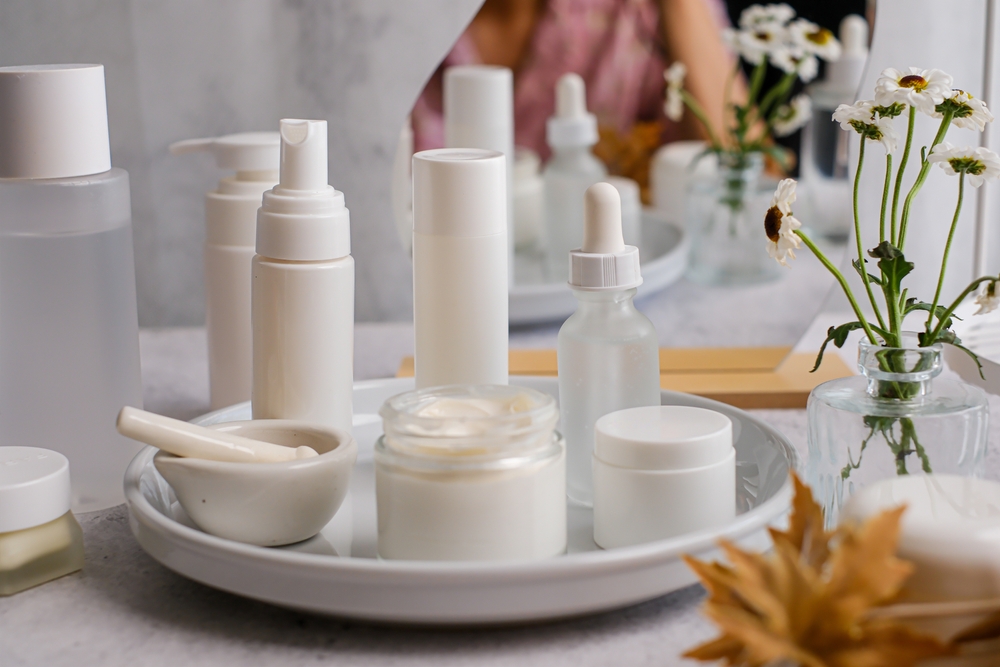
Fragrance in skincare products can cause irritation and dryness, especially when your skin is already struggling in the cold. Opt for fragrance-free moisturizers, cleansers, and serums to minimize the risk of skin irritation. When your skin is dry and sensitive, keeping it as simple as possible is key. Look for products that are specifically designed for dry or sensitive skin to avoid further stress on your skin barrier.
Fragrance-free products provide the hydration your skin needs without the added risk of inflammation or allergic reactions. These gentle formulas allow your skin’s natural protective barrier to heal and stay intact. Choose products that focus on nourishing and calming ingredients like aloe or chamomile for the best results.
Incorporate Skin Barrier-Friendly Oils
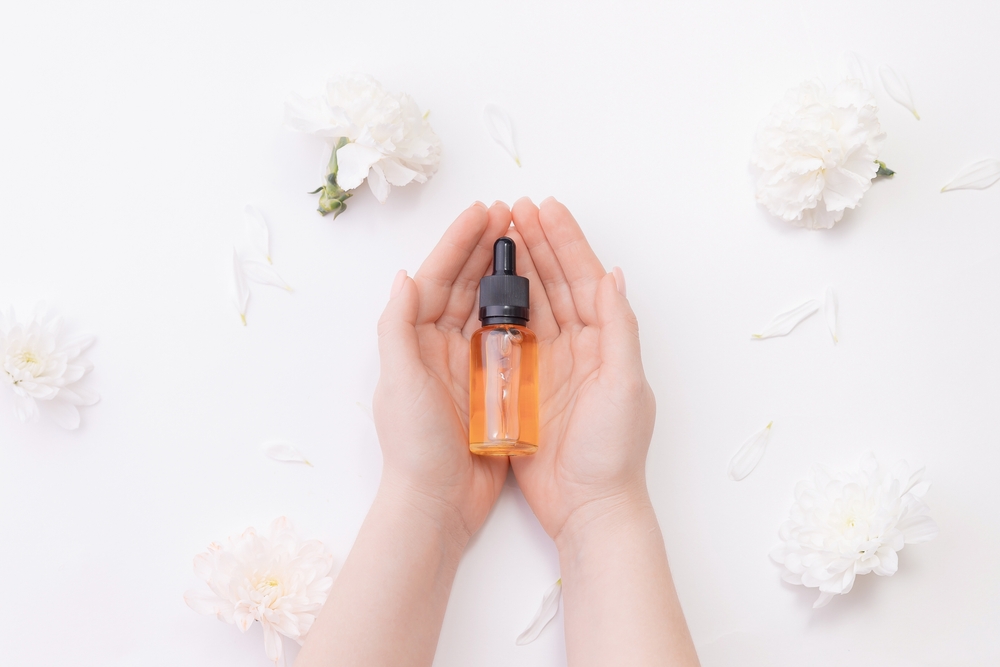
Certain oils, such as jojoba oil, argan oil, and rosehip oil, are great for restoring moisture to the skin and supporting the skin barrier. These oils are rich in essential fatty acids, which help rebuild the skin’s protective barrier. Applying a few drops of oil after moisturizing can help seal in hydration and prevent moisture loss throughout the day. Oils also help to soothe irritated or inflamed skin, making them perfect for dry, sensitive areas.
To use oils effectively, apply them to slightly damp skin after your regular moisturizer. This helps the oil absorb better and creates a barrier that locks in moisture. Just be sure to choose oils that are non-comedogenic, meaning they won’t clog your pores or cause breakouts.
Drink Plenty of Water

Staying hydrated internally is just as important as moisturizing externally. Drinking water throughout the day helps maintain hydration levels within your skin, keeping your barrier strong and intact. When you’re properly hydrated, your skin has a better chance of resisting dryness and irritation. Make sure to drink at least eight glasses of water daily to support your skin’s health, especially in the colder months.
If you’re finding it hard to drink water, try adding a slice of lemon or cucumber for flavor. You can also opt for herbal teas or water-rich fruits and vegetables, such as watermelon and cucumbers, to help hydrate your skin from within. Hydration is one of the easiest ways to help your skin barrier stay healthy, no matter the season.
Limit Alcohol Consumption

Alcohol can have a dehydrating effect on your body, which also affects your skin barrier. When you drink alcohol, it increases urination and can cause your skin to lose moisture. As a result, your skin becomes more prone to dryness, redness, and irritation. Limiting alcohol consumption can help maintain a well-hydrated skin barrier and prevent further damage.
If you do drink, make sure to drink plenty of water alongside it to help balance out its dehydrating effects. You can also apply extra moisturizer after drinking alcohol to combat dryness. Taking care of your body’s hydration levels plays a huge role in supporting your skin’s barrier function.
Avoid Harsh Skin Treatments During Winter
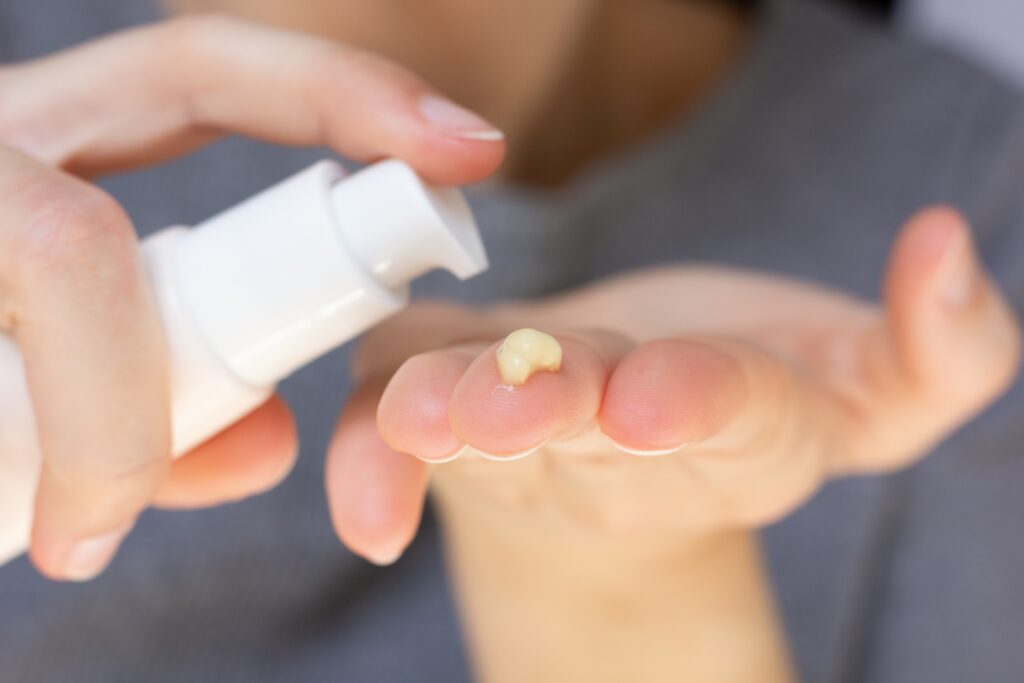
Winter is not the time to experiment with strong treatments like chemical peels or retinoids, which can further compromise the skin barrier. These treatments can cause irritation, redness, and peeling, all of which leave your skin more vulnerable to dryness. Instead, focus on soothing treatments that hydrate and repair, such as hydrating masks or gentle exfoliants. Gentle, barrier-repairing serums and creams are the best options during the cold months.
If you feel the need to use more active ingredients, stick to lower concentrations and patch test before applying to your face. Give your skin extra care by focusing on nourishing and repairing products that help restore the moisture balance in your skin barrier.
Use Overnight Hydrating Treatments

Overnight treatments, such as hydrating creams or sleeping masks, can work wonders for dry skin. These treatments are typically richer and more occlusive, allowing them to penetrate deeper into the skin overnight while you sleep. They help restore your skin’s natural moisture balance, giving you smooth, hydrated skin by morning. Overnight masks also help repair the skin barrier while you rest, allowing your skin to fully absorb their hydrating ingredients.
For maximum hydration, apply a hydrating mask after your regular skincare routine and leave it on overnight. You’ll wake up with softer, more nourished skin that feels rejuvenated. Look for masks that contain hyaluronic acid or ceramides to provide lasting hydration and strengthen the skin barrier.
Don’t Skip Your Lip Care Routine

The skin on your lips is more delicate than the rest of your face and can become chapped and cracked quickly in dry conditions. Keeping your lips hydrated is just as important as caring for the rest of your skin. Use a nourishing lip balm with ingredients like beeswax, shea butter, or lanolin to protect and hydrate your lips throughout the day. Make sure to reapply often, especially when you’re exposed to cold, dry air.
Lip masks are another great option for nighttime care. Apply a thicker lip balm or mask before bed to help your lips retain moisture overnight. Consistent lip care helps prevent dryness and chapping, allowing your skin barrier to remain intact even in harsh winter weather.
This article originally appeared on Avocadu.