
14 February Sleep Habits That Help You Feel Better Fast
Struggling with feeling tired or sluggish throughout the day? It might be time to rethink your sleep habits. Good sleep is not just about the time spent in bed but also about how you prepare for rest. Improving your pre-sleep routine and environment can help you wake up feeling more energized.
This post may contain affiliate links, which helps keep this content free. Please read our disclosure for more info.
Stick to a Consistent Sleep Schedule Every Day

Maintaining a regular sleep schedule is one of the best ways to improve your sleep quality. Going to bed and waking up at the same time each day helps regulate your body’s internal clock, making it easier to fall asleep and wake up. During February, when the days are shorter and daylight is scarce, a consistent schedule can help your body adjust to the lack of natural light. The winter months often throw off sleep patterns, so sticking to a routine will make it easier to feel rested and energized.
By keeping a consistent sleep routine, you also create a predictable pattern that helps your mind and body relax. This can lead to better sleep quality, making you feel more refreshed in the morning. Even on weekends, try to avoid staying up too late or sleeping in too much. This will help you maintain a healthier rhythm, which is essential for feeling your best during the colder months.
Create a Relaxing Pre-Sleep Routine

Establishing a calming pre-sleep routine is a great way to prepare your mind and body for a restful night. Activities like reading, stretching, or practicing mindfulness can help signal to your body that it’s time to wind down. You may want to light a candle, drink herbal tea, or listen to soothing music to help set the mood for rest.
A relaxing bedtime routine makes it easier to transition from a busy day to a peaceful night. It not only helps you sleep better but also allows your body to unwind from the stress of the day. Consider turning off electronics at least 30 minutes before bed to reduce stimulation. In the colder months, warming up your space will help you feel even more comfortable and ready to sleep.
Limit Caffeine and Alcohol Before Bed

What you consume before bed can greatly impact your sleep quality. Caffeine, found in coffee, tea, and some sodas, is a stimulant that can keep you awake longer, while alcohol may make you fall asleep faster but disrupts your sleep cycle. During February, when the nights are longer, these substances can have an even greater effect on your ability to stay asleep throughout the night. Avoid consuming caffeine after 3 p.m. and keep alcohol to a minimum to avoid disrupting your sleep.
Limiting these substances gives your body a better chance to relax and prepare for deep sleep. Caffeine and alcohol can interfere with the restorative sleep your body needs, leaving you feeling sluggish the next day. Try to drink water or herbal teas in the evening instead, which can hydrate your body and promote relaxation. Keeping your evening drinks light will help you feel more refreshed when you wake up.
Keep Your Bedroom Cool and Comfortable
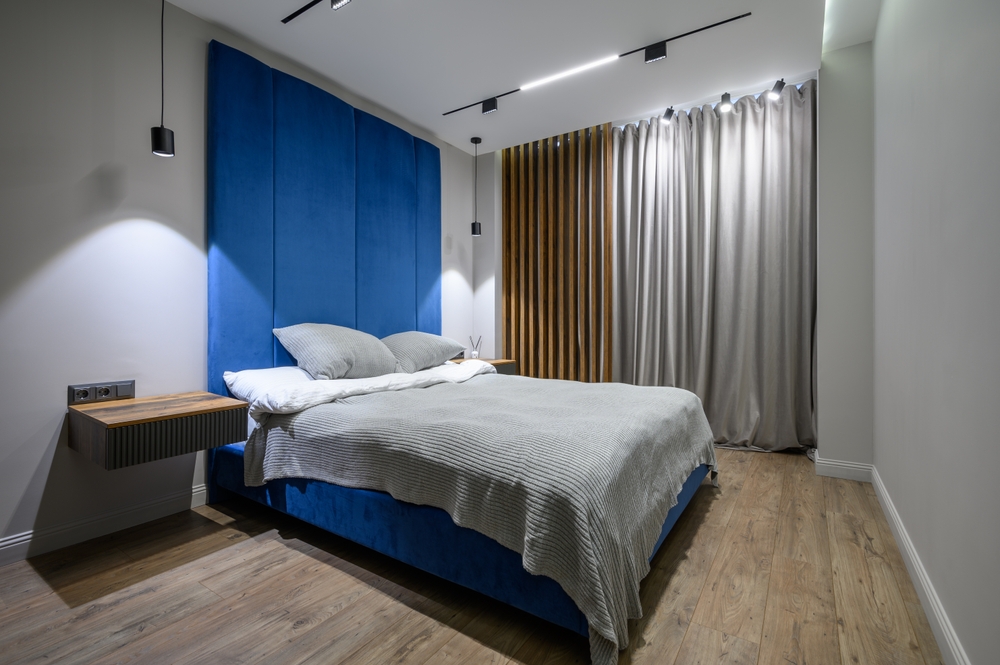
The temperature of your bedroom can influence how well you sleep. Experts suggest keeping your room cool, ideally between 60 and 67 degrees Fahrenheit, for optimal rest. When temperatures outside may be colder, it’s especially important to ensure your room isn’t too warm, as overheating can disrupt your sleep. Consider using lighter blankets or opening a window to let in fresh air, even if it’s chilly outside.
A cool bedroom environment allows your body to naturally lower its core temperature, which signals that it’s time to sleep. This promotes better sleep cycles and can make falling asleep faster. On particularly cold nights, a heavier blanket may help you stay comfortable without overheating. Finding the right balance of warmth and coolness is key for feeling your best when you wake up.
Get Some Morning Sunlight

Exposing yourself to natural sunlight in the morning helps regulate your body’s circadian rhythm, which controls your sleep-wake cycle. This is especially important in February when sunlight is limited and days are shorter. Getting outside for a walk or simply sitting near a window can help reset your internal clock, improving your mood and making it easier to sleep at night. The sunlight tells your body to stay awake during the day, so you’re more likely to sleep well when it’s time for bed.
Morning sunlight helps stimulate serotonin production, which not only boosts mood but also promotes better sleep at night. Even if it’s cloudy, getting outside for a few minutes each morning can help boost your energy and improve your sleep quality. During the winter months, it’s crucial to find ways to get natural light, as it can help fight seasonal affective disorder (SAD) and improve overall well-being.
Exercise Regularly, But Not Too Close to Bedtime

Regular physical activity can help you fall asleep faster and enjoy deeper sleep. It helps regulate your body’s sleep-wake cycle and reduces stress, which can keep you up at night. However, try to avoid exercising too close to bedtime, as it can make it harder for your body to wind down. Staying active can be harder due to colder weather, try indoor exercises like yoga or light stretching in the evening.
Exercising earlier in the day gives your body enough time to cool down and relax before bed. Aim to finish workouts at least three hours before you plan to go to sleep. The benefits of exercise on sleep are most noticeable when it becomes a regular part of your routine. In the winter months, even a light workout can help boost circulation and keep your sleep schedule on track.
Limit Naps During the Day

Napping can be a great way to recharge, but taking long naps during the day can interfere with your sleep at night. If you do need to nap, keep it to 20-30 minutes in the early afternoon. During February, when you might feel more tired due to the lack of sunlight, it can be tempting to nap longer, but this can affect your ability to fall asleep at night. Try to resist the urge to nap too late in the day, as it may leave you feeling wide awake when it’s time to go to bed.
Short naps can help improve your focus and productivity, but they should be timed carefully. If you do nap, make sure it doesn’t interfere with your sleep routine. Keeping your naps short and sweet helps avoid throwing off your sleep schedule. During February, staying active during the day and resisting longer naps can help you get better rest at night.
Avoid Heavy Meals Before Bed

Eating a large meal right before bed can cause discomfort and indigestion, making it harder to fall asleep. Try to finish your last meal of the day at least 2-3 hours before bed. In February, when comfort foods are more tempting, try to keep evening meals lighter and easier to digest. Foods like soup, salad, or light protein are great choices for an evening meal.
Heavy meals require more energy to digest, which can keep your body active while you’re trying to relax. Lighter meals allow your body to focus on rest instead of digestion, which helps you sleep more soundly. Eating earlier in the evening, instead of right before bed, can significantly improve how well you sleep.
Create a Sleep-Inducing Environment

Creating a sleep-friendly environment is key for better rest. Start by making sure your room is quiet, dark, and free from distractions. In February, when the nights are longer, it’s important to block out light and noise so you can fall asleep more easily. Consider using blackout curtains or a white noise machine if your bedroom is not as quiet as you’d like.
A calm environment allows your body and mind to relax, signaling it’s time to sleep. Turn off electronics at least an hour before bed to avoid the blue light from screens disrupting your sleep. A soothing atmosphere can make falling asleep quicker and help you sleep more soundly through the night.
Practice Relaxation Techniques Before Bed

Practicing relaxation techniques like deep breathing, meditation, or progressive muscle relaxation can help you wind down after a busy day. These techniques reduce stress and promote a feeling of calm, making it easier for you to fall asleep. During February, when cold weather can make it harder to unwind, taking a few minutes to relax before bed can help you sleep better.
Relaxation techniques are a great way to reduce racing thoughts and ease tension in your body. Simply sitting in a comfortable position, closing your eyes, and breathing deeply can have a significant impact. Incorporating these practices into your evening routine can improve your sleep quality over time.
Stay Hydrated, But Don’t Drink Too Much Before Bed

Staying hydrated throughout the day is important for your overall health, but drinking too much water right before bed can lead to frequent trips to the bathroom during the night. In February, when the air can be dry, it’s especially important to stay hydrated throughout the day. Try to limit your fluid intake in the hour or two before bedtime.
Drinking water during the day helps your body maintain hydration levels without interrupting your sleep at night. A dry throat or skin in the winter can disrupt your rest, so make sure to hydrate consistently throughout the day. Avoid drinking large amounts of liquids too late to prevent nighttime bathroom breaks.
Try a Sleep Journal to Track Your Habits

If you’re struggling with sleep, keeping a sleep journal can help identify patterns that may be affecting your rest. Write down when you go to bed, when you wake up, and any other factors that may be influencing your sleep. In February, when you might feel more tired or stressed, tracking your habits can help you pinpoint areas to improve.
A sleep journal can reveal habits like late-night screen time or irregular sleep schedules that are keeping you awake. It also gives you a chance to reflect on what’s working and what’s not. Reviewing your journal can help you make adjustments that lead to better sleep.
Use Aromatherapy to Promote Relaxation

Aromatherapy has long been used as a natural way to relax before sleep. Scents like lavender, chamomile, and sandalwood can promote a sense of calm and help you fall asleep faster. During the colder months of February, when cozy environments are essential, using essential oils or candles can enhance your relaxation routine.
You can use a diffuser, room spray, or even lavender-scented pillowcases to create a soothing atmosphere. Aromatherapy helps reduce anxiety and improves your chances of falling into deep sleep. Make sure the scent isn’t overpowering, as a gentle touch works best for calming the mind.
Limit Screen Time Before Bed to Improve Sleep Quality

Excessive screen time before bed can interfere with your sleep by disrupting your circadian rhythm. The blue light emitted by screens can trick your brain into thinking it’s still daytime, making it harder to fall asleep. In February, when the nights are longer and colder, this is especially important.
Try to put away your phone, computer, or TV at least 30 minutes before bed to give your brain time to unwind. Instead, consider reading a book or practicing deep breathing to help you relax. Reducing screen time helps your body naturally prepare for sleep, making it easier to drift off into a peaceful slumber.
This article originally appeared on Avocadu.