
17 Fragrant Winter Bloomers That Lift a Gray Day
Winter can feel long and gray, but a few fragrant blooms can bring a welcome burst of color and scent to the coldest months. From the sweet scent of flowers emerging through the frost to the bright pops of color against a bleak landscape, these winter bloomers offer something special. Whether in a garden or brought indoors, they can lift your spirits and make the chilly days feel just a little bit warmer. Many of these plants are tough enough to thrive despite the cold and will fill the air with sweet fragrances when you need them most. The beauty of winter blooms lies in their ability to bloom when few other flowers are in sight, making them all the more cherished.
This post may contain affiliate links, which helps keep this content free. Please read our disclosure for more info.
Winter Daphne (Daphne odora)
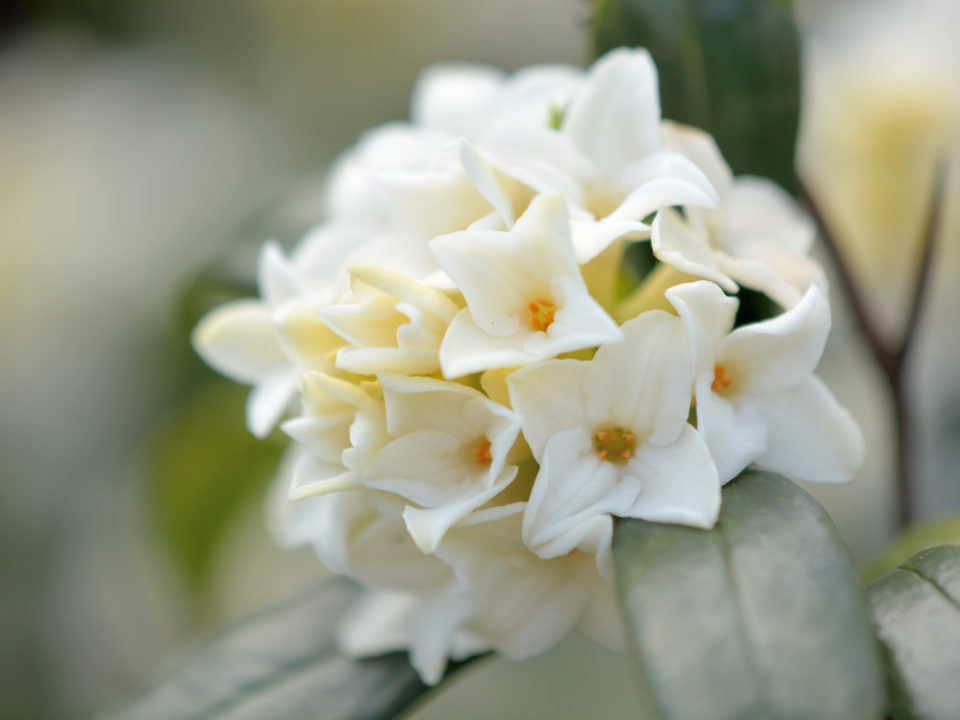
Winter Daphne is a fragrant shrub that blooms in the cold months, filling the air with a pleasant, sweet scent. This evergreen shrub produces clusters of small, pink to white flowers that thrive in the middle of winter. The fragrance of its blossoms can be enjoyed even on the coldest days, making it a popular choice for gardeners seeking to brighten the gray winter landscape. Winter
Daphne is also known for its glossy, dark green leaves, which offer year-round appeal. It is a low-maintenance plant that does best in well-drained, slightly acidic soil. While it thrives in shaded areas, it is essential to keep it in a sheltered spot, as it does not tolerate harsh winds or freezing conditions well. As a result, it is best suited for mild winter climates but can be grown in colder areas with some care. Winter Daphne is a favorite for attracting pollinators, particularly bees, making it a great addition to any winter garden.
Paperwhite Narcissus (Narcissus papyraceus)
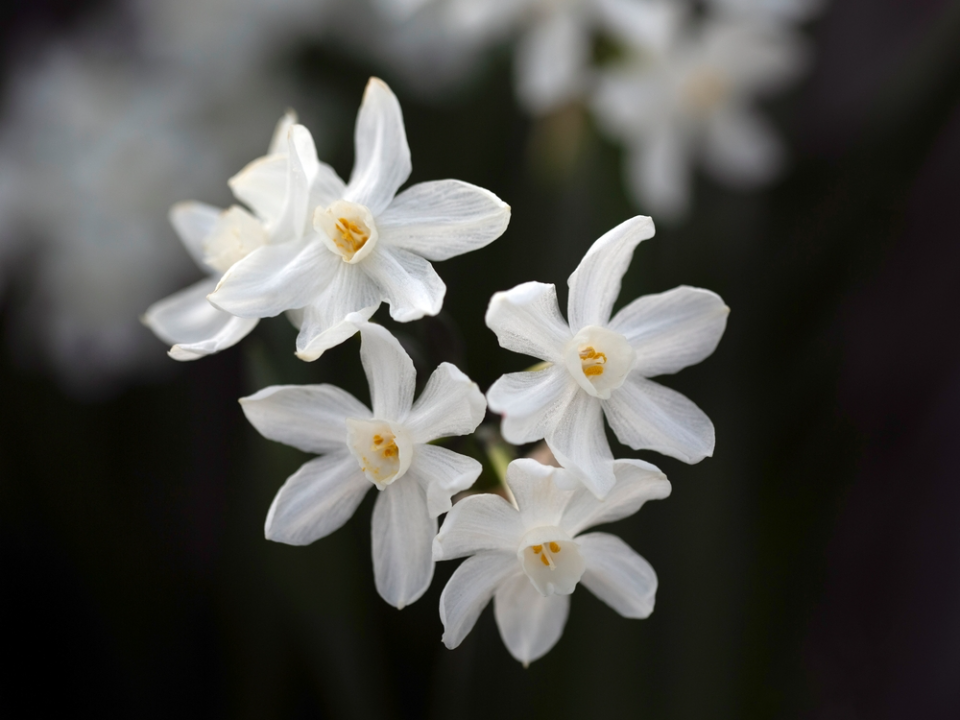
Paperwhite Narcissus, with its striking white flowers, is an excellent choice for winter blooming. These hardy flowers emerge during the colder months, often even in December, and are known for their powerful fragrance that resembles a sweet, fresh scent. The delicate white petals contrast beautifully with the deep green stems, creating a bright spot in otherwise dreary gardens. Paperwhites are commonly grown indoors in pots, where they can bloom in any winter setting.
However, they can also be grown outdoors in warmer climates, providing fragrance and beauty even on chilly days. They require little care, only needing well-drained soil and a spot with plenty of sunlight. A common characteristic of paperwhites is their ability to bloom in about four to six weeks from planting, making them a fast reward for those looking for winter blooms. Their scent is a pleasant addition to any space, making them a perfect choice for a fragrant winter bouquet.
Winter Jasmine (Jasminum nudiflorum)
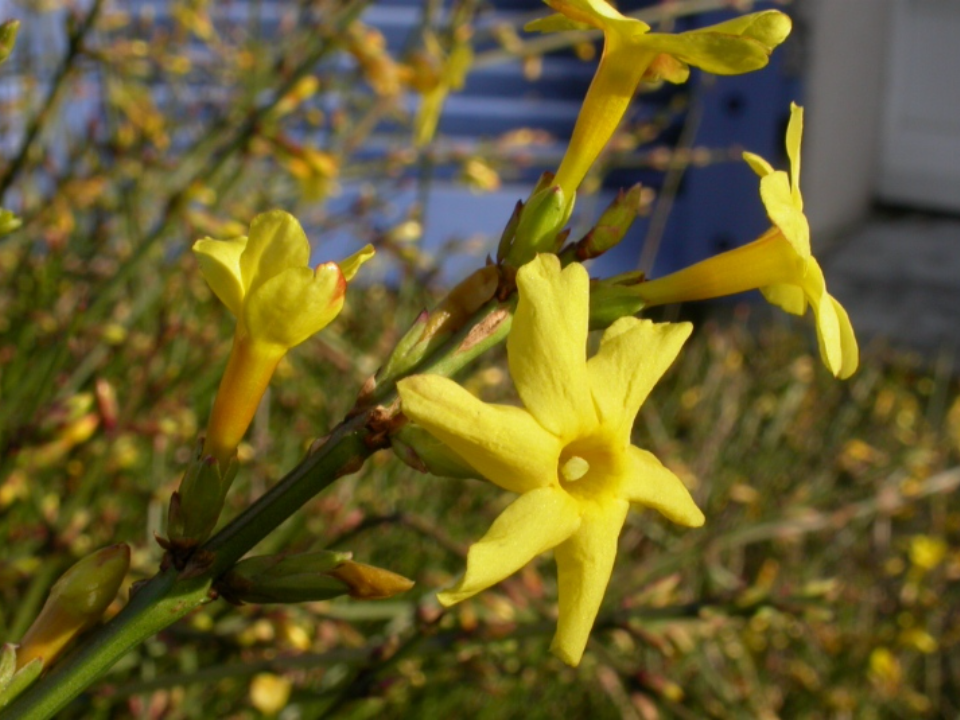
Winter Jasmine is a hardy, deciduous shrub that begins flowering during the cold months. Its bright yellow blooms create a vivid contrast against the bare branches, offering a touch of warmth to an otherwise dull winter garden. The fragrant flowers of Winter Jasmine have a light, sweet scent, spreading through the air and adding a cheerful note to the winter atmosphere.
This plant is highly adaptable, thriving in various soil types as long as they are well-drained. It does well in full sun or partial shade and can tolerate a variety of temperatures, making it suitable for many climates. Winter Jasmine’s cascading growth habit makes it perfect for hanging baskets or as a ground cover, and it is often used to create a natural, fragrant border. As an added benefit, Winter Jasmine is easy to grow and requires minimal care, making it an ideal choice for beginners. Its ability to bloom in the dead of winter makes it a unique and reliable addition to any garden.
Christmas Cactus (Schlumbergera spp.)
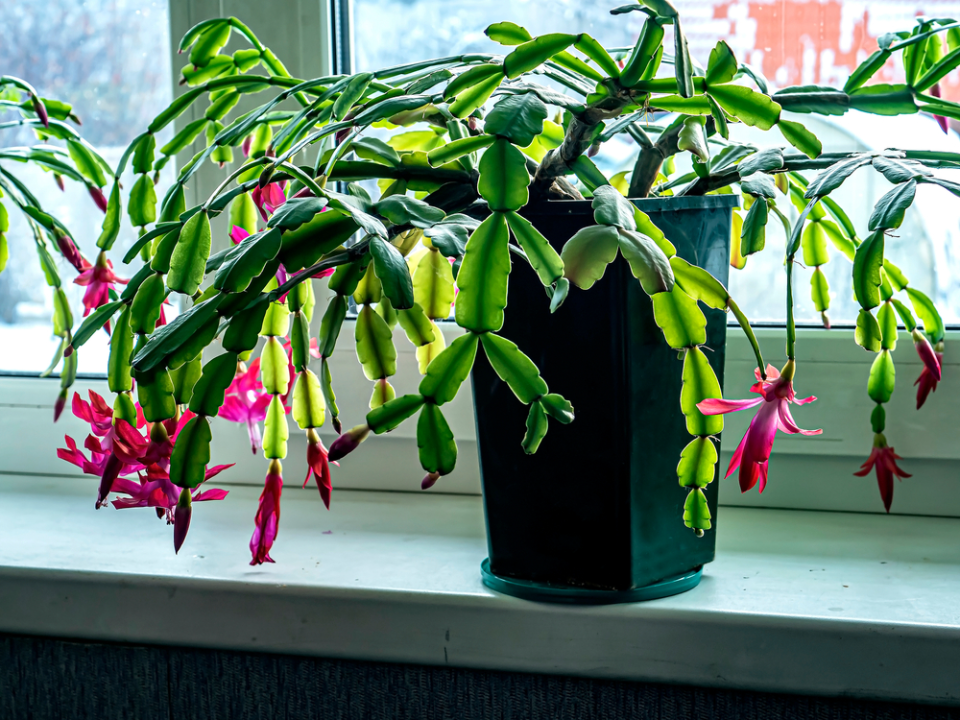
The Christmas Cactus is a favorite holiday plant known for its stunning, colorful blooms during the winter season. While most cacti thrive in hot climates, the Christmas Cactus thrives indoors, producing bright pink, red, or white flowers that open around the holiday season. These blooms are not just visually striking, but also emit a mild, pleasant fragrance that fills the room during the cold winter months.
The Christmas Cactus prefers bright, indirect light and should be watered when the top layer of soil feels dry. It is a low-maintenance plant that can tolerate a variety of indoor temperatures, making it perfect for a home or office space. Regular pruning will help maintain the shape and encourage more blooms. This plant’s vibrant flowers and fragrant scent make it an ideal companion for lifting the spirit during the long, gray days of winter.
Winter Honeysuckle (Lonicera fragrantissima)
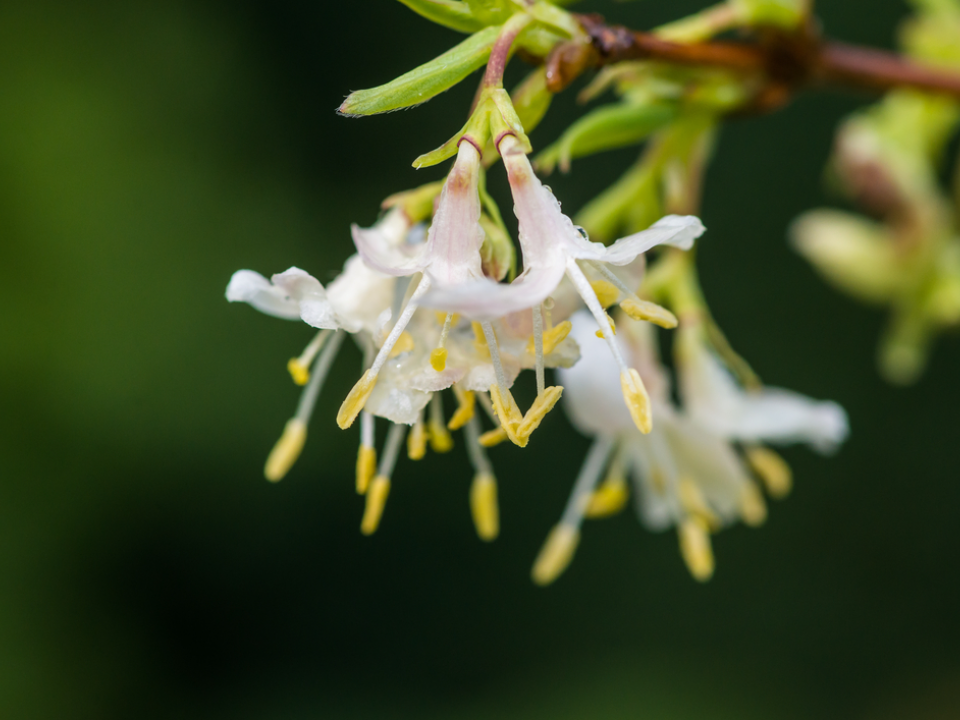
Winter Honeysuckle is a deciduous shrub that becomes a standout in any winter garden with its fragrant, white to pale yellow blooms. The flowers open in late winter, often even when snow is still on the ground, and their scent can be smelled from quite a distance. The fragrance is sweet and slightly citrusy, providing a refreshing contrast to the usual winter smells. Winter
Honeysuckle is incredibly hardy and can withstand colder temperatures, thriving in both full sun and partial shade. It grows best in well-drained soil and requires minimal attention once established. The plant’s arching stems and bright green leaves offer beauty even after the flowers have faded, making it an attractive addition year-round. Winter Honeysuckle is also beneficial to wildlife, attracting pollinators like bees and butterflies when other plants are dormant. It is a resilient and fragrant plant that can lift the spirits during even the most dreary winter days.
Witch Hazel (Hamamelis spp.)
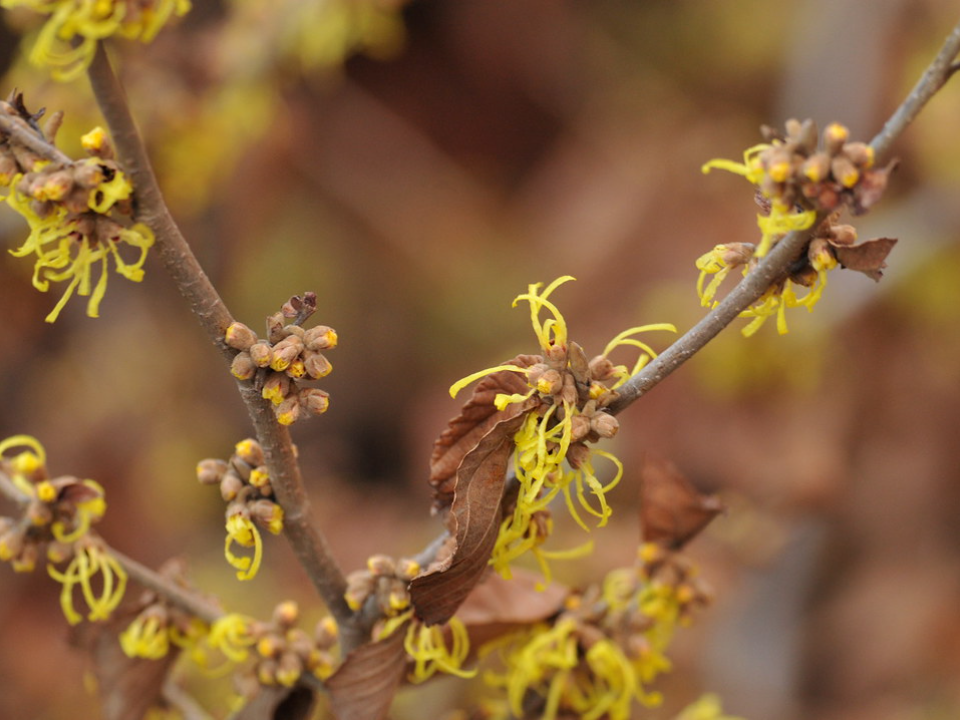
Witch Hazel is a small tree or shrub that blooms in the heart of winter, producing spidery flowers in shades of yellow, orange, or red. These striking flowers stand out against the tree’s bare branches, creating a cheerful contrast with the cold weather. The fragrance of Witch Hazel is spicy and sweet, offering a refreshing scent that lifts the mood on gray winter days. Witch Hazel is a versatile plant that can thrive in full sun to partial shade and prefers well-drained, acidic soil.
Once established, it requires little care, making it a low-maintenance option for winter gardeners. In addition to its fragrance, Witch Hazel is known for its medicinal properties, and its bark and leaves have been used for centuries in natural remedies. Its ability to bloom in the middle of winter, along with its appealing fragrance, makes Witch Hazel a favorite for adding interest and aroma to winter landscapes.
Camellia Japonica (Camellia japonica)
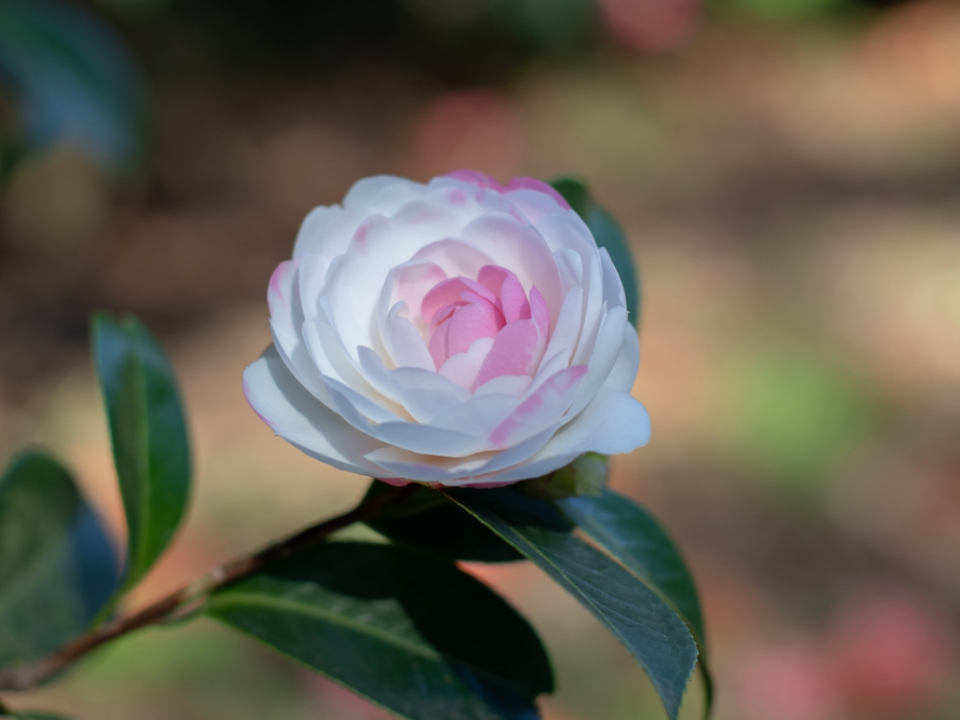
Camellia Japonica is an evergreen shrub known for its beautiful, fragrant flowers that bloom in late winter to early spring. The flowers come in a variety of colors, including pink, red, and white, and are often used as cut flowers in floral arrangements due to their longevity. These blooms have a subtle, sweet fragrance that adds a delicate scent to any garden. Camellia Japonica grows best in acidic, well-drained soil and prefers partial shade, making it ideal for locations where other plants may struggle.
This shrub is also resistant to most pests and diseases, which makes it a durable and reliable plant. While it can tolerate colder temperatures, it should be protected from harsh winds, as its delicate flowers may be damaged. Its glossy, dark green leaves provide year-round interest, and the fragrance of its winter blooms makes it a great choice for lifting spirits during the colder months.
Sweet Box (Sarcococca confusa)
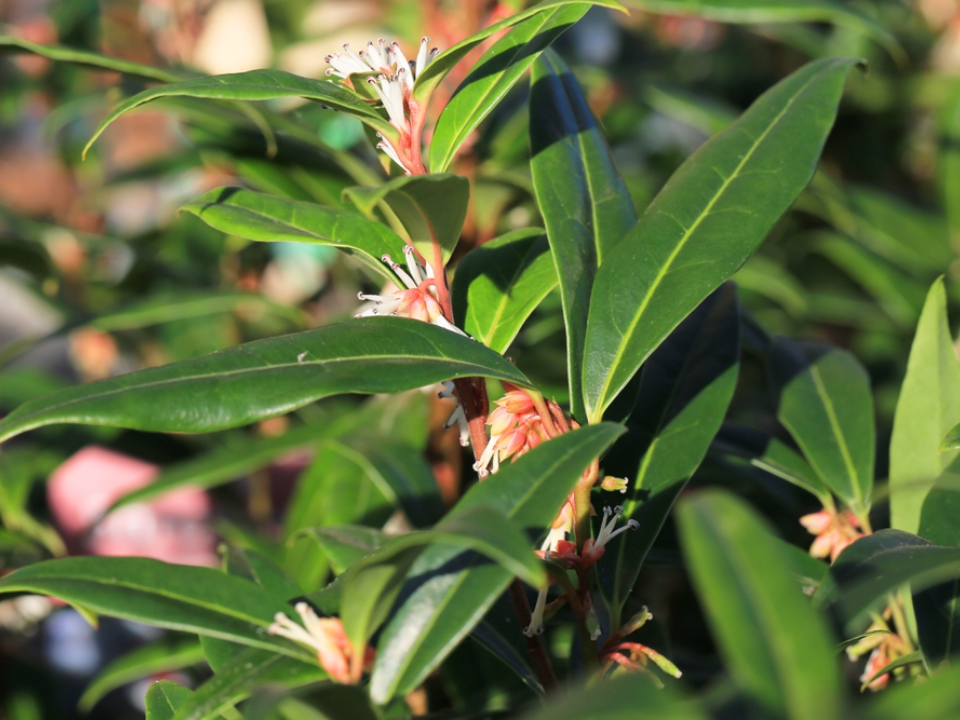
Sweet Box, also known as Sarcococca confusa, is a small evergreen shrub that blooms in the middle of winter, offering fragrant white flowers that fill the air with a sweet, almost vanilla-like scent. The flowers are small and inconspicuous, but their fragrance is powerful and can be appreciated from a distance. This plant thrives in shaded or partially shaded areas, making it perfect for growing under trees or in areas where sunlight is limited.
Sweet Box prefers well-drained, slightly acidic soil and is quite tolerant of cold temperatures. Once established, it is a low-maintenance shrub that requires minimal care. Its dark green leaves provide a lush background, while the winter blooms offer a touch of fragrance and beauty during the colder months. Sweet Box is an excellent choice for adding both fragrance and year-round appeal to a garden, especially in shaded spots.
Snowdrop (Galanthus nivalis)
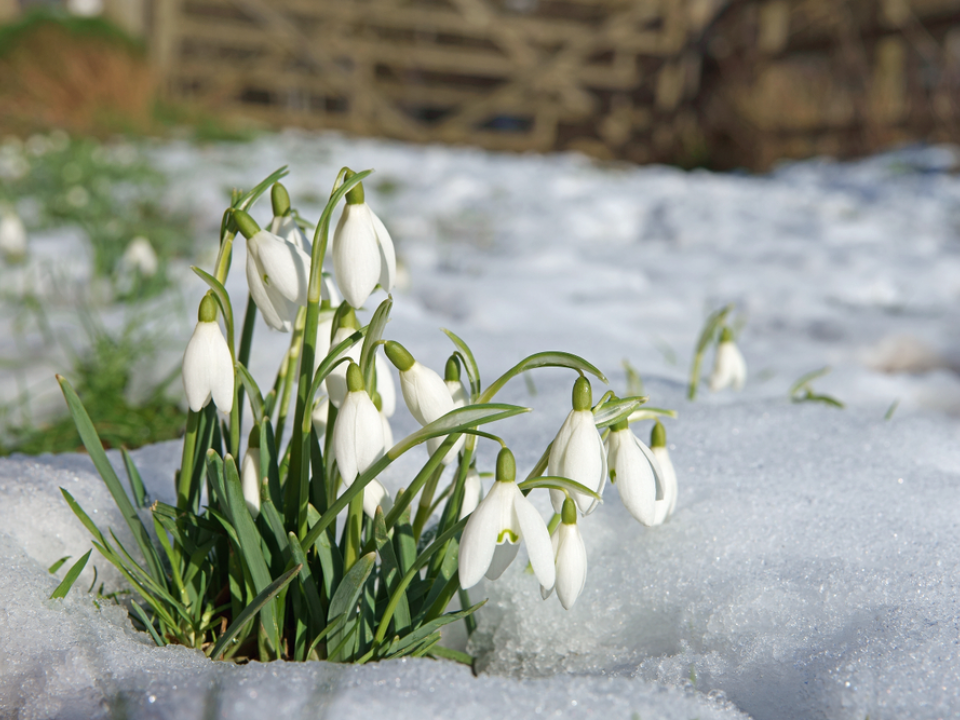
Snowdrop is one of the earliest blooming flowers of winter, often emerging through the snow as early as January. The delicate white flowers of Snowdrop have a mild, fresh fragrance that adds a light, airy scent to the garden during the cold months. These tiny flowers, with their nodding blooms, are a symbol of hope and renewal as they appear in the midst of winter’s chill. Snowdrops grow best in well-drained, slightly acidic soil and prefer partial to full shade.
They are highly tolerant of cold and can thrive in a variety of climates, making them an excellent choice for gardens in colder regions. Snowdrops are low-maintenance and can be left to naturalize, spreading and multiplying over time. Their simple beauty and fresh fragrance make them a timeless addition to any winter landscape.
Winter Aconite (Eranthis hyemalis)
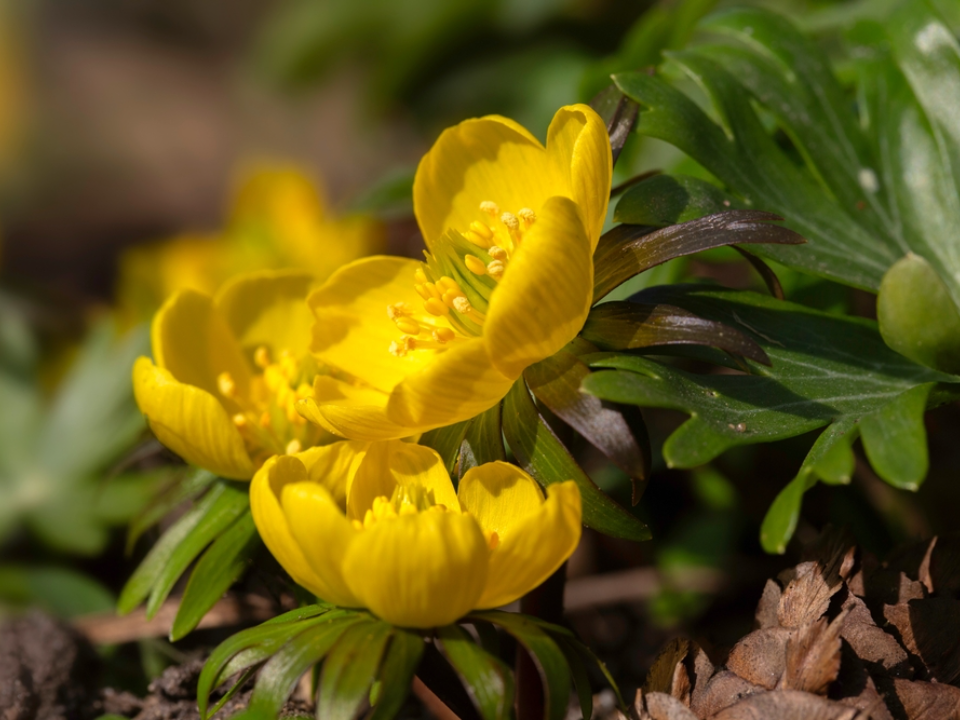
Winter Aconite is one of the first flowers to bloom in late winter, often appearing alongside or just before the Snowdrop. The bright yellow flowers of Winter Aconite are a welcome sight in the gray days of winter, and their mild, sweet fragrance adds a touch of warmth to the chilly air. These low-growing flowers are perfect for planting in woodland gardens, where they will spread over time to create a carpet of color.
Winter Aconite prefers well-drained, slightly acidic soil and can thrive in partial to full shade. Despite their early blooming, these flowers are hardy and can withstand cold temperatures without issue. Their vibrant color and fragrant blooms make them a perfect choice for brightening up the winter garden, offering both beauty and fragrance when most other plants are dormant.
Sweet Osmanthus (Osmanthus fragrans)
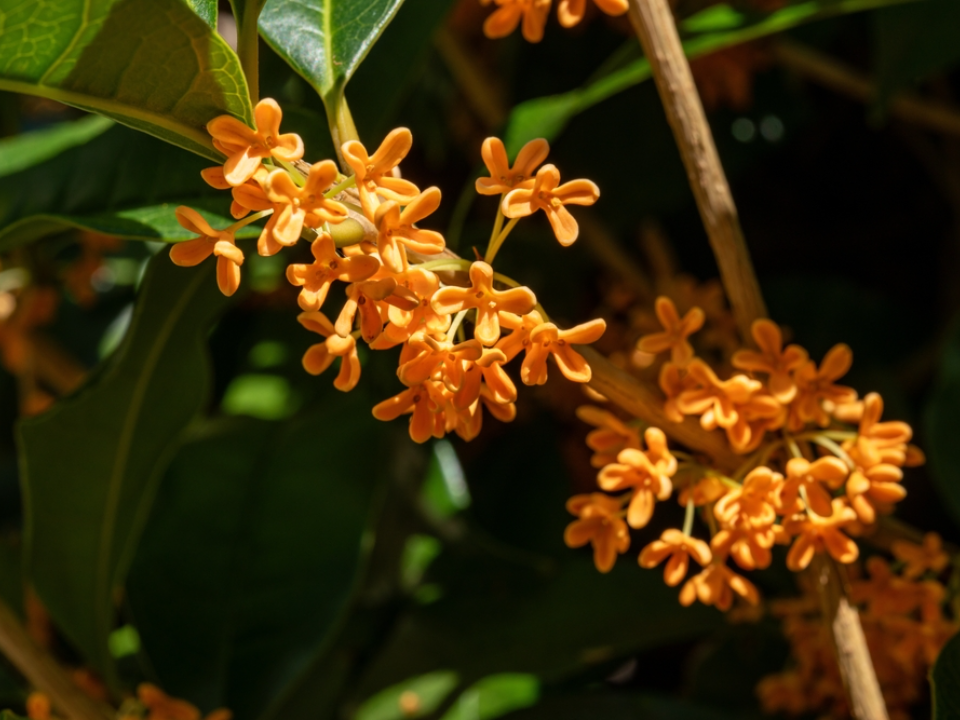
Sweet Osmanthus is an evergreen shrub known for its small, fragrant flowers that bloom in late winter to early spring. The tiny, white to yellow blossoms emit a strong, sweet fragrance that fills the air, often likened to the scent of apricots or peaches. This plant is particularly cherished for its ability to bloom in the coldest months when few other plants are in flower. Sweet Osmanthus thrives in well-drained soil and prefers a sunny or partially shaded location.
It is relatively low-maintenance and can tolerate a variety of soil types, making it a versatile choice for gardens. The shrub’s glossy, dark green leaves remain attractive year-round, offering a strong visual presence even when the plant is not in bloom. In warmer climates, Sweet Osmanthus can grow quite large, while in colder regions, it may be kept as a smaller shrub or container plant. Its fragrant winter blooms are a joy, offering an early taste of spring’s fragrance in the heart of winter.
Hellebore (Helleborus spp.)
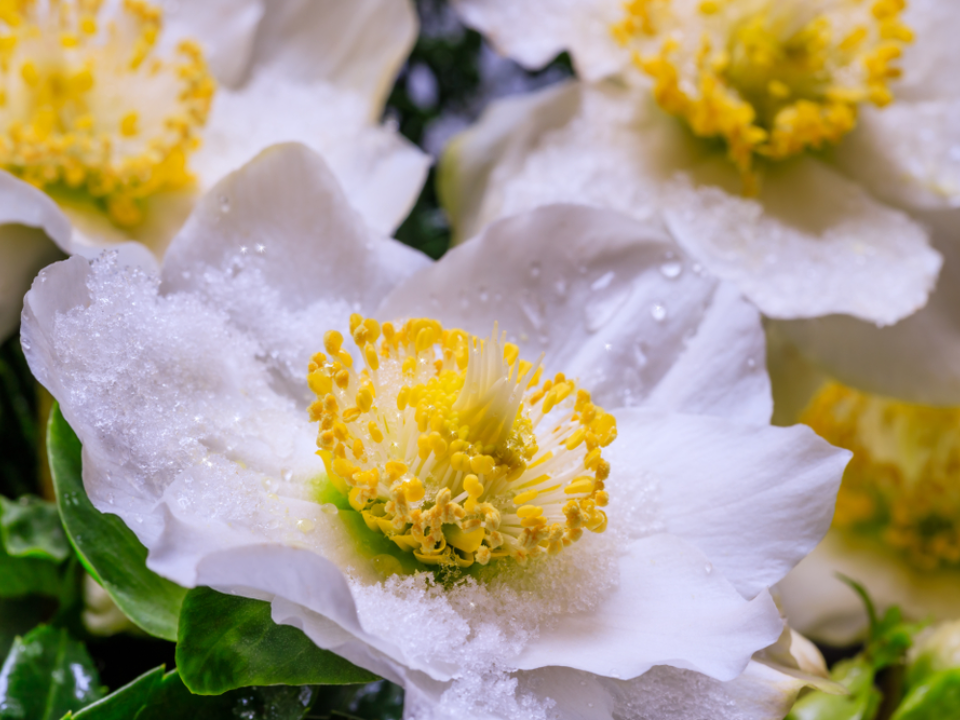
Hellebores, often referred to as Christmas Roses or Lenten Roses, are a popular choice for winter gardens due to their ability to bloom in the colder months. The flowers, which come in shades of white, pink, purple, and green, are often marbled with darker hues, adding a touch of elegance to the winter landscape. Their fragrance is subtle yet pleasant, providing a light, sweet scent that lifts the spirits during the gray winter days.
Hellebores thrive in well-drained, fertile soil and do best in partial to full shade, making them an ideal plant for woodland gardens or shaded areas. These hardy perennials can survive through harsh winters and bloom for several weeks, often starting in late winter and continuing into early spring. Hellebores are low-maintenance, requiring minimal care once established. Their long-lasting blooms and unique fragrance make them a perfect winter addition to gardens, offering both beauty and scent when many other plants are dormant.
Fragrant Winter Sweet (Chimonanthus praecox)
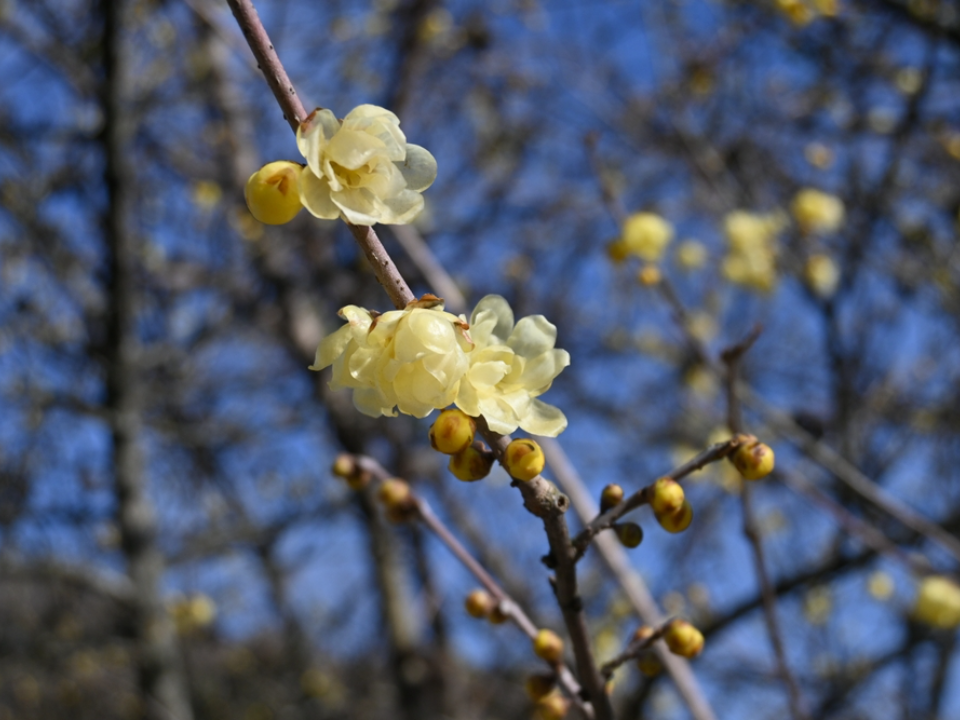
Fragrant Winter Sweet is a deciduous shrub that produces clusters of yellow flowers in the middle of winter, often even when snow is on the ground. The flowers have a strong, sweet fragrance that fills the air, offering a much-needed burst of scent during the colder months. This shrub thrives in well-drained soil and prefers full sun to partial shade, although it can tolerate a variety of growing conditions.
The fragrant blooms of Winter Sweet are small, but they pack a punch in terms of fragrance, making it a standout in any winter garden. The plant is relatively low-maintenance, requiring little care once established, and it is quite hardy, able to withstand cold temperatures. In addition to its fragrance, Fragrant Winter Sweet has attractive dark green leaves that add visual interest throughout the year. Its winter blooms are an early treat, signaling the end of the cold season and the promise of spring.
Winter Heath (Erica carnea)
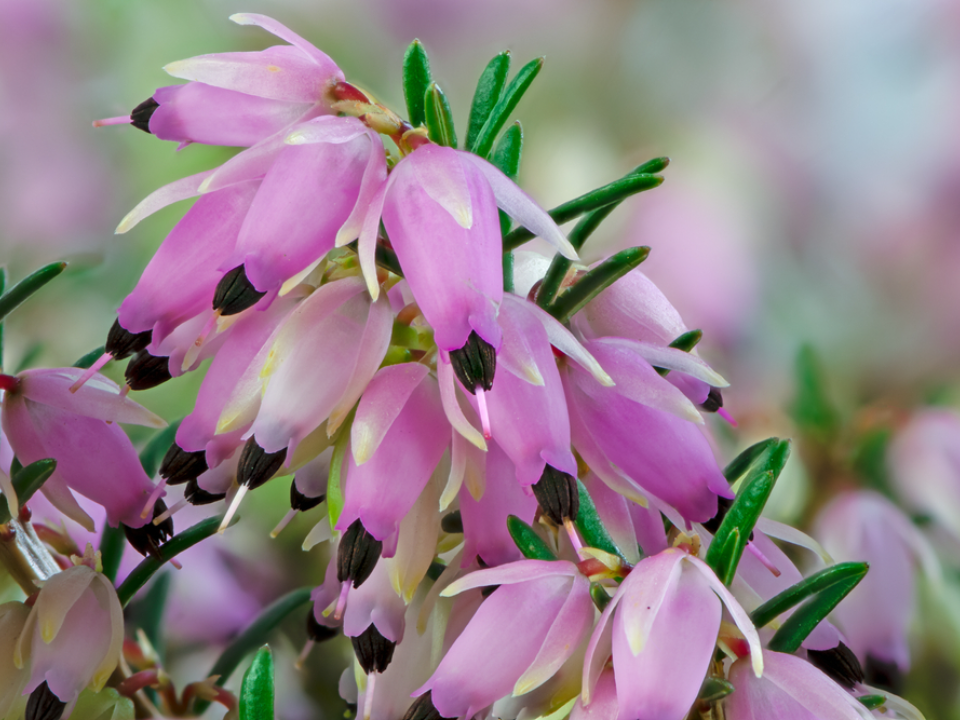
Winter Heath is a hardy, evergreen shrub that blooms during the cold months, offering an array of vibrant colors, including pink, purple, and white. The tiny, bell-shaped flowers are arranged in clusters and emit a sweet, subtle fragrance that is particularly refreshing during the winter. This plant is perfect for adding color and fragrance to a winter garden, as it thrives in cold temperatures and even in snow.
Winter Heath prefers acidic, well-drained soil and is often planted in rock gardens, borders, or containers. It does well in full sun to partial shade and is relatively low-maintenance once established. The foliage of Winter Heath remains green throughout the winter, providing a backdrop for the colorful flowers. This hardy plant is an excellent choice for gardeners looking for a winter bloomer that offers both beauty and fragrance in the cold months.
Mahonia (Mahonia spp.)
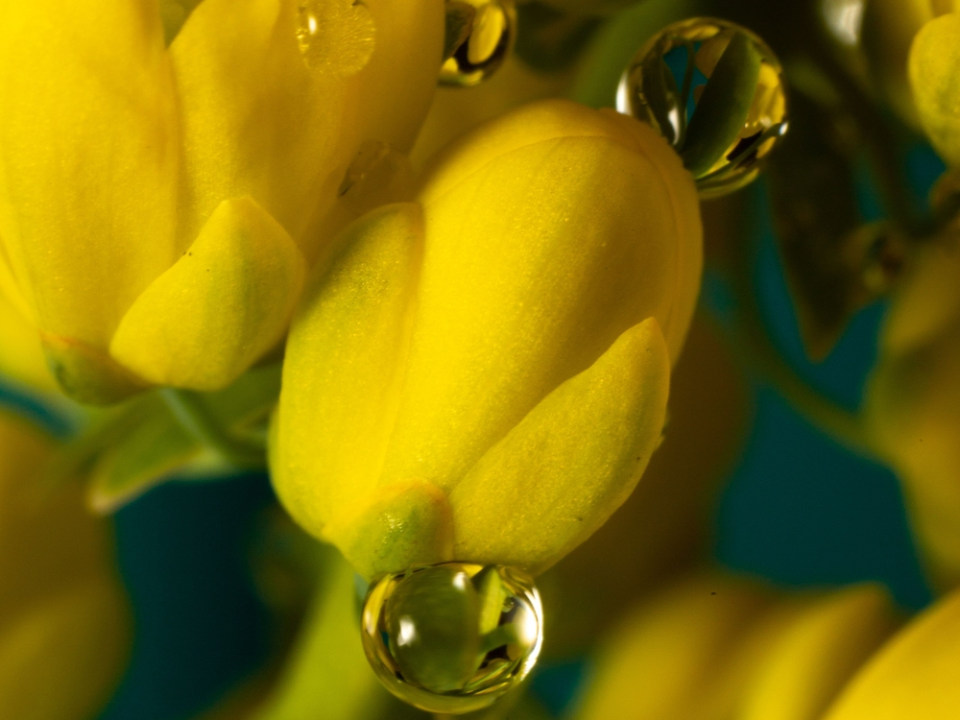
Mahonia, or Oregon Grape, is an evergreen shrub that blooms in winter, producing clusters of yellow flowers that are known for their sweet, spicy fragrance. The flowers bloom in late winter, often just when most other plants are still dormant, offering a welcome burst of color and scent. The fragrance of Mahonia’s flowers is often compared to the scent of honey, making it a perfect addition to a fragrant winter garden. This hardy shrub prefers slightly acidic, well-drained soil and can tolerate both full sun and partial shade.
Mahonia is low-maintenance, requiring little care once established, and it is also drought-tolerant once mature. The plant’s dark green, holly-like leaves provide year-round interest, and the blue-purple berries that follow the flowers are a favorite of birds. Mahonia’s vibrant flowers and sweet scent make it a great winter bloomer for adding both fragrance and color to the garden.
Winter Crocus (Crocus spp.)
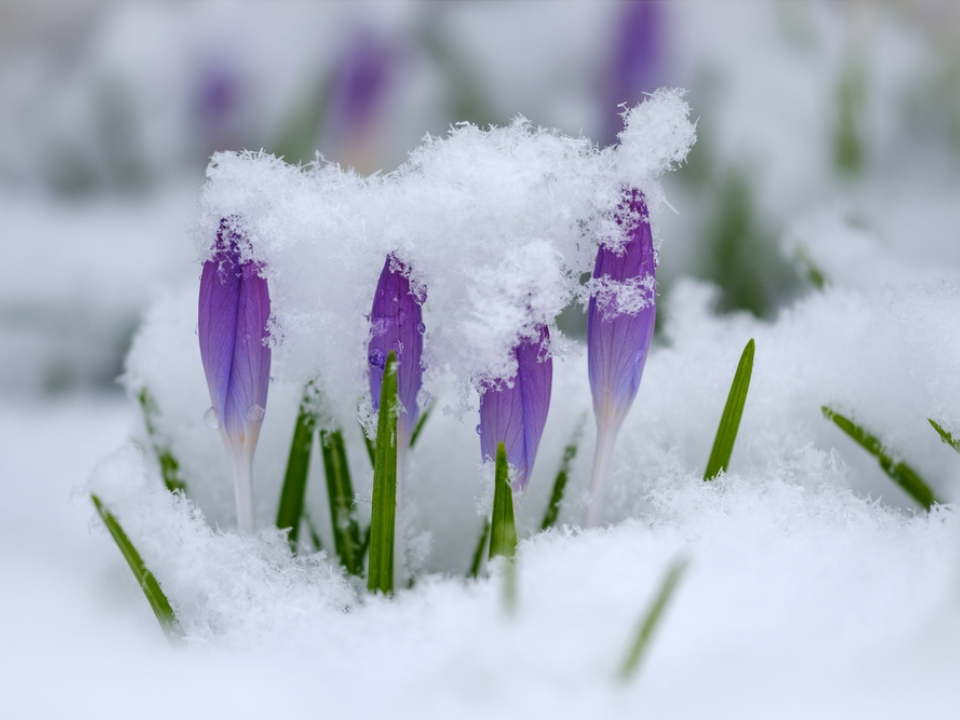
Winter Crocus is one of the earliest blooming flowers of the season, often emerging from the ground even before the snow has melted. These delicate, cup-shaped flowers come in shades of purple, yellow, and white, and their sweet fragrance can be a welcome scent in the midst of a gray winter. Winter Crocus thrives in well-drained soil and prefers a sunny location, making it ideal for planting in garden beds or pots.
These early bloomers are known for their ability to thrive in cold temperatures, often blooming even when frost is still in the air. They are easy to care for, requiring little maintenance once established, and they naturalize over time, multiplying and spreading across the garden. The fragrance of the Winter Crocus is light yet refreshing, adding a touch of spring to the winter garden. These early bloomers are perfect for those looking for a winter flower that provides both beauty and fragrance.
Sweet Bay Magnolia (Magnolia virginiana)
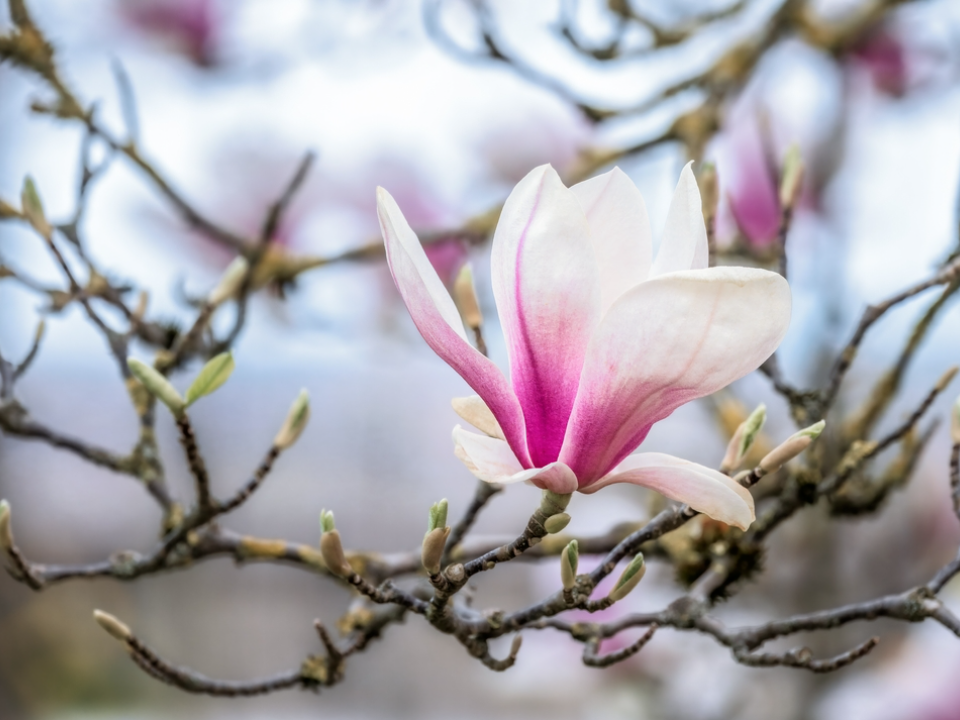
Sweet Bay Magnolia is a small to medium-sized tree that produces fragrant, white flowers with a creamy yellow center in late spring to early summer. While the primary blooming period is not in winter, the tree’s glossy green leaves and fragrant scent make it an attractive feature for winter gardens. The flowers emit a pleasant, sweet fragrance, similar to lemon or vanilla, which can be enjoyed from a distance.
Sweet Bay Magnolia thrives in moist, well-drained soil and prefers full sun to partial shade. It is relatively hardy and can withstand cold temperatures, though it is best suited to regions with milder winters. The tree’s evergreen foliage provides year-round visual interest, and its sweet fragrance adds to the appeal during the colder months when other plants are dormant. Sweet Bay Magnolia is a wonderful option for those looking for a tree with both beauty and fragrance.
This article originally appeared on Avocadu.