
13 Cuttings You Can Root on a Windowsill While It’s Still Cold
During the colder months, it can be tough to get your gardening fix, but rooting cuttings on a windowsill offers a simple way to grow new plants without stepping outside. With a little patience and the right conditions, you can propagate a variety of houseplants indoors, even when the temperature drops. A sunny spot by the window provides the perfect environment for many cuttings to thrive, as they need light to grow strong roots. Propagating plants in winter is not only a rewarding way to pass the time but also an excellent way to expand your indoor garden. Whether you are looking to fill your home with greenery or prepare for the warmer months ahead, rooting cuttings can be an easy and enjoyable activity.
This post may contain affiliate links, which helps keep this content free. Please read our disclosure for more info.
Spider Plant (Chlorophytum comosum)
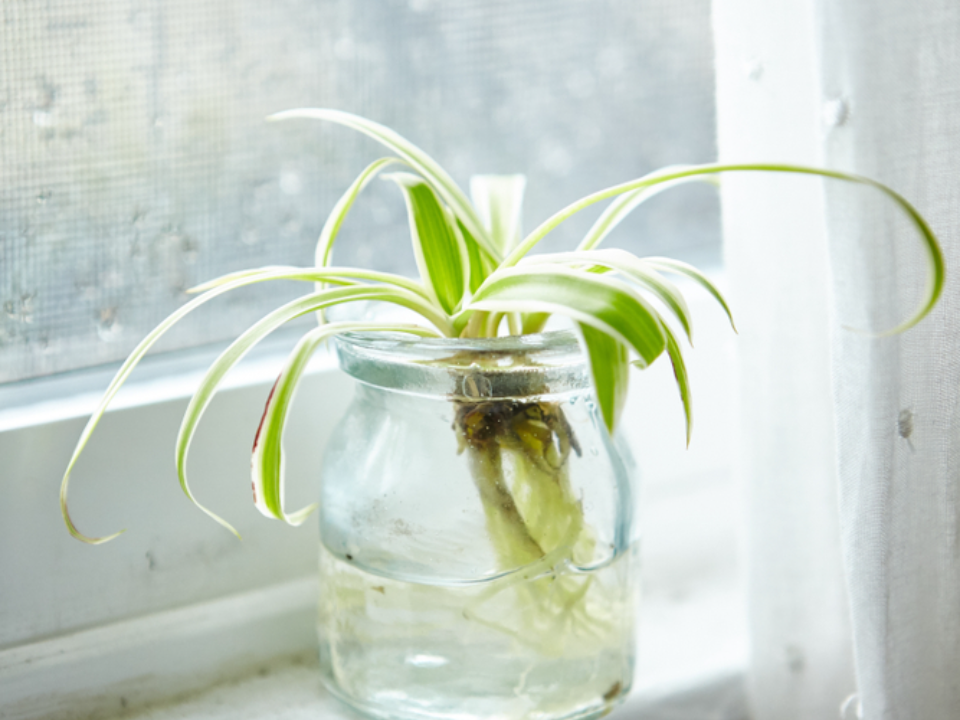
Spider plants are one of the easiest houseplants to propagate. To root a spider plant cutting, simply cut off one of its long, green, arching stems with small plantlets at the end. Place the plantlet in a container of water, ensuring that the roots are submerged. It will quickly form tiny roots, which can be potted up once they are about an inch long.
This plant is perfect for windowsill propagation due to its ability to thrive in indirect sunlight. The spider plant is also known for purifying the air, making it both a functional and decorative option for your home. During the colder months, it is best to keep the cutting away from drafts while allowing it to root. Over time, your spider plant cutting will grow into a new, full-sized plant.
English Ivy (Hedera helix)

English ivy is an excellent plant to root indoors in the colder months. To propagate, take a cutting of a healthy stem and place it in a jar of water. Ensure that the bottom of the cutting is submerged while the leaves stay above the water. Ivy roots will typically begin to grow in about two weeks. This plant enjoys cooler temperatures and moderate light, making it an ideal candidate for windowsill propagation during winter.
Ivy also serves as a great addition to hanging baskets or as a ground cover in your home. Be sure to change the water regularly to keep the roots healthy. Once the cutting has developed a good root system, it can be transferred into a pot for long-term growth.
Pothos (Epipremnum aureum)

Pothos is a hardy plant that roots quickly and easily, making it an excellent choice for propagating on a windowsill. To start, cut a section of stem with at least one leaf and one node (the small bump where roots will grow). Place the cutting in a glass of water, ensuring that the node is submerged. Pothos will root in a few weeks, and you will see new growth within a month.
Pothos thrives in indirect light and can be kept near a north-facing window during the colder months. It is a low-maintenance plant that tolerates a wide range of conditions, so it is perfect for beginners. Once the cutting has enough roots, transplant it into a pot filled with well-draining soil. Over time, your new pothos plant will develop long, trailing vines.
Geranium (Pelargonium spp.)
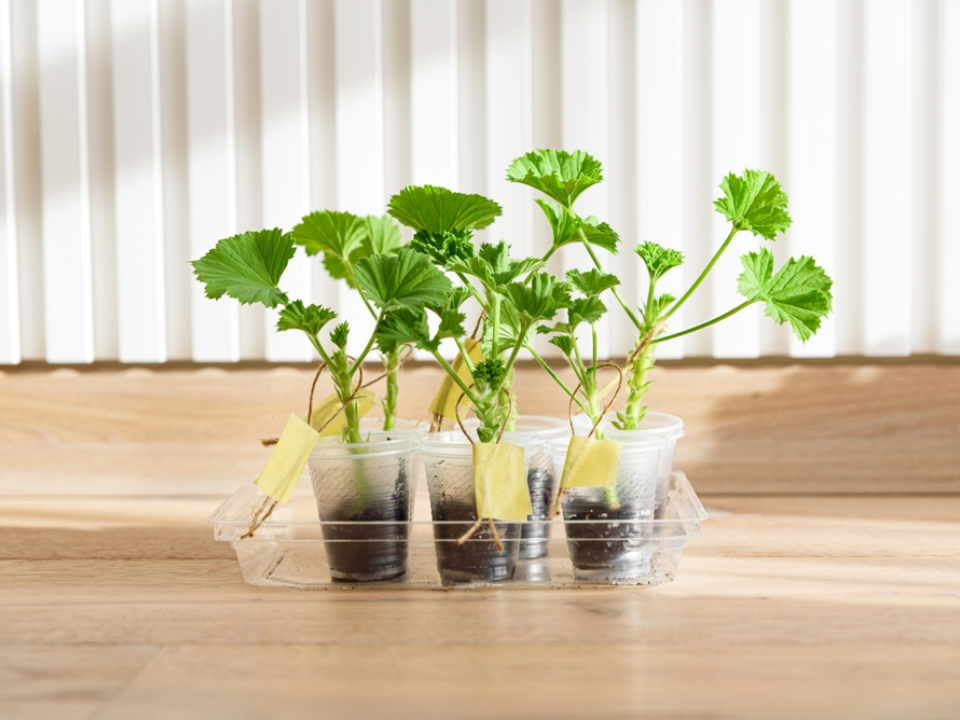
Geraniums are vibrant plants that can be easily propagated from cuttings, even in winter. Start by cutting a healthy stem with at least two leaves and a node at the base. Place the cutting in a small glass of water, making sure the cut end is submerged. Geraniums need bright, indirect light, so placing them on a windowsill is ideal for rooting during colder months.
Keep the water level consistent and change it regularly to prevent stagnation. After a few weeks, the cutting should begin to develop roots. Once the roots are strong enough, the cutting can be moved to a pot with well-draining soil. Geraniums will flourish in the warmer months, with plenty of sunlight and regular watering.
African Violet (Saintpaulia spp.)
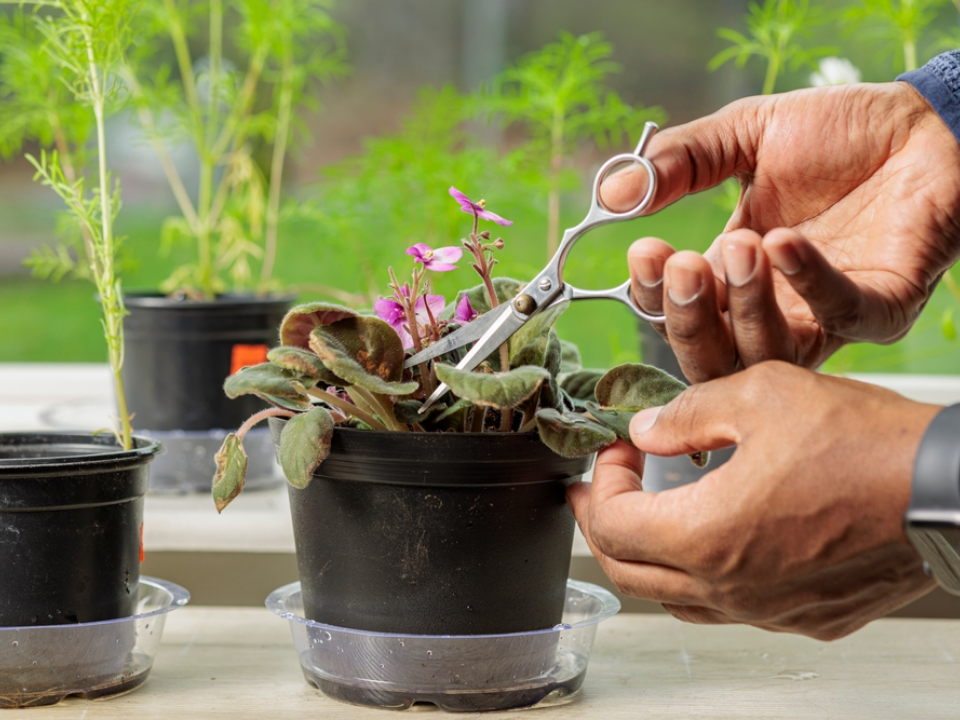
African violets can be propagated by leaf cuttings, making them a great plant for windowsill rooting. Simply cut a healthy leaf with a short stem and place it in a small jar of water. The water should cover the stem but not the leaf itself. African violets require bright but indirect light, so a windowsill with filtered sunlight works well. Within a few weeks, roots should begin to form along the stem, and new plantlets will sprout at the base of the leaf.
Keep the cutting in a warm location, away from cold drafts, as this plant prefers consistent temperatures. Once the new plantlets are large enough to handle, they can be transplanted into small pots. African violets are well-known for their colorful, soft blooms and make a lovely addition to any home.
Coleus (Plectranthus scutellarioides)

Coleus cuttings root quickly, making them ideal for winter propagation. To start, simply cut a healthy stem just below a leaf node and place it in a glass of water. Be sure that the node is submerged but the leaves stay above the water. Coleus enjoys bright, indirect light, making it well-suited for a windowsill during the colder months. It is important to change the water regularly to prevent rot and ensure healthy roots.
Once the cutting has developed roots, it can be transferred into a pot with well-draining soil. Coleus plants are known for their vibrant foliage in shades of purple, red, and green. During the warmer months, coleus can be moved outdoors, where it will grow into a colorful, bushy plant.
Begonias (Begonia spp.)
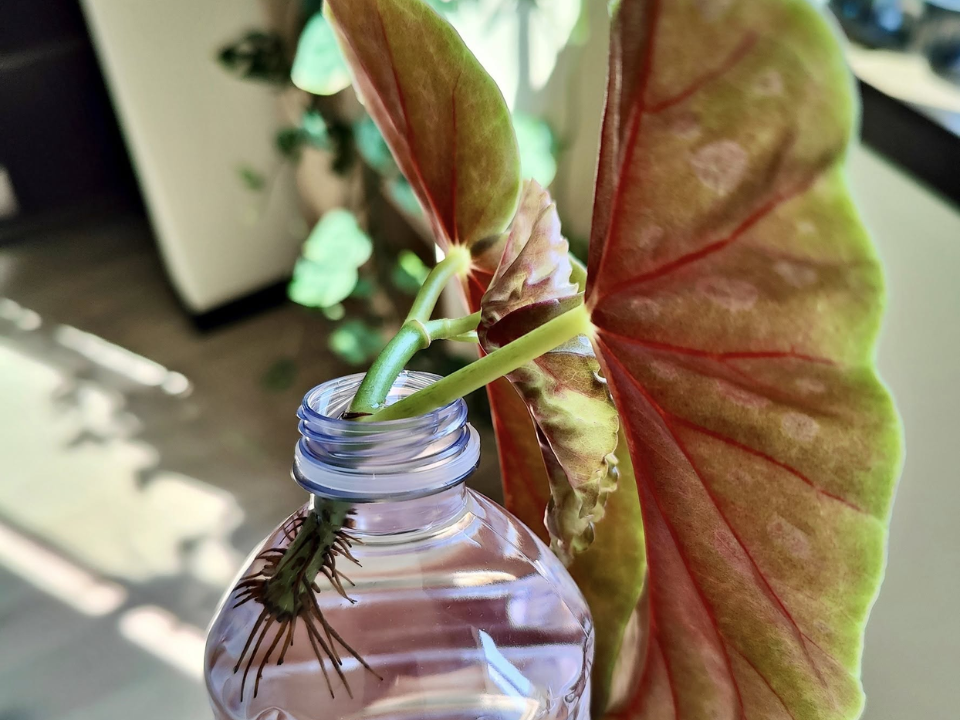
Begonias are another fantastic choice for rooting on a windowsill during cold months. To propagate, cut a healthy leaf from the plant and place it in a shallow container of water, with the cut side facing down. Over time, tiny roots will form from the edges of the leaf. Begonias thrive in warm, humid environments, so placing the cutting in a well-lit, draft-free location will help it root successfully.
Once the roots are sufficiently developed, the cutting can be potted up in well-draining soil. Begonias are known for their vibrant flowers and intricate foliage. Rooting begonia cuttings indoors in winter allows you to enjoy the beauty of this plant year-round.
Lemon Balm (Melissa officinalis)
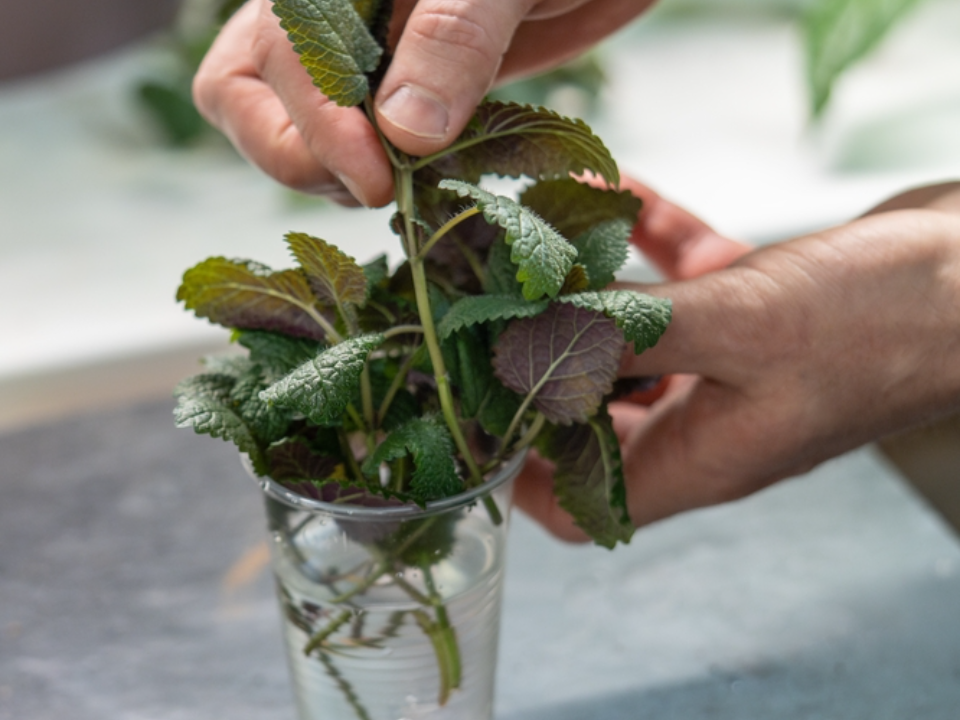
Lemon balm is a fragrant herb that can be easily rooted from cuttings on a windowsill. To propagate, take a stem cutting just below a leaf node and place it in a jar of water. Be sure to change the water regularly to encourage healthy root growth. Lemon balm thrives in bright, indirect light, making it perfect for a winter windowsill.
The roots will begin to form within a couple of weeks, and the plant will be ready to transfer to soil after about four weeks. Lemon balm adds a refreshing citrus flavor to teas, salads, and other dishes. It is a hardy herb that can survive well in cold temperatures and can be harvested throughout the year once it has rooted.
Mint (Mentha spp.)
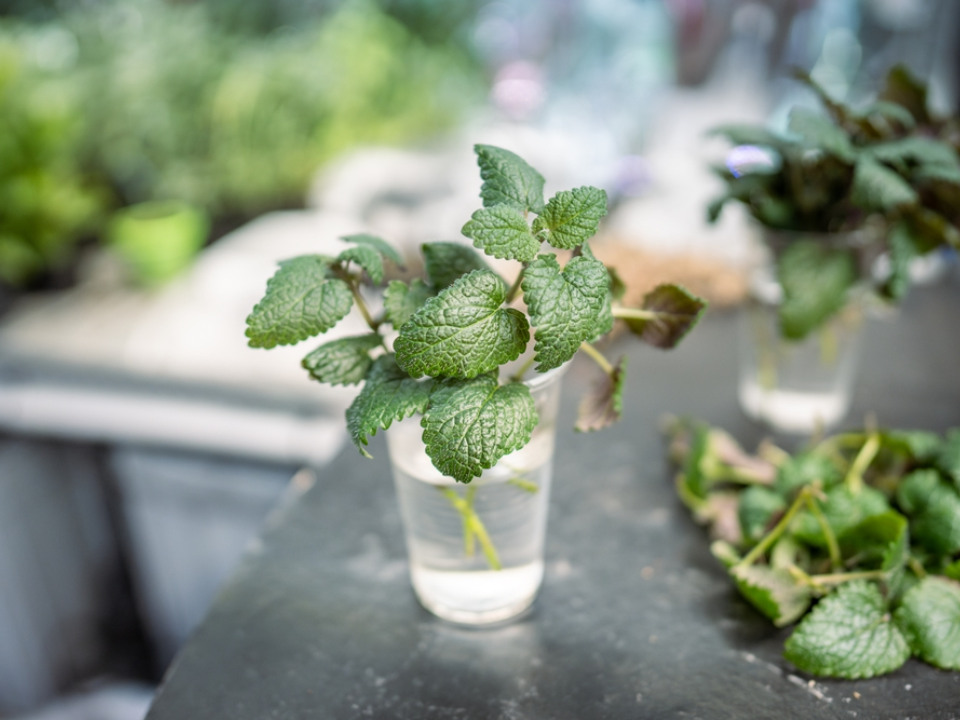
Mint is an easy-to-root herb that grows quickly and can thrive indoors even in the cold months. To propagate mint, take a cutting just below a leaf node and place it in water. Be sure to keep the water level consistent and change it regularly. Mint prefers bright, indirect light, so a windowsill with filtered sunlight works well.
The cutting will soon begin to form roots, and in a few weeks, it can be transplanted into a pot with well-draining soil. Mint is known for its refreshing scent and flavor, making it a popular addition to teas, cocktails, and desserts. It is a fast-growing plant, and once rooted, it can be harvested often for use in the kitchen.
Sweet Potato Vine (Ipomoea batatas)
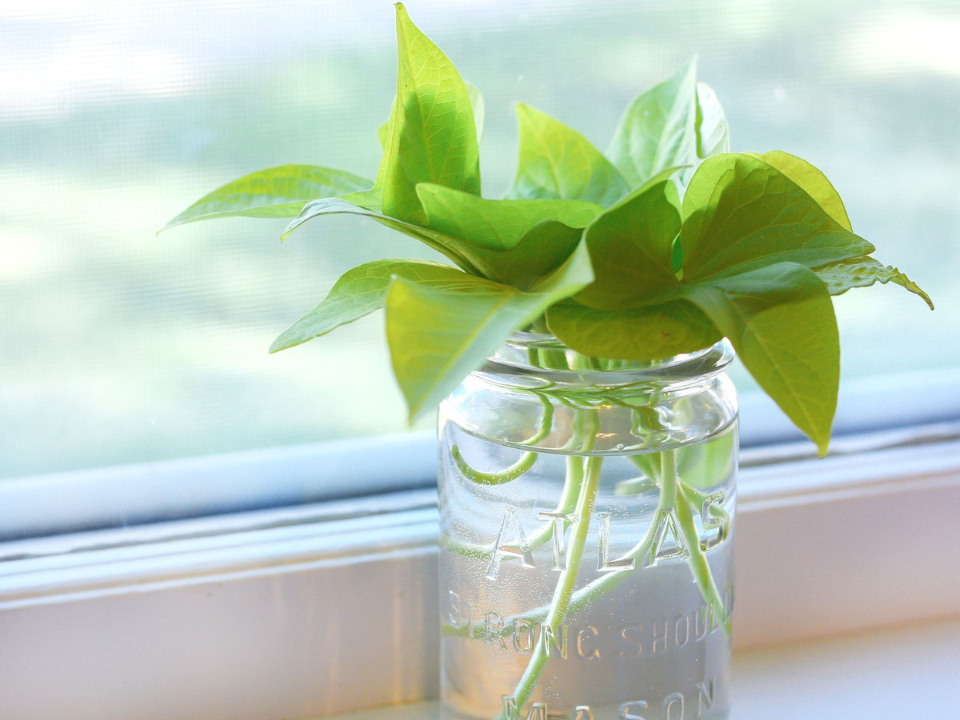
Sweet potato vines are an interesting and easy plant to propagate indoors. To start, cut a section of the stem with a few leaves and place the cutting in a container of water. The cutting will quickly begin to sprout roots, and within a few weeks, you can see significant growth.
Sweet potato vines prefer bright, indirect light and do well on a windowsill during colder months. The roots will grow longer, and you can transplant the cutting into soil once it has formed a good root system. Sweet potato vines are great for adding lush greenery to your indoor space. As they grow, the vines will cascade down, adding a decorative touch to any windowsill.
Aloe Vera (Aloe barbadensis miller)
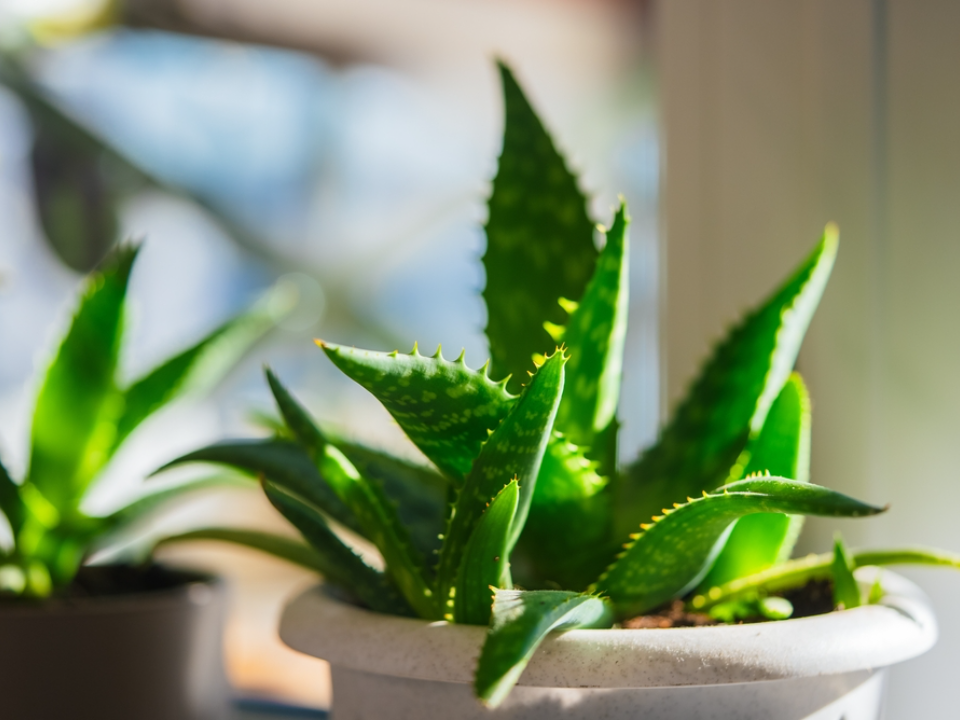
Aloe vera is a hardy succulent that can be easily propagated through its offshoots, known as “pups.” To root an aloe vera pup, simply remove the small plant from the mother plant and place it in a well-draining potting mix. However, you can also propagate from leaf cuttings by allowing the cut edge to callous over for a few days before placing it in a container of water. Aloe vera thrives in bright, indirect light, making it perfect for a sunny windowsill.
This succulent prefers dry conditions and should not be overwatered. As the roots develop, you can transfer the cutting into a pot with cactus soil. Aloe vera is known for its soothing properties, especially for sunburns, and it will thrive indoors once rooted.
Rosemary (Rosmarinus officinalis)

Rosemary is an aromatic herb that can easily be rooted from cuttings during the winter months. To propagate rosemary, take a healthy stem cutting that is about 4 to 6 inches long and strip off the lower leaves. Place the cutting in a small jar of water, ensuring that only the bare stem is submerged.
Rosemary prefers bright, indirect light, so it is well-suited for a windowsill in colder weather. Change the water regularly to keep it fresh, and within a couple of weeks, the cutting will begin to sprout roots. Once the roots are established, you can transfer the cutting into a pot with well-draining soil. Rosemary is a hardy herb that adds a wonderful flavor to roasted dishes and is also known for its fragrant foliage.
Chives (Allium schoenoprasum)
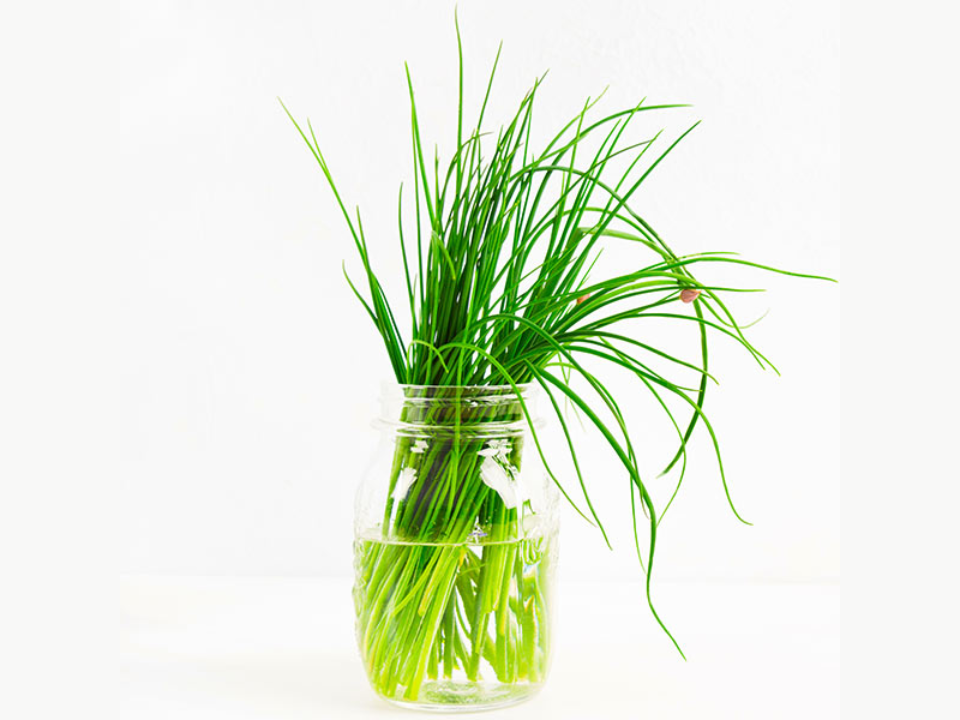
Chives are another herb that roots quickly from cuttings and can be propagated indoors on a windowsill. To start, cut a healthy stalk from a mature plant and place it in a glass of water. Chives root quickly, often within a few days, and are very easy to grow. They require bright, indirect light, so a sunny spot near a window is ideal.
The roots will form along the base of the cutting, and once they are a few inches long, you can transplant the cutting into a pot filled with well-draining soil. Chives are known for their mild onion flavor and are commonly used as a garnish or in salads. They grow well indoors, even in cooler months, making them perfect for winter propagation.
This article originally appeared on Avocadu.