
11 Branches You Can Cut and Bring Indoors for February Blooms
Bringing spring indoors during the cold winter months is easy with a few simple branches from your garden. Forcing branches like forsythia, quince, and magnolia can transform your home with vibrant blooms in just a few weeks. By cutting buds-heavy branches and placing them in water, you can enjoy early flowers and their lovely fragrances, making your space feel warmer and more inviting. Whether you’re a gardening enthusiast or just looking for a touch of color, these branches are perfect for adding life to your home when it’s still chilly outside.
This post may contain affiliate links, which helps keep this content free. Please read our disclosure for more info.
Forsythia

Forsythia is a favorite for forcing indoors due to its brilliant yellow flowers that add a cheerful touch to any room. To force forsythia, cut 1–2-foot branches from a healthy shrub on a day when temperatures are above freezing. Choose branches with large, fat buds, as these are more likely to bloom once brought indoors. Submerge the cut branches in lukewarm water for a few hours to hydrate them, which will help with the blooming process.
Once the branches are hydrated, place them in a sunny spot in your home, preferably near a window where they can receive plenty of indirect sunlight. Over the course of 2–4 weeks, the branches will begin to bloom, bringing early spring inside. Forsythia is particularly responsive to warmth and light, and the indoor environment mimics the conditions the plant would experience as it starts to emerge from dormancy in early spring.
Quince
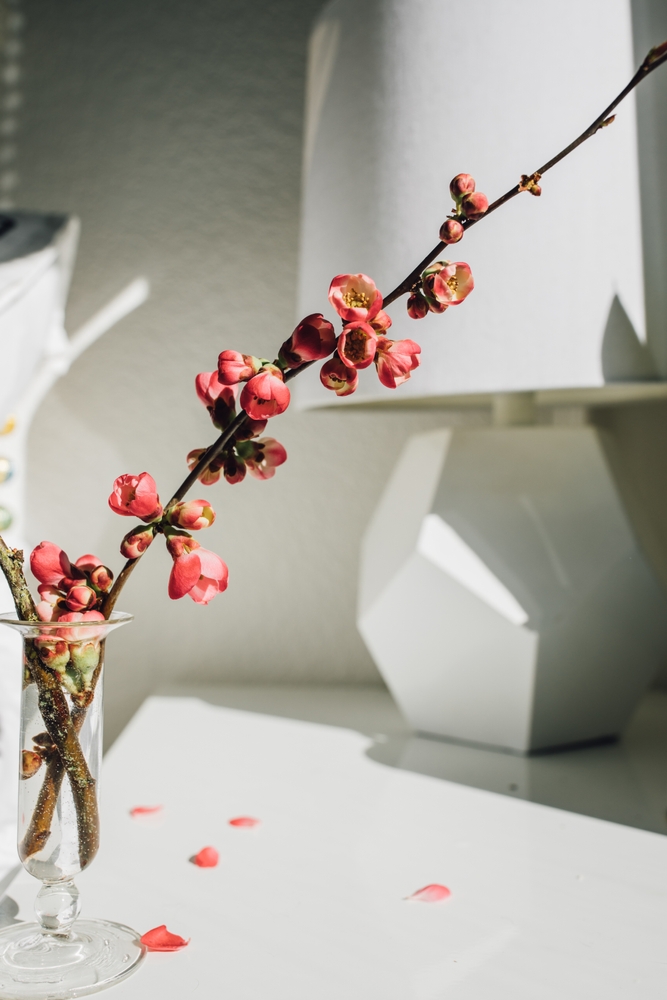
Quince branches are known for their stunning, colorful blooms that range from deep pink to vibrant red and orange. When forcing quince, select 1–2-foot-long branches that are covered in plump, healthy buds. Make sure to cut them on a day above freezing, ensuring the branches are fresh and full of energy for blooming. After cutting, submerge them in lukewarm water for a few hours to help rehydrate and invigorate the branches.
Place the quince branches in a bright, sunny room, away from direct heat sources, but still where they can soak up plenty of natural light. Over the course of 2–4 weeks, the buds will swell and open, revealing beautiful, showy blossoms. The indoor warmth stimulates the quince into blooming earlier than usual, providing a burst of vibrant color in the still-chilly months of February.
Pussy Willow
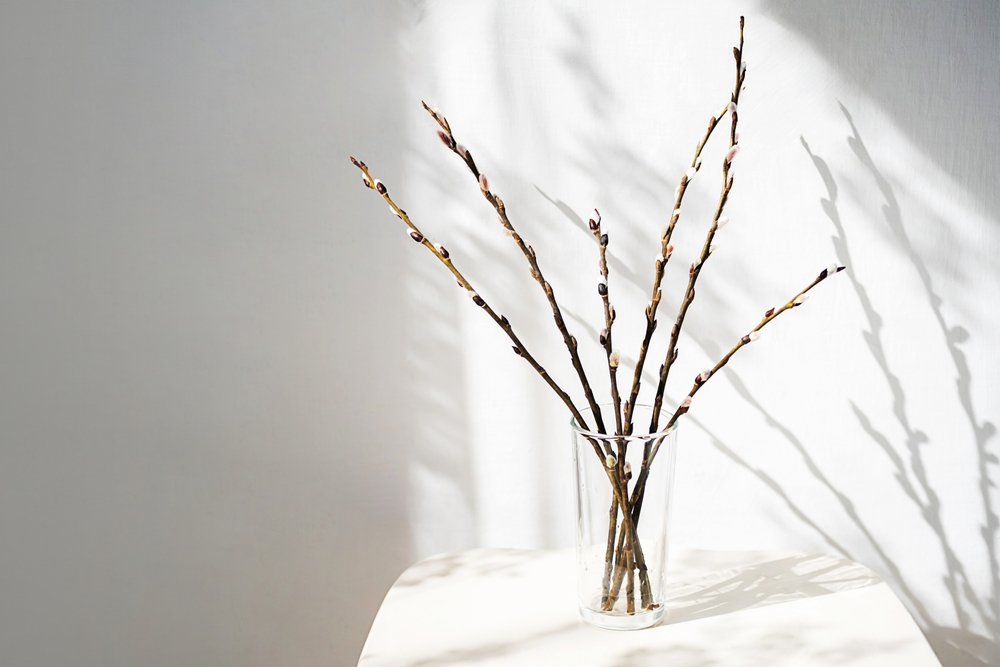
Pussy willow is another excellent choice for forcing indoors due to its distinctive, soft catkins that have a unique, fuzzy texture. To start, cut 1–2-foot branches from a mature pussy willow tree on a day when temperatures are above freezing. Choose branches with multiple buds, as these are more likely to bloom successfully. After cutting, place the branches in lukewarm water for a few hours to help them absorb moisture and prepare for blooming.
Once hydrated, arrange the branches in a vase or jar filled with water and place them in a well-lit room, ideally near a sunny window. After 2–4 weeks, the buds will begin to open, revealing the soft, silvery catkins that are characteristic of pussy willows. The warmth of the indoor environment encourages these branches to bloom early, offering a soft and delicate reminder of spring even in the middle of winter.
Magnolia
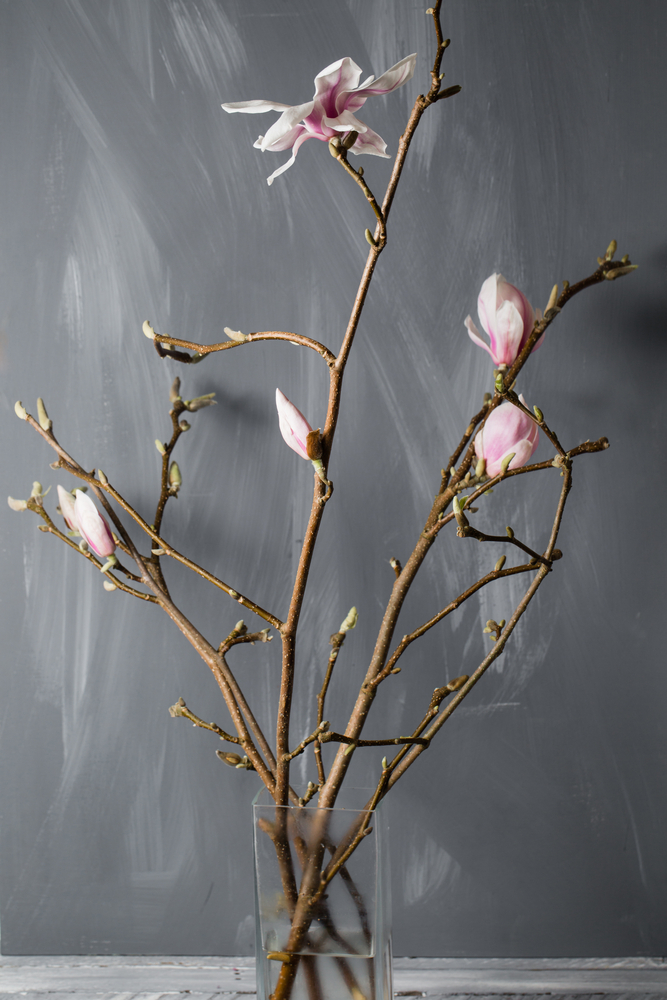
Magnolia branches, with their large, fragrant flowers, make a dramatic statement when forced indoors. To force magnolia, cut 1–2-foot branches with large, plump buds on a warm winter day when temperatures are above freezing. Magnolia branches are quite hardy, but they need to be prepared properly. After cutting, place the branches in lukewarm water for several hours to rehydrate and encourage blooming.
Once hydrated, place the magnolia branches in a vase or container with fresh water and set them in a bright location with plenty of natural light. Within 2–4 weeks, the buds will open into beautiful, fragrant flowers that are a delightful precursor to the upcoming spring season. The warmth of the indoors mimics early spring conditions, coaxing the magnolia to bloom earlier than it would outside.
Cherry Blossom
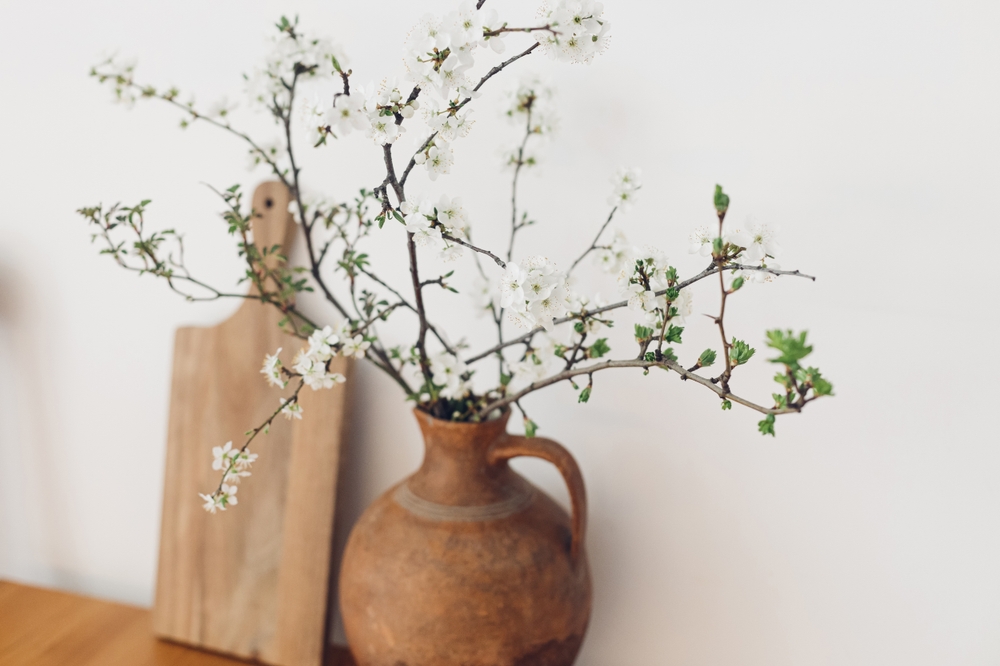
Forcing cherry blossom branches indoors is a wonderful way to enjoy the delicate pink flowers before the outdoor trees begin to bloom. Cut 1–2-foot branches with thick buds from a cherry tree on a mild day in late winter. After cutting, submerge the branches in lukewarm water for a few hours to hydrate them properly. Cherry blossom branches are known for their stunning blooms, and this hydration step is crucial for a successful bloom.
Once the branches are hydrated, place them in a sunny room with plenty of light but not too much direct heat. Within 2–4 weeks, the buds will open into beautiful cherry blossoms, filling your home with their sweet fragrance and early spring vibes. Forcing cherry blossom branches indoors gives you a preview of the beauty that will soon unfold in gardens and parks outside.
Cherry Tree
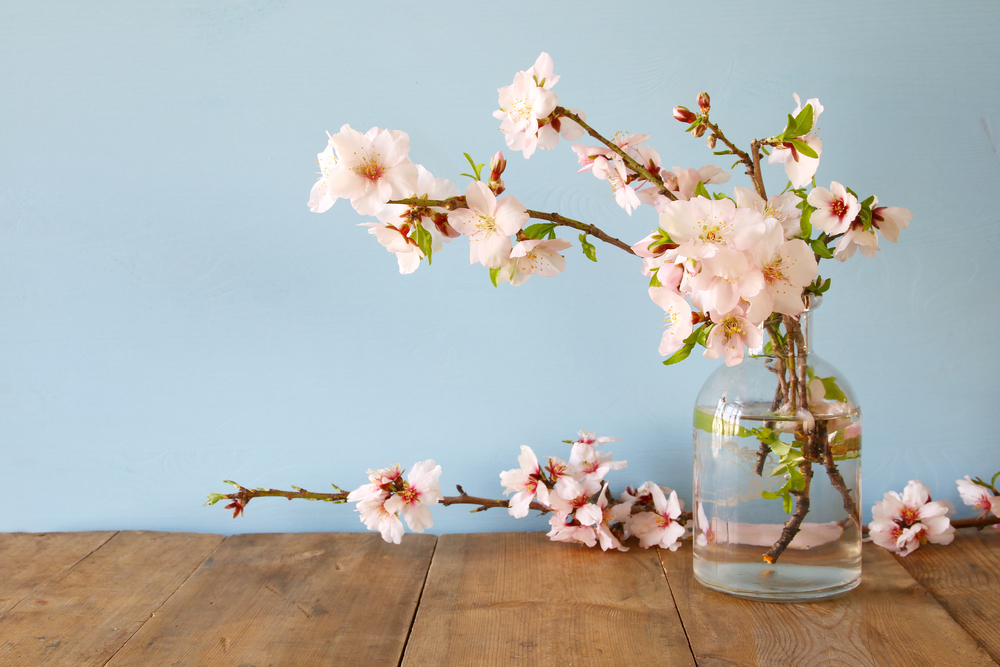
Cherry trees offer lovely flowers that can be forced indoors, and their blooms bring a touch of early spring into any home. Cut 1–2-foot branches with plenty of buds from a healthy cherry tree on a mild winter day. After cutting, place the branches in lukewarm water for a few hours to hydrate them. This step helps the buds prepare for blooming, so they will open in the indoor warmth.
After soaking, place the branches in a well-lit area and wait for 2–4 weeks. The branches will bloom into delicate white or pink flowers that are sure to brighten up any room. Forcing cherry branches indoors allows you to enjoy their beauty ahead of time, long before the outdoor trees bloom.
Apple Tree
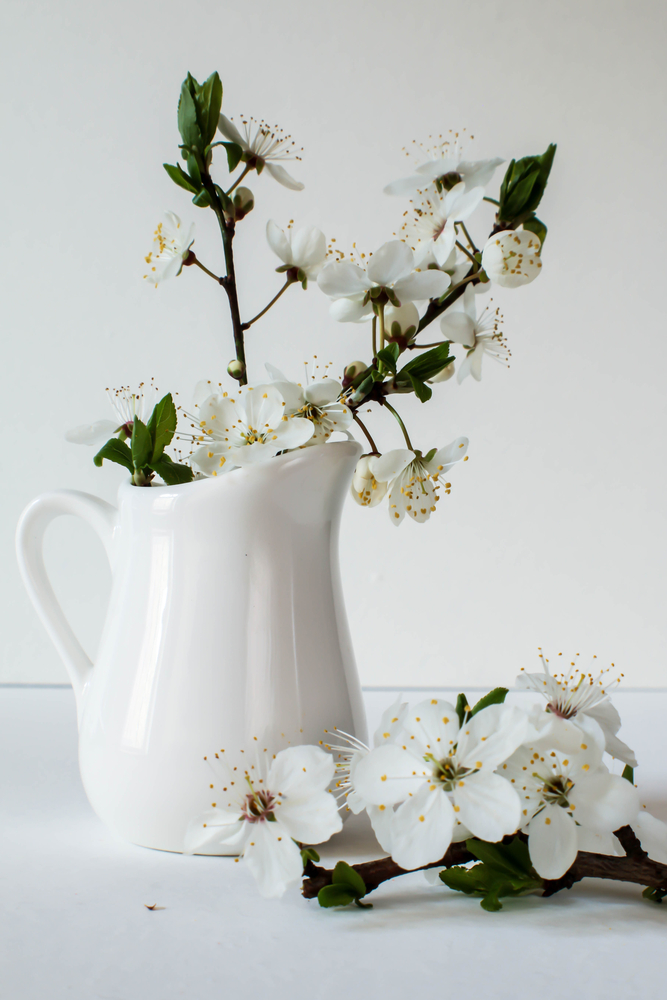
Apple tree branches are another excellent choice for indoor forcing, offering beautiful blossoms that are a sign of spring. Cut 1–2-foot branches with strong, healthy buds on a day above freezing. Apple tree branches can be quite hardy, but they need to be placed in lukewarm water for several hours to hydrate and prepare for blooming. This step is essential for helping the buds open indoors.
After hydrating, place the apple tree branches in a vase with fresh water in a sunny room. Within 2–4 weeks, the buds will begin to swell and open into delicate white or pink blossoms, depending on the variety. The warmth inside your home will encourage the tree to bloom earlier than it would outdoors, giving you a taste of spring during the colder months.
Pear Tree
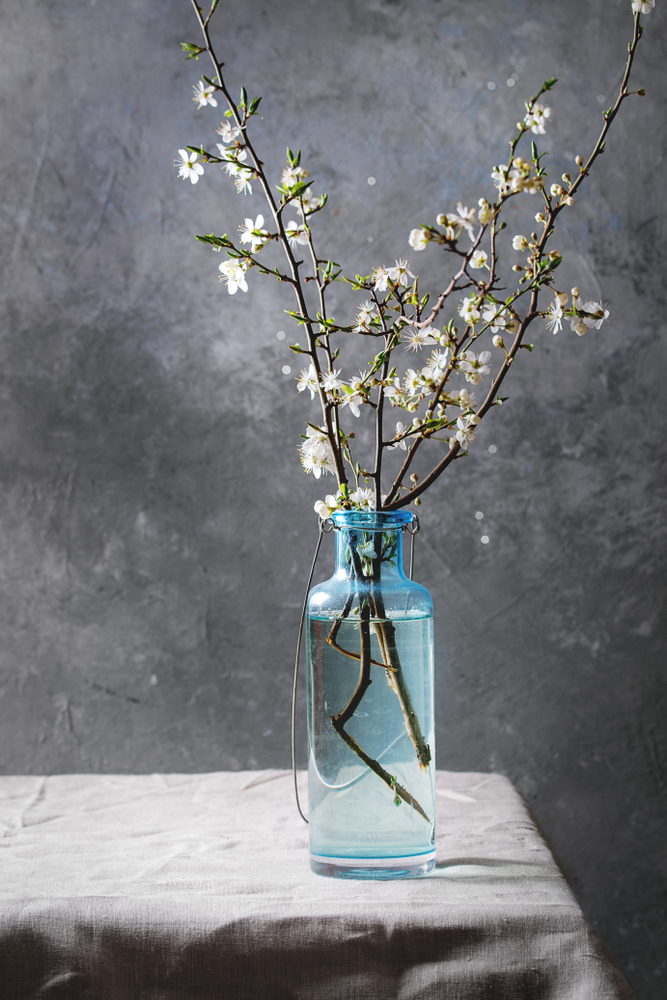
Forcing pear tree branches indoors is a great way to experience the beauty of early spring flowers. Cut 1–2-foot branches with plenty of buds from a pear tree on a day when temperatures are above freezing. After cutting, submerge the branches in lukewarm water for several hours to rehydrate them, which is essential for triggering blooming. Pear tree branches often have large, clustered buds, making them an attractive choice for forcing.
Once hydrated, place the branches in a vase or container with water and place them in a sunny room with good light. In about 2–4 weeks, the buds will begin to bloom, revealing delicate white flowers that will fill your home with the scent of spring. This simple process gives you a preview of the pear tree blossoms to come outdoors.
Lilac

Lilacs are known for their sweet fragrance and beautiful purple blooms. To force lilac branches indoors, cut 1–2-foot-long branches with healthy buds from a lilac bush on a mild day in late winter. Submerge the branches in lukewarm water for a few hours to allow them to hydrate and prepare for the blooming process. Lilacs benefit from this hydration step as it ensures the buds are ready to open once indoors.
After soaking, place the lilac branches in a sunny room and allow them to bloom over the next 2–4 weeks. The warm indoor environment will stimulate the lilac to bloom early, providing a lovely early spring scent and color to your home. Lilacs are a classic favorite, and forcing them indoors gives you an early preview of their outdoor beauty.
Viburnum
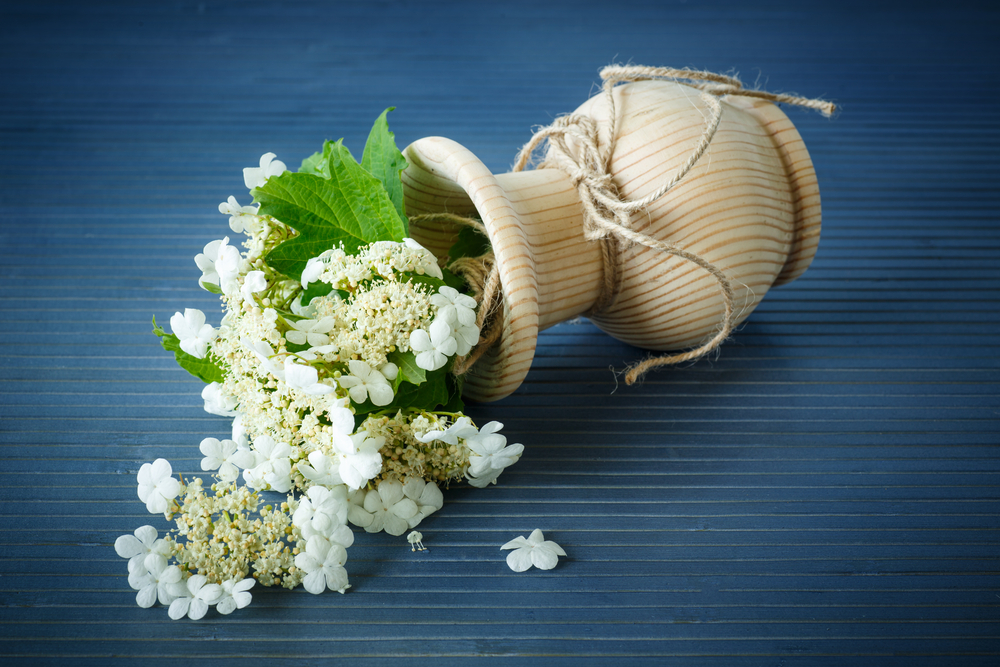
Viburnum branches are excellent for forcing indoors and are known for their small, white or pink flowers that emerge in the spring. Cut 1–2-foot branches from a viburnum shrub with plump, healthy buds. After cutting, submerge the branches in lukewarm water for a few hours to rehydrate and prepare them for blooming. This step is key to helping the buds develop once inside.
Place the viburnum branches in a vase or jar of fresh water and position them in a sunny spot in your home. Within 2–4 weeks, you will see the buds begin to swell and eventually open into delicate flowers. The warmth and light indoors mimic the early spring conditions the viburnum needs to bloom, bringing a lovely burst of color and scent to your indoor space.
Peach Tree
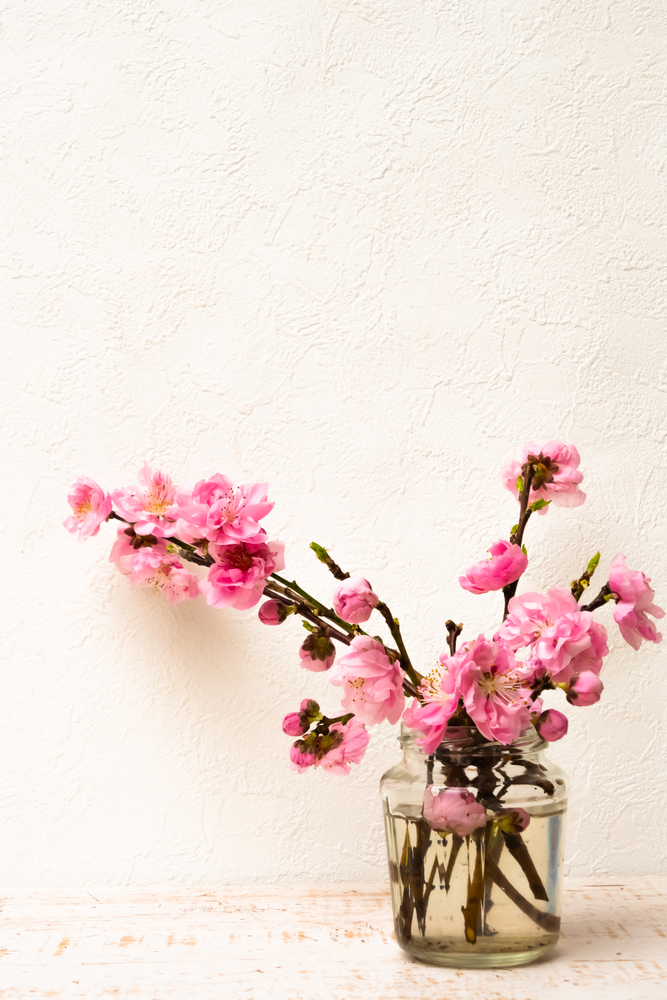
Peach trees are often chosen for forcing due to their fragrant, pink or white flowers. Cut 1–2-foot branches with well-formed buds from a healthy peach tree on a day above freezing. After cutting, soak the branches in lukewarm water for a few hours to rehydrate them. Once hydrated, the branches will be ready to bloom and bring a lovely touch of early spring to your home.
Place the branches in a sunny room with plenty of light, and within 2–4 weeks, you will see the buds open into beautiful, fragrant peach blossoms. The warmth inside your home encourages the peach tree to bloom early, offering a preview of the peach blossoms that will soon appear outdoors.
This article originally appeared on Avocadu.