
13 Best February Foods for Healthier Skin and Hair
Healthy skin and hair start from within, and the right foods can make all the difference. Many of us look for skincare products, but the nutrients we consume are just as important. By focusing on foods that support hydration and repair, you can naturally enhance your skin and hair. This February, enjoy a variety of delicious options that are great for your skin and hair health.
This post may contain affiliate links, which helps keep this content free. Please read our disclosure for more info.
Salmon

Salmon is a powerhouse food that provides essential omega-3 fatty acids, vital for skin hydration and reducing inflammation. These healthy fats lock moisture into the skin, while also nourishing hair follicles. Eating salmon a couple of times a week ensures you’re supporting glowing skin and healthy hair. A simple grilled salmon dish with a squeeze of lemon and herbs offers a delicious way to incorporate this nutritious food into your diet. Roasting it with a mix of vegetables enhances the flavor while boosting your skin and hair health.
Enjoying salmon during the colder months is especially beneficial, as it helps combat skin dryness. The vitamin D in salmon contributes to healthy hair growth and a nourished scalp. Whether grilled or served in a salad, salmon is an excellent choice for enhancing your overall skin and hair health. Its rich content of omega-3s provides hydration and nourishment for your skin and hair.
Avocados
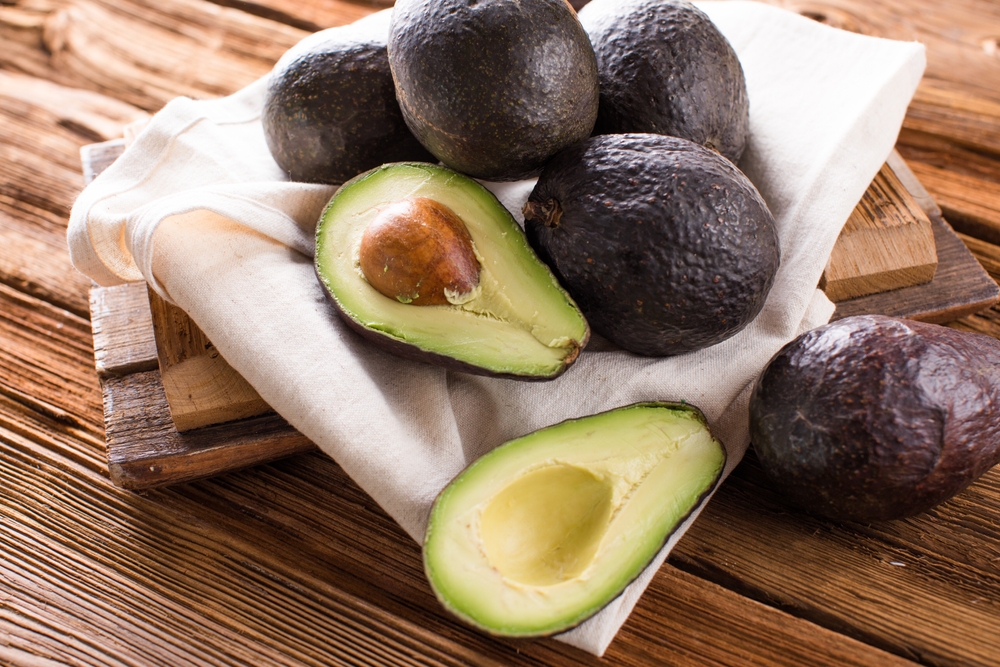
Packed with healthy fats, avocados are a go-to food for skin and hair health. They contain vitamins E and C, both of which protect the skin from damage and promote collagen production. These nutrients also prevent hair from becoming brittle and dry. For a quick breakfast, mash avocado on whole-grain toast or add it to a fresh salad for a healthy dose of nourishment. You can also blend avocado into smoothies for a creamy texture and extra skin benefits.
Adding avocado to your meals in February is a great way to support your skin and hair during colder weather. The healthy fats in avocados work to keep your skin hydrated and prevent hair breakage. Whether eaten on its own or as part of a dish, avocado helps provide the nourishment your skin and hair need. Its versatility makes it easy to incorporate into a variety of meals throughout the week.
Sweet Potatoes
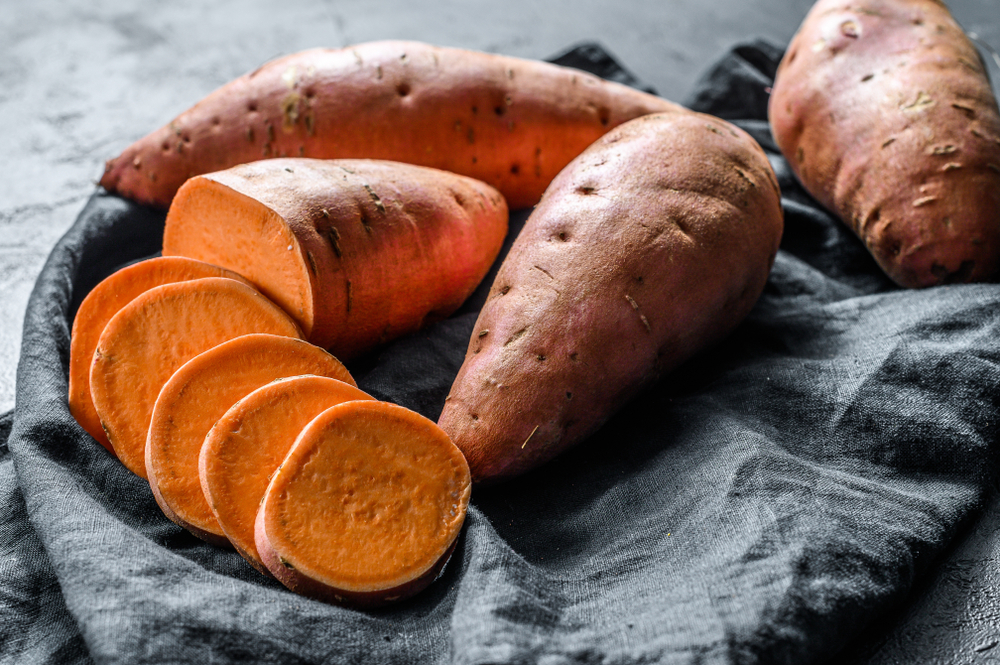
Known for their rich beta-carotene content, sweet potatoes are excellent for promoting healthy skin and hair. Beta-carotene converts into vitamin A, which supports skin regeneration and helps repair damage. Eating sweet potatoes regularly helps keep your skin looking vibrant and your hair strong. For an easy side dish, roast sweet potato cubes with olive oil and your favorite herbs. You can also enjoy sweet potatoes as a hearty addition to soups or stews for a warm, nutritious meal.
Sweet potatoes are a perfect addition to your diet in February when your skin may need extra hydration. Their high antioxidant content helps fight the dry, dull skin that often comes with winter. Roasting or baking them with other vegetables creates a satisfying, skin-boosting meal. The fiber and vitamins in sweet potatoes keep your skin and hair nourished, helping to maintain a glowing complexion.
Spinach
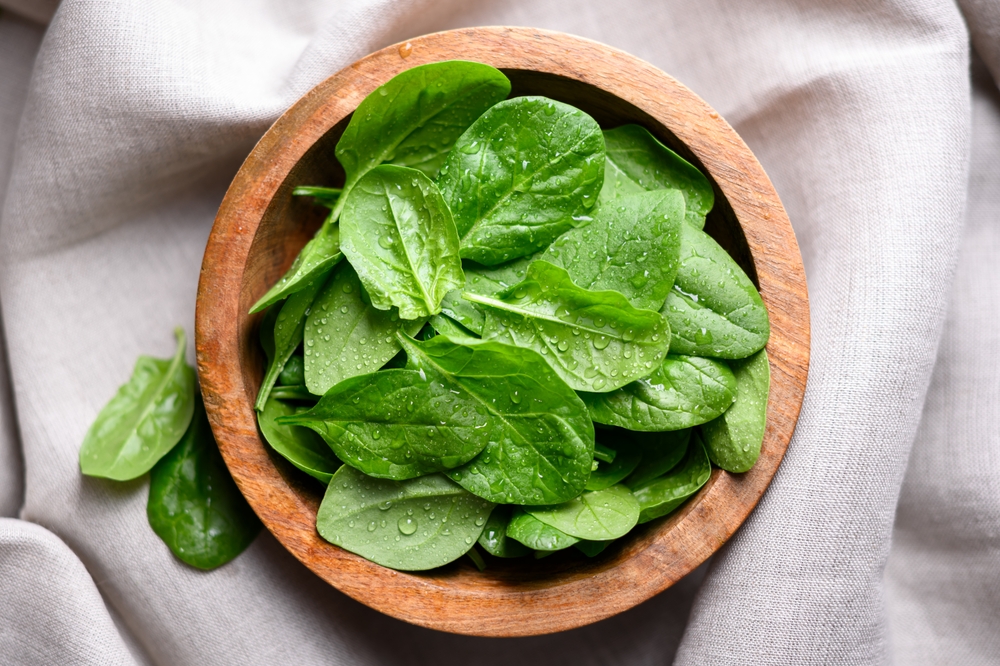
Spinach is rich in iron and vitamin C, two nutrients that are essential for healthy skin and hair. Iron helps deliver oxygen to hair follicles, while vitamin C promotes collagen production, strengthening skin and hair. Including spinach in your diet can contribute to healthier, shinier hair and smoother, firmer skin. Add spinach to your salads or toss it into a warm soup for a nourishing meal. You can also saute spinach with garlic and olive oil for a quick side dish.
The best time to enjoy spinach is during the colder months, as it helps keep your skin and hair healthy in harsh weather. Iron-rich spinach supports better circulation, which nourishes hair follicles and promotes skin regeneration. Whether fresh or cooked, spinach is a great way to enhance your skin and hair health. Its mild flavor and nutrient profile make it easy to incorporate into various dishes.
Berries
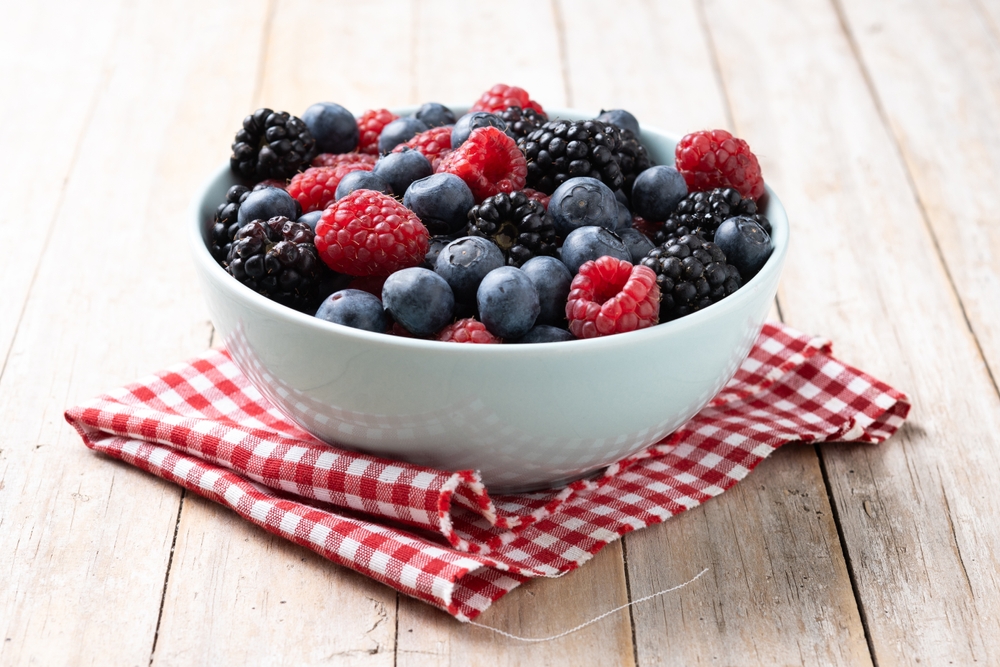
Loaded with antioxidants, berries are a fantastic food for protecting your skin from damage and promoting a glowing complexion. Their vitamin C content supports collagen production, which is essential for keeping skin firm and hair strong. A handful of berries a few times a week can keep your skin looking youthful and your hair thick and healthy. Add them to your morning yogurt, oatmeal, or smoothie for a delicious, skin-friendly start to the day. Berries are also great for snacking, providing a sweet and nutritious treat.
Incorporating berries into your diet this February helps combat the dryness that often affects skin in winter. Antioxidants in berries work to fight free radicals that can cause premature aging and dullness. Whether fresh or frozen, berries provide numerous benefits for your skin and hair. Their refreshing taste and vibrant color make them a fun and healthy addition to your meals.
Nuts (especially Walnuts)
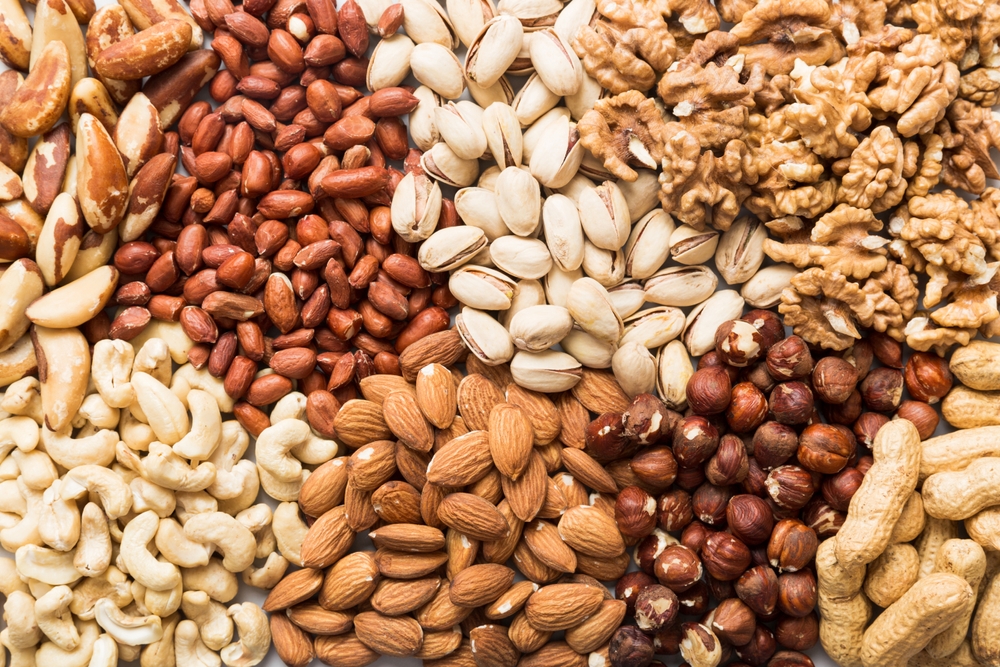
Walnuts are a rich source of omega-3 fatty acids, vitamin E, and zinc, which are all essential for maintaining healthy skin and hair. Omega-3s help hydrate the skin, while vitamin E provides protection from environmental stress. Zinc supports hair repair and growth, making walnuts a great addition to your diet. Sprinkle a handful of walnuts on your salads or enjoy them as a quick snack for a healthy dose of nourishment. Adding them to your morning smoothie or oatmeal also boosts the nutrient content of your meals.
Including walnuts in your diet can be especially beneficial in February when skin and hair may feel dry. The omega-3 fatty acids in walnuts help maintain moisture in both your skin and hair, preventing flakiness. These nuts are a simple yet effective way to support your skin and hair health, offering long-lasting benefits. Snack on them throughout the day to keep your skin glowing and your hair strong.
Carrots
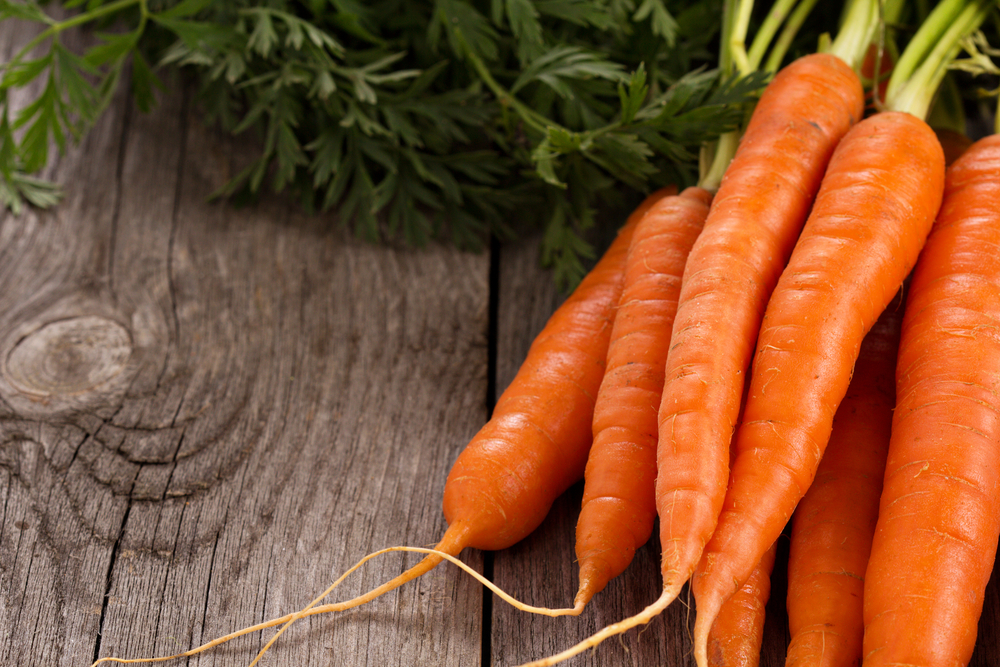
Carrots are packed with beta-carotene, which your body converts into vitamin A to support skin repair and hair growth. This vitamin is essential for maintaining smooth, healthy skin and preventing dry, brittle hair. Adding carrots to your diet regularly helps promote a radiant complexion and healthy hair. Enjoy them raw as a crunchy snack, or add them to soups, stews, or salads for added nutrition. Roasting carrots with olive oil and herbs brings out their natural sweetness, making for a flavorful side dish.
Carrots are perfect for February when your skin may need extra moisture and nourishment. The high vitamin A content helps rejuvenate your skin, reducing signs of dryness or irritation. Whether roasted, raw, or in smoothies, carrots are an easy way to nourish both your skin and hair. Their natural sweetness and versatility make them an enjoyable addition to your meals.
Eggs

Eggs are an excellent source of protein, biotin, and zinc, which are crucial for healthy skin and hair. Protein helps rebuild hair strands, while biotin supports hair growth and strength. Zinc helps prevent hair loss and promotes healthy skin renewal. For breakfast, try scrambled eggs with vegetables or a protein-packed omelet. Eggs are also versatile in baking or as a snack, providing a nutrient boost for your skin and hair.
Eating eggs regularly is beneficial for skin and hair health, especially in February when dry skin and hair can be an issue. The biotin in eggs helps prevent hair thinning, while the protein promotes healthy hair follicles. Whether eaten alone or added to dishes, eggs provide long-lasting benefits for both skin and hair. They’re an easy and nutritious way to start your day and nourish your body.
Tomatoes
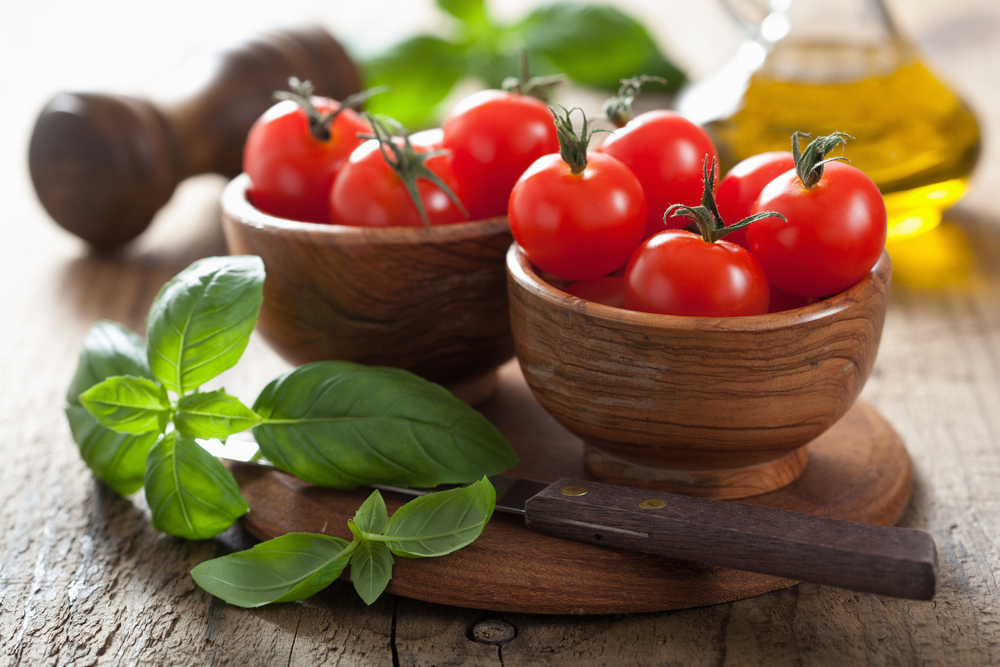
Tomatoes are rich in lycopene, a powerful antioxidant that helps protect your skin from UV damage and promotes a healthy complexion. The vitamin C in tomatoes also supports collagen production, improving skin elasticity and texture. Incorporating tomatoes into your diet regularly can keep your skin firm and glowing. Enjoy tomatoes in salads, soups, or pasta dishes for a healthy, skin-boosting meal. Roasting tomatoes with garlic and olive oil enhances their flavor and nutrient content.
Tomatoes are especially helpful in February, as they combat the dull, dry skin caused by the winter elements. The antioxidants in tomatoes help protect the skin from oxidative damage, keeping it youthful and vibrant. Whether fresh, roasted, or in sauces, tomatoes are an easy and delicious way to improve your skin’s health. Their bright color and refreshing taste make them a perfect addition to any meal.
Citrus Fruits
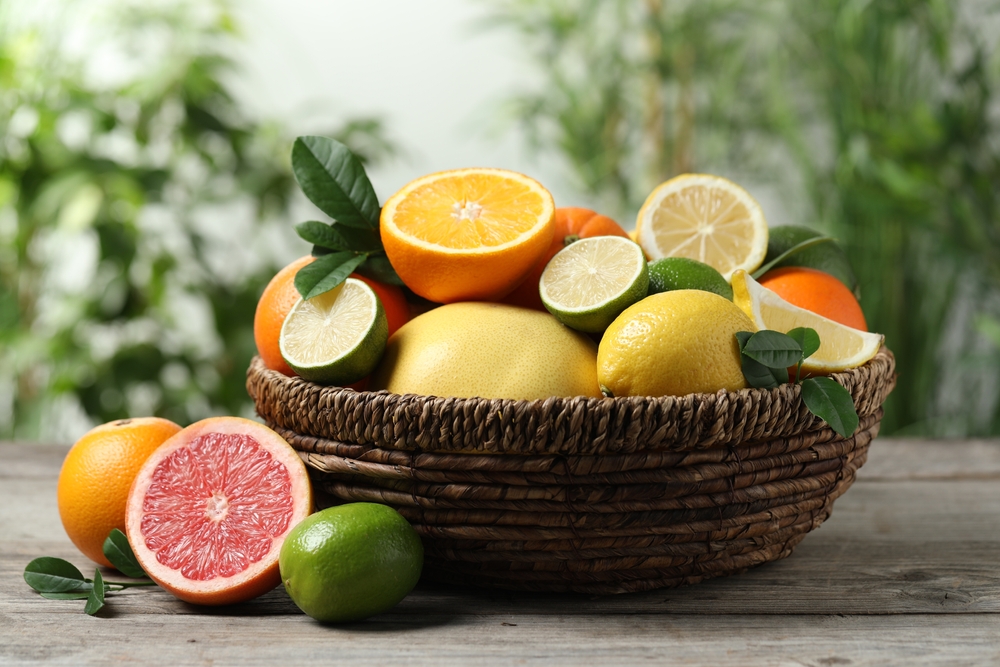
Citrus fruits like oranges, lemons, and grapefruits are packed with vitamin C, which is essential for collagen production and maintaining skin elasticity. Vitamin C also helps brighten the complexion and fights signs of aging. Including citrus fruits in your diet regularly can keep your skin looking fresh and radiant. Start your day with a fresh orange or add lemon to your water for a refreshing vitamin C boost. A citrus salad with avocado and a light vinaigrette is a tasty, skin-friendly dish.
Citrus fruits are perfect for February when your skin may feel dry and lackluster. The vitamin C in these fruits supports skin renewal and helps maintain a bright, healthy complexion. Whether eaten fresh, in juices, or added to dishes, citrus fruits are an excellent way to nourish your skin. Their tart, refreshing flavor makes them a delightful and nutritious addition to your meals.
Avocado Oil
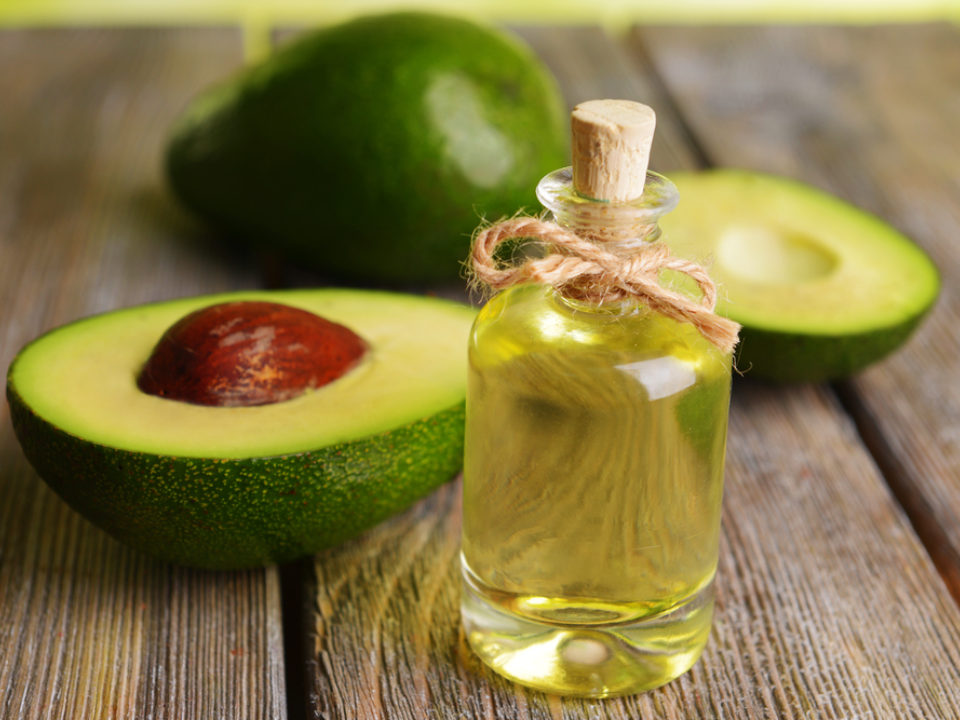
Avocado oil is packed with healthy fats, antioxidants, and vitamin E, which help keep your skin hydrated and promote hair health. It works to restore moisture to dry skin and provides nourishment for your hair. Use avocado oil in your cooking or as a moisturizing treatment for your skin and hair. Drizzle it over roasted vegetables or use it as a base for a fresh salad dressing. For a DIY hair mask, massage avocado oil into your hair and leave it for 20 minutes before rinsing.
In February, when your skin may feel drier, avocado oil is a great remedy for hydration. The oil’s rich fatty acids help lock in moisture, preventing your skin from becoming too dry. Whether used in your meals or beauty routine, avocado oil offers nourishing benefits for both your skin and hair. Its versatility makes it easy to incorporate into your daily regimen.
Chia Seeds
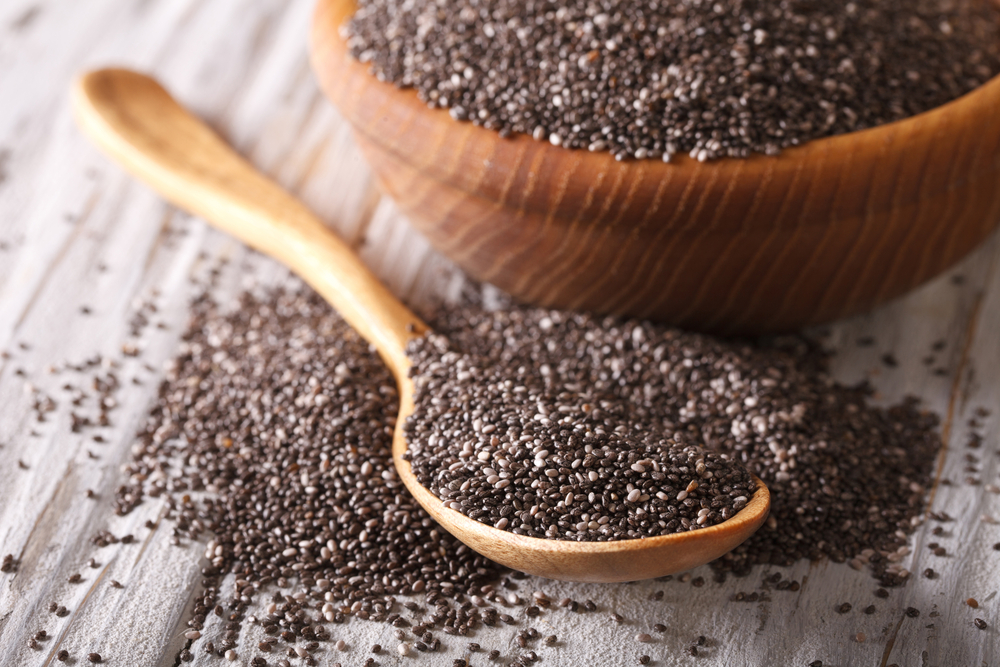
Chia seeds are a fantastic source of omega-3 fatty acids, protein, and fiber, all of which are beneficial for your skin and hair. The omega-3s help maintain skin hydration, while protein promotes healthy hair growth and strength. Adding chia seeds to your diet can help combat dry skin and brittle hair. Sprinkle chia seeds on yogurt, smoothies, or oatmeal for a crunchy, nutritious addition to your meals. You can also make chia pudding by soaking the seeds in almond milk for a creamy dessert.
Chia seeds are a great option for February when you need extra hydration and nourishment for your skin and hair. Their omega-3 content helps reduce inflammation and maintain moisture in your skin. Whether you add them to meals or enjoy chia pudding, these tiny seeds are a simple way to support your skin and hair health. They’re easy to incorporate into a variety of dishes for long-lasting hydration.
Oats
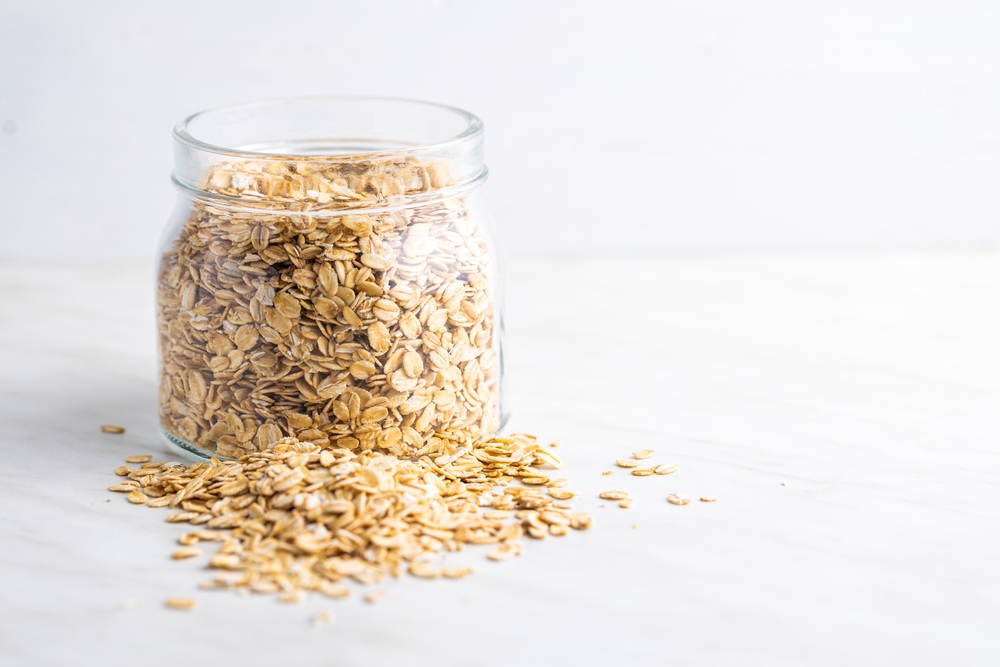
Oats are a rich source of zinc and biotin, essential nutrients for healthy skin and hair. Zinc helps prevent hair loss, while biotin supports stronger, thicker hair. Oats also provide antioxidants that help reduce skin inflammation and lock in moisture. Enjoy a warm bowl of oatmeal with fresh fruit and nuts, or mix oats into smoothies or baked goods like muffins or cookies. They’re a simple, affordable way to support both skin and hair health.
Eating oats regularly during February helps combat skin dryness caused by winter weather. The antioxidants in oats help reduce skin irritation, leaving your skin smooth and moisturized. Whether as a breakfast or in baked goods, oats are a great option for nourishing your skin and hair. Their fiber content supports digestion, which also contributes to healthier skin.
Green Tea

Green tea is loaded with antioxidants, particularly catechins, which help protect your skin from damage and promote a healthy scalp for hair growth. The polyphenols in green tea also improve circulation, nourishing hair follicles and skin. Drinking green tea regularly can help keep your skin clear and your hair strong. Sip on green tea in the morning or as an afternoon pick-me-up for an antioxidant boost. You can also use it topically to reduce puffiness or soothe irritated skin.
Green tea is perfect for February, as it helps fight the dry, dull skin that can come with cold weather. Its anti-inflammatory properties help calm the skin and reduce redness. Whether you drink it or apply it to your skin, green tea is a simple way to promote healthier skin and hair. Its soothing properties make it a great addition to your beauty routine.
Pumpkin Seeds
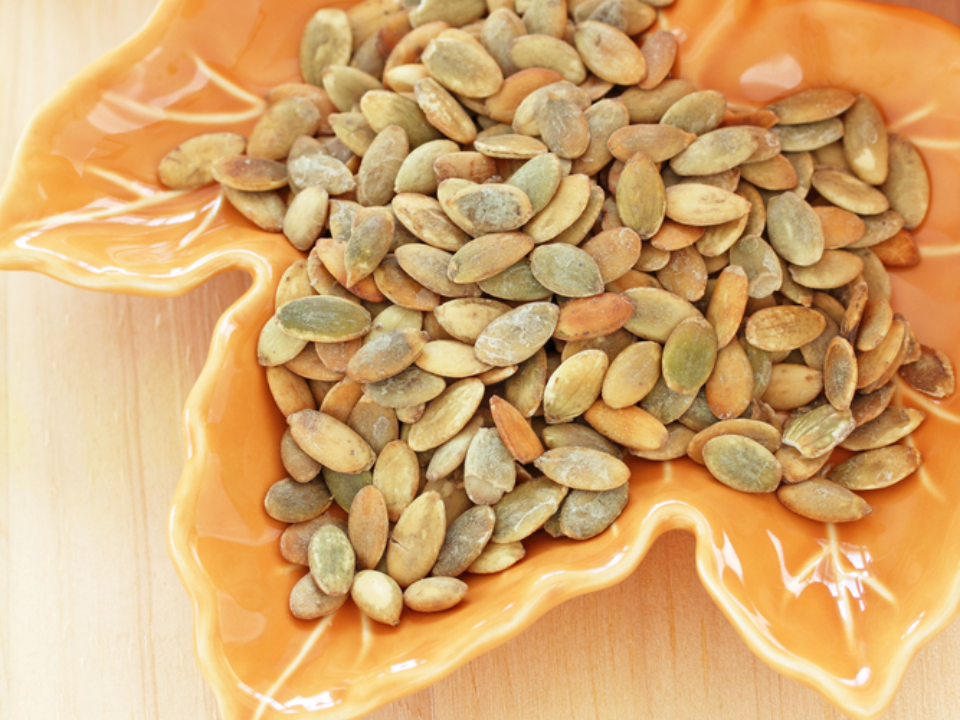
Pumpkin seeds are a rich source of zinc, omega-3 fatty acids, and magnesium, all of which support healthy skin and hair. Zinc helps with hair repair and growth, while omega-3s contribute to skin hydration and elasticity. Snacking on pumpkin seeds or adding them to your meals is a great way to nourish your skin and hair. Try roasting them with your favorite spices for a crunchy snack or adding them to salads and smoothies for added nutrition.
Pumpkin seeds are an excellent choice in February, as they provide the nutrients your skin and hair need during the colder months. Their magnesium content helps reduce stress, which can positively affect your skin and hair health. Whether eaten on their own or mixed into dishes, pumpkin seeds offer a simple and effective way to support your skin and hair.
Coconut Oil
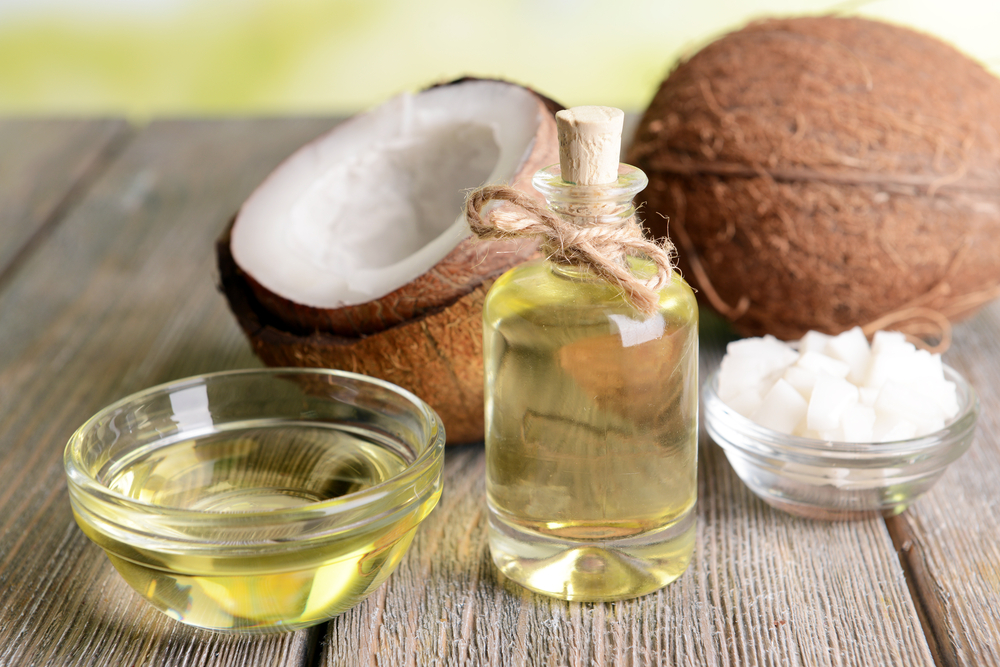
Coconut oil is rich in healthy fats that help moisturize dry skin and promote shiny, strong hair. It also has anti-inflammatory and antimicrobial properties, making it great for soothing irritated skin or a dry scalp. Regular use of coconut oil can keep your skin soft and your hair glossy. Apply it as a deep conditioning treatment for your hair or use it as a natural moisturizer for your skin. You can also add coconut oil to your cooking for an extra dose of healthy fats.
Coconut oil is especially helpful in February, when your skin may feel dry due to the colder weather. Its rich, nourishing properties lock in moisture, keeping your skin hydrated and your hair nourished. Whether used in your beauty routine or cooking, coconut oil offers multiple benefits for both skin and hair. It’s a versatile and affordable way to maintain healthy, glowing skin and hair.
This article originally appeared on Avocadu.