
14 Berry Bushes to Plant Before the Soil Warms
If you’re eager to get a jump on your gardening this season, planting berry bushes before the soil warms is a great way to start. Early planting helps these bushes establish strong roots, setting them up for a productive growing season once the weather heats up. Many berry bushes thrive when planted while the ground is still cool, giving them a head start before the busy growing months. Whether you prefer sweet strawberries, tangy raspberries, or unique currants, there are plenty of berry bushes to choose from. These plants are not only delicious but also easy to care for once they are established. By planting early, you give them the best chance to thrive and produce a great harvest later in the year.
This post may contain affiliate links, which helps keep this content free. Please read our disclosure for more info.
Raspberry Bushes (Red and Yellow)
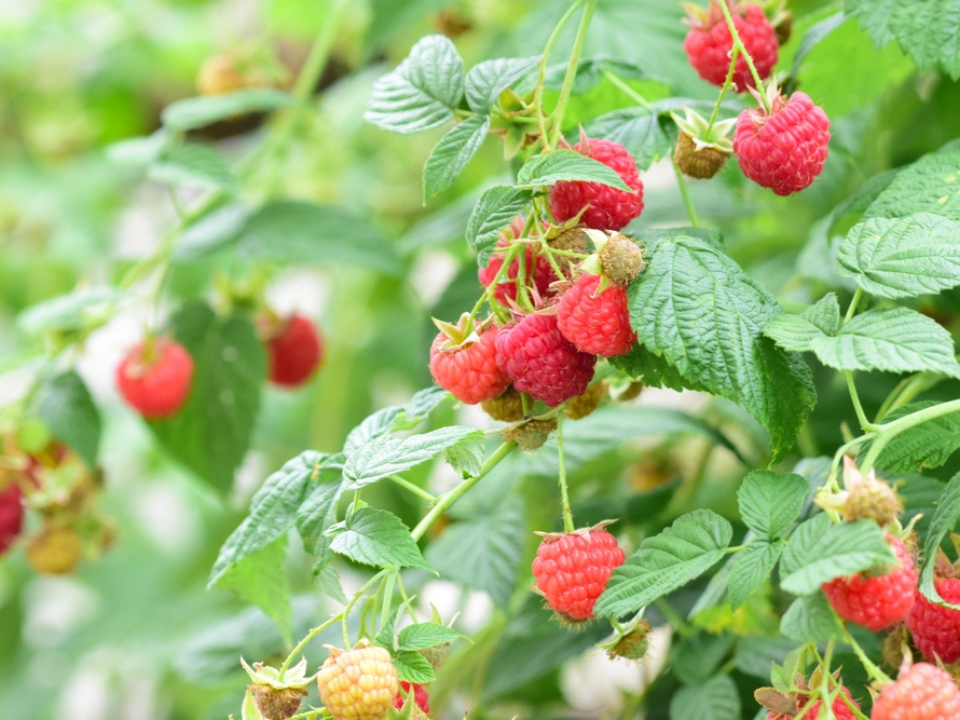
Raspberry bushes are a great option for planting early in the season before the soil fully warms up. These hardy bushes thrive in well-drained soil and do best when planted in a sunny spot with good airflow. Red raspberries, in particular, offer an abundance of sweet and tart fruit, while yellow raspberries tend to be sweeter and milder in taste. They can be planted in the late winter or early spring, allowing them to establish roots before the warmer months.
The roots grow quickly and are quite resilient to temperature changes, so planting them early can help them produce fruit earlier in the season. Additionally, they are relatively low maintenance and can be pruned annually to promote healthy growth. Regular watering during dry spells ensures that the bushes stay hydrated, and providing a layer of mulch can help maintain moisture levels and prevent weeds.
Blueberry Bushes (Northern Highbush)
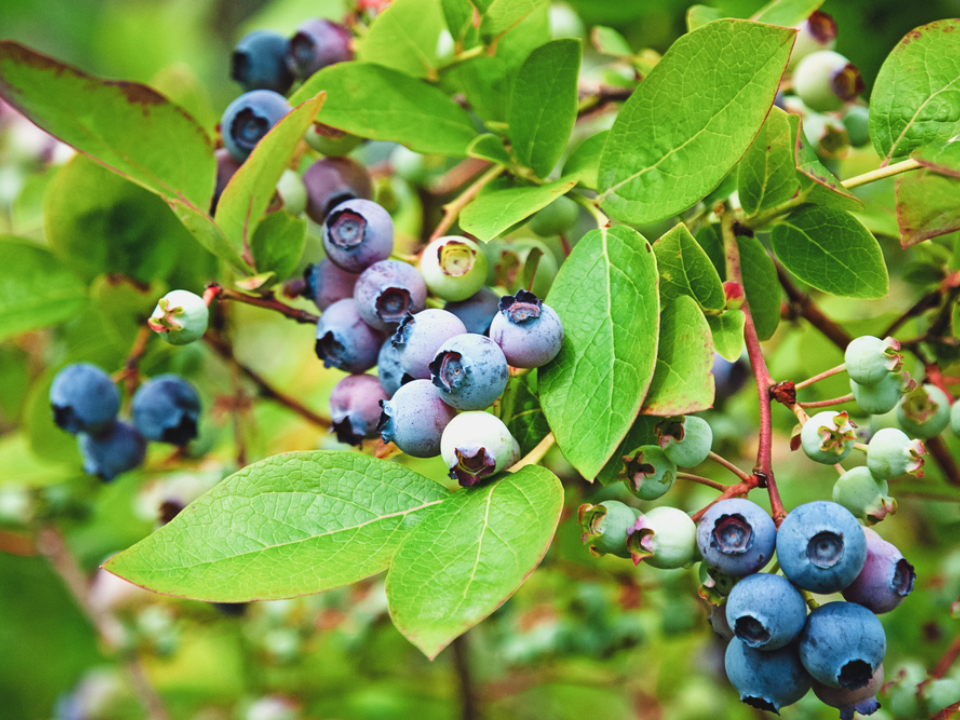
Northern highbush blueberries are perfect for gardeners looking to get a jump on the growing season. These bushes are known for their excellent cold tolerance, making them ideal for early planting. Blueberries thrive in acidic soil with a pH level between 4.5 and 5.5, so it is important to test your soil before planting. By planting blueberries early, you give them the best chance to establish strong root systems before the heat of summer.
These bushes offer high yields of sweet, flavorful berries that are perfect for eating fresh or using in recipes. Blueberry bushes need a good amount of sunlight, so be sure to place them in an area that receives full sun for most of the day. They also benefit from being watered regularly, especially during fruiting. Mulching around the base helps protect the roots and conserve moisture during warmer weather.
Gooseberry Bushes
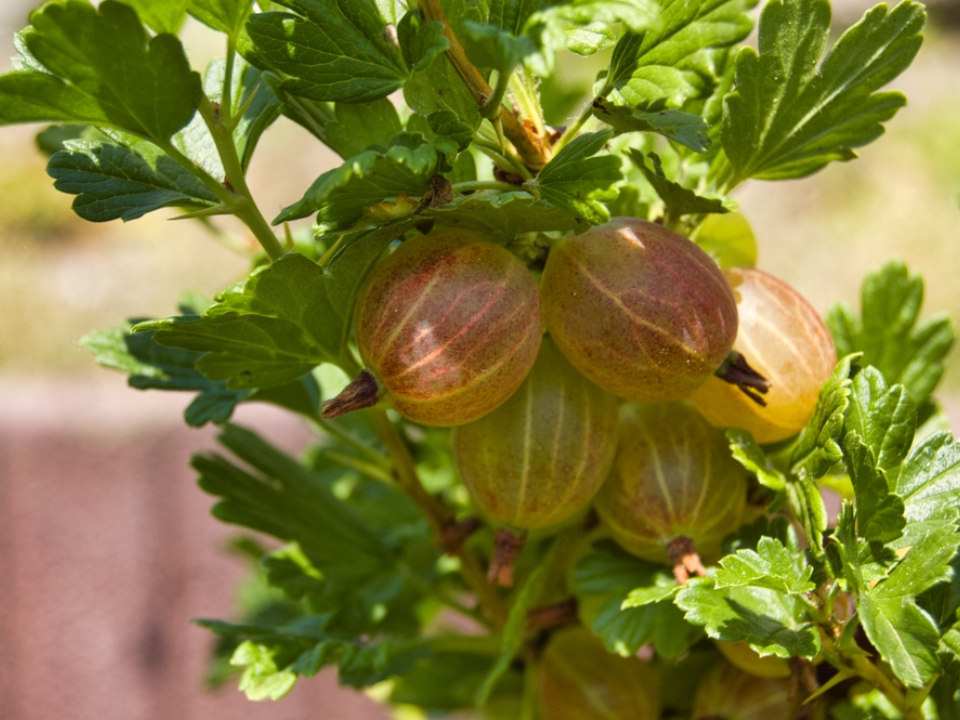
Gooseberries are an often-overlooked berry that should not be missed for early planting. These hardy bushes are well-suited to cooler climates and can tolerate the cold, which makes them a great choice before the soil warms. They produce small, tart berries that are excellent for making jams, jellies, and pies. Gooseberries thrive in a variety of soils but prefer slightly acidic to neutral pH levels.
Planting them early gives them a chance to establish their root systems before the summer heat arrives. Gooseberry bushes require less attention than some other berries, but they do appreciate regular watering and occasional pruning. They also benefit from being mulched, which helps to keep weeds at bay and retain moisture in the soil. Gooseberry bushes do well in both full sun and partial shade, making them a versatile addition to your garden.
Elderberry Bushes
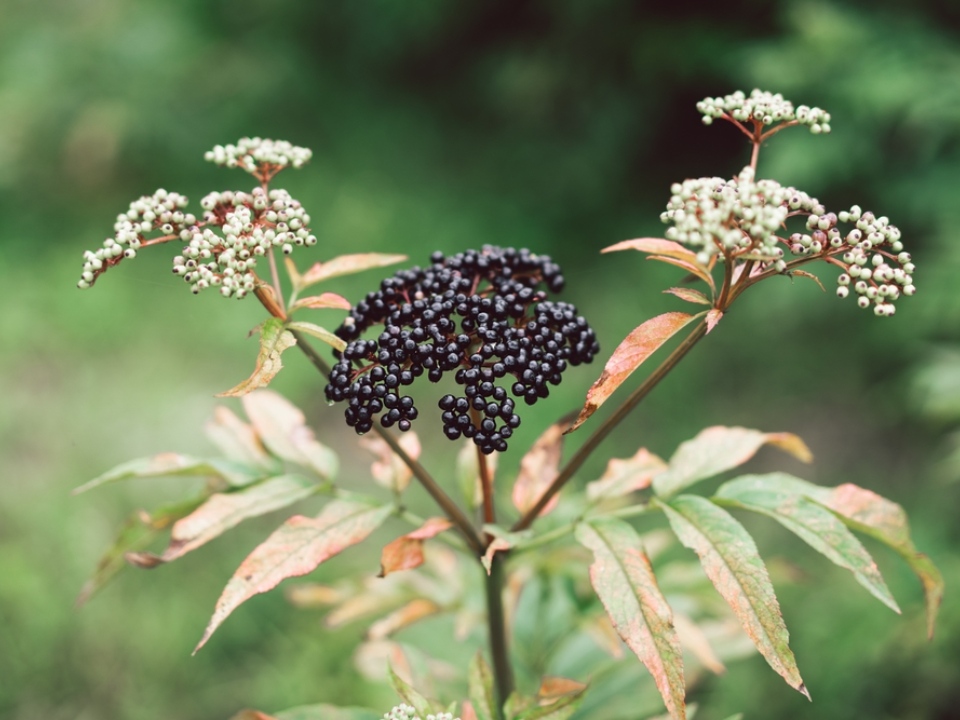
Elderberries are hardy bushes that thrive in moist, fertile soils. Planting elderberry bushes before the soil warms gives them an early start, allowing them to grow vigorously once the temperatures rise. The small, dark purple berries they produce are often used for medicinal purposes, jams, and wine. Elderberries grow well in a variety of soil types, but they do best in slightly acidic soils that are rich in organic matter.
These bushes can tolerate some shade, though they prefer full sun for the best berry production. Elderberry bushes are quite low-maintenance and can be pruned in late winter to encourage new growth. They also benefit from being watered consistently, especially during dry spells. By planting them early, you help them become established before the heat of summer, ensuring a better harvest.
Currant Bushes (Red, Black, and White)
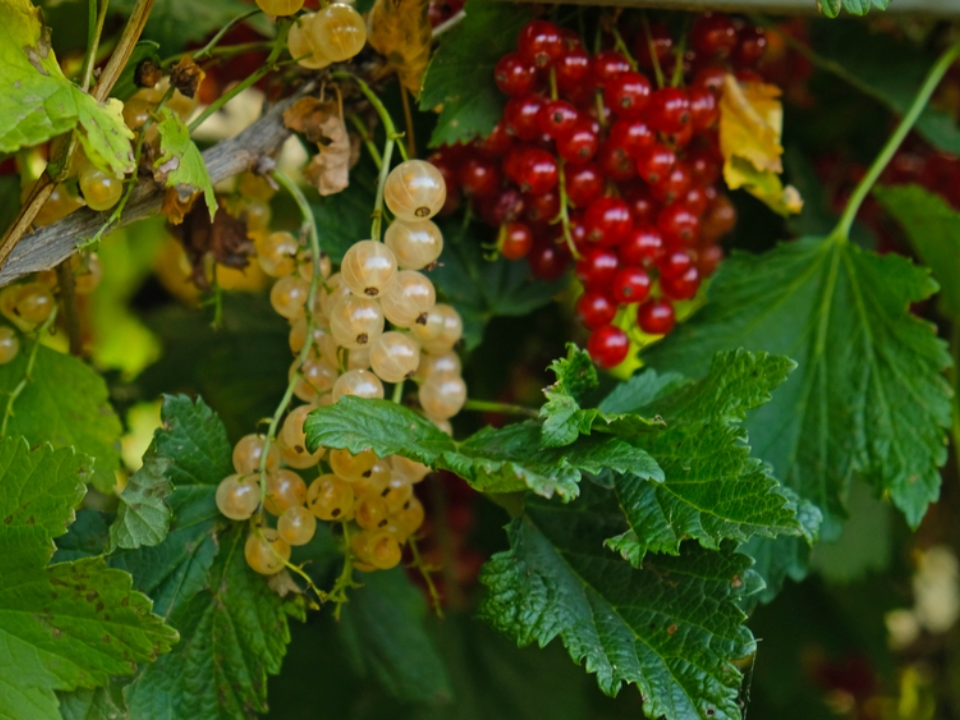
Currant bushes are another great option for planting before the soil warms. These bushes are known for their resilience in cooler temperatures and can be planted early to take advantage of the early spring. Red currants are often used in sauces and jams, while black currants are prized for their strong, tart flavor, which is ideal for syrups and drinks. White currants are less common but have a milder taste, making them perfect for fresh eating.
Currants prefer slightly acidic soil and thrive in areas with good drainage. By planting them early, you allow them to establish roots before the heat of summer, which can result in a more productive harvest. Regular watering is essential, particularly during fruit development, and a layer of mulch around the base helps retain moisture and control weeds.
Huckleberry Bushes
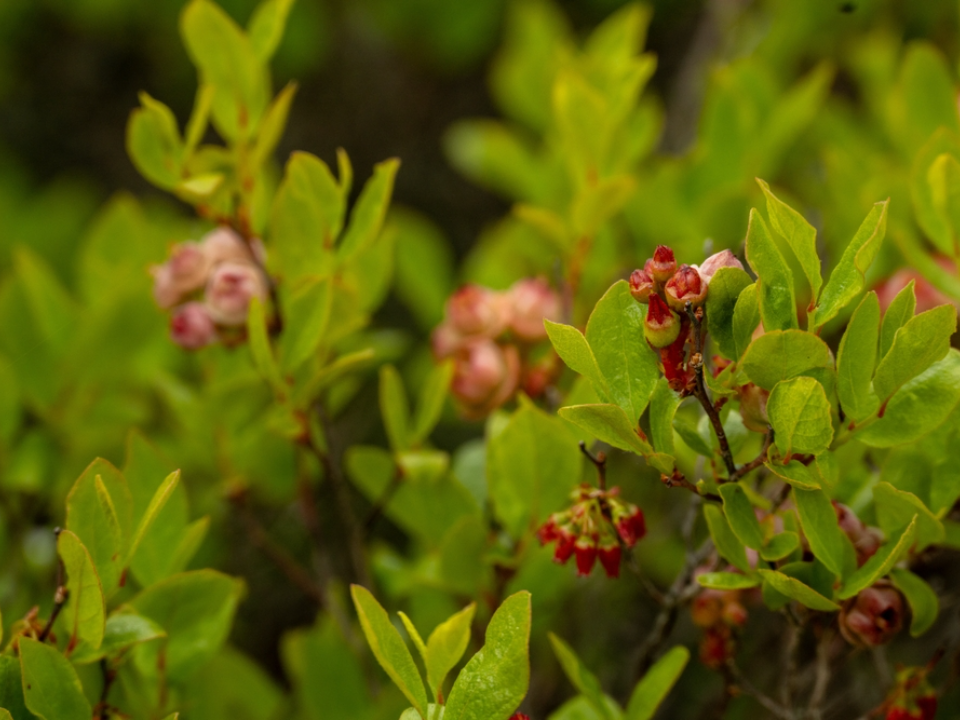
Huckleberries are an excellent choice for gardeners looking for a unique and flavorful berry. These bushes are well-suited to cooler climates and thrive in slightly acidic soils. Huckleberry bushes can be planted early in the season, giving them a head start before the warmer weather sets in. They produce small, sweet berries that are delicious in pies, jams, or eaten fresh.
These bushes are hardy and can tolerate a range of soil conditions, but they do prefer well-drained, fertile soils. Full sun exposure is key to producing the best berries, though they can tolerate some partial shade. Regular watering helps the bushes establish strong roots, and mulching can help retain moisture during dry periods.
Aronia Berry Bushes (Chokeberry)
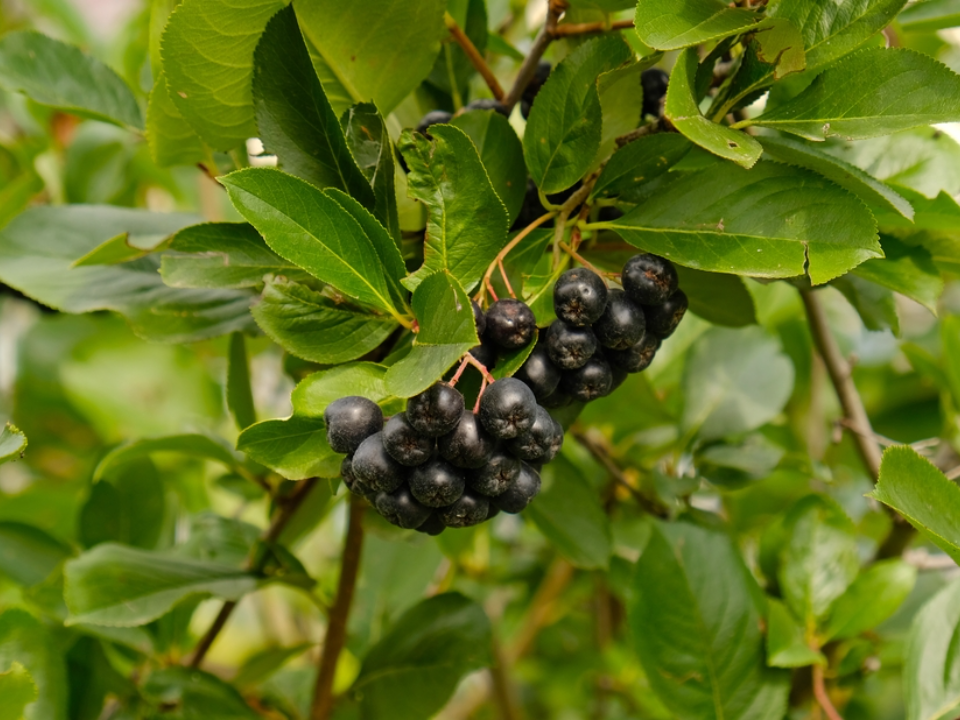
Aronia berries, commonly known as chokeberries, are gaining popularity due to their health benefits and hardy nature. These bushes can be planted before the soil warms and do well in a variety of soil types. Aronia berries are rich in antioxidants and are often used in juices, jams, and syrups. They thrive in both full sun and partial shade, though they will produce more berries in sunnier spots.
Aronia berry bushes are low-maintenance and can tolerate drought once established. However, they do benefit from consistent watering during dry spells, particularly in the early stages of growth. These bushes are also tolerant of cold temperatures, making them ideal for planting early in the season before the ground fully warms.
Strawberry Bushes (Alpine Varieties)
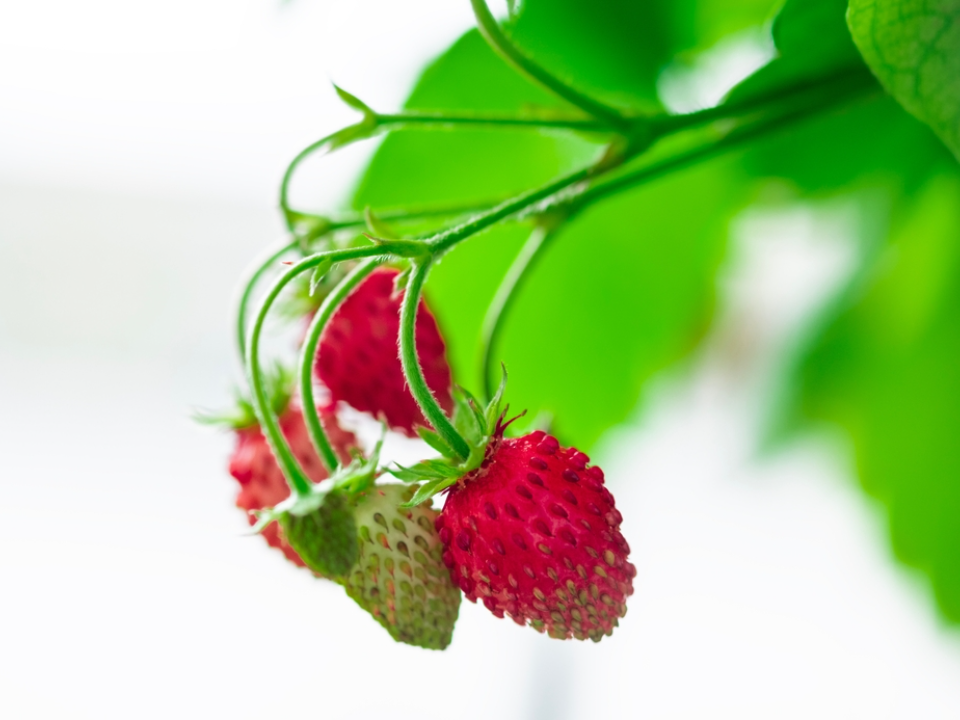
Alpine strawberry bushes are perfect for gardeners looking to grow strawberries early in the season. These compact bushes are ideal for small spaces and can be planted before the soil warms. Alpine strawberries are known for their sweet and fragrant berries, which are perfect for fresh eating or using in desserts. Unlike traditional strawberries, alpine varieties do not send out runners, so they focus their energy on producing high-quality fruit.
They thrive in well-drained, slightly acidic soils and prefer full sun for the best berry production. By planting them early, you allow them to establish strong roots before the heat of summer arrives. Regular watering is key to ensuring a healthy crop and adding mulch around the base helps retain moisture and protect the roots.
Lingonberry Bushes
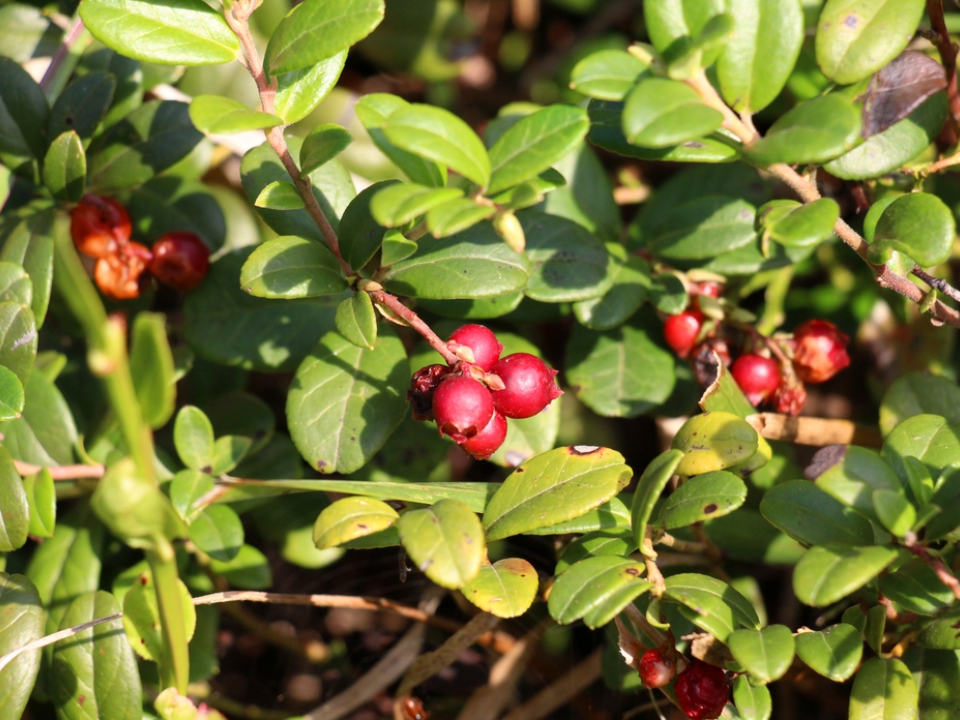
Lingonberries are a hardy, evergreen shrub that thrives in cooler climates. These bushes can be planted early, as they are well-suited to growing in acidic, well-drained soils. The small, red berries they produce are tart and often used in jams, jellies, and syrups. Lingonberry bushes grow well in partial shade, though they will benefit from a few hours of direct sunlight each day.
They are relatively low-maintenance and can tolerate some drought once established. However, consistent watering is important during the fruiting period to ensure a good harvest. These bushes also benefit from a layer of mulch, which helps maintain moisture and keep weeds at bay.
Serviceberry Bushes (Amelanchier)
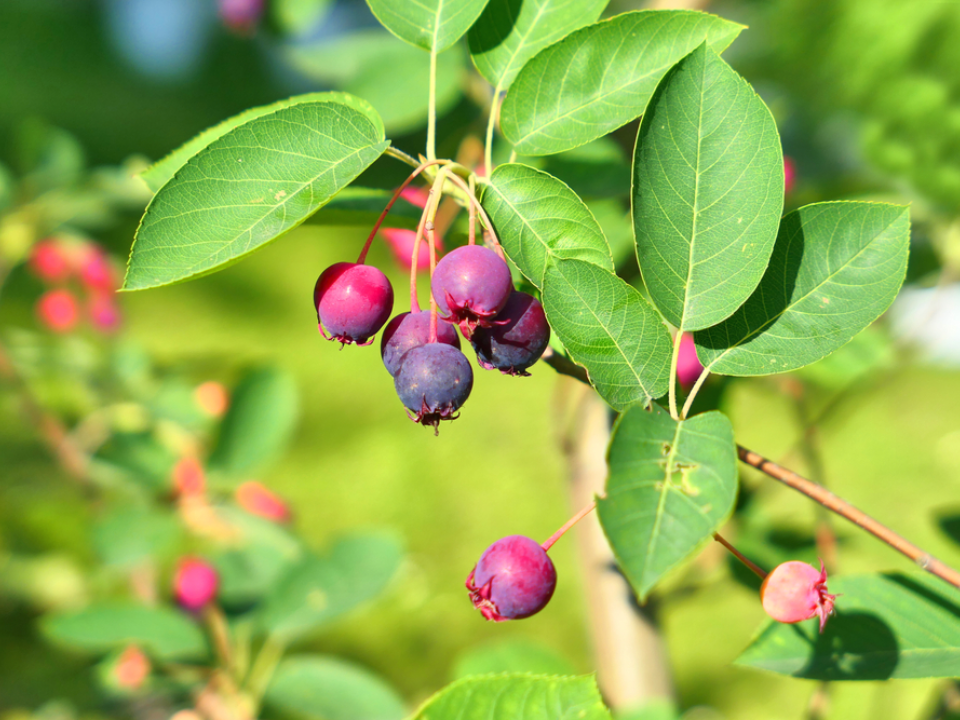
Serviceberry is a tough, early planted shrub that gives you berries plus spring flowers, so it earns its space fast. The berries look like small purple blueberries and taste sweet with a mild almond note when they are fully ripe. Planting before the soil warms lets the roots get comfortable while the plant is still resting, which lowers stress and speeds up spring growth. Serviceberries like well-drained soil and full sun, though they can handle partial shade if the area is open and airy.
They also do well as part of a mixed hedge, since the upright shape stays tidy with light pruning. Birds love the fruit, so many gardeners plan on sharing and use netting if they want a bigger harvest. Water regularly in the first year, then you can ease up once the plant has a solid root system. If you prune, do it right after fruiting or in late winter, focusing on removing crowded stems and keeping a natural shape.
Jostaberry Bushes
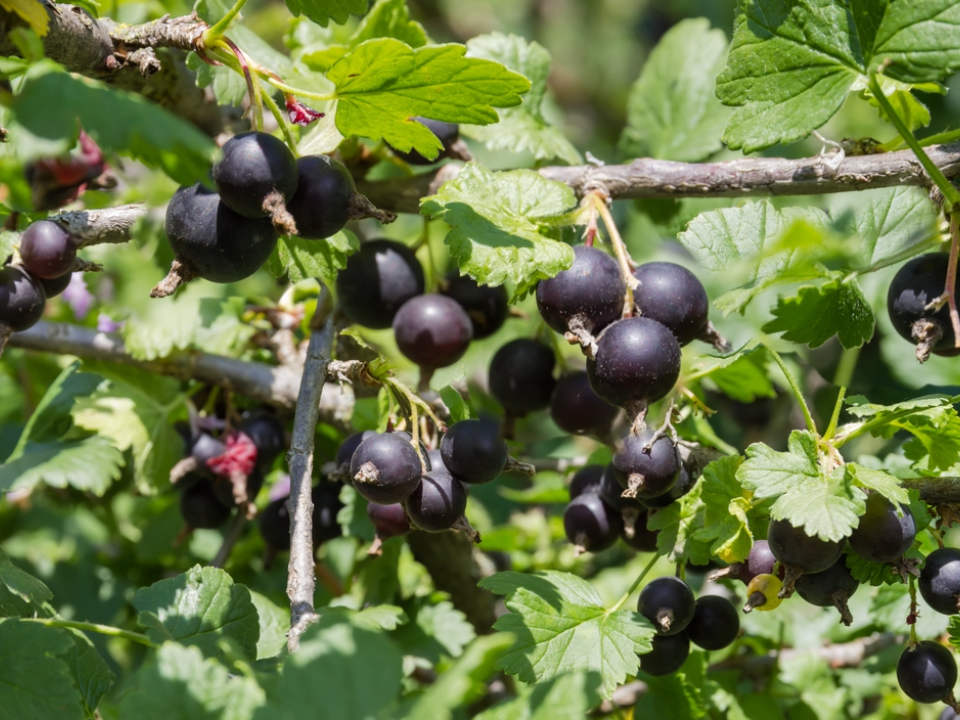
Jostaberry is a cross between black currant and gooseberry, and it is a good pick for early planting in cool spring soil. The berries are dark and juicy with a flavor that sits between a currant and a mild gooseberry, which makes them great for sauces and preserves. This shrub is usually thornless or nearly thornless, so harvesting is easier than many classic gooseberries. Planting while dormant gives the roots time to settle before new leaves pull water fast on warm days.
Jostaberries like full sun for the best fruit, but they can still produce in partial shade in warmer climates. Keep the soil from drying out during flowering and early berry growth since uneven moisture can shrink the crop. A simple mulch ring keeps the root area cool and reduces weeds without crowding the stems. Prune in late winter by removing a few older branches and thinning crowded growth so light can reach the center.
Boysenberry Bushes
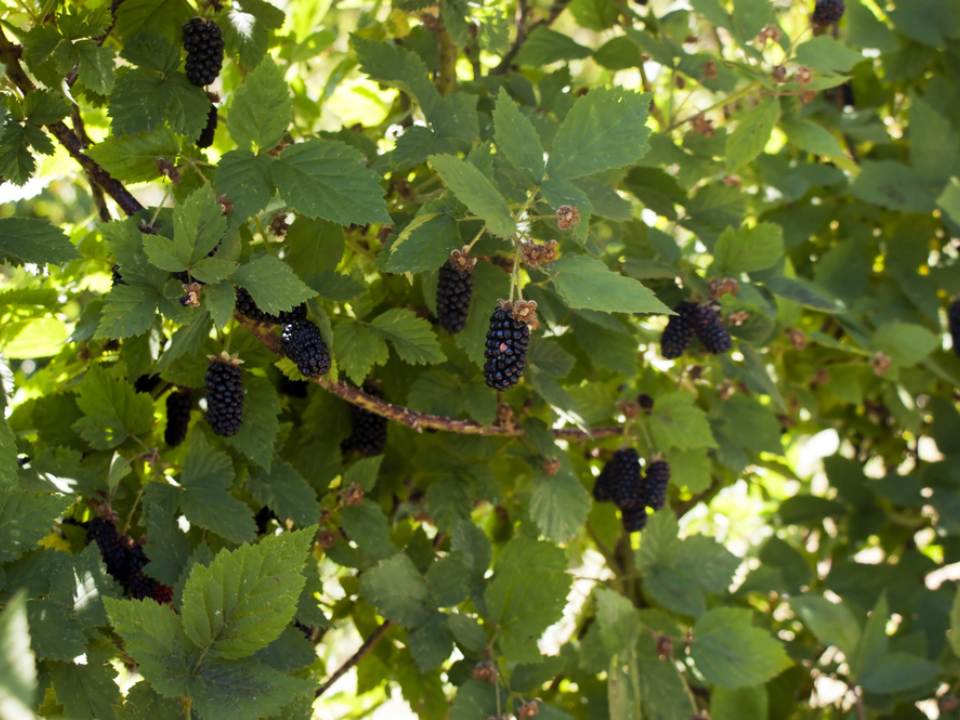
Boysenberries are a bramble type that can be planted early as bare-root canes, giving them time to root in before heat arrives. The berries are large, dark, and rich tasting, with a sweet-tart balance that stands out in pies and cobblers. These plants grow long canes, so plan for a trellis or wire support right from the start to keep growth off the ground. Early planting helps the crown settle so the first flush of growth is steadier and less likely to stall.
Boysenberries prefer full sun and loose, well-drained soil, since soggy ground can lead to root problems. Water regularly, especially during the first season, but avoid soaking the soil constantly. After fruiting, remove the canes that produced berries since they will not fruit again, and tie in the fresh canes for next year. A thick mulch layer helps with moisture and keeps mud from splashing onto leaves during spring rains.
Loganberry Bushes
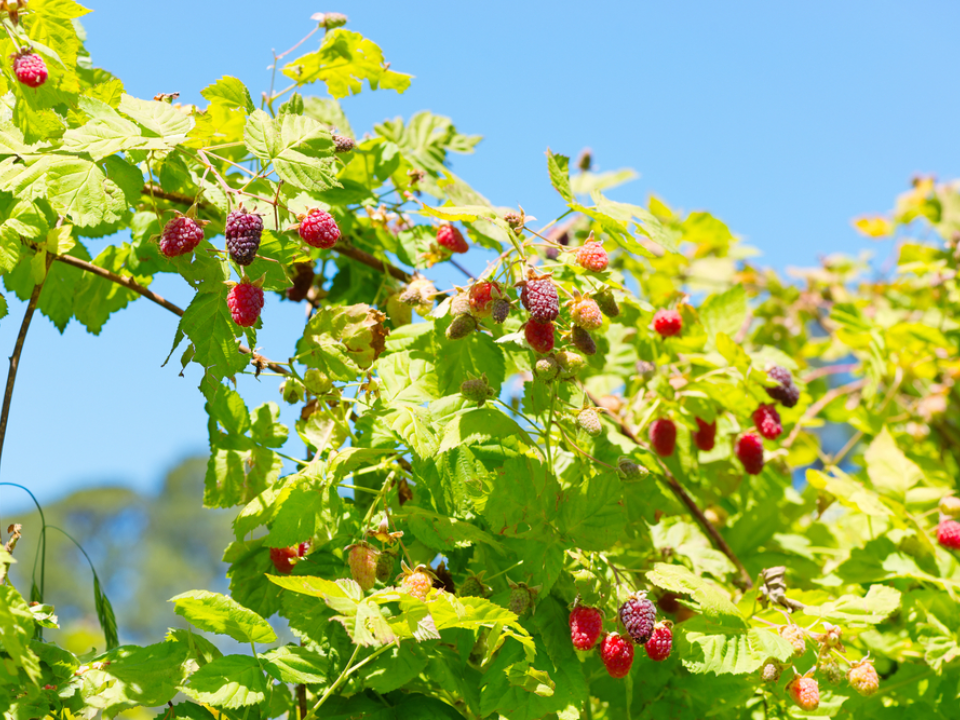
Loganberries are another bramble fruit that does well when planted before the soil warms, especially if you plant dormant starts. The berries are long and deep red to purple, with a flavor that is less sweet than many blackberries, which makes them great for jam and syrup. Like other trailing brambles, they need support, so a simple trellis makes picking easier and keeps canes from tangling. Early planting gives the roots time to grow before the plant pushes lots of new cane growth in mild spring weather.
Loganberries like full sun, and they prefer soil that drains well but does not dry out quickly. Keep moisture consistent during the first year so the crown builds strength for later harvests. Prune by removing spent fruiting canes and thinning weak growth so airflow stays good through the row. If you have harsh winters, mulch around the base to protect the crown and reduce freeze and thaw stress.
Salmonberry Bushes
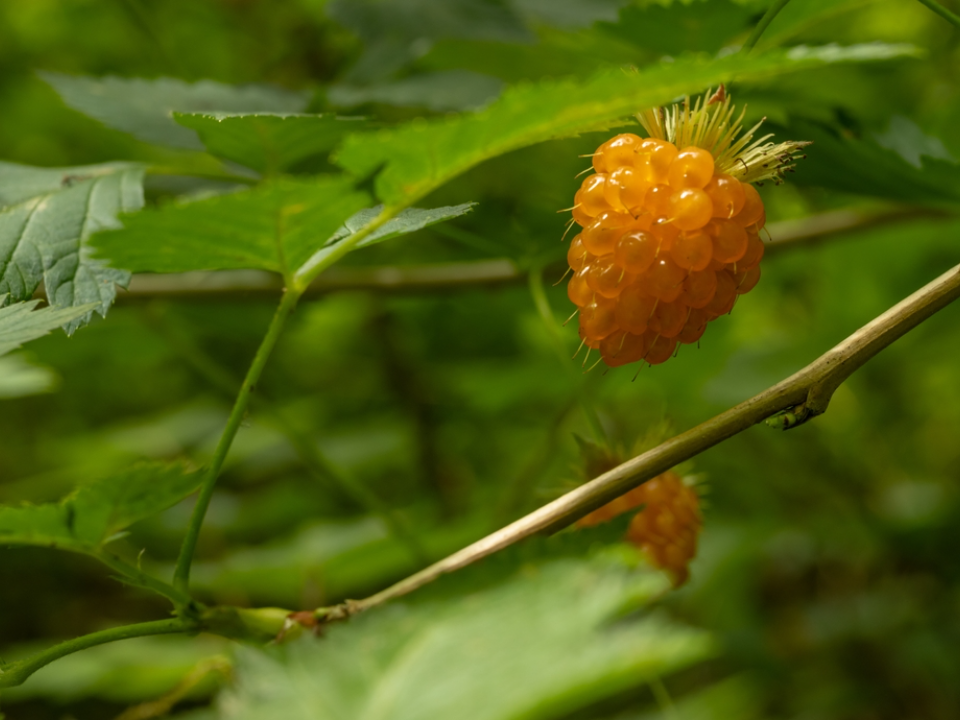
Salmonberry is a native shrub in many coastal and woodland regions, and it handles cool planting conditions very well. It produces soft berries that can be yellow, orange, or red, and the flavor ranges from mild to pleasantly sweet depending on the plant. Plant it early while it is still dormant so it can settle in before late spring growth takes off. Salmonberry likes moisture more than many other berry shrubs, so it is a good match for spots that stay evenly damp but still drain.
It also tolerates partial shade, making it useful along woodland edges where other fruit shrubs struggle. If you want a steadier crop, plant more than one bush since more flowers nearby often leads to more fruit set. Keep it mulched to hold moisture and reduce weeds, especially in the first two seasons. Prune lightly by removing older canes after fruiting to keep the patch from getting crowded.
This article originally appeared on Avocadu.