
12 Error Coins Whose Mistakes Turned into Big Money
Error coins are a fascinating part of numismatic history. These are coins that, due to mistakes made during the minting process, ended up with unique features that set them apart from regular issues. While most errors might go unnoticed, some of these mistakes have turned into valuable treasures that collectors are eager to find. What makes these coins especially interesting is that the very imperfections that once made them undesirable are now what make them so sought after. From misplaced mintmarks to misaligned strikes, each error coin tells a story about how something went wrong in the production process, but also how rare and significant it became in the eyes of collectors.
This post may contain affiliate links, which helps keep this content free. Please read our disclosure for more info.
1955 Double Die Lincoln Cent
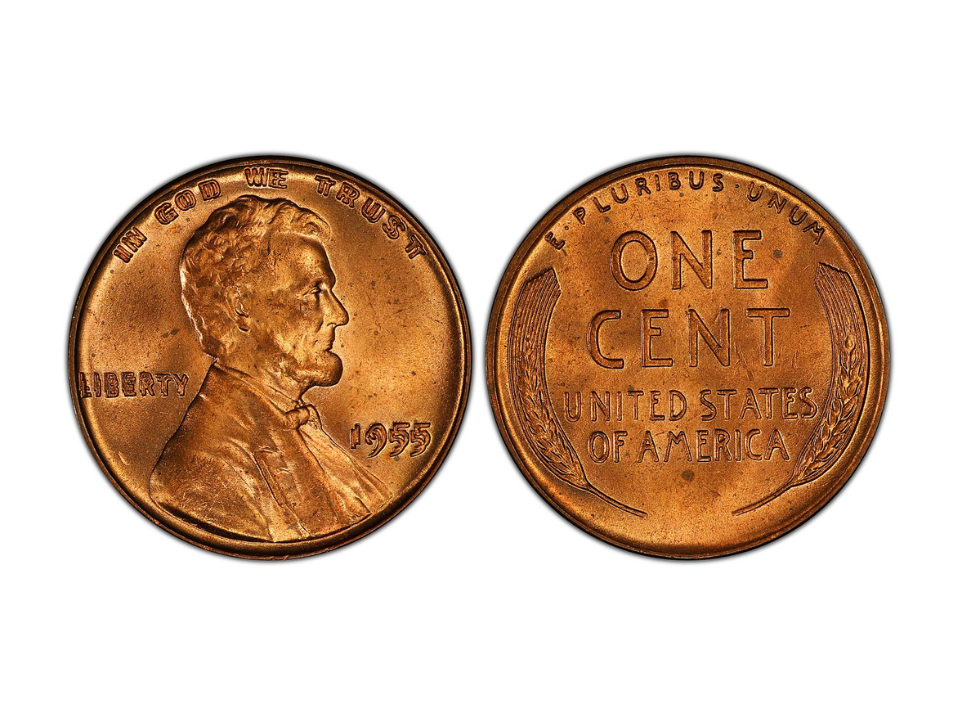
The 1955 Double Die Lincoln Cent is one of the most famous error coins in U.S. history. This coin features a noticeable doubling effect on the obverse, particularly in the date and lettering. The error occurred during the minting process when the die was misaligned, causing the same image to be struck twice. It is one of the most sought-after coins among collectors, as it is an iconic example of a major error in U.S. coinage.
The coin is highly valued because it is relatively rare, with only a few thousand in circulation. A 1955 Double Die Lincoln Cent in good condition can fetch a price of around $1,500. However, those in excellent condition can command as much as $15,000 or more, depending on the grade.
1914-D Lincoln Cent
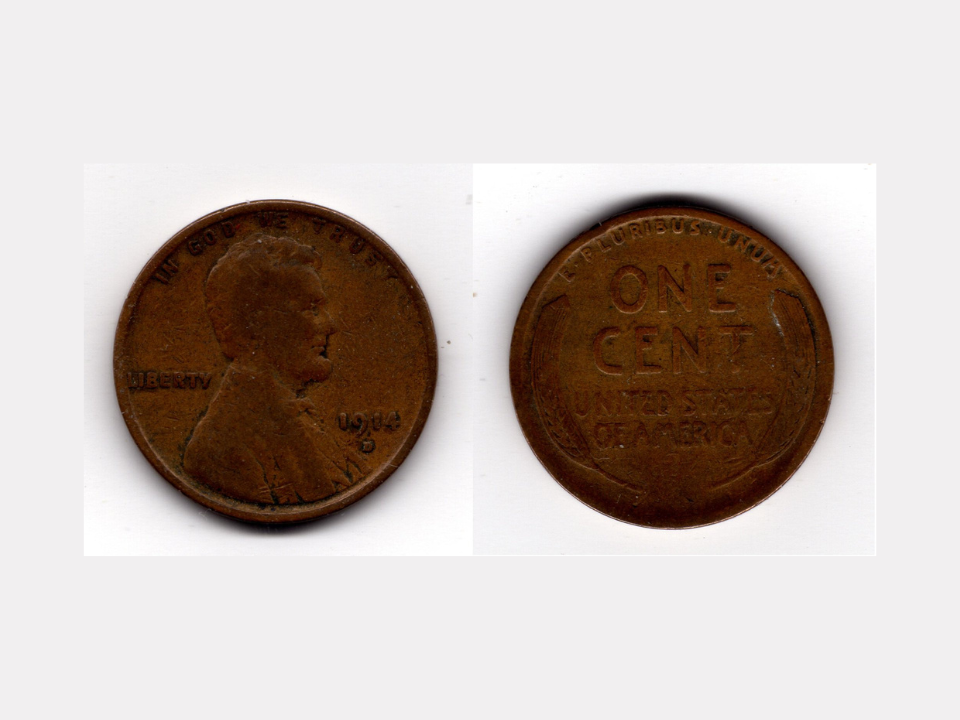
The 1914-D Lincoln Cent is another famous coin that holds substantial value due to its rarity and error. This coin was struck in the Denver Mint, but the “D” mintmark was mistakenly placed slightly off-center, creating an unusual appearance.
This error makes the 1914-D Lincoln Cent a prime target for collectors looking for rare and valuable coins. While the error itself may seem subtle, it has had a significant impact on the coin’s desirability. In lower grades, this coin may be worth about $30 to $50, but higher-quality versions can reach $1,000 or more, with exceptional specimens fetching up to $3,000 or higher.
1943 Bronze Lincoln Cent
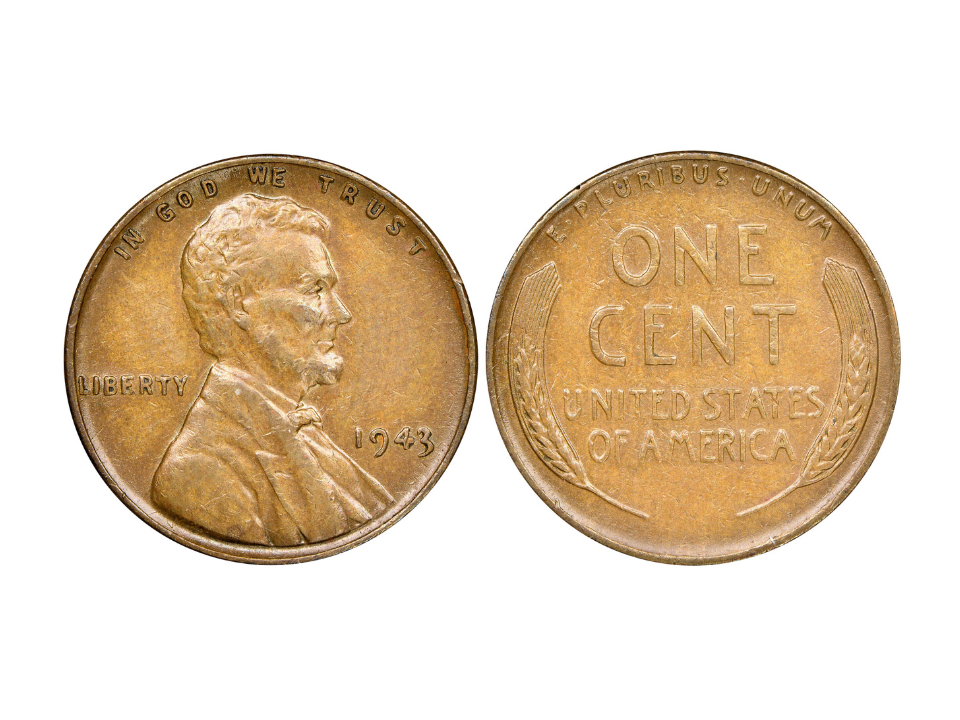
The 1943 Bronze Lincoln Cent is one of the most notable error coins in American history. During World War II, the U.S. government decided to switch from copper to zinc-coated steel for pennies to conserve copper for the war effort. However, a few bronze planchets (or blanks) were accidentally mixed in with the steel ones, leading to the creation of a small number of 1943 Bronze Lincoln Cents.
These coins are rare and highly prized among collectors. The value of a 1943 Bronze Lincoln Cent can range from $100,000 to over $1 million, depending on its condition. A well-preserved version is incredibly rare and highly sought after at auctions.
1972 Double Die Obverse Lincoln Cent
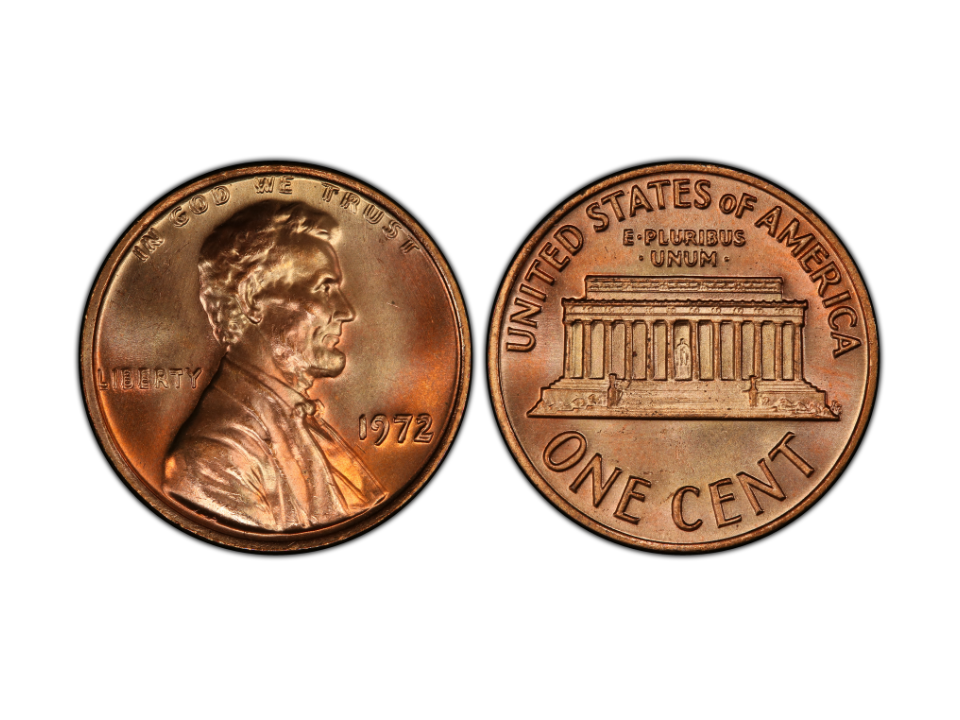
The 1972 Double Die Obverse Lincoln Cent is one of the most famous and widely recognized error coins. The coin features double images on the obverse, with the most noticeable doubling of the word “LIBERTY” and the date. This error occurred due to a misalignment during the minting process.
The 1972 Double Die Obverse is one of the most collected error coins, as it is often accessible to the average collector and still holds significant value. Depending on the grade, a 1972 Double Die can be worth anywhere from $50 for lower grades to $1,000 or more for coins in mint condition.
1937-D Three-Legged Buffalo Nickel
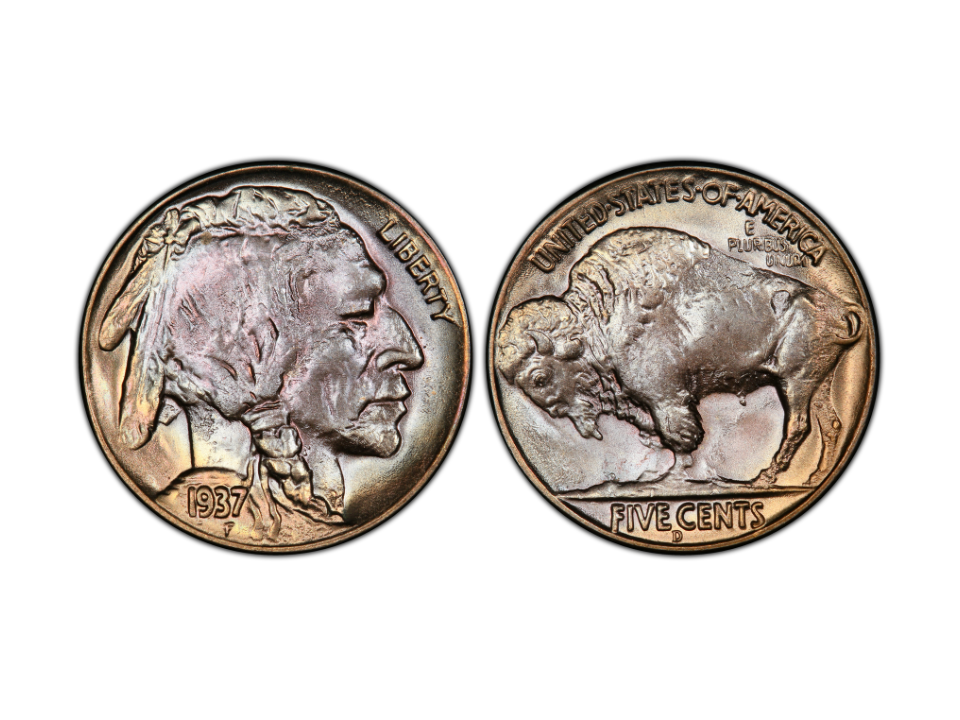
The 1937-D Three-Legged Buffalo Nickel is a rare and highly sought-after error coin. The coin features a mistake where one of the buffalo’s legs on the reverse side was accidentally worn away during the minting process. The result is a distinct three-legged buffalo, which immediately caught the attention of collectors.
While the error may seem subtle, it is highly valuable due to its rarity and the fact that it was only discovered after the coins were released into circulation. The value of a 1937-D Three-Legged Buffalo Nickel ranges from $2,000 to $50,000 or more, depending on the condition. The most valuable specimens are typically those in high grades with minimal wear.
2000 Sacagawea Dollar with “Cheerios” Reverse
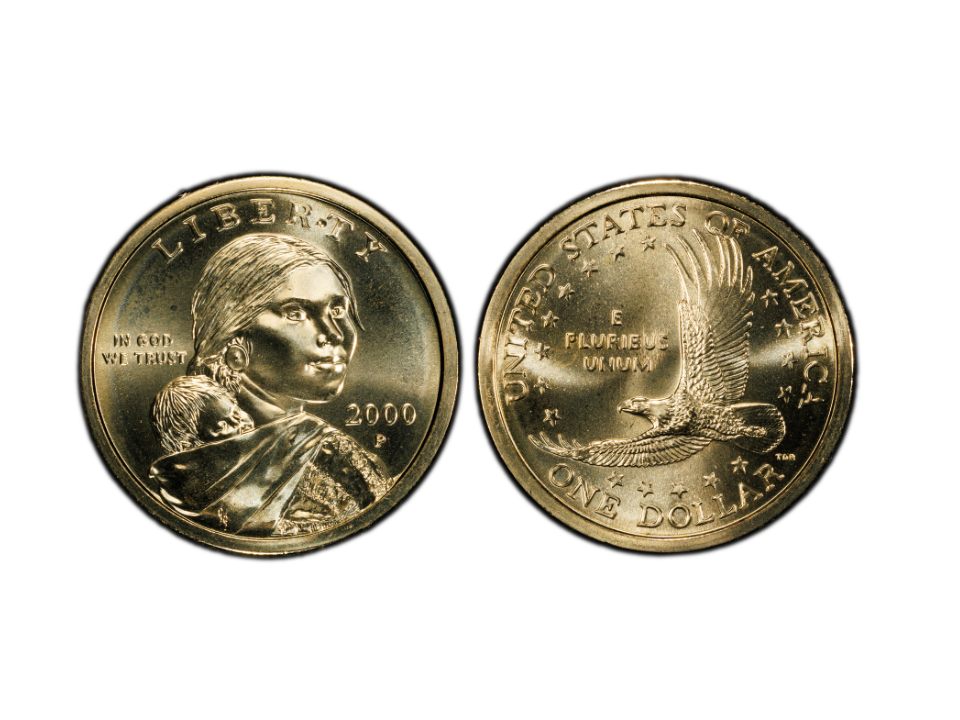
The 2000 Sacagawea Dollar with the “Cheerios” reverse is a unique error coin that occurred when a limited number of Sacagawea Dollars were released as part of a promotional giveaway by Cheerios. During the production, a small number of these coins were minted with a reversed design, leading to the mistake.
These coins quickly became highly collectible, especially among those who follow modern coinage errors. The “Cheerios” version of the Sacagawea Dollar is rarer than the regular release and can be worth between $500 and $1,500, depending on its condition. High-grade examples can sometimes sell for significantly more.
1950-D Jefferson Nickel with a Weak “D” Mintmark
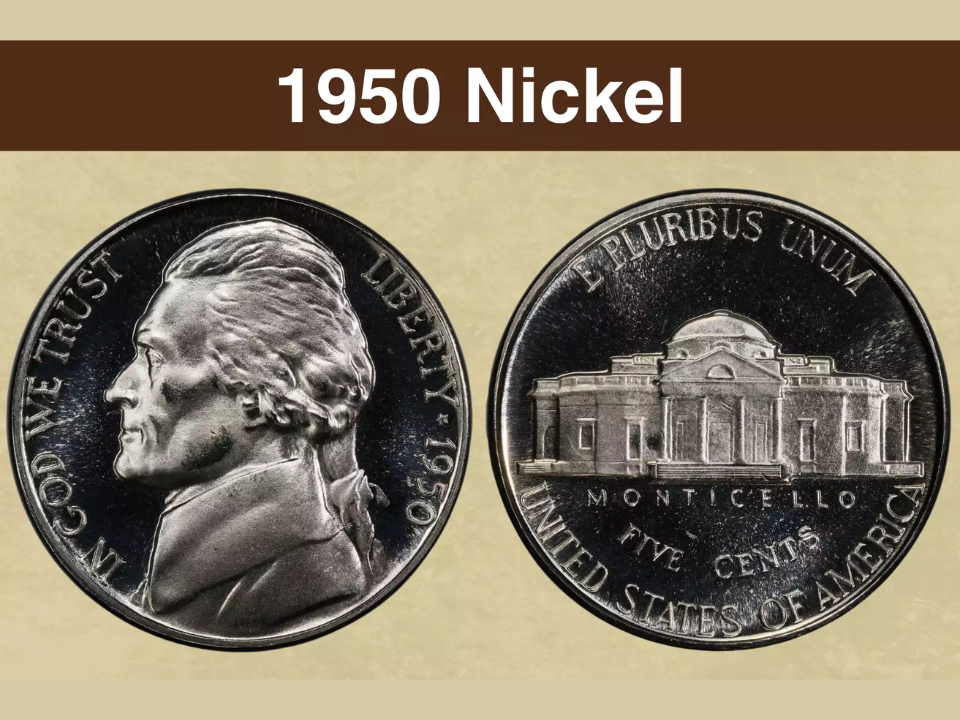
The 1950-D Jefferson Nickel is known for its error in the mintmark placement, where the “D” mintmark is faint and weakly struck. This error occurs due to a worn or improperly aligned die, which resulted in the “D” mintmark being less visible than it should have been.
While the coin may seem minor to the untrained eye, collectors recognize it as an important error in the Jefferson Nickel series. A 1950-D Jefferson Nickel with a weak mintmark can be worth anywhere from $100 to $1,500, with higher-quality examples bringing in the most value. Well-preserved coins in excellent condition are especially prized.
1982 No Mintmark Roosevelt Dime
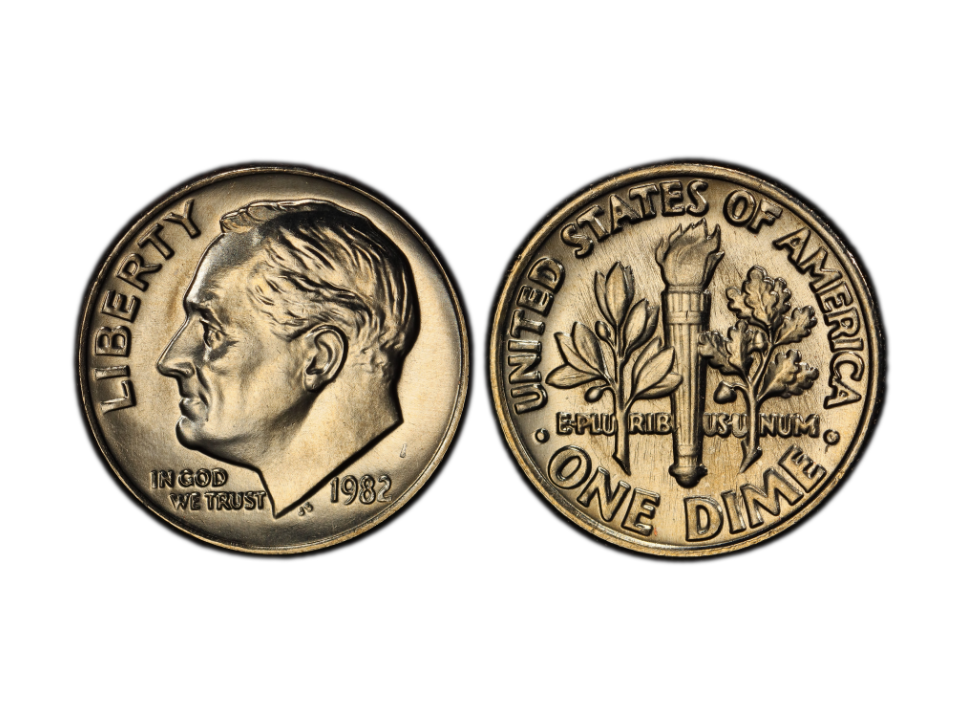
The 1982 No Mintmark Roosevelt Dime is a rare error that occurred when some dimes were struck without the mintmark that should have been present. This error is particularly notable because, in 1982, the mintmark was supposed to be located on the reverse of the coin, above the date.
Some of these dimes slipped through the minting process without this vital detail. Because of its rarity, the 1982 No Mintmark Roosevelt Dime is a valuable error coin. It typically sells for $200 to $500, with higher-quality coins in mint condition fetching even more.
1999 Wide AM Lincoln Cent
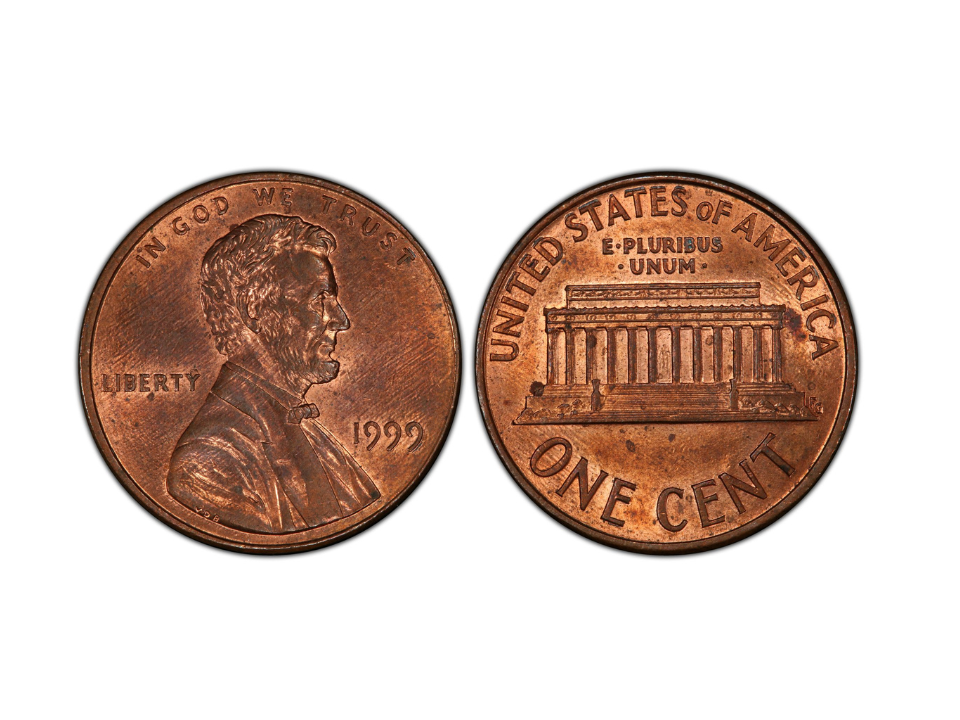
The 1999 Wide AM Lincoln Cent is a sought-after error coin caused by a misalignment of the “A” and “M” in “AMERICA” on the reverse of the coin. This error happened due to the incorrect dies being used during the minting process. Most 1999 Lincoln Cents have the normal close AM design, but the wide AM is a distinct feature of the error coin.
This coin is one of the most popular errors in modern U.S. coinage. A 1999 Wide AM Lincoln Cent in decent condition can be worth anywhere from $50 to $300. Coins in excellent condition or with additional characteristics may command even higher prices.
1944 Steel Lincoln Cent
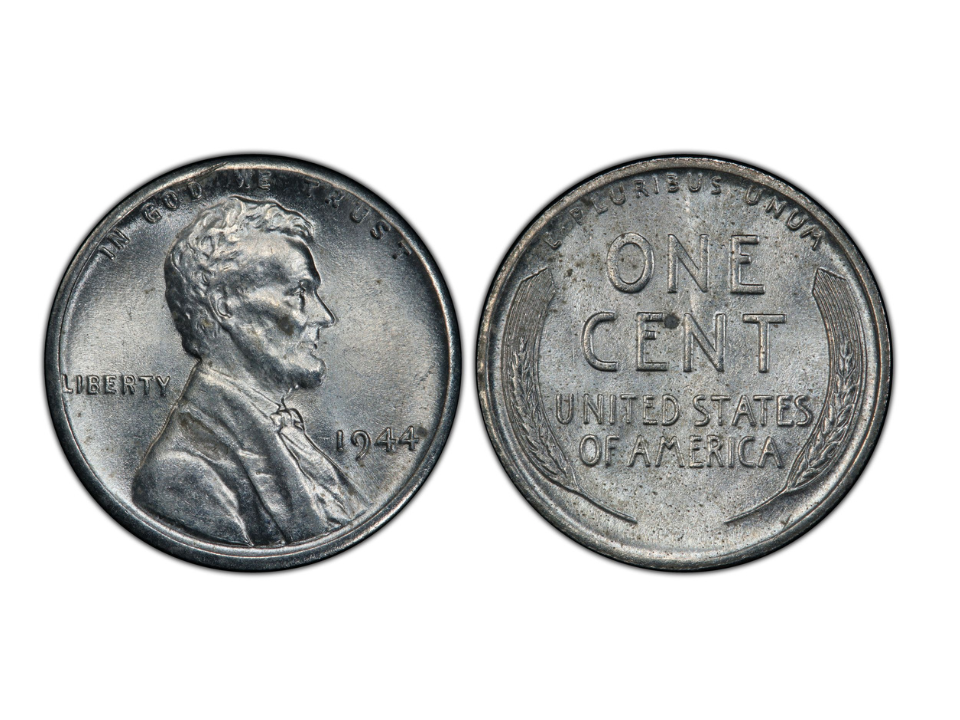
The 1944 Steel Lincoln Cent is an error that occurred when some pennies were mistakenly struck on steel planchets instead of the usual copper. This happened during World War II when the U.S. Mint was still producing steel pennies due to copper shortages.
The 1944 Steel Lincoln Cent is rare because it was meant to be struck on copper planchets, but a few steel planchets were left in the Mint’s machines. This error has made the 1944 Steel Lincoln Cent a highly prized collectible. In most cases, the coin can be worth around $75 to $200, but in higher grades, it can fetch upwards of $500 or more.
1936 Buffalo Nickel with a Missing “D” Mintmark
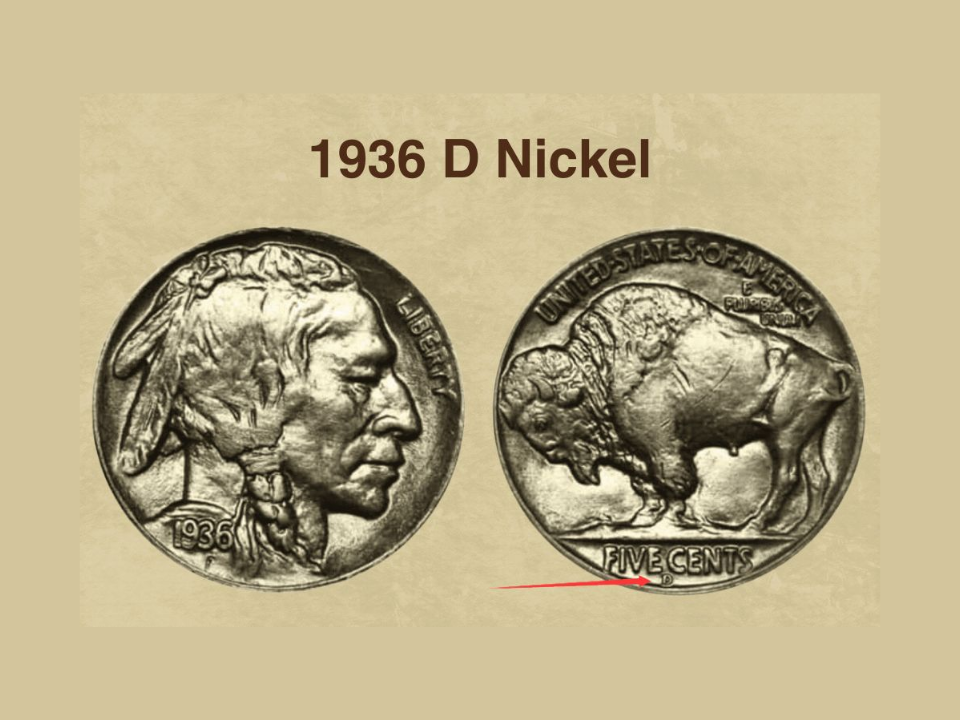
The 1936 Buffalo Nickel is famous for its mintmark error, where the “D” mintmark on the reverse side is completely missing. This was a rare production mistake where the die was either struck improperly or a planchet was used without the mintmark being applied.
Despite the relatively minor nature of this error, it has become highly sought after by collectors, especially those focused on Buffalo Nickels. The 1936 Buffalo Nickel with a missing “D” mintmark is often valued between $1,000 and $3,000, with higher prices for coins in excellent condition or those with minimal wear.
1938-S Micro S Jefferson Nickel
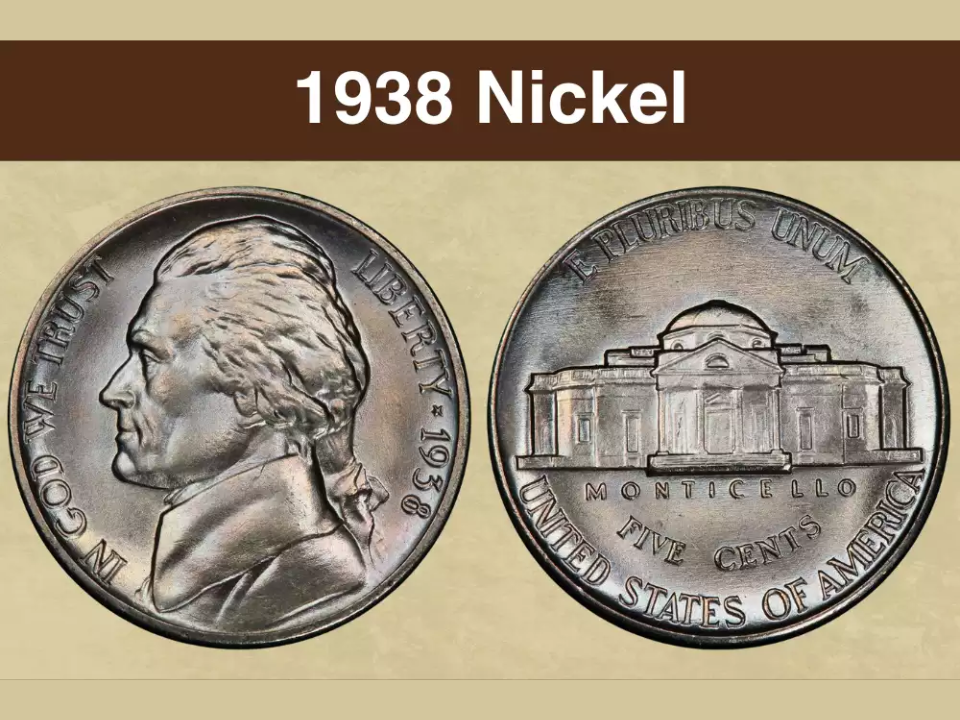
The 1938-S Micro S Jefferson Nickel is a rare error coin in which the “S” mintmark appears much smaller than usual. This error occurred when the dies used to strike the coin were improperly prepared, resulting in the mintmark being incorrectly sized.
The Micro S variant is one of the most collectible and valuable Jefferson Nickels, as it represents a significant mistake in the minting process. The value of the 1938-S Micro S Jefferson Nickel can range from $1,000 to $10,000, with higher prices for coins in excellent condition or those that have been well-preserved over the years.
This article originally appeared on Avocadu.