
11 Historic Wharf Districts With Working Boats And Museum Piers
Wharf Districts are a gateway to a vibrant past, where the old world meets the present day. With active docks, working boats, and fascinating museum piers, they offer a true maritime experience. These areas serve as a reminder of the connection between water and community, showcasing centuries of history. If you want to explore the heart of coastal life, these districts are a must-see.
This post may contain affiliate links, which helps keep this content free. Please read our disclosure for more info.
San Francisco’s Fisherman’s Wharf
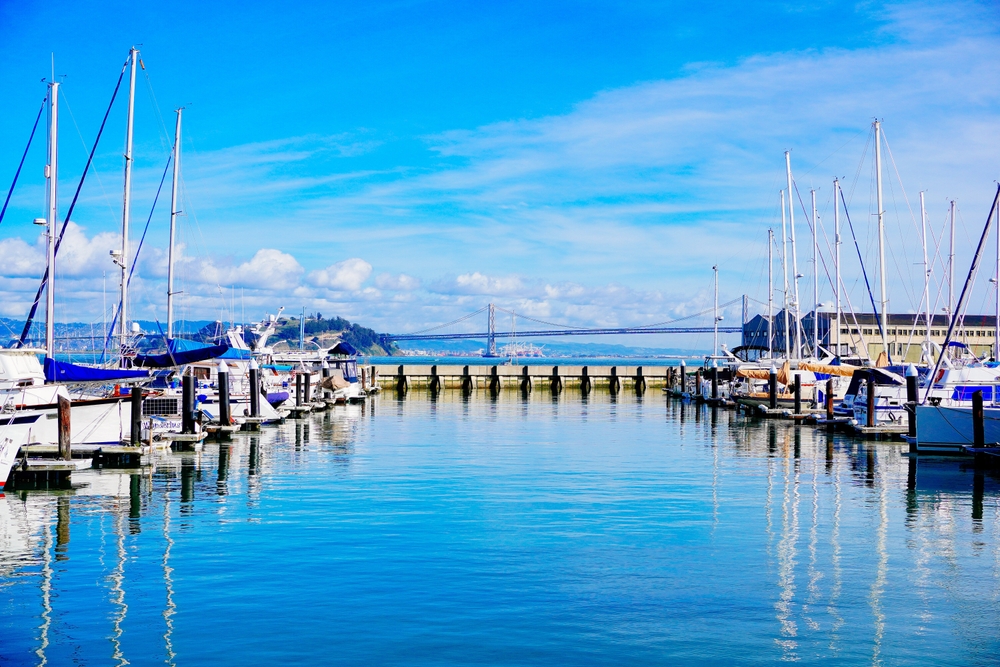
San Francisco’s Fisherman’s Wharf has been a staple of the city’s maritime culture for decades. This iconic district offers a combination of historic ships and modern piers, showcasing both working boats and museum exhibits. Visitors can experience the unique blend of fishing heritage and bustling tourism that defines the area. The wharf is home to historic vessels like the USS Pampanito, a World War II submarine, and the historic ships at Hyde Street Pier, which transport guests back to the 19th century.
In addition to the ships, the wharf boasts a variety of museums that detail the history of San Francisco’s waterfront. The Maritime Museum offers exhibits on the region’s fishing history, while the Musee Mecanique features an impressive collection of antique arcade games. As you walk along the piers, you will see plenty of working boats coming and going, offering tours and fishing excursions. The mix of history, working boats, and museums makes it a perfect destination for maritime enthusiasts.
Boston’s Historic Wharf District
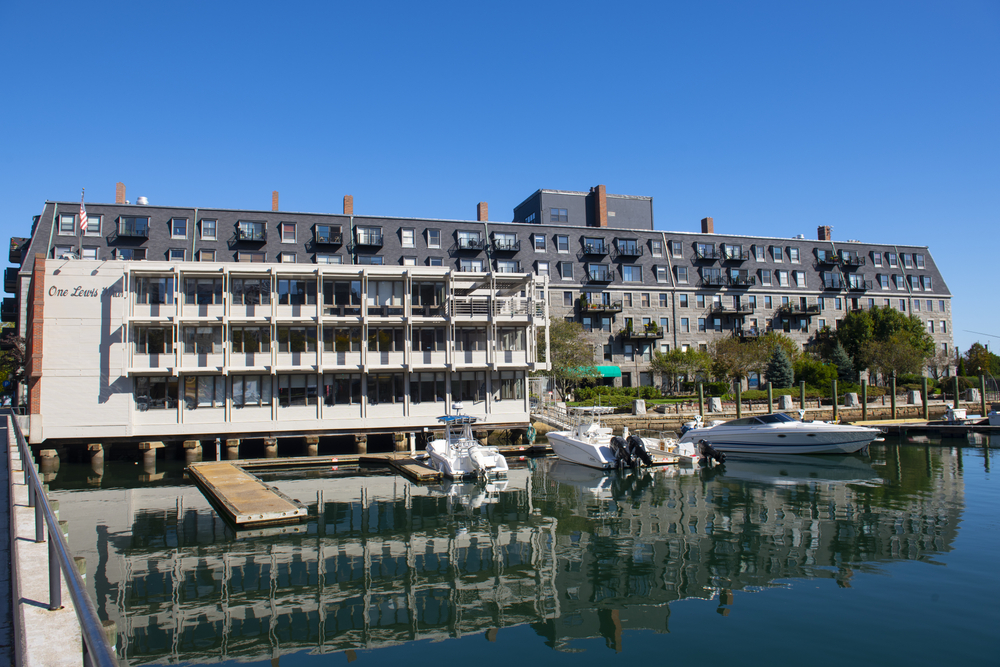
Boston’s Historic Wharf District offers a vibrant connection to the city’s seafaring past. The district is home to working docks and an impressive collection of maritime museums that educate visitors on the region’s rich history. At the Boston Tea Party Ships and Museum, visitors can interact with replicas of the vessels involved in the iconic Boston Tea Party. Historic ships like the USS Constitution are docked nearby, providing a living history lesson for anyone interested in the American Revolution.
Walking along the cobblestone streets of the Wharf District, you can also explore the Boston Harbor Islands, a collection of parks and historical sites accessible by boat. The district’s working piers continue to support a variety of commercial activities, including ferry services and fishing. As you stroll, you will encounter beautifully preserved buildings from the 18th and 19th centuries. The Wharf District continues to be a dynamic blend of commerce, history, and cultural significance.
Sydney’s Darling Harbour
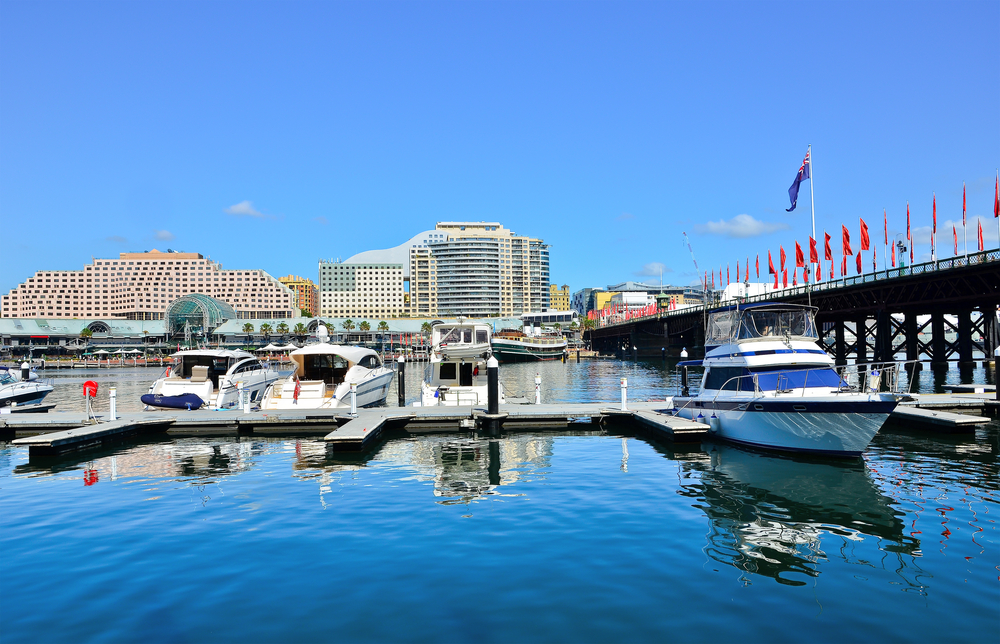
Sydney’s Darling Harbour is one of the city’s most important waterfront areas, combining both commercial and recreational activities. The area offers plenty of working boats, including ferries that shuttle passengers across the harbor. Alongside these modern boats, the area is home to the Australian National Maritime Museum, where visitors can learn about the country’s maritime history. The museum features historic vessels, including the replica of the famous HMAS Vampire, a decommissioned Australian Navy destroyer.
Darling Harbour’s piers are also home to a number of public events, including festivals and maritime exhibitions. The wharf district has undergone significant revitalization over the years, maintaining its working waterfront while embracing modern tourism. For a truly immersive experience, you can board a boat for a harbor cruise or visit one of the area’s many shops and restaurants. Darling Harbour perfectly balances the old and the new, making it a must-visit for anyone interested in Australia’s maritime legacy.
London’s St. Katharine Docks
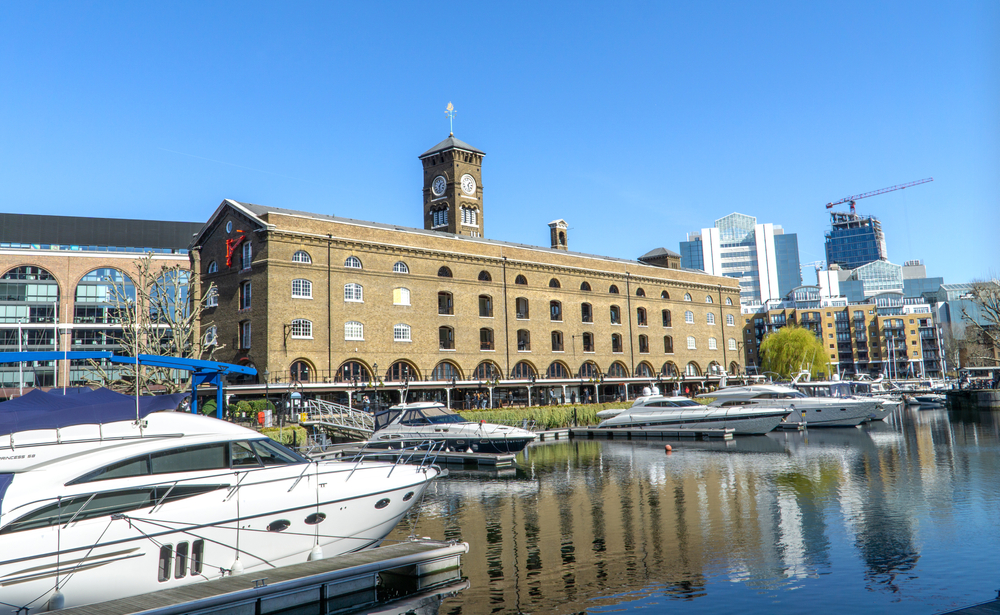
St. Katharine Docks, located near the Tower of London, is a historic marina with a fascinating past. Once a bustling commercial dock, it now serves as a leisure destination while still hosting working boats, including yachts and smaller craft. The district’s nautical history is evident in the historic warehouses and buildings that line the docks. Visitors can explore the nearby museum exhibits that focus on London’s maritime industry and its important role in global trade.
The area’s piers and moorings are still active, with boats regularly docked for maintenance or preparation for voyages. St. Katharine Docks also offers plenty of dining options, many with views over the water. The combination of working maritime activity and historical charm makes the area a perfect place to explore. Whether you’re interested in the boats or simply soaking in the views, St. Katharine Docks offers a glimpse into London’s rich nautical history.
Vancouver’s Granville Island
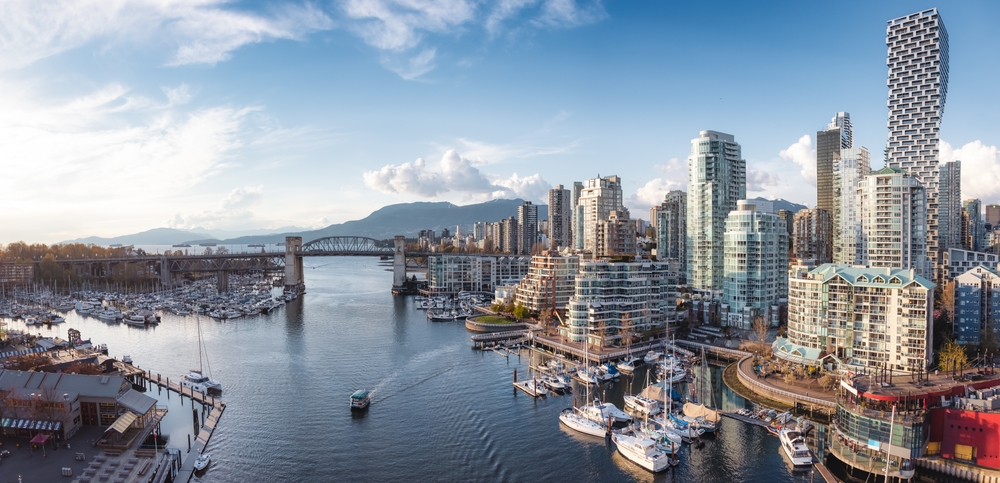
Vancouver’s Granville Island is a bustling area known for its public market, artisan shops, and working docks. It’s a place where boats come and go, and visitors can get up close to the action. The island is home to the Vancouver Maritime Museum, which houses a collection of historic ships and exhibits on the city’s maritime past. The museum’s collection includes the St. Roch, a Royal Canadian Mounted Police vessel that completed the first Northwest Passage by sea.
Granville Island also offers a glimpse into Vancouver’s modern maritime activities, with ferries and fishing boats constantly in motion. The island’s working docks are used for both commercial and recreational purposes, providing a lively backdrop to the area’s cultural offerings. The combination of historic and modern maritime activities makes Granville Island a unique destination for anyone interested in Vancouver’s waterfront. Whether you’re enjoying a meal or exploring the maritime exhibits, Granville Island offers something for everyone.
Cape Cod’s Hyannis Harbor
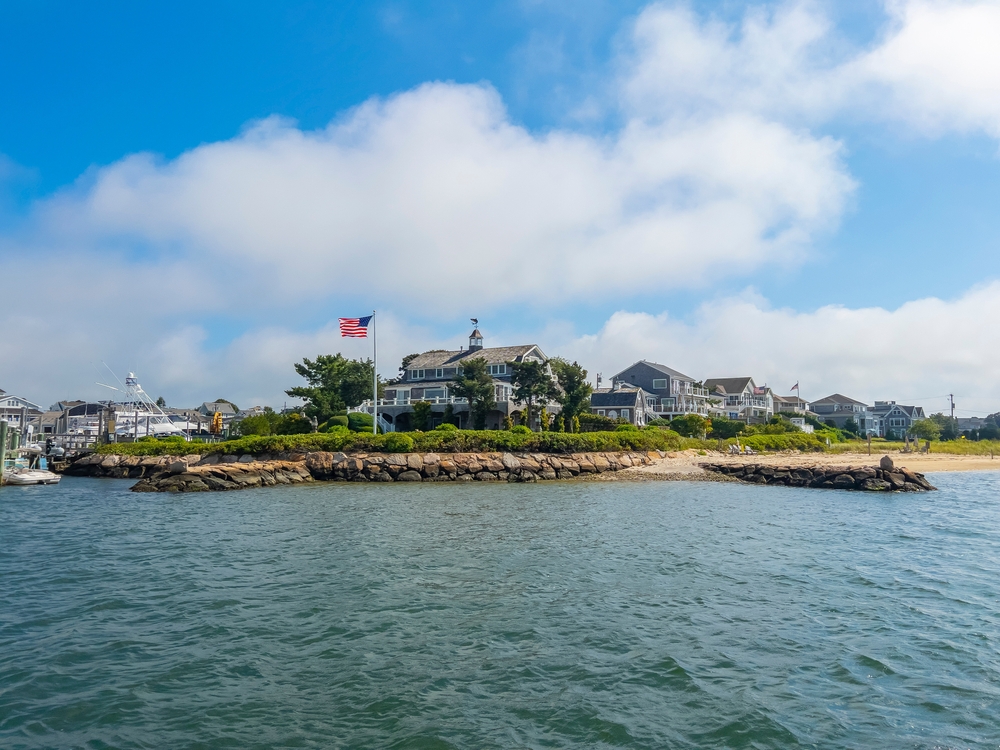
Hyannis Harbor, located on Cape Cod, is a picturesque wharf district with a mix of historic charm and working waterfront. The harbor is still a key point for the local fishing industry, with boats regularly coming in and out of the harbor. The John F. Kennedy Hyannis Museum is nearby, offering a look at the life of the former president, who spent summers on Cape Cod. The museum features exhibits related to Kennedy’s connection to the area and the maritime activities he enjoyed.
Visitors can explore the historic harbor, where fishing boats, ferries, and private vessels dock daily. The area also serves as a gateway to the islands of Martha’s Vineyard and Nantucket, with ferries departing regularly. Hyannis Harbor offers a peaceful setting to enjoy both the beauty of the water and the region’s rich history. Whether you’re taking a ferry or simply enjoying the sights, the harbor remains a focal point of Cape Cod’s maritime culture.
Seattle’s Pike Place Market
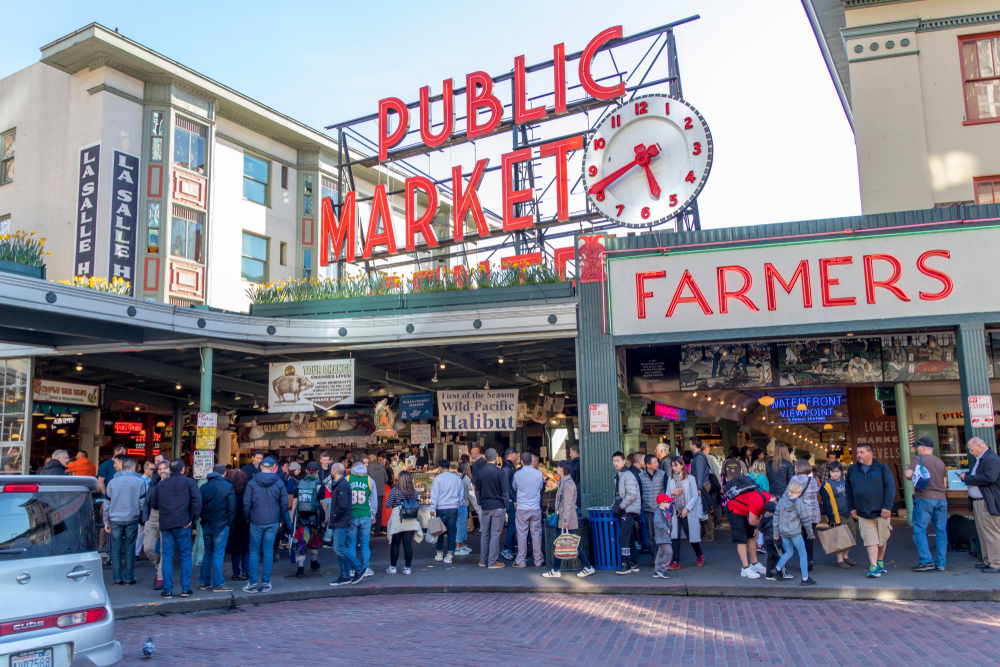
Pike Place Market in Seattle is one of the most iconic waterfront areas in the United States, offering both historical charm and working boats. While the market itself is famous for its fresh fish and local produce, the waterfront also has a rich maritime history. The Seattle Aquarium, located nearby, offers exhibits on local marine life, while the nearby Museum of History and Industry showcases Seattle’s role as a major port city. The area around the market continues to be a hub for fishing boats and water taxis.
Pike Place Market itself is home to a variety of seafood vendors, many of whom work directly with local fishermen. As you walk along the waterfront, you’ll see boats unloading their catch while visitors enjoy the sights and sounds of the bustling market. The blend of working waterfront and vibrant market activity makes this area unique. Pike Place Market is a must-see for anyone interested in Seattle’s maritime heritage and culture.
New York’s South Street Seaport
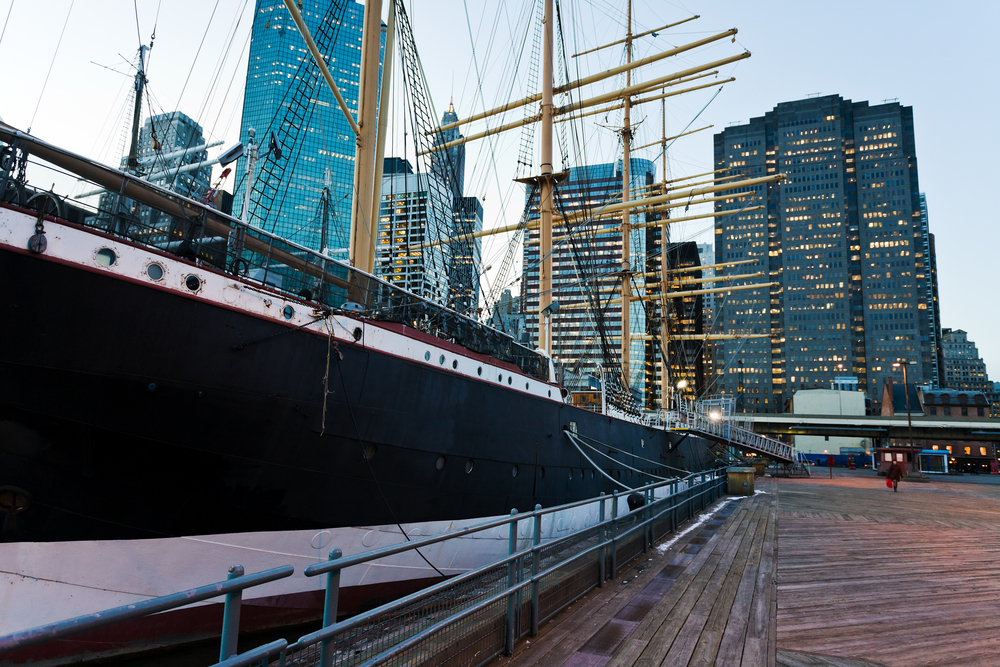
The South Street Seaport in New York City is a historic district where visitors can immerse themselves in the maritime history of the city. The area has long been a center for trade and commerce, and it continues to offer a vibrant connection to its maritime past. The South Street Seaport Museum showcases historic ships and artifacts related to New York’s waterfront development. Iconic vessels, such as the Wavertree, a fully restored iron-hulled sailing ship, are docked here for visitors to explore.
The district remains a working waterfront, with boats regularly docking for tours, fishing, and ferry services. As you stroll along the piers, you will see a blend of historical ships and modern-day vessels. The seaport is also home to several restaurants, shops, and cultural events that keep the area lively. Whether you’re interested in maritime history or just looking for a scenic place to enjoy the waterfront, South Street Seaport offers an unforgettable experience.
Lisbon’s Cais do Sodré
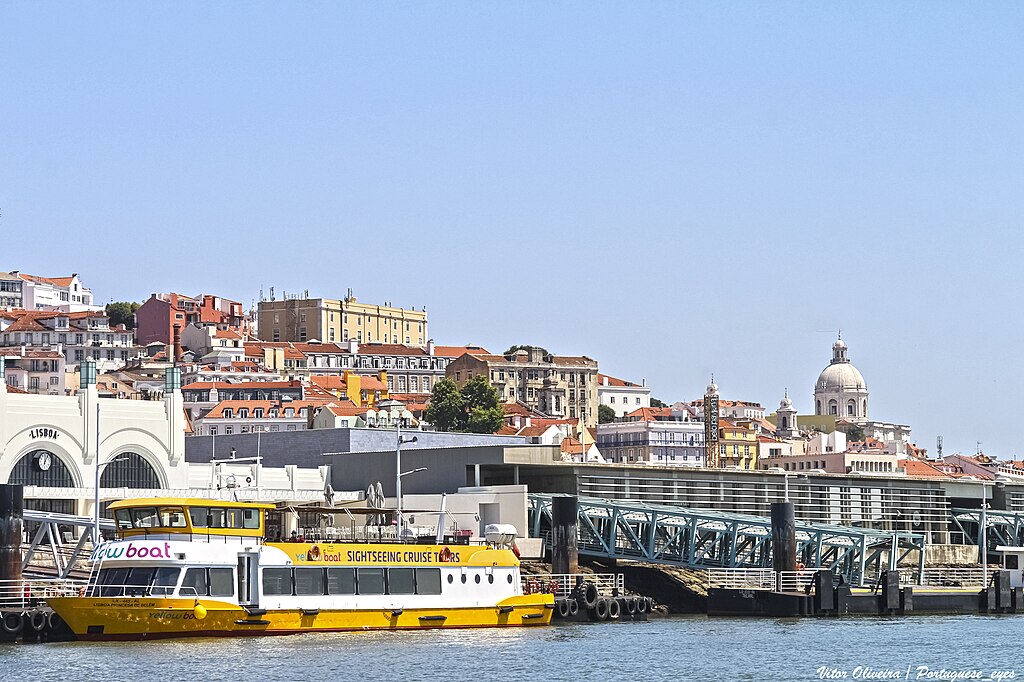
Cais do Sodré is a historic wharf district in Lisbon, offering visitors a glimpse into the city’s past as a major port. Once the center of Lisbon’s maritime trade, the area has been transformed into a vibrant hub for tourists and locals alike. The district features several historic piers, including the Cais da Ribeira das Naus, where you can see old warehouses and modern cultural spaces. The Museu de Marinha, or the Maritime Museum, is also located nearby, showcasing Portugal’s seafaring history.
While the area has undergone modern development, working boats still dock in the harbor, connecting Lisbon with other coastal cities. You can take a ferry ride from Cais do Sodré to nearby destinations such as Belém or the picturesque town of Cacilhas. The combination of history, working waterfront, and cultural attractions makes Cais do Sodré a must-visit for anyone interested in the maritime world. The district’s blend of old and new is a perfect reflection of Lisbon’s rich maritime heritage.
Montreal’s Old Port

Montreal’s Old Port is a historic waterfront district that offers a combination of cultural attractions, working boats, and scenic views. The district has been a key part of Montreal’s history since the 17th century, serving as the city’s major port for centuries. Today, the Old Port is home to museums such as the Pointe-à-Callière Museum, which tells the story of Montreal’s early history and its connection to the river. Visitors can explore historic ships docked along the piers, including the historic three-masted ship, the Grand Duc.
Though much of the area is geared toward tourism, the Old Port still serves as an active waterfront for ferries and private boats. Boat tours along the Saint Lawrence River provide visitors with a unique perspective of the city’s history. The district’s vibrant mix of historical landmarks, working piers, and entertainment options make it a must-visit for anyone interested in Montreal’s maritime past. Whether you’re walking along the docks or visiting a museum, the Old Port offers plenty to explore.
Hamburg’s Speicherstadt
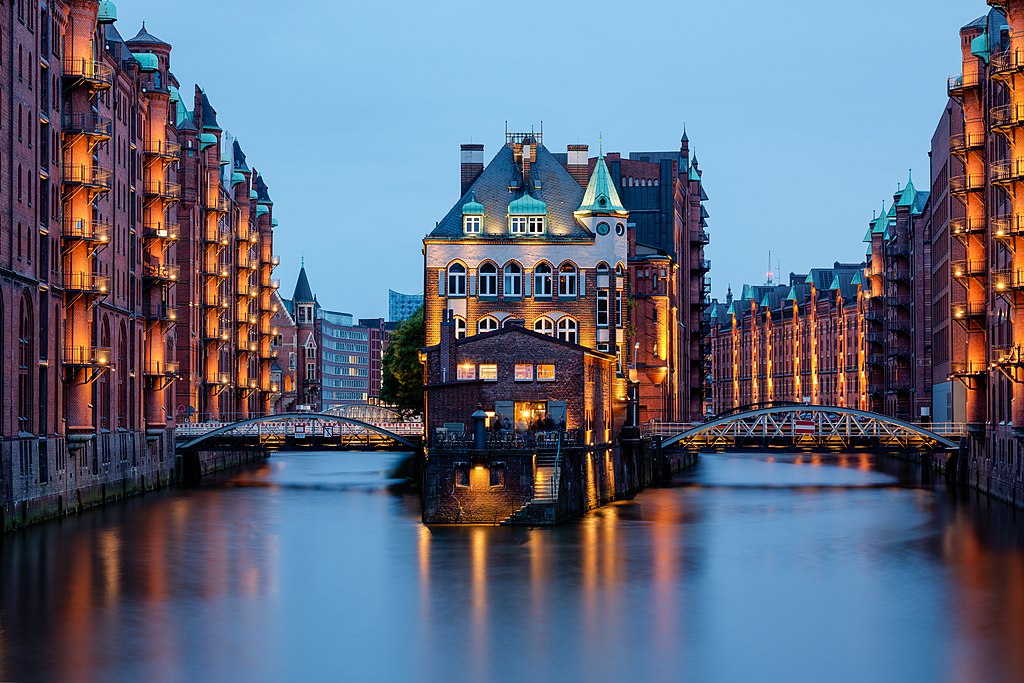
Hamburg’s Speicherstadt, the world’s largest warehouse district, is a UNESCO World Heritage site that offers a glimpse into the city’s maritime past. Located along the Elbe River, the district is home to an array of historic buildings and canals, with several piers still in operation. Visitors can explore the International Maritime Museum, which showcases the history of global shipping and features exhibits on the city’s role in international trade. The area also houses historic vessels, providing an insight into the evolution of maritime technology.
Speicherstadt remains a vital part of Hamburg’s working waterfront, with boats and ships continuing to dock along the canals. The district is known for its striking red-brick warehouses, which once stored goods such as spices and coffee. Today, many of the warehouses house museums, cafes, and shops. As you walk through this historic district, you will see the ongoing maritime activity, making it a living testament to Hamburg’s long maritime legacy.
This article originally appeared on Avocadu.