
14 Houseplants That Bounce Back with a February Refresh
As the days slowly lengthen and the temperature starts to rise, February is the perfect time to give your houseplants a little extra attention. Many indoor plants go through a quieter phase during the winter, but with a small refresh, they can bounce back and thrive. A few simple steps, like trimming, repotting, or adjusting their watering schedule, can help your plants shake off the winter blues. Whether it is adding some light fertilizer or just removing dead leaves, a little care goes a long way. This is the time to get your houseplants ready for the growth spurt that comes with the warmer months. With just a bit of effort, your plants will soon reward you with fresh leaves, new growth, and vibrant colors.
This post may contain affiliate links, which helps keep this content free. Please read our disclosure for more info.
Spider Plant
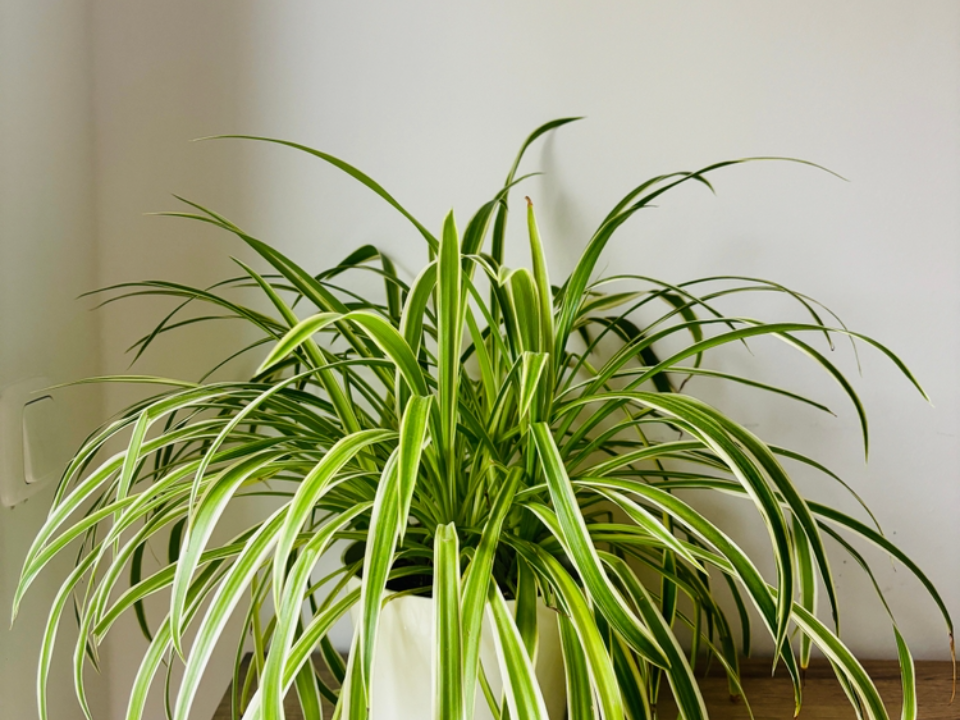
The Spider Plant is a popular and resilient houseplant known for its ability to bounce back from neglect. With a February refresh, it can thrive in your home once again. This plant enjoys indirect light and can tolerate periods of drought, but it benefits from a little extra attention during the winter months.
February is the perfect time to trim any dead leaves and gently re-pot it if necessary. Keep the soil lightly moist but not soggy, as the Spider Plant is prone to root rot if overwatered. You can also propagate the plant by cutting off its baby plantlets, allowing you to grow even more Spider Plants around your home. As the weather warms, you will start to see fresh green shoots and a revitalized look.
Pothos
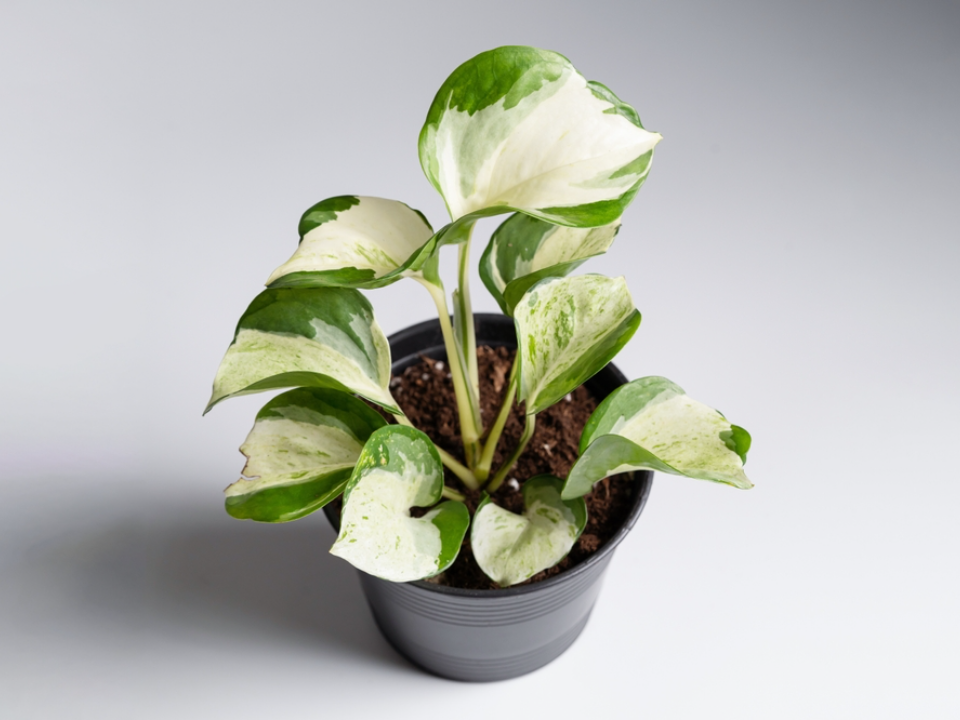
Pothos is an excellent choice for those looking to revive their indoor garden with minimal effort. In February, you can give your Pothos a little extra attention to help it bounce back from the colder months. Start by cutting back any long or leggy vines to encourage bushier growth.
Pothos thrives in bright, indirect light, but it is adaptable to lower light conditions as well. During the winter months, be mindful not to overwater as the plant can be sensitive to root rot. When February rolls around, providing the plant with a diluted fertilizer will give it the nutrients it needs to grow vigorously. In no time, you will see lush, trailing vines filling your space once again.
Snake Plant
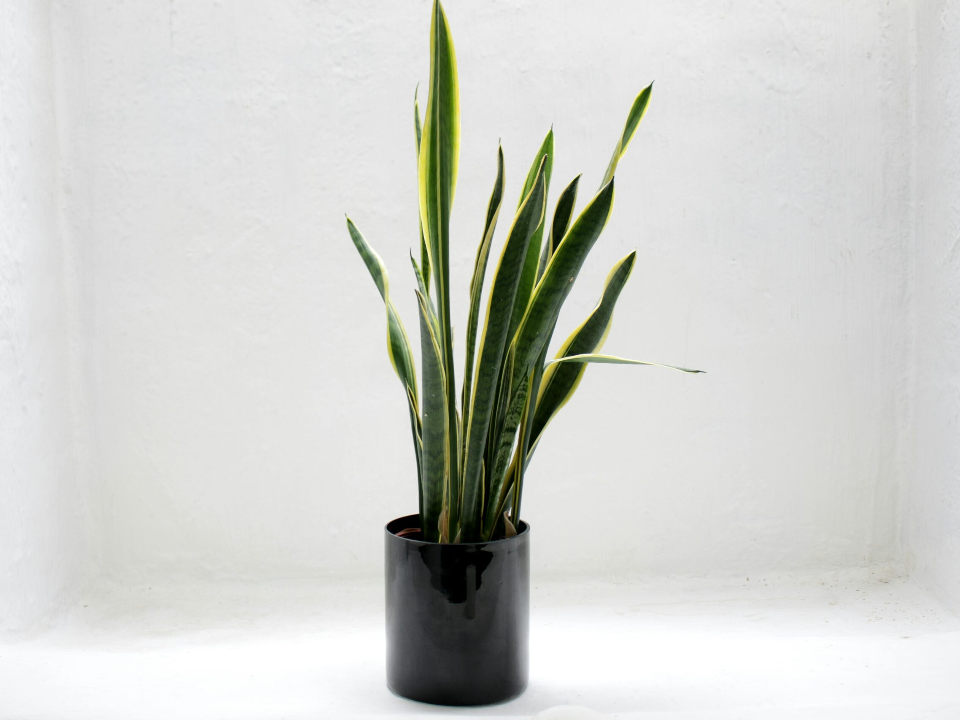
The Snake Plant is a tough and adaptable houseplant, but it can still benefit from a February refresh. During the winter months, this plant may slow down in growth, but with a little extra care, it can spring back to life. Begin by inspecting the plant for any dried or yellowed leaves and trimming them away.
Snake Plants prefer indirect light and can thrive in low light conditions, making them perfect for those with less sunlight in the winter. In February, reduce watering frequency, as the plant requires less moisture during the colder months. As temperatures rise, the Snake Plant will perk up and begin to grow once again, offering its unique vertical leaves to your space.
ZZ Plant
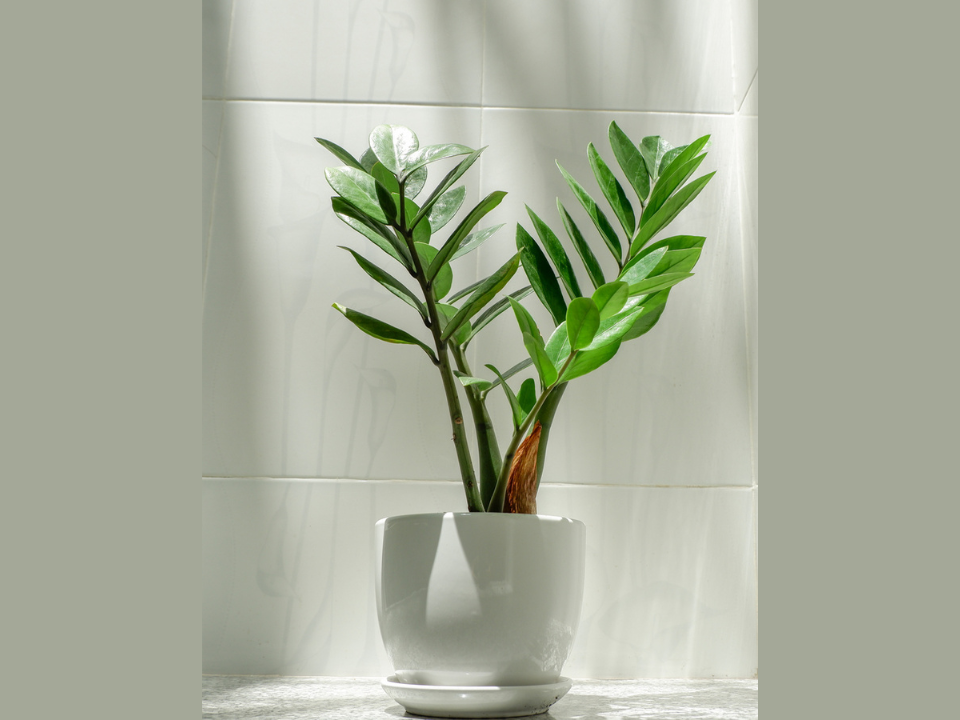
The ZZ Plant is known for its striking glossy leaves and easy care. It is a perfect plant for a February refresh, as it responds well to a little extra attention. In February, inspect the plant for any yellow or damaged leaves and prune them back to improve its appearance. ZZ Plants thrive in bright, indirect light but can tolerate low light as well.
While they are drought-tolerant, you should increase watering slightly during the February refresh to encourage new growth. Avoid overwatering, as this plant is sensitive to root rot. With a little extra care, the ZZ Plant will thrive in the coming months, making it a perfect addition to any home.
Aloe Vera
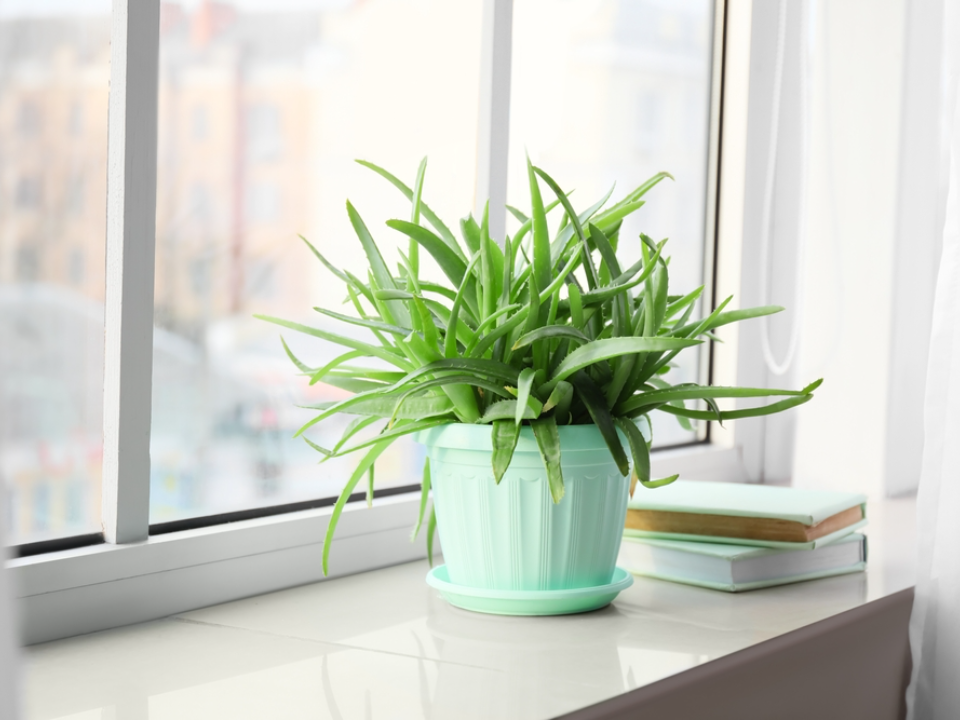
Aloe Vera is a hardy plant known for its soothing properties, but it also benefits from a February refresh. In the winter, Aloe Vera tends to go into a dormant state, but by February, it can be encouraged to grow again. Start by checking the plant’s roots to ensure they are not overwatered, as Aloe Vera does not like soggy soil.
In February, water the plant lightly and provide it with bright, indirect light. Aloe Vera is a succulent, so it does not require frequent watering, and overwatering can lead to root rot. During the colder months, allow the soil to dry out completely before watering again. After a little care, your Aloe Vera will be ready to thrive in the warmer months.
Peace Lily
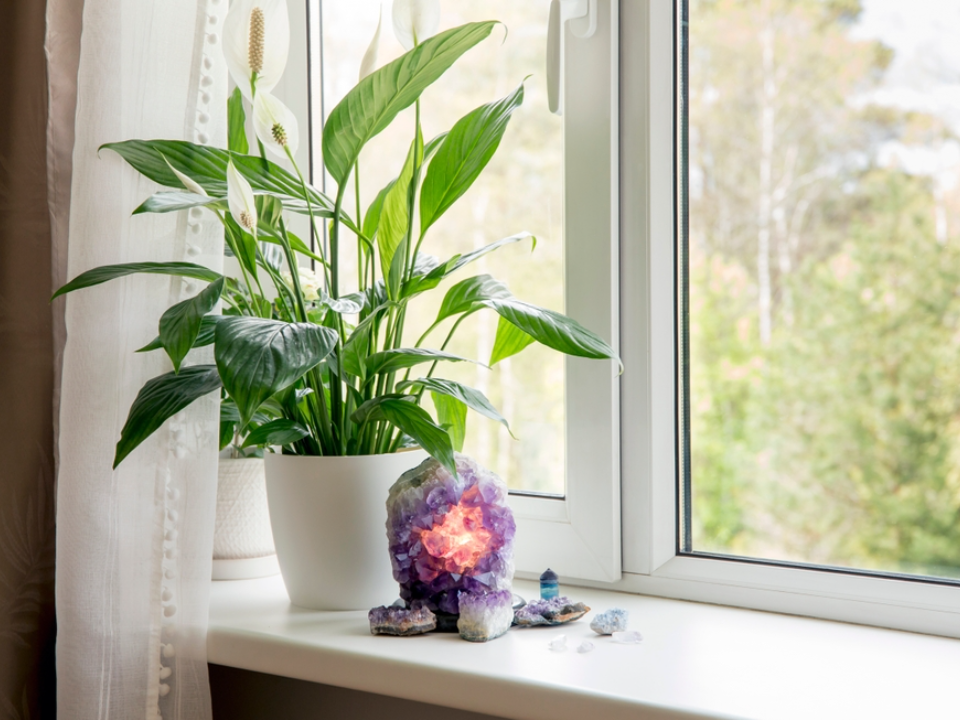
The Peace Lily is a beautiful houseplant known for its elegant white blooms and air-purifying properties. In February, it can benefit from a little attention to help it recover from the winter slowdown. Peace Lilies thrive in moderate to bright indirect light but can tolerate lower light conditions. Water the plant when the top inch of soil feels dry, but be careful not to overwater, as this can lead to root rot.
February is a great time to gently remove any yellow or dead leaves and clean the leaves to keep the plant healthy. A monthly dose of balanced fertilizer can also promote blooming during the spring and summer months. With a little refresh, your Peace Lily will soon produce new growth and stunning white flowers.
Boston Fern

Boston Ferns are lush, full plants that thrive in humid conditions. They can often lose some of their vigor during the winter, but a February refresh can bring them back to life. To revive your Boston Fern, start by removing any dead fronds and trimming back any overly long sections.
This plant prefers indirect light and should be kept in a humid environment, so misting the leaves regularly will help it bounce back. The soil should be kept consistently moist, but not soggy, to prevent root rot. In February, consider repotting your fern into a slightly larger pot to encourage growth. Once refreshed, the fern will quickly start to produce new fronds, adding a burst of greenery to your home.
Fiddle Leaf Fig
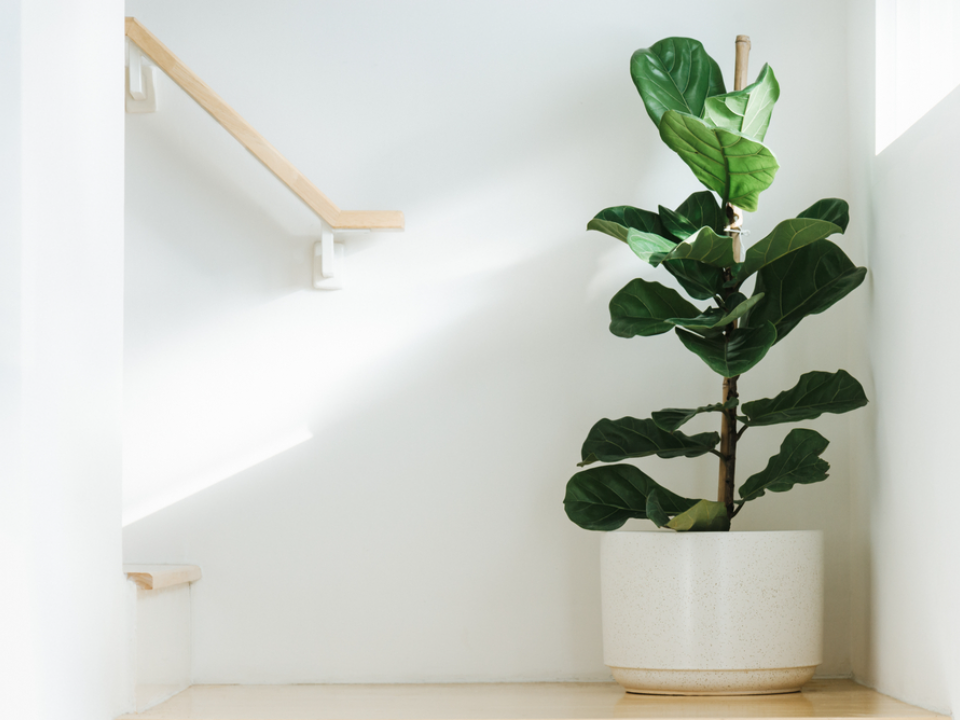
The Fiddle Leaf Fig is known for its large, dramatic leaves that can add a bold statement to any room. In February, this plant can benefit from some extra care to help it recover from the winter months. Start by inspecting the leaves for any signs of damage or dryness and trimming them back.
Fiddle Leaf Figs thrive in bright, indirect light, so place the plant near a window with plenty of sunlight. Make sure to water the plant when the top few inches of soil are dry, but be cautious not to overwater, as the plant is sensitive to root rot. Adding a dose of fertilizer can also promote healthy growth as the weather warms. With the right care, your Fiddle Leaf Fig will bounce back and fill your space with lush, glossy leaves.
Jade Plant
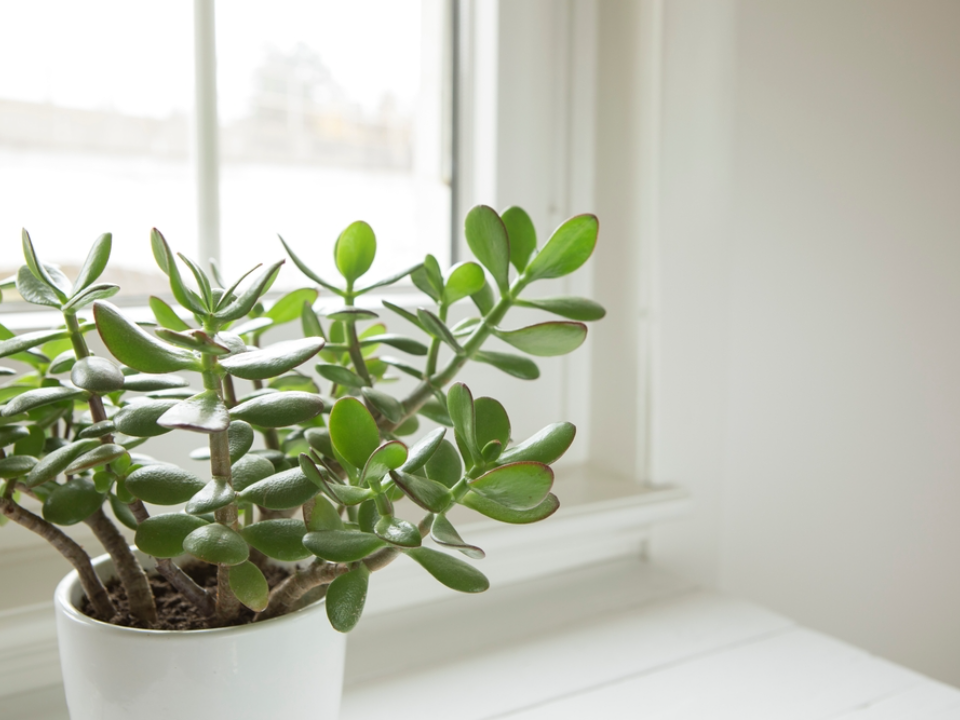
Jade Plants are succulents that thrive with minimal care, but they do respond well to a February refresh. During the winter months, this plant often slows its growth, but a little extra attention can help it bounce back in the spring. Start by trimming any leggy or overgrown stems to encourage new growth.
Jade Plants prefer bright, indirect light, and they should be watered sparingly. In February, check the soil to ensure it is dry before watering, as succulents do not like to sit in moist soil. Adding a bit of fertilizer can also help the plant grow more vigorously as it heads into the warmer months. With just a little care, your Jade Plant will thrive and continue to produce its thick, fleshy leaves.
African Violet
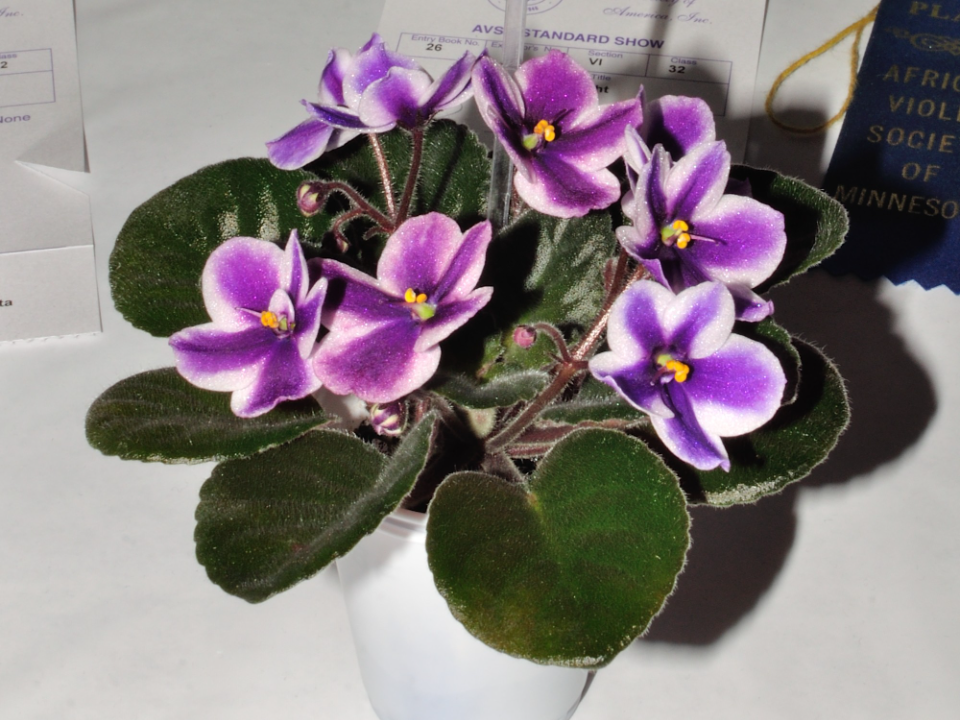
African Violets are known for their vibrant flowers and compact growth, making them an ideal plant for a February refresh. In winter, African Violets may slow down in growth, but with a little extra care, they will bounce back beautifully. Start by trimming off any dead or yellow leaves to promote healthier growth.
African Violets thrive in bright, indirect light, but they do not like direct sunlight, as it can scorch their leaves. Water the plant when the soil feels dry, but avoid getting water on the leaves to prevent rot. In February, a light application of fertilizer will encourage new blooms. With a little attention, your African Violet will soon reward you with beautiful, colorful flowers.
Rubber Plant
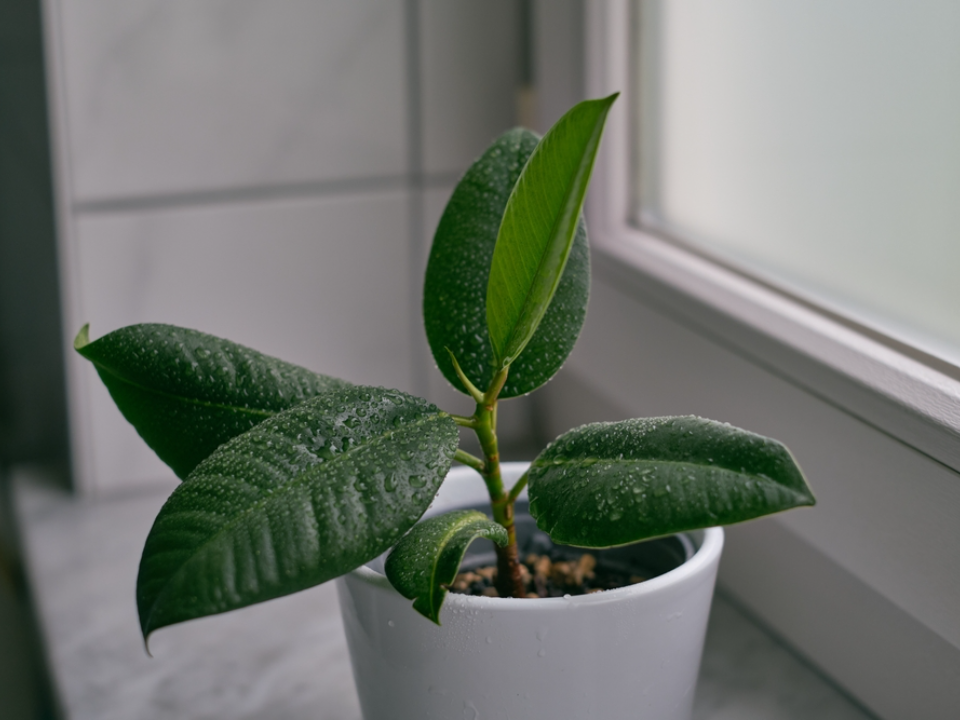
The Rubber Plant is known for its large, glossy leaves and its ability to grow well in indoor environments. A February refresh is ideal for this plant, especially after the slower growth during the colder months. Start by trimming any yellow or damaged leaves to encourage new growth.
Rubber Plants thrive in bright, indirect light but can tolerate some low light conditions. In February, water the plant when the top few inches of soil are dry, and be careful not to overwater, as this can lead to root rot. Adding a bit of fertilizer can help boost the plant’s growth as the weather warms up. After a little care, you will see your Rubber Plant begin to bounce back with fresh, vibrant leaves.
Monstera Deliciosa
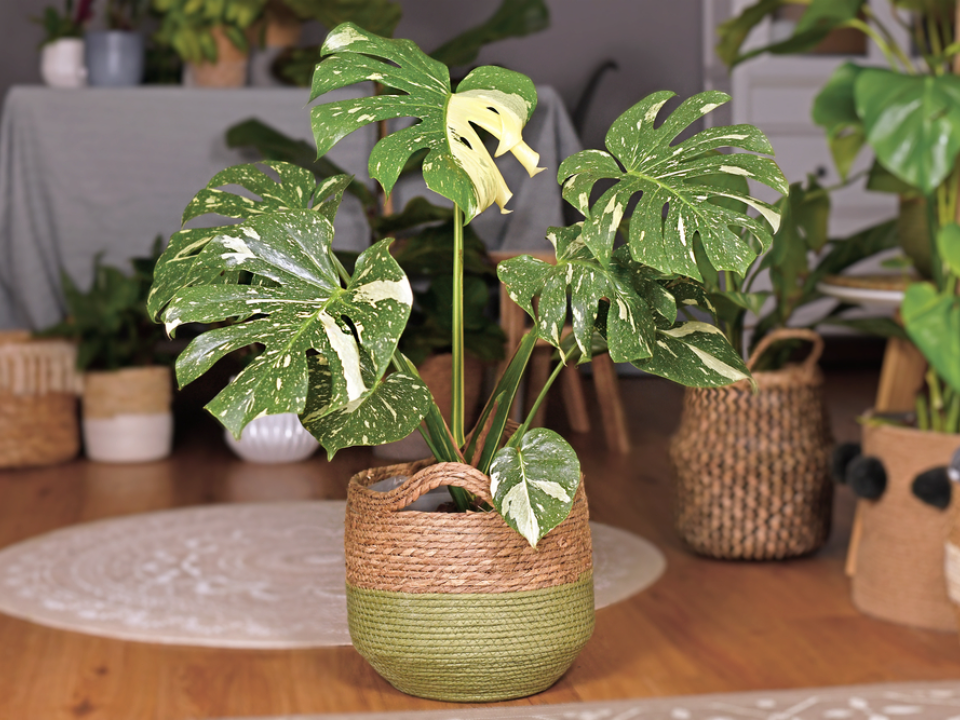
The Monstera Deliciosa, also known as the Swiss cheese plant, is a popular houseplant due to its unique, hole-punched leaves. A February refresh is the perfect way to encourage this plant’s recovery after the winter months. To start, trim any yellow or dead leaves and clean the leaves gently to remove any dust. Monstera plants prefer bright, indirect light, but they can tolerate lower light levels as well.
Water the plant when the soil is dry to the touch, but be cautious not to overwater, as it can lead to root rot. February is also a good time to repot the plant if it has outgrown its container. With a little extra care, your Monstera will soon reward you with fresh, vibrant leaves and new growth.
Ficus Tree
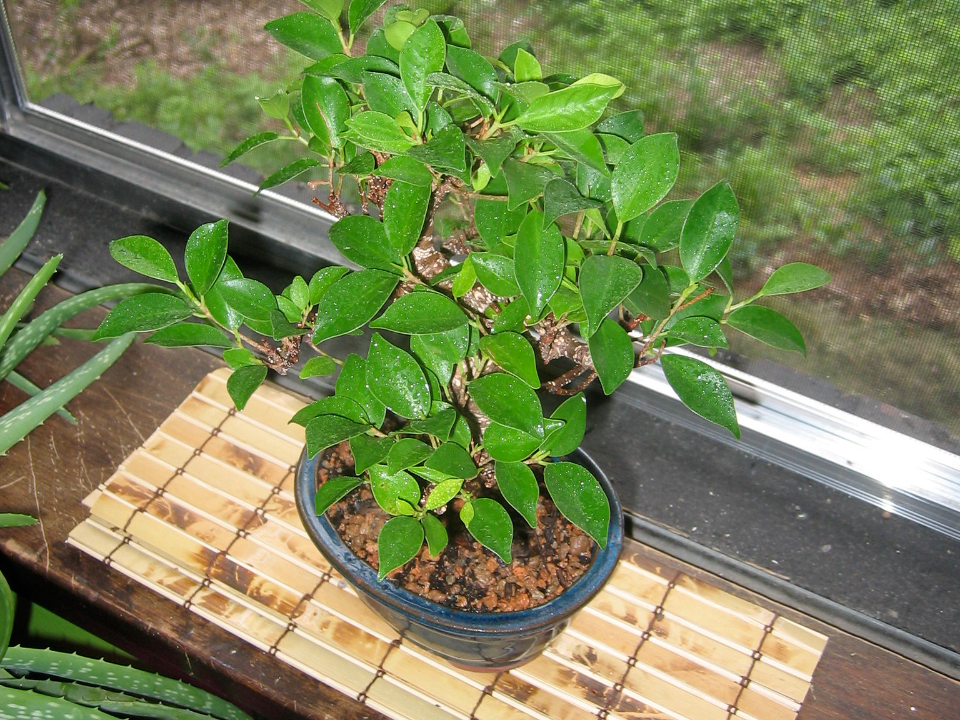
Ficus trees, including varieties like the Weeping Fig, are known for their attractive foliage and tall growth. In February, they can benefit from some extra care to bring them back to life after the slower winter period. Start by pruning back any long, leggy branches to encourage fuller growth. Ficus trees thrive in bright, indirect light, but they can also tolerate lower light conditions.
During the winter months, they do not need frequent watering, so check the soil before watering. A dose of balanced fertilizer in February will help encourage new growth as the days get longer. With a little attention, your Ficus tree will soon begin to grow vigorously once again.
Dracaena
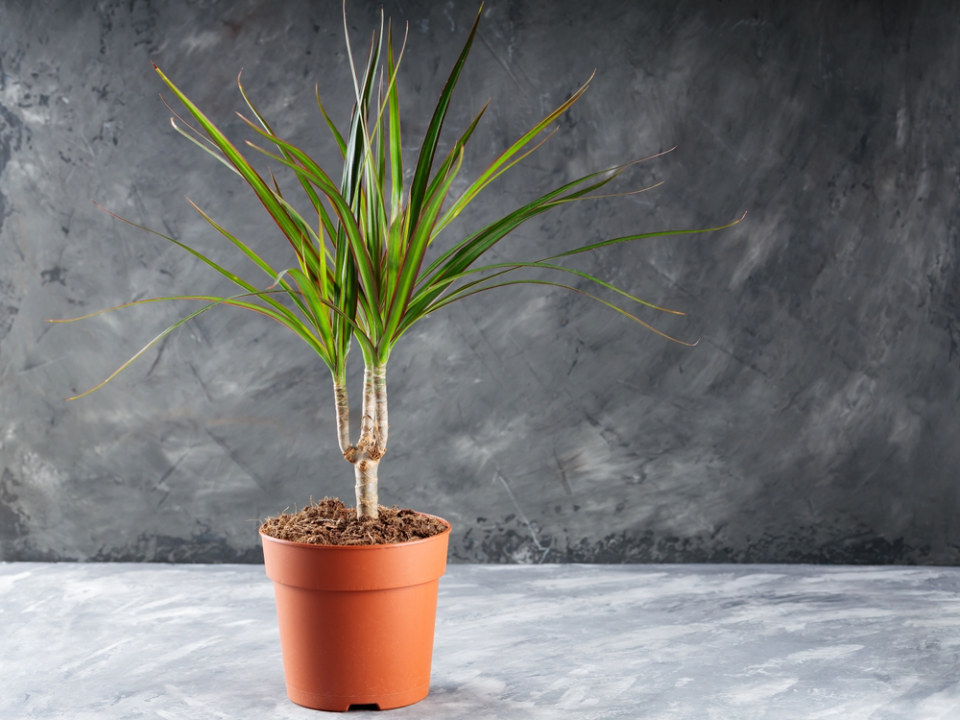
Dracaenas are popular for their tall, spiky leaves and ease of care. They tend to slow down in growth during the winter, but a February refresh can help them bounce back. Start by trimming off any dead or yellowing leaves to maintain the plant’s shape and health.
Dracaenas prefer bright, indirect light, but they can adapt to lower light levels as well. In February, be mindful not to overwater the plant, as this can cause root rot. Allow the top few inches of soil to dry out before watering. With proper care, your Dracaena will soon begin to grow again, offering vibrant foliage that adds height and elegance to your space.
This article originally appeared on Avocadu.