
13 Books You Can Reread and Still Get Something New Each Time
Books are often like old friends, always offering something different when you revisit them. With every reading, you’ll notice something you missed the first time. These stories grow with you, offering new perspectives as you go through life. Each time you open these pages, there’s a fresh discovery waiting for you. Explore the world of books that never lose their charm, no matter how many times you turn their pages.
This post may contain affiliate links, which helps keep this content free. Please read our disclosure for more info.
To Kill a Mockingbird by Harper Lee
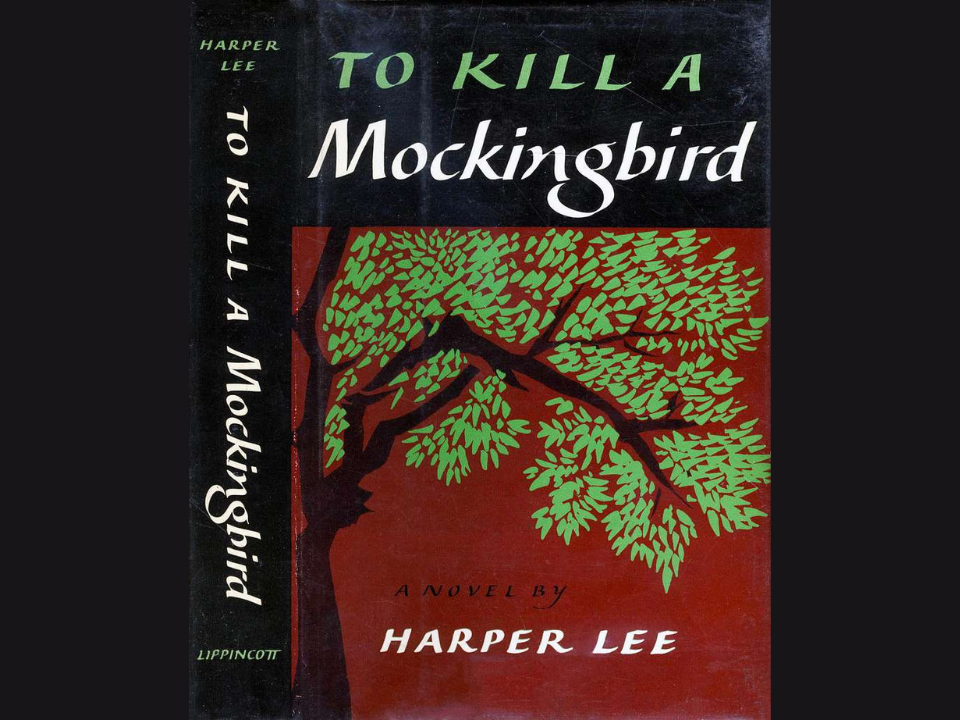
Harper Lee’s classic, To Kill a Mockingbird, is a powerful exploration of morality, race, and childhood innocence. Despite being a novel many have read more than once, its layers of meaning unfold differently with each reread. With each revisit, readers notice new details in the way the characters’ lives interconnect, making it a rich and continually rewarding experience. Its subtle commentary on human nature and justice resonates more deeply as readers grow older, providing new insights on societal issues.
In To Kill a Mockingbird, the themes of empathy and understanding are central, but these messages become more complex with every reading. The story’s narration through Scout’s eyes allows readers to see the world both from a child’s perspective and a more adult understanding. This shifting viewpoint invites readers to explore the nuances of justice and human behavior as they move through life themselves.
The Great Gatsby by F. Scott Fitzgerald
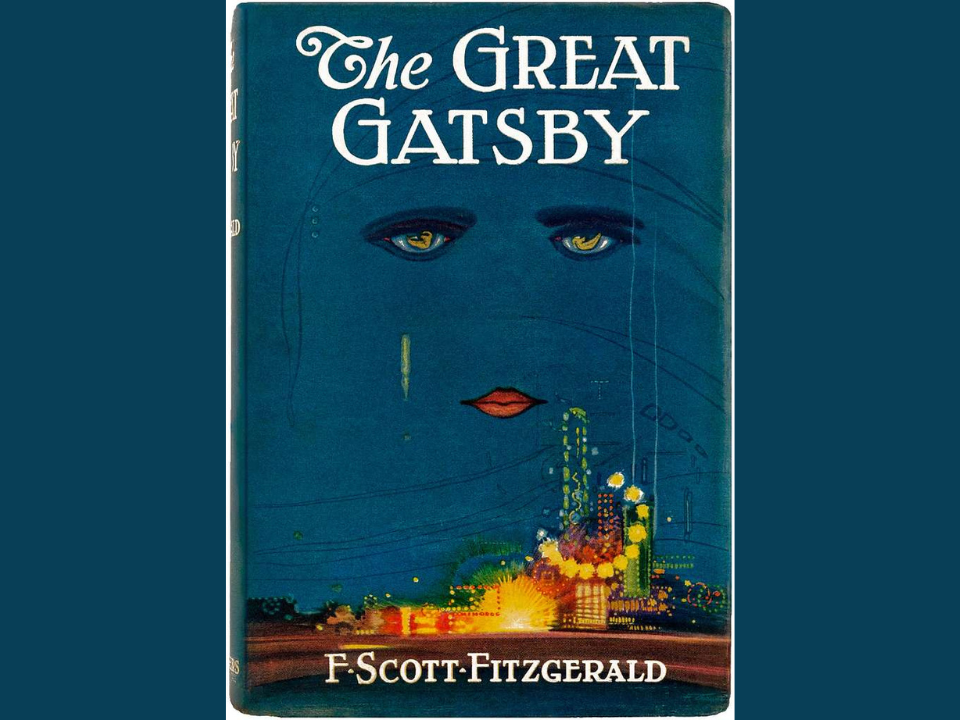
The Great Gatsby by F. Scott Fitzgerald may seem like a straightforward story about love, wealth, and disillusionment, but each reread brings out more in its lavishly described world. The novel’s intricately woven symbolism and Fitzgerald’s exploration of the American Dream deepen with each encounter. From Gatsby’s obsession with Daisy to the societal tensions of the Jazz Age, readers continually find new angles to appreciate with every rereading. Its tragic beauty remains just as poignant on the second or third read, but each time, a new layer of meaning surfaces.
The novel’s rich portrayal of longing, illusion, and the unattainable is often overlooked at first. As readers revisit the book, they start to pick up on the subtler intricacies of Jay Gatsby’s character and the dark side of the American Dream. What might have seemed like a simple love story at first glance turns into a deeper meditation on the emptiness of materialism and the pursuit of happiness.
1984 by George Orwell
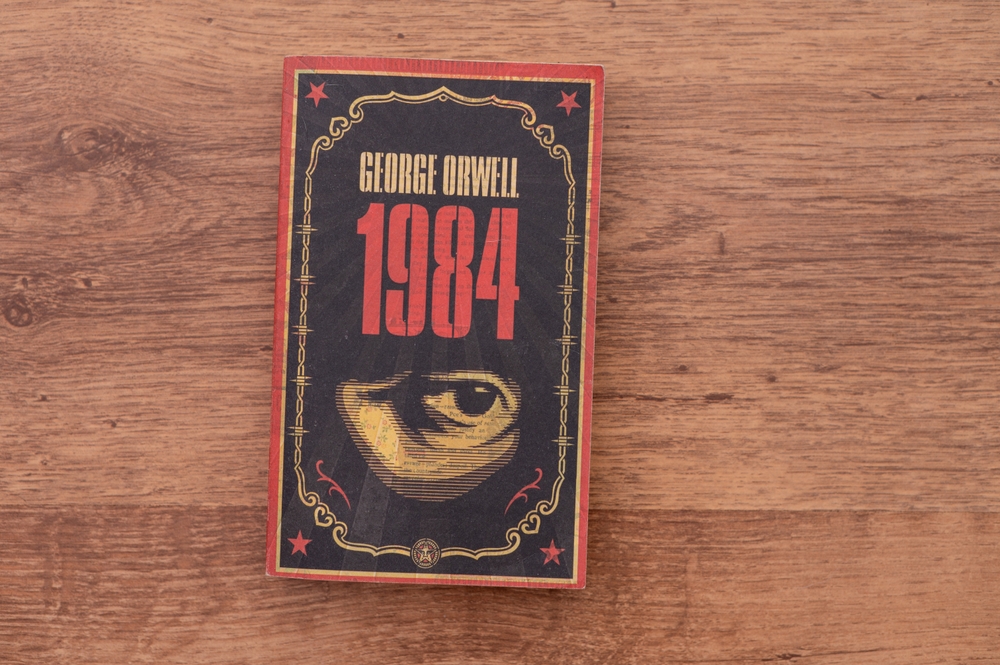
George Orwell’s 1984 is one of those books that continues to offer more each time you read it, as its themes of surveillance, control, and reality become even more relevant. Orwell’s vision of a totalitarian state, where truth is malleable and history is rewritten, remains as powerful and thought-provoking as ever. The novel invites you to notice the ways language and power shape our perception of truth. Each rereading sheds more light on the complexity of Winston’s inner conflict and the terrifying implications of the world he lives in.
While the story’s dystopian elements are stark and unsettling, 1984 also provides subtle reflections on the nature of personal freedom and resistance. On subsequent readings, you might uncover more about the characters’ motivations and the chilling precision with which Orwell presents his ideas. The novel’s relevance in today’s world, with increasing concerns about privacy and authoritarianism, makes it a book that keeps giving something new every time you open it.
Pride and Prejudice by Jane Austen
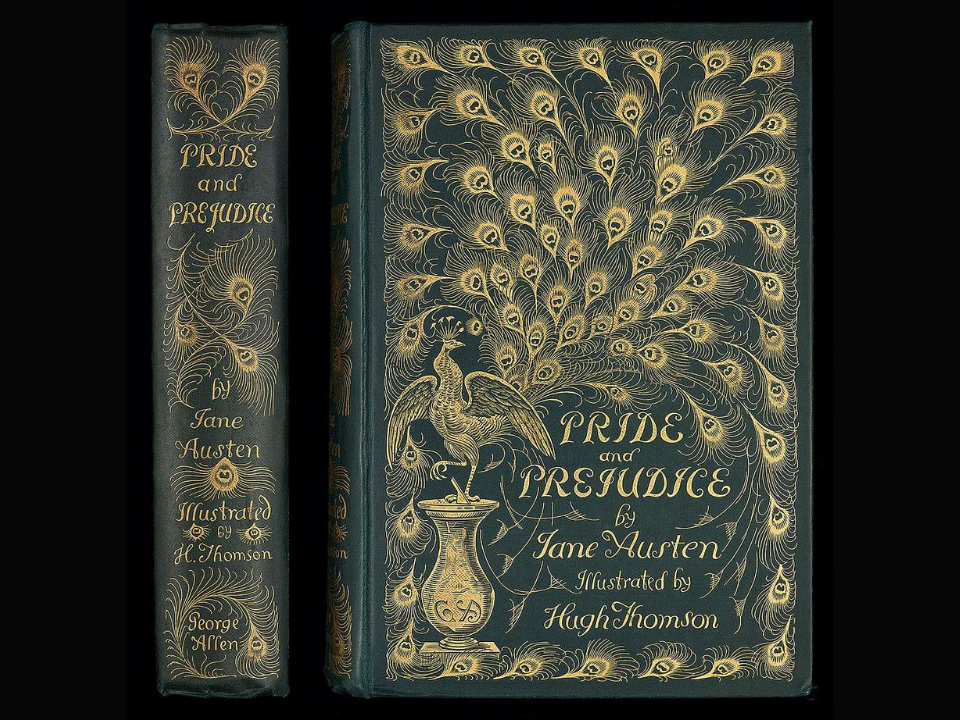
In Jane Austen’s Pride and Prejudice, the interactions between Elizabeth Bennet and Mr. Darcy have been adored for generations, but each rereading reveals more about their social and personal struggles. Austen’s skillful writing allows readers to notice new layers in the character dynamics and social commentary on the British class system. The novel’s wit and charm only deepen with time, and many find themselves reinterpreting the characters’ actions from different perspectives after each reading. The evolving complexity of Elizabeth and Darcy’s relationship makes this book endlessly interesting.
Beyond the love story, Pride and Prejudice offers a sharp critique of societal expectations and marriage in Austen’s time. The more you revisit the novel, the more you see the intricacies of secondary characters like Lydia and Mr. Collins. Austen’s mastery of dialogue and social observation invites new interpretations with each reading, giving fresh insights into the subtle commentary on social class and gender roles.
Moby-Dick by Herman Melville

Herman Melville’s Moby-Dick is a dense and complex narrative that offers new meanings with every reread. The novel’s exploration of obsession, the natural world, and the human psyche becomes clearer with each pass through its pages. The intricate symbolism of the white whale and Captain Ahab’s relentless pursuit invites readers to interpret it in many ways. On each rereading, the philosophical musings of the book, which might have seemed abstract initially, take on new dimensions as you understand more of the historical and cultural context.
What seems like an adventure story on the surface turns out to be a profound meditation on life, death, and human existence. The novel’s use of the sea as a metaphor for the unknowable parts of human nature adds another layer of meaning each time it is read. As the reader becomes more familiar with the text, the importance of the minor characters and the detail in Melville’s prose come to light.
The Catcher in the Rye by J.D. Salinger
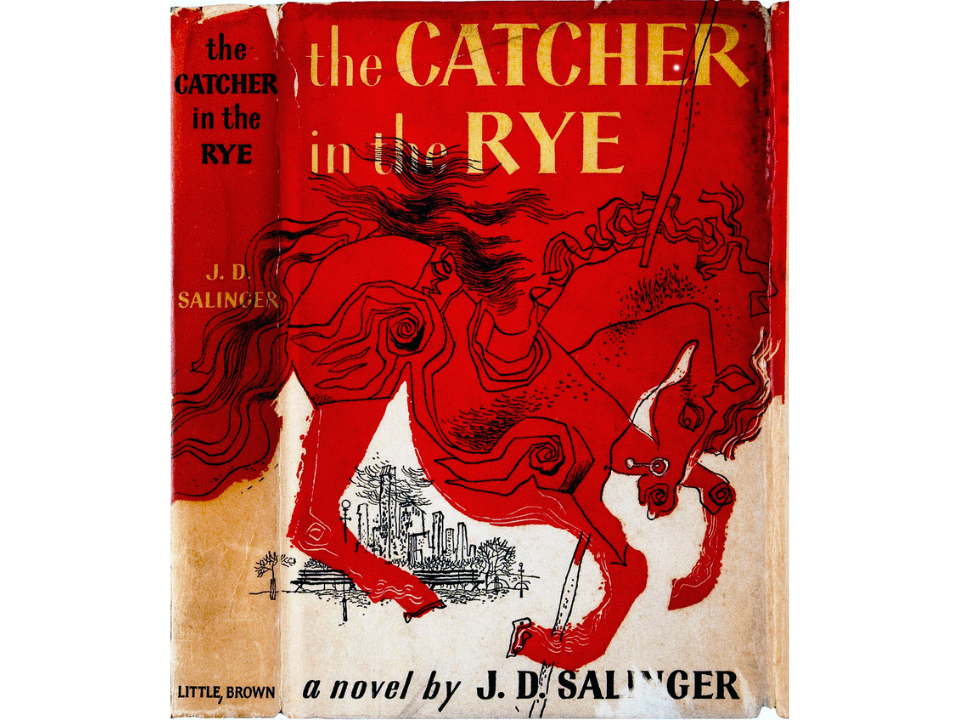
J.D. Salinger’s The Catcher in the Rye is a staple for many readers, yet each reread reveals more about Holden Caulfield’s complexity and the pain behind his cynicism. On the surface, Holden’s story seems like a simple tale of teenage rebellion, but as you read it again, you understand his inner conflict with the adult world more deeply. His alienation and vulnerability resonate differently with each pass through the novel, as you notice more about his relationships with others and his struggle for identity. It’s a book that asks you to reconsider your first impressions each time.
Salinger’s distinctive voice for Holden, filled with disjointed thoughts and contradictions, becomes even more impactful on second and third readings. As you get older, you may notice elements of empathy and existential reflection that weren’t clear at first. The beauty of The Catcher in the Rye lies in its ability to speak to people at different stages of life, offering new insights depending on your own growth and experiences.
Beloved by Toni Morrison
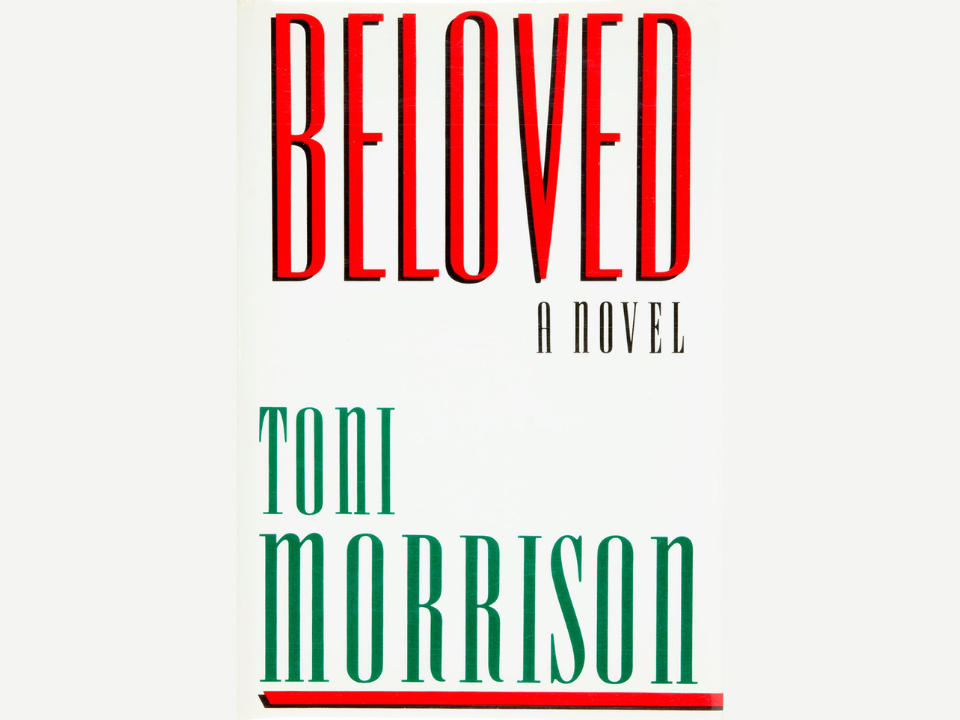
Toni Morrison’s Beloved is a haunting and complex novel about memory, trauma, and the aftermath of slavery. Every time you revisit it, you discover new layers of symbolism and character depth. Morrison’s poetic prose and the novel’s fragmented structure offer something different with each reading, as the themes of haunting, motherhood, and survival become clearer. With each reread, the mystery of Sethe’s past and the significance of Beloved’s presence evolve, revealing new perspectives on trauma and healing.
The novel’s intense emotional depth makes it a book that changes with each interaction, as you uncover more about the psychological effects of slavery and loss. The spectral presence of Beloved, as both a character and a symbol, carries different meanings on each rereading. As you grow in your understanding of the history and emotional weight behind Morrison’s writing, Beloved offers new insights into the lasting impact of generational trauma.
The Brothers Karamazov by Fyodor Dostoevsky

The Brothers Karamazov by Fyodor Dostoevsky is a philosophical novel filled with moral dilemmas and deep psychological insight. Each time you read this epic work, you find new angles in the exploration of faith, reason, and morality. The novel’s structure, with its rich character development and its focus on existential questions, becomes even more engaging after you understand more of its historical context. The philosophical debates within the book feel fresh each time, making it a book that can be read over and over, with new discoveries each time.
At its core, The Brothers Karamazov is a story about the search for truth and the complexities of human nature. Dostoevsky’s portrayal of the conflicting ideologies of the characters invites you to explore different interpretations of the novel. Whether examining Ivan’s atheism, Dmitri’s passionate nature, or Alyosha’s spiritual quest, each rereading adds layers to your understanding of the human condition.
The Hobbit by J.R.R. Tolkien
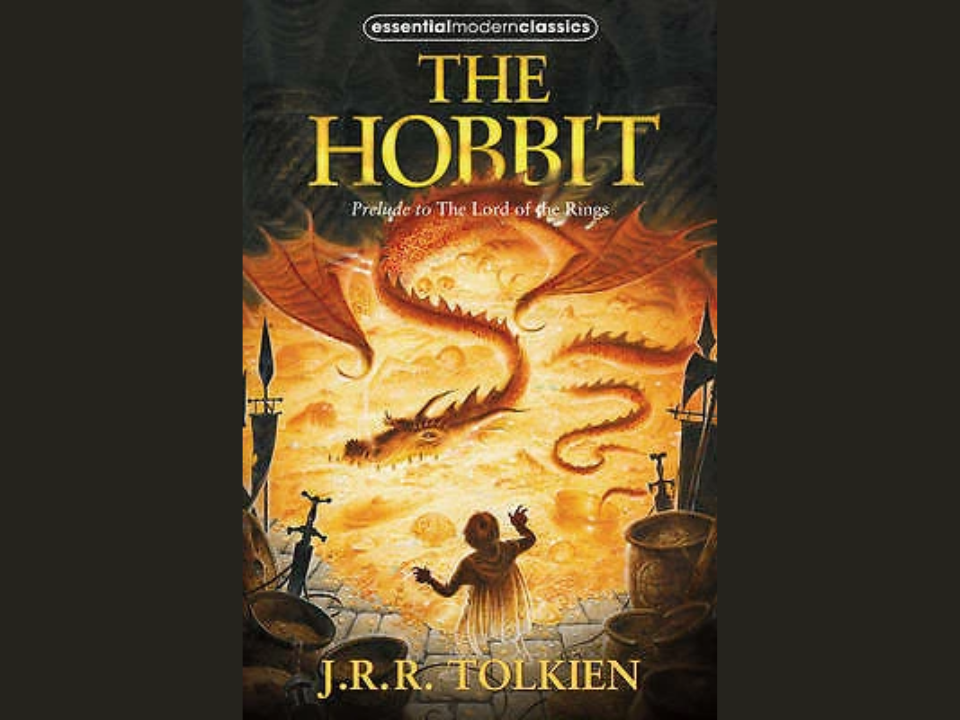
J.R.R. Tolkien’s The Hobbit is an adventurous journey that continues to captivate readers of all ages, with new discoveries each time you read it. The whimsical language, memorable characters, and vivid descriptions make it a book that you can revisit endlessly. Even though it’s often considered a children’s book, the story’s themes of courage, friendship, and home resonate with different layers as you grow. The details of Bilbo’s journey, from his initial reluctance to his final bravery, are even more rewarding with each rereading.
Tolkien’s world-building and the creation of Middle-earth are woven throughout the narrative, and each reread uncovers more of the depth and richness of this fictional universe. With every new journey through the book, you can discover hidden meanings in the text that reflect larger themes of heroism and self-discovery. The Hobbit may be a shorter book, but it offers plenty to explore for those who return to it time and time again.
Frankenstein by Mary Shelley

Mary Shelley’s Frankenstein is a timeless story of creation, responsibility, and isolation that grows more poignant with each rereading. At first glance, it may seem like a simple Gothic horror story, but there are deep philosophical themes buried within the pages. As you read it again, the nuances of Victor Frankenstein’s obsession and the creature’s quest for acceptance become more complicated. Each reread invites you to question the nature of humanity, morality, and the consequences of unchecked ambition.
The novel’s exploration of ethical dilemmas surrounding creation and science feels more relevant today than ever before. What was initially a frightening tale becomes a layered discussion on the responsibilities of the creator and the consequences of their actions. Shelley’s portrayal of both Victor and the creature’s suffering is deeply moving, providing a new understanding with each reading.
Catch-22 by Joseph Heller
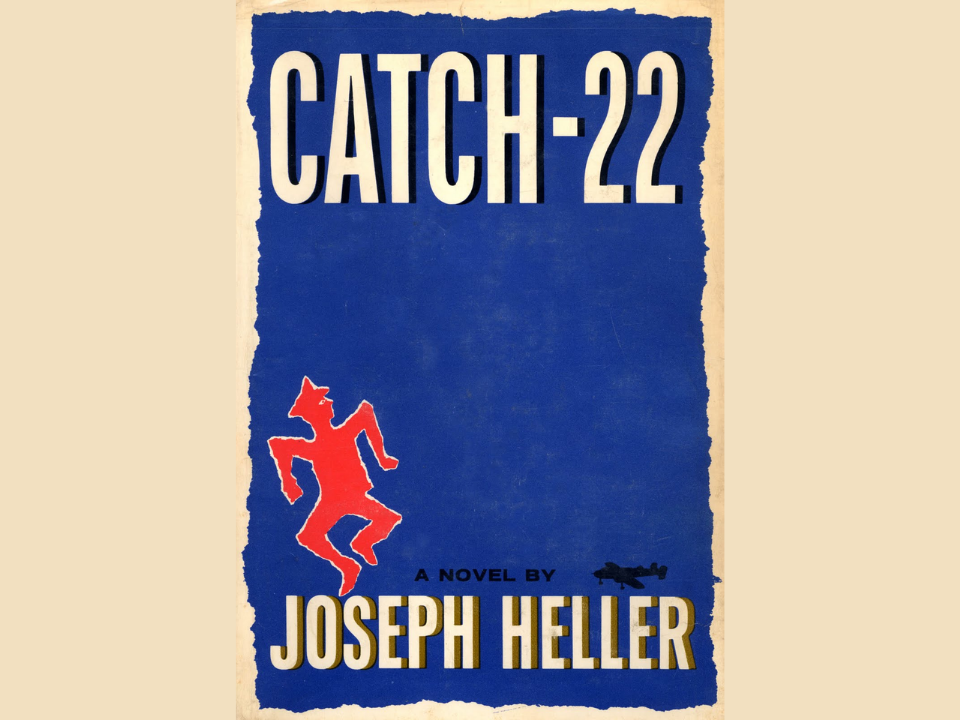
Joseph Heller’s Catch-22 is a satirical novel that offers new interpretations with every rereading. The absurdities of war and bureaucracy are central to the novel’s humor and critique, but the complexity of its themes becomes clearer with each revisit. The term Catch-22 itself has entered the cultural lexicon, and understanding the depth of its meaning grows with each reread. Heller’s circular logic and exploration of the futility of war are engaging in new ways as readers notice fresh layers in the story.
The characters in Catch-22 are absurd, tragic, and hilarious, which makes the novel both a bitter critique and an ironic commentary on the human condition. The more you read it, the more you can appreciate Heller’s sharp observations about the madness of bureaucracy. It’s a book that stays with you, offering new insights each time you reflect on its complex themes.
Slaughterhouse-Five by Kurt Vonnegut
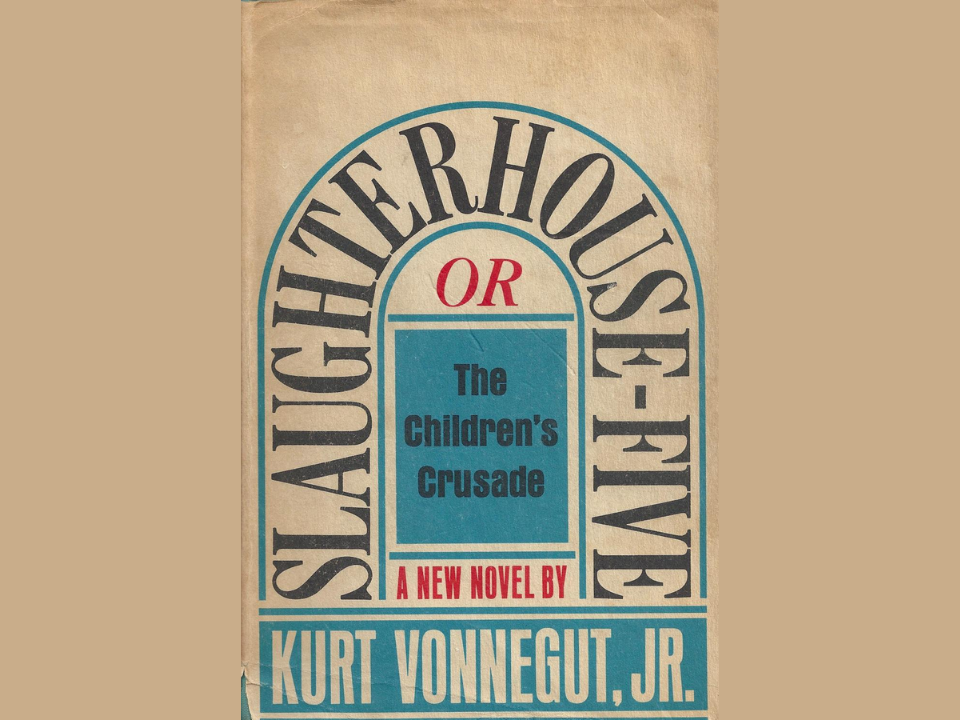
Kurt Vonnegut’s Slaughterhouse-Five is a novel about time travel, war, and the absurdity of human existence, with new meanings uncovered on each rereading. Vonnegut’s distinctive voice and use of non-linear narrative invite readers to view the events of the book from different angles every time. The novel’s combination of dark humor and tragic commentary on the effects of war are enhanced with each encounter, making it a continually relevant and thought-provoking book. Its unique structure, where time and space collapse, demands a closer look on every reread.
On subsequent readings, the character of Billy Pilgrim becomes even more complex, and Vonnegut’s satirical take on war and fate feels more poignant. The novel is filled with irony, absurdity, and deep philosophical musings, which reveal something new each time. With each reread, Slaughterhouse-Five challenges readers to reconsider the nature of time, memory, and the meaning of life itself.
The Picture of Dorian Gray by Oscar Wilde
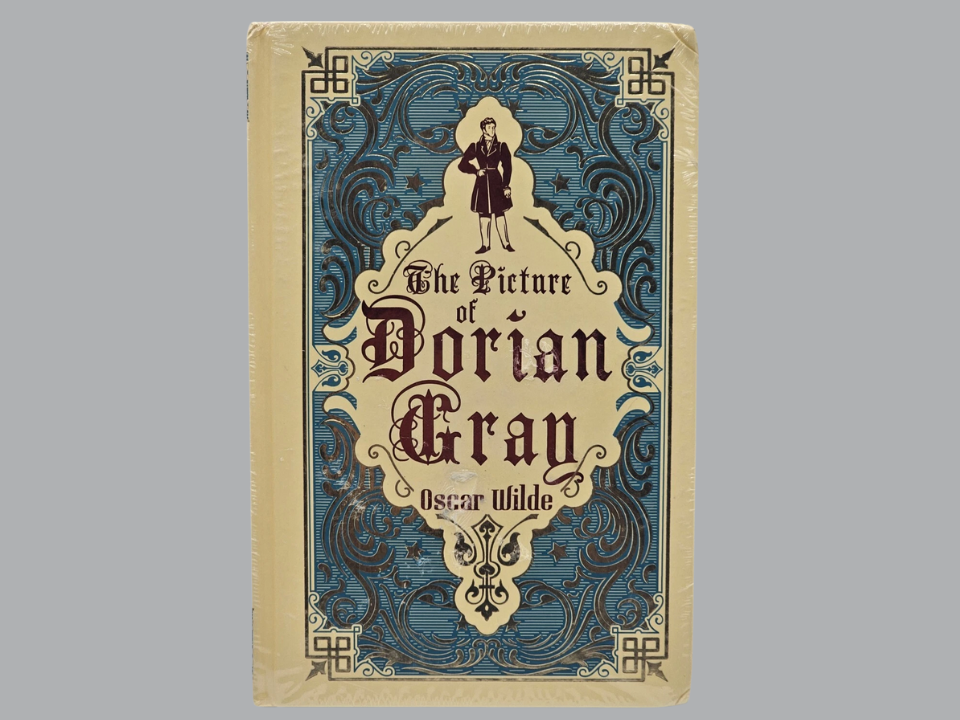
Oscar Wilde’s The Picture of Dorian Gray explores themes of vanity, morality, and the consequences of a life driven by self-indulgence. Each time you return to this novel, Wilde’s eloquent prose and sharp wit offer new reflections on the character of Dorian Gray. What might seem like a cautionary tale about hedonism and vanity is deepened with every rereading, as the moral implications of Gray’s choices become more complex. Wilde’s exploration of beauty, corruption, and the price of eternal youth resonate differently after each encounter.
The novel’s use of the portrait as a metaphor for Dorian’s internal corruption is both brilliant and disturbing. As you read it again, the psychological aspects of Dorian’s character and his descent into madness become clearer. Wilde’s critique of society’s obsession with beauty and status invites new reflections with each rereading.
This article originally appeared on Avocadu.