
11 Healthy Comfort Foods That Still Taste Like a Treat
Comfort food is all about satisfying cravings while bringing warmth and familiarity to your meals. But what if you could enjoy these hearty favorites with added nutrients and fewer calories? By making simple swaps, you can enjoy dishes that not only taste indulgent but also offer plenty of fiber, vitamins, and healthy fats. These recipes allow you to indulge without the guilt, giving you the best of both worlds: flavor and nourishment.
This post may contain affiliate links, which helps keep this content free. Please read our disclosure for more info.
Sweet Potato Shepherd’s Pie
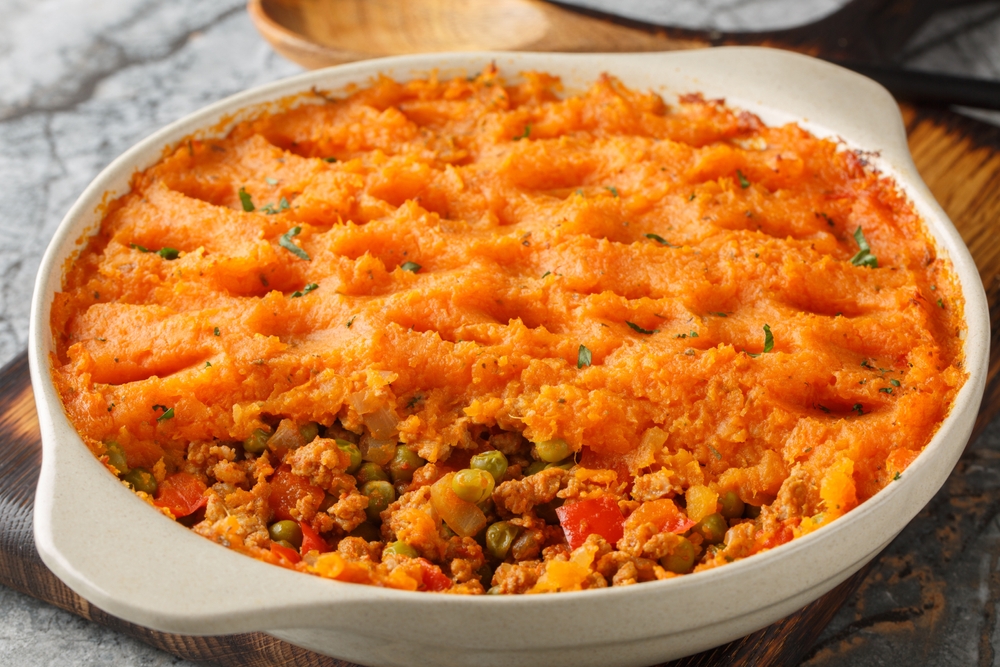
Start by peeling and cubing 2 large sweet potatoes (about 2 pounds). Place them in a large pot, cover with water, and bring to a boil. Cook for 15-20 minutes or until they are fork-tender. Once cooked, drain the potatoes and return them to the pot. Add 1 tablespoon of olive oil, a pinch of salt, and pepper to taste. Mash the sweet potatoes until smooth and creamy. Set aside. Meanwhile, in a large skillet, heat a small amount of olive oil over medium heat and cook 1 pound of lean ground turkey for 8-10 minutes, breaking it apart as it cooks. Once browned, add 1 chopped medium onion and 1 cup of diced carrots to the pan, cooking for another 5 minutes until the vegetables soften.
Next, add 1 cup of frozen peas, 1/2 cup of low-sodium chicken broth, and 1 teaspoon of dried thyme to the skillet, stirring everything together. Let it simmer for 5 minutes to allow the flavors to meld. Transfer the turkey and vegetable mixture to a 9×13-inch baking dish, spreading it evenly. Carefully layer the mashed sweet potatoes over the turkey mixture. Preheat the oven to 375°F (190°C) and bake the shepherd’s pie for 20 minutes, or until the top is golden and bubbly. Let the pie rest for a few minutes before serving. This dish combines the comfort of a classic shepherd’s pie with the added nutrition of sweet potatoes, making it both satisfying and healthy.
Cauliflower Mac and Cheese
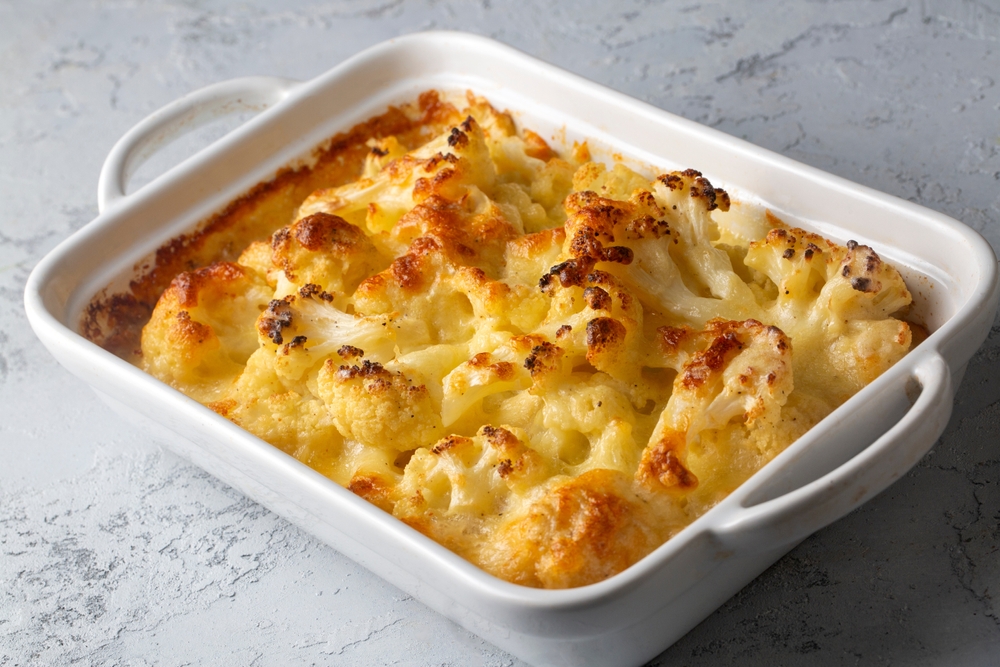
Begin by cutting 1 medium head of cauliflower into florets. Steam the cauliflower for 8-10 minutes or until it’s very tender. Once steamed, place the cauliflower in a blender or food processor along with 1 cup of low-fat milk, 1/2 cup of nutritional yeast, and 1 tablespoon of olive oil. Blend until smooth and creamy, resembling a cheese sauce. For extra creaminess and flavor, stir in 1/2 cup of shredded sharp cheddar cheese, and blend again until fully incorporated. This cauliflower-based sauce will give you the richness and texture of traditional cheese sauce, but with fewer calories and added nutrients.
While the cauliflower mixture is being prepared, cook your favorite whole-grain or gluten-free pasta according to package instructions. Drain the pasta and return it to the pot. Pour the cauliflower sauce over the pasta, stirring to coat all the noodles evenly. Heat the entire dish on low for 3-4 minutes to warm it through and allow the flavors to meld. You can even top the dish with a little extra shredded cheese and bake it in the oven for a few minutes until golden if you prefer a baked version. This healthier take on mac and cheese still gives you the creamy texture and indulgent flavor you crave, but it’s packed with fiber, antioxidants, and vitamins, making it a satisfying and nutritious comfort food.
Zucchini Noodles with Turkey Meatballs
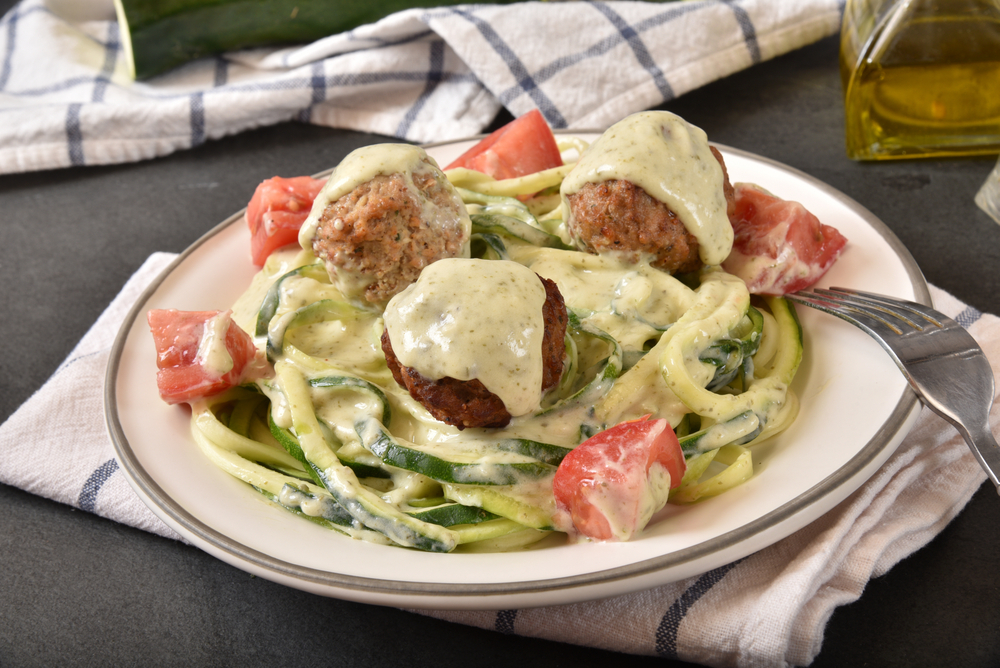
Start by making zucchini noodles, or “zoodles,” from 2 large zucchinis using a spiralizer. Sauté the zoodles in a pan with a small amount of olive oil for 3-4 minutes until they are tender but still retain some crunch. Set them aside. To make the turkey meatballs, combine 1 pound of ground turkey with 1/4 cup of breadcrumbs, 1 egg, 1/4 cup of grated Parmesan cheese, 1 teaspoon of garlic powder, and salt and pepper to taste. Mix everything and form the mixture into 12 meatballs. Preheat your oven to 400°F (200°C) and bake the meatballs for 15-20 minutes, or until they are cooked through and browned on the outside.
While the meatballs bake, prepare your favorite marinara sauce or use a store-bought low-sodium version. Once the meatballs are cooked, add them to the sauce and let them simmer for 5 minutes to absorb the flavors. Serve the turkey meatballs over the zoodles for a lighter, low-carb alternative to pasta. This dish offers the comforting taste of classic spaghetti and meatballs but with the added nutritional benefits of zucchini noodles and lean turkey. The zoodles provide fiber and vitamins, while the turkey meatballs give you a healthy protein boost. You get all the satisfaction of a traditional meal with a much healthier twist.
Baked Sweet Potato Fries
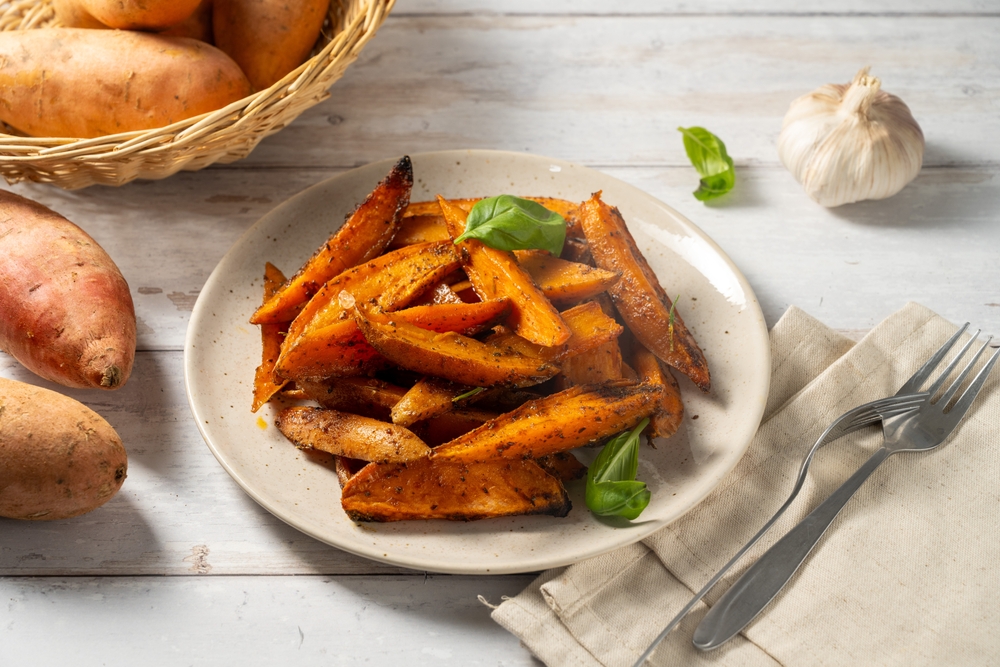
To make baked sweet potato fries, start by preheating your oven to 425°F (220°C). Peel and slice 2 medium sweet potatoes into thin fries, ensuring they are uniform in size for even cooking. Toss the sweet potato fries in 2 tablespoons of olive oil, 1/2 teaspoon of paprika, salt, and pepper. Spread them out in a single layer on a baking sheet lined with parchment paper. Bake for 25-30 minutes, flipping the fries halfway through, until they are golden and crispy on the outside but tender on the inside.
These sweet potato fries are a healthier alternative to traditional fries because they are baked instead of fried, cutting down on calories and fat. The natural sweetness of the sweet potatoes pairs wonderfully with the smoky flavor of paprika, creating a satisfying treat without the guilt. Sweet potatoes are rich in fiber, potassium, and vitamin A, making these fries a nutritious choice for a side dish or snack. They are a perfect comfort food that still delivers on taste while offering a range of health benefits.
Quinoa-Stuffed Bell Peppers
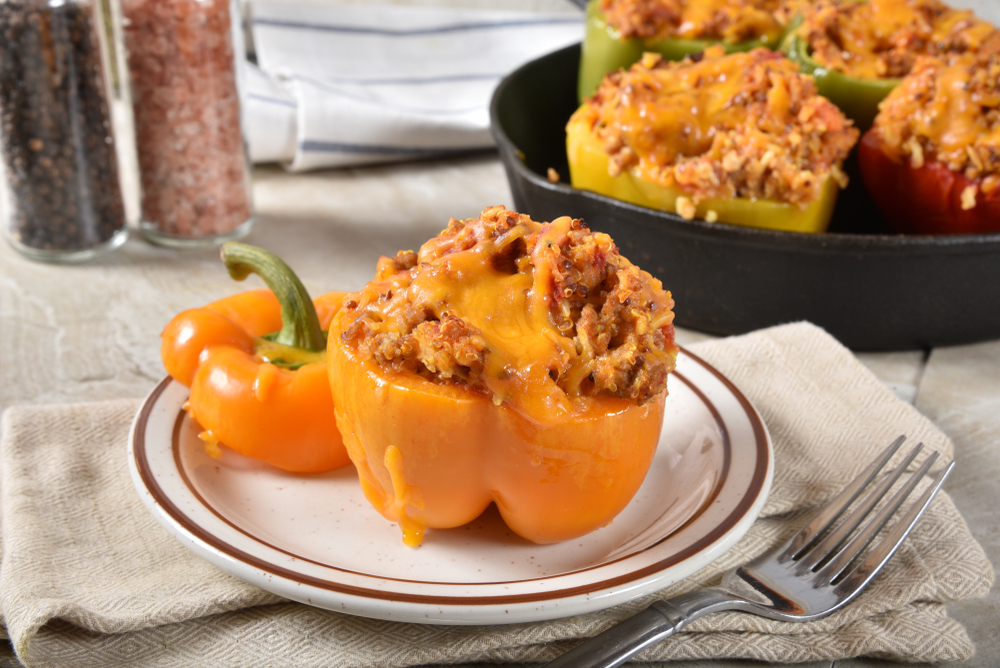
For quinoa-stuffed bell peppers, you will need 4 bell peppers, tops cut off and seeds removed. Cook 1 cup of quinoa according to the package directions, then fluff it with a fork and set aside. In a pan, sauté 1 cup of black beans (rinsed and drained), 1/2 cup of corn, and 1 teaspoon of cumin and chili powder in a little olive oil for 5 minutes. Add the cooked quinoa to the pan and stir to combine. Season the mixture with salt and pepper to taste.
Stuff each bell pepper with the quinoa and vegetable mixture, packing it tightly. Place the stuffed peppers in a baking dish and cover them with foil. Bake at 375°F (190°C) for 30 minutes, or until the peppers are tender. For an extra boost of flavor, you can sprinkle a little cheese on top of each pepper during the last 5 minutes of baking. These quinoa-stuffed peppers are a nutrient-dense, fiber-rich alternative to traditional stuffed peppers, and they provide a hearty and satisfying meal that feels like comfort food, but with added health benefits.
Chickpea Chicken Salad
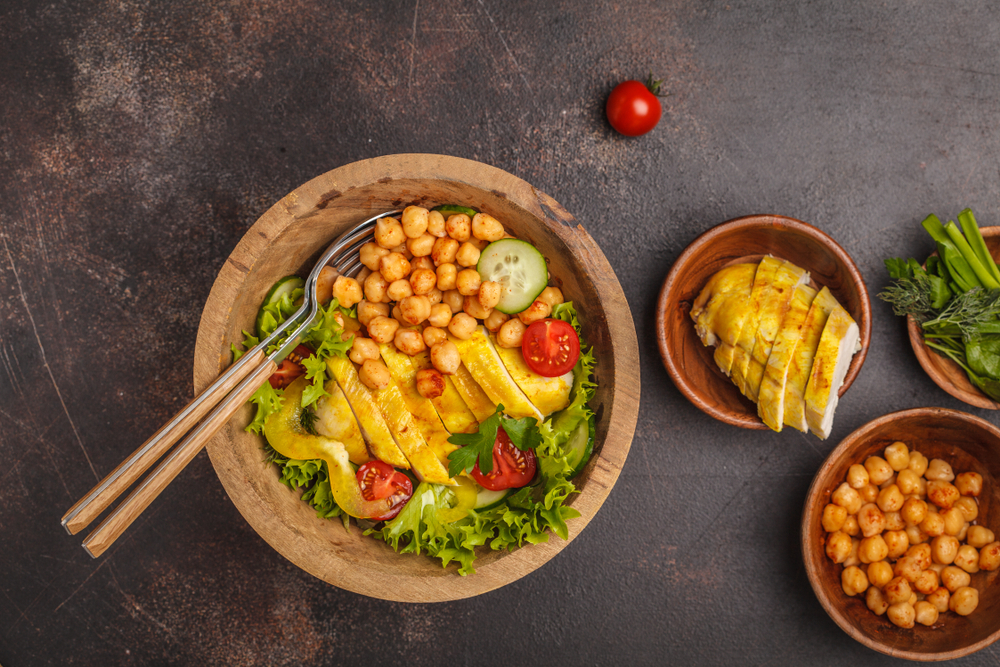
To make chickpea chicken salad, start by shredding 2 cups of cooked chicken breast. In a large bowl, combine the shredded chicken with 1 can of chickpeas (rinsed and drained), 1/4 cup of chopped celery, and 1/4 cup of red onion. In a separate bowl, mix 1/4 cup of Greek yogurt, 1 tablespoon of Dijon mustard, 1 tablespoon of lemon juice, and salt and pepper to taste. Stir the dressing into the chicken and chickpea mixture until everything is evenly coated.
Serve the salad on whole-grain bread, in a wrap, or over a bed of greens for a light yet satisfying meal. Chickpeas provide protein and fiber, while the Greek yogurt dressing adds creaminess without all the extra calories of mayonnaise. This salad is a great way to incorporate plant-based protein while still enjoying the familiar flavors of a classic chicken salad. It’s a comforting dish that is both filling and packed with nutrients, offering a healthier alternative without sacrificing taste.
Spaghetti Squash with Marinara Sauce
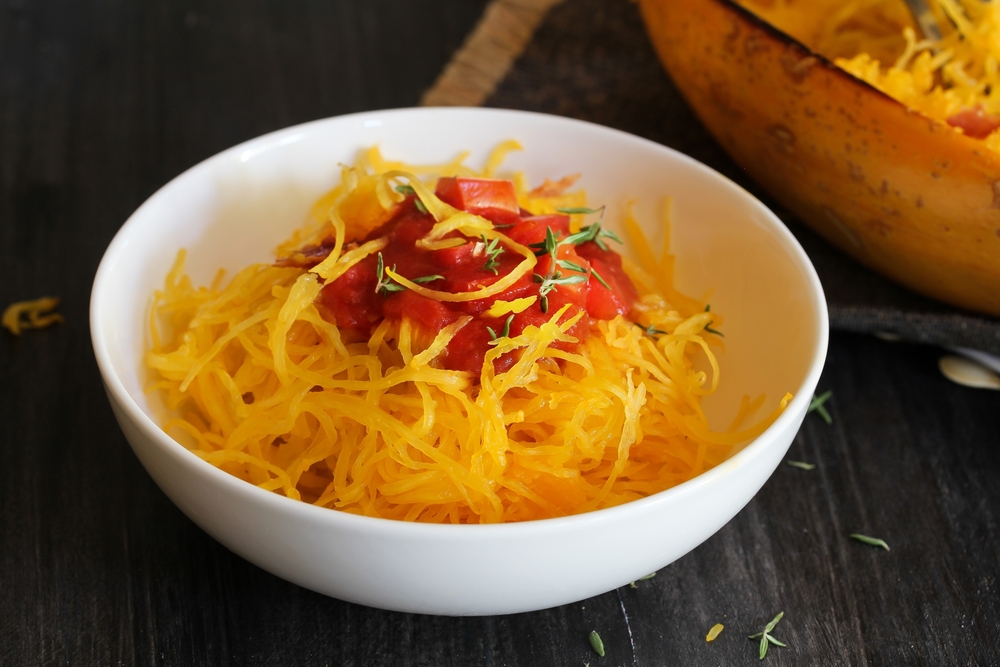
To make spaghetti squash with marinara sauce, start by cutting 1 medium spaghetti squash in half lengthwise. Scoop out the seeds, drizzle the halves with olive oil, and season with salt and pepper. Place the squash cut-side down on a baking sheet and roast at 375°F (190°C) for 40-45 minutes, or until the flesh is tender and easily shredded into strands with a fork. While the squash roasts, heat 1 jar of low-sodium marinara sauce in a saucepan over low heat.
Once the spaghetti squash is roasted, use a fork to scrape the strands into a bowl. Top with marinara sauce and a sprinkle of grated Parmesan cheese. Serve immediately for a comforting and healthy alternative to traditional pasta. The spaghetti squash provides a light, nutritious base, while the marinara sauce adds a burst of flavor. This dish is rich in fiber, antioxidants, and vitamins, offering a satisfying meal without the carbs of traditional pasta.
Lentil and Veggie Soup
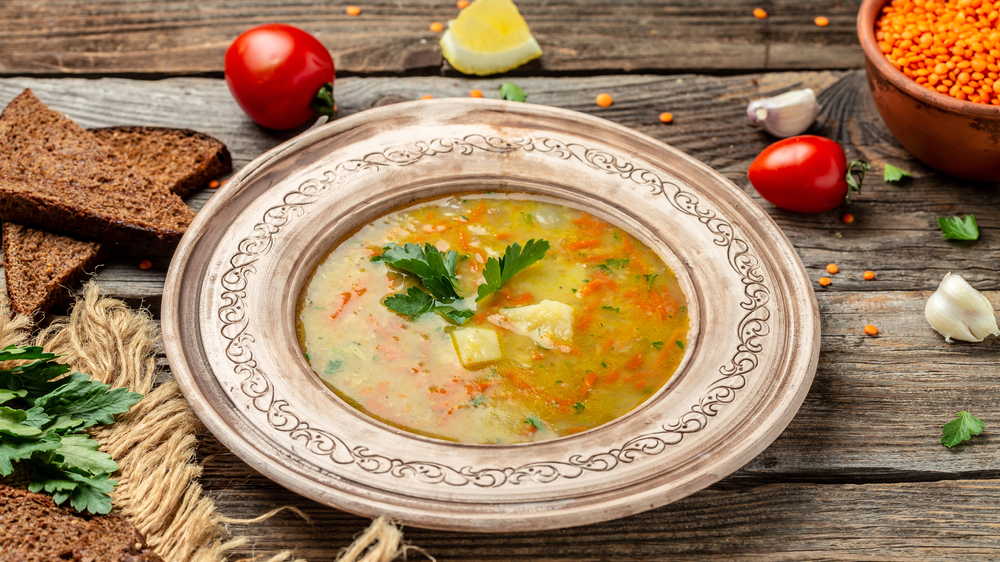
Start by heating 1 tablespoon of olive oil in a large pot over medium heat. Add 1 chopped onion, 2 chopped carrots, and 2 chopped celery stalks. Sauté the vegetables for about 5-7 minutes, until they are softened. Add 2 cloves of minced garlic and cook for another 1-2 minutes. Then, add 1 cup of dried lentils, 1 can of diced tomatoes (with juice), 1 teaspoon of thyme, 1 teaspoon of cumin, and 4 cups of vegetable broth. Bring to a boil, then reduce the heat and let the soup simmer for 30-40 minutes, or until the lentils are tender.
Once the lentils are cooked, season the soup with salt and pepper to taste. You can also add a handful of spinach or kale for extra greens if desired. This lentil soup is a filling, fiber-packed dish that offers the comforting richness of a traditional soup, but with a nutritional boost. The lentils provide plant-based protein, while the vegetables add a variety of vitamins and antioxidants, making this soup a perfect choice for a cozy, healthy meal.
Avocado Toast with Poached Egg
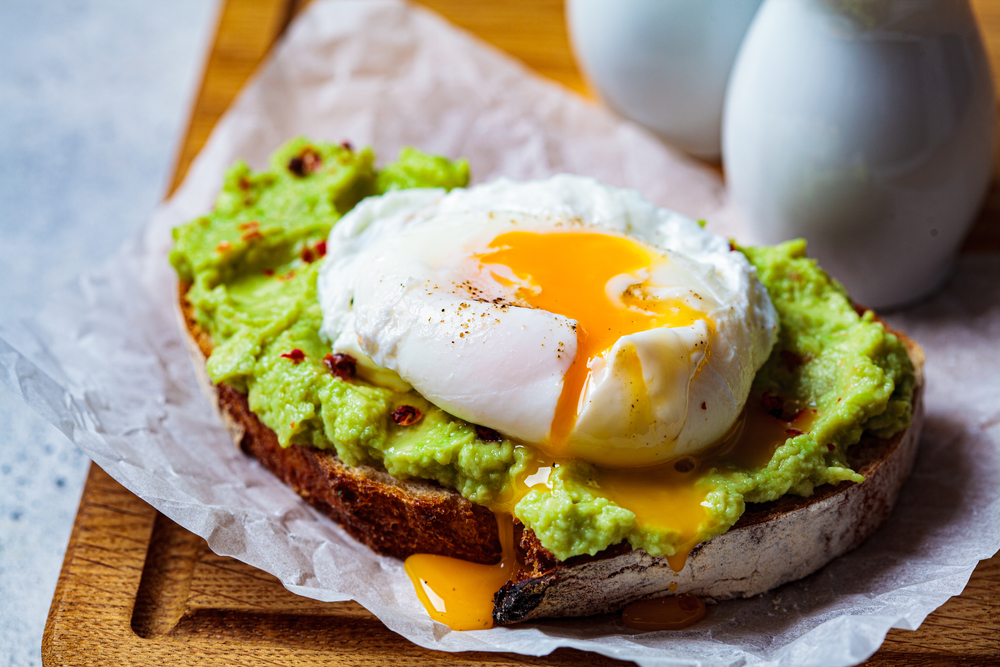
For each serving, you will need 1 slice of whole-grain bread, 1/2 ripe avocado, 1 egg, and salt and pepper to taste. Begin by toasting the whole-grain bread to your desired crispiness. While the bread is toasting, mash the avocado in a bowl with a fork, adding salt and pepper to taste. Once the toast is ready, spread the mashed avocado evenly on top.
To poach the egg, bring a pot of water to a gentle simmer. Crack the egg into a small bowl, then gently slide it into the simmering water. Poach for 3-4 minutes, or until the white is set and the yolk is still runny. Carefully remove the egg with a slotted spoon and place it on top of the avocado toast. This combination of healthy fats, protein, and fiber makes for a balanced, comforting meal that’s satisfying without being heavy.
Baked Oatmeal with Berries
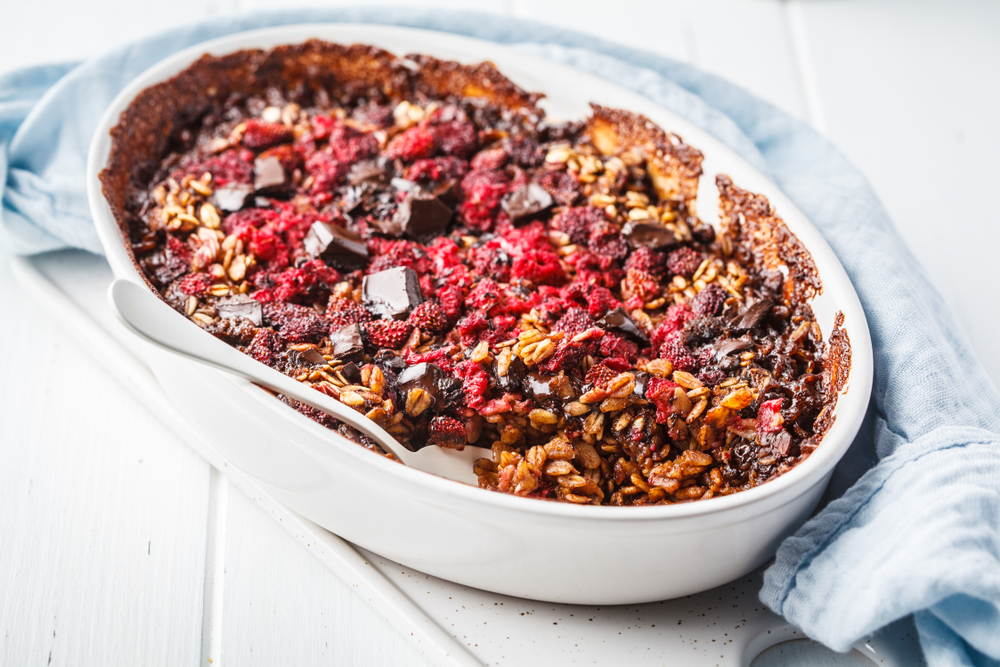
Start by preheating your oven to 375°F (190°C). In a large bowl, mix 2 cups of rolled oats, 1/2 teaspoon of cinnamon, 1/4 teaspoon of salt, and 1 teaspoon of baking powder. In another bowl, whisk together 2 cups of almond milk, 1/4 cup of honey or maple syrup, and 1 teaspoon of vanilla extract. Pour the wet ingredients into the dry mixture and stir to combine. Gently fold in 1 cup of mixed berries (blueberries, raspberries, or strawberries).
Grease a 9×9-inch baking dish and pour the oatmeal mixture into the dish. Bake for 35-40 minutes, or until the top is golden and the oatmeal is set. Let it cool for a few minutes before serving. This baked oatmeal is a warm and satisfying breakfast or snack, with the added benefits of fiber from the oats and antioxidants from the berries. It provides a comforting, nutritious start to the day while satisfying your sweet tooth.
Cauliflower Fried Rice
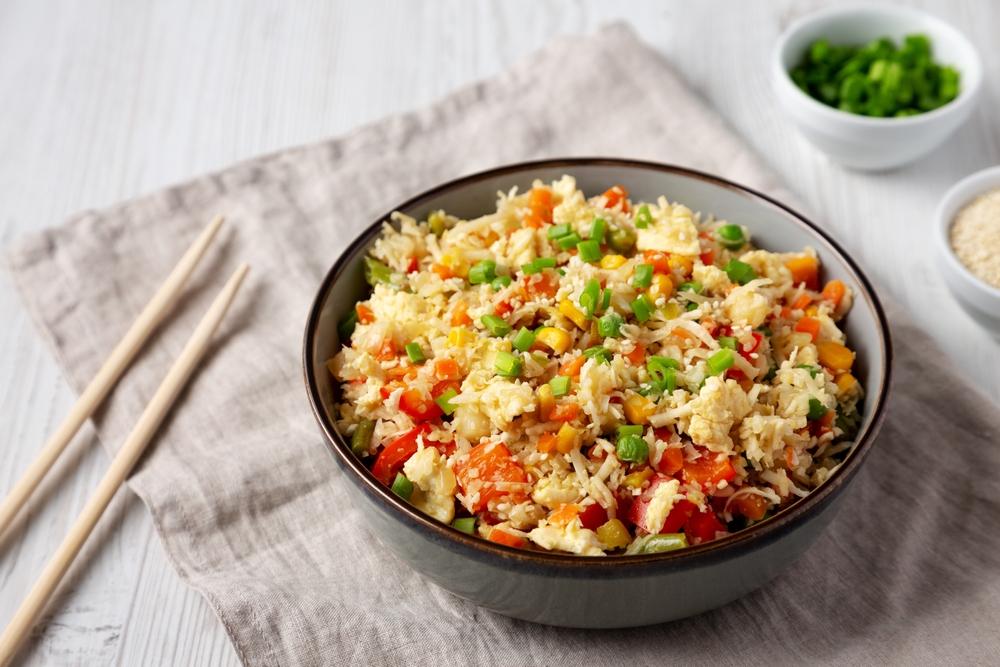
To make cauliflower fried rice, start by removing the leaves and core from 1 medium head of cauliflower, then chop it into florets. Use a food processor to pulse the florets until they resemble rice-sized grains. Heat 1 tablespoon of olive oil in a large skillet or wok over medium-high heat, and add the cauliflower rice. Cook for about 5-7 minutes, stirring occasionally, until the cauliflower is tender and begins to lightly brown. Once done, remove the cauliflower rice from the pan and set it aside. In the same pan, add 1 tablespoon of olive oil and sauté 1/2 cup of diced onion, 1/2 cup of diced carrots, and 1/2 cup of frozen peas for 3-5 minutes, until the vegetables are softened and fragrant.
Next, push the sautéed vegetables to one side of the pan, and crack 2 large eggs into the space. Scramble the eggs until they are fully cooked, then mix them into the vegetables. Add the cauliflower rice back into the pan along with 2 cloves of minced garlic, 3 tablespoons of low-sodium soy sauce, and 1 tablespoon of sesame oil. Stir everything together, making sure the cauliflower rice is evenly coated with the sauce and heated through. This healthy twist on traditional fried rice uses cauliflower as a low-carb, fiber-rich base, while still delivering the same comforting flavors. It’s a quick, satisfying meal packed with vegetables and protein from the eggs, offering a nutritious alternative to heavier rice dishes.
This article originally appeared on Avocadu.