
14 Late Winter Garden Plants That Help Pollinators First
Late winter is a turning point when gardens look quiet, yet life is already starting to stir. Bees, early butterflies, and other pollinators begin to move on mild days and quickly search for flowers. If your yard has the right plants, it can become a much needed stop during this early stretch. Simple choices in shape, color, and timing can offer real help when resources are still scarce.
This post may contain affiliate links, which helps keep this content free. Please read our disclosure for more info.
Hellebores
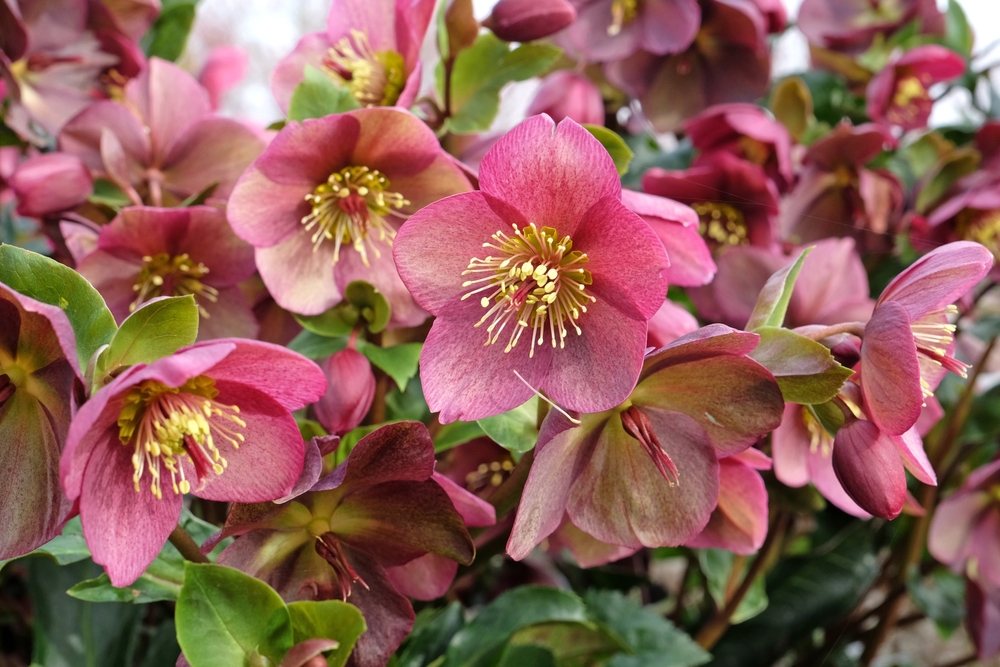
Hellebores are among the first perennials to bloom while much of the garden still looks sleepy. Their cup shaped flowers offer early nectar and pollen on mild days when bees begin to fly. These blooms often nod slightly, which protects pollen from rain and late snow. Pollinators gain a steady food source at a time when choices are still very limited. Gardeners enjoy months of color from late winter into early spring.
For care, plant hellebores in partial shade with soil that drains well but holds some moisture. Add compost at planting time so roots can spread comfortably. Water during dry spells in their first year, then ease off once they settle in. Leave the flowers in place so pollinators can use them fully, then trim old foliage as new leaves appear. A light mulch helps keep roots cool and steady through the seasons.
Snowdrops
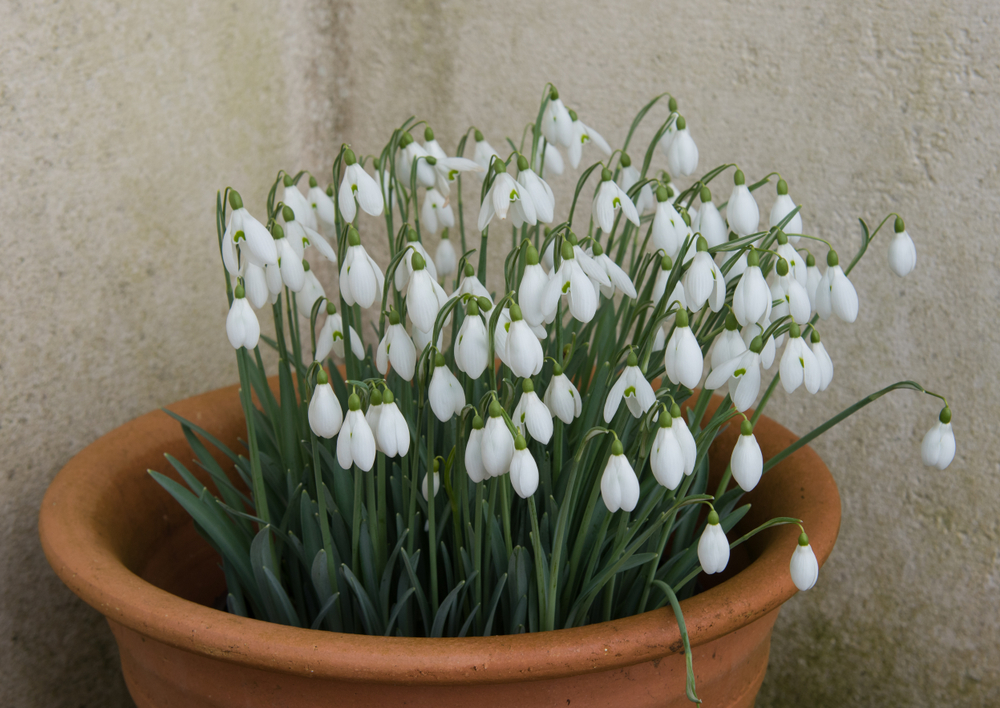
Snowdrops appear while frost still clings to the ground, and their small white bells draw early bees on bright days. The flowers may look delicate, yet they open in chilly weather without trouble. Pollinators land on the hanging blooms to collect pollen and sip nectar at a time when few flowers are open. Clumps of snowdrops scattered around a yard create many small feeding stations. These pockets of food help pollinators regain energy after winter.
To grow snowdrops, plant bulbs in fall in rich soil that drains well. Choose spots under deciduous trees or along paths where winter sun reaches them. Water after planting so bulbs settle in, then let seasonal rain do most of the work. Leave foliage in place until it yellows so bulbs can store energy for the next year. Avoid disturbing clumps too often, though you can gently divide them after flowering if they become crowded.
Crocus
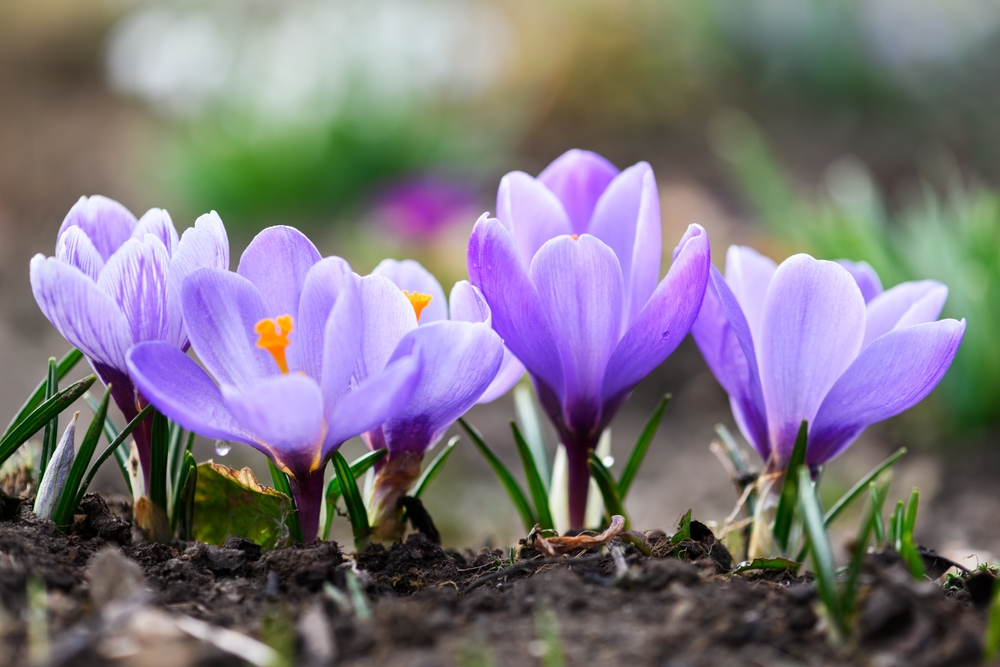
Crocus flowers are little cups of color that open wide in late winter sunshine. Bees and early hoverflies quickly find them and climb inside for pollen and nectar. Grouped in drifts, crocuses create a bright welcome mat that helps pollinators refuel after cold spells. The flowers close again during cloudy or icy weather, which protects pollen from damage. These simple bulbs turn lawns and beds into lively feeding spots when very few plants bloom.
Crocus bulbs grow best in well drained soil with plenty of sun in late winter. Tuck them into lawns, rock gardens, or borders in fall, setting them a few inches deep. Water after planting, then let natural rainfall handle most of their needs. Avoid mowing lawns with crocuses until the foliage dies back, so bulbs can recharge. Over time, clumps usually spread on their own and create larger patches for pollinators.
Winter Aconite
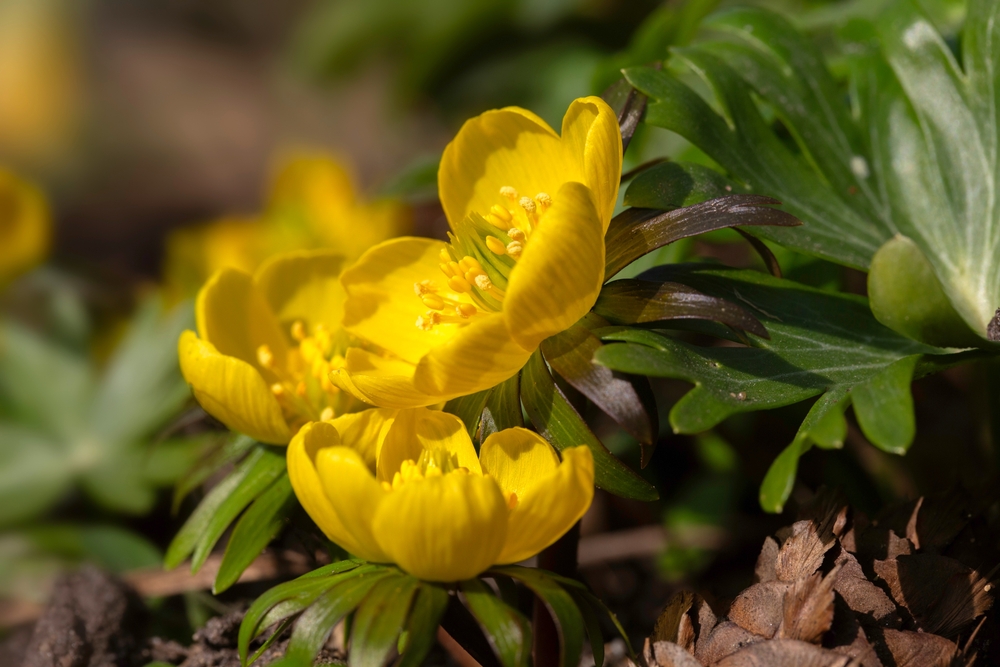
Winter aconite looks like small golden stars with a collar of green leaves around each bloom. These cheerful flowers open early and give bees much needed pollen during short warm spells. The bright yellow color stands out against bare soil or melting snow, making it easy for pollinators to spot. Groups of winter aconite around trees or shrubs create a rich feeding zone when little else is available. This early burst of color signals that garden life is waking up.
Plant winter aconite tubers in fall in soil that drains well and receives winter sun. Soak the small tubers briefly before planting to help them rehydrate. Place them a couple of inches deep and water to settle the soil. Once established, they usually spread into carpets without extra effort from you. Avoid digging in those areas during dormancy so clumps can continue to thicken for next season.
Witch Hazel
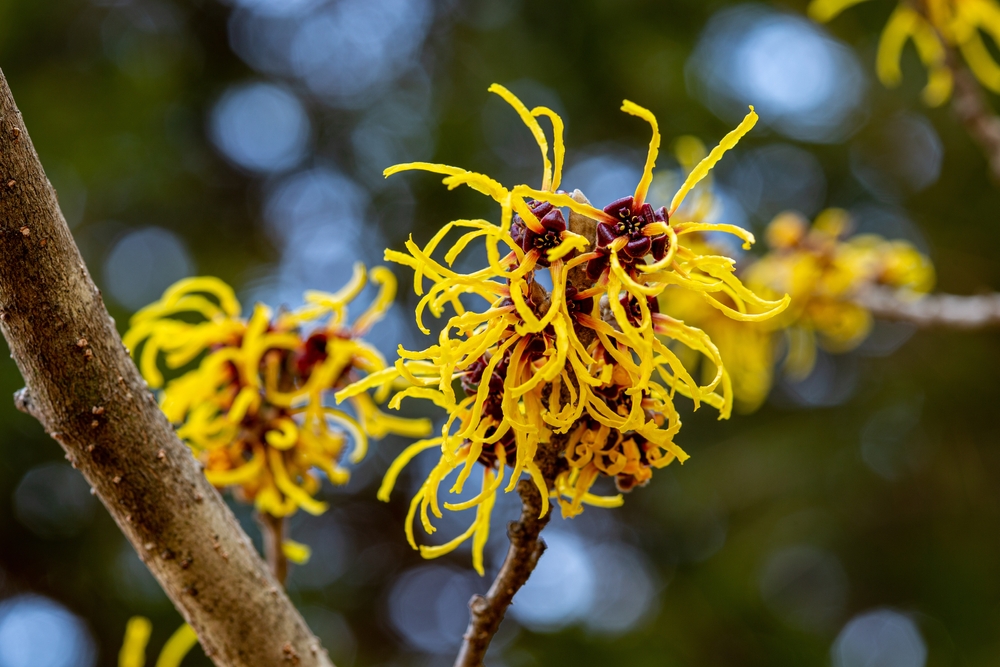
Witch hazel shrubs open ribbon like flowers in late winter, often while snow still lingers. The spidery blooms release a light fragrance that draws early pollinators on mild days. Colors range from yellow to orange and red, offering both nectar and pollen at a lean time of year. Pollinators visit each cluster along the branches, gaining energy to kick start their seasonal activity. The shrub also provides shelter within its branching structure.
For best growth, plant witch hazel in a spot with full sun to light shade and soil that drains well. Water deeply during the first year so roots can reach down and settle. Add a layer of organic mulch at the base to keep moisture even and moderate temperature swings. Prune lightly after flowering only to remove damaged or crossing branches. Avoid heavy pruning, since flower buds form along older wood.
Pussy Willow
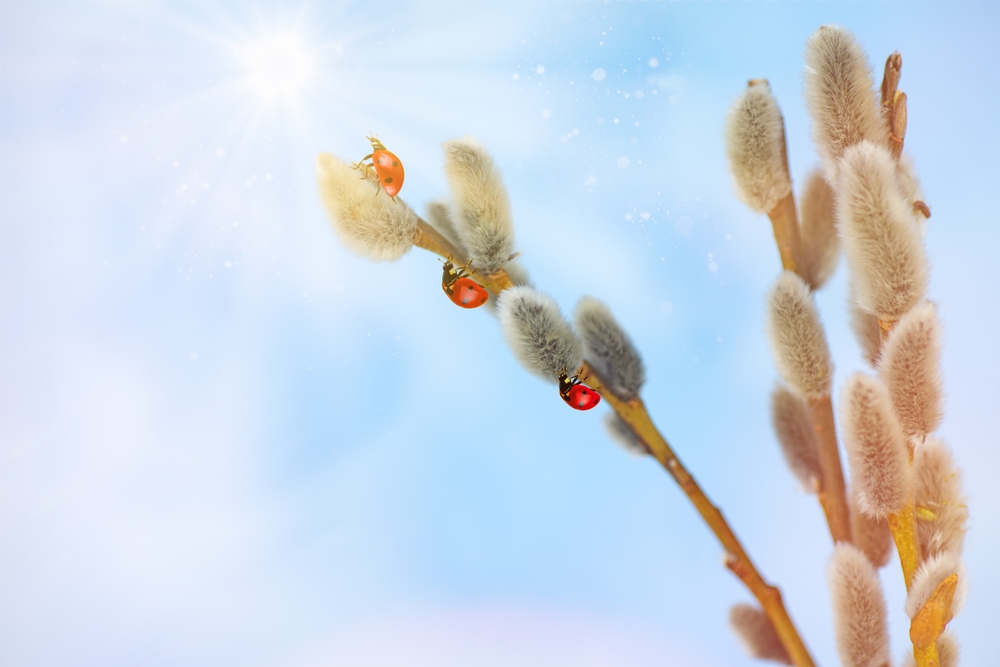
Pussy willow branches produce fuzzy catkins that later release pollen rich flowers. These catkins open in late winter and turn into one of the earliest pollen sources for many insects. Bees often crowd on the branches during sunny breaks in cold weather. The shrub can grow near wet areas, helping pollinators in spots where few other plants thrive so early. Its early pollen plays a key role in feeding pollinator populations at the start of the season.
To grow pussy willow, plant it where soil stays moist, even near a pond or ditch edge. Give it full sun for the strongest flowering. Water regularly during dry spells, especially while the shrub is young. Prune after flowering if you want to shape the plant or encourage new stems for next year. Cutting a few branches in winter for indoor forcing still leaves plenty of catkins for outdoor pollinators.
Winter Heather
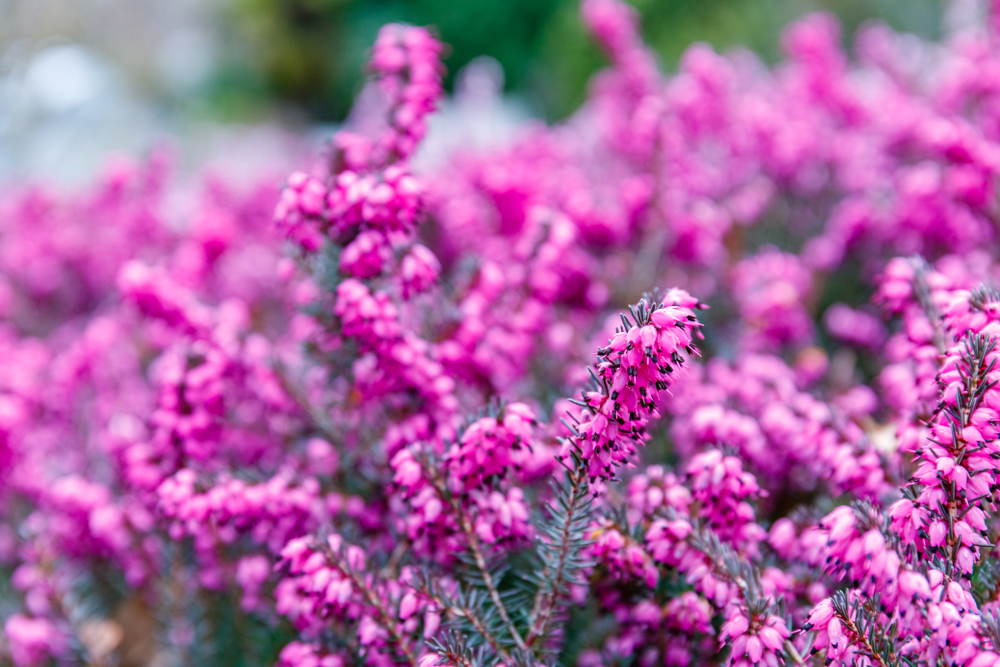
Winter heather covers the ground with small needle like foliage topped by masses of tiny bell flowers. These blooms open from late winter into early spring, providing a long run of nectar for bees. Pollinators crawl over the dense flower clusters and move quickly from one patch to the next. The low growth habit also protects pollinators from wind while they feed. In rocky or sandy sites, heather can serve as a dependable early season resource.
For care, plant winter heather in well drained acidic soil and full sun. Add coarse sand or grit at planting time if your soil holds too much water. Water regularly during the first season, then reduce watering once roots are established. Trim lightly after flowering to keep plants compact and full. Avoid cutting back into old woody stems, since regrowth from very old wood can be weak.
Mahonia
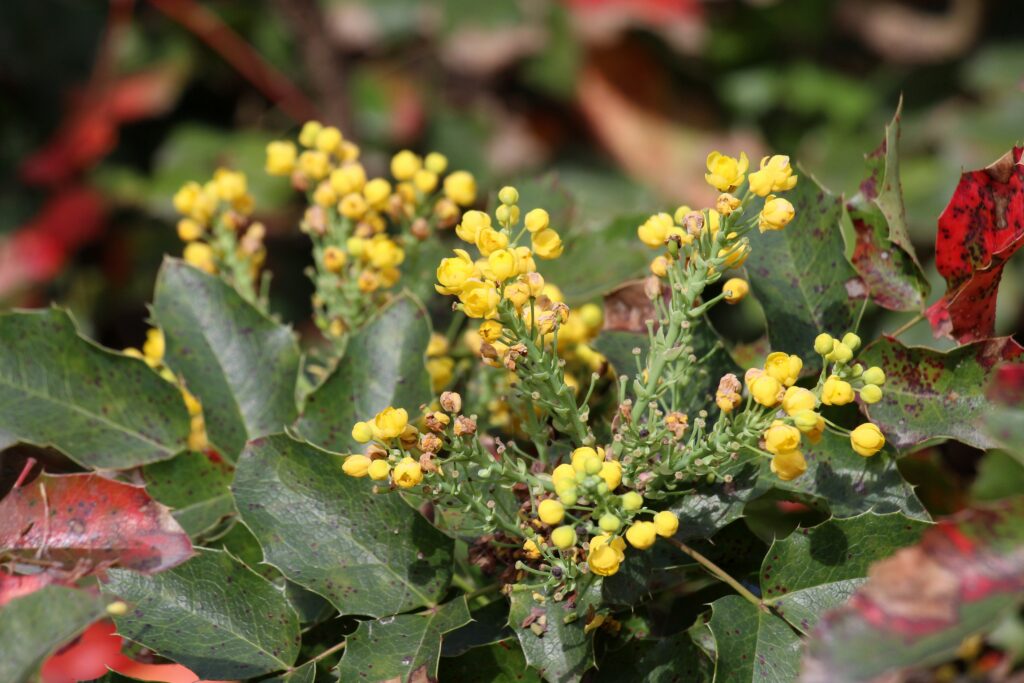
Mahonia, sometimes called Oregon grape, offers clusters of yellow flowers in late winter. These fragrant blooms draw bees and other early pollinators that travel from flower to flower. Nectar and pollen are both available, which helps pollinators refuel after long cold periods. The shrub also produces berries later that can feed birds, creating a small wildlife hub. The combination of winter flowers and later fruit adds value across seasons.
Plant mahonia in partial shade with soil that drains well but holds some moisture. Water deeply during dry weather, especially for young shrubs. Add a loose mulch of leaves or bark around the base to protect shallow roots. Prune after flowering to remove damaged stems and to shape the plant. Wear gloves when pruning, since many mahonia varieties have spiny leaves.
Lungwort
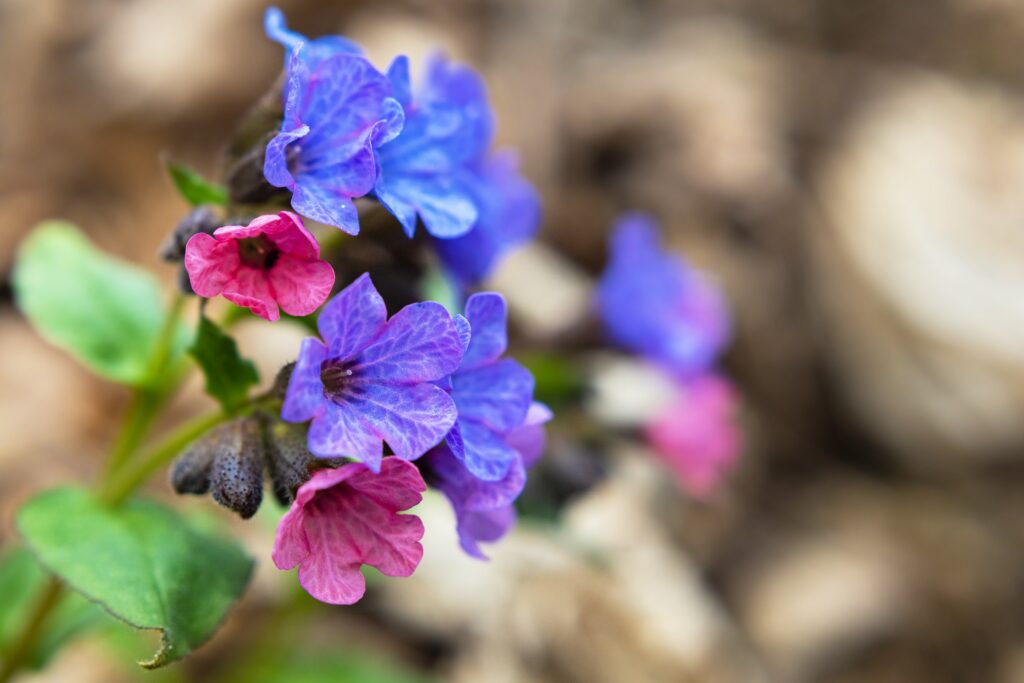
Lungwort appears early with speckled leaves and clusters of small tubular flowers. These blooms often shift from pink to blue as they age, giving pollinators color cues for where nectar remains. Bees visit on mild days in late winter and early spring, feeding from the tubes. The low growing foliage also offers some shelter near the ground. This plant works well at the front of beds where activity can be easily watched.
To grow lungwort, choose a spot with partial to full shade and rich, moist soil. Add compost before planting and keep the soil evenly damp, especially in dry spells. Mulch helps maintain moisture and keeps the soil cooler in warm months. Trim back tattered leaves after flowering so new foliage can shine. Divide clumps every few years if the center begins to thin, which keeps plants vigorous.
Winter Jasmine
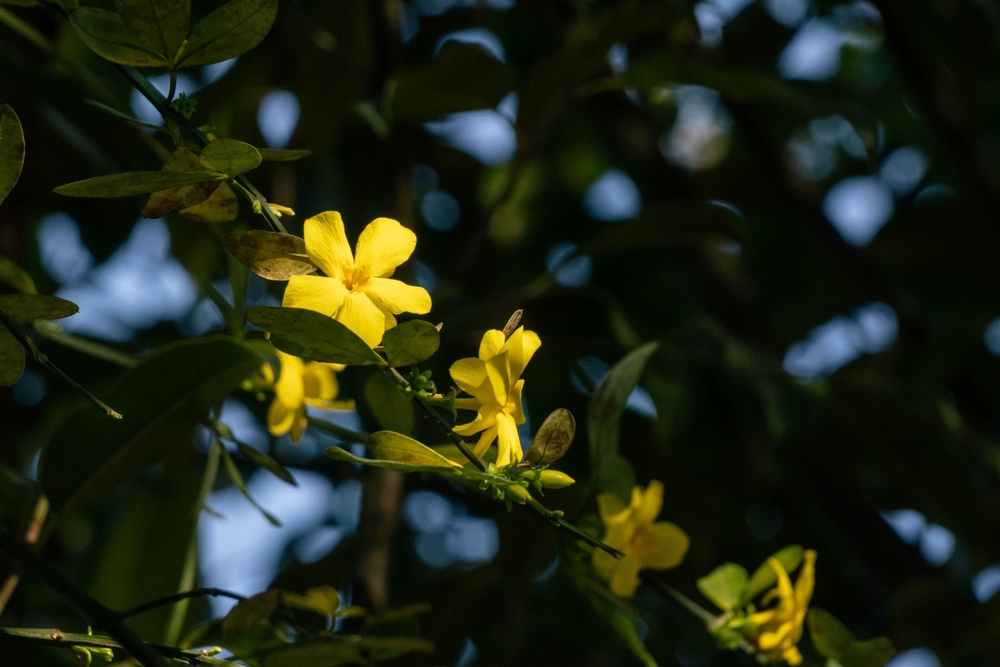
Winter jasmine sends out green arching stems covered in bright yellow star shaped flowers. These blooms open on bare stems in late winter and catch the attention of early pollinators. Bees visit the flowers on sunny days, taking advantage of both nectar and pollen when few other shrubs bloom. Flowers stand out clearly against walls or trellises, making them easy for insects to spot. This makes winter jasmine an excellent choice for feeding pollinators along a fence or near a patio.
Plant winter jasmine in full sun or light shade with soil that drains well. Train stems on a trellis or allow them to spill over a wall for a graceful effect. Water during extended dry periods, especially in the first couple of years. Prune after flowering by removing a portion of the older stems to encourage fresh growth. A simple mulch around the base helps keep moisture steady and roots protected.
Glory of the Snow
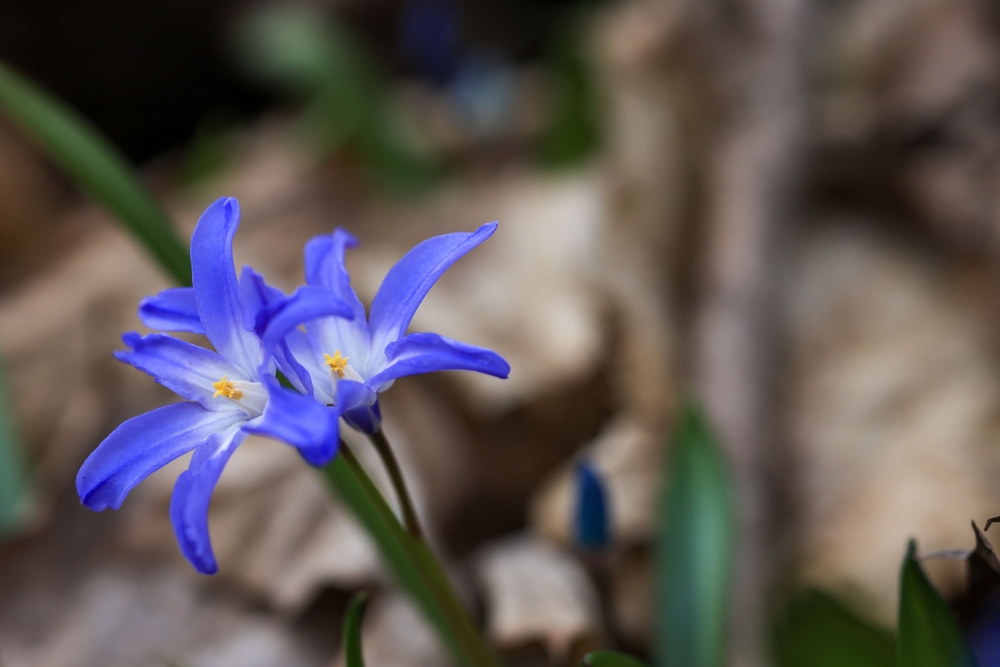
Glory of the snow bulbs send up small star shaped flowers through melting snow. These early blooms form loose clusters that attract bees as soon as temperatures rise on mild days. The blue, white, or pink flowers offer nectar and pollen when other beds still look bare. Pollinators can move across clumps quickly, gathering what they need from many small blooms. This makes the plant a pleasant bridge between winter and spring.
To grow glory of the snow, plant bulbs in fall in well drained soil and full sun to light shade. Scatter them in lawns, under shrubs, or in rock gardens for a natural look. Water after planting and let seasonal rain handle most moisture needs. Allow foliage to die back naturally so bulbs can store energy. Bulbs often reseed lightly, forming larger drifts that serve more pollinators over time.
Grape Hyacinth
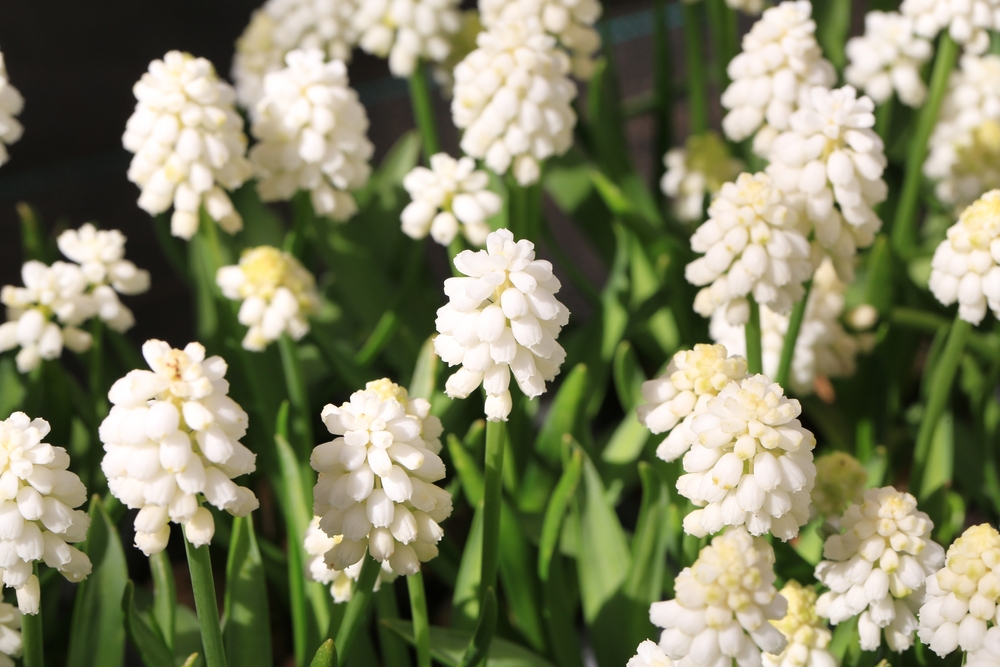
Grape hyacinths form tight spikes of tiny bell flowers that resemble clusters of small grapes. These blooms rise in late winter and early spring, adding strong color when many plants still rest. Bees and other insects visit the flower spikes, moving along each stem to gather nectar. Planted in groups, grape hyacinths create patches of rich feeding areas in borders and along paths. Their sturdy stems stand up well to late cold snaps.
Plant grape hyacinth bulbs in fall in sunny or lightly shaded spots with well drained soil. Set bulbs a few inches deep and water well after planting. Once established, they require little care beyond occasional watering in very dry periods. Allow foliage to remain until it yellows so bulbs recharge properly. If clumps become crowded, lift and divide them after the foliage fades, then replant for more widespread displays.
Winter Honeysuckle
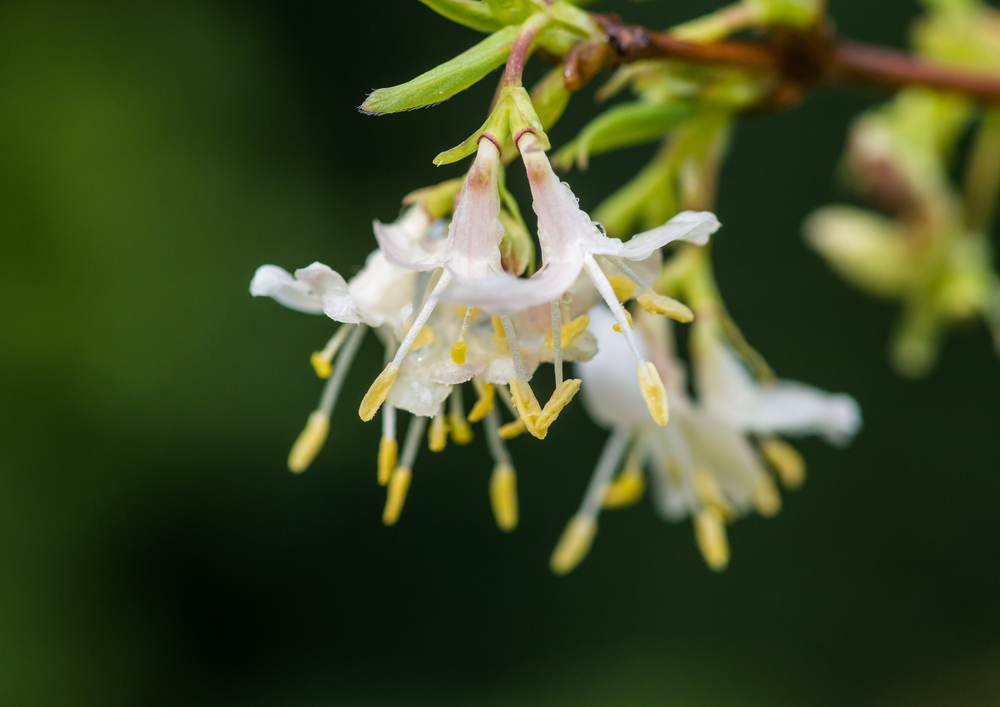
Winter honeysuckle is a shrub that carries small creamy flowers with a strong sweet scent. These blooms open during late winter and draw pollinators from surprising distances. Bees and early flies visit frequently on mild days, feeding at each small flower along the branches. The fragrance helps insects find the shrub even when it stands apart from other plantings. This makes it a reliable early season food source in many gardens.
To grow winter honeysuckle, place it in full sun to light shade with soil that drains well. Water regularly during its first year, then provide deep watering only during long dry spells. Prune right after flowering to maintain a pleasing shape and remove any damaged wood. A light layer of mulch around the roots keeps soil moisture steady. Give this shrub space to spread, since it can grow fairly wide over time.
Daphne
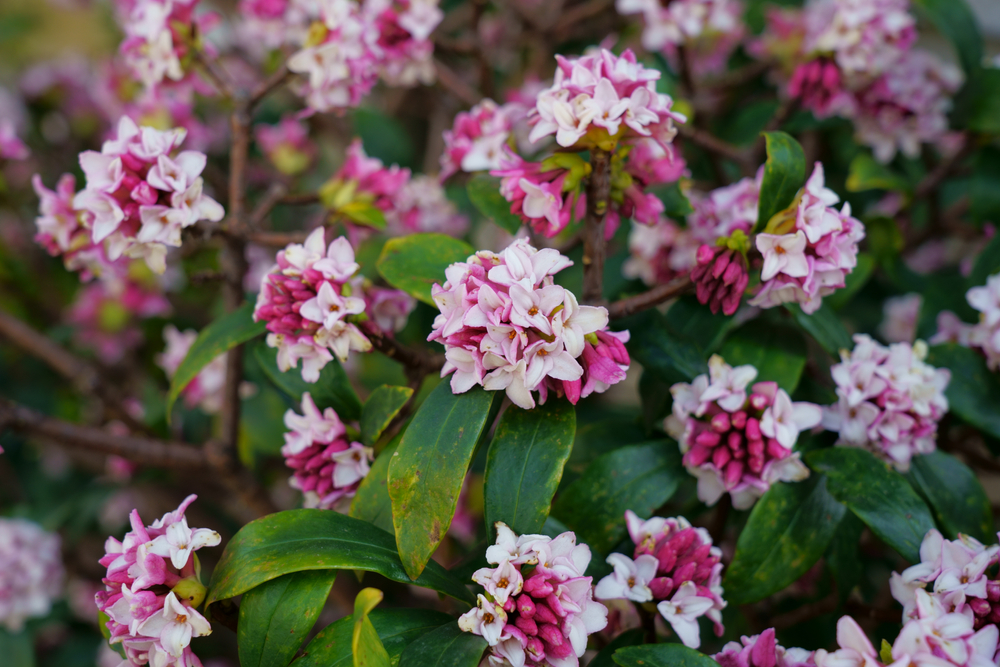
Daphne shrubs offer clusters of fragrant flowers that open in late winter and early spring. The blooms range from pale pink to white and appear on compact plants that fit well near paths and doors. Pollinators visit these flowers for nectar during short warm windows between cold days. The strong scent makes it easy for insects to locate the shrubs from a distance. This combination of fragrance and early timing makes daphne a favored stop for early pollinators.
Daphne prefers a position with morning sun and afternoon shade, along with soil that drains well but does not dry out fully. Plant carefully, since daphne does not enjoy being moved once established. Water during dry periods with a gentle, even soak rather than frequent light splashes. Add a thin layer of mulch around the root zone, keeping it away from the stems. Prune lightly after flowering only to remove damaged branches, since heavy cutting can stress the plant.
This article originally appeared on Avocadu.