
14 Route 66 Stopovers With Retro Signs And Walkable Blocks
There is something special about pulling off Route 66 and stepping into a town that feels welcoming right away. Retro signs line the streets, and sidewalks invite you to walk instead of drive. Cafes, shops, and photo spots tend to sit close together. You notice details more when everything is within reach. Stick around and see which places make the drive even better.
This post may contain affiliate links, which helps keep this content free. Please read our disclosure for more info.
Williams, Arizona
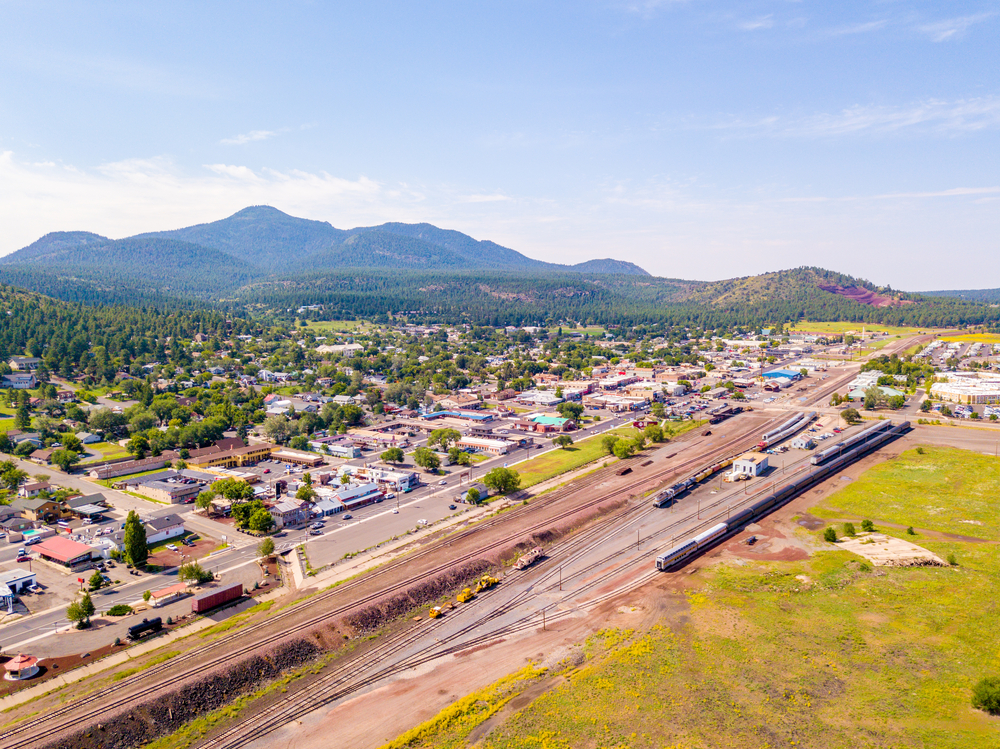
Williams, Arizona, sits along one of the best preserved stretches of Route 66 and feels deeply connected to classic road trip culture. Neon motel signs, old diners, and souvenir shops line a compact downtown that works well for walking at an easy pace. Many travelers pass through on the way to the Grand Canyon, yet the town still feels relaxed rather than crowded. Parking once and exploring on foot makes it easier to notice small details that give the place its charm.
The sidewalks stay active throughout the day as visitors move between cafes, gift shops, and historic buildings. Train tracks running nearby add sound and movement that feels tied to the town’s past. Seasonal events often bring classic cars and local vendors into the downtown area. Williams rewards those who slow down and take their time.
Seligman, Arizona
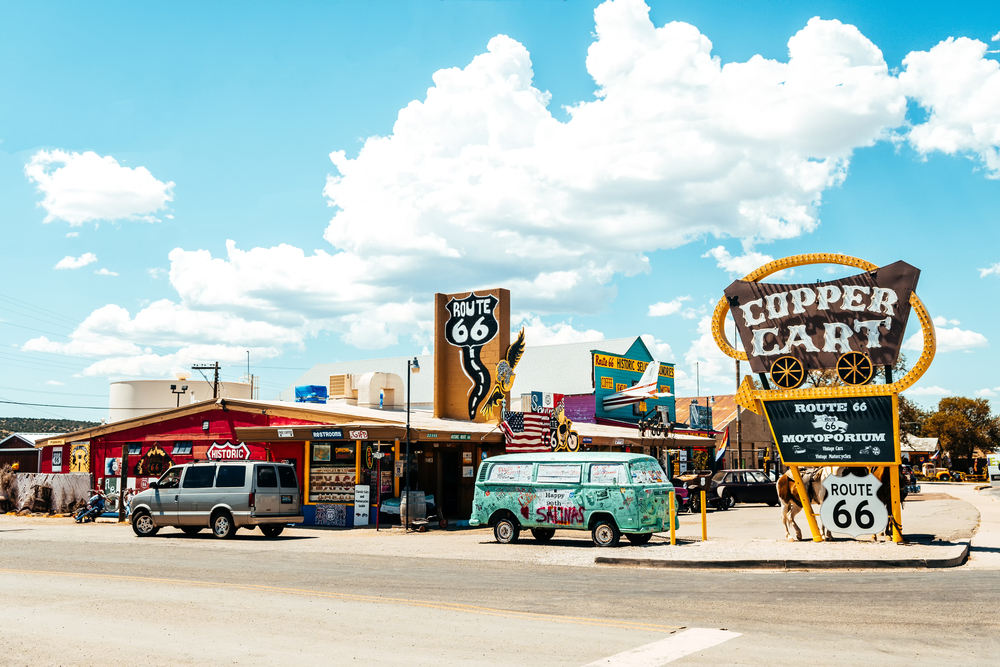
Seligman, Arizona, is widely known for its role in protecting Route 66 after the interstate system changed travel patterns. The main street is short and walkable, filled with colorful signs, murals, and small businesses that celebrate road history. Everything sits close together, which encourages strolling rather than driving from place to place. The town feels playful without feeling forced or artificial.
Visitors often spend time chatting with shop owners who share stories about the early days of Route 66 preservation. Sidewalks stay busy with people stopping for photos and snacks. Many buildings still reflect their original designs from decades ago. Seligman works best when explored slowly and without a schedule.
Kingman, Arizona
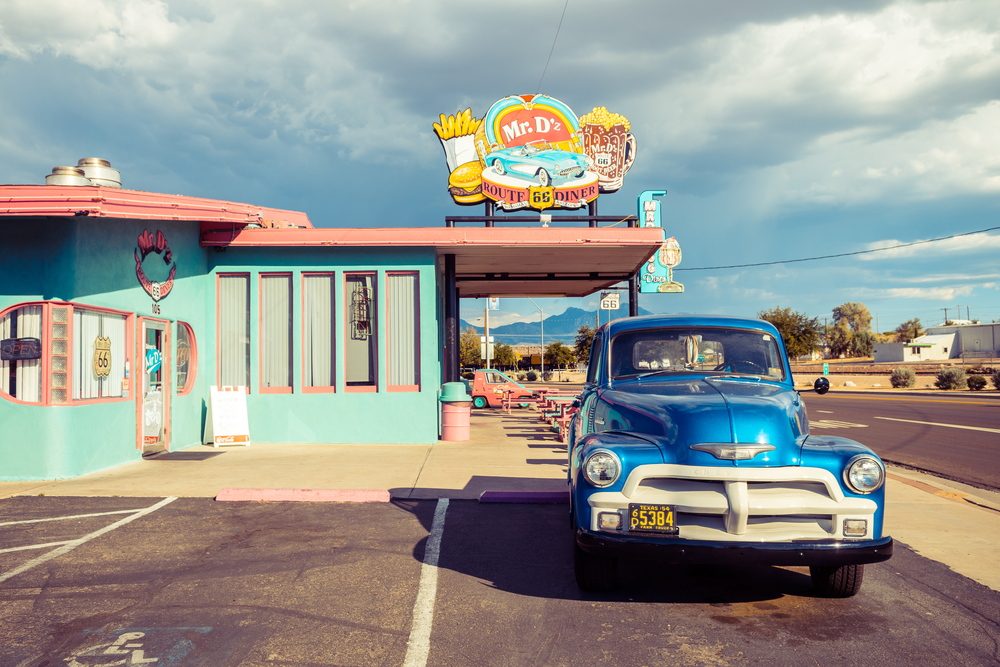
Kingman, Arizona, offers a strong sense of how Route 66 once supported daily life in the region. The historic downtown area features brick buildings, vintage signs, and museums located within a walkable zone. Exploring on foot allows visitors to connect the railroad past with the highway era that followed. The town feels practical and grounded rather than overly tourist-focused.
Sidewalks are wide and calm, making it comfortable to move between exhibits, shops, and diners. Several historic motels still operate nearby and help preserve the original roadside look. Local businesses mix easily with visitor stops. Kingman provides a clear and steady look at Route 66 history.
Oatman, Arizona
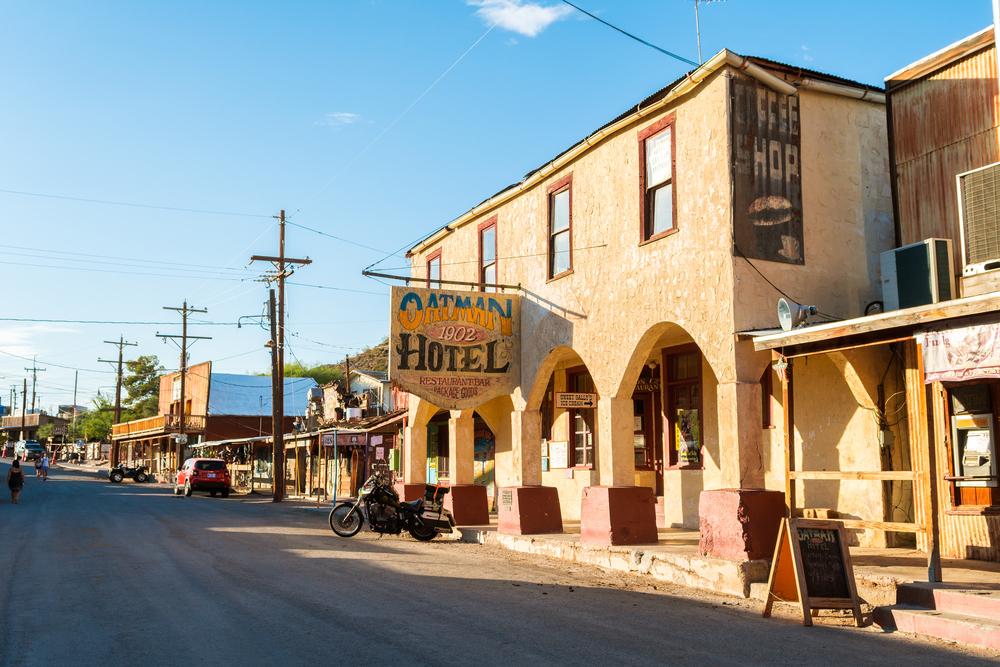
Oatman, Arizona, sits high in the Black Mountains and still carries the look and rhythm of a former mining town that never fully moved on. Wooden sidewalks line the main street, and weathered storefronts display hand-painted signs that reflect decades of roadside history. The town’s layout is simple and compact, which makes it easy to walk without needing directions or a set plan. Surrounded by desert hills, Oatman feels separated from modern traffic in a way that makes the stop feel intentional rather than rushed.
Wild burros regularly wander through the street, often stopping near shops or posing patiently for photos. Locally owned stores sell a mix of mining-themed items, Route 66 souvenirs, and handmade goods. Street performers and small reenactments appear at times, adding interest without overpowering the setting. Oatman feels unusual in a quiet and unpolished way that stays with visitors long after they leave.
Needles, California
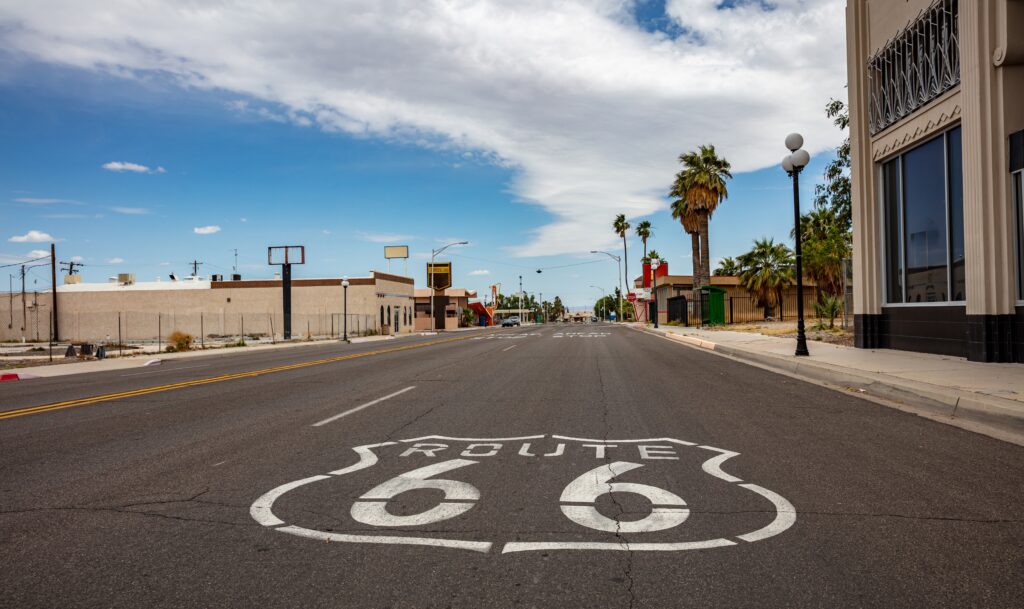
Needles, California, sits along the Colorado River and reflects the look of a desert town shaped by long-distance travel and heat. Older motels and roadside signs still stand near the historic core, giving clues to how busy this stop once was. The downtown area is small enough to explore on foot without effort, which makes it useful for a longer break from driving. Palm trees, wide streets, and low buildings reflect the town’s growth during the height of highway travel.
Many travelers stop here to eat, rest, or cool off before continuing through the desert. Walking feels most comfortable during mornings or evenings when temperatures drop. Local cafes and diners still serve longtime residents along with passing road trippers. Needles offers a slower pace and a sense of continuity rather than spectacle.
Barstow, California
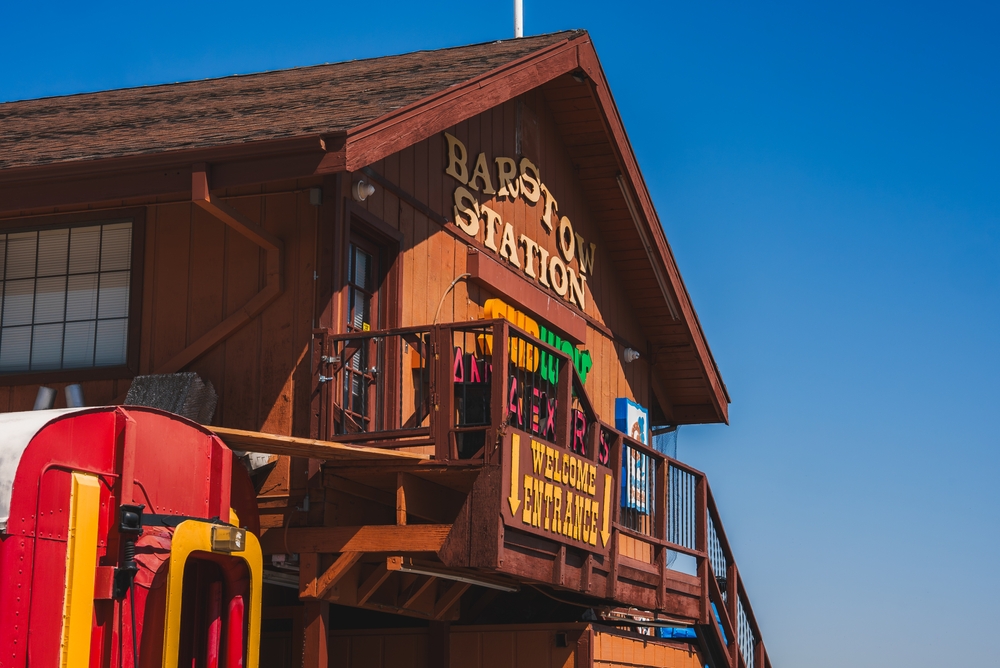
Barstow, California, has long functioned as a crossroads where rail lines and highways meet in the Mojave Desert. The Route 66 Mother Road Museum anchors the historic area and gives visitors a clear starting point for walking. Surrounding buildings and signs reflect both railroad history and early highway travel. The streets are flat and open, which makes walking comfortable even for short visits.
Visitors often park once and move between the museum, nearby shops, and old rail structures on foot. Historic buildings explain how travelers once crossed vast desert stretches with limited services. The town presents its history plainly without dressing it up. Barstow works well for travelers who like context and time to absorb what they see.
Victorville, California
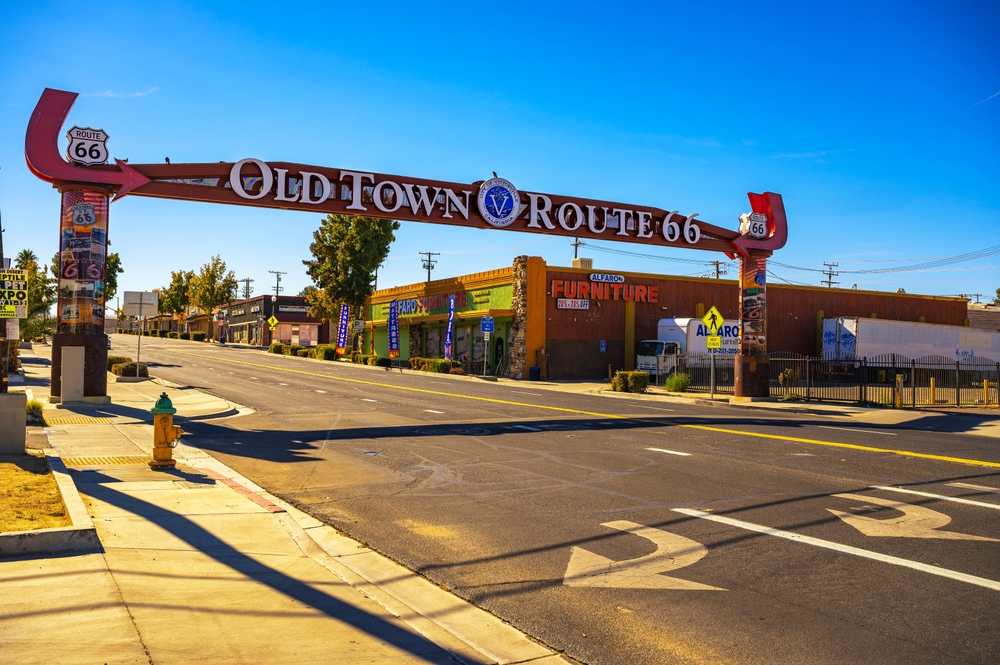
Victorville, California, began as a railroad town long before Route 66 brought steady car traffic through the Mojave Desert. The historic district near the old courthouse still shows how transportation shaped the town over time, with preserved buildings that reflect both rail and highway eras. Walking through this area makes it easier to understand how Victorville grew as travel patterns changed across decades. The streets remain close together, which allows visitors to explore at a comfortable pace without needing to return to their vehicle.
The Route 66 Museum inside the former depot adds useful background and gives structure to the visit. Exhibits explain how travelers once relied on this stop for supplies and rest before crossing long desert stretches. Sidewalks lead naturally between the museum and nearby streets, keeping the walk simple and organized. Victorville appeals to those who enjoy quiet places where history is clearly presented rather than overstated.
Flagstaff, Arizona
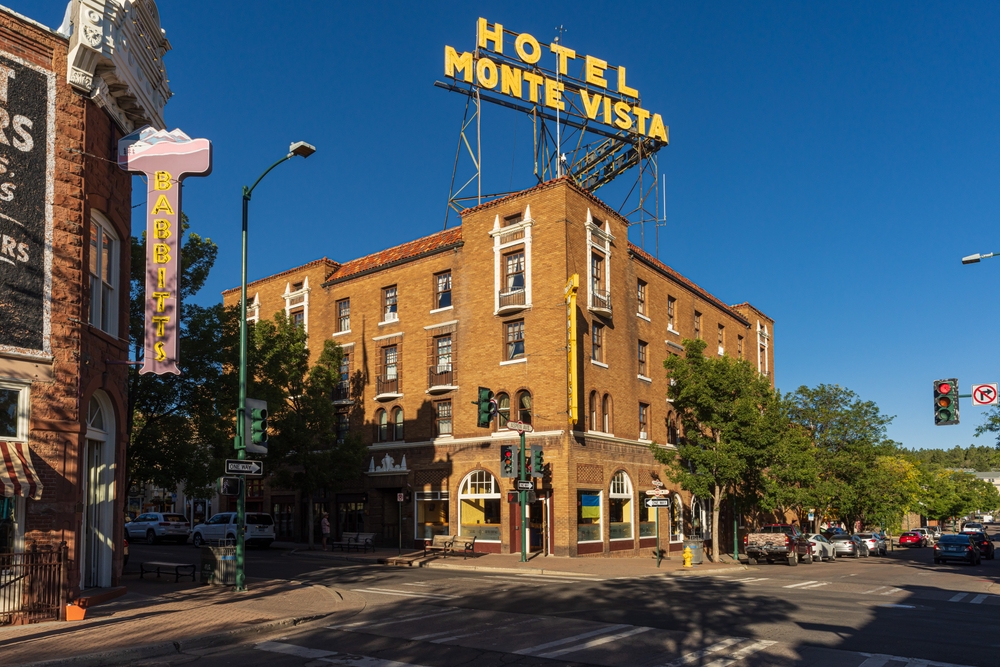
Flagstaff, Arizona, combines Route 66 history with the daily rhythm of a mountain town that continues to function beyond tourism. Downtown streets feature theaters, bookstores, restaurants, and shops housed in buildings that span several architectural periods. The grid layout keeps walking intuitive, even for first-time visitors unfamiliar with the area. Trains passing through the center of town still shape the soundscape and remind visitors of Flagstaff’s long role as a transportation hub.
Cafes and shops remain open later than expected, which makes evening walks feel comfortable and social. Seasonal weather shifts change how the streets feel throughout the year, adding variety to repeat visits. Snow in winter gives downtown a quieter and more reflective tone. Flagstaff shows how Route 66 history can exist alongside modern daily life without conflict.
Winslow, Arizona
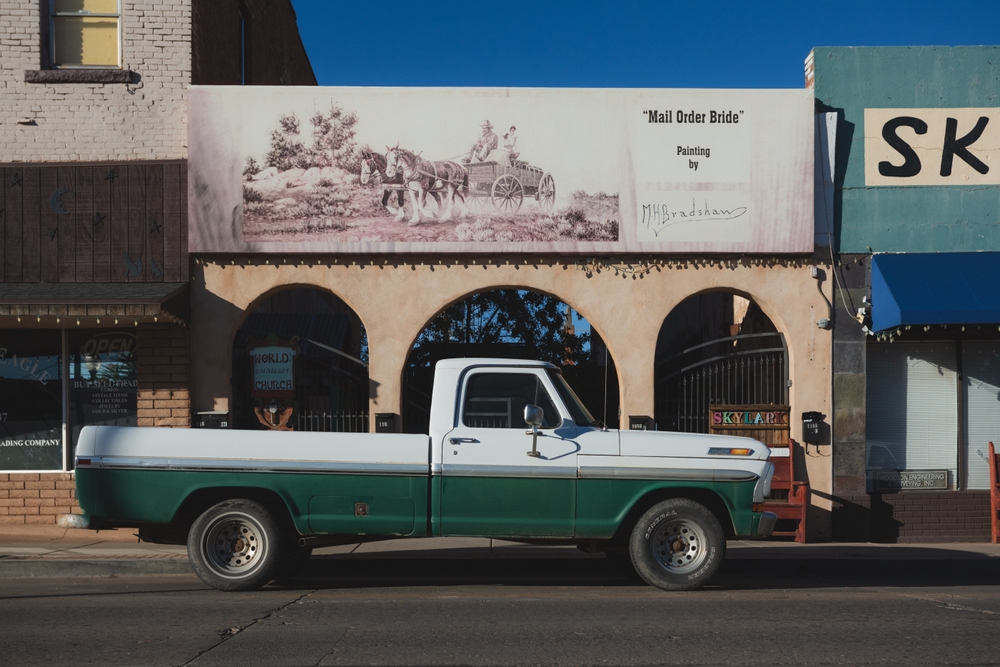
Winslow, Arizona, is often linked to a famous song lyric, yet the town offers more substance than a single photo opportunity. The Route 66 corridor runs through a compact downtown where walking feels natural and unforced. Murals, statues, and signs highlight both music references and the town’s role in early road travel. The short distance between landmarks encourages visitors to slow down and notice smaller details along the way.
Many visitors walk between the corner park, gift shops, and nearby cafes without needing directions. Sidewalks remain calm and clearly marked, even during busy travel seasons. Historic buildings give visual weight to the street and help anchor the town’s identity. Winslow works best when approached as a place to pause and observe rather than rush through.
Gallup, New Mexico
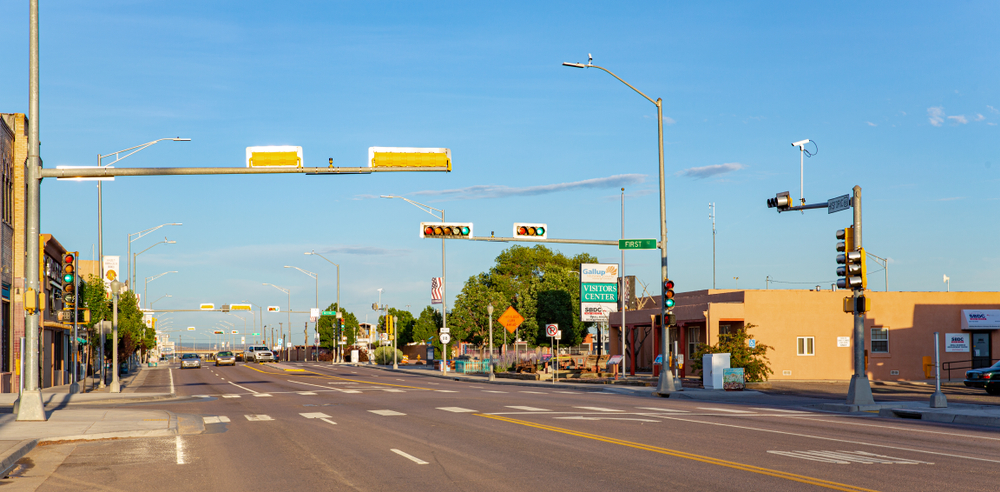
Gallup, New Mexico, reflects a mix of Route 66 travel culture and long-standing Native American trading traditions. Neon motel signs still appear along parts of the old road, especially near the central area where travelers tend to gather. Shops, galleries, and cafes sit close together, which makes walking practical and enjoyable for visitors. Railroad influence remains visible through building placement and street layout.
As daylight fades, neon signs add color and movement to the streets. The town feels active without feeling crowded or overly planned. Cultural details appear naturally through storefronts and local businesses rather than staged displays. Gallup offers depth by combining multiple layers of history in one walkable setting.
Tucumcari, New Mexico
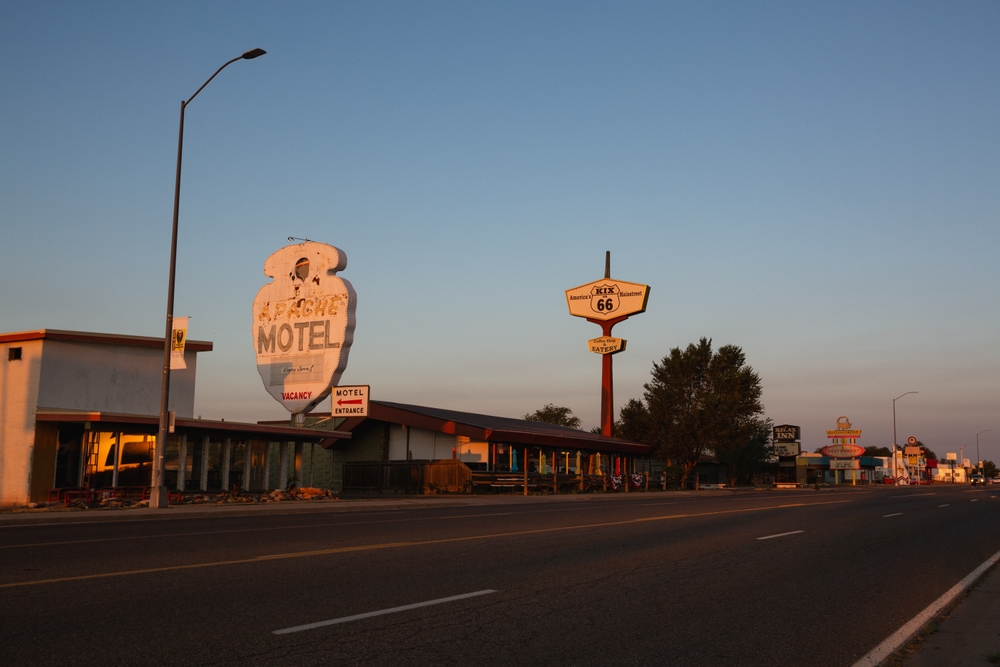
Tucumcari, New Mexico, is widely known for its collection of classic neon signs that line the old highway. Many of these signs sit along a walkable stretch near historic motels and diners that once served cross-country travelers. The town has focused on keeping its roadside appearance intact rather than replacing it with newer development. Sidewalks connect key stops in a way that encourages walking instead of driving.
Evening walks are especially popular once the street lights light up and reflect off nearby buildings. Shops and diners remain clustered close together, which keeps the area easy to explore. The setting feels familiar to longtime Route 66 travelers who value continuity. Tucumcari leaves a strong visual impression without needing large attractions.
Santa Rosa, New Mexico
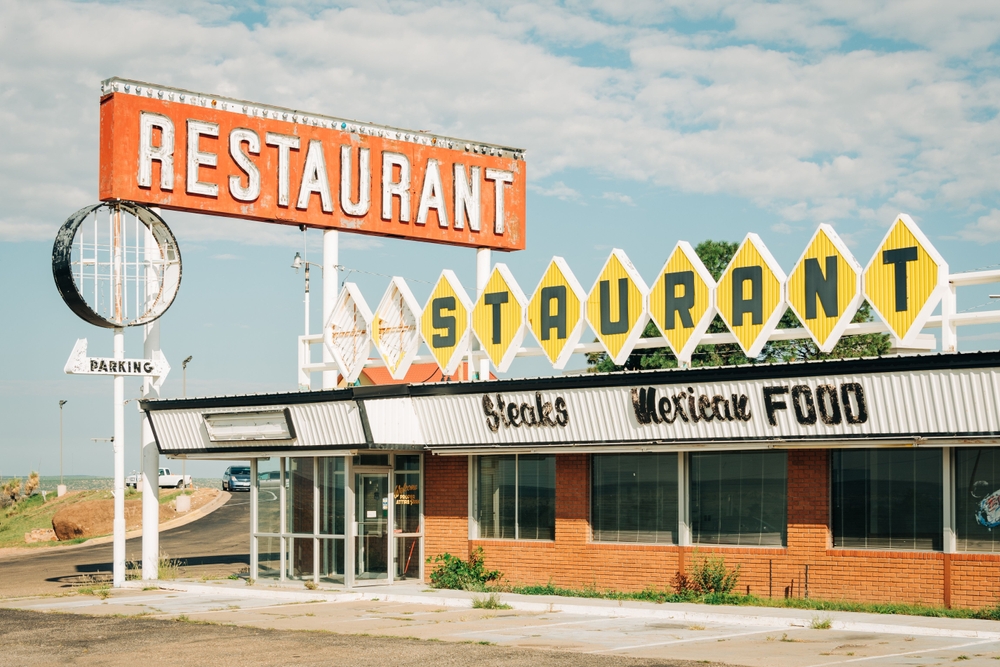
Santa Rosa, New Mexico, draws travelers because it connects classic Route 66 history with nearby lakes and open high desert scenery. Older motel signs, service stations, and low brick buildings still mark the section of town where highway traffic once funneled through every day. The historic core remains flat and compact, making it comfortable to walk even for travelers stopping only for a short break. Streets stay quiet and orderly, which helps the town feel settled rather than rushed.
Museums, cafes, and small local shops sit close enough that walking feels natural instead of planned. The pace stays easy throughout the day, with little pressure to move quickly between stops. Many visitors pair a walk through town with time spent at Blue Hole or nearby picnic areas. Santa Rosa works well as a place to slow down and reset before continuing the drive.
Amarillo, Texas

Amarillo, Texas, keeps its Route 66 identity alive through the San Jacinto district, where restored storefronts line a long and walkable stretch. Vintage signs, brick buildings, and older facades reflect the period when cross-country travel shaped the local economy. The area has become more active over time without losing the character that gives it meaning. Side streets branch off the main corridor and invite longer walks beyond the obvious stops.
Dining spots, music venues, and bars keep the district active well into the evening. Murals and original signage reward those who take their time and pay attention to detail. The atmosphere feels social without becoming loud or overwhelming. Amarillo shows how a Route 66 neighborhood can remain part of daily life rather than feeling preserved behind glass.
Elk City, Oklahoma
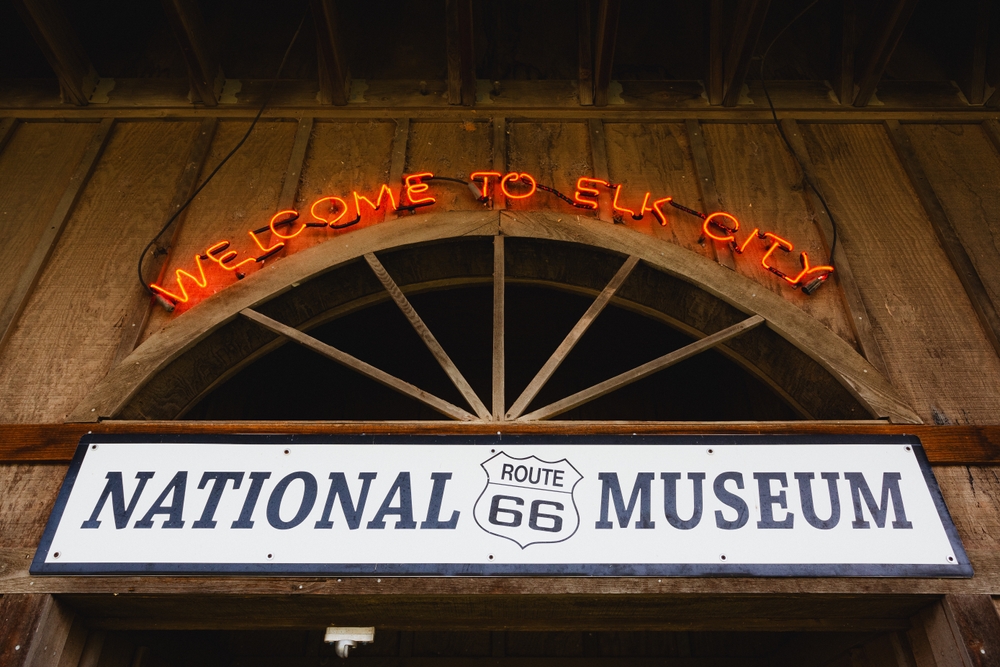
Elk City, Oklahoma, is widely known for hosting one of the most detailed Route 66 museums anywhere along the road. The museum grounds extend into a walkable historic area filled with restored buildings, vehicles, and outdoor exhibits. Signs and displays explain how early travelers depended on these stops for food, fuel, and rest. Paths are laid out clearly, which makes walking feel intuitive rather than guided.
Moving between exhibits feels steady and well-paced rather than overwhelming. The town places clear importance on keeping its history visible and understandable. Many visitors end up spending far more time than planned once they begin walking the grounds. Elk City appeals to travelers who enjoy learning through movement instead of rushing from place to place.
This article originally appeared on Avocadu.