
17 February Seed Starting Projects for a Head Start on Spring
February is a great month to get seeds going while the weather outside still feels a little undecided. Starting indoors now gives plants extra time to build roots and steady growth before they face wind, sun, and chilly nights. It is also a nice way to shake off that late winter restlessness and get your hands in some soil again. With a simple setup, you can start everything from cool season greens to slow growers that appreciate extra time. The key is steady light, even moisture, and a little patience while sprouts push through. As the days slowly get longer, watching those first seedlings show up can feel like a small promise that spring is on the way.
This post may contain affiliate links, which helps keep this content free. Please read our disclosure for more info.
Start Cool Season Greens Indoors
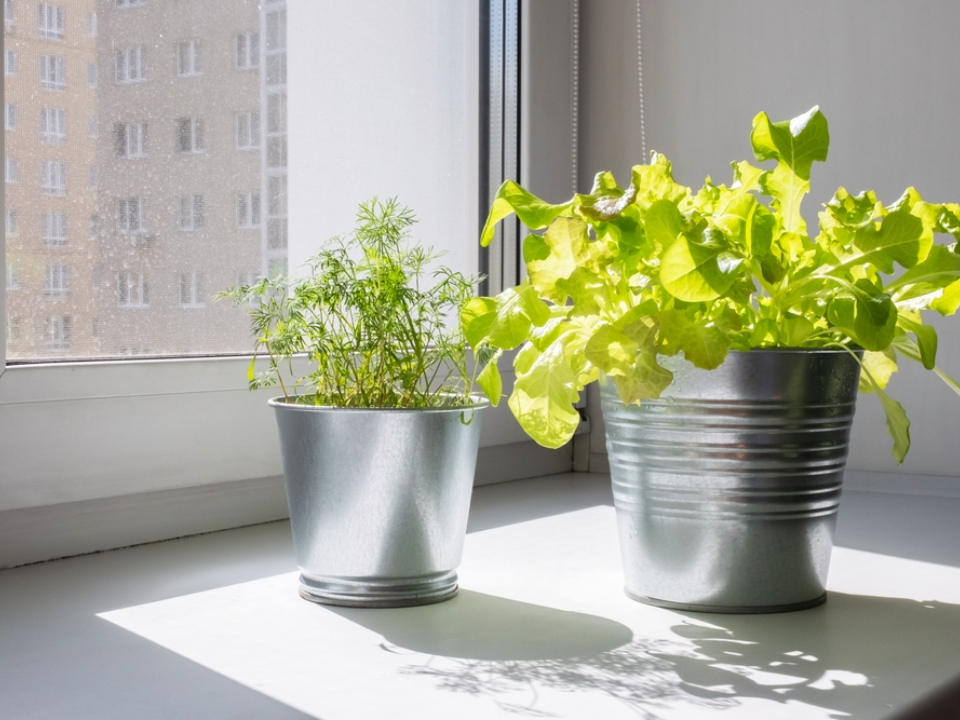
February is a solid time to start leafy greens indoors if you want a quick win before spring settles in. Lettuce, spinach, arugula, and kale can germinate well in cooler indoor conditions with steady light. Use a shallow tray or cell pack with a light seed starting mix so roots can form without staying too wet. Keep the mix damp like a wrung out sponge, since soggy soil can cause weak seedlings.
A bright window can work, but a simple grow light often keeps seedlings from stretching. Once the first true leaves appear, thin extras so each plant has room to grow. You can move hardy greens outside early if your area warms up, using a cover on chilly nights. Even if you keep them indoors longer, you will have sturdy starts ready for a quick transplant.
Sow Broccoli and Cauliflower for Early Transplants
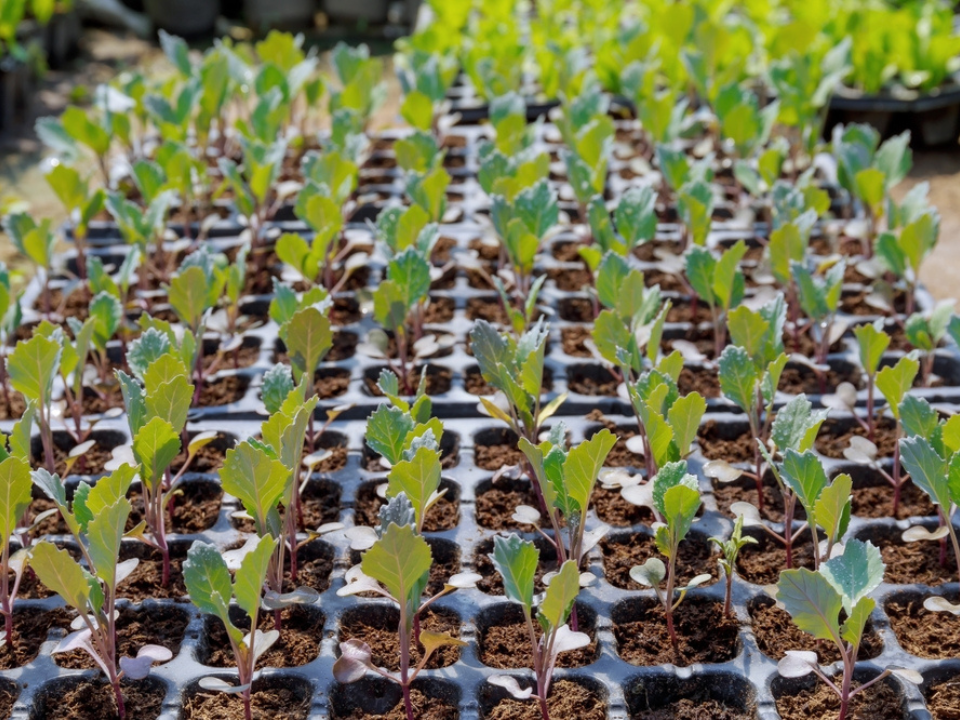
Starting broccoli and cauliflower in February can help you beat the heat later, since these crops prefer mild weather. Plant seeds about a quarter inch deep and keep them warm until they sprout. After germination, slightly cooler room temperatures can help keep the seedlings sturdy. Give them strong light right away so they grow compact with thick stems. Water from the bottom when possible so the surface does not stay overly damp.
When seedlings have a couple sets of true leaves, move them into larger pots so roots can spread. A light airflow from a small fan can help strengthen stems and reduce fungal issues. By the time outdoor soil is workable, you will have plants that can handle the move with less setback.
Begin Onion Seeds For Big Bulbs
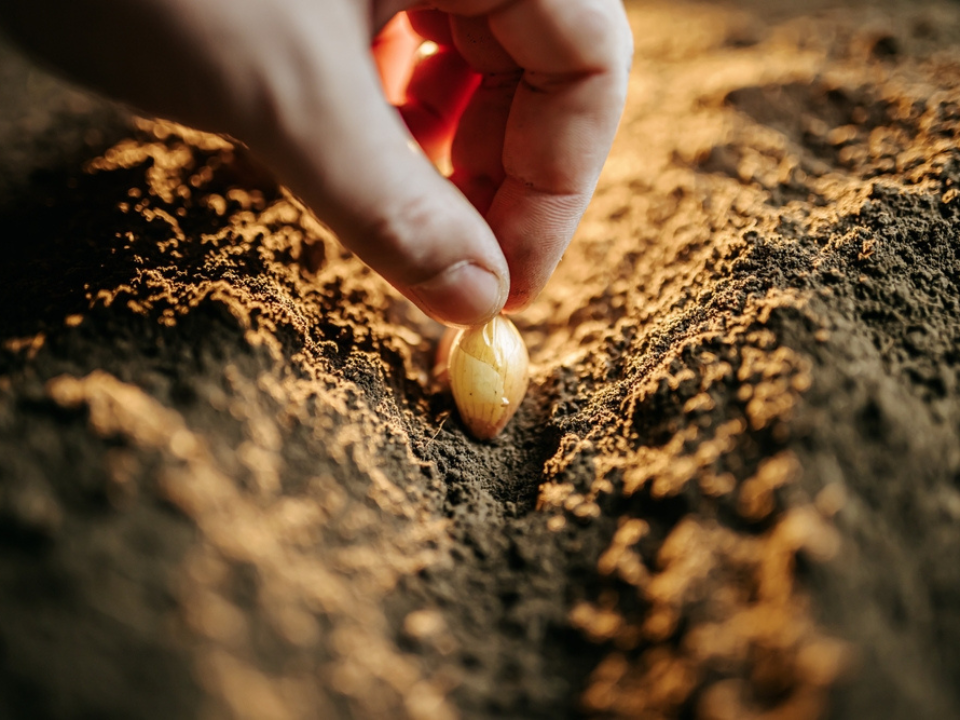
February is one of the best times to start onions from seed if you want larger bulbs by summer. Onions take a long time to size up, so early indoor starts can really pay off. Use a tray with deeper cells or a small pot, since onions build long roots even when young. Sprinkle seeds lightly and cover with a thin layer of mix, then mist to settle everything.
Keep them evenly moist and give them strong light for long hours each day. When seedlings look like thin green blades, you can trim the tops to keep them from flopping over. This trimming helps the plants stay tidy and pushes root growth. When it is time to plant outside, the seedlings can be separated and set into the garden like small transplants.
Start Leeks Indoors for Spring Planting
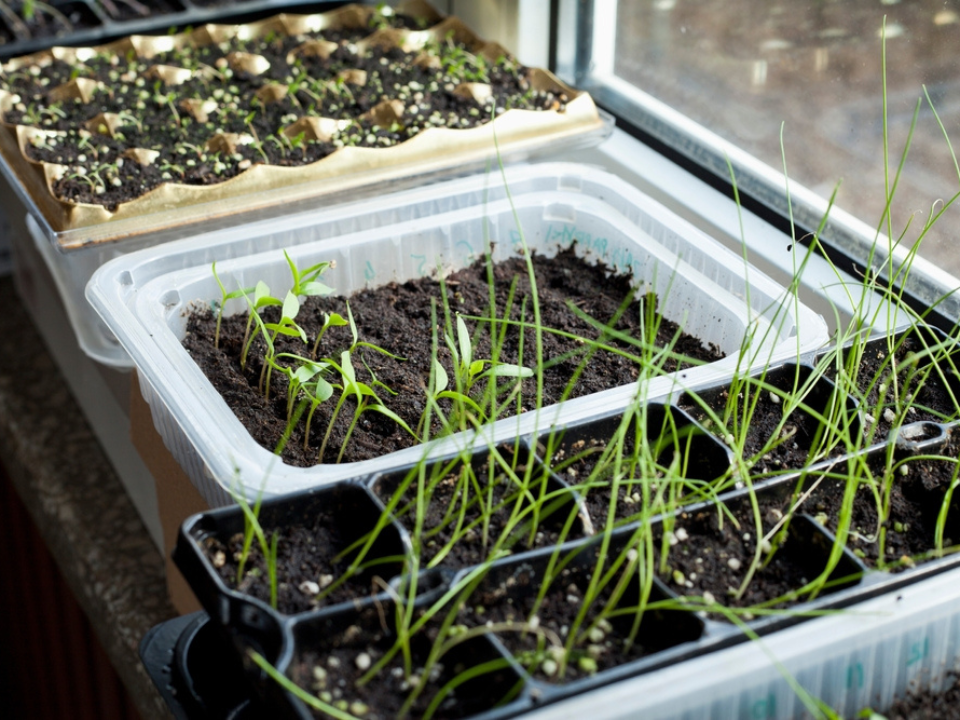
Leeks are another slow grower that does well with a February start. The seedlings look delicate at first, but they become sturdy if you give them time and consistent care. Sow seeds in a flat or deep container, then cover lightly with mix and water gently. Bright light keeps them from stretching and helps the stems thicken. Keep temperatures moderate after sprouting, since very warm rooms can lead to weak growth.
When the seedlings get several inches tall, you can trim the tops a bit to keep them upright. This also makes it easier to manage watering and airflow around the plants. When you transplant outdoors, you can plant them deep so they form longer white stems. Starting early gives you thicker plants that handle transplanting better.
Plant Early Herbs Like Parsley And Chives
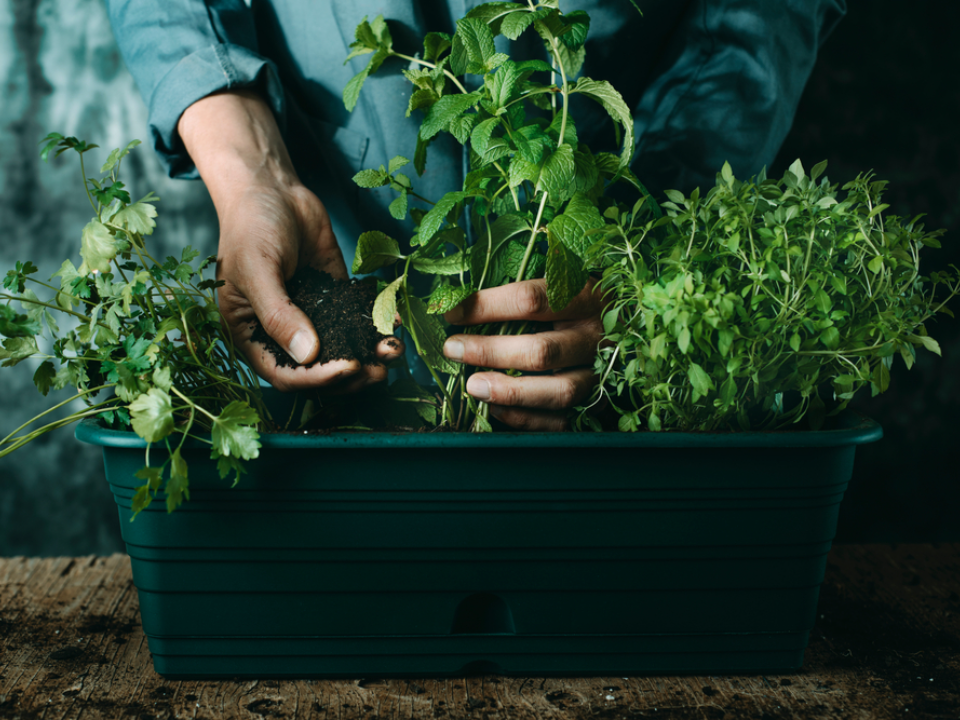
Some herbs take their time, and February is a good month to get them going indoors. Parsley can be slow to sprout, so patience is part of the plan from the start. Soaking parsley seeds overnight can help soften the outer coating and speed germination a bit. Chives usually sprout faster and fill out nicely in a small pot or cell tray. Use a fine seed starting mix so tiny roots can spread easily without hitting clumps.
Provide steady light so the seedlings stay compact and flavorful as they grow. Water lightly and let the surface dry slightly between waterings to avoid fungus. By early spring, you can pot them up or plant them outside depending on your weather. Having herbs ready early means, you can start snipping sooner, even before the garden wakes up.
Sow Snapdragon Seeds for Early Blooms
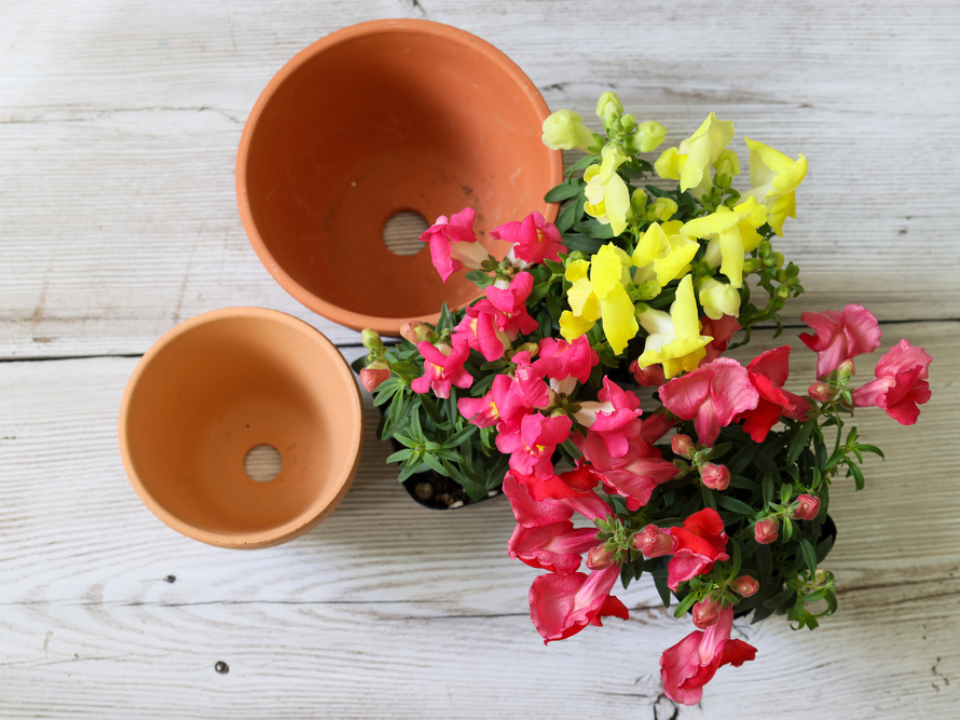
Snapdragons are a classic cool weather flower that can handle early planting once they are established. Starting them indoors in February gives you a jump on blooms that often begin in spring and can continue into early summer. The seeds are tiny, so press them onto the surface of the mix instead of burying them. They need light to germinate, so a gentle misting is better than heavy watering that can sink them. Keep the tray warm until you see sprouts, then give them bright light to prevent leggy growth.
Thin seedlings early so they do not crowd each other, since overcrowding slows growth. When they are big enough, move them into individual cells or small pots to build roots. Harden them off slowly before planting outside, since they prefer cooler air but still need time to adjust. Starting them now can lead to fuller plants with more flower spikes.
Start Pansies and Violas for Early Color
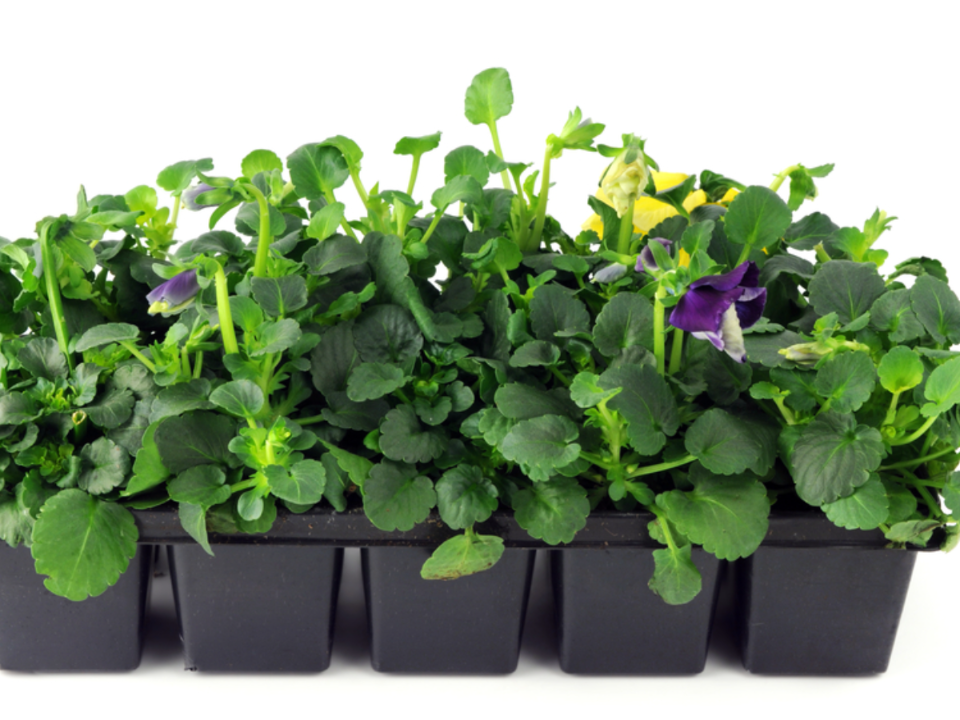
Pansies and violas can bring color to cool spring weather, and February indoor starts help you get bigger plants sooner. These flowers like cooler temperatures, so do not keep them in a hot room after they sprout. Sow seeds lightly and cover with a thin layer of mix, since they prefer some darkness for germination. After sprouting, give them strong light and steady moisture without soaking the soil. If the seedlings stretch, move the light closer and keep temperatures a bit cooler.
Once they have true leaves, pot them up so they can build a strong root system. These plants can be moved outdoors earlier than many flowers, especially with a light cover on cold nights. Starting in February can give you a batch ready for containers, borders, or window boxes. They also tend to flower longer when planted early in mild conditions.
Start Tomatoes Early with Extra Light
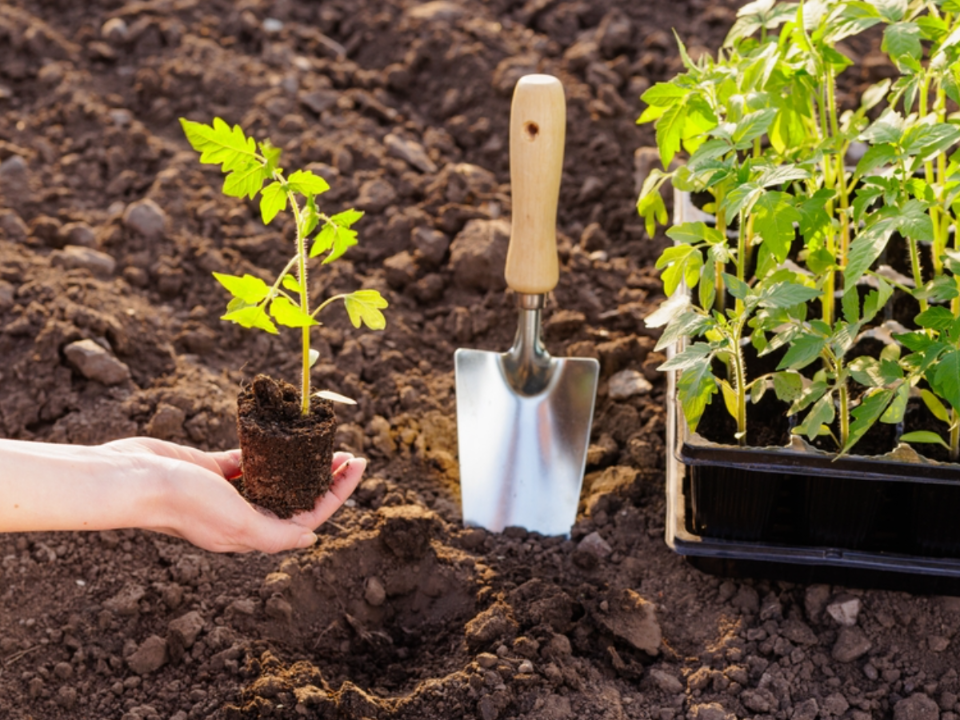
If you have strong indoor lighting, February can be a good time to start tomatoes for a longer growing season. This works best for gardeners who can pot seedlings up as they grow and keep them from getting too tall too soon. Choose varieties that fit your space, since some grow fast and can outgrow small setups quickly. Plant seeds in a warm spot until they sprout, then move them under bright light right away. Keep the light close enough to prevent stretching while still avoiding heat stress.
Water when the top of the mix feels slightly dry, and avoid letting the tray sit in water for long periods. Once seedlings have true leaves, move them into larger pots so roots can expand and stems can be buried deeper. Gentle airflow helps strengthen stems and reduces the risk of fungal problems. By the time outdoor weather settles, you will have thick, healthy starts ready for a strong season.
Begin Peppers Indoors Since They Take Time
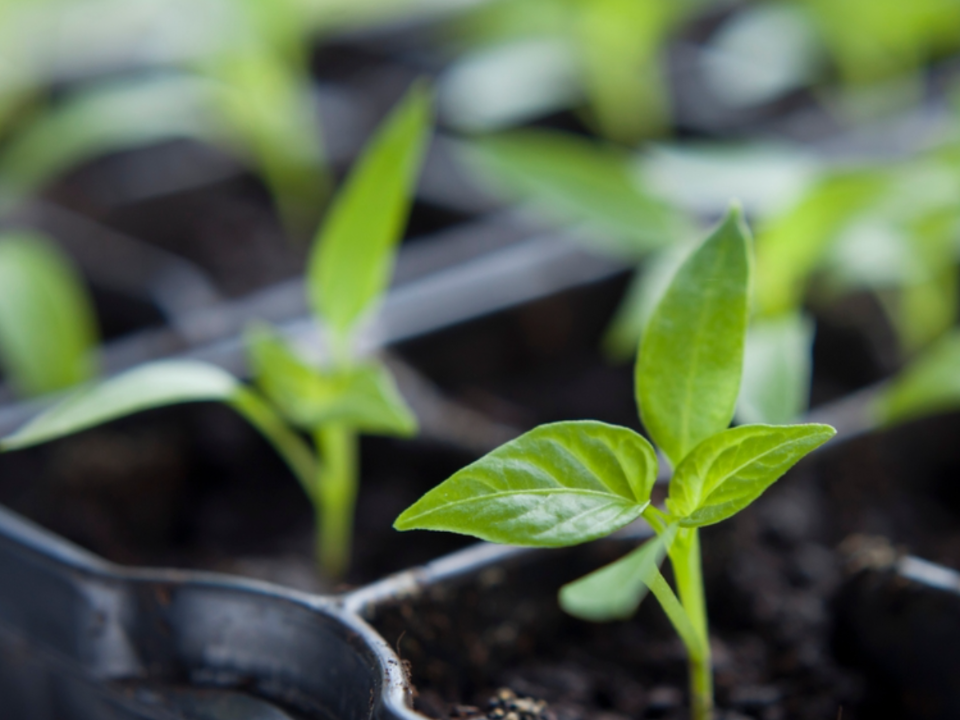
Peppers are slow starters, so February is often the right month to begin them indoors. They like warmth to germinate, so a heat mat or a warm shelf can make a big difference. Sow seeds a quarter inch deep and keep the soil evenly moist until sprouts appear. Once they germinate, give them bright light for long hours each day to keep growth steady. Peppers do not like wet feet, so let the surface dry slightly between waterings.
When seedlings have true leaves, pot them up carefully because the roots can be sensitive. Feeding lightly with a diluted liquid fertilizer after potting can help them keep growing without stress. Keep them in a warm spot with steady light, since cool rooms can slow them down. Starting in February often means you will have strong pepper plants ready to set out once nights warm up.
Start Eggplant Indoors for a Longer Season
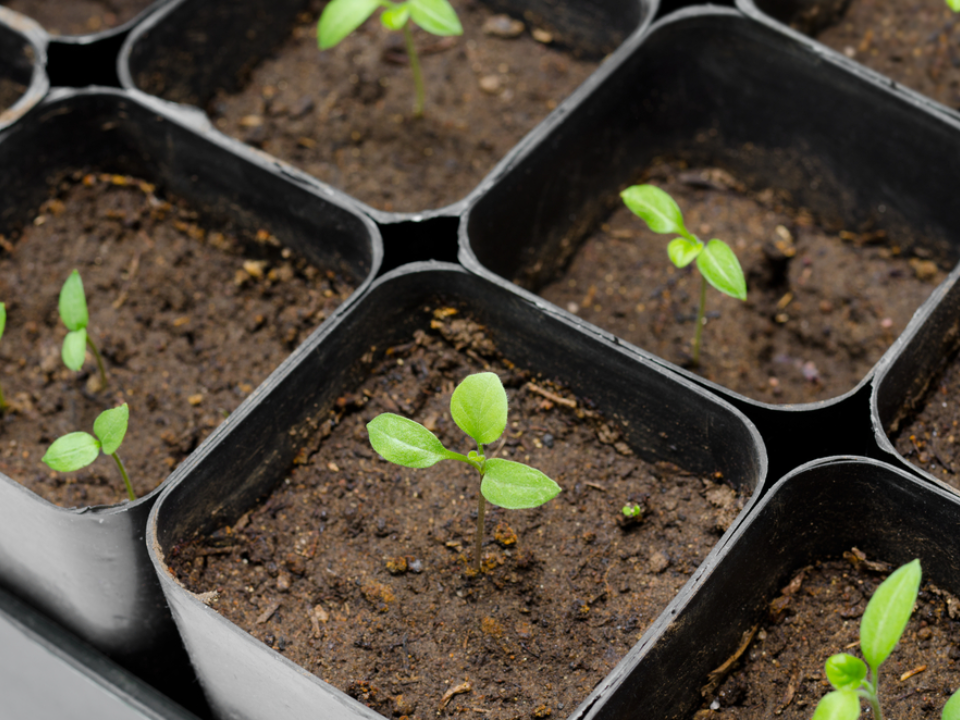
Eggplant benefits from an early start because it loves heat and takes time to size up. February sowing gives the plants more weeks to grow before you can safely plant them outside. Use warm soil for germination, since cool conditions can delay sprouting. After the seedlings pop up, give them bright light and keep them in a warm room if possible. Water carefully and avoid soaking the mix, since eggplant seedlings can be sensitive to damping off.
Pot them up once they have true leaves and bury the stems slightly deeper for stability. A light feeding after potting can help keep growth steady without forcing it too fast. As they grow, keep them close to the light so they stay sturdy instead of lanky. When outdoor nights are warm, your early plants will be ready to take off quickly in the garden.
Start Cabbage Seeds for Early Harvests
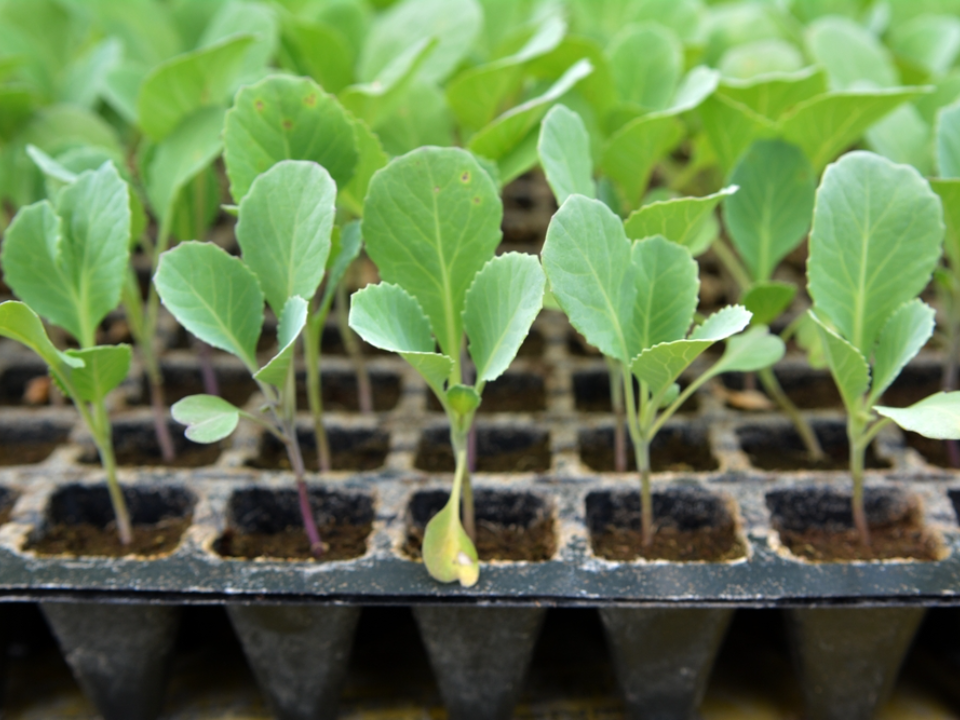
Cabbage is a cool weather crop that does well when started indoors in February. Early starts give you a chance at firm heads before warmer weather triggers bolting or pest pressure. Sow seeds lightly and keep them moist until germination, which usually happens fairly quickly. After they sprout, cooler temperatures help keep the seedlings compact and healthy. Provide strong light so the plants build thick stems and broad leaves. Thin seedlings so each one has space, since crowding can slow growth and raise disease risk.
When seedlings have several true leaves, pot them up or move them to a larger cell for root growth. Hardening off is important because cabbage can handle cool air, but it still needs time to adjust to sun and wind. With a February start, you can transplant early and get a head start on spring harvests.
Sow Celery Seeds and Plan for Patience
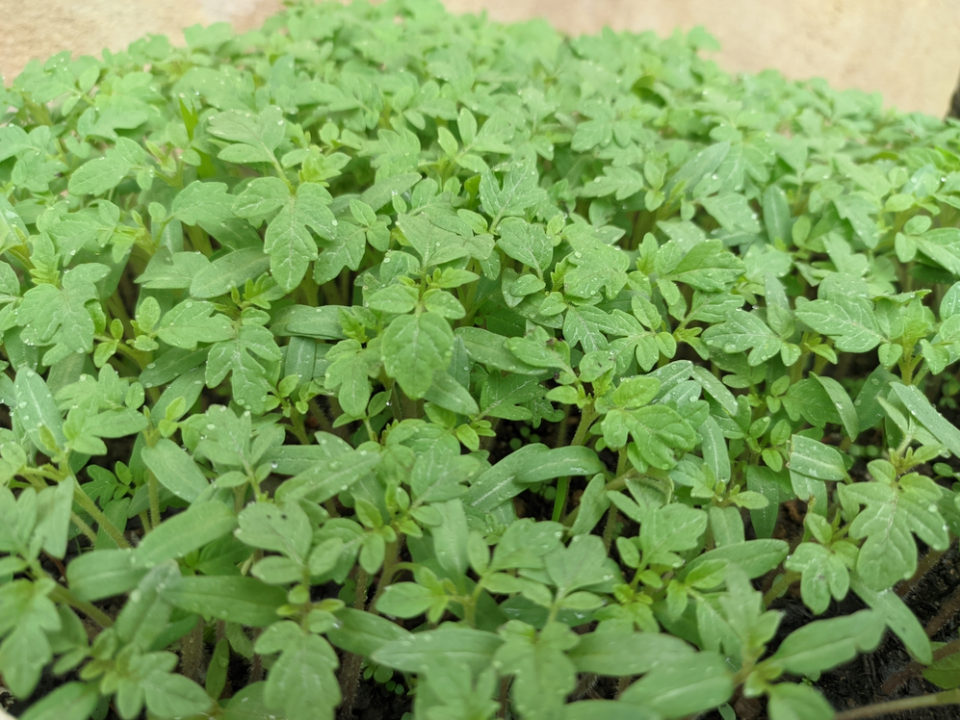
Celery takes a long time, and February is a helpful month to begin if you want strong plants later. The seeds are tiny and need light, so press them onto the surface of the mix rather than burying them. Mist gently so they stay in place, and cover the tray lightly with a humidity dome to keep moisture steady. Germination can be slow, so keep the tray warm and do not give up too early.
Once sprouts appear, give them bright light and keep the soil evenly moist without flooding it. Celery seedlings stay small for a while, but steady care pays off as they begin to leaf out. When they have true leaves, move them to larger pots so they can build roots. Celery likes consistent moisture and rich soil, so plan ahead for a well fed garden bed. Starting in February gives you more time to grow plants that can handle transplanting well.
Begin Basil Indoors for Early Pots and Transplants
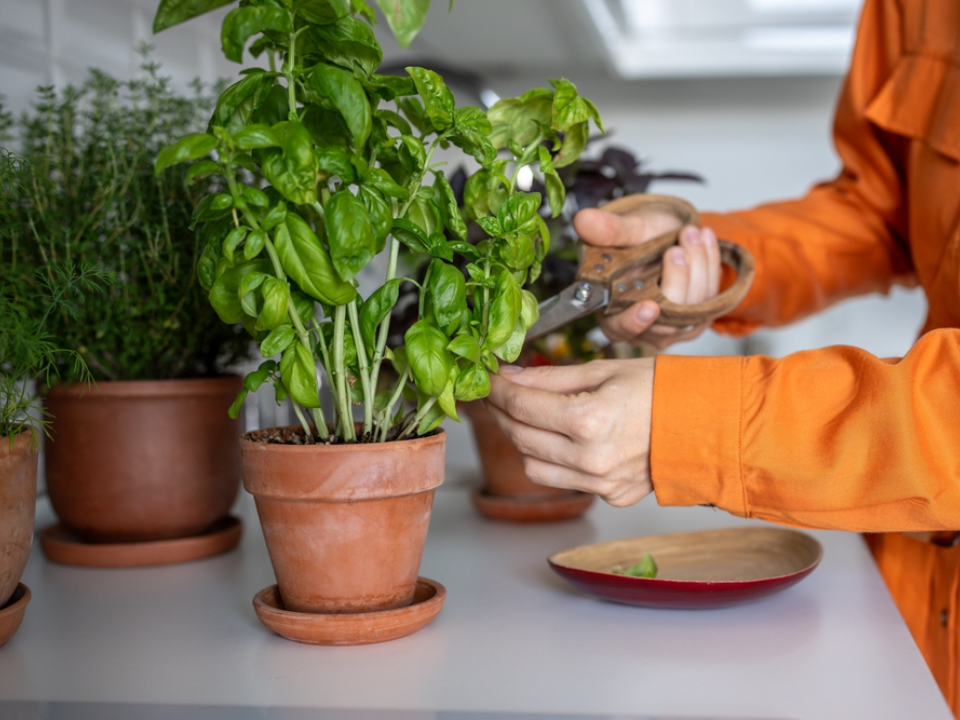
Basil is easy to start indoors and grows quickly once it gets steady warmth and light. February sowing is useful if you want early pots on a sunny windowsill and sturdy transplants later. Sow seeds shallowly and keep the soil lightly moist until they sprout. Once seedlings appear, give them bright light so they stay compact with strong stems. Thin the seedlings early or separate them into small pots so they do not compete.
Pinching the top once the plant has a few sets of leaves helps it branch and become bushier. Keep watering consistent, but do not let the pot stay waterlogged since basil can sulk in soggy soil. If your room is cool, basil may grow slowly, so a warm spot makes a difference. By spring, you can move pots outside during mild days and bring them in at night until temperatures stay warm.
Start Annual Flowers Like Marigolds Indoors
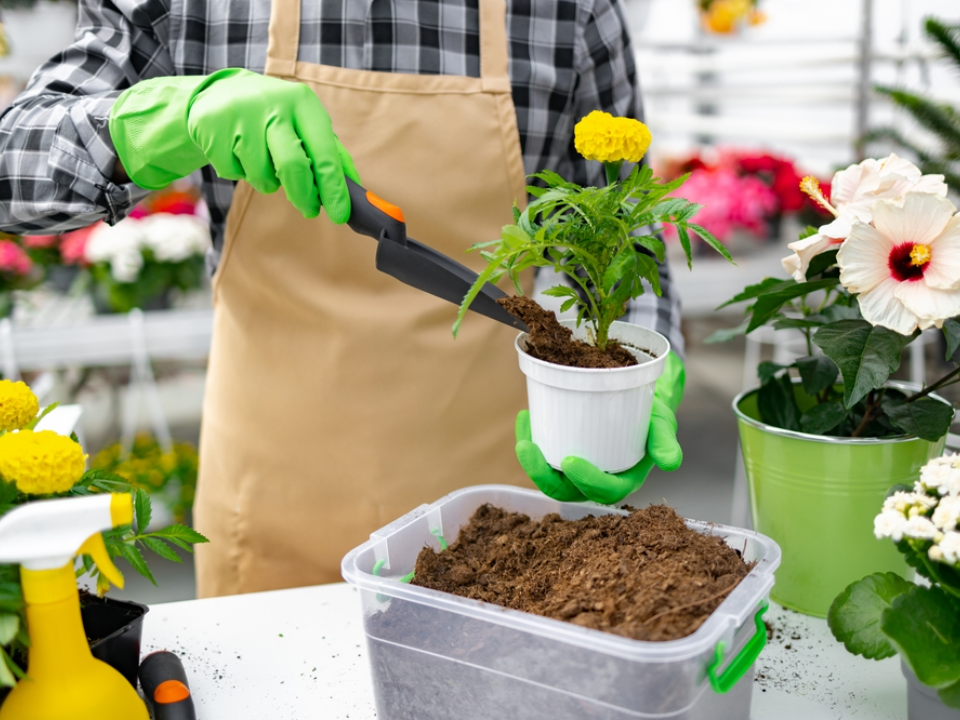
February is a good time to begin some annual flowers if you want earlier blooms and stronger plants by planting time. Marigolds usually sprout fast and can fill out well if you pot them up before they get cramped. Use a clean tray and fresh mix to reduce the chance of fungus problems. Plant seeds at the depth listed on the packet and keep the mix evenly moist. Bright light keeps the seedlings stocky and helps them branch earlier.
When the plants have true leaves, move them into small pots so roots have room to grow. Marigolds are tough once established, but young plants still need a gentle transition outdoors. Starting now means you can get color sooner and have plants ready for borders, containers, or veggie bed companions.
Start Cucumbers Indoors in Biodegradable Pots
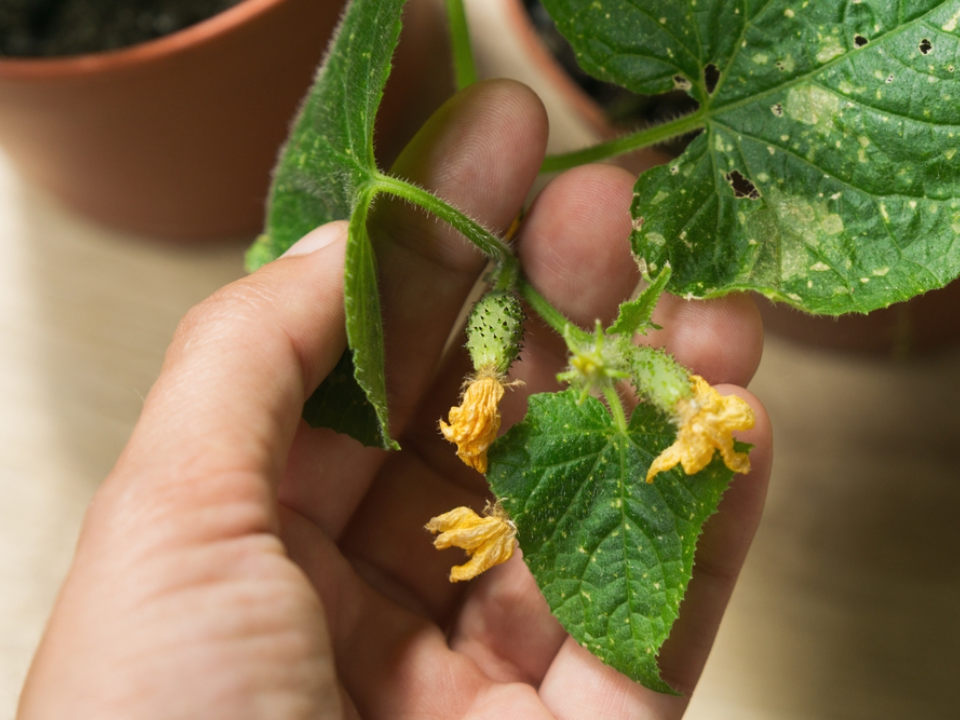
Cucumbers grow fast, so February starting works best for gardeners who plan to transplant under protection or have a long indoor setup. If you choose to start them now, use biodegradable pots so you can plant the whole thing without disturbing roots. Sow one or two seeds per pot and thin to the strongest seedling after sprouting. Keep them warm and give bright light so the vines do not stretch.
Water carefully because cucumbers dislike both dryness and soggy soil, so aim for even moisture. If plants start to climb, a small stake can keep them upright and prevent tangling. Do not keep them indoors too long, since they get stressed when cramped. When outdoor weather is mild, plant them out with the pot and protect them from cold nights. This method can lead to earlier harvests if your timing and weather line up well.
Start Melons Indoors If You Have Warm Space
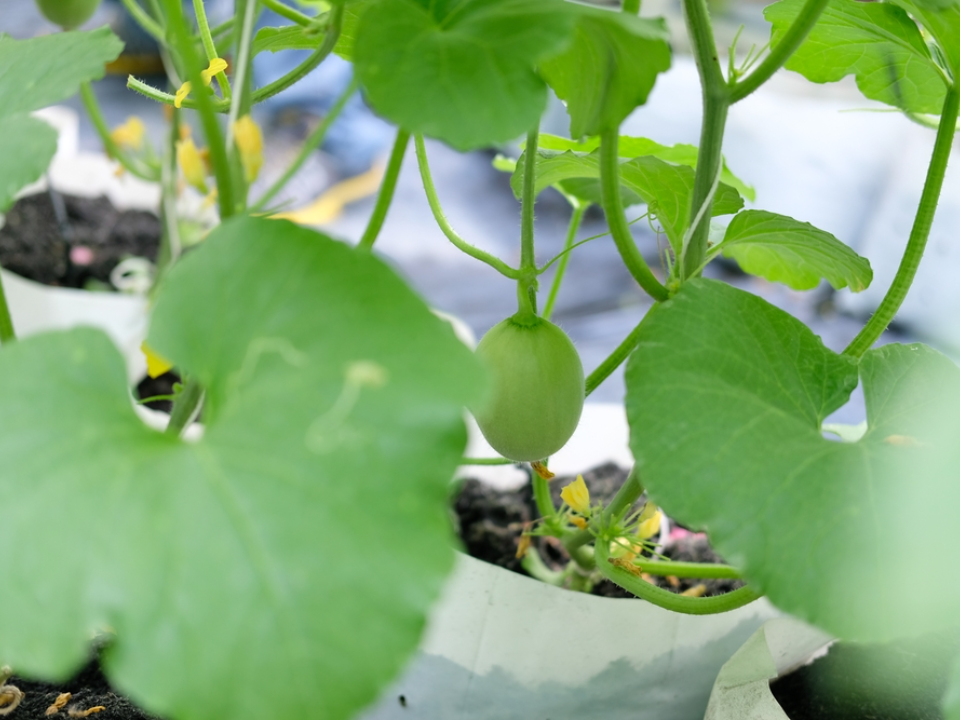
Melons can be started indoors in February if you have warm conditions and plan to transplant into a protected area. Like cucumbers, melons do not like root disturbance, so individual pots are the way to go. Plant seeds at the suggested depth and keep the soil warm until germination. Give strong light as soon as seedlings appear so growth stays steady and compact. Water gently and avoid soaking the pots, since young roots can rot if the soil stays too wet.
If seedlings grow quickly, pot them up before roots circle, since cramped roots can slow growth later. Melons need warm outdoor soil, so do not rush the transplant just because the plants look ready. Harden them off slowly and plant out once nights are reliably mild. Starting early can give you a head start, but it only works if you can keep plants healthy indoors.
Start Perennial Herbs Like Thyme and Oregano
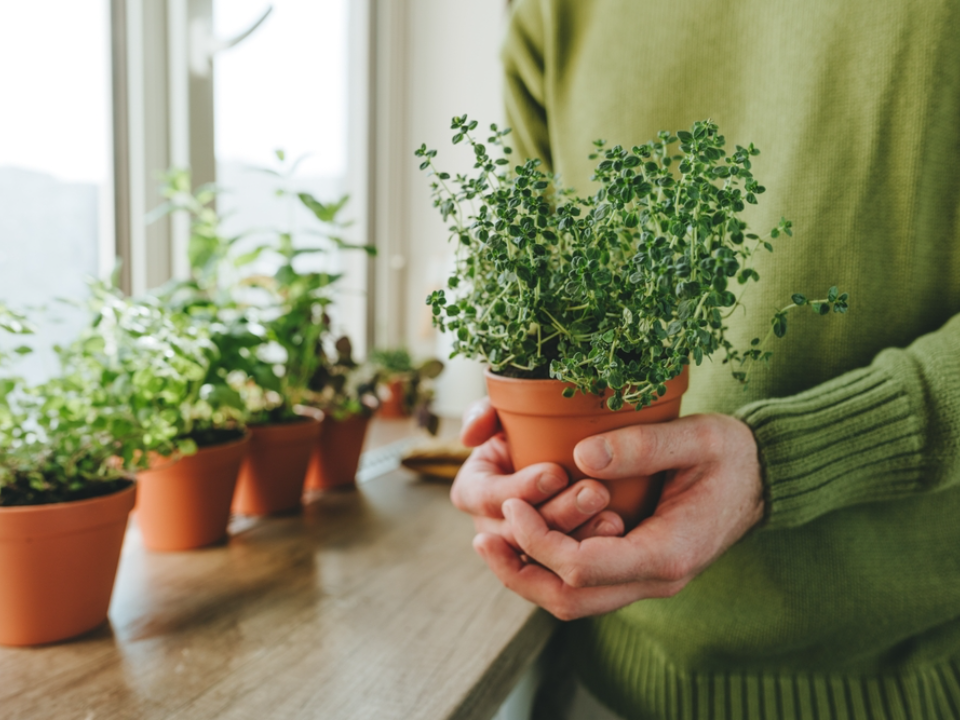
Perennial herbs can be started from seed in February if you want plants ready for pots or garden beds later. Thyme and oregano can germinate slowly, so giving them extra time indoors can help. Sow seeds lightly on the surface or cover very lightly, since many herb seeds are small. Keep the soil evenly moist and provide bright light right away after sprouting.
These herbs prefer good airflow and do not like soggy soil, so water sparingly once they are established. When seedlings have true leaves, thin them or move them into small pots. Growth can be slow at first, so do not worry if they look tiny for a while. Once they pick up, they form sturdy little plants that handle transplanting well. Starting now can give you a fuller herb bed by summer without buying nursery starts.
This article originally appeared on Avocadu.