
13 Party Games That Always Save the Night
A good party can go a little quiet once people finish eating and start checking their phones. That is when a simple game can pull everyone back into the room and get the laughs going again. These party games are easy to explain, quick to start, and friendly for mixed ages and group sizes.
This post may contain affiliate links, which helps keep this content free. Please read our disclosure for more info.
Two Truths and a Lie

This game works fast because it gives everyone a turn without putting anyone on the spot for long. Each person shares three statements about themselves, and the group votes on which one is the lie. It plays well with new groups since you learn fun details while you laugh at the guesses. If you have kids or teens, you can suggest themes like school, pets, or trips to keep it easy.
To keep things moving, go in a circle and set a soft time limit like 30 seconds per person. If the group is shy, let people write their three statements on a note first so they feel ready. Bigger groups can split into teams and score a point for each correct guess. It stays light when you remind everyone to keep stories friendly and not too personal.
Charades

Charades saves the night when conversation stalls because it gets people standing up and watching each other. One person acts out a word or phrase without speaking, and the team tries to guess before time runs out. It works for mixed ages since you can pick simple categories like movies, animals, or everyday actions. The funniest moments often come from the wrong guesses, so the room stays lively.
You can play on the spot with folded paper slips or use a phone list of prompts. If someone hates acting, let them be the timer or the clue picker, then they can jump in later. Keep turns short so no one feels stuck, and switch teams often to mix up the energy. When kids are playing, choose prompts that avoid tricky titles and inside jokes.
Pictionary

Pictionary is a go to when you want a loud room without making it feel like work. One person draws a clue while their team guesses, and the drawing usually turns into something hilarious. It is perfect for groups that like to talk because everyone can shout guesses at once. You can scale it for ages by choosing easier words for kids and trickier ones for adults.
All you need is paper and a marker, or a whiteboard if you have one. Set a timer so drawings stay quick, and remind people that messy sketches are part of the fun. If the group is huge, have two people draw at the same time to keep everyone engaged. For smaller groups, play as one team and try to beat the clock together.
Taboo
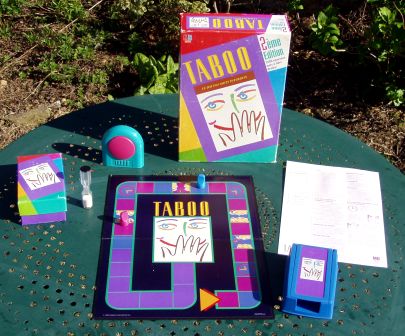
Taboo is great for parties because it creates instant pressure and fast laughter. One person gives clues to help their team guess a word, but they cannot say certain related words. The challenge makes people talk in funny circles, and the team usually screams the answer right as time ends. It is also easy to pause and restart if people are grabbing snacks or drinks.
If you do not have the card game, you can make your own list and add three banned clue words per answer. Assign one referee per round to listen for slip ups, since that keeps it fair. Keep the pace quick and switch clue givers often so it stays fresh. If kids are playing, pick simple words and skip anything that could feel awkward.
Heads Up
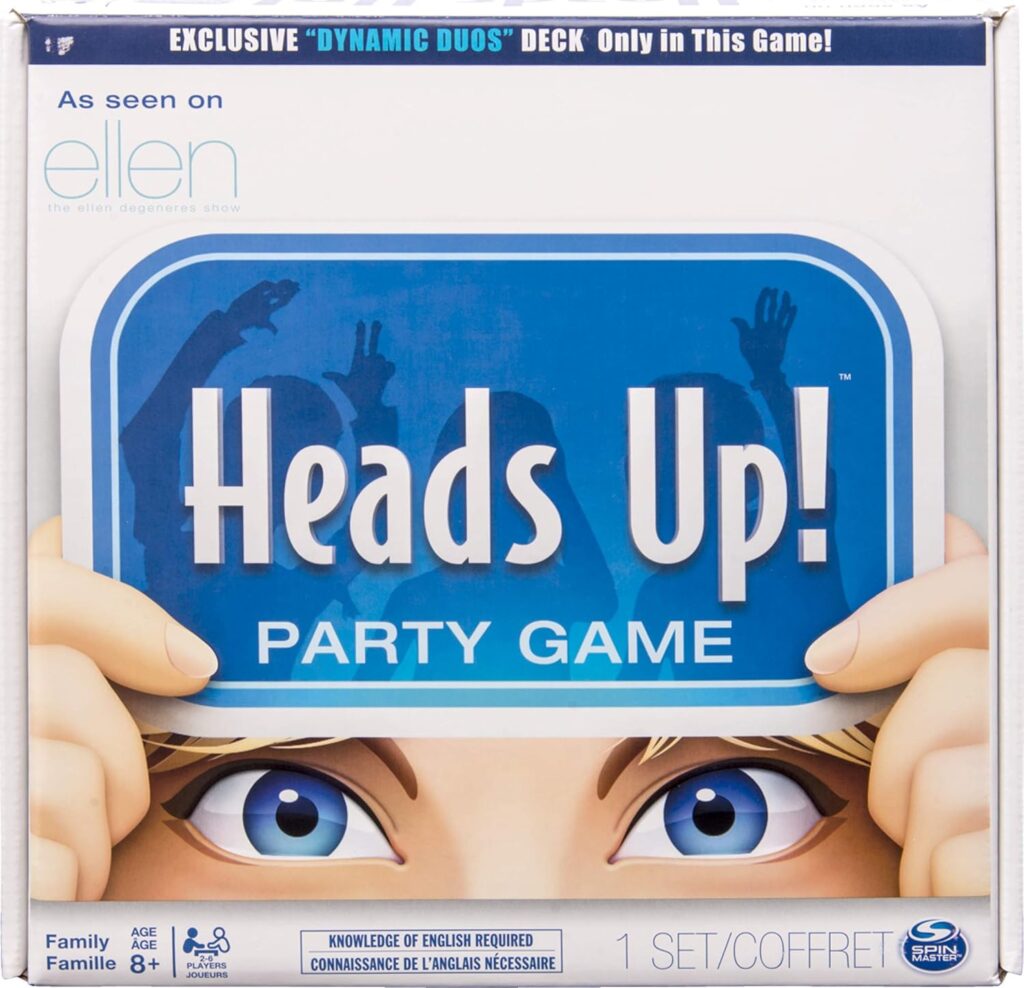
Heads Up works because it starts in seconds and the rules are easy to catch. One person holds a phone on their forehead with a word or phrase showing, and the group gives clues until the timer runs out. The player can pass by tipping the phone, so no one gets stuck on a hard one. It feels energetic without needing any setup, which is perfect for a slow night.
Pick a category that matches the group, like movies, animals, or famous people, and avoid niche topics if guests are new. Rotate the phone holder often so everyone gets a turn being in the spotlight. For mixed ages, choose kid friendly decks and let younger players team up with an adult. If you want a calmer version, play seated and lower the volume while keeping the timer.
Catch Phrase
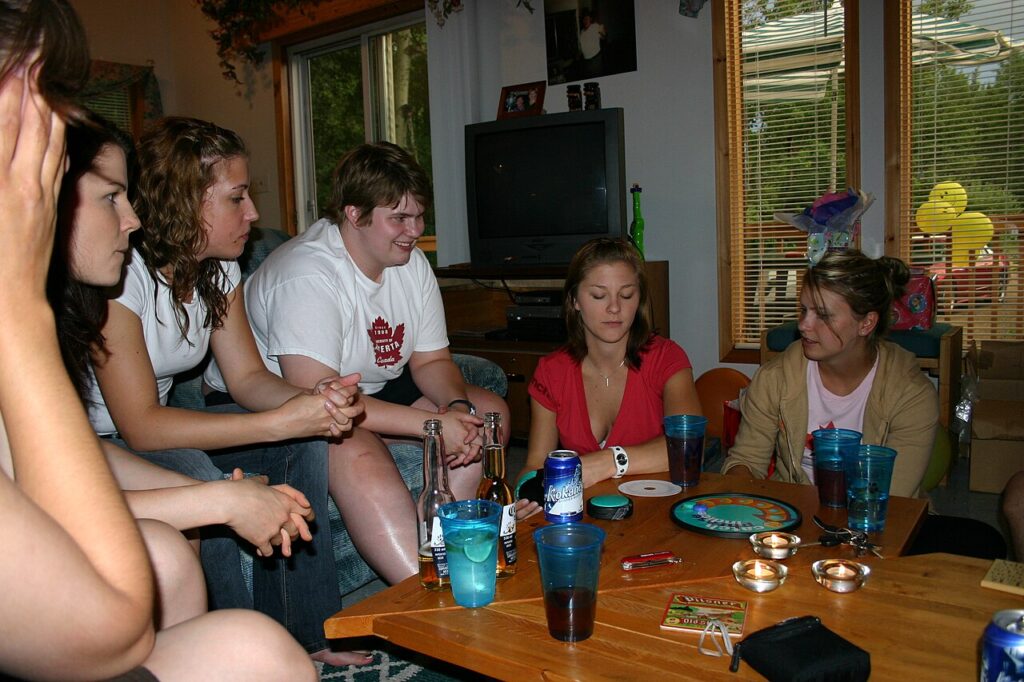
Catch Phrase is a classic for a reason because it keeps the room moving and the laughs coming. You describe a word on a small device or app, and your team has to guess before the buzzer. The stress of the timer makes simple clues sound funny, and people get wildly creative. It works well for groups that like friendly competition and fast rounds.
Set up teams and keep score if people enjoy that, or skip scoring and just play for the reactions. Encourage clue givers to use short phrases and hand motions, since that speeds up guesses. If the group is mixed ages, choose easier settings or write your own word list. A quick rules reminder helps a lot, especially about not saying parts of the word.
Minute to Win It Challenges

Minute challenges are perfect when you want action without long instructions. Each person or team tries a simple task in 60 seconds, like stacking cups or moving cookies from forehead to mouth. The time limit makes it exciting, and the tasks feel silly in the best way. People can cheer even if they are not playing, so the whole room stays involved.
Keep a small basket of supplies ready, like cups, ping pong balls, straws, and paper plates. Choose tasks that are safe indoors and easy to reset, so you are not cleaning for an hour. If you have kids, pick challenges that do not need running or jumping. For adults, you can raise the fun by adding a tiny prize for the round winners.
Musical Chairs
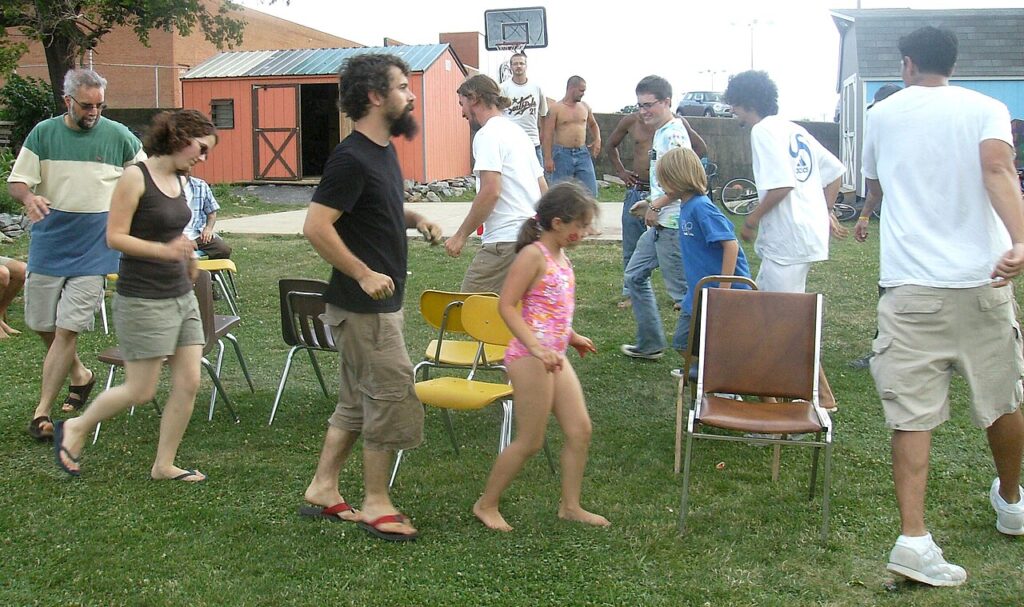
Musical Chairs brings instant chaos and laughter, especially when you need a quick energy spike. You play music while everyone circles chairs, and when the music stops, people race to sit. One chair gets removed each round, so it gets tighter and funnier as it goes. It is simple, familiar, and great for mixed ages if you keep it friendly.
Use sturdy chairs and make sure the path is clear so no one trips. For adults, you can swap chairs for floor spots using paper squares to save space. If you want a kinder version for kids, do not eliminate anyone and just keep playing for fun. Short music clips keep the pace quick and stop the game from dragging.
Mafia

Mafia is a party lifesaver when the group wants something longer and more dramatic. Players get secret roles, and the group has to figure out who the hidden bad guys are through discussion and voting. It creates loud debates, funny accusations, and sudden reveals that wake up the room. People who like stories and social games tend to get hooked fast.
Choose one strong moderator who can keep the rules clear and the pace steady. Start with fewer special roles so new players do not get confused, then add more once everyone knows the flow. If the group is big, remind people to speak in short turns so quieter guests get a chance. A relaxed tone helps a lot, since the goal is laughs, not hurt feelings.
Werewolf
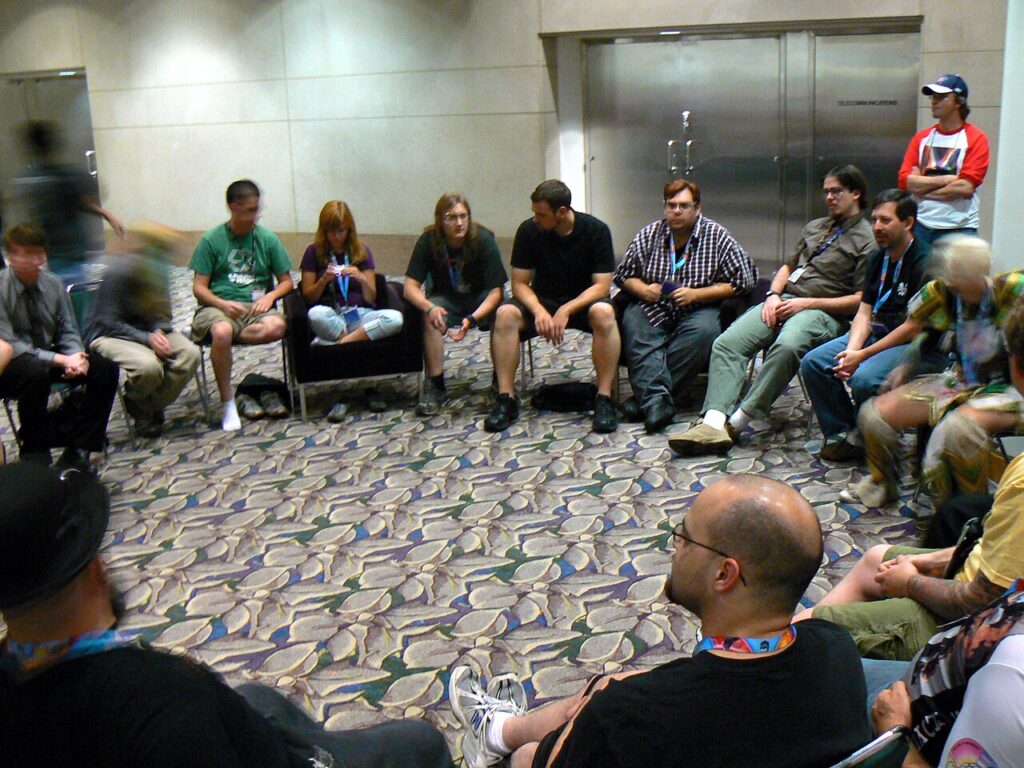
Werewolf feels like a spooky cousin to Mafia, and it plays well when guests want suspense. Players are villagers or werewolves, and the group tries to vote out the werewolves before they take over. The night and day phases make it easy to follow, and the reactions during votes can be hilarious. It is also great for larger groups because many people can play at once.
A narrator keeps things smooth by guiding the group through sleeping, waking, and voting. If people are new, keep roles simple and explain what happens each round in plain words. For families, you can frame it like a cartoon mystery so it does not feel scary for younger kids. The best games happen when everyone stays playful and does not take accusations seriously.
Name That Tune
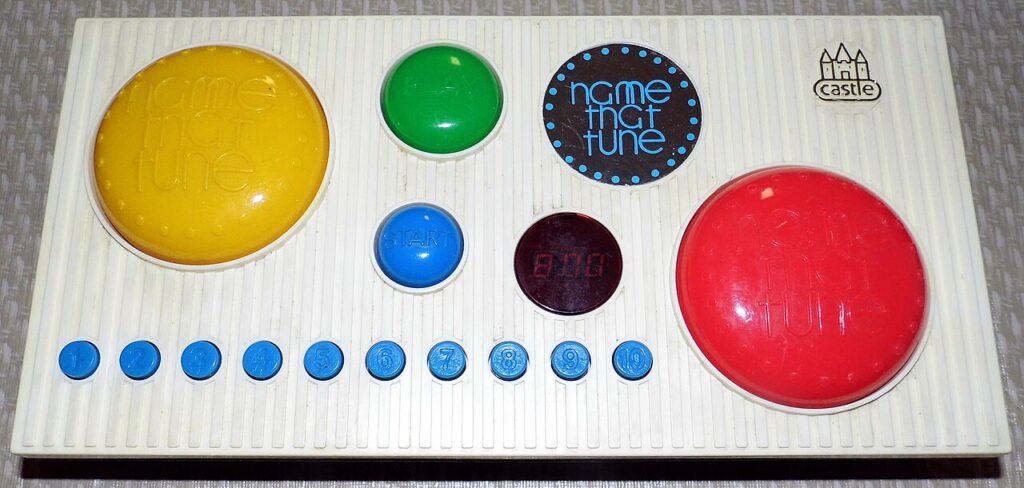
Name That Tune wakes up a quiet room because music pulls people in fast. Play a short clip and have teams guess the song title or artist, or just sing the next line. It works for most ages if you pick a mix of songs and keep rounds short. Even people who do not know the answer usually enjoy the guessing and the singing.
Make a quick playlist in advance so you are not searching mid game. Keep the volume comfortable so people can talk and laugh between clips. For a family group, include movie songs, kid friendly pop, and classic hits parents know. If you want a twist, let winners choose the next category.
The Newlywed Game
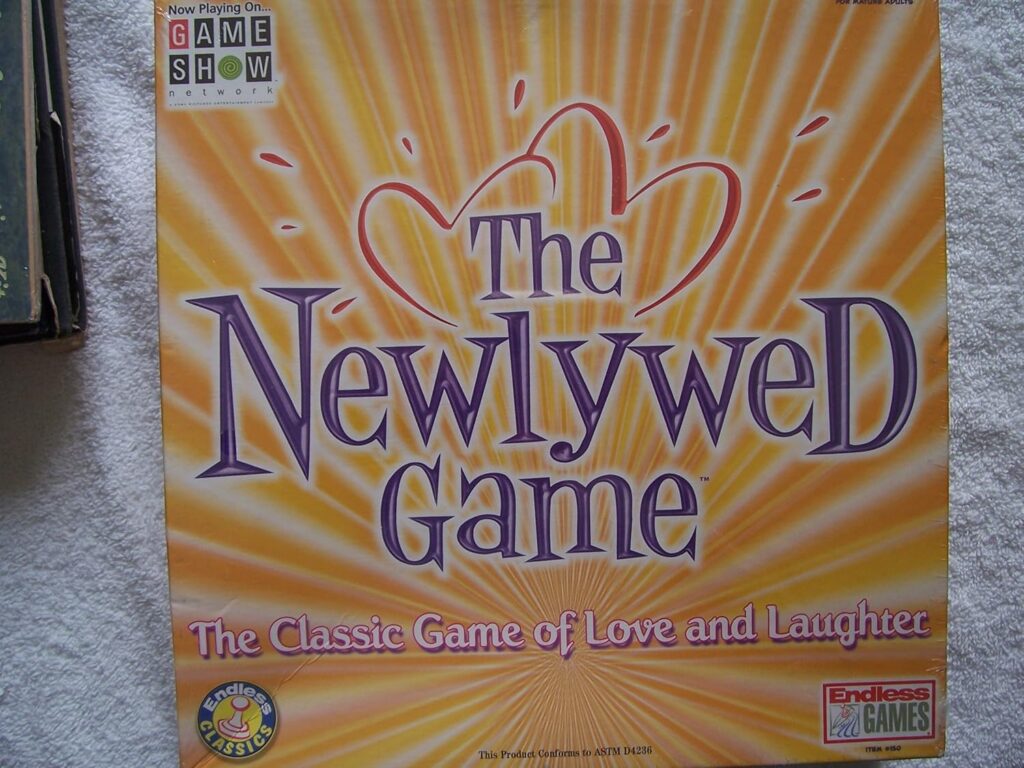
This game is funny at parties because it turns small details into big laughs. Couples answer questions about each other, then reveal if they matched. It works for friends too by pairing roommates, siblings, or best friends to keep it inclusive. The best questions are light, like favorite snack, worst habit, or dream vacation spot.
Set expectations that the questions should stay kind and not embarrassing. Let the audience submit questions on paper so you get a mix of ideas. Keep score if people want a winner, or just play for reactions and stories. If no couples are present, the best friend version works just as well.
Scattergories
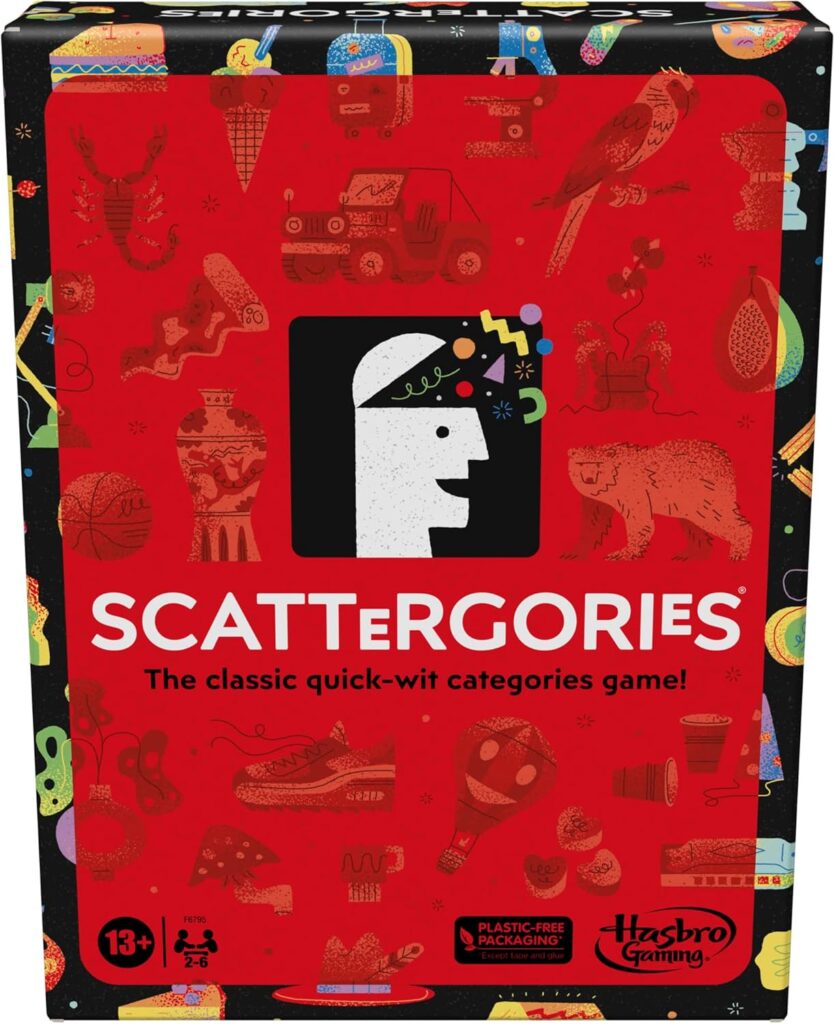
Scattergories is perfect when the group wants something calmer but still funny. Everyone gets a letter and a list of categories, then races to write answers that start with that letter. The arguing about whether an answer counts is half the entertainment. It also keeps everyone involved, even people who do not love acting games.
Use a phone timer for each round so it stays quick and does not turn into homework. If you do not have the game, you can write category lists on paper, like foods, movie titles, animals, and things in a kitchen. For kids, choose easier categories and give them a little extra time. A simple scoring rule helps, like one point for a unique answer and zero for repeats.
This article originally appeared on Avocadu.