
12 Stage Musicals That Still Feel Big and Electric on Rewatch
Some stage musicals have a way of sticking with you long after the curtain falls. Even after you know every song and story beat, the experience still feels thrilling. The emotions hit just as hard on a second or third watch. That kind of staying power is rare and worth talking about. Keep reading to revisit the shows that still bring the house down.
This post may contain affiliate links, which helps keep this content free. Please read our disclosure for more info.
Hamilton
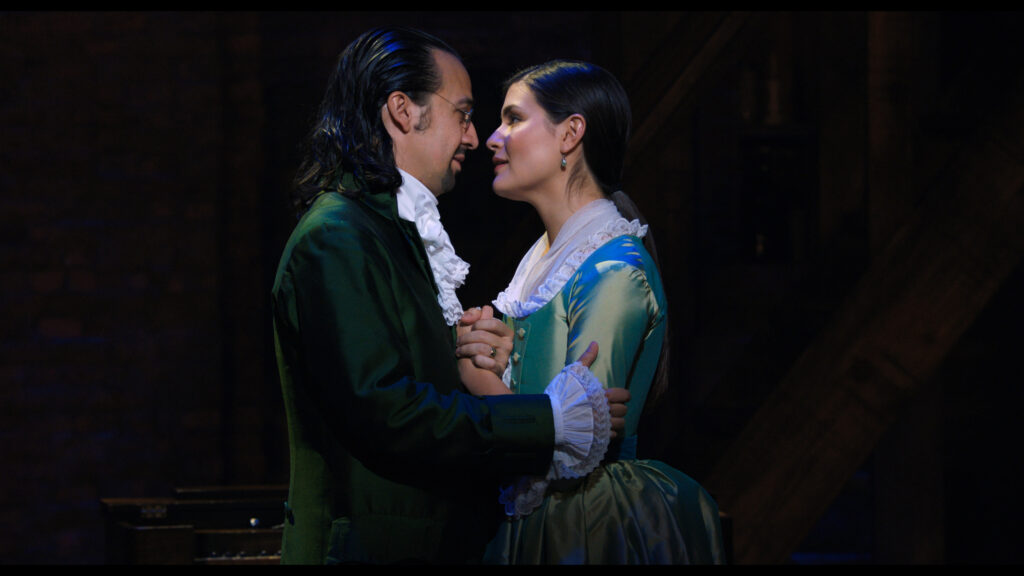
Hamilton retells the life of Alexander Hamilton through hip hop, R and B, and classic show tunes, which keeps the stage buzzing with energy on each revisit. The rotating stage, tight choreography, and overlapping vocals create movement that feels alive from the very first number. Even when you know every lyrical run and surprise rhyme, the staging choices keep pulling your eye to different corners of the ensemble. Small details in each performance make repeat viewings feel rich, since you can focus on supporting characters, background gestures, and subtle reactions.
On rewatch, the emotional arcs hit just as hard because you see how early songs quietly set up later heartbreak. The transitions between cabinet battles, love stories, and political debates stay clear even when you already know where the story is headed. Different actors bring their own energy to familiar roles, so each cast recording or filmed performance adds new notes to the same score. Fans come back to Hamilton because there is always another harmony, glance, or staging detail that rewards attention.
Les Misérables
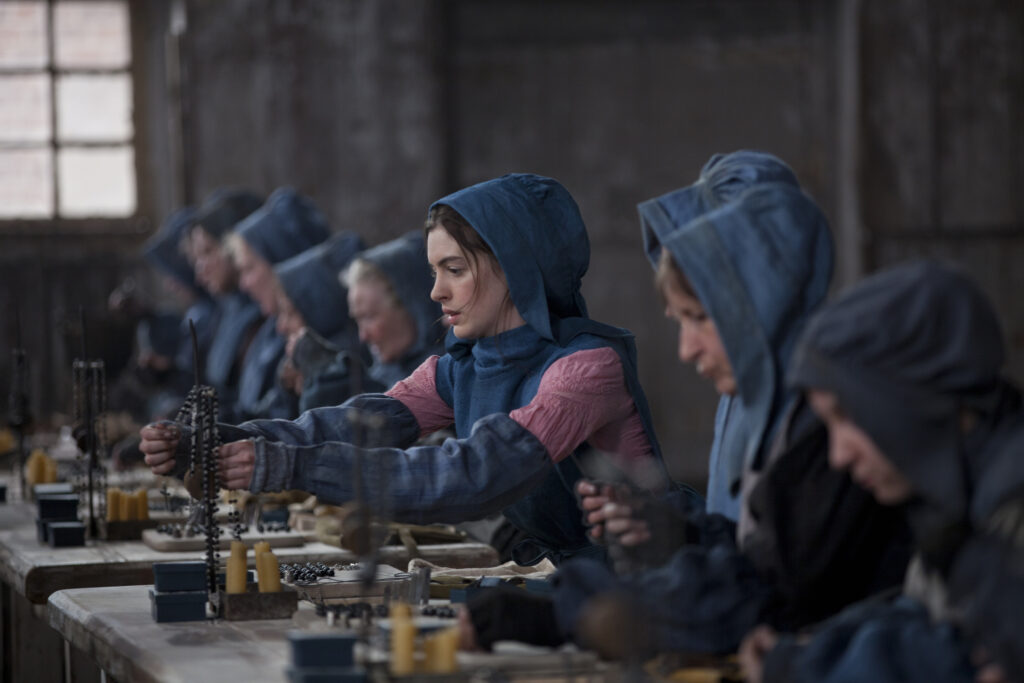
Les Misérables adapts Victor Hugo’s novel into a sweeping story of redemption, revolution, and personal sacrifice, carried by big ensemble numbers and soaring solos. The barricade scenes still feel huge on stage, with layered vocals and tight staging that pull your focus from one desperate face to another. Powerhouse songs like One Day More and Do You Hear the People Sing keep their punch even when you can sing along word for word.
When you revisit Les Misérables, you notice how themes of mercy and justice play out in smaller scenes that might have passed quickly before. Performers often bring subtle shifts in how they play Valjean, Javert, or Eponine, which gives the story new emotional colors. The period setting, costumes, and staging tricks around the sewers and the bridge continue to feel impressive, even for audiences familiar with the production. Many viewers return to this musical because it feels like a complete emotional journey that rewards patience and attention.
Wicked
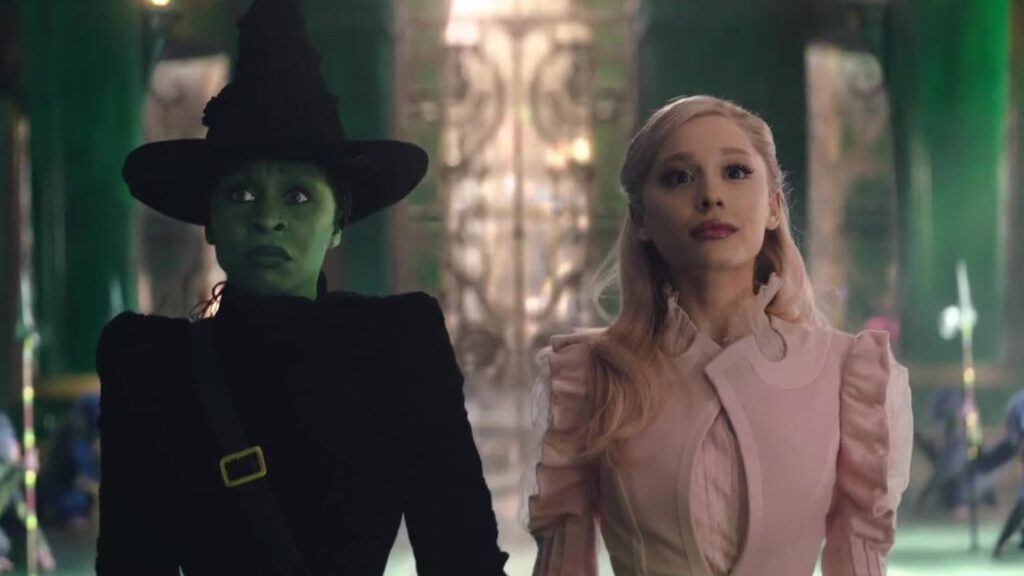
Wicked reframes the world of Oz through the friendship between Elphaba and Glinda, adding emotional weight to a story people thought they already knew. Big songs like Defying Gravity still make theaters feel charged, thanks to a mix of vocal power, lighting shifts, and staging that lifts the moment. The show balances spectacle with character work, so even repeat viewings stay grounded in the changing bond between the two leads. Every rewatch lets you pay closer attention to the way jokes, costumes, and small gestures hint at where they will end up.
The politics of Oz and the way the Wizard manipulates information land differently once you know the twists, which makes rewatches feel layered rather than spoiled. Fans often return to see how different actresses handle Elphaba’s anger and Glinda’s growth, because those choices shape the tone of the entire story. Songs that once felt like simple showstoppers start to feel like turning points for the characters when you see them again.
Chicago
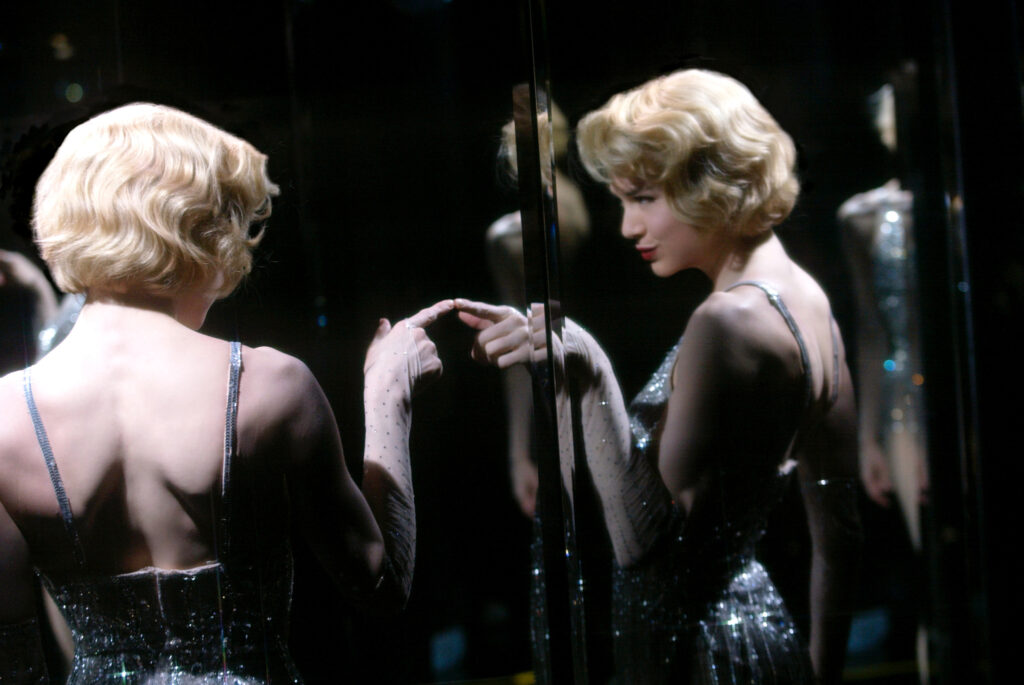
Chicago mixes jazz, crime, and media spectacle into a sharp, stylish musical that still feels charged during every courtroom scene and big number. The stripped down staging with visible orchestra and dancers in sleek costumes leaves room for choreography and character work to shine. Songs like All That Jazz and Cell Block Tango never really lose their impact because the moves, attitude, and staging stay playful and dangerous at the same time. On rewatch, it can be fun to focus on the smaller details in the ensemble and watch how they react to Roxie and Velma.
The show gains new layers once you know how it plays with the idea of celebrity and public opinion. Musical numbers that seem like pure entertainment at first glance double as commentary on audiences who cheer for criminals they find charming. Different performers can tilt the tone toward comedy or menace, which keeps repeat visits from feeling repetitive. Chicago holds onto its electric charge because it mixes tight choreography, catchy music, and sharp humor in a way that keeps audiences engaged.
West Side Story
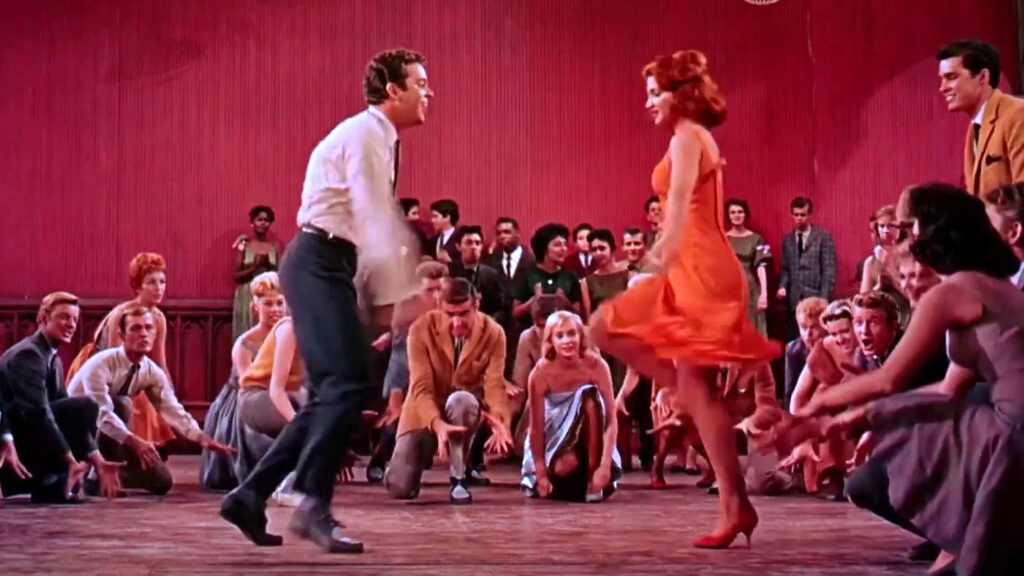
West Side Story brings the Romeo and Juliet story to New York City, and the mix of dance, music, and tension still feels charged every time the Jets and Sharks clash. The choreography turns street fights into big, stylized sequences that remain thrilling even when you know the outcome. Songs like Tonight, America, and Somewhere continue to sound powerful because they sit right at the intersection of romance and conflict. Rewatching lets you see how staging and camera angles in filmed versions guide your eye through groups of dancers.
On repeat viewings, you may find yourself paying closer attention to the supporting characters and how they carry the weight of neighborhood tensions. The use of color in costumes and lighting helps divide groups and set mood, which becomes more interesting to track when you are less focused on the main plot. Different productions adjust language, casting, and choreography while keeping the core story alive, which gives long time fans fresh interpretations.
Hairspray
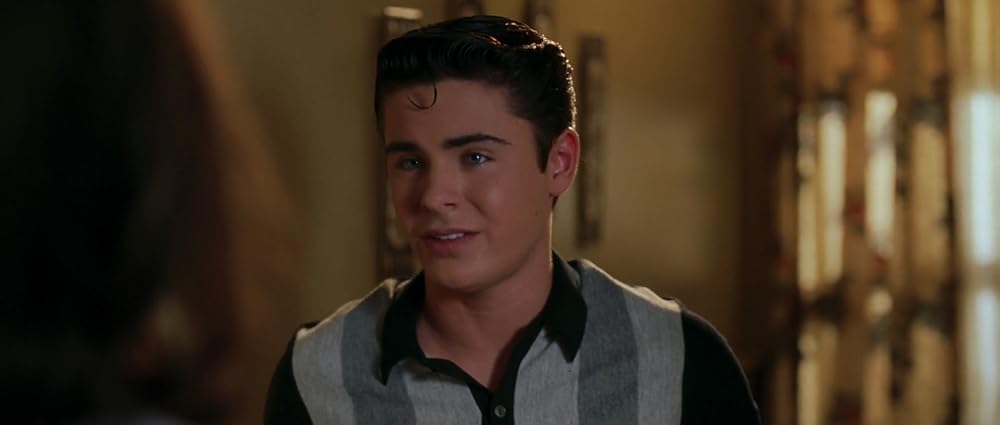
Hairspray turns 1960s Baltimore into a bright musical space filled with big hair, big dance numbers, and serious themes wrapped in catchy songs. The show uses humor and color to bring audiences in, then folds in stories about segregation, body image, and media influence. Numbers like You Cant Stop the Beat stay high energy even on a second or third viewing, because the choreography and ensemble work never really slow down
With each revisit, the balance between comedy and social commentary can feel more striking because you hear the lyrics differently. Performers often bring their own spin to characters like Tracy, Edna, and Motormouth Maybelle, which keeps the show from feeling locked to one version. The finale keeps the theater buzzing as the entire cast fills the stage with movement and sound. Audience members come back to Hairspray for the feel good energy and the way it lightly pushes them to think about inclusion and change.
Dear Evan Hansen

Dear Evan Hansen tells the story of a lonely teenager who gets caught in a lie that spirals, and the show uses contemporary pop-influenced music to keep the emotions right at the surface. The projected social media feeds and digital staging elements make the set feel alive with noise and opinion. Songs like Waving Through a Window and You Will Be Found keep their impact even when you know the plot, because they resonate with feelings of isolation and connection. On rewatch, you can look past the twist of the lie and pay more attention to how each character deals with grief.
As you see the musical again, different performances can change how sympathetic or frustrating Evan feels, which shifts the weight of the whole story. Supporting characters like Zoe, Jared, and the Murphys reveal new shades depending on how much you already know about their private struggles. The staging allows for small, intimate scenes that still fill the theater with emotional volume. Dear Evan Hansen has strong rewatch value because it reflects modern anxieties in a direct way that continues to feel relevant.
Come From Away

Come From Away focuses on a small town in Newfoundland that welcomed stranded travelers on September 11, 2001, and turns real stories into a fast-moving ensemble piece. Twelve actors play dozens of roles, shifting accents, postures, and costumes in ways that keep the stage in constant motion. The music blends folk, rock, and traditional sounds, which helps capture the setting and the mood of an unexpected community. On rewatch, it is satisfying to track how one performer moves between characters and how the company supports that flow.
Knowing the structure ahead of time makes it easier to appreciate the care in how the show handles grief, fear, and kindness without tipping into sentimentality. The tight staging around chairs and tables turns simple props into planes, buses, and pubs, which remains impressive even when you have seen the tricks before. Audience members often report that they notice new jokes, small gestures of generosity, and quick character beats with each visit. Come From Away keeps an electric feeling because it celebrates ordinary people acting with kindness under pressure in a way that never feels dull.
Jesus Christ Superstar

Jesus Christ Superstar presents the final days of Jesus through rock music, with Judas placed close to the center of the story, which gives the show a constant sense of tension. The score leans on electric guitars, driving rhythms, and powerful vocals that fill the theater with sound. Many productions use modern costumes and settings, keeping the visuals vivid and sometimes confrontational. When you revisit the musical, you can focus on how each director chooses to frame Judas and his motives.
Rewatching often brings fresh attention to smaller songs and scene transitions that support the bigger numbers. Different casts bring unique vocal styles to Jesus, Judas, and Mary Magdalene, which changes the emotional weight of familiar songs. The staging frequently uses the ensemble as a kind of crowd or chorus, and their movement patterns become more noticeable once you know the story beats. Fans return because the rock concert energy and layered character work create a musical that still feels charged.
Mamma Mia

Mamma Mia uses the music of ABBA to tell a sunny story set on a Greek island, and the blend of pop hits with family drama makes it very easy to revisit. The show keeps the atmosphere light with playful choreography, bright costumes, and an inviting set that feels like a vacation. Even when you know who Sophie’s father is and how the relationships will shake out, the journey takes center stage more than the mystery. Rewatching lets you relax into the songs and watch how the cast keeps the humor and warmth flowing.
On repeat viewings, viewers often find themselves paying more attention to the older characters and their friendships. Donna and her friends bring a mix of nostalgia and humor that can feel richer once you know their history. The curtain call, which turns into a mini concert, remains one of the most purely fun endings in modern musical theater. Mamma Mia stays big and electric on rewatch because it doubles as both a story and a party for anyone in the audience.
Hadestown
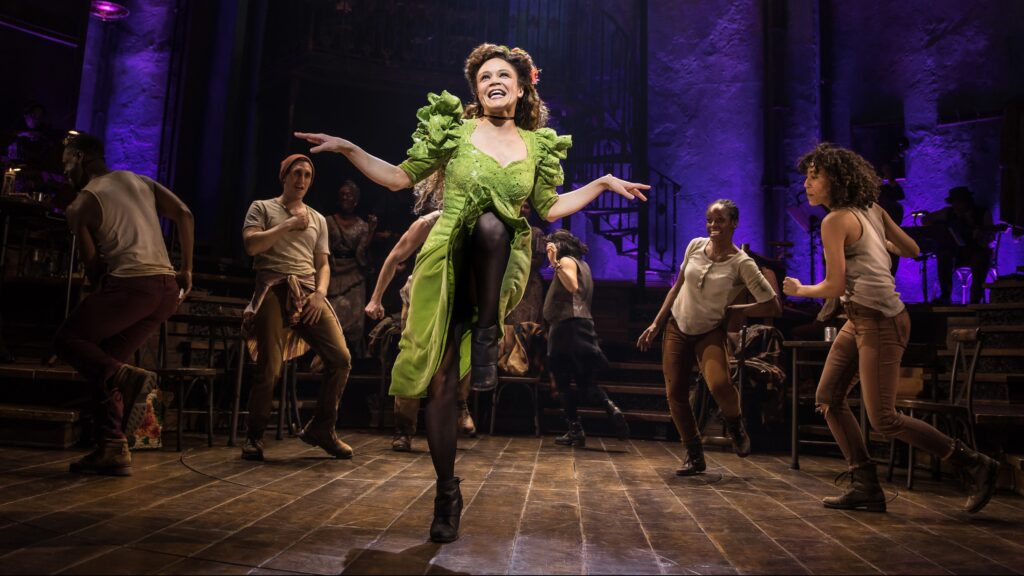
Hadestown blends the myth of Orpheus and Eurydice with jazz, folk, and blues influences, building a world that feels both timeless and grounded. The band sits onstage, and the narrator Hermes guides the audience through a story about work, love, and risk. The songs thread together in a way that almost feels like one long piece, which keeps energy flowing from scene to scene. On rewatch, you can listen for repeated melodies and lyrics that echo earlier moments in the story.
Knowing the myth in advance does not weaken the tension, because each production relies on the performers to sell the hope and doubt in the final walk. Different actors bring new flavor to Hades, Persephone, and the Fates, which changes the balance between menace and playfulness. The staging uses turntables, lights, and ensemble movement to suggest factories, trains, and underworld borders, and those choices reward close attention. Hadestown feels big every time because the score and staging wrap a familiar myth in a powerful live experience.
Miss Saigon

Miss Saigon reimagines Madame Butterfly during the Vietnam War and its aftermath, turning a personal love story into something large that touches on history and migration. The musical is known for its big set pieces, including the helicopter scene, which still draws gasps even when people know how it works. Songs move from intimate duets to massive ensemble numbers that fill the stage with soldiers, citizens, and dancers. On rewatch, you can pay closer attention to the way the show uses recurring musical themes to tie characters together.
Returning to Miss Saigon can change how you view the characters, especially when you bring more awareness of the time period and the position of each person in the story. Different productions have adjusted aspects of the script and staging, which gives long time fans new versions to think about. The role of the Engineer in particular can swing between comic relief and sharp critique, depending on the actor. Viewers keep coming back to this musical because its emotional storms and large scale staging leave strong impressions.
This article originally appeared on Avocadu.