
16 Houseplants You Can Move Outdoors in Late Winter in Warm Areas
Moving houseplants outside in late winter can be a great way to refresh them for the upcoming season. Many plants, when given the right care, can endure the mild temperatures of warm areas. By gradually introducing them to outdoor conditions, you can help them grow healthier. The cooler temperatures and brighter light provide an ideal environment for certain plants.
This post may contain affiliate links, which helps keep this content free. Please read our disclosure for more info.
Aloe Vera
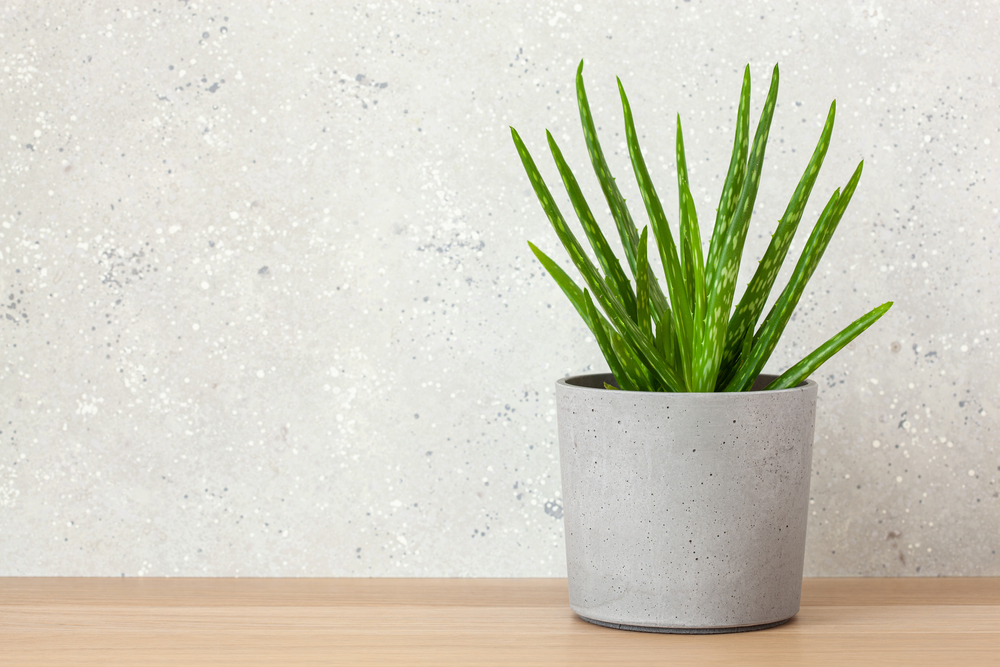
Aloe Vera is a well-known succulent that thrives in mild outdoor temperatures. This plant can be moved outside during late winter in warm areas, but it should be placed in indirect sunlight to prevent sunburn. It requires well-draining soil and should be watered sparingly, as it stores water in its thick leaves. When moving Aloe Vera outdoors, gradually increase exposure to sunlight to help it adjust.
Make sure to avoid overwatering Aloe Vera while it’s outside, as this can lead to root rot. If the temperatures drop significantly at night, it is best to bring the plant inside. Aloe Vera enjoys warm temperatures and minimal moisture, making it perfect for outdoor conditions during late winter.
Spider Plant
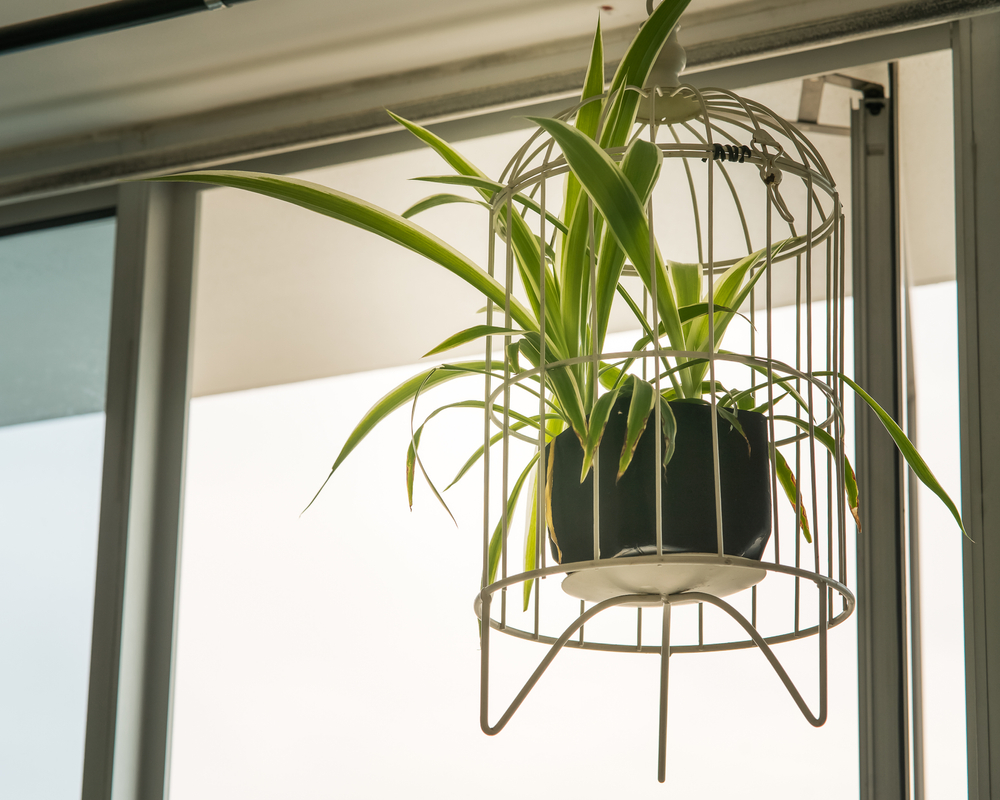
Spider plants are adaptable and can easily endure mild outdoor conditions during late winter in warmer regions. They enjoy indirect sunlight and prefer being kept in a sheltered spot to avoid strong winds. When moving your Spider Plant outdoors, place it in an area where the sunlight isn’t too intense, and water it when the soil feels dry.
This hardy plant is great for beginners, as it is low-maintenance and resists most pests. To care for it outdoors, make sure it doesn’t sit in water for too long. With proper care, your Spider Plant will grow and thrive in its new outdoor environment.
Snake Plant (Sansevieria)
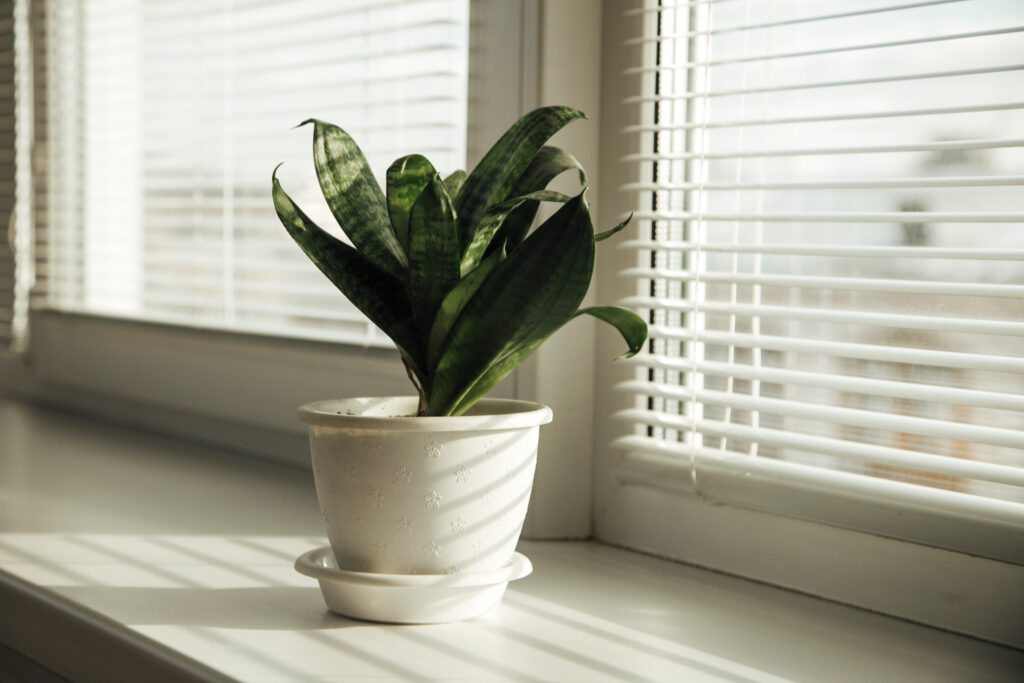
Snake plants are well-suited for outdoor exposure in late winter, especially in warm areas with mild temperatures. They tolerate low light conditions and can handle a variety of temperatures. When placing your Snake Plant outdoors, make sure it is in a shaded area with good airflow. Water it sparingly, only when the soil is dry to the touch, to prevent root rot.
This plant is highly resistant to pests and disease, making it easy to care for. As temperatures fluctuate, ensure that the plant is not exposed to cold drafts or sudden cold snaps. Over time, it will adapt to the new environment and continue to grow well.
Jade Plant
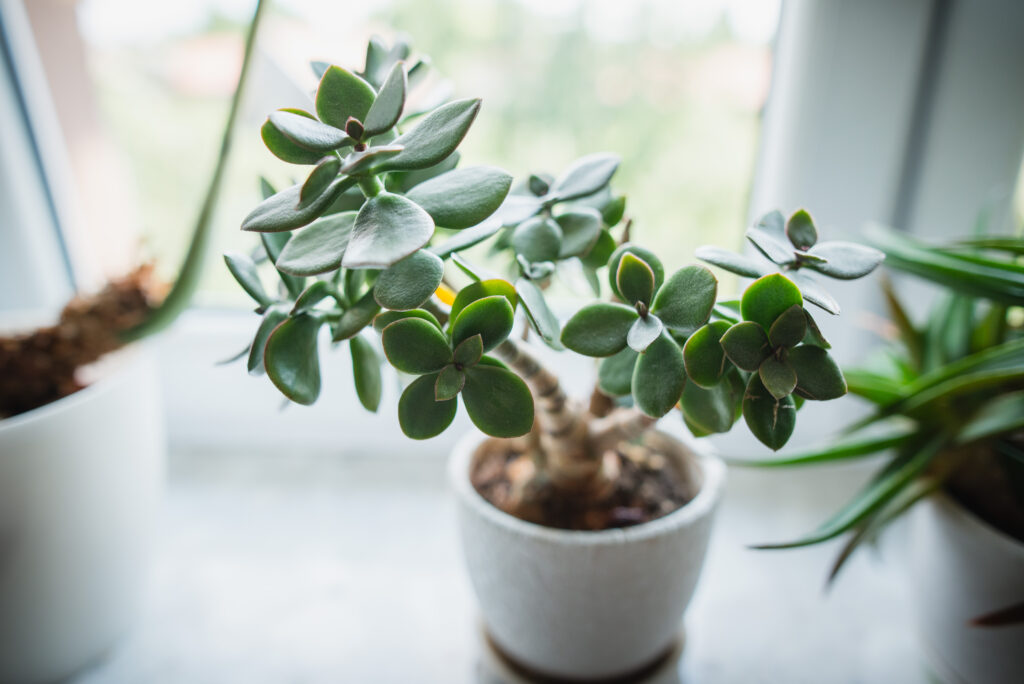
Jade plants are ideal for late winter outdoor exposure in warm climates, as they thrive in bright sunlight and moderate temperatures. This plant has thick, fleshy leaves that store water, making it drought-tolerant and resilient. When moving your Jade plant outside, place it in a spot where it will get at least six hours of sunlight each day. Be sure to water it only when the soil is completely dry.
Because Jade plants prefer dry conditions, they should be kept in well-draining soil to avoid root rot. If temperatures drop during the night, consider moving the plant indoors to protect it from any sudden cold. In the right conditions, Jade plants grow beautifully and can live for many years.
ZZ Plant (Zamioculcas zamiifolia)
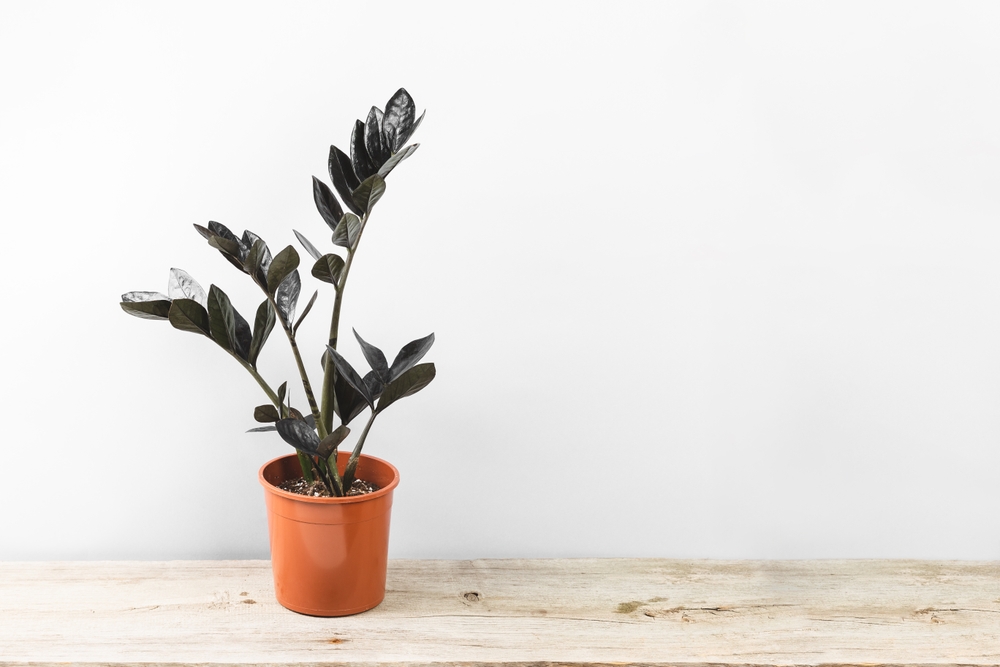
The ZZ plant is known for its resilience and can handle outdoor conditions in late winter, especially in warm regions. It can tolerate a variety of light levels and temperatures, but it prefers moderate sunlight. When moving a ZZ plant outdoors, place it in a shaded spot to protect it from harsh sunlight. Water it only when the soil feels dry, as it is resistant to drought.
ZZ plants are easy to care for, making them perfect for beginners. However, be mindful of extreme cold or strong winds, as they can stress the plant. With the right care, the ZZ plant will thrive outdoors and continue to grow in a healthy, vibrant manner.
Cactus
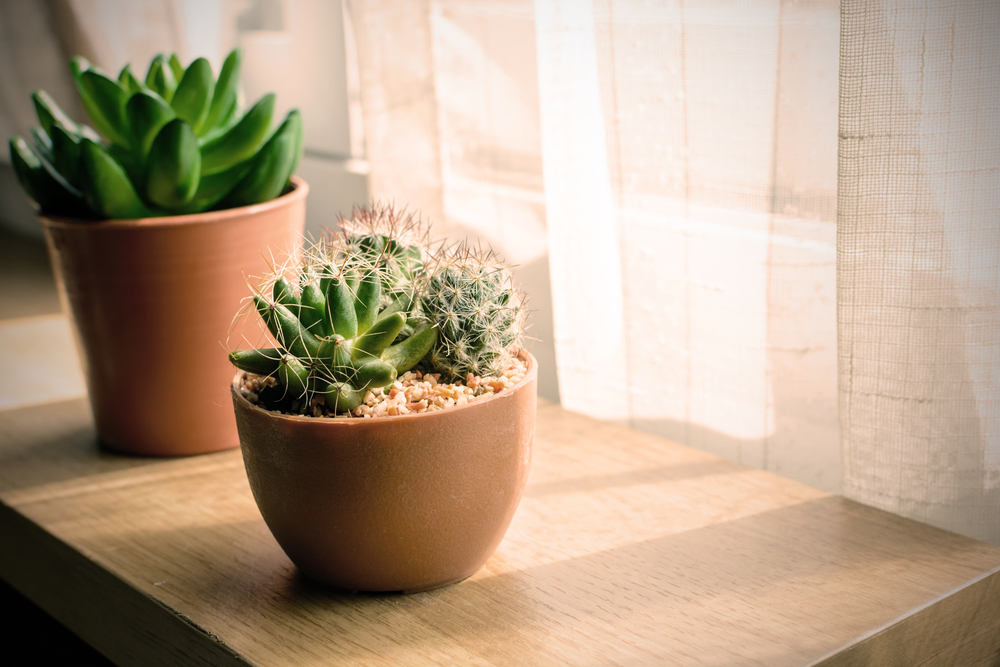
Cacti are ideal for late winter outdoor exposure in warm areas, as they are well-suited to dry, sunny conditions. These hardy plants love full sunlight and minimal moisture, making them perfect for outdoor conditions during late winter. Place them in a spot where they will receive plenty of direct sunlight, and only water them sparingly, as they store water in their thick stems.
Cacti prefer well-draining soil to prevent root rot and should be placed in a location where they will not sit in water. If temperatures dip at night, move the cactus back indoors to keep it protected. These low-maintenance plants are great for those who want to add some greenery to their outdoor space.
Peace Lily
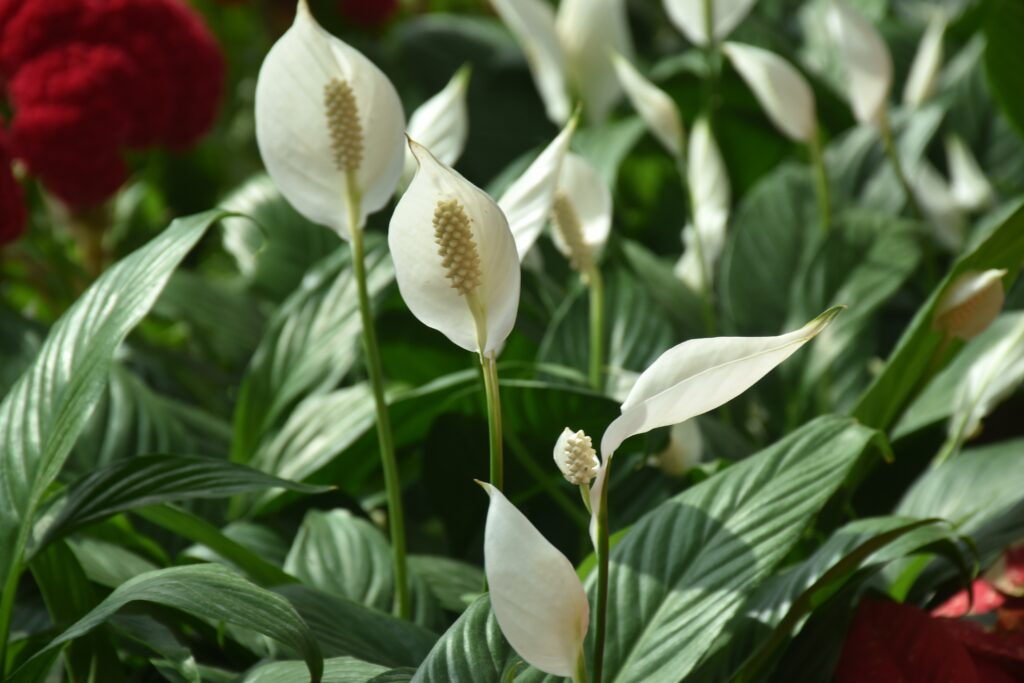
Peace Lilies can be moved outdoors in late winter, especially in warm areas with moderate sunlight. They thrive in indirect light and enjoy a slightly humid environment, which makes outdoor exposure ideal. Keep the plant in a sheltered spot and water it regularly to keep the soil moist. It’s important not to overwater, as this can lead to root rot.
Although Peace Lilies enjoy mild temperatures, they should be protected from strong winds or frost. Gradually acclimate the plant to the outdoors, increasing exposure over a few days. With the right care, Peace Lilies will bloom beautifully and add a peaceful, elegant touch to any garden.
Ficus Tree
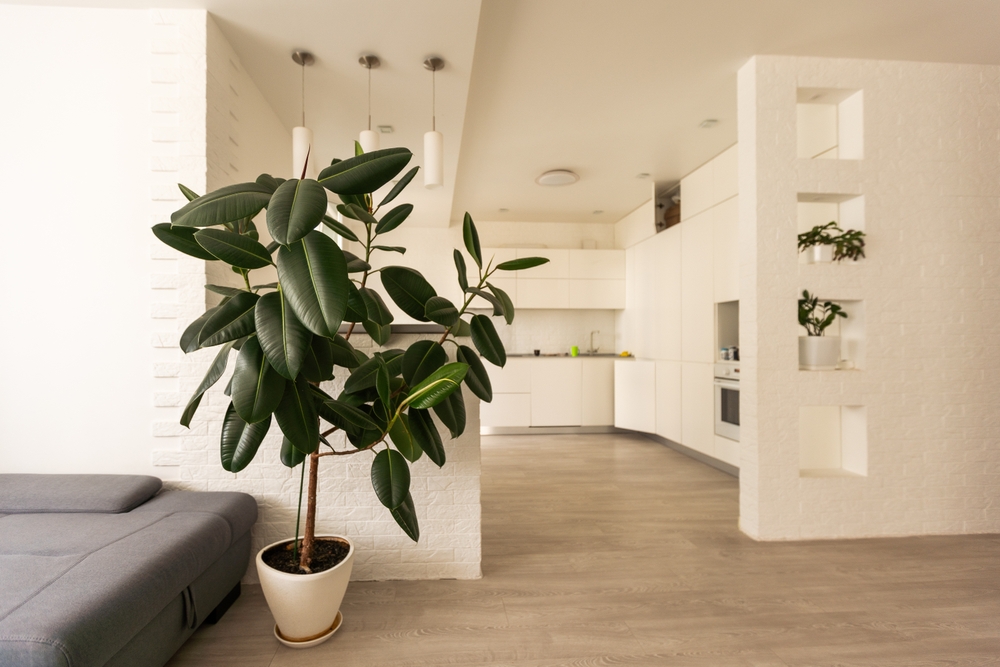
Ficus trees can tolerate outdoor exposure in late winter, especially in regions with mild temperatures. These trees need moderate sunlight, so place them in a spot where they can receive indirect light. Water them regularly, but make sure the soil is allowed to dry slightly between waterings. Ficus trees should be sheltered from strong winds to prevent damage to their leaves.
If temperatures drop at night, it’s best to bring the Ficus tree indoors or provide it with extra protection. The tree can be placed in larger outdoor spaces where it can grow tall and strong. With consistent care, Ficus trees adapt well to outdoor living conditions and will thrive.
Ferns (Boston Fern)
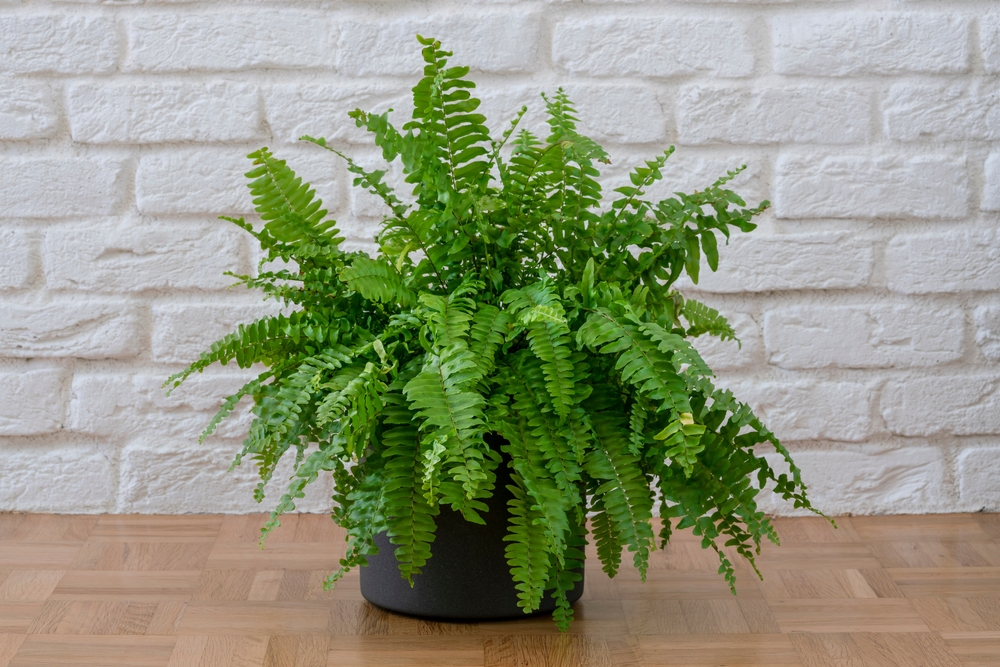
Boston ferns can be moved outdoors in late winter, especially in warm climates, where they enjoy the mild outdoor temperatures. These ferns thrive in indirect sunlight and prefer humid conditions, making them perfect for sheltered spots outdoors. Water them regularly to maintain moisture levels in the soil, but avoid letting them sit in water.
Ferns should be placed in a shaded spot to protect their delicate fronds from direct sunlight, which can cause them to burn. Keep an eye on their moisture levels, as ferns love humidity. They can be a great addition to shaded outdoor areas, providing lush green coverage throughout the year.
Coleus
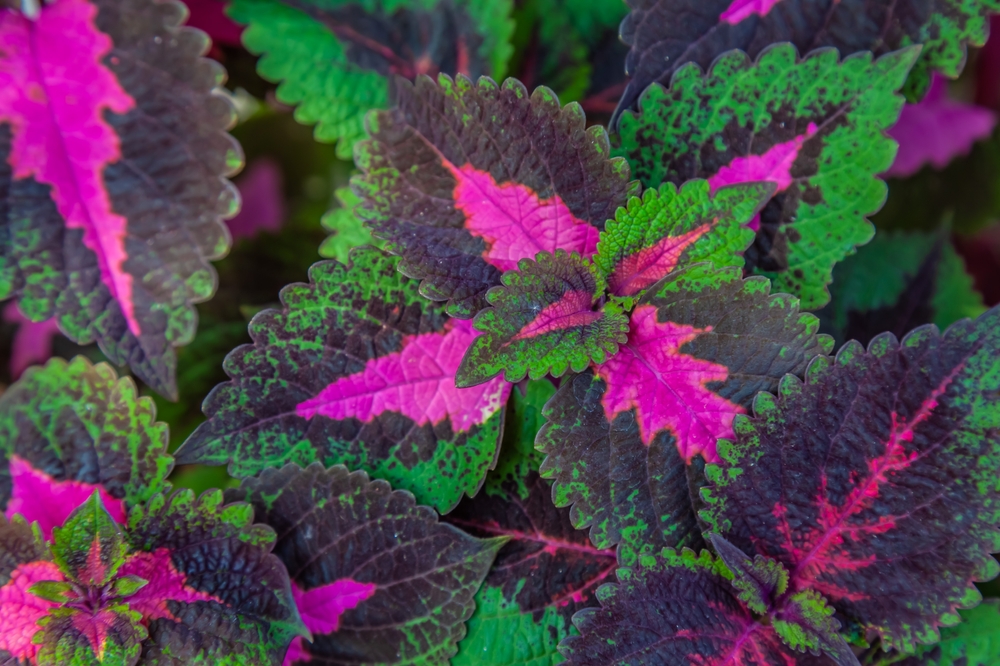
Coleus plants are perfect for outdoor exposure in late winter in warm areas, as they enjoy indirect sunlight and mild temperatures. These plants have colorful, vibrant leaves that add a pop of color to any outdoor space. When moving Coleus outside, place them in a shaded area to protect them from direct afternoon sunlight. Water the plant regularly to keep the soil moist but not soggy.
These plants should be protected from strong winds and heavy rain, which can damage their delicate leaves. If temperatures dip during the night, it is best to bring them inside to avoid any cold stress. With proper care, Coleus plants will thrive outdoors and continue to add beauty to your garden.
Geraniums
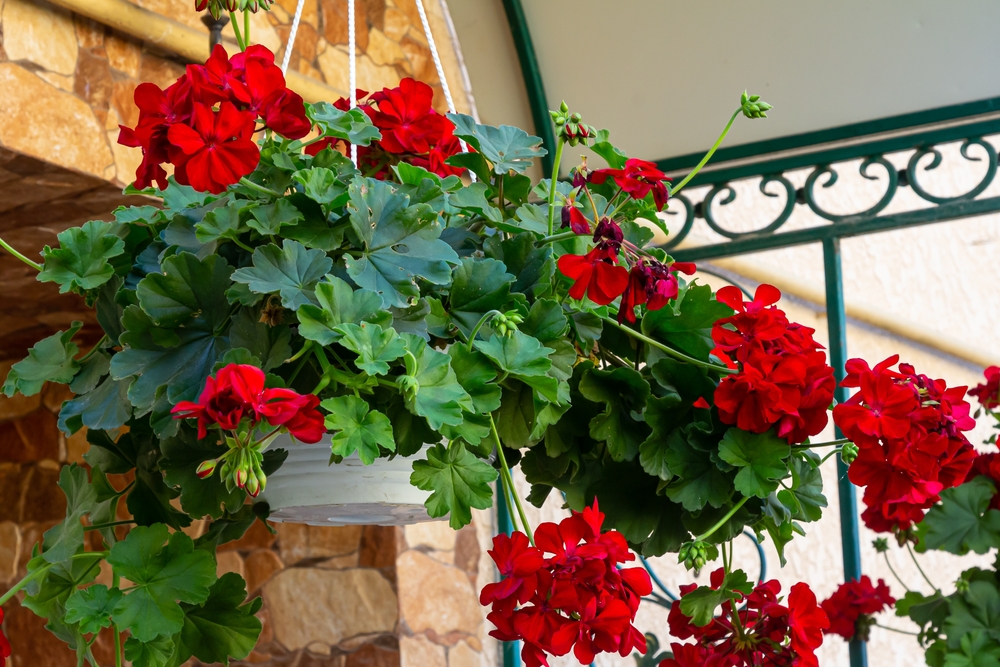
Geraniums are ideal for outdoor exposure in warm areas during late winter, as they enjoy moderate temperatures and indirect sunlight. These plants thrive in well-draining soil, and they should be watered regularly but not overwatered. When moving them outdoors, choose a sunny spot where they can get at least four hours of indirect light each day.
Although geraniums are resilient, they should be brought indoors if the temperature drops significantly. Protect them from heavy rain and cold winds by placing them in a sheltered area. With the right care, your geraniums will bloom beautifully and add vibrant color to your outdoor space.
Succulents
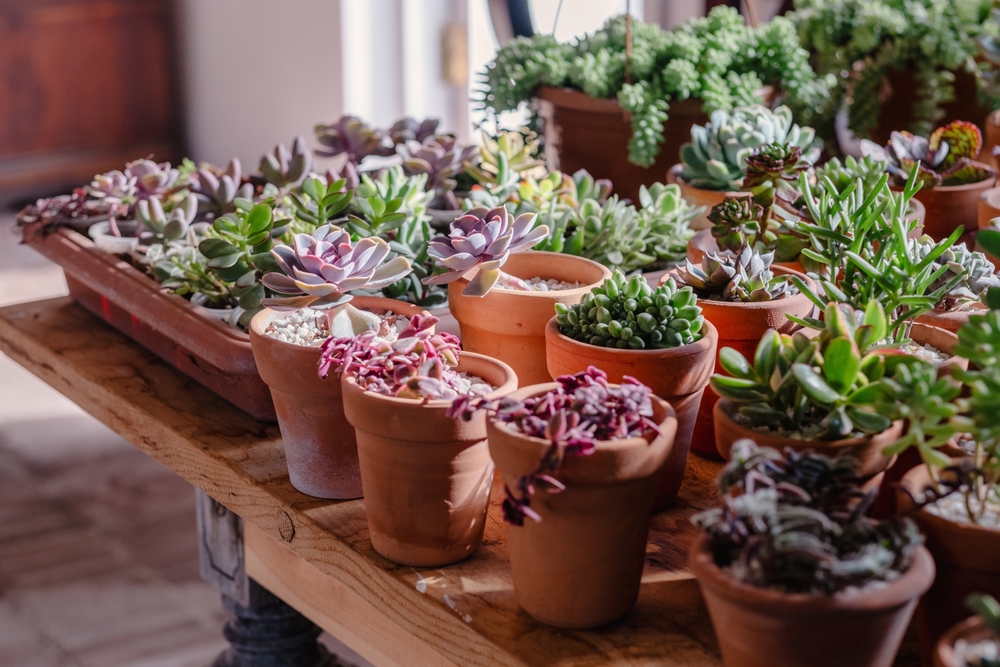
Succulents are ideal candidates for late winter outdoor exposure in warmer climates, as they thrive in dry conditions and full sunlight. These hardy plants store water in their leaves, which makes them drought-resistant. When moving succulents outdoors, place them in a location where they can receive plenty of sunlight and avoid areas that collect excess moisture.
Water succulents sparingly, as they prefer dry soil and do not need frequent watering. Overwatering can lead to root rot, so be sure the soil dries out between waterings. These plants are easy to care for and will flourish when moved outdoors during the late winter months.
Lemon Tree
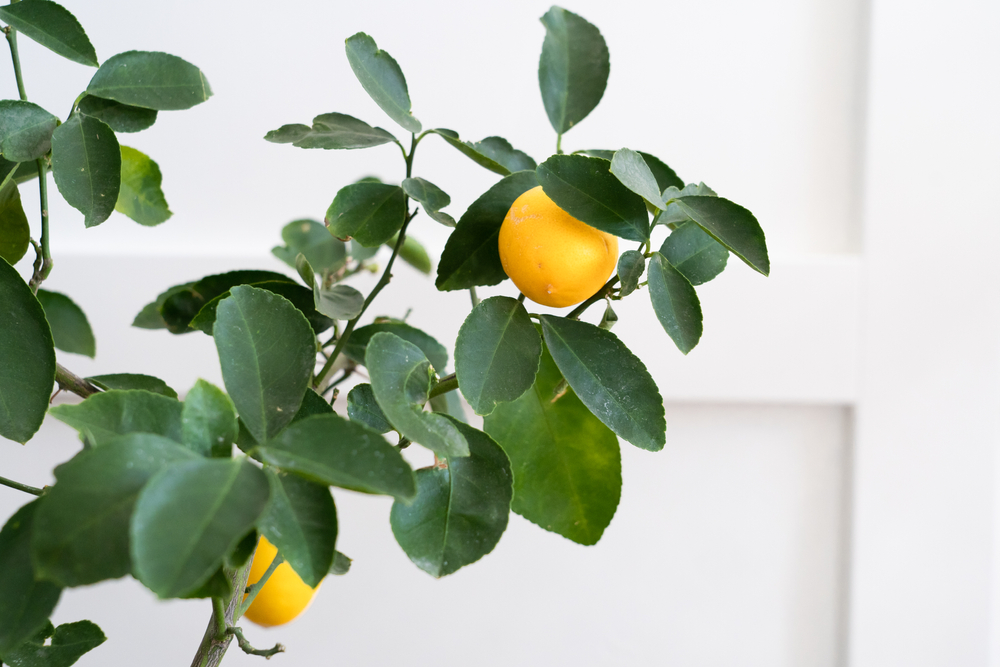
Lemon trees thrive in outdoor conditions, especially when placed in mild areas during late winter. These trees require full sunlight to grow properly and should be planted in well-draining soil. When moving your lemon tree outside, ensure it receives at least six hours of sunlight each day and water it regularly to keep the soil moist but not soggy.
Lemon trees are sensitive to frost, so be sure to bring them inside if temperatures dip below freezing. If you live in a region with cooler nights, it’s best to protect your lemon tree from the cold. With proper care, it will thrive and may even produce fruit in the warmer months.
Pothos
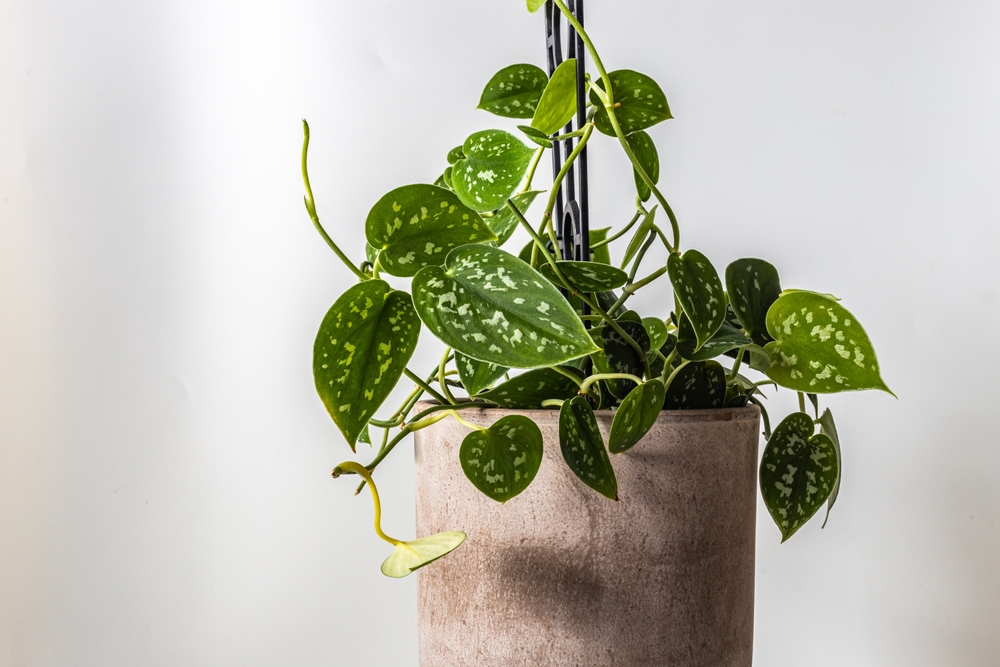
Pothos is a resilient and low-maintenance plant that can be moved outdoors during late winter in warm areas. This plant thrives in moderate temperatures and indirect sunlight, so make sure it is placed in a shaded or partially shaded area. Pothos should be watered regularly but allowed to dry slightly between waterings. This plant does well in a variety of conditions, making it easy to care for when moved outdoors.
While Pothos is relatively drought-tolerant, it’s important to monitor its watering needs when outdoors. Avoid placing it in direct sunlight for too long, as this can cause the leaves to burn. With the right care, Pothos will thrive in outdoor spaces and continue to grow healthily.
African Violet
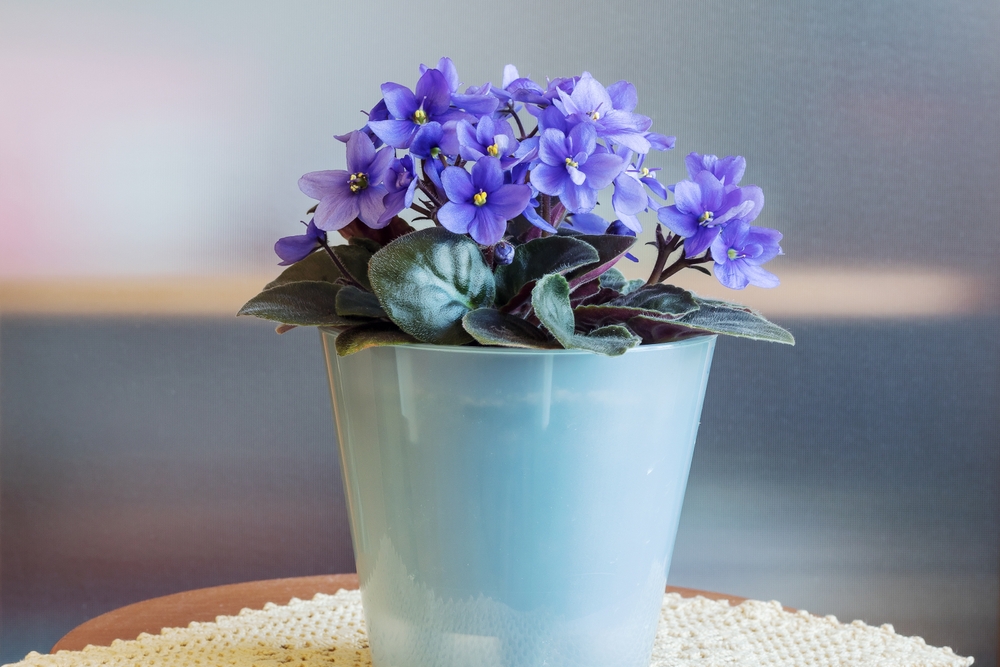
African Violets can be moved outdoors in warm regions during late winter, but they should be placed in a shaded area to avoid direct sunlight. These plants thrive in mild temperatures and need consistent moisture in the soil. When caring for African Violets outdoors, water them regularly to keep the soil moist, but be careful not to let them sit in water.
These plants are sensitive to temperature changes, so it’s best to bring them inside if the temperature drops suddenly. They thrive in humid conditions, so placing them outdoors can help them flourish in the right environment. With proper care, African Violets will bloom beautifully and grow strong.
Begonias
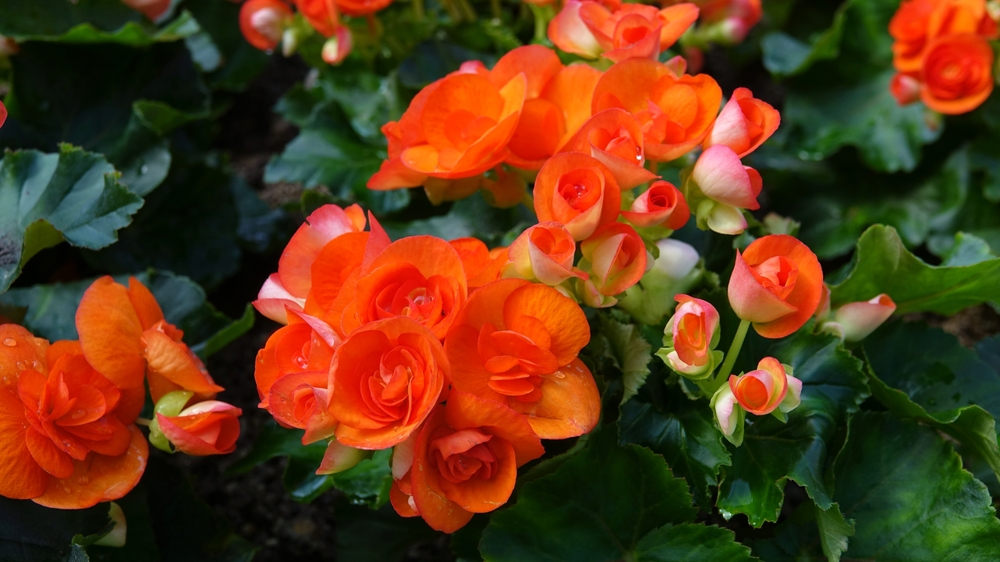
Begonias are a great choice for outdoor exposure in warm areas during late winter. They prefer moderate sunlight and well-draining soil, making them perfect for outdoor environments. When moving begonias outdoors, place them in a sheltered spot where they can receive indirect sunlight. Keep the soil moist, but avoid letting them sit in standing water, as this can cause root rot.
Begonias need to be protected from extreme cold, so if temperatures drop, it is best to bring them inside. These plants will thrive in slightly cooler temperatures and bloom beautifully with the right care. Regular watering and a sheltered location will help your begonias grow and flourish in their new outdoor setting.
This article originally appeared on Avocadu.