
15 Rare Pokémon Collectibles That Are Not Trading Cards
Rare Pokémon collectibles that are not trading cards can include figures, plush toys, posters, pins, and even vintage toys from early promotions. These items often come from limited runs, special events, or short-lived product lines that many fans missed when they first came out. Because they carry artwork, characters, and designs from specific eras, they can hold real nostalgic and monetary value. Collectors look for items that are hard to replace, especially when they still have original packaging or tags.
This post may contain affiliate links, which helps keep this content free. Please read our disclosure for more info.
Nintendo Pocket Pikachu Pedometer 1998
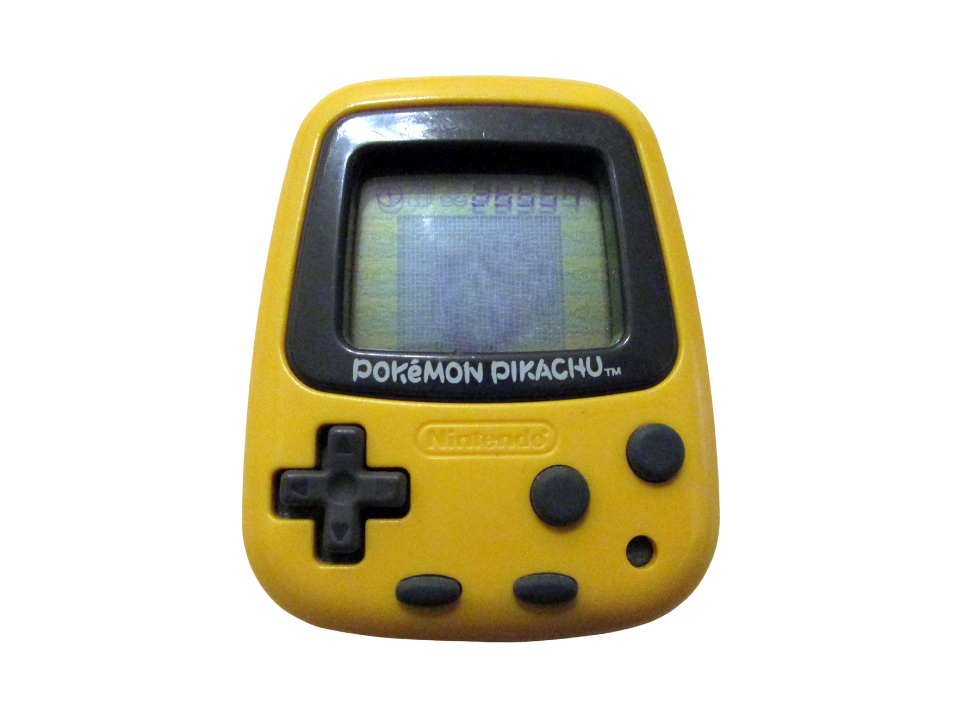
Among early Pokémon gadgets, the Nintendo Pocket Pikachu pedometer from 1998 stands out as a playful mix of virtual pet and step counter from Nintendo. This tiny yellow device counts your steps and rewards a digital Pikachu with watts, and it first appeared right in the middle of the late 1990s boom. Working examples without the box often range around $40 to $80, while sealed or very clean units can reach close to $200. Many fans like it because it feels fun to use and captures the mood of that first big wave of Pokémon interest.
Collectors today usually pay close attention to Pocket Pikachu units that still have crisp screens and responsive buttons. Packaging, inserts, and matching battery door pieces can raise the price and make the set more appealing. Some fans display the device alongside early Game Boy systems and the first Pokémon games to build a small themed corner. For people who remember walking around with one clipped to a belt or pocket, this item becomes a strong nostalgia piece.
Pokémon Pikachu 2 GS Virtual Pet 2000
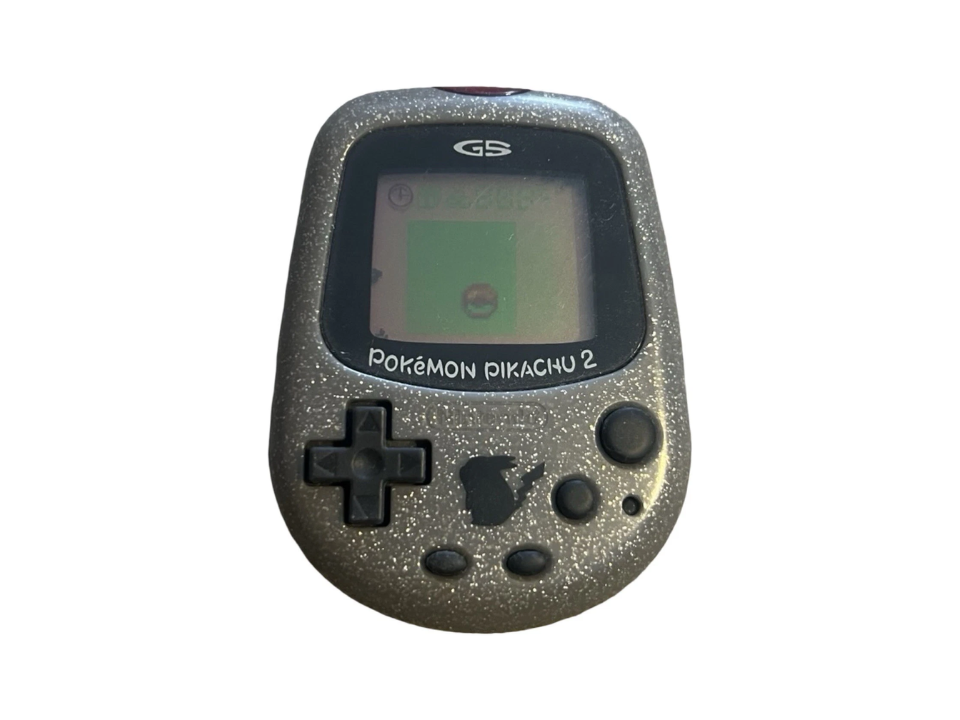
From the early 2000s, Pokémon Pikachu 2 GS arrived as an upgraded step counter and virtual pet that could link with Game Boy Color titles such as Gold and Silver. This version added infrared features so players could send watts into their games, which makes it a fun crossover item between hardware and software. Most working units fall around $70 to $150, depending on condition and the presence of the original box. Collectors like that it bridges handheld accessories and the main series games in a single toy.
Fans who shop for Pikachu 2 GS often look for clean shells, readable logos, and screens without heavy scratches. A unit that still has clear buttons and a fresh battery tends to stand out for those who want to interact with it, not just display it. Some collectors group it with other step counters from the same era to show how fitness themed gadgets looked at the time. Because it is tied to Gold and Silver, it sits nicely beside merchandise from the second generation.
Game Boy Light Pokémon Center Tokyo Pikachu Edition 1999
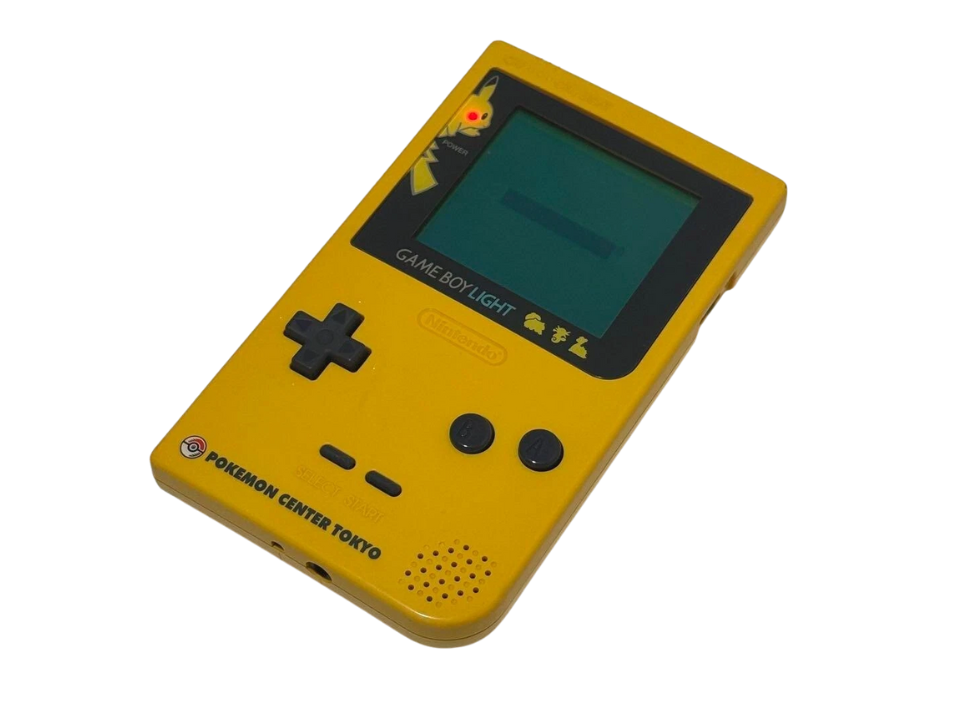
Within the world of Pokémon themed consoles, the Game Boy Light Pokémon Center Tokyo Pikachu edition from 1999 is one of the most famous. Nintendo produced this yellow backlit handheld with a Pikachu design and sold it only at the original Pokémon Center Tokyo during a limited period. Estimates suggest that around 1000 units were made, which explains why clean sets are scarce today. Worn loose systems may sit near $700, while boxed and very clean examples can move into the $2000 range or more.
Condition of this Game Boy Light matters a great deal for collectors who prize it as a display piece. Many buyers look for clear screens, a working backlight, and original Pokémon Center logos on the shell and packaging. Matching serial numbers, inserts, and manuals add to the appeal and can lift the price. When displayed with Pokémon Yellow and early movie items, this console often becomes the highlight of a shelf.
Pokémon Center Tokyo Opening Phone Card Set 1998
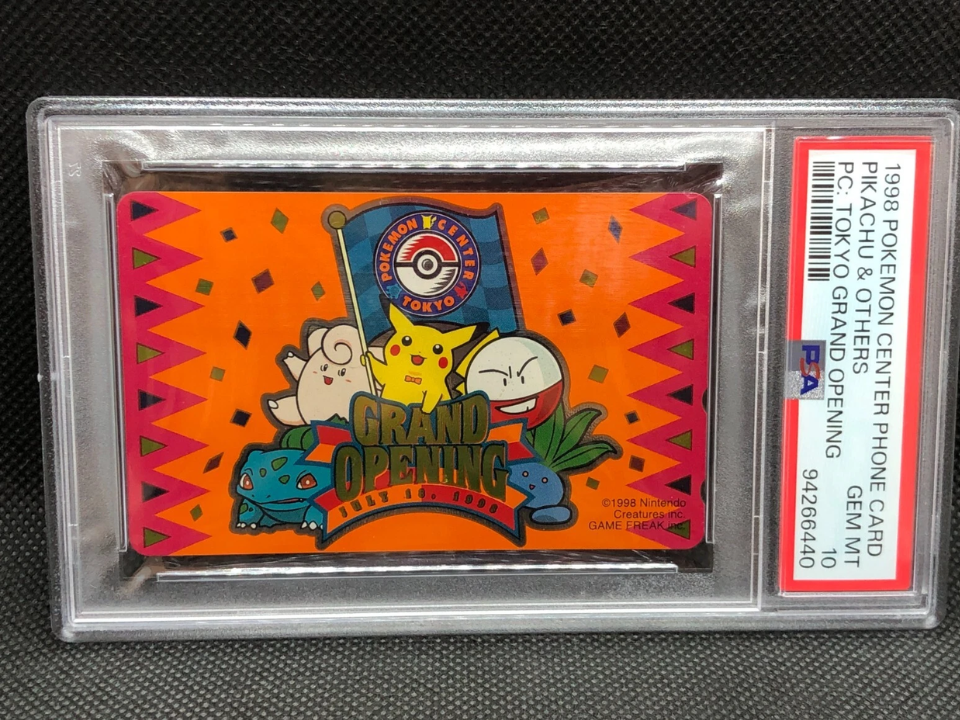
From the opening of the first Pokémon Center in Tokyo, a special phone card set from 1998 has grown into a sought after non card collectible. These Japanese phone cards carry artwork tied to the launch of the store and were sold as commemorative items rather than mass market goods. Unused sets in clean packaging can reach into the high hundreds of dollars, with some reported in the $1000 range. The fact that many phone cards were used and thrown away makes unused ones especially rare.
Collectors who focus on early Japanese merchandise often prefer sets that remain sealed or at least show untouched card surfaces. Outer cases, sleeves, and any paper inserts tied to the opening help the set feel complete. Some fans display the cards in frames alongside photos or brochures from Pokémon Centers. For people interested in the earliest days of official stores, this set feels like a direct link to that moment.
Tomica ANA Pokémon Jet Diecast Model
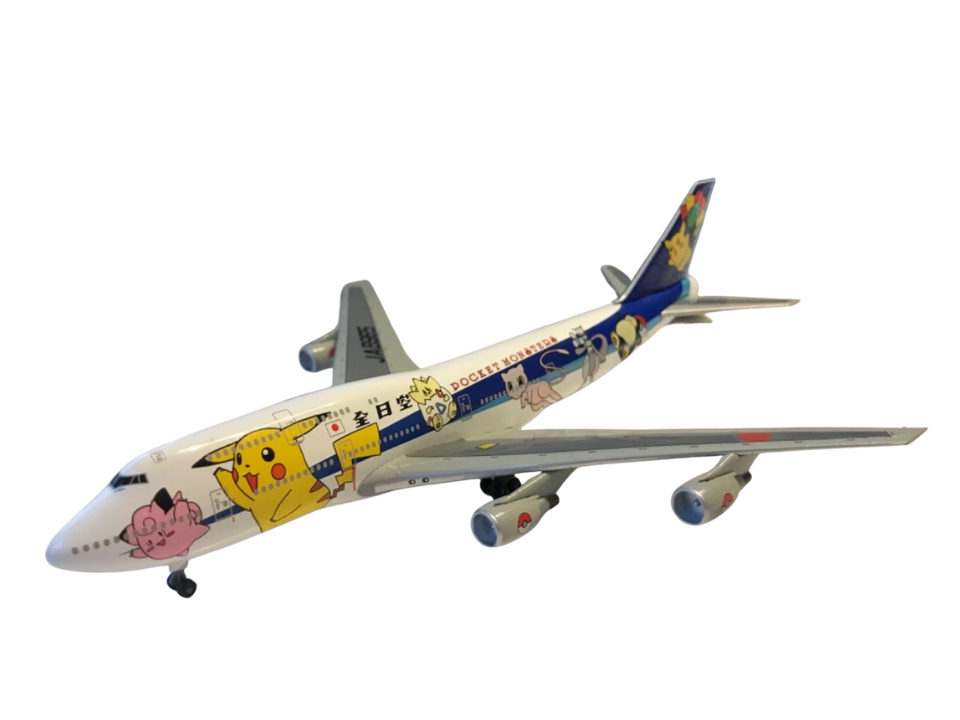
On the aviation side of the hobby, the Tomica ANA Pokémon Jet diecast model blends airline history and character art in one small toy. Takara Tomy created this miniature plane to match All Nippon Airways jets that carried Pokémon art across the fuselage. Values often sit around $150 to $200 when the toy and box both remain in nice shape. Many of the original toys were played with heavily, so clean boxed examples command more attention.
Collectors of Tomica models tend to inspect paint lines, logos, and landing gear to judge how well a plane will display. When box flaps, inner trays, and instruction slips remain intact, the whole package feels closer to how it looked on store shelves. Some fans place this plane next to flight tickets and photos of real ANA jets for a themed display. Since it crosses both Pokémon and airline collecting, it appeals to more than one audience.
Hasbro Deluxe Fat Pikachu Plush 1998
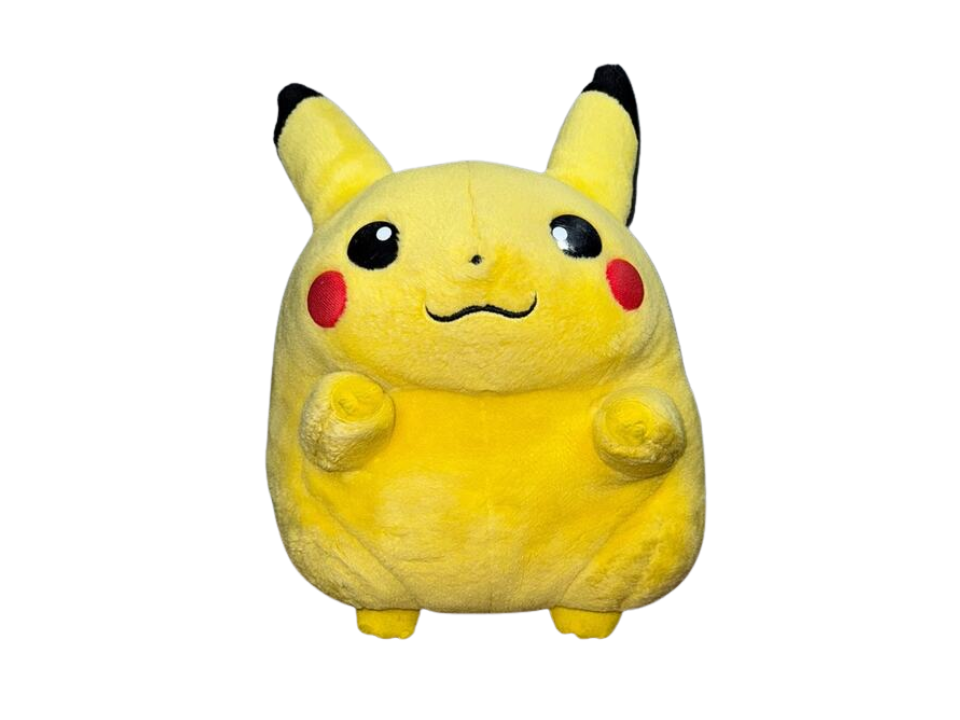
Among early plush toys, the large Hasbro Pikachu from 1998, often called the fat Pikachu, holds a special place for many collectors. This roughly 16 inch plush shows an older, rounder Pikachu style that fans connect with the first years of the show and games. Used examples with tags can sit around $80, while very clean tagged versions can reach or pass $100. People enjoy how this design reflects a specific era of character artwork.
Condition for this plush is judged by fabric wear, seams, and the state of the tush and hang tags. A Pikachu that still has bright color, no major stains, and full stuffing will look much better on a shelf. Some collectors arrange this plush with other early figures to highlight how designs changed over time. For families who remember this shape from childhood, the toy gives a strong nostalgic pull.
Hasbro Gengar Plush 1998
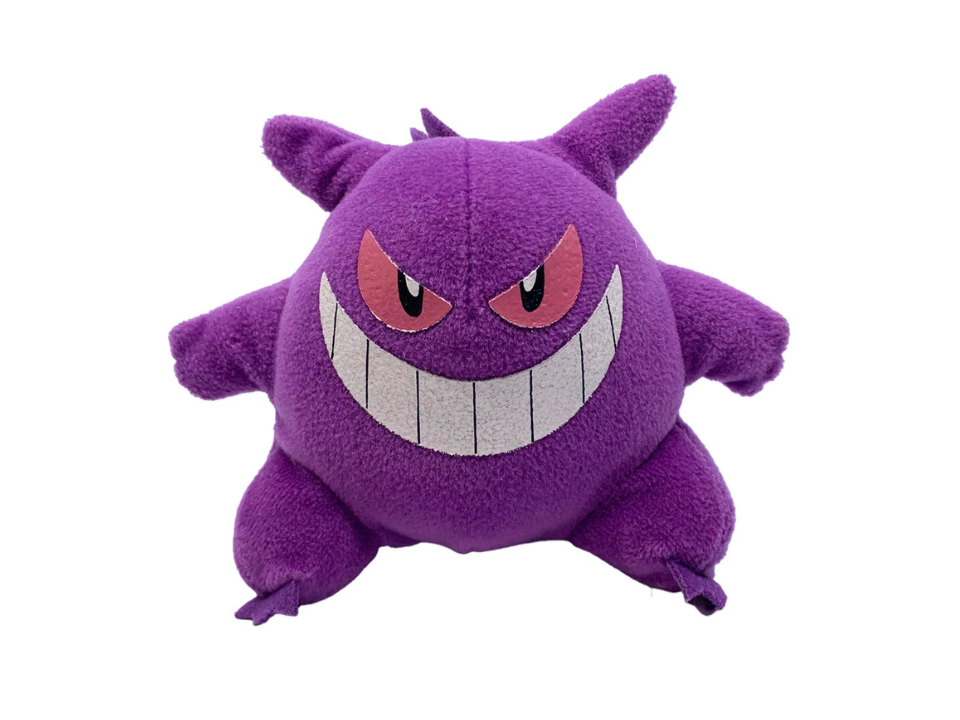
From the same period, the 1998 Hasbro Gengar plush has grown into a small favorite among fans of ghost type Pokémon. This toy, produced under the Hasbro and Nintendo partnership, shows Gengar with a simple, chunky look that fits the late 1990s style. Typical prices for tagged examples often fall near $30, though very clean ones can move higher. Collectors like that it represents one of the original 151 in plush form from an early licensed line.
Plush collectors pay close attention to color fading, worn stitching, and tag condition when they evaluate a Gengar. A plush that still has firm stuffing and original tags tends to stand out next to more modern designs. Some fans work to complete full early Hasbro runs, making each character a needed piece in a set. Gengar in particular brings strong character energy, so it often gets a front row spot on display.
Tomy MonColle Early Teppouo Figure 1997
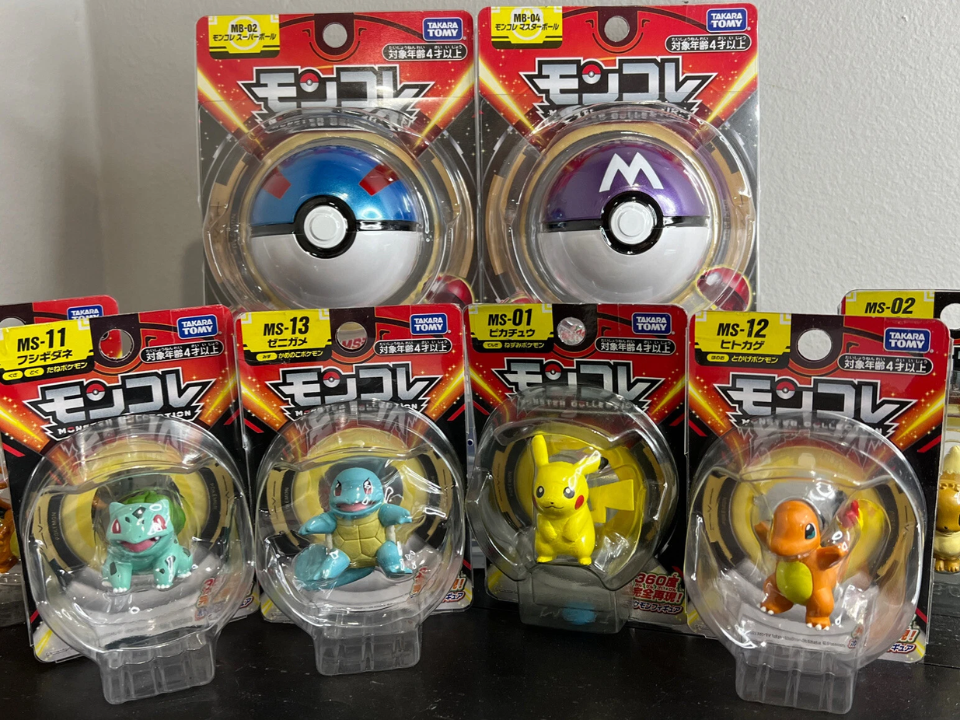
In the world of small PVC toys, the Tomy MonColle figure line from the late 1990s gives collectors many tiny treasures. One example is the 1997 Teppouo figure, an early piece that shows how first generation designs were turned into palm sized toys. A clean original figure can sell around $70 when paint and markings are still in good shape. Many of these toys saw rough play, so survivors without heavy wear are less common.
MonColle fans often chase specific waves that match game and show releases, so early figures carry extra interest. A Teppouo with strong color and crisp details looks great in a small display case or on a tiered stand with other water types. Because the toys are small, it is easy to build a crowded shelf that feels like a miniature collection of in game sprites. People who remember buying these in blister packs or blind style packaging often enjoy rebuilding those childhood lineups.
PokePark Wii Pikachu Plush 23 cm
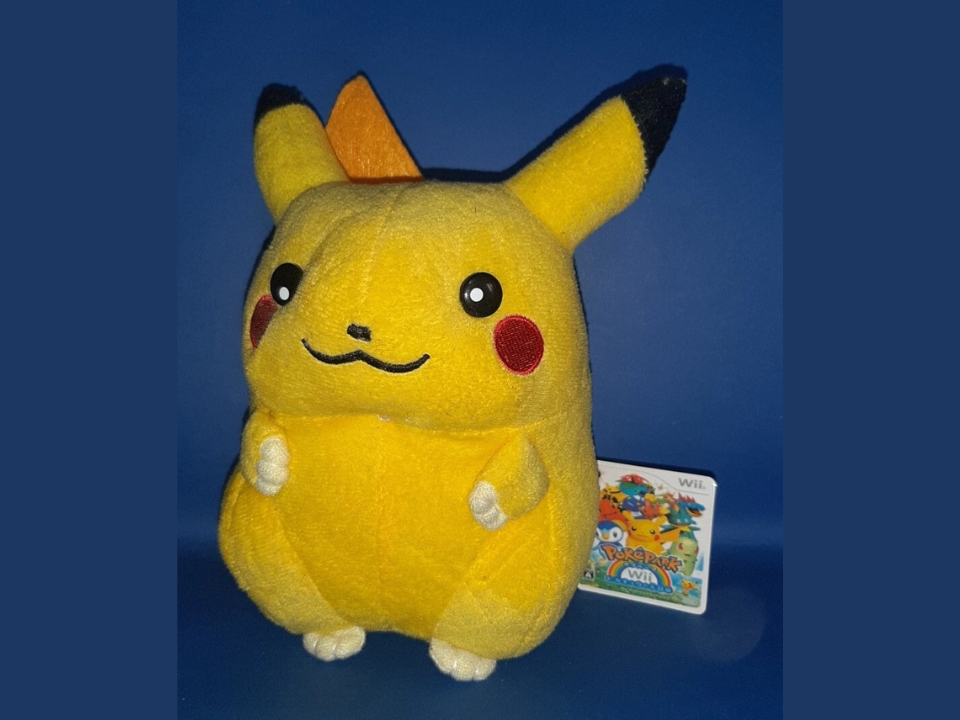
Linked to the PokePark Wii video game, a 23 centimeter Pikachu plush released under the Nintendo brand has become a neat mid sized collectible. This plush reflects the look of Pikachu used in game art and promotions, so it instantly reminds fans of that title. Typical prices for used but clean examples sit around $30, with higher amounts for new tagged versions. Game collectors enjoy pairing it with boxed copies of PokePark Wii.
Buyers who search for this plush usually look for bright fabric, solid stitching, and clear tags. A well kept piece fits nicely in a game room where it can sit near Wii hardware or other Pokémon themed accessories. Because it belongs to a specific game era rather than a general plush line, it gives a focused touch to a display. For fans who spent hours exploring PokePark on screen, this figure feels like a natural companion.
PokePark Limited Seal Sticker Set 2005
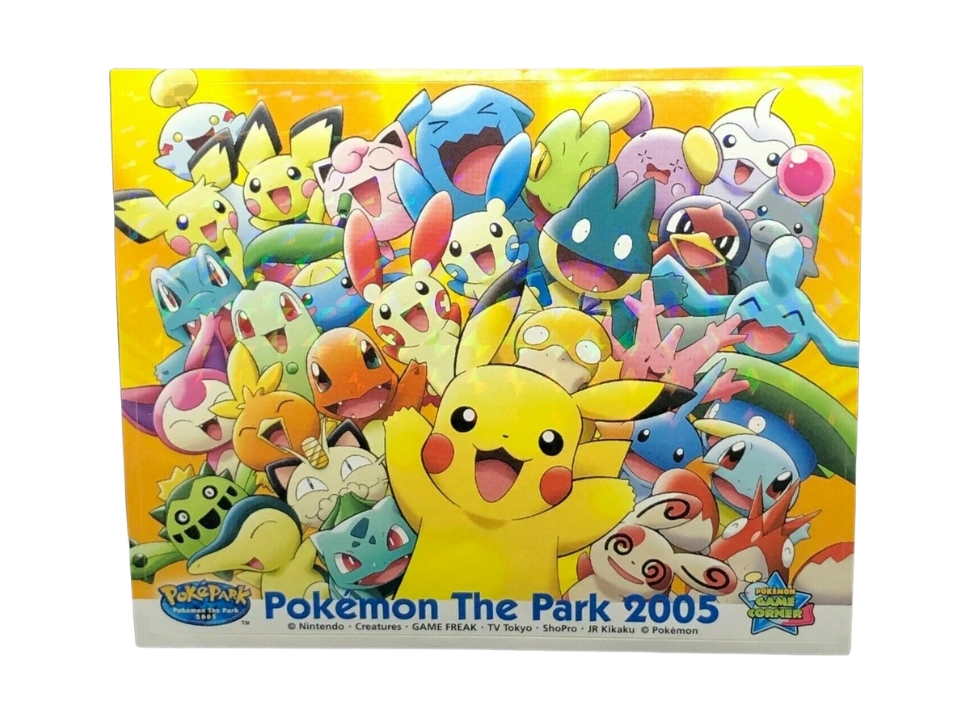
Sticker collectors and Pokémon fans intersect nicely with the PokePark limited seal sticker set from around 2005. This flat paper item includes sheets of character stickers tied to the PokePark attraction and was not widely sold outside that setting. Sealed sets can reach or cross the $100 mark when the packaging remains clean and unbent. Many fans appreciate the mix of cute art and park branding in a compact form.
Enthusiasts who buy paper goods usually slide the sheets into protective pages or top loaders right away. Because stickers are made to be peeled and used, intact sets naturally become less common with time. Some collectors mount their favorite sheet in a frame alongside park photos or small souvenirs. For people who like light, easy to store items, this set gives a lot of charm without taking much room.
Pokémon Center Tokyo DX Ninja Pikachu Plush
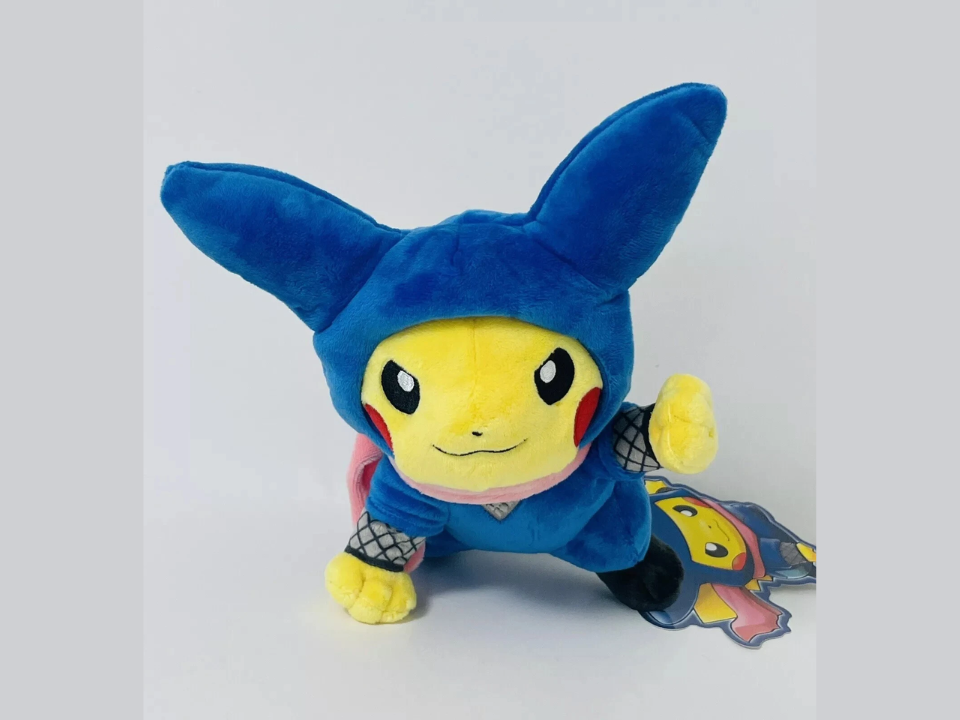
From Pokémon Center Tokyo DX, the Ninja Pikachu plush offers a playful twist on the mascot with a themed outfit. This design came as part of a line of Pikachu in various costumes and was sold through the Tokyo DX store, which keeps it regional. New examples have often been seen in the $35 to $40 range, with values rising for retired designs that are harder to find. Fans of costume Pikachu plush lines search these out to fill gaps in their collections.
Collectors tend to protect hang tags and keep any foot stickers or small labels in good shape, since these show the item’s origin. A Ninja Pikachu with clear embroidery and an unwrinkled outfit looks great on a shelf or in a glass case. Many people try to gather Pikachu from different centers, using each costume to represent a place they visited or hope to visit. This ninja version stands out thanks to its playful mask and outfit details.
Pokémon Center Limited Game Boy Advance Celebi Green
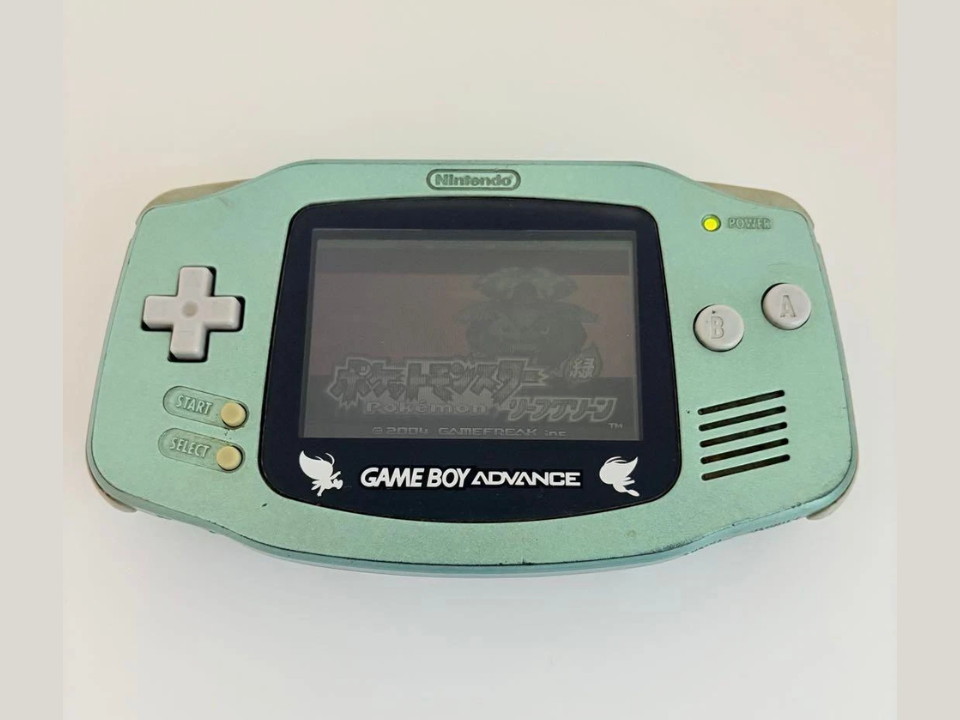
From the Game Boy Advance period, the Pokémon Center limited Celebi Green console draws attention from both hardware and Pokémon collectors. This device features a special green shell tied to Celebi and was distributed through Pokémon Center outlets rather than standard retail channels. Loose working units can fall around $180 to $190, with boxed sets and mint units going higher. The mix of system rarity and character theme helps keep interest strong.
People who buy this sort of console often look for original screens without heavy scratches and shells without big chips or cracks. A matching box, tray, and manuals can raise the desirability quite a bit. Some collectors put together small setups that include the console, a matching game cartridge, and a stand so the color shell is fully visible. Within a group of standard GBA models, this green unit quickly draws the eye.
Pokémon Snap Station Kiosk
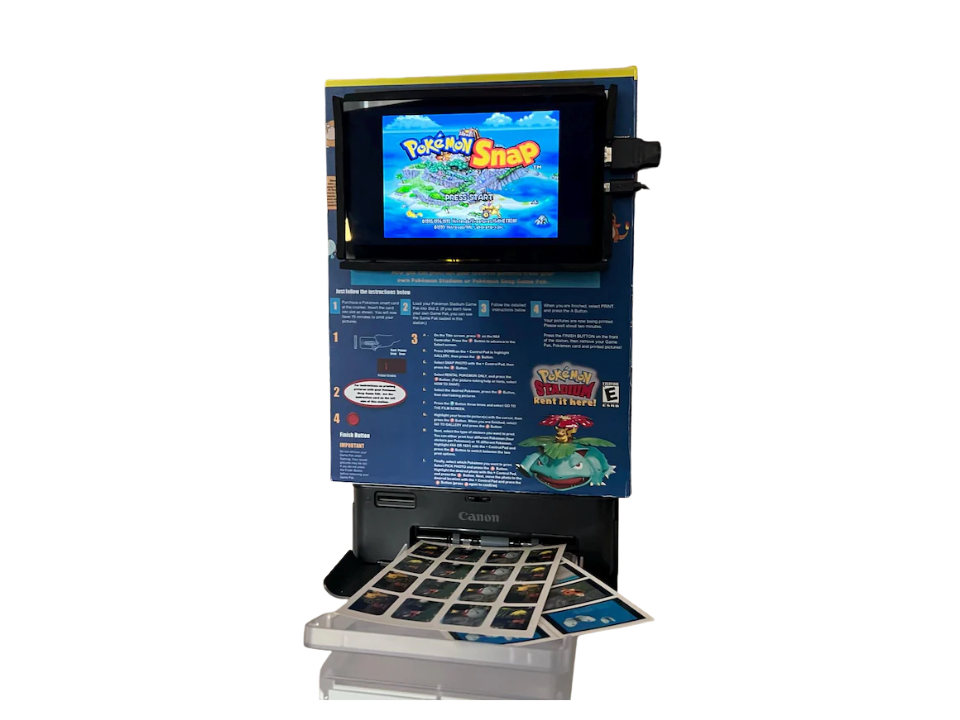
From late 1990s retail stores, the Pokémon Snap Station kiosk for Nintendo 64 stands as one of the largest Pokémon collectibles that does not involve cards. These kiosks allowed players to insert their game cartridge or memory card and print photo stickers of their in game shots from Pokémon Snap. Complete and working units often sit in the several thousand dollar range, with some sales and offers mentioned around $6000 to $7000 depending on condition. Many of the original kiosks were scrapped when store promotions ended, which adds to their rarity now.
Owners and serious buyers focus on details like original side art, intact plastic panels, working printers, and correct keys. A kiosk that still has its original signage and internal hardware feels closer to how it looked on a Blockbuster floor. Some collectors restore them and place them as centerpieces in game rooms or retro shops.
This article originally appeared on Avocadu.