
10 Dark Sky Towns in the U.S. Perfect for Late Winter Stargazing
If you’re looking for the perfect spot to stargaze during the late winter months, several U.S. towns offer incredible views of the night sky. These dark sky communities provide minimal light pollution and clear, crisp winter nights that make the stars shine brighter. Whether you’re a seasoned stargazer or simply enjoy the beauty of the cosmos, these destinations promise breathtaking celestial displays. From remote desert towns to high-altitude escapes, each location offers a unique stargazing experience that will leave you in awe of the universe above.
This post may contain affiliate links, which helps keep this content free. Please read our disclosure for more info.
Flagstaff, Arizona
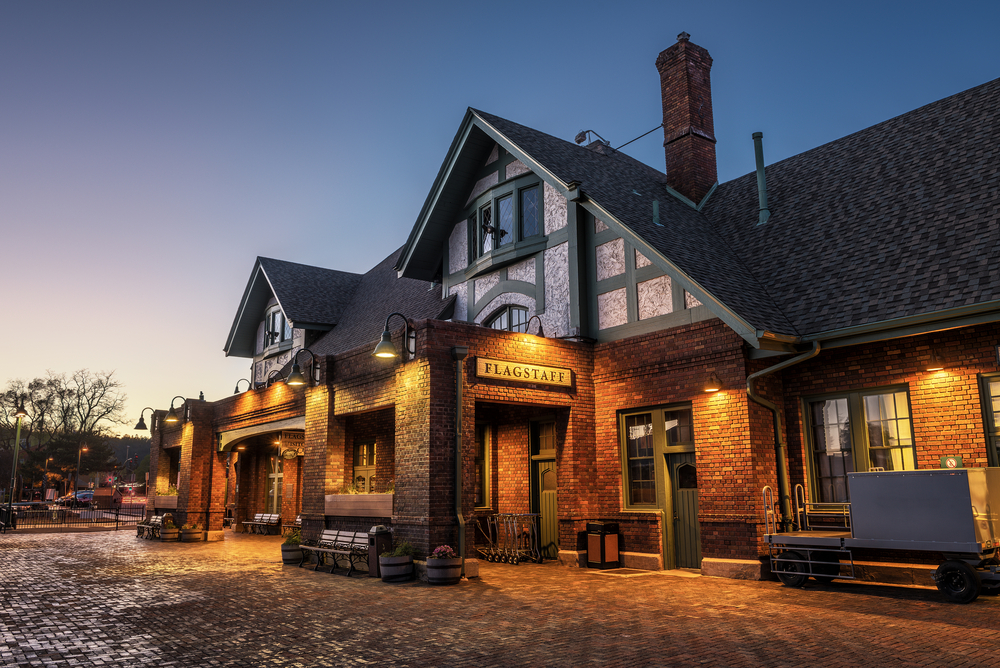
Flagstaff is one of the first communities in the United States to receive dark sky status. Its high elevation and distance from urban light pollution make it an ideal location for stargazing, especially in late winter. During this season, the air is often clear, providing crisp views of the night sky. The city has worked tirelessly to limit outdoor lighting, ensuring that visitors and locals alike can enjoy unhindered views of the stars. The surrounding forested areas further reduce artificial light, making Flagstaff a popular destination for sky watchers.
In winter, the clear, cold nights in Flagstaff allow for remarkable stargazing opportunities. With fewer distractions from the heat and haze of summer, the sky feels vast, and the constellations appear especially sharp. Local astronomy programs and events offer a chance to explore the wonders of the night sky through guided tours and telescope viewings. Whether you’re looking up from downtown or venturing into the surrounding dark zones, Flagstaff provides an unforgettable stargazing experience.
Borrego Springs, California
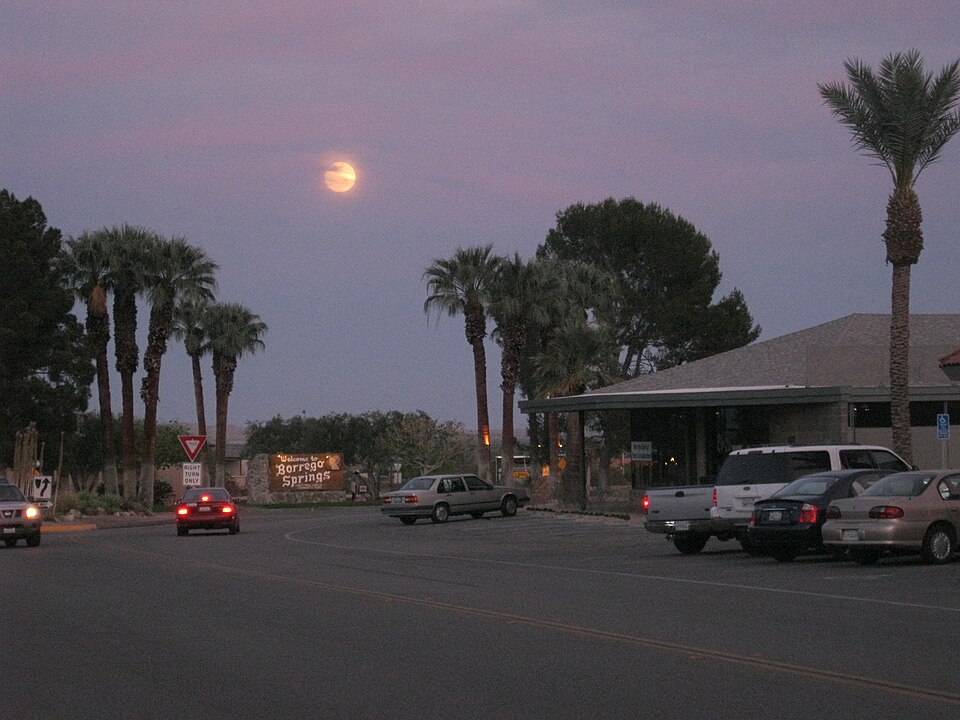
Borrego Springs is nestled in the Anza-Borrego Desert State Park and is recognized for its exceptional stargazing conditions. The area’s desert climate keeps the air dry and clear, reducing atmospheric distortions that can obscure the stars. At night, the absence of major city lights and minimal artificial illumination makes the sky feel expansive and free from the usual light pollution. This location is one of the best for late winter stargazing, as the cool air enhances visibility.
The lack of humidity in late winter creates a sharp contrast between the dark sky and the brilliant stars. Visitors to Borrego Springs can enjoy the Milky Way and other celestial wonders with incredible clarity, often aided by local star parties and astronomy events. The surrounding desert landscape offers vast, unobstructed views of the horizon, enhancing the experience of gazing up into the night. With clear skies, crisp temperatures, and a commitment to preserving natural darkness, Borrego Springs provides a stargazing experience like no other.
Sedona, Arizona
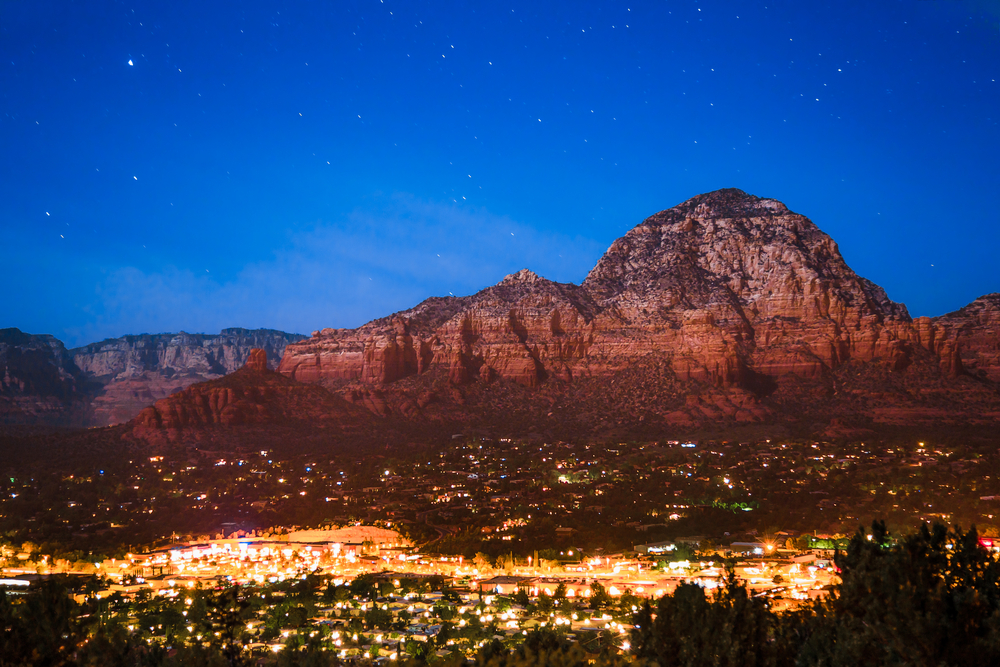
Sedona is not only known for its striking red rock formations but also for its designation as an International Dark Sky Community. Efforts to preserve the night sky have made it one of the top places in the country for stargazing. The desert air in late winter helps clear out haze, providing perfect conditions for viewing constellations, planets, and other celestial phenomena. With minimal artificial lighting, the area offers an uninterrupted view of the cosmos, especially at night.
During winter, Sedona’s high elevation and clear skies give stargazers a particularly magical view of the stars. The Milky Way stretches dramatically over the horizon, and the crisp winter air enhances the sharpness of the stars. Sedona’s dark sky efforts are supported by educational programs and stargazing tours, which help visitors make the most of their time under the stars. Whether you’re exploring the town or venturing into the surrounding wilderness, the experience of stargazing in Sedona is unparalleled.
Westcliffe and Silver Cliff, Colorado
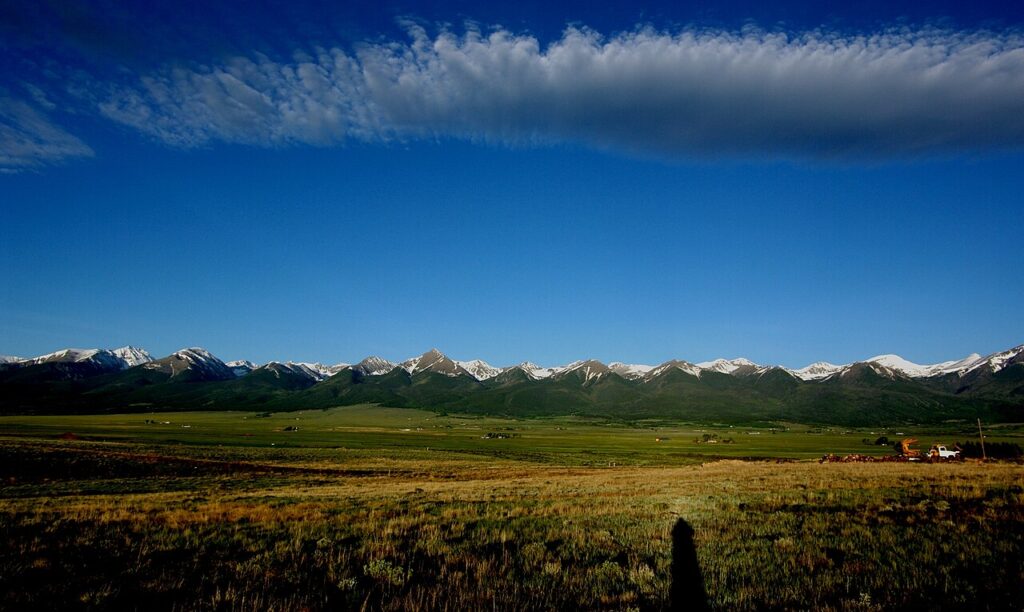
Westcliffe and Silver Cliff are small towns nestled in the Wet Mountain Valley, known for their dark skies and stunning views of the night sky. Both towns have been officially recognized as Dark Sky Communities, making them a top choice for late winter stargazing. With wide, open spaces and minimal artificial light, the area offers a perfect backdrop for observing celestial wonders. Winter months bring longer nights, and the crisp mountain air ensures the stars shine brightly without the usual distortion.
These towns’ dark sky status is due to ongoing efforts to control outdoor lighting, making them some of the best places in the country to experience the night sky. In late winter, the lack of haze and cool temperatures results in exceptional clarity, allowing even faint stars and distant planets to be visible. Visitors can often enjoy star parties and stargazing events in the area, where knowledgeable guides help point out constellations, galaxies, and nebulae. The surrounding mountainous terrain provides a unique setting for stargazing, making it an unforgettable experience for any sky enthusiast.
Homer Glen, Illinois
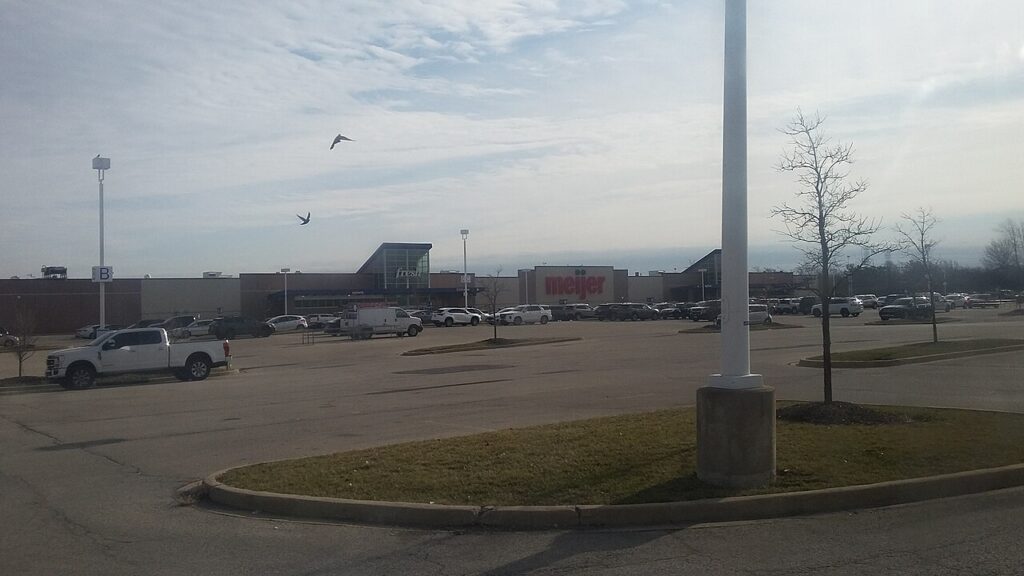
Homer Glen, located in the suburban area southwest of Chicago, is a designated Dark Sky Community. The town’s commitment to preserving its natural nighttime environment has made it a hidden gem for stargazing. While it may not have the remote setting of some other dark sky locations, Homer Glen offers a surprisingly clear view of the night sky, especially in late winter when the air is crisp and clean. The absence of significant light pollution allows residents and visitors to enjoy an unobstructed view of the stars.
The winter months are especially favorable for stargazing in Homer Glen, as the cold air and dry conditions reduce atmospheric distortion. This results in better visibility of stars and constellations that might be more difficult to see in warmer months. The town also organizes community events that promote dark sky awareness, giving people an opportunity to learn more about astronomy while enjoying the beauty of the night sky. With its clear, cold nights and dark sky efforts, Homer Glen offers a perfect setting for stargazing in late winter.
Great Sand Dunes National Park, Colorado

Great Sand Dunes National Park is one of the best places in the United States for stargazing, especially during late winter. The park’s remote location, far from urban light pollution, ensures that the night sky remains dark and clear. The cold, crisp air of winter helps to enhance visibility, allowing for detailed views of stars and planets. The expansive dunes provide a unique landscape for stargazing, where the stars feel within reach, and the sky appears boundless.
The absence of artificial light makes Great Sand Dunes an ideal spot for observing the Milky Way and other celestial wonders. In late winter, the clear skies and dry air offer optimal conditions for stargazing. The park offers ranger-led stargazing programs and events, where visitors can explore the night sky through telescopes and learn more about the universe. With its combination of stunning natural beauty and exceptional stargazing conditions, Great Sand Dunes National Park is a must-visit for any sky watcher.
Big Bend National Park, Texas
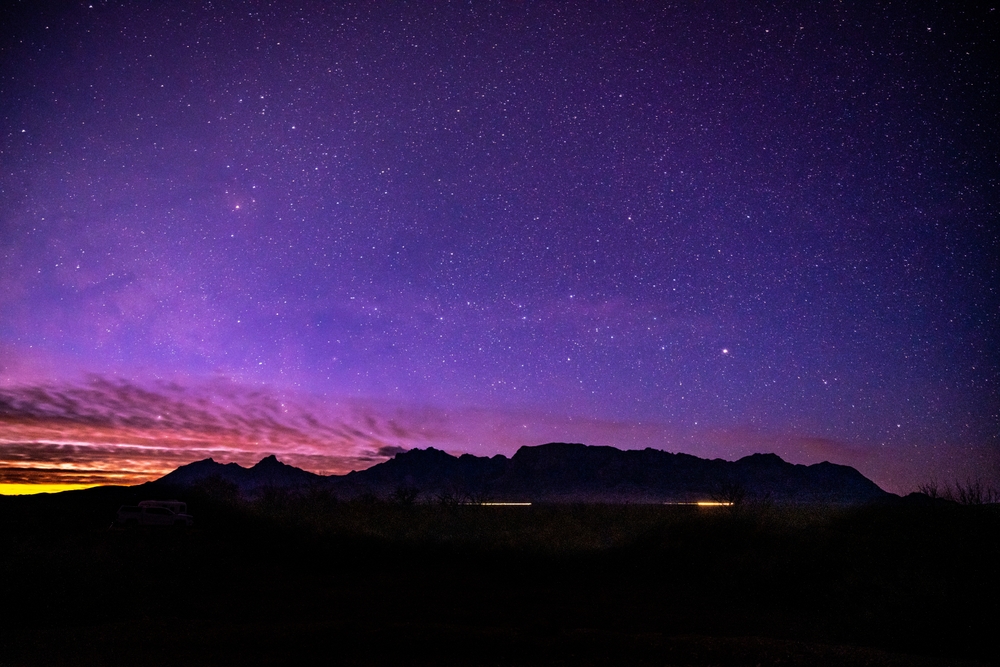
Big Bend National Park is a prime stargazing destination located in the far southwest corner of Texas, far from major cities. As a designated International Dark Sky Park, Big Bend offers some of the clearest views of the night sky in the United States. The park’s remote location means there is minimal light pollution, and the late winter months bring especially clear skies. The desert air and higher elevation provide perfect conditions for stargazing, allowing visitors to see stars and constellations with remarkable detail.
Winter stargazing at Big Bend is an unforgettable experience. The cooler temperatures and stable weather conditions result in exceptionally crisp views of the Milky Way and distant galaxies. The park regularly hosts stargazing programs, where visitors can learn about the stars and planets visible during the winter months. Whether you’re exploring the vast desert landscapes by day or gazing at the star-filled sky by night, Big Bend offers a truly awe-inspiring experience.
Bryce Canyon National Park, Utah
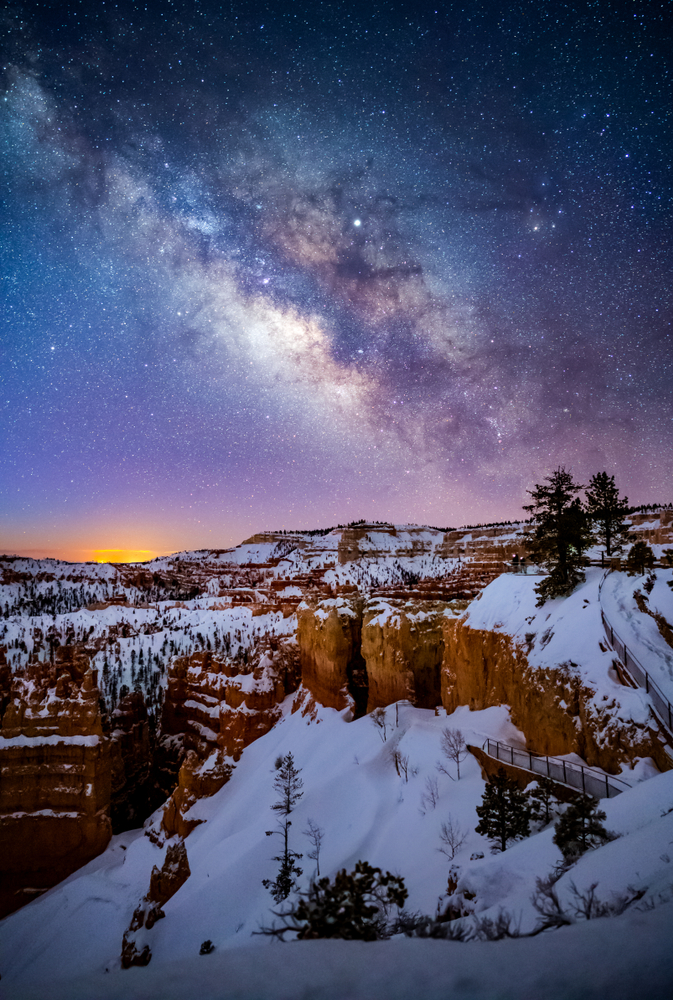
Bryce Canyon National Park is well-known for its dramatic landscapes, and it also offers some of the best stargazing in the country. As an International Dark Sky Park, Bryce Canyon has taken great efforts to reduce light pollution, making it an ideal location for observing the night sky. Late winter brings crisp, clear skies, which allow for exceptional views of the stars and planets. The high elevation of the park, combined with the dry, cold air, enhances visibility, making it one of the best places for stargazing.
In late winter, the lack of atmospheric distortion helps reveal the full beauty of the night sky. The park is far from urban centers, which ensures that light pollution is kept to a minimum. Visitors can enjoy star parties and other educational programs led by park rangers, who share their expertise about the constellations visible during the winter months. The stunning backdrop of the park’s famous hoodoos, illuminated by the starlight, makes for an unforgettable stargazing experience.
Moab, Utah
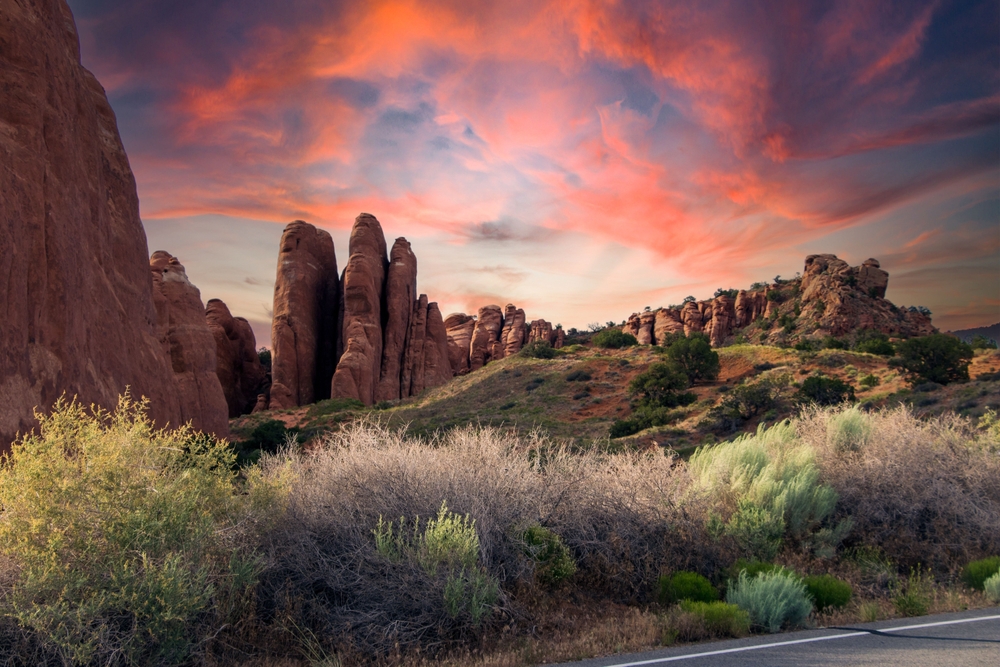
Moab is a popular destination for outdoor enthusiasts, and it’s also one of the best places in the country for stargazing. The town lies in the desert southwest, far from the light pollution of major cities, making it a prime location for dark sky viewing. Winter months, with their cooler temperatures and clearer skies, provide the perfect conditions for observing stars, planets, and other celestial phenomena. Moab is also close to Arches National Park, which provides some of the best stargazing locations in the region.
The absence of light pollution in Moab allows for incredible visibility of the night sky. Late winter’s crisp air further enhances the clarity, making constellations and deep sky objects particularly vibrant. Moab hosts stargazing events throughout the year, providing visitors with opportunities to join expert astronomers and learn more about the night sky. Whether you’re observing from the town or venturing into the nearby parks, Moab’s stargazing opportunities are unrivaled.
Lake Tahoe, California/Nevada
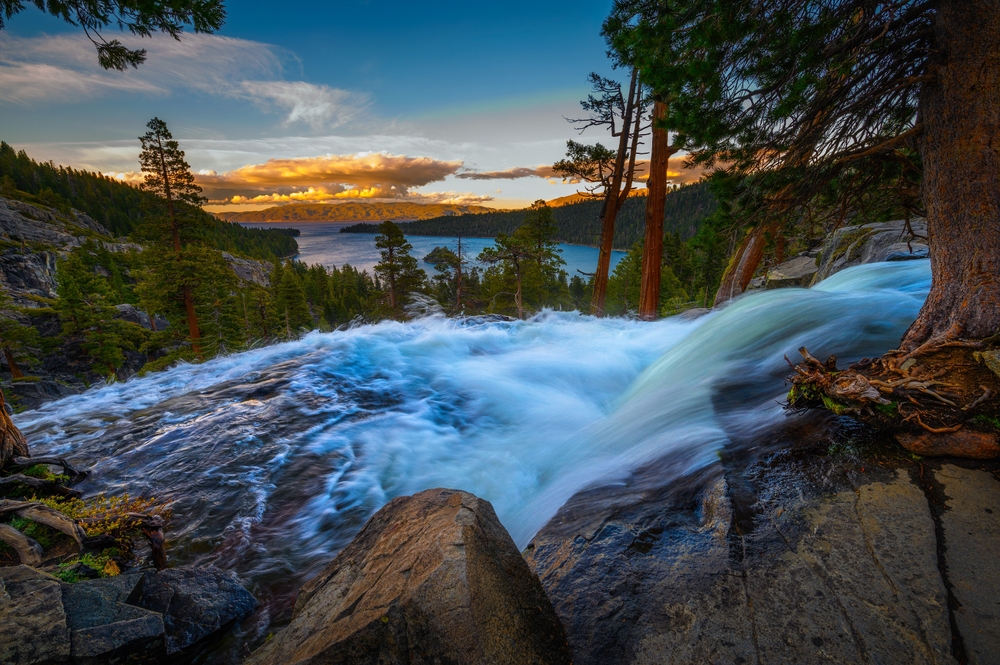
Lake Tahoe, situated in the Sierra Nevada mountains, offers some of the clearest skies in the western United States. As a designated Dark Sky Community, the area is committed to preserving the natural beauty of the night sky. Late winter, with its cold, dry air, creates ideal stargazing conditions, allowing visitors to see stars in stunning detail. Whether you’re at the lake’s edge or atop the surrounding mountain peaks, the absence of light pollution makes it an excellent place to observe the stars.
Winter nights at Lake Tahoe are especially clear, and the sky is often filled with countless stars. The cool temperatures and dry conditions enhance visibility, making it a prime time for observing planets, star clusters, and other celestial phenomena. Local observatories and stargazing programs provide a chance to learn more about the constellations that are visible during the winter months. With its breathtaking scenery and commitment to preserving dark skies, Lake Tahoe is a top destination for stargazers.
This article originally appeared on Avocadu.