
15 February Body Care Tips for Dry Skin and Rough Patches
Cold air, indoor heat, and long showers can leave skin feeling tight, flaky, and rough in February. This list shares simple body care tips you can do at home to smooth dry patches and keep skin feeling comfortable. Pick a few to start, then stick with them for a couple of weeks to notice a real difference.
This post may contain affiliate links, which helps keep this content free. Please read our disclosure for more info.
Switch to a gentler body wash for February

Cold weather can make harsh cleansers feel extra drying, especially if your wash is heavily fragranced or made to feel squeaky clean. Look for a mild body wash labeled for sensitive skin, or one that says it is soap free or moisturizing. If you love a scented wash, keep it for occasional use and use a gentler one on most days. Pay attention to how your skin feels right after rinsing since that tight feeling is a clue the wash is too strong.
Use lukewarm water and let the cleanser do the work instead see if it helps to use less product than you normally do. Focus on areas that truly need washing like underarms and feet, then let the rest of your body get a light rinse. If you shave, a gentle wash can also help reduce that dry, scratchy feeling afterward. When you find a wash that works, stick with it for a couple of weeks so your skin can settle down.
Take shorter showers and keep the water warm, not hot

Hot showers feel great in February, yet they can strip the natural oils that keep skin soft. When those oils get washed away, dry patches can look whiter and feel rougher. Try cutting your shower down by a few minutes at first rather than doing a big change overnight. Warm water still feels cozy and it is usually enough to get clean without leaving you itchy.
A simple trick is to turn the water down right after you rinse your hair so the rest of the shower is not as hot. If you like to linger, save that extra time for a quick face routine at the sink instead. You can also keep a small timer or play a short song to keep things moving. Over a week or two, many people notice less tightness after bathing.
Pat skin dry instead of rubbing with a towel

Rubbing fast with a towel can irritate dry skin, especially on shins, elbows, and anywhere that already feels rough. Patting is gentler, and it leaves a little water on your skin which makes the next step work better. Use a soft towel and press it lightly against the skin rather than scrubbing. If you tend to get itchy after a shower, this small change can make a bigger difference than you would expect.
Try blotting the areas that get flaky first, then do a quick pat over the rest of your body. It helps to keep your towel clean and fully dry between uses since damp towels can feel scratchy. If you have very dry legs, skip the towel there and go straight to moisturizer while skin is still slightly damp. This is also a good habit after a bath, when skin can be extra sensitive.
Moisturize within two minutes of stepping out of the shower

Right after bathing, your skin holds more water, and that is the easiest time to lock moisture in. If you wait until you are fully dry and dressed, the surface can start feeling tight again. Keep your lotion or cream within reach so you do not forget or get distracted. This is one of the fastest ways to make skin feel smoother with very little extra effort.
Apply a generous layer over arms, legs, and torso, then go back for a second pass on the driest spots. You do not need to use a fancy product for this to work, just something you will actually use every day. If you hate the feeling of heavy cream during the day, use a lighter lotion after morning showers and save the thicker stuff for night. Consistency matters more than the label on the bottle.
Use a thicker cream on rough spots like elbows, knees, and heels
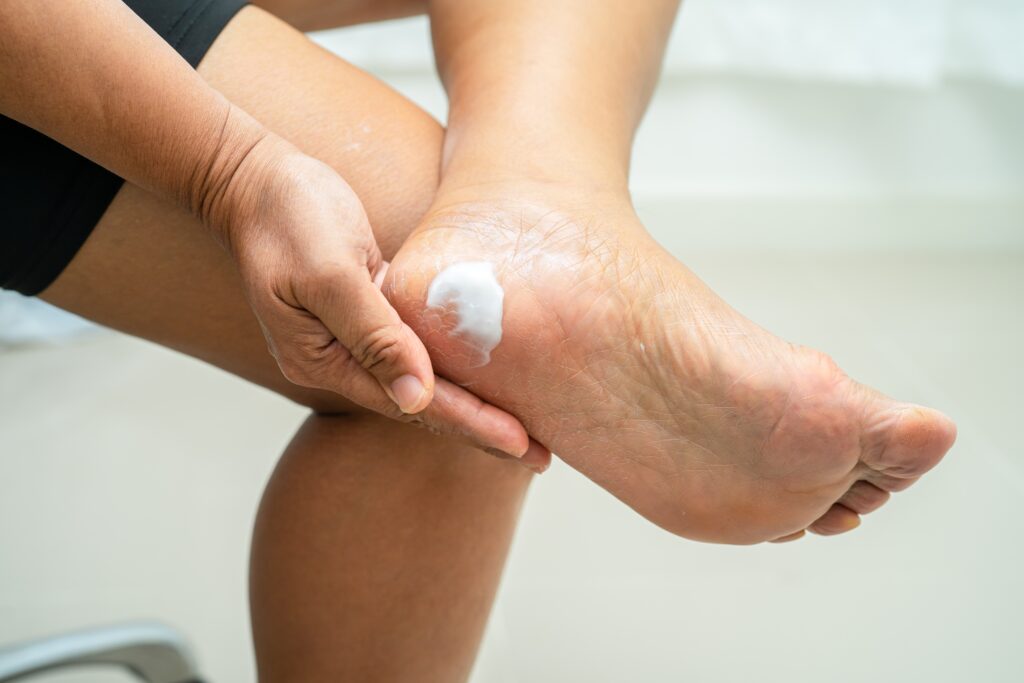
Rough patches often need more than a thin lotion, especially on heels that crack or elbows that look ashy. A thicker cream tends to stay put longer and soften those areas over time. Scoop a small amount and warm it between your hands so it spreads without pulling. If your heels feel like sandpaper, focus there daily for a week and you will likely notice a change.
After you put cream on, consider wearing socks for a while so the product stays on your feet instead of rubbing off on floors. For elbows and knees, apply cream right after bathing and again before bed if they still feel dry. Keep a travel size tube in a bag or desk if you deal with rough hands too. Small touch ups add up, especially in February.
Add a weekly gentle exfoliation day for flaky patches
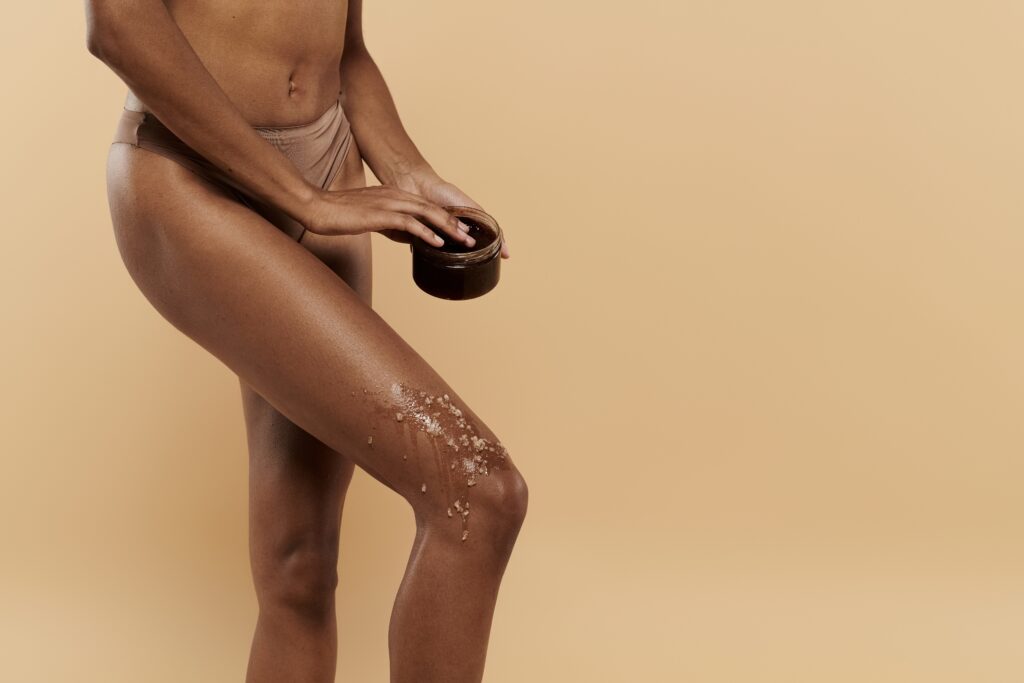
Exfoliation can smooth flakes, yet it has to be gentle or it can make dryness worse. Pick one day a week to do it, then increase only if your skin handles it well. A soft washcloth, a mild scrub, or a gentle exfoliating glove can be enough. The goal is to loosen dead skin without leaving you red or sore.
Use light pressure and focus on areas that truly feel rough, like upper arms, knees, and the backs of your heels. Rinse well, then follow immediately with a richer moisturizer so skin does not dry out again. If you use a scrub with fragrance, check for irritation and switch to something simpler if you notice stinging. When in doubt, do less and do it more gently.
Try a lactic acid or urea body lotion for stubborn roughness
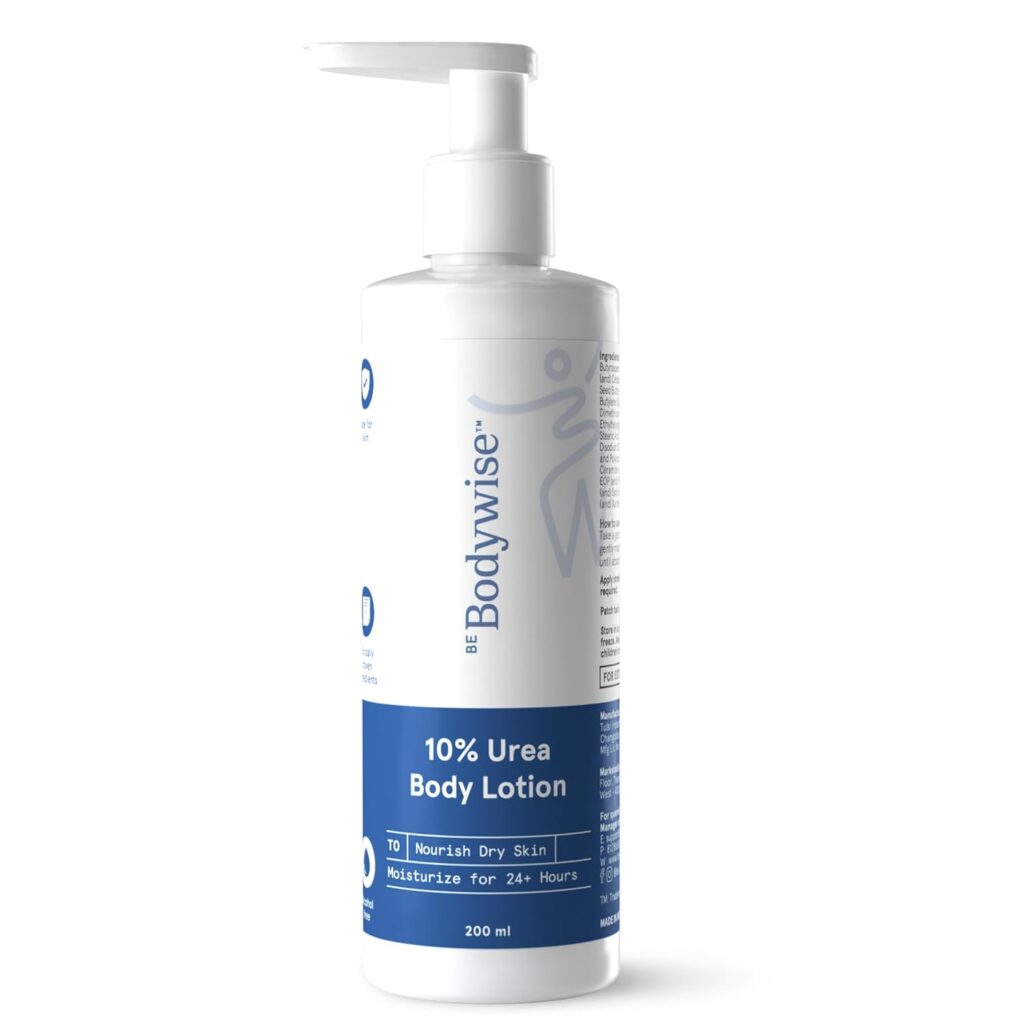
Some rough patches are caused by extra thick, dry buildup that regular lotion barely touches. Lotions with lactic acid or urea can help soften that buildup and make skin feel smoother over time. These ingredients are often used for bumpy upper arms and rough legs because they help with texture. Start slowly since using too much too soon can cause tingling.
Use it a few nights a week on the areas that need it most rather than coating your whole body. Avoid putting it on freshly shaved skin or cracked areas at first, because that can sting. If your skin tolerates it well, you can increase to every other night, then see how it looks after two weeks. On the nights you do not use it, go back to a plain, thick cream.
Seal in moisture at night with a light layer of ointment on dry areas
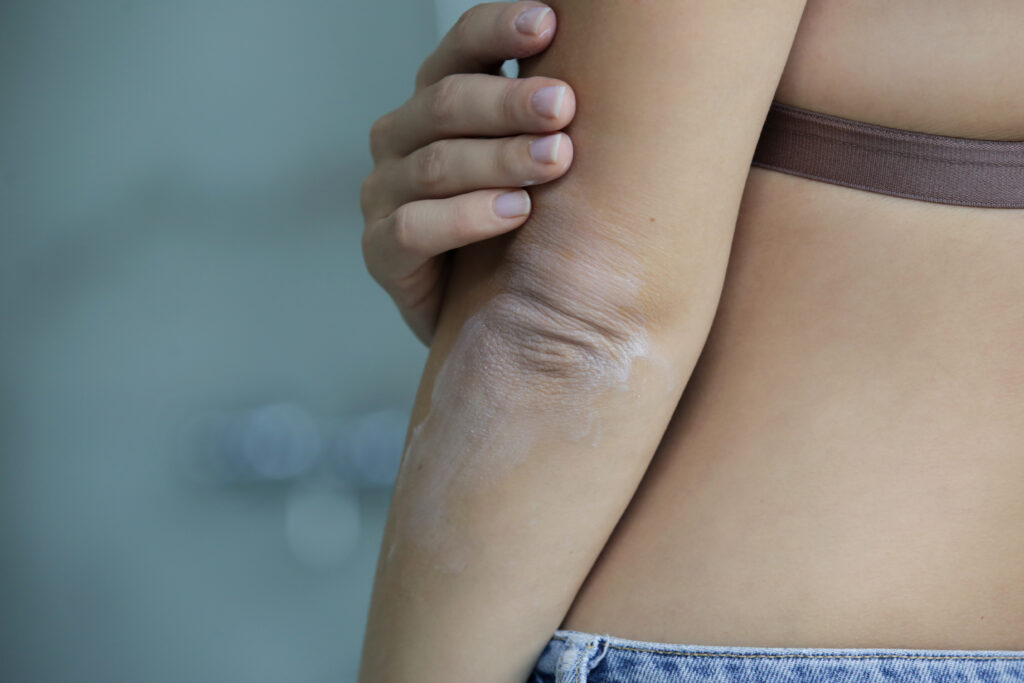
When skin is very dry, a thin layer of ointment can help keep moisture from escaping while you sleep. It works well on hands, knuckles, elbows, and heels that feel rough no matter how much lotion you use. You only need a small amount, because a little goes a long way. Put it on top of your regular moisturizer rather than replacing it.
Try doing this a few nights a week, especially after a shower or bath. Cotton socks or lightweight gloves can help keep the ointment where you want it and prevent it from getting on bedding. If ointment feels too heavy for you, use it only on the roughest spots and keep the rest of your routine lighter. By morning, those areas often feel noticeably softer.
Wear gloves for dishes and cleaning to protect your hands
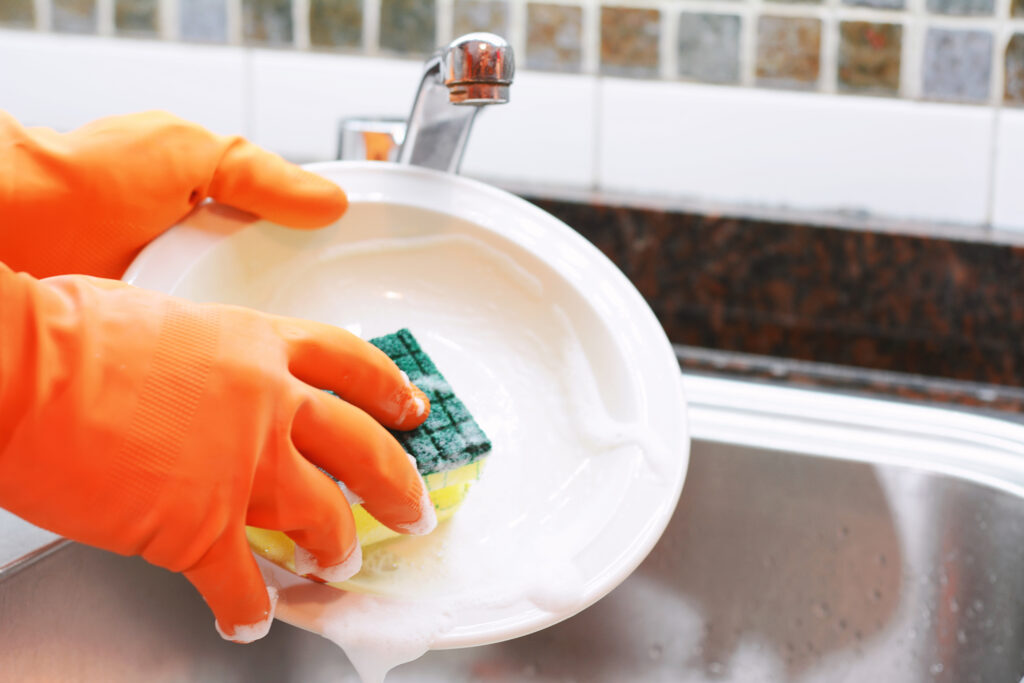
Hands take a beating in winter because they get washed often and come in contact with soaps and cleaners. Dishwater and cleaning sprays can strip moisture quickly and leave knuckles chapped. A pair of simple rubber gloves can protect your skin without adding much effort. If you hate the feel of thick gloves, try a slimmer pair that fits closer to your hand.
Keep gloves near the sink so you do not have to hunt for them when you are busy. After cleaning, rinse your hands, pat them dry, and apply a small amount of hand cream right away. If your hands crack easily, choose a cream that feels more like a balm and use it before bed too. This habit can make a big difference by the end of February.
Keep hand cream by every sink and reapply after washing
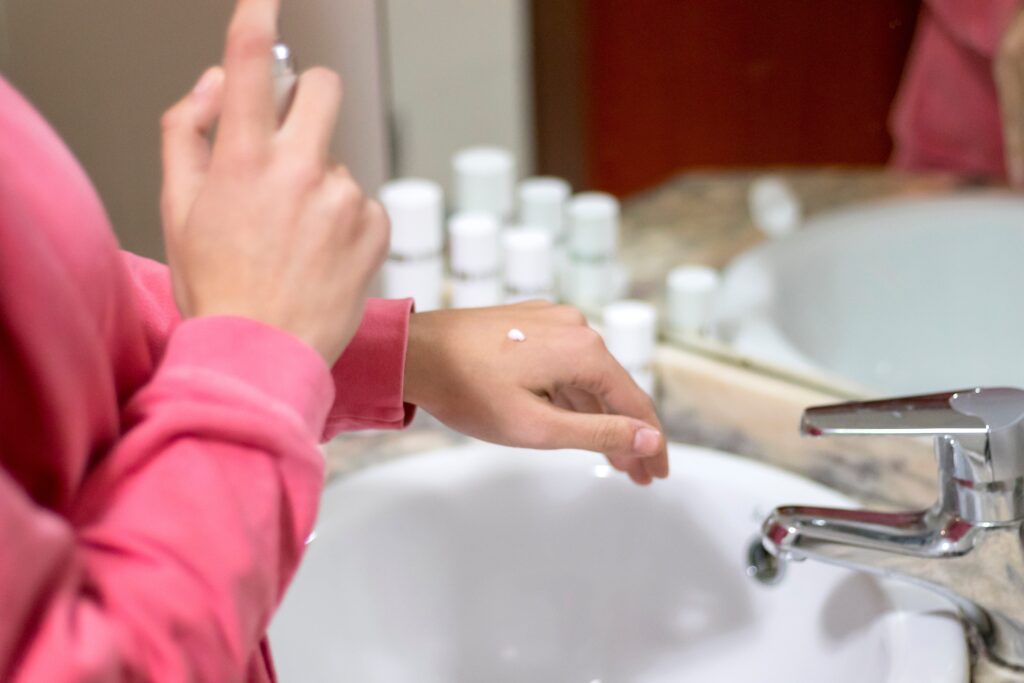
The easiest way to use hand cream is to make it impossible to forget. Put a tube by the kitchen sink, one in the bathroom, and one where you sit at night. Washing your hands removes oil and water at the same time, which is why hands can feel tight right after. A quick dab of cream helps stop that dry feeling before it starts.
Use a pea sized amount, rub it into the backs of your hands, then work it into fingers and cuticles. If you dislike greasy residue, choose a fast absorbing cream for daytime and a thicker one for nights. You can also apply before going outside so cold air hits protected skin. Over time, you may notice fewer hangnails and less rough texture around the nails.
Use a humidifier at night to fight dry indoor air

Indoor heat can dry the air, and that dry air pulls moisture from skin while you sleep. A humidifier can make the room feel more comfortable, especially if you wake up with tight skin or dry lips. Place it a safe distance from the see that the mist does not settle directly on furniture. Clean it regularly so it stays fresh.
If you do not have a humidifier, you can still add moisture by keeping a bowl of water near a heat source, though it is not as strong. Try running the humidifier for a few nights and see if your skin feels less itchy in the morning. Combine it with a simple night moisturizer and you get a double effect. Many people notice the biggest difference on shins and hands.
Choose soft, breathable layers to cut down on winter itch

Dry skin can feel itchier when rough fabrics rub against it all day. Soft cotton layers and breathable materials can reduce that scratchy feeling, especially under sweaters and jackets. If wool makes you itchy, wear a thin cotton shirt underneath so it never touches your skin. Paying attention to fabric is a surprisingly easy way to help rough patches calm down.
Laundry habits matter too, so use a gentle detergent and skip heavily scented boosters if your skin is sensitive. Rinse clothes well and avoid over drying them in the dryer since that can make fabrics feel stiff. If you notice itch mostly on your back or shoulders, check your shirts and bras for seams that rub. A small wardrobe tweak can save you from a lot of discomfort.
Don’t skip sunscreen on exposed winter skin

Sun can dry skin and make rough patches look more noticeable, even in winter. If you spend time outdoors, put sunscreen on your face, neck, and hands, plus any other exposed skin. Winter sun can be sneaky because the air feels cool, yet UV rays still reach your skin. This is especially true near water or on bright days.
Choose a sunscreen that feels moisturizing, then apply it after your morning lotion. If you deal with dry hands, look for a hand cream with SPF for daytime use. Reapply if you are outside for long stretches, especially known areas like the back of the neck. This step supports smoother looking skin over time.
Drink water regularly and add hydrating foods to meals

Topical care matters most for dry skin, yet hydration from the inside can still help your skin feel better. Cold weather can make you forget to drink, so keep a water bottle nearby and sip during the day. Soups, fruits, and vegetables add extra water and can be easier than trying to chug. When you are well hydrated, skin often looks less dull and feels less tight.
Try adding foods like oranges, cucumbers, yogurt, and oatmeal to your routine since they pair well with winter meals. If you drink a lot of coffee or tea, balance it with water so you do not feel dried out. A steady intake works better than drinking a lot at night and then forgetting during the day. Pair this with a consistent moisturizer and you get the best results.
Keep lip and cuticle care in your February routine

Dry lips and ragged cuticles can make you feel dry all over, and they are easy to neglect until they hurt. Keep a simple balm in your pocket so you do not have to hunt for it when lips feel tight. For cuticles, use a thick hand cream or a small drop of oil and rub it in before bed. This keeps hangnails from forming and helps nails look smoother.
Avoid licking your lips since it dries them out more, even if it feels soothing in the moment. If you pick at cuticles, try keeping a small nail file nearby so you can smooth rough edges instead. Overnight care is especially helpful here because you are not washing the product away right after applying. A little daily attention keeps these small trouble spots from turning into painful ones.
This article originally appeared on Avocadu.