
13 Winter Hair Problems and Small Fixes That Help
Cold air outside and dry heat inside can leave hair feeling stubborn by February. Static, frizz, itchy scalp, and rough ends can show up fast, especially with hats and heavier products in the mix. Here are common winter hair problems you might notice this month, plus simple ways to deal with each one.
This post may contain affiliate links, which helps keep this content free. Please read our disclosure for more info.
Static Hair From Hats and Hoods and How to Handle It

Static usually shows up when cold air and indoor heat dry out your hair, then hats and hoods add friction on top of it. You might notice flyaways sticking to your face, or strands lifting the second you take off a beanie. Lightweight leave in conditioner can calm that fuzzy halo without making hair feel greasy. If you can, keep a travel size smoothing serum in your bag for quick touch ups.
A satin lined hat or a satin scarf under your hood makes a big difference because hair slides instead of snagging. When you style, run a small amount of hair oil over the outer layer, then press it in with your hands instead of raking through. If you use hairspray, spray a little into your palms first and smooth it on where you need it. You can also switch to a boar bristle brush or a gentler detangling brush, since harsh brushing can make static worse.
Dry, Itchy Scalp and How to Handle It
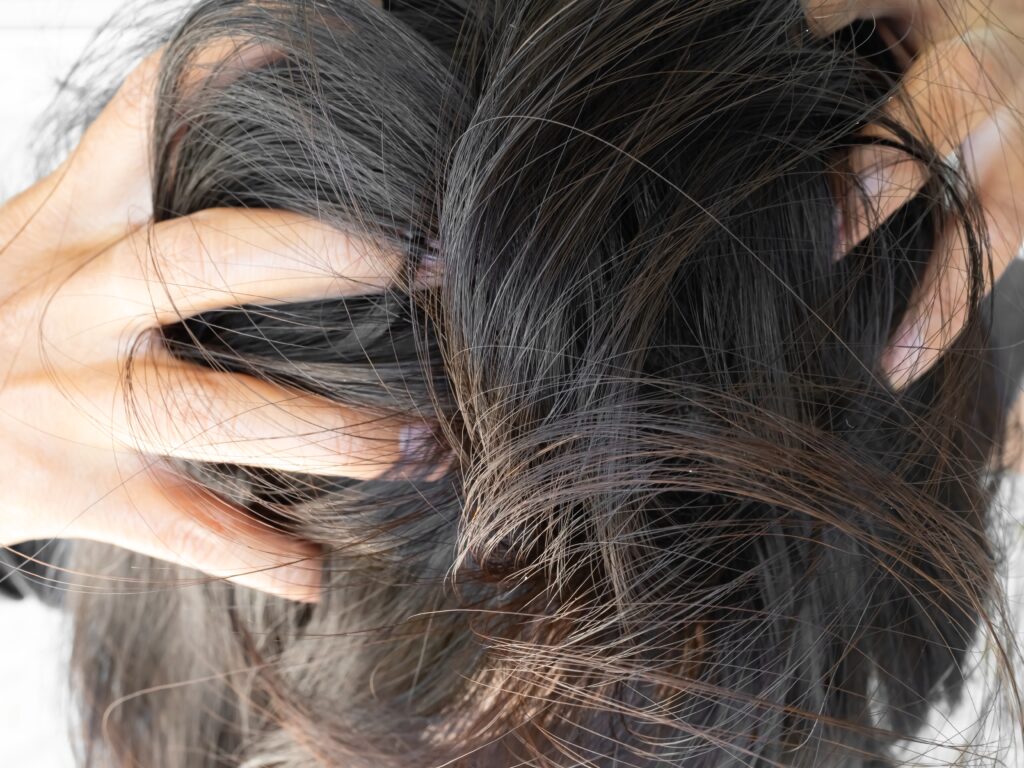
An itchy scalp in February is often just dryness from hot showers, cold wind, and heated rooms that pull moisture out of your skin. The itch can feel worse at night, and you might notice tightness after washing. Use a gentle shampoo and avoid scrubbing hard with your nails, because that can create more irritation. If your scalp feels tender, washing a little less often can also help.
Try a scalp oil or soothing serum the night before a wash, then rinse it out with shampoo in the morning. Keep water lukewarm, since very hot water can strip the scalp and make it feel even more uncomfortable. After washing, focus conditioner on the lengths only so the scalp is not coated. A small humidifier in your bedroom can also ease dryness, which sometimes helps the itch calm down.
Flaky Scalp That Looks Like Dandruff and How to Handle It
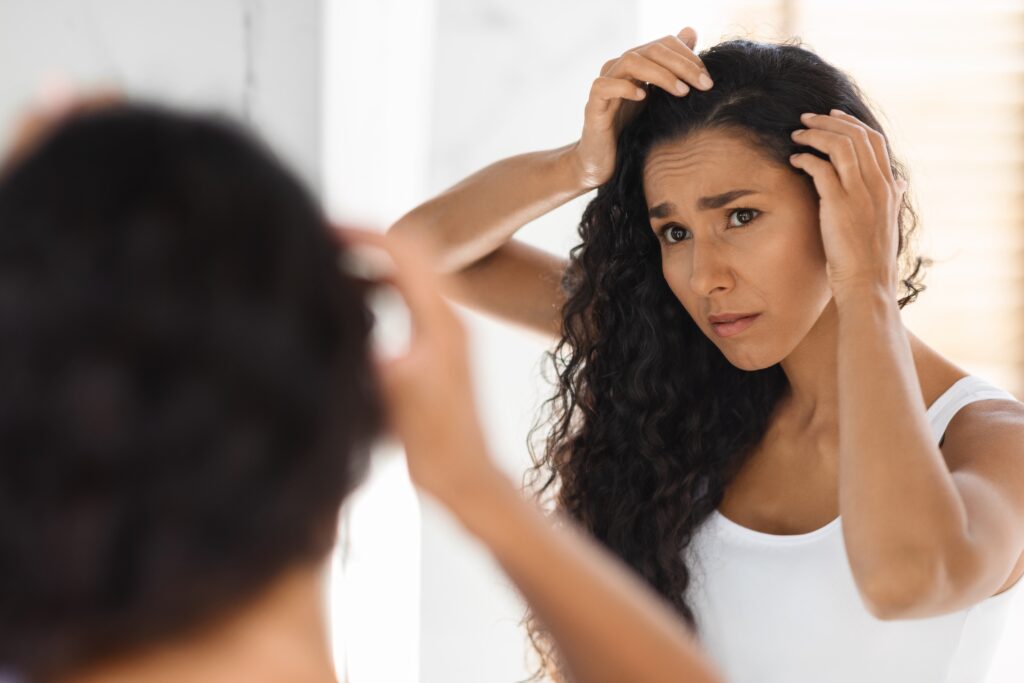
Flakes can be true dandruff, or they can be dry skin that sheds and looks the same on dark shirts. You might also see a mix of flakes and redness if your scalp is irritated by harsh products. A dandruff shampoo can help, but it usually needs a few minutes on the scalp before you rinse. If you rinse right away, you may not see much change.
Alternate dandruff shampoo with a moisturizing shampoo so your scalp does not feel stripped. Keep styling products off the scalp when you can, since buildup can trap flakes and make them more visible. If you scratch, flakes often get worse and the scalp can get sore. When flakes keep coming back, a dermatologist can confirm if it is dandruff, dryness, or something else like dermatitis.
Greasy Roots With Dry Ends and How to Handle It
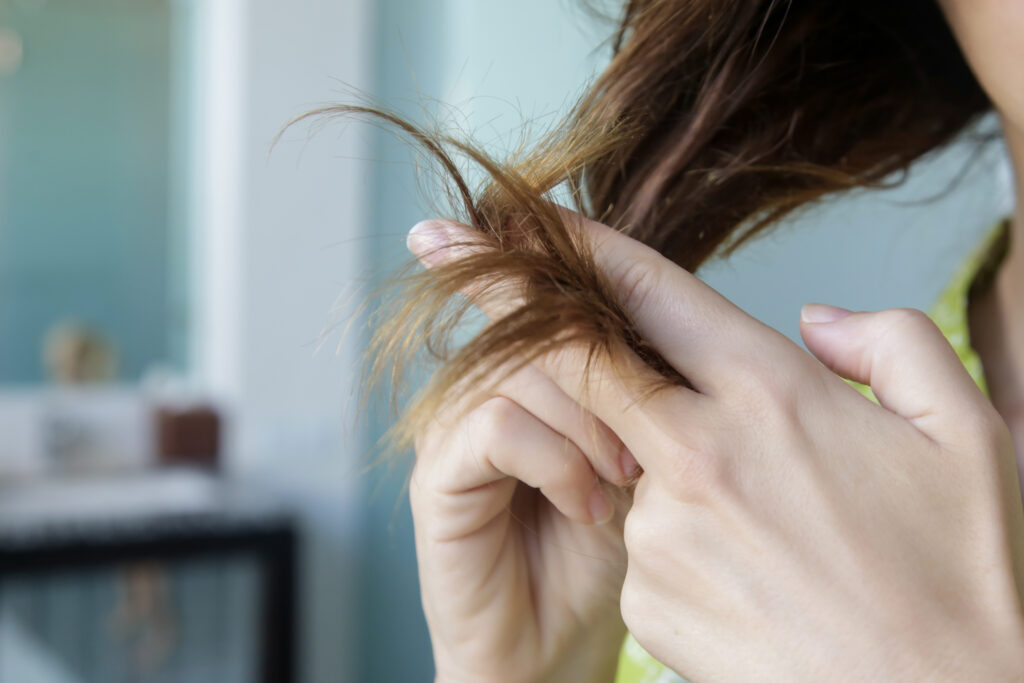
This problem is common in winter because many people use richer products while also wearing hats that press hair flat. The scalp may produce more oil, while the ends still feel rough from dry air and heat styling. Wash your roots thoroughly and rinse longer than you think you need, especially around the crown and nape. It also helps to keep conditioner away from the scalp so the roots stay lighter.
Use a lightweight conditioner or leave in spray on the ends so they stay soft without weighing down the top. On non wash days, dry shampoo can help if you apply it to cleanish roots, then brush it out well. If your hair feels coated, use a clarifying shampoo once a week to remove buildup from products and hard water. A loose ponytail or braid under a hat can keep ends protected and reduce that oily flat look at the top.
Breakage From Dry Air and Friction and How to Handle It
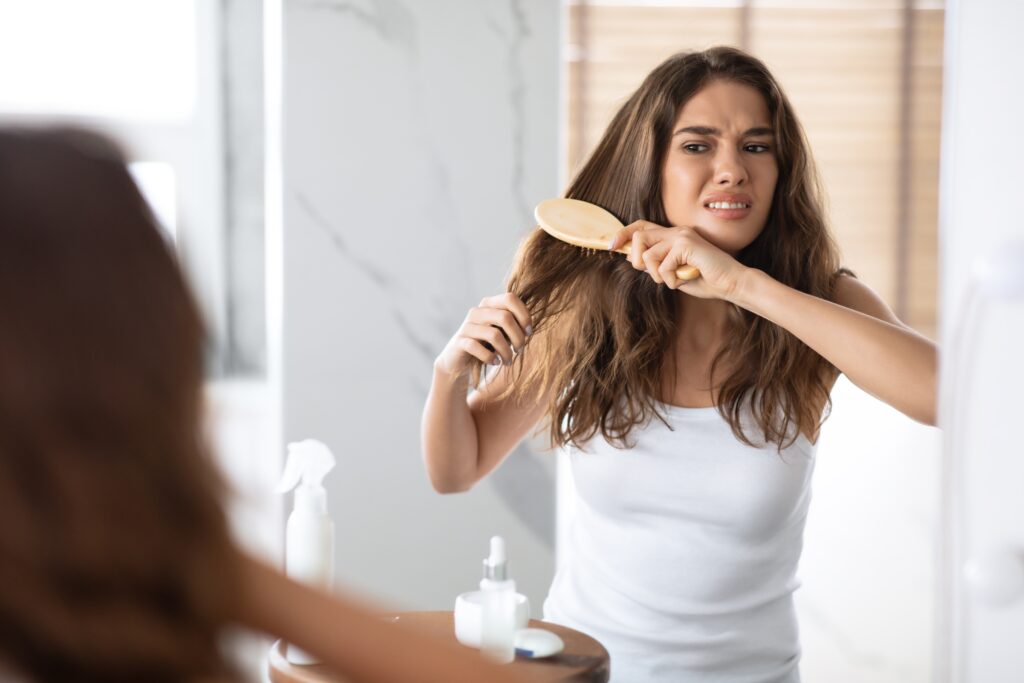
Winter breakage often starts with small snags from scarves, coat collars, and rough hat seams. You may see little short pieces near the crown or around the hairline, or notice more hair on your brush than usual. Detangling roughly can also snap fragile strands, especially when hair is damp and stretched. Use a wide tooth comb and start at the ends so knots slide out instead of tearing.
Protective styles help a lot in February, especially a loose braid or a low bun when you are wearing thick outerwear. Sleeping on a satin pillowcase reduces friction while you move around at night. A weekly conditioning mask can also make hair more flexible, which lowers the chance of snapping. When breakage is severe, cutting back on heat tools for a few weeks can help hair feel stronger.
Split Ends That Suddenly Look Worse and How to Handle It
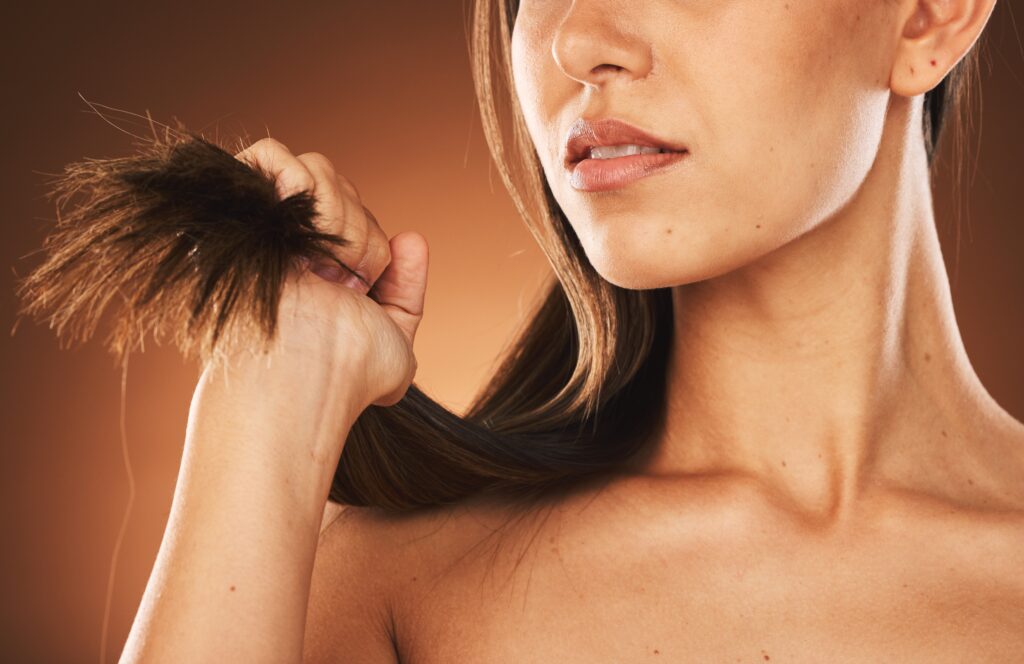
Split ends can seem to appear overnight in winter, but it is usually because dryness makes damage easier to see. The ends may look frayed, feel rough, and tangle more easily, especially after brushing. A small trim is the quickest way to stop splits from creeping upward. Products can smooth the look, but they cannot permanently fuse a split back together.
After washing, use a leave in conditioner and focus it on the last few inches. You can also seal the ends with a tiny bit of oil, but keep it light so hair does not look heavy. If you heat style, lower the temperature and do fewer passes on the ends, since they are already the oldest part of your hair. When you sleep, try a loose braid so ends are not rubbing against your sheets all night.
Hair That Feels Rough and Straw Like and How to Handle It

Hair can feel rough when the outer layer gets dried out and lifted, which makes strands catch on each other. You might notice it most when you run your hands down your hair and it feels dry instead of smooth. Frequent blow drying, hot tools, and hot showers can make it worse. Switching to a gentler shampoo and using conditioner every wash can help bring back softness.
Once a week, use a deeper conditioner and leave it on a little longer than you normally would. When you get out of the shower, blot hair with a soft towel or a cotton T shirt instead of rubbing, since friction can make hair feel even rougher. Add a leave in spray on damp hair so it stays smoother as it dries. If your ends feel crunchy, a light oil just on the tips can make them feel softer through the day.
Color That Looks Dull or Fades Faster and How to Handle It
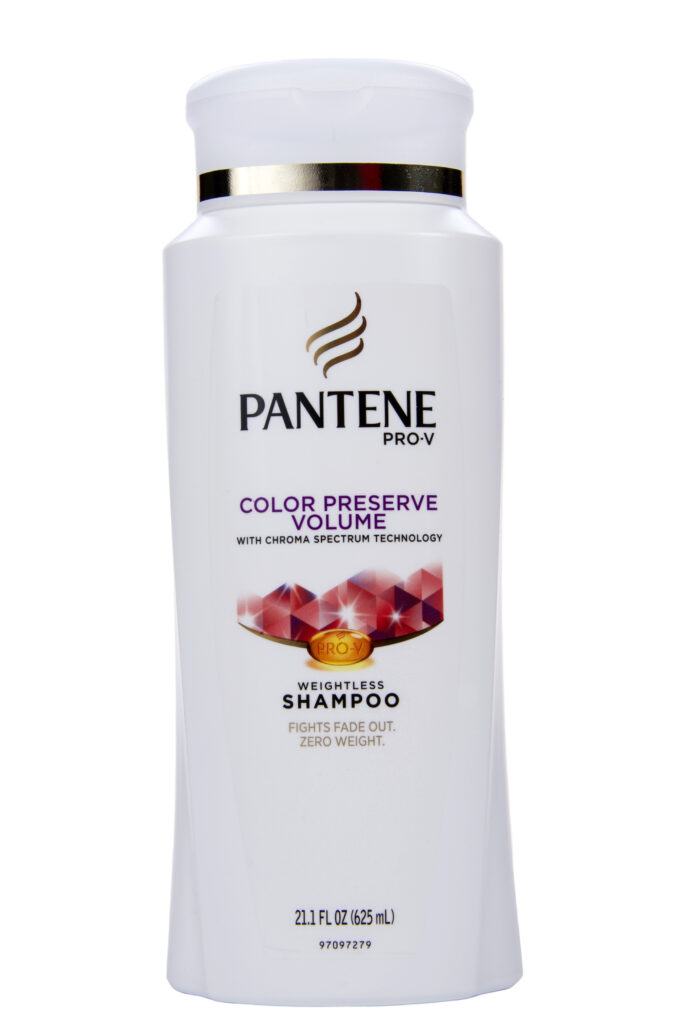
Winter can make color look flatter because hair is drier and the surface is not reflecting light as well. You may also wash more often after wearing hats, which can fade dye faster. Use a color safe shampoo, and rinse with cooler water if you can stand it. Heat tools can also fade and dull color, so daily styling can take a toll.
Try a heat protectant when you blow dry or use an iron, since it adds a layer between hair and high temperatures. A gloss or color depositing conditioner can bring back shine at home, especially for brunettes and reds that look washed out in winter. If you have blonde highlights, purple shampoo can help with brassiness, but using it too often can dry hair out. A moisturizing mask can keep color looking richer by improving how hair reflects light.
Frizz That Gets Worse With Indoor Heating and How to Handle It

Frizz gets worse when hair is dry and the outside layer lifts, which makes strands puff out instead of laying flat. Indoor heating pulls moisture out of the air, and that can make hair feel brittle by February. It helps to apply a smoothing product on damp hair, since it coats strands while they dry. If you wait until hair is fully dry, frizz can already be set in place.
When you blow dry, point the airflow downward and keep the dryer moving so you are not roughing up one area. A diffuser can help if you have waves or curls, since it dries hair with less disturbance. Later in the day, smooth a tiny amount of serum over the ends and around the hairline where frizz tends to pop up. If your hair is frizzing under a hat, tuck it into a loose braid so it stays protected.
Hair That Takes Forever to Dry and How to Handle It

Hair can take longer to dry when it is coated in product, when you are using heavy conditioners, or when the air inside is very humid. Thick hair also holds a lot of water, so it can feel damp for hours if you do not squeeze it out well. Before you step out of the shower, gently press water out of your hair with your hands. Then blot with a microfiber towel or a soft T shirt so you are not leaving extra water trapped in the strands.
Keep leave in products light so hair does not feel weighed down while it dries. If you blow dry, start at the roots since that area can stay damp and make hair look flat. Use medium heat rather than the hottest setting, because high heat can dry the surface while leaving moisture underneath. If hair still stays damp, you may be using too much product, and a clarifying wash once a week can help.
Coats and Scarves and How to Handle It

Winter outerwear creates tangles because hair rubs against collars, zippers, and thick scarf fabric all day. The nape area is usually the worst, especially if you wear your hair down under a coat. When hair is dry, knots form faster and can tighten quickly. A detangling spray can help you brush gently without ripping through knots.
Try a loose braid or low ponytail before you bundle up, since it keeps hair from grinding against rough fabric. If you need to wear hair down, tuck it into your scarf so it is not constantly moving. Brush gently at the end of the day, starting from the ends and working up. A little leave in conditioner can also reduce snagging by keeping strands smoother.
Hair That Feels Heavy and Producty and How to Handle It
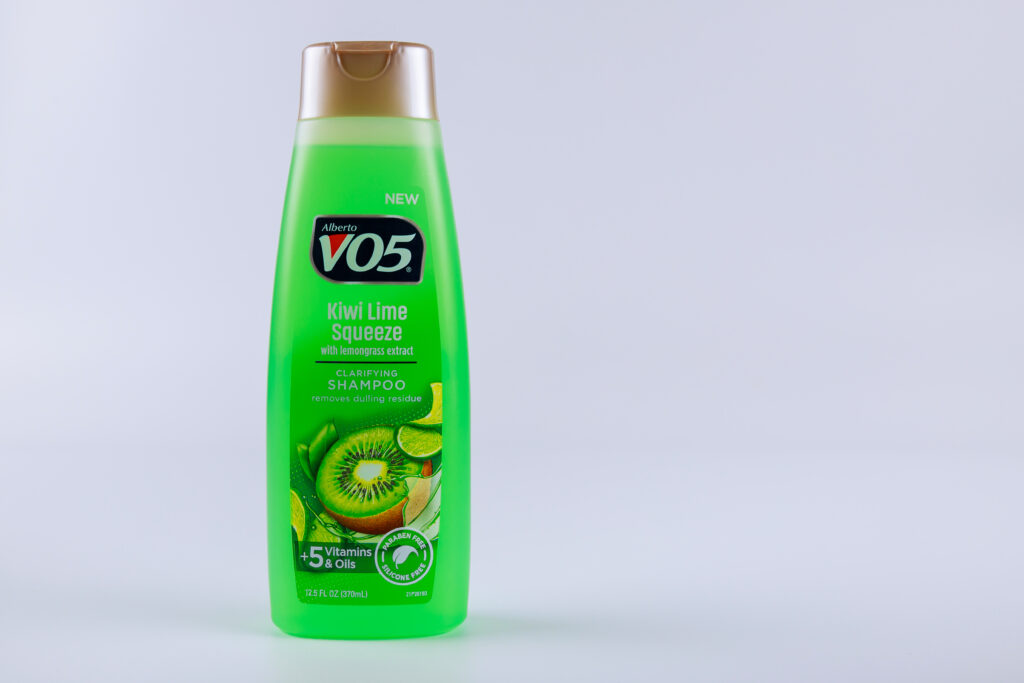
In winter, many people layer masks, oils, and creams, and hair can start to feel coated instead of soft. You may notice it looks dull, gets greasy faster, or feels sticky when you touch it. Hard water can add to the issue because minerals cling to product buildup. A clarifying shampoo once a week or every two weeks can reset things without changing your whole routine.
When you wash, rinse longer than you think you need, especially at the crown and near the hairline. Use smaller amounts of styling products and apply them to the mid lengths and ends instead of the scalp area. If you love hair oils, treat them like a finishing touch rather than a full layer, and use just a few drops. When buildup keeps returning, rotating between a gentle shampoo and a clarifying shampoo can keep hair feeling lighter.
Dry Ends That Will Not Behave and How to Handle It
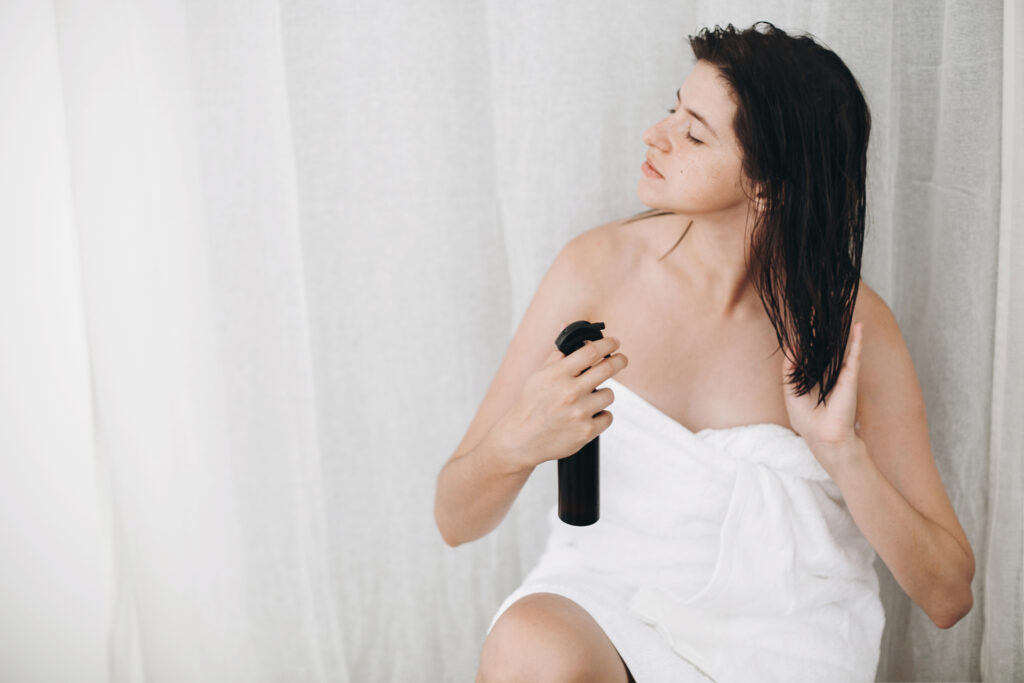
Dry ends show up fast in February because the ends are already older hair, and winter air makes them feel even more thirsty. You might see them flipping out, looking frayed, or tangling the second you put on a coat. Conditioner alone may not feel like enough, especially if you wash often. A leave in conditioner after washing can make ends feel softer and easier to comb.
Seal the last few inches with a small amount of cream or oil so moisture does not disappear so quickly. Try not to brush dry ends too much, since that can rough them up and make them look even drier. If you use a flat iron, focus on the mid lengths and do not clamp down on the tips repeatedly. A weekly mask and a small trim can also make ends behave again without a big haircut.
This article originally appeared on Avocadu.