
15 Seeds You Can Start in Late Winter That Transplant Well
Late winter is a great time to start seeds indoors so you can plant strong seedlings as soon as the weather softens. The seeds in this list handle moving to the garden well, so you get a smoother switch from tray to soil. Start with clean pots, bright light, and steady moisture, then harden plants off for a few days before transplanting.
This post may contain affiliate links, which helps keep this content free. Please read our disclosure for more info.
Broccoli
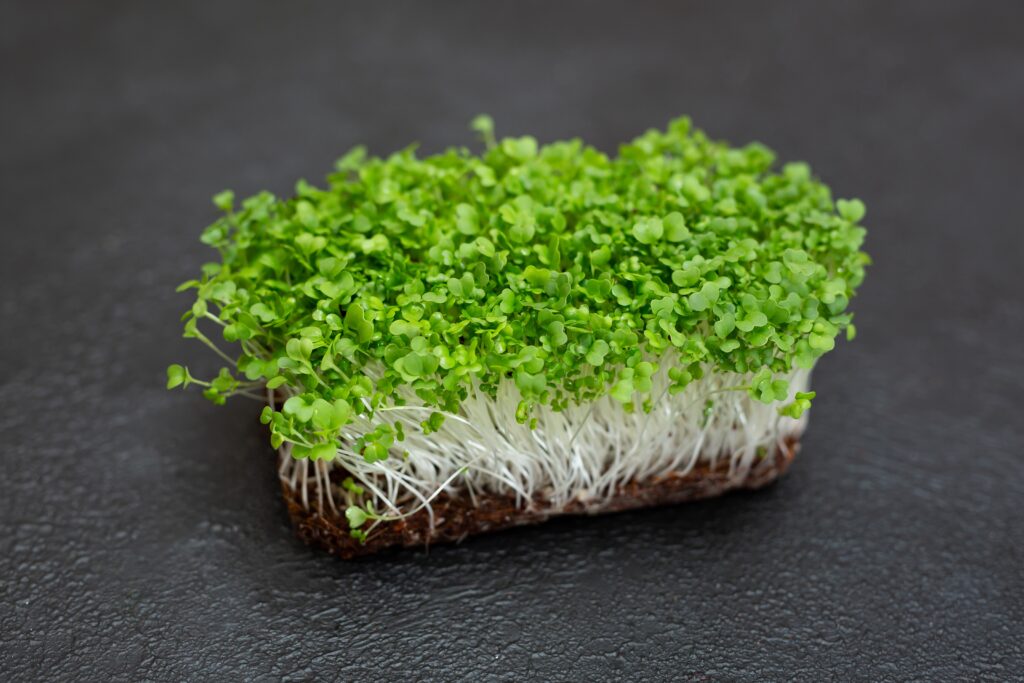
Broccoli seeds sprout fast indoors when the soil stays lightly moist and warm. Give seedlings bright light early so they do not stretch, and keep a small fan nearby for sturdier stems. Pot them up if roots fill the starter cells quickly, since broccoli likes room to grow. Aim for stocky plants with several true leaves before moving them outside.
Broccoli transplants well because it handles cool weather and settles in without much fuss. Harden seedlings off by giving them short outdoor visits over several days, then plant them deep enough to support the stem. Water well right after planting, then keep moisture even while roots spread. Row cover can help on chilly nights and also keeps early pests away.
Cabbage
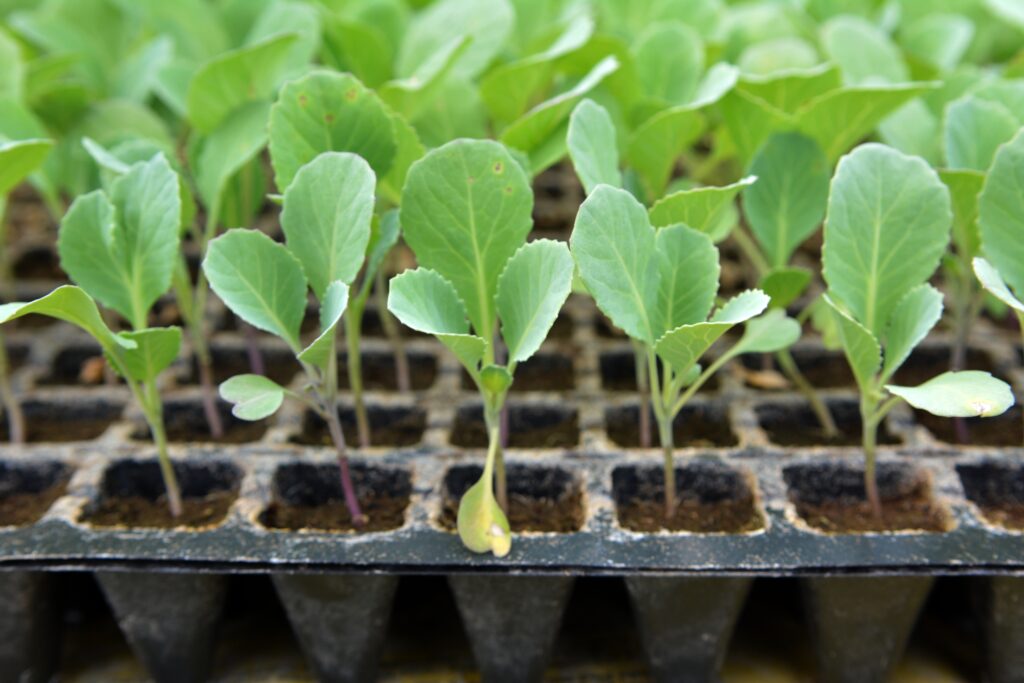
Cabbage seedlings start out tiny, then suddenly take off once they have a few true leaves. Use a seed starting mix that drains well, because soggy soil can slow growth and invite problems. Thin to one plant per cell early so each seedling gets enough light and airflow. If the leaves turn pale, a light feeding can help once the second set of true leaves appears.
Cabbage is one of the easiest late winter starts to transplant because it likes cool conditions. Set plants outside after hardening off, and plant them a bit deeper than they sat in the pot. Firm the soil around the base so wind does not rock the roots loose. Steady watering matters most during the first two weeks as the plant settles.
Cauliflower
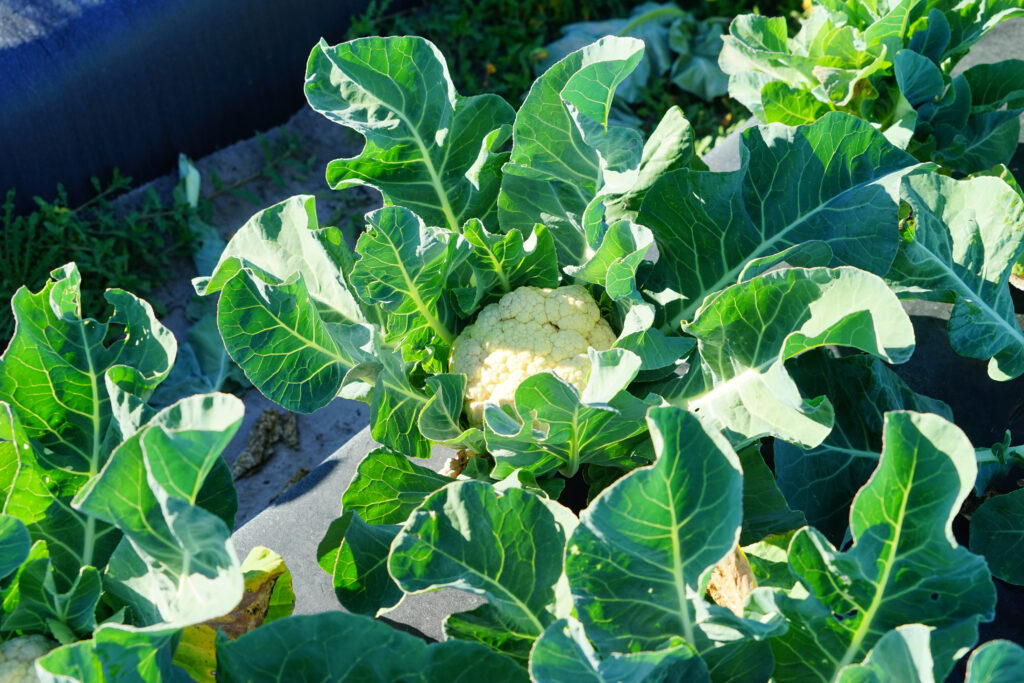
Cauliflower needs steady conditions indoors, so try not to let seedlings swing between too dry and too wet. Keep the light close and strong, since leggy plants struggle later. A slightly cooler room after sprouting can help seedlings stay compact. Move them into larger cells if they seem crowded, because cauliflower roots like space.
Cauliflower transplants best when it is young and growing steadily. Take a few days to harden plants off, then set them out while temperatures are still mild. Water deeply after planting and mulch lightly to keep the soil from drying out too fast. If a cold snap is coming, cover plants overnight to prevent stress.
Kale
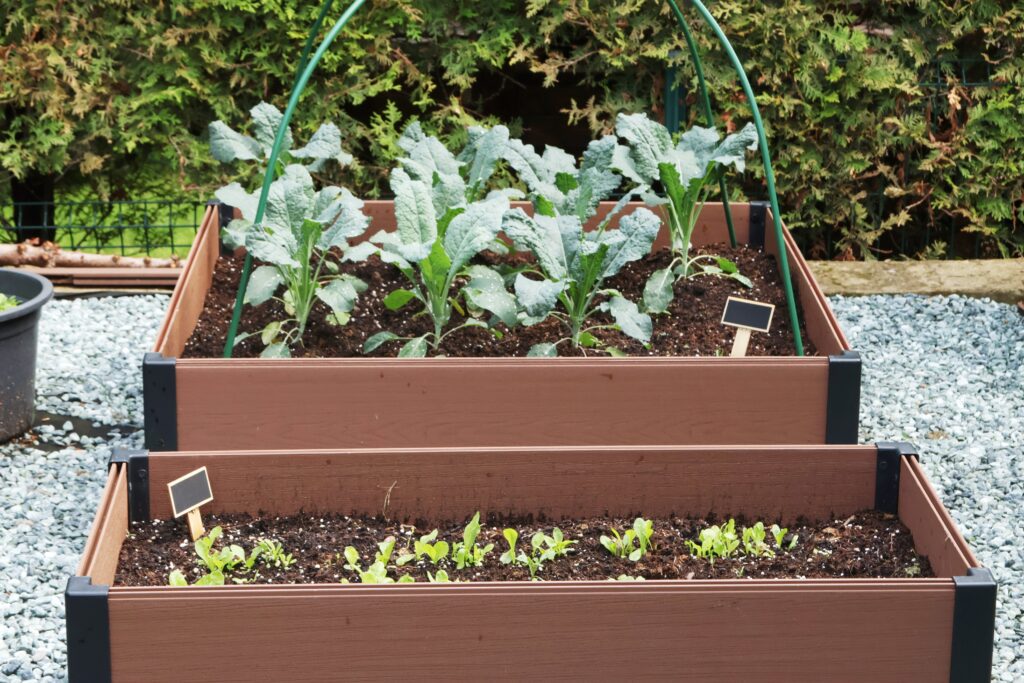
Kale is forgiving indoors, which makes it a good late winter seed to start. Sow a few seeds per cell, then thin to the strongest seedling once true leaves show. It handles cooler indoor temps better than many plants, so a bright windowsill plus a grow light can work well. Keep the soil damp, not soaked, and you will see quick growth.
Kale transplants easily and usually does not mind chilly days. Plant it out after hardening off, then water it in and keep an eye on drying winds. If you pinch off any damaged leaves, new growth comes quickly. A simple cover can protect young plants from hungry insects in early spring.
Brussels Sprouts
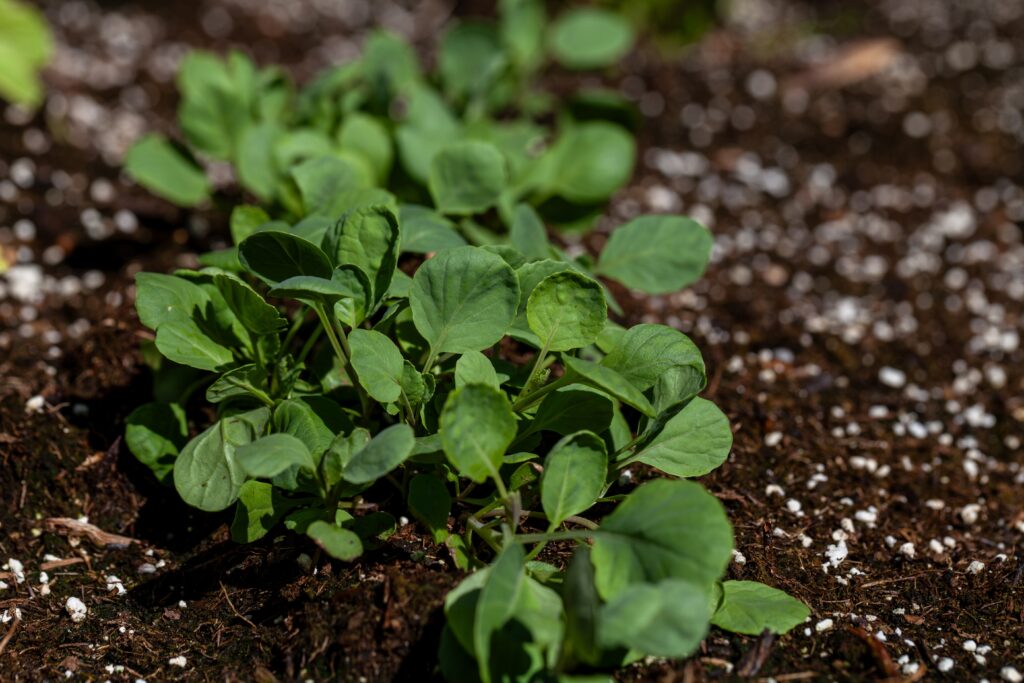
Brussels sprouts take a little longer indoors than other brassicas, so start them with enough time to grow sturdy stems. Use bright light and rotate trays so seedlings stay straight. Thin early, since crowded seedlings can grow weak and slow. If growth stalls, it often helps to move them to a slightly larger pot.
These plants transplant well, but they like a gentle start outdoors. Harden them off slowly, especially if nights are cold. Plant them deeper than they were in the cell and firm the soil so the stem stays steady. Consistent watering early on helps the plant build a strong base for later sprout formation.
Lettuce
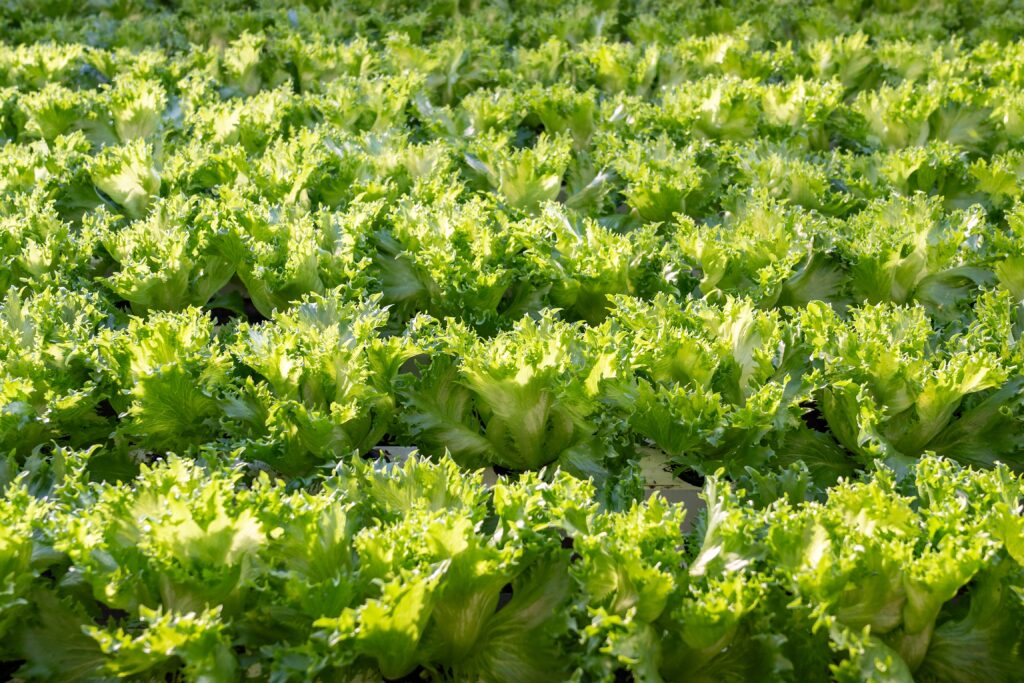
Lettuce seeds are small, so a light sprinkle of mix over the top is plenty. They germinate best in cool conditions, and they can struggle if the room is too warm. Give them bright light right away to keep leaves short and sturdy. You can start several per cell, then either thin or transplant small clumps for a fuller row.
Lettuce moves into the garden smoothly when you handle seedlings by the leaves, not the stems. Harden plants off for a few days, then plant them out when the soil can be worked. Water gently after transplanting, since shallow roots dry quickly. A bit of shade during the first day or two can prevent wilting if the sun is strong.
Spinach
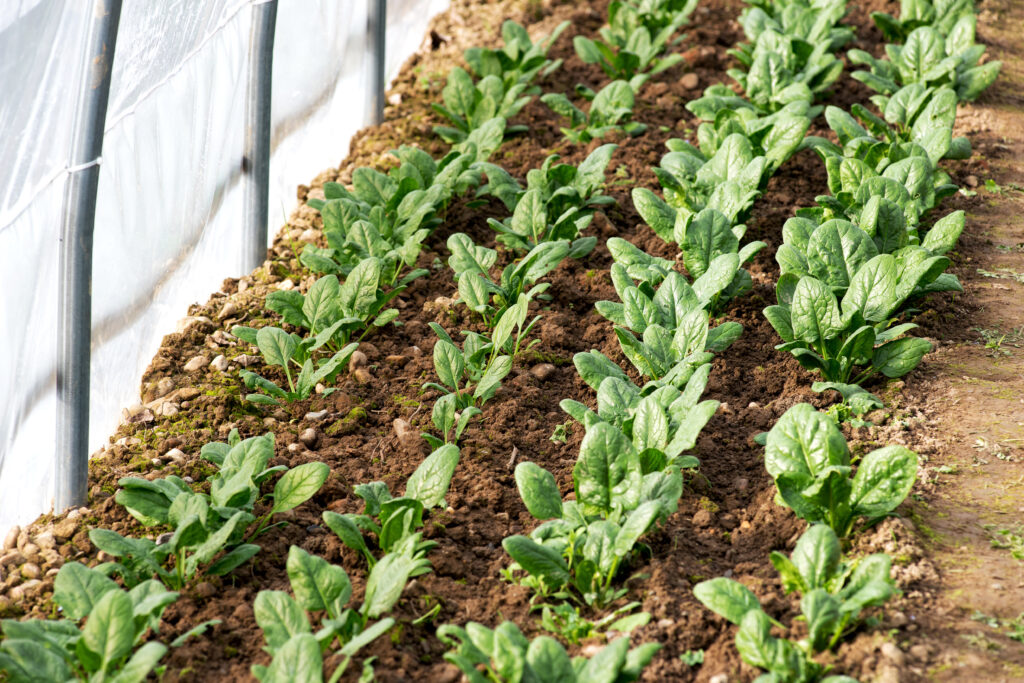
Spinach can be tricky indoors if it gets too warm, so aim for cooler temps during sprouting. Sow a few seeds per cell, because germination can be uneven. Keep the mix evenly moist, and avoid heavy feeding early since spinach seedlings stay small at first. Strong light helps, but the real key is keeping them from overheating.
Spinach transplants best when seedlings are young and the weather is still cool. Harden them off and plant them out on a calm day, since wind can dry small plants fast. Water right away and keep soil moisture steady, especially during dry spells. If you expect a late frost, a simple cover can protect tender leaves.
Swiss Chard
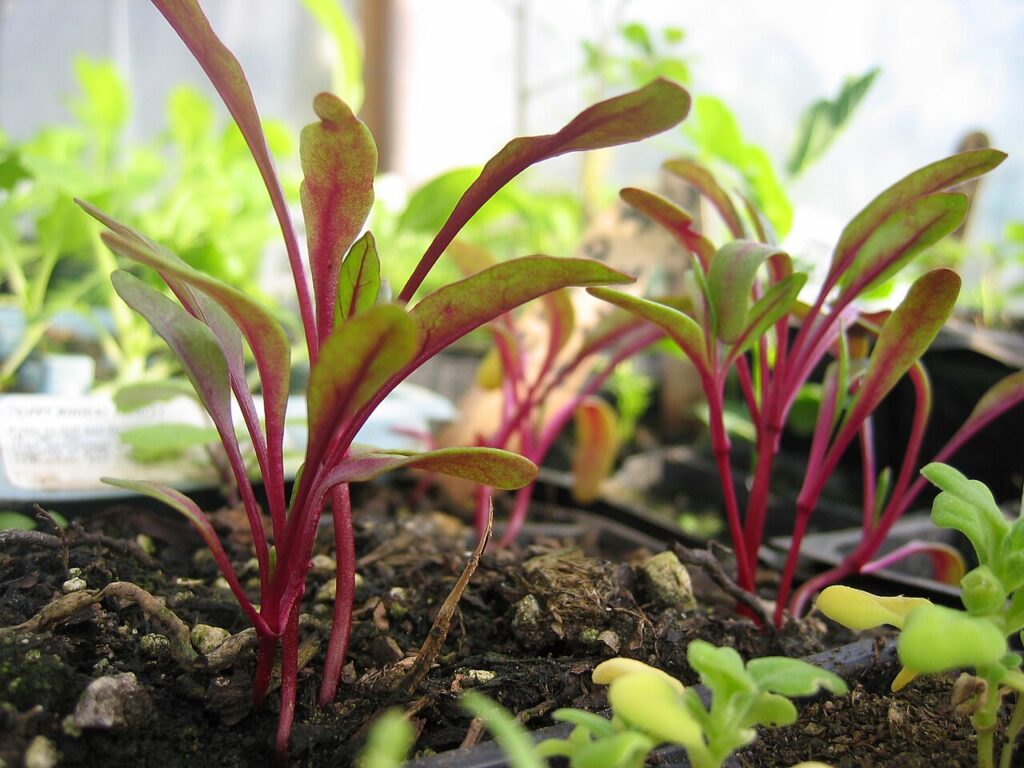
Swiss chard seeds are actually little clusters, so you may see more than one sprout from a single seed. You can let them grow as a small group and thin later, or separate seedlings when they are still small. Chard tolerates a range of indoor temps, though it grows best with steady light. Do not rush watering, since seedlings like damp soil but not a swampy tray.
Chard transplants well because it bounces back quickly after planting. Harden it off, then set it outside once nights are no longer harsh. Water deeply and keep the soil from drying out during the first week. If several seedlings came up together, thin to the strongest plant after it starts growing again.
Leeks
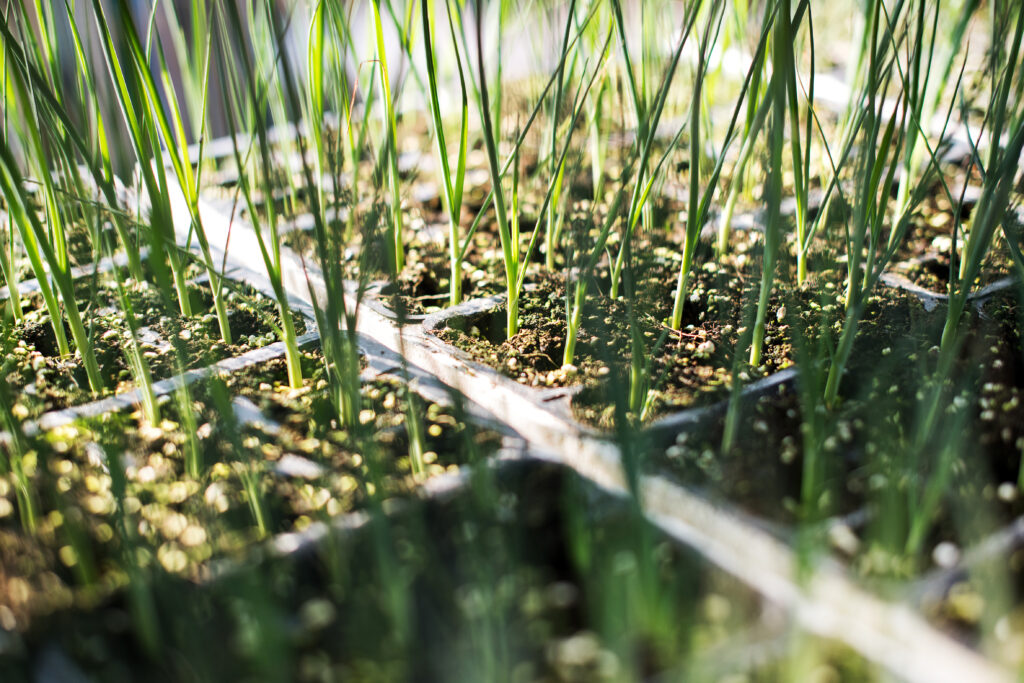
Leeks grow slowly indoors at first, which is normal, so do not worry if they look like thin blades. You can sow them in a small pot or tray, then keep them evenly moist while they build roots. Bright light keeps them from flopping, and trimming the tops can help them stay upright. They do not need rich feeding early, but a gentle fertilizer later can speed growth.
Leeks transplant well when you move them as pencil thin plants with healthy roots. Many gardeners set them into deep holes so the stems blanch as they grow. Water them in, then keep moisture steady while they re root. A light mulch helps keep the soil cool and reduces weeds around young plants.
Onions From Seed
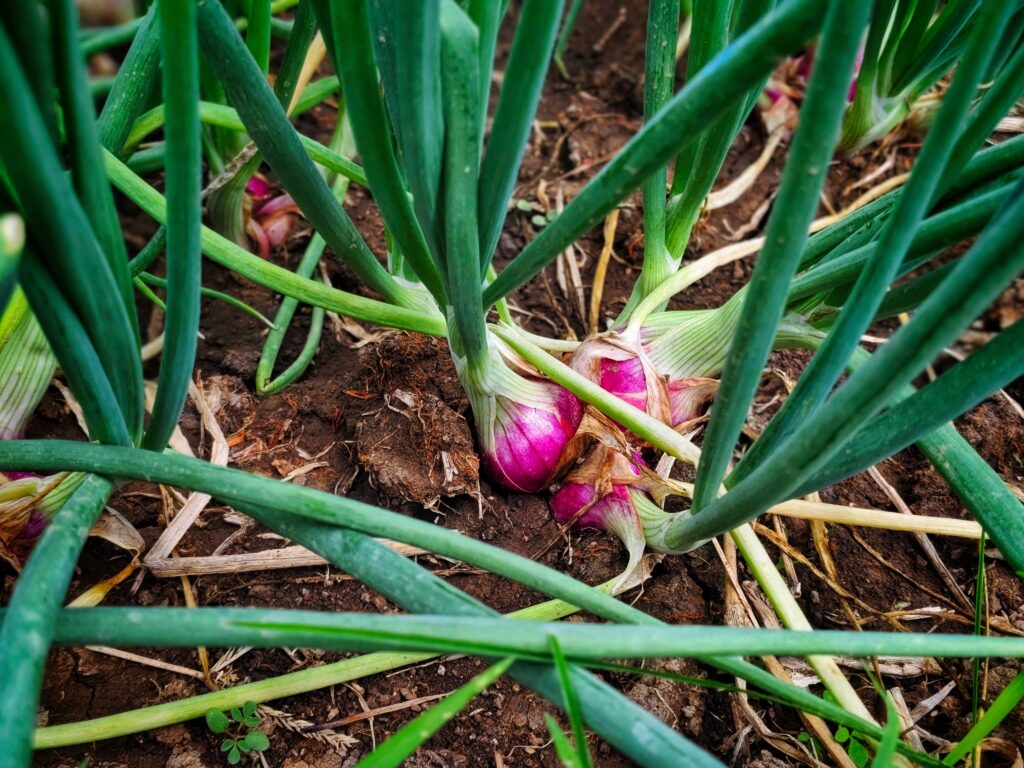
Onion seedlings look like little grass, and they can handle cool indoor temps as long as they get strong light. Sow seeds thickly in a tray, then thin a bit if the clump gets too dense. Keeping the tips trimmed can prevent tangling and helps plants focus on roots. Water when the surface feels dry, and avoid letting trays sit in water.
Onions transplant well once they reach a sturdy, straw like thickness. Harden them off, then plant them out with the base just below the soil surface. Space matters, so do not crowd them if you want larger bulbs. Keep weeds down and water consistently during the first stretch of outdoor growth.
Celery
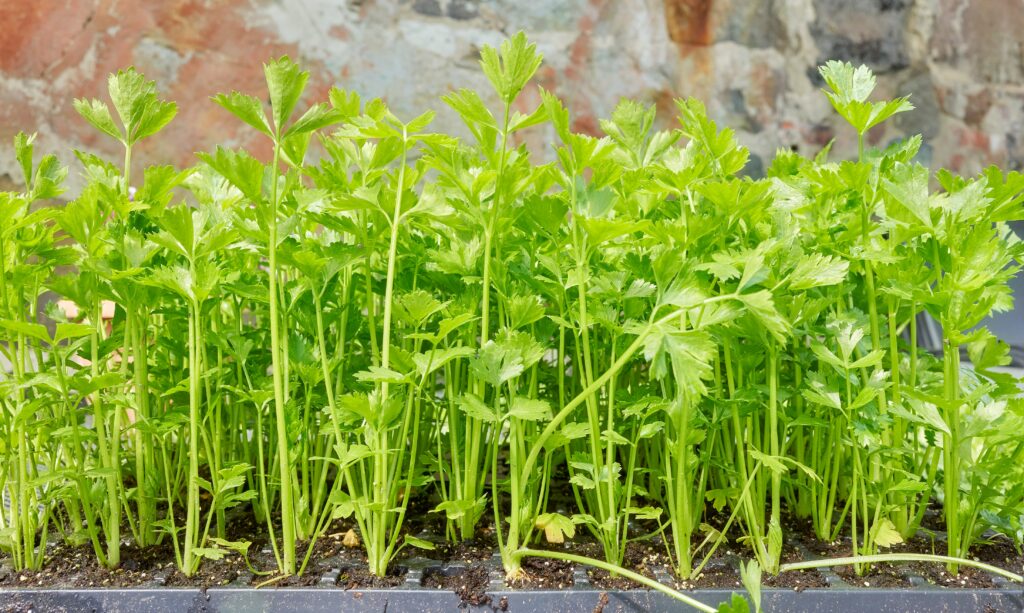
Celery seeds are tiny and need light to germinate, so press them onto the surface instead of burying them. They can take a while to sprout, and they like steady moisture the whole time. Warmth helps at first, but once they emerge, strong light is the priority. Start feeding lightly once true leaves form, since celery is a heavier feeder than many seedlings.
Celery transplants well when plants are not rushed and have time to form a good root system. Harden them off slowly, because sudden cold can slow growth. Plant seedlings at the same depth they grew indoors, since burying the crown can cause trouble. Keep the soil evenly moist outside, because dry spells often lead to stringy stalks.
Parsley
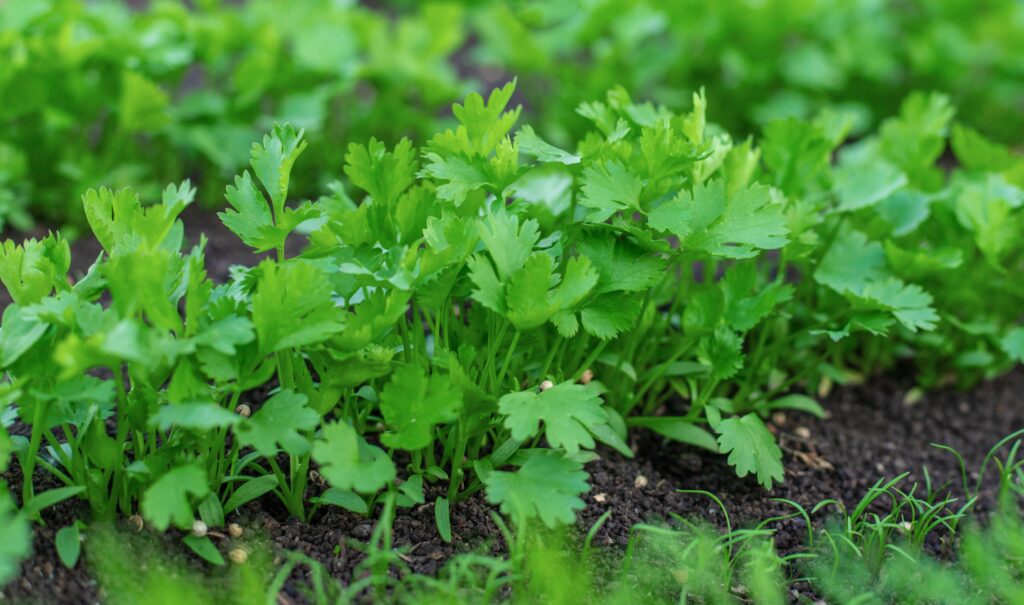
Parsley can be slow to germinate, so be patient and keep the surface from drying out. Soaking seeds overnight can help, and a warm spot speeds sprouting. Once seedlings appear, give them strong light and plenty of airflow. They stay compact when grown cool, which makes for sturdier plants later.
Parsley transplants well, especially when it has several true leaves and a healthy root ball. Harden it off and plant it in cool weather, since it prefers mild conditions. Water it in and keep moisture steady, because parsley does not like to dry out. If leaves droop after planting, it usually perks up within a day or two.
Basil
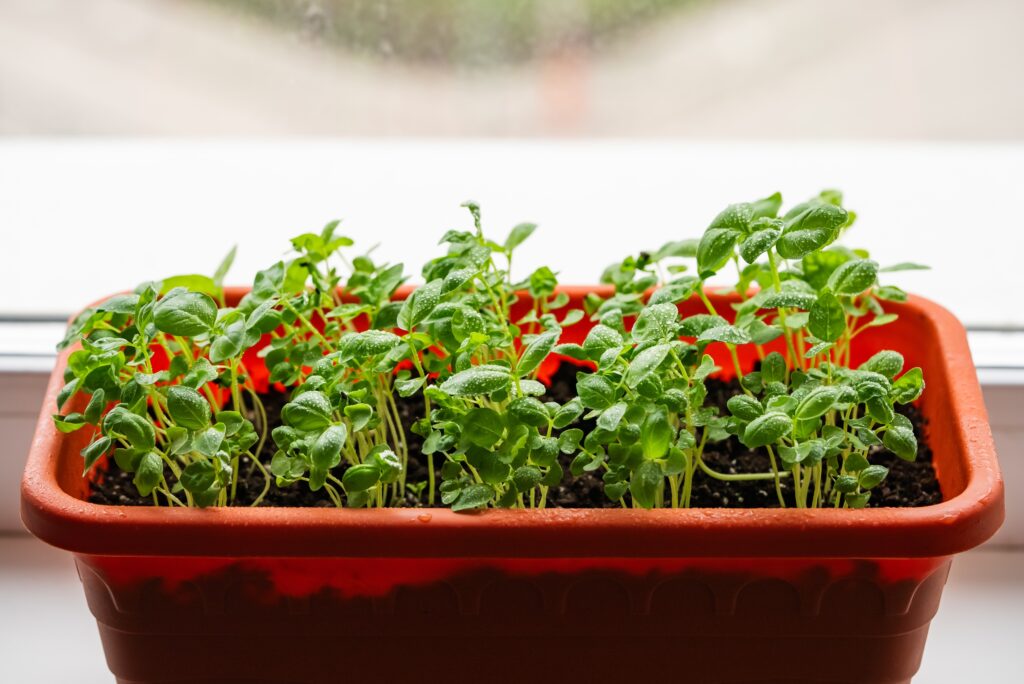
Basil germinates quickly indoors and likes warmth, so a heat mat can help in late winter. Give it strong light as soon as it sprouts, and pinch the tip once plants have a few sets of leaves. That small pinch encourages branching and keeps plants from getting tall and weak. Let the soil dry slightly between waterings, since basil dislikes constantly wet roots.
Basil transplants well when nights are reliably mild. Harden plants off, but do not expose them to cold winds for long, since chill can set them back. Plant them in warm soil and water well, then pinch tips again to keep growth full. If a cool night is coming, cover plants or bring pots in until temperatures settle.
Tomatoes
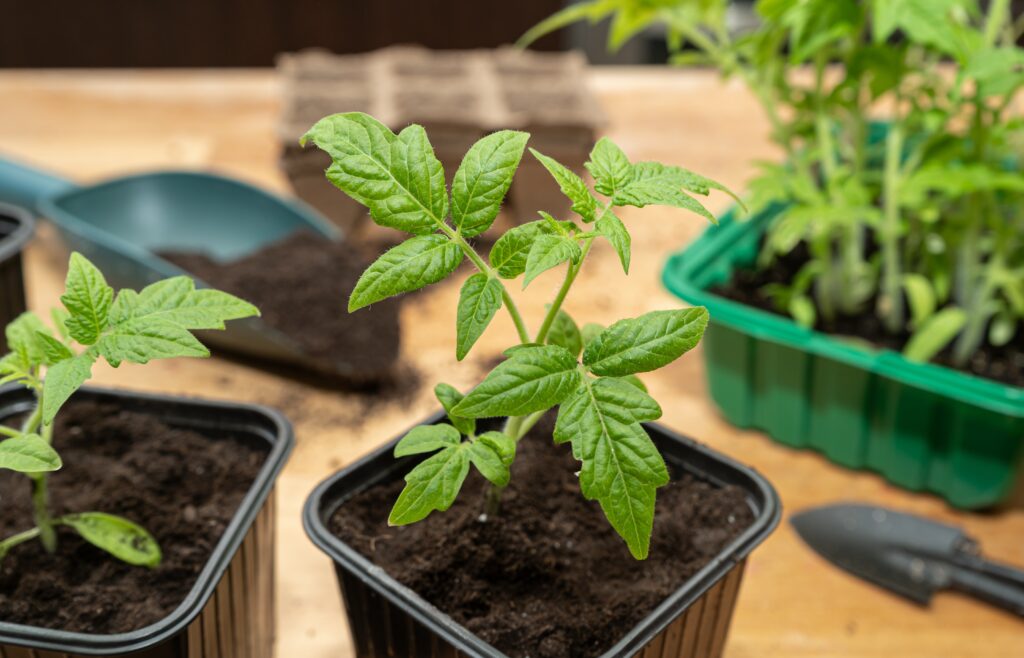
Tomato seedlings grow fast once they get going, so start them with strong light from day one. Pot them up as they grow, burying part of the stem to encourage more roots. A small fan and steady light keep stems thick and sturdy. Water deeply, then let the top of the mix dry slightly before watering again.
Tomatoes transplant well because they can form roots along the buried stem. Harden them off gradually, then plant them deep outdoors when nights are warm. Water well after planting and give support early so you do not disturb roots later. A simple cover can protect young plants if the weather swings cool.
Peppers
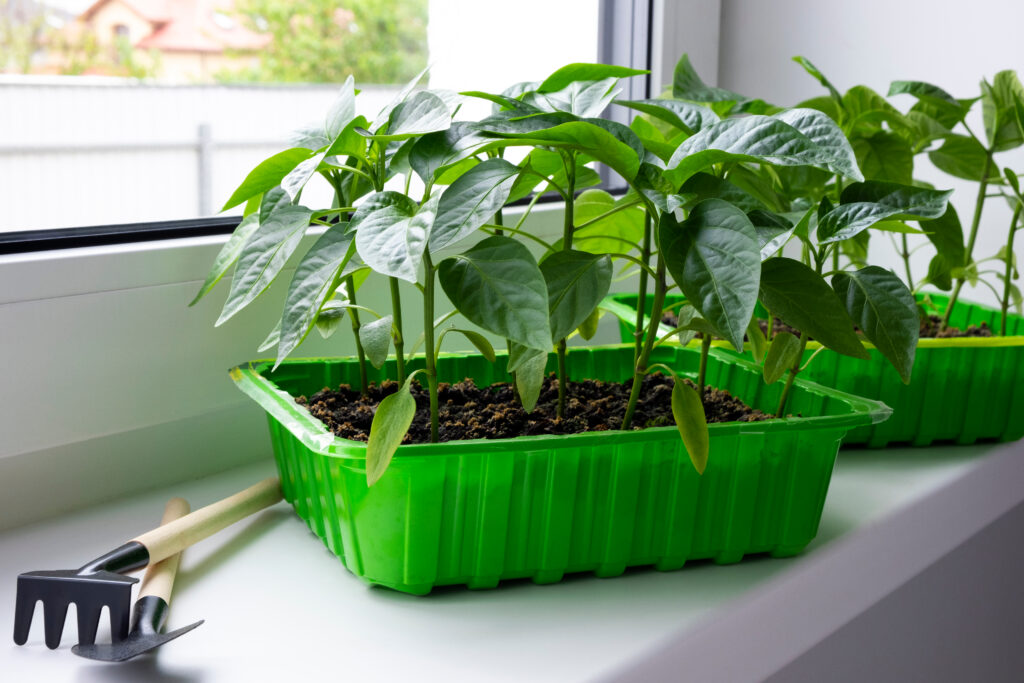
Pepper seeds like warmth and can be slow to sprout, so a heat mat and a covered tray can help. Once seedlings appear, keep the light close and the soil lightly moist. Peppers grow steadily rather than quickly, and they often need potting up before they go outside. If leaves curl, check for uneven watering or cold drafts.
Peppers transplant well when they have a strong root ball and warm outdoor conditions. Harden plants off slowly, since wind and cool nights can shock them. Plant them at the same depth they grew indoors, then water in gently and mulch once the soil warms. They tend to take a week or two to settle, then growth picks up when temperatures stay mild.
This article originally appeared on Avocadu.