
15 Native Plants That Can Be Started in Late Winter
Late winter is a good time to start native seeds so they sprout strong when spring warms up. Many of these plants like a chill period, so sowing now helps them wake up on schedule. Use seed trays or small pots, keep the mix lightly moist, and set them where they can get cool days and bright light.
This post may contain affiliate links, which helps keep this content free. Please read our disclosure for more info.
Common Milkweed (Asclepias syriaca)
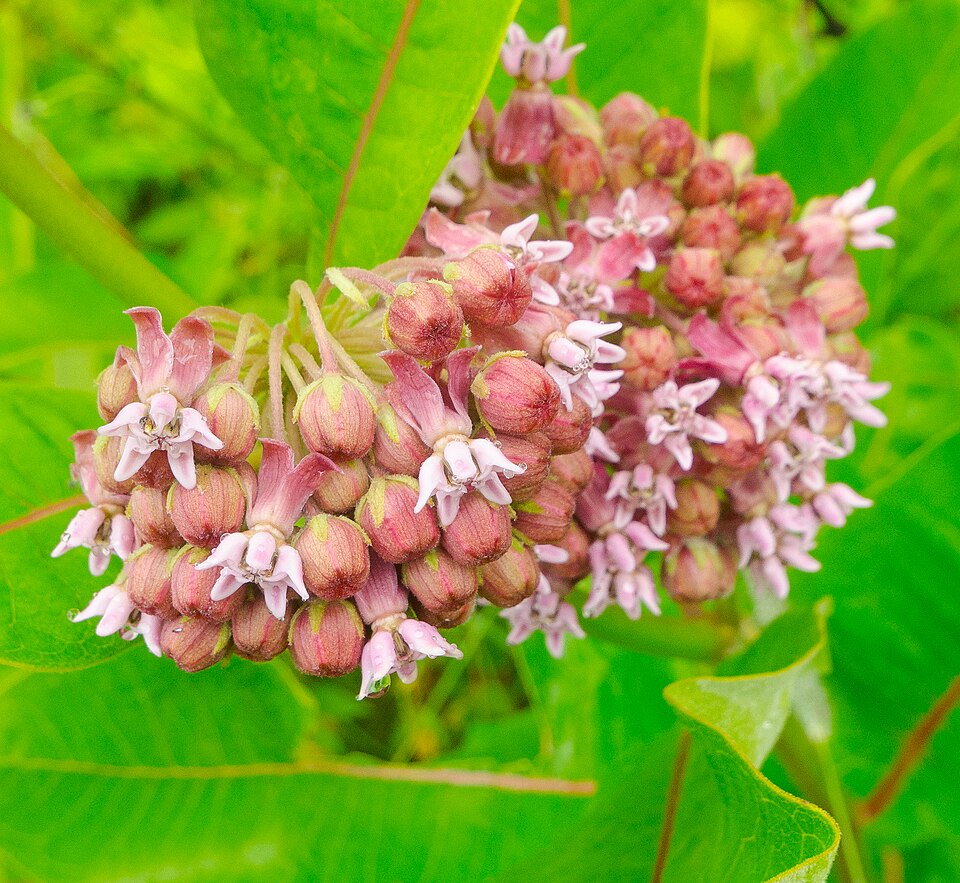
Common milkweed is that tall, classic meadow plant that smells sweet when it blooms and looks a little wild in the best way. The flower clusters are pale pink and packed with nectar, so you will see bees, wasps, and butterflies working them all day. It is also a top host plant for monarch caterpillars, which is the main reason many people plant it. Give it sun and average soil and it will settle in fast.
It spreads by underground runners, so it can wander if you let it, especially in smaller gardens. If you want it to stay put, grow it where you can mow an edge, or use a root barrier, or keep it in a dedicated native bed. The milky sap can irritate skin for some people, so gloves are a good idea when snapping stems or deadheading. In late summer the big seed pods turn into silky fluff, which kids love watching float around.
Butterfly Weed (Asclepias tuberosa)
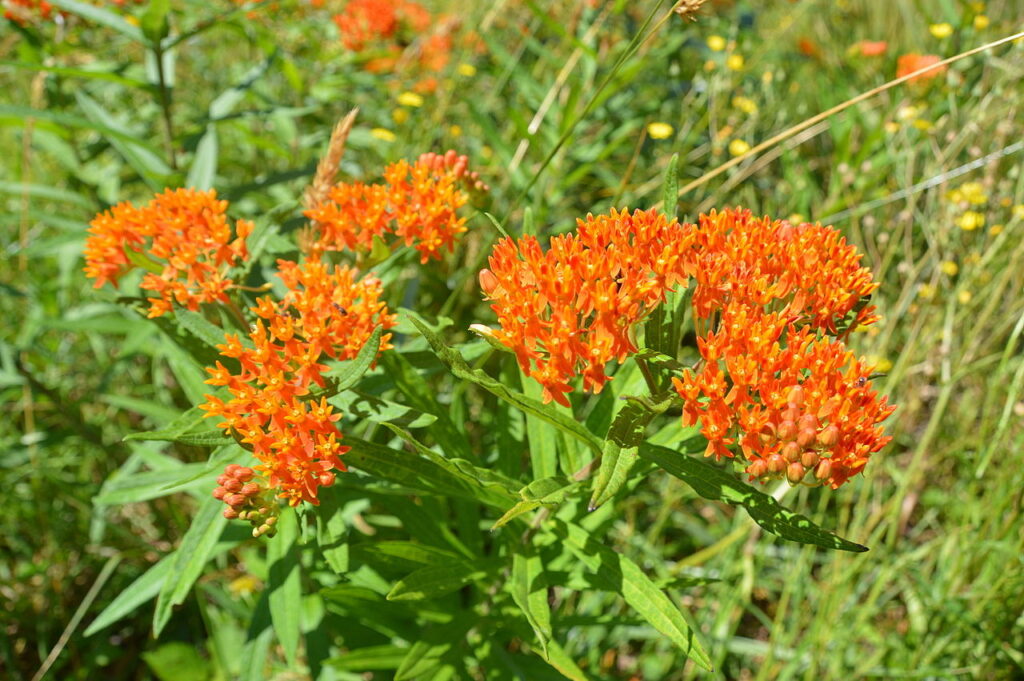
Butterfly weed is the milkweed for people who want something tidy, bright, and easy to place in a garden border. The orange flowers glow in full sun and bring in butterflies like clockwork, plus plenty of bees. Unlike common milkweed, it stays more clump-forming and does not run as much. It loves lean, well-drained soil and handles heat like a champ once established.
This one has a deep taproot, so it prefers being left alone rather than moved around every season. If you are planting from a pot, loosen the root ball gently and water it well the first few weeks, then back off. The stems look great with grasses, and the seed pods are fun if you like a natural, late-season look. If you cut it back after flowering, you may get a neater shape, but leaving some stems helps wildlife and adds winter texture.
Purple Coneflower (Echinacea purpurea)
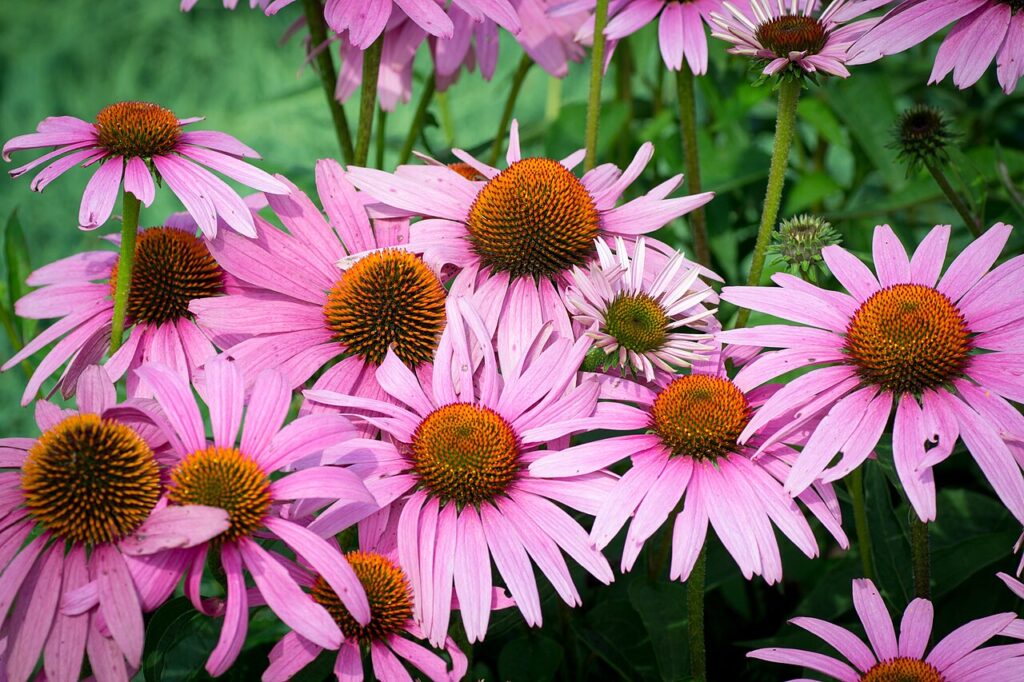
Purple coneflower is a sturdy, no-drama perennial that blooms for weeks and still looks good when the petals start to droop. The big pink-purple daisies sit on strong stems and make an easy landing pad for butterflies. It likes full sun but will tolerate a bit of shade, especially in hotter spots. Once it is established, it handles dry spells better than you might expect.
If you leave the seed heads, goldfinches and other birds will show up to snack on them in late summer and fall. Deadheading keeps it flowering longer, though, so you can mix and match depending on the look you want. It plays nicely with almost everything, from black-eyed Susans to little bluestem. Every few years you can divide clumps if they get crowded, but it is also fine if you just let it do its thing.
Black-eyed Susan (Rudbeckia hirta)
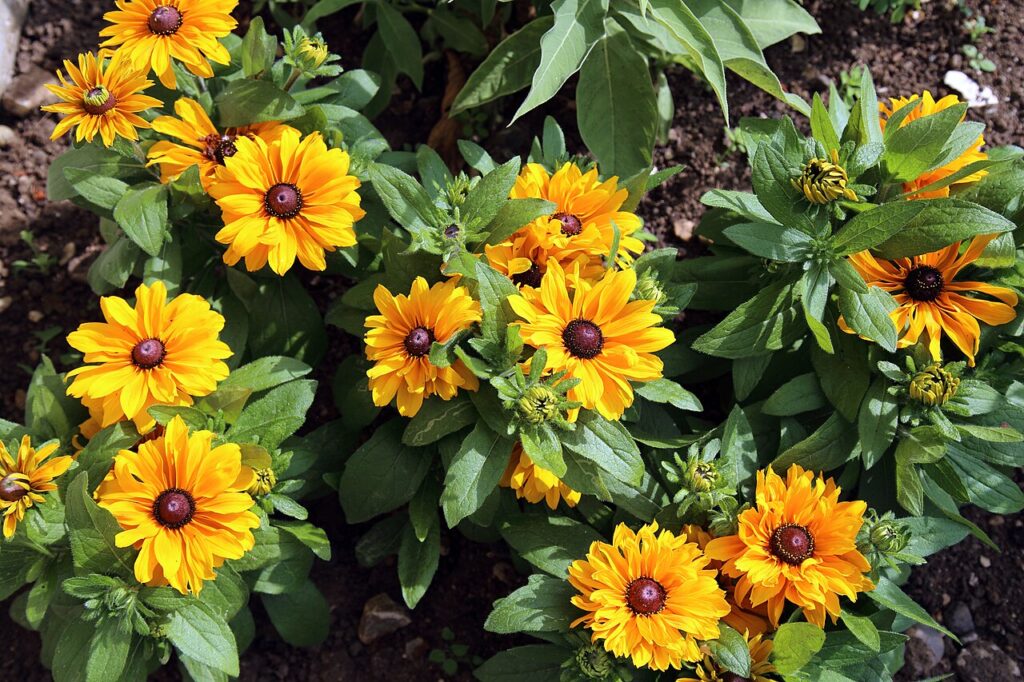
Black-eyed Susan is basically sunshine on a stem, and it can make even a plain yard feel cheerful. The yellow petals and dark center read clearly from far away, which is why it is such a strong filler in a native bed. It usually behaves like a short-lived perennial or biennial, but it often reseeds so well that it feels permanent. Full sun is best, and it is not picky about soil.
You can let seedlings pop up naturally and simply thin them where you want paths or breathing room. If plants flop a bit in rich soil, neighboring grasses or sturdy perennials will help hold them upright. Pollinators love the blooms, and birds appreciate the seeds later on if you leave the heads standing. It can look a little tired at the end of the season, so a quick trim back can freshen the garden without much effort.
Lanceleaf Coreopsis (Coreopsis lanceolata)
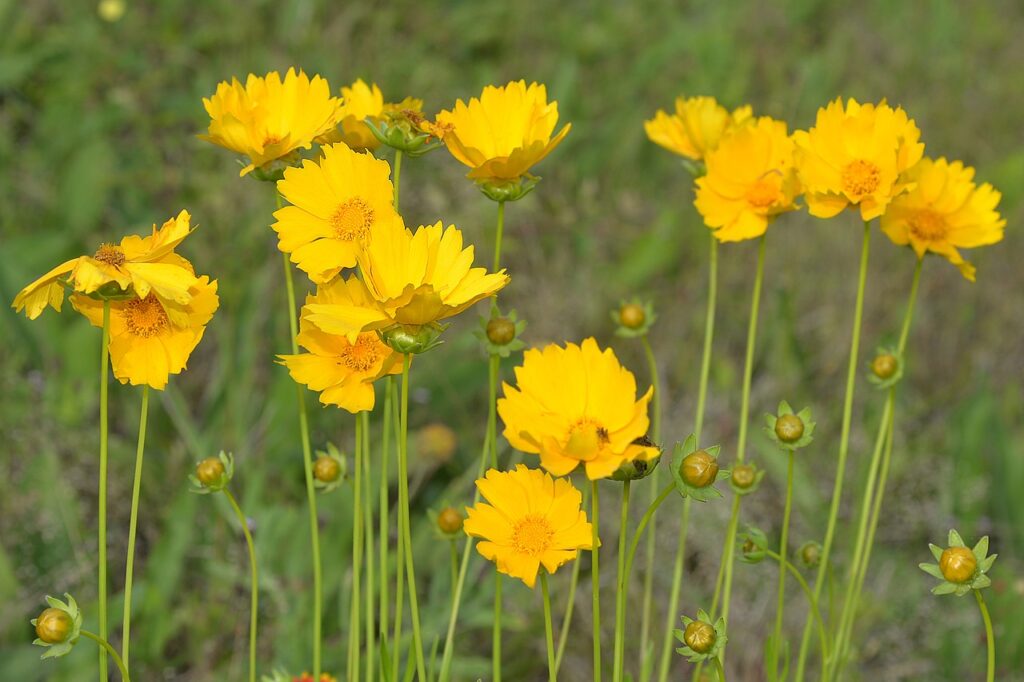
Lanceleaf coreopsis is one of those plants that looks delicate but acts tough. The golden flowers bounce on wiry stems and bloom heavily in late spring and early summer. It prefers sun and well-drained soil, and it is happy in places where fussier plants struggle. In a mixed planting, it adds a light, airy look that keeps everything from feeling too heavy.
If you shear it back after the first big bloom, you often get a second wave of flowers later. It can reseed, but the seedlings are easy to pull or move while small, so it rarely becomes a headache. Butterflies and small native bees use it constantly, especially on warm mornings. Pair it with purple coneflower or wild bergamot and the color combo just works without trying too hard.
New England Aster (Symphyotrichum novae-angliae)
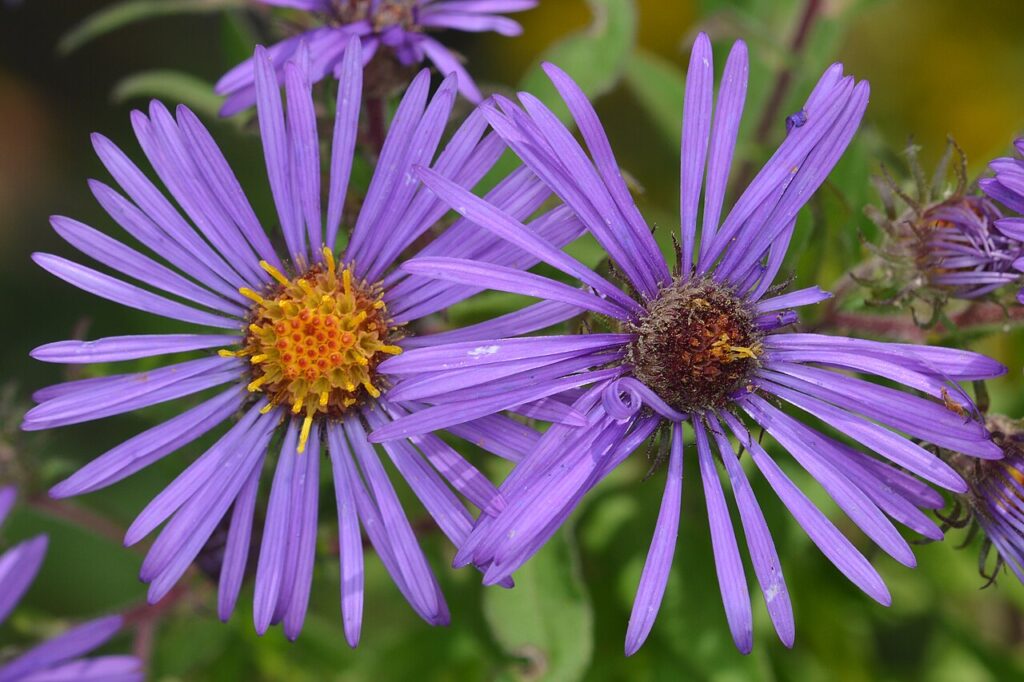
New England aster is the late-season hero that shows up when a lot of other flowers are fading. The purple or pink blooms are loaded with nectar, and they are a magnet for bees and migrating butterflies. It likes sun and average moisture, though it can handle a range once established. The plant gets tall, so it works best in the back of a bed or in a meadow-style planting.
If you want it bushier and less likely to lean, pinch or cut stems back by a third in early summer. Powdery mildew can show up in humid areas, but good airflow and sun usually keep it manageable. The fall color is worth it, and the seed heads can feed birds if you leave them. It also looks fantastic with ornamental grasses once everything starts turning golden.
Wild Bergamot (Monarda fistulosa)
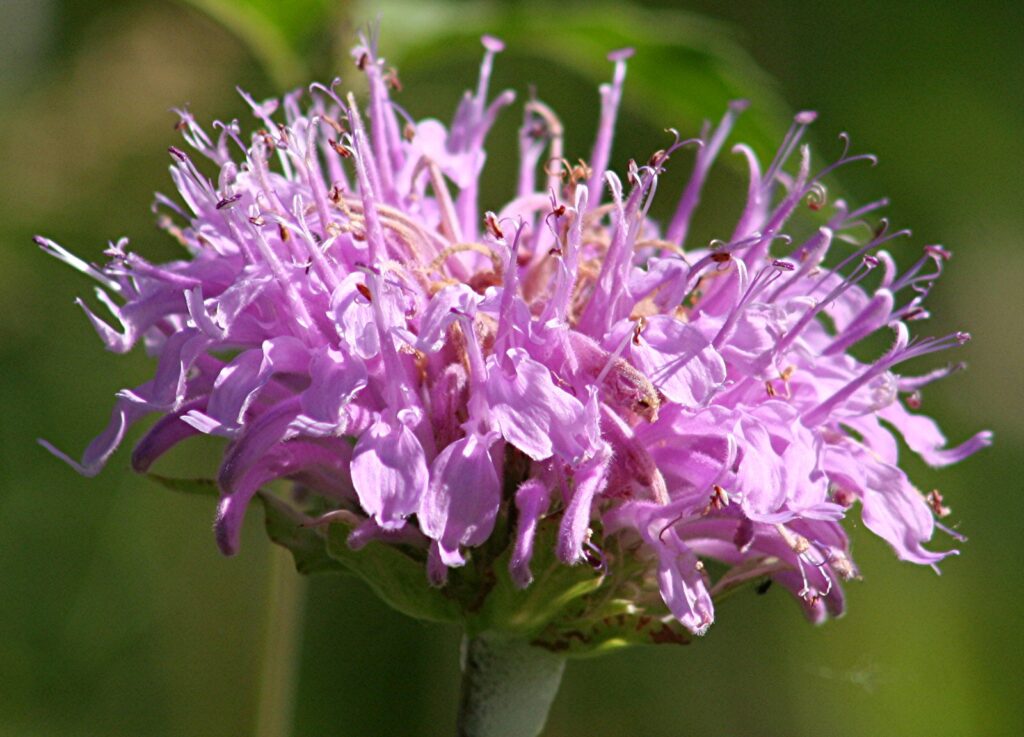
Wild bergamot has that fun, slightly messy firework look, plus it smells amazing when you brush the leaves. The lavender blooms pull in bees, butterflies, and hummingbirds, and the plant feels lively even when you are just walking past it. It likes sun, but it tolerates part shade, especially if summers are hot. The foliage has a minty, oregano-ish scent, which is why it is sometimes called bee balm.
It spreads a bit by rhizomes, so give it room or thin the edges now and then. In humid weather it can get powdery mildew, but spacing plants out and avoiding overhead watering helps a lot. If you deadhead, you can stretch the bloom season, but leaving seed heads looks nice in fall. It is also a great plant for a casual tea garden vibe since the leaves have a long history of herbal use.
Wild Columbine (Aquilegia canadensis)
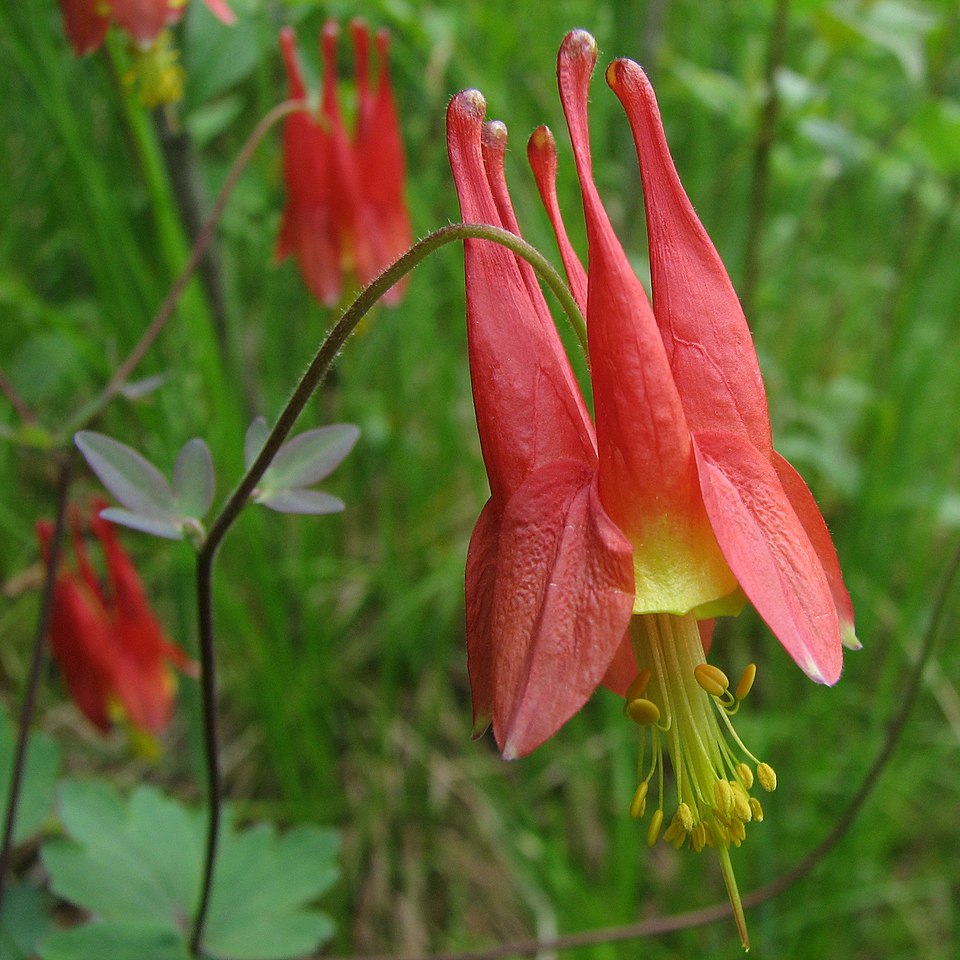
Wild columbine is that graceful woodland-edge plant with red and yellow flowers that look like tiny lanterns. Hummingbirds love it, and it blooms early enough that it feels like a real spring treat. It prefers part shade and well-drained soil, though it can take sun if it has some moisture. The airy foliage keeps it from feeling bulky, so it slips easily into small gardens.
It is a short-lived perennial, but it reseeds gently, so you often get new plants without trying. Seedlings are easy to move if they pop up in a weird spot, and they transplant better when young. After flowering, the plant can look a little tired, so you can trim it back to encourage fresh leaves. It pairs nicely with ferns, woodland grasses, and spring bulbs for a relaxed, natural look.
Golden Alexanders (Zizia aurea)
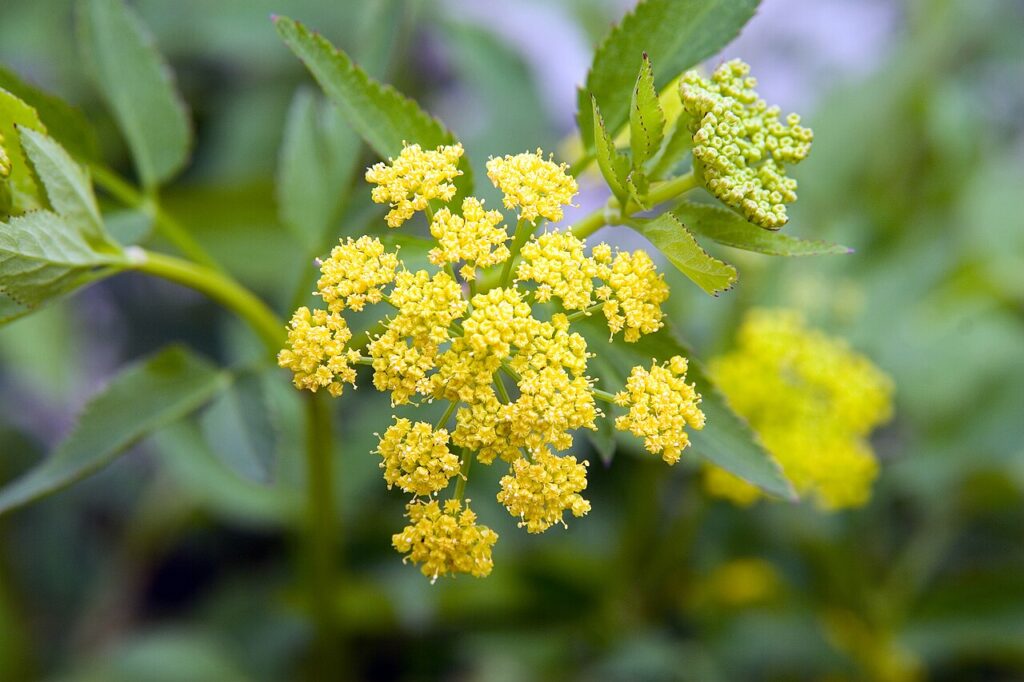
Golden Alexanders brings bright yellow flower clusters in late spring, right when gardens are waking up but not fully rolling yet. The blooms look a bit like flat-topped umbrellas, and they attract a steady stream of small native bees and beneficial insects. It grows well in sun to part shade and likes soil that stays a little moist, though it is fairly adaptable. It is also a host plant for black swallowtail caterpillars, which is a nice bonus.
It stays more compact than many meadow plants, so it fits well near paths or at the front of a native bed. If you let it go to seed, you may get a few volunteer plants, but it is usually polite about it. The foliage stays neat through much of the season, which makes it easy to mix with showier summer bloomers. Try it with columbine and later-blooming asters for a simple, season-long sequence.
Foxglove Beardtongue (Penstemon digitalis)
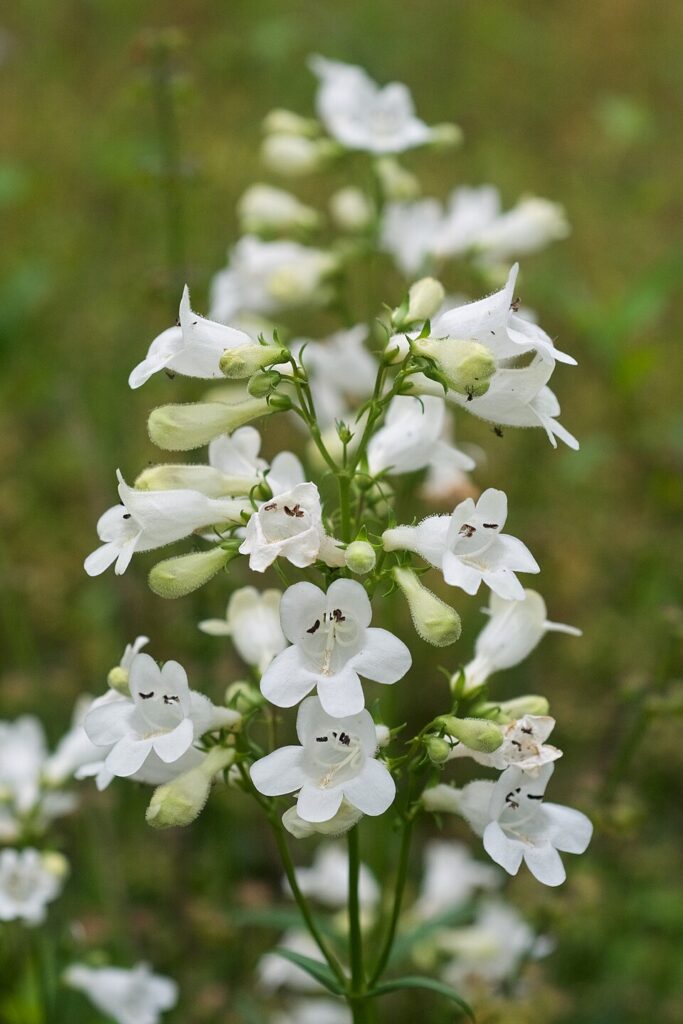
Foxglove beardtongue sends up tall spikes of white to pale pink tubular flowers that look crisp and clean in a mixed border. Bees crawl right inside the blooms, and it is one of those plants that feels busy with pollinator activity. It likes full sun to part shade and does best in soil that drains well. The foliage forms a nice basal clump, so even before it blooms it looks put together.
It can reseed, which is great if you want a naturalized look, and the seedlings are usually easy to spot. If flower stalks get floppy after rain, a light support from neighboring plants often solves it. Cutting spent spikes can encourage a tidier look, but leaving some seed heads adds structure in late summer. It mixes beautifully with coneflower and coreopsis because the shapes are so different.
Prairie Blazing Star (Liatris pycnostachya)
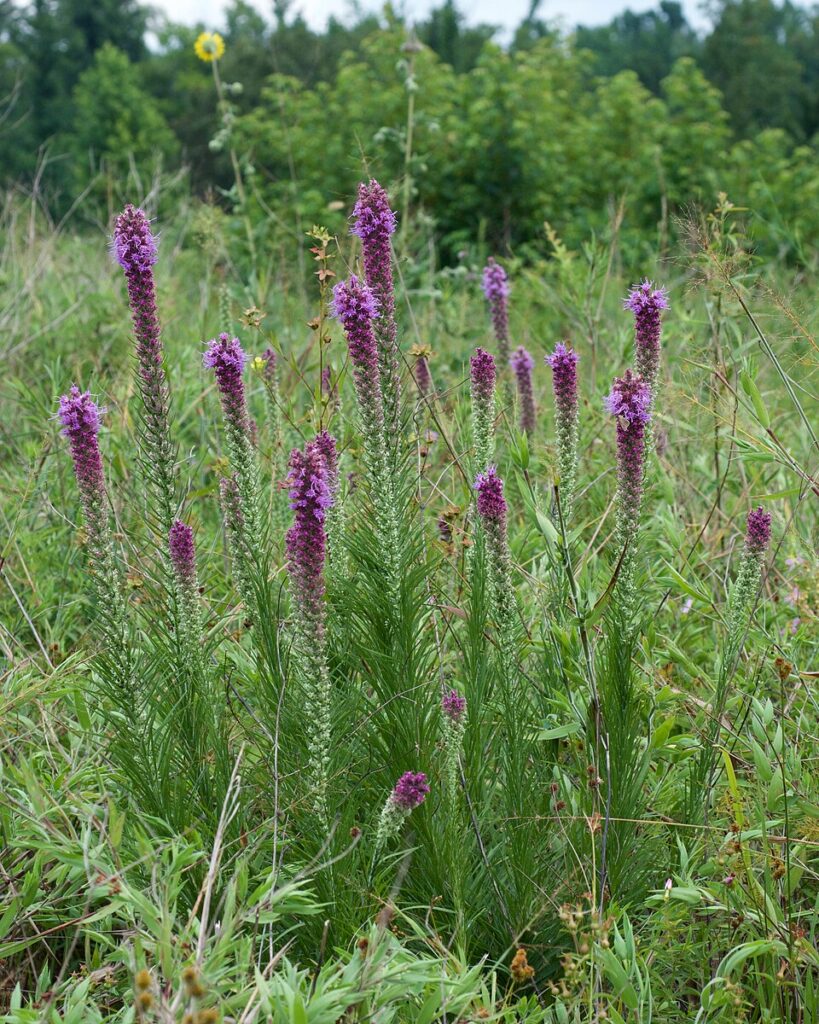
Prairie blazing star has those tall purple flower spikes that open from the top down and look like something out of a fireworks show. Butterflies, especially swallowtails and monarchs, love it, and bees will cover it when it is in peak bloom. It prefers full sun and can handle heat, but it appreciates decent drainage. The upright form makes it a great “vertical accent” without taking over the whole space.
It grows from corms, and it tends to come back reliably once it is established. If you plant a few together, the impact is way bigger than a single stem here and there. The seed heads can be left for birds, and the stalks add winter interest if you do not mind a slightly wild look. In a prairie-style garden, it looks especially good weaving through little bluestem and prairie dropseed.
Little Bluestem (Schizachyrium scoparium)
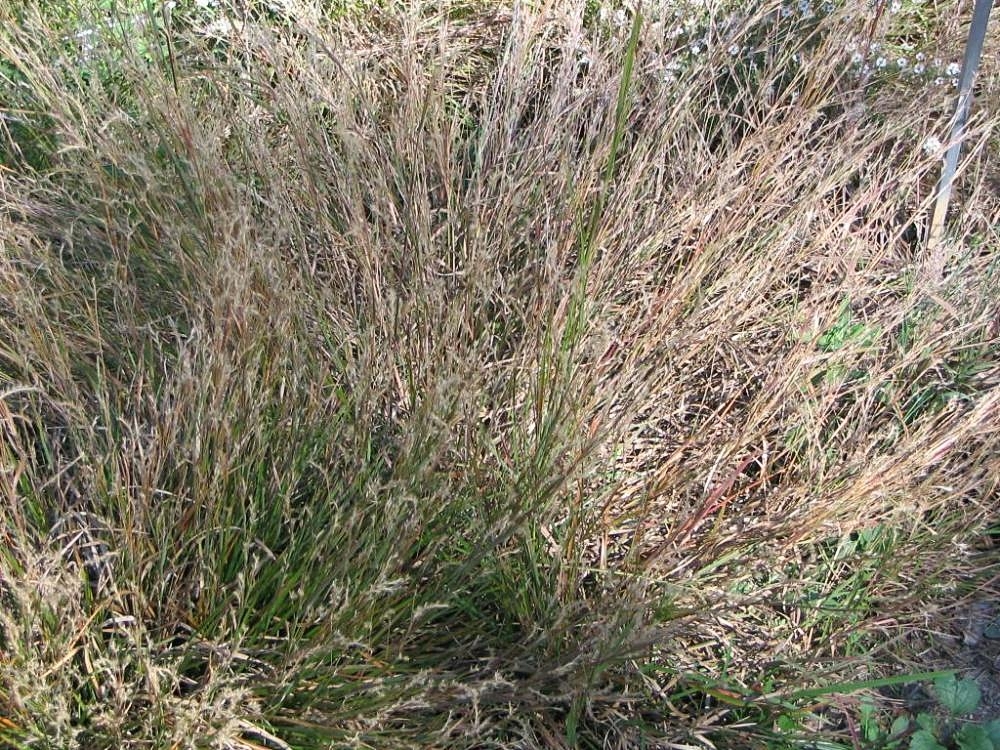
Little bluestem is a native grass that quietly steals the show in fall when it turns coppery orange and sometimes even a little wine-colored. The upright clumps give structure all season, and the fluffy seed heads catch light in a really pretty way. It likes full sun and lean soil, and it actually flops more if the soil is too rich. Once established, it is quite drought-tolerant and low maintenance.
You do not need to baby it, which is kind of the point, so just give it space and let it form its natural shape. In late winter or early spring, cut it back to a few inches so fresh growth can come in cleanly. It provides cover for small wildlife and can be a host plant for some skipper butterfly caterpillars. It also makes bright flowers look even brighter, especially coneflower, aster, and blazing star.
Prairie Dropseed (Sporobolus heterolepis)
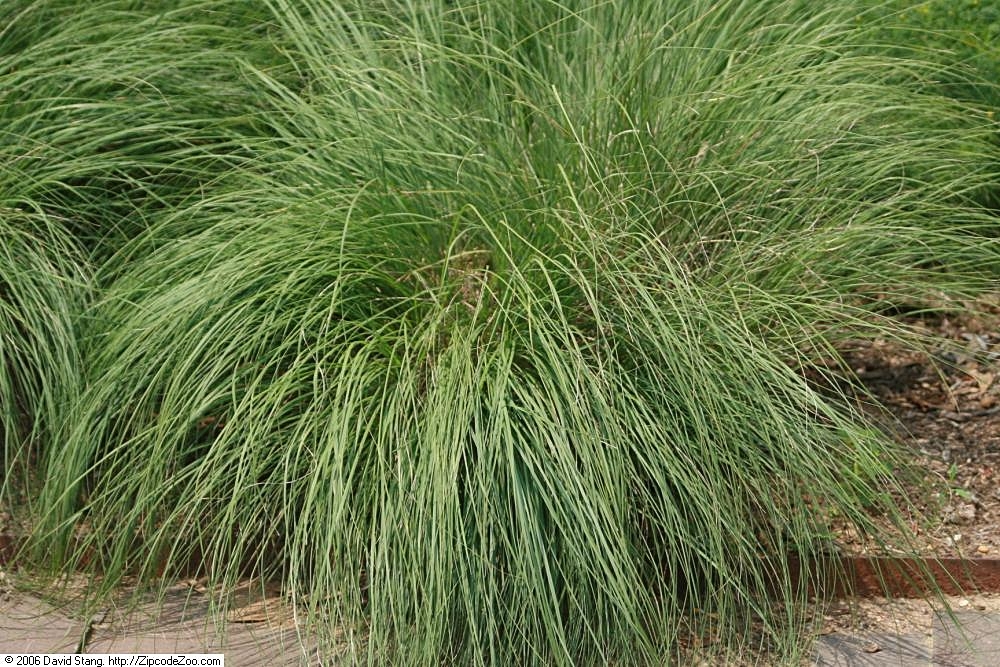
Prairie dropseed forms a soft, fountain-like mound that looks neat from spring through winter. In late summer, the airy flower sprays appear and sometimes have a faint scent that people describe as coriander or popcorn. It thrives in full sun and well-drained soil, and it handles heat and dryness once it is settled. It is also one of the best grasses for a clean, “designed” look that still feels natural.
It is slow to bulk up at first, so patience pays off, and the clumps get better each year. The fine texture makes it a great edging plant along paths or around patios where you want movement without tall height. Cut it back in late winter, and try not to trim it in fall because the tawny color looks great in cold months. If you plant three or five in a group, the effect is calming and cohesive without feeling formal.
Blue Wild Indigo (Baptisia australis)
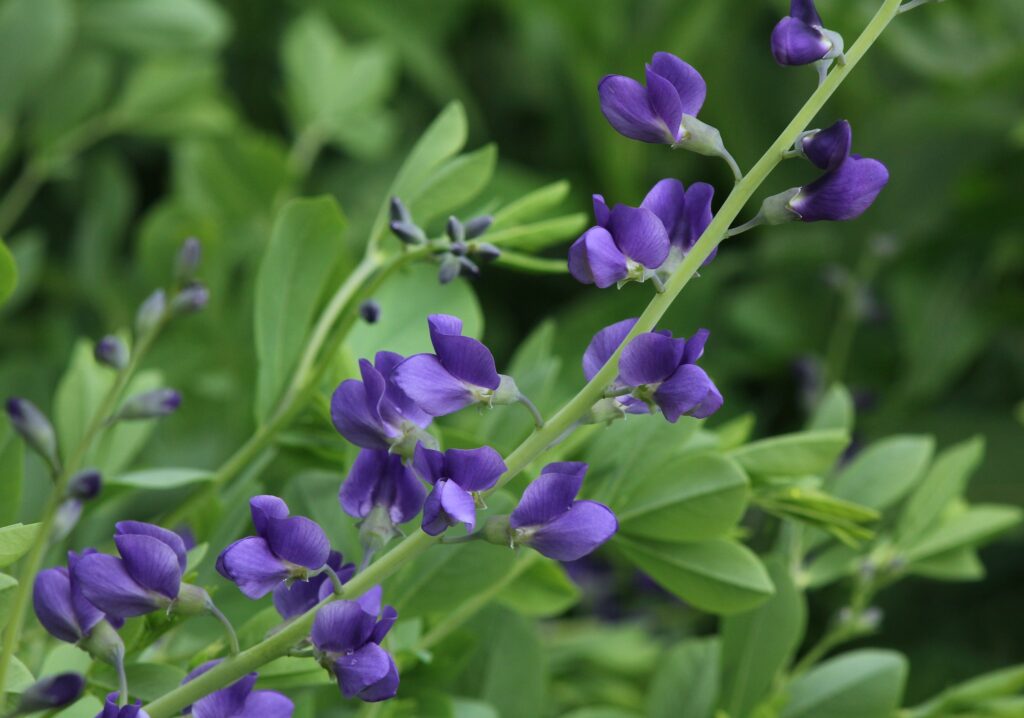
Blue wild indigo is a big, sturdy perennial with bluish-green leaves and spikes of deep blue flowers that feel almost shrub-like. It likes full sun, tolerates light shade, and is happiest in soil that drains well. Once it is established, it is very tough and can live for years in the same spot. The spring blooms are great for bumblebees, and the plant has a strong, architectural shape all season.
It develops a deep root system, so it is not a fan of being moved, and it is better to choose its spot carefully at planting time. After flowering, it makes dark seed pods that rattle in the wind and add a fun texture, especially in fall. If it gets too big, you can prune it lightly right after bloom, but it usually holds its shape on its own. It looks amazing next to warm-colored plants like black-eyed Susan and butterfly weed.
Blue Flax (Linum lewisii)
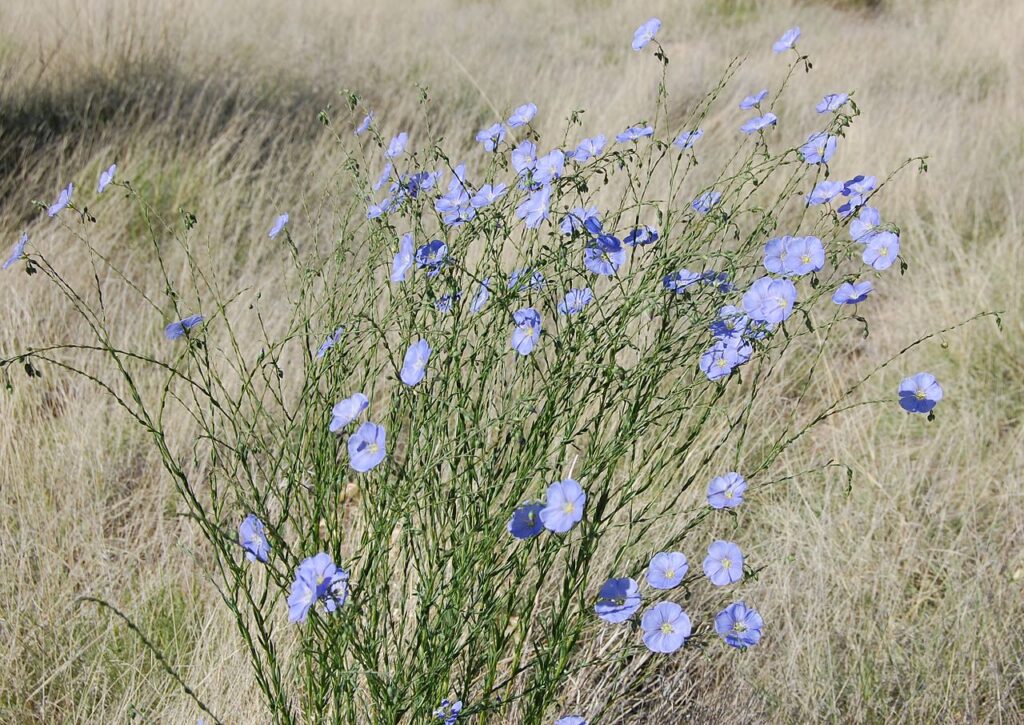
Blue flax has delicate, sky-blue flowers that open in the morning and often drop petals by afternoon, which somehow makes it feel even more charming. It blooms over a long stretch because new flowers keep coming, so you get lots of little moments rather than one big show. It prefers full sun and well-drained soil, and it does well in rock gardens or dry borders. The stems are slender, so it weaves nicely among other plants without crowding them.
It can reseed, but it is usually light and manageable, and seedlings are easy to thin. In hot climates, it appreciates a little afternoon shade, though it still wants bright light overall. It is a great choice if you like a natural, airy look and do not want something that takes up a lot of visual space. Pair it with prairie dropseed or little bluestem and the whole planting feels soft and relaxed.
This article originally appeared on Avocadu.