
15 Late Winter Ground Covers That Stay Green and Neat
Late winter is when gardens can look tired, even if you keep beds clean and simple. These ground covers stay green and tidy through cool weather, helping borders look finished while other plants rest. Use this list to pick options that fit your light, soil, and foot traffic needs.
This post may contain affiliate links, which helps keep this content free. Please read our disclosure for more info.
Wintercreeper Euonymus, Euonymus fortunei
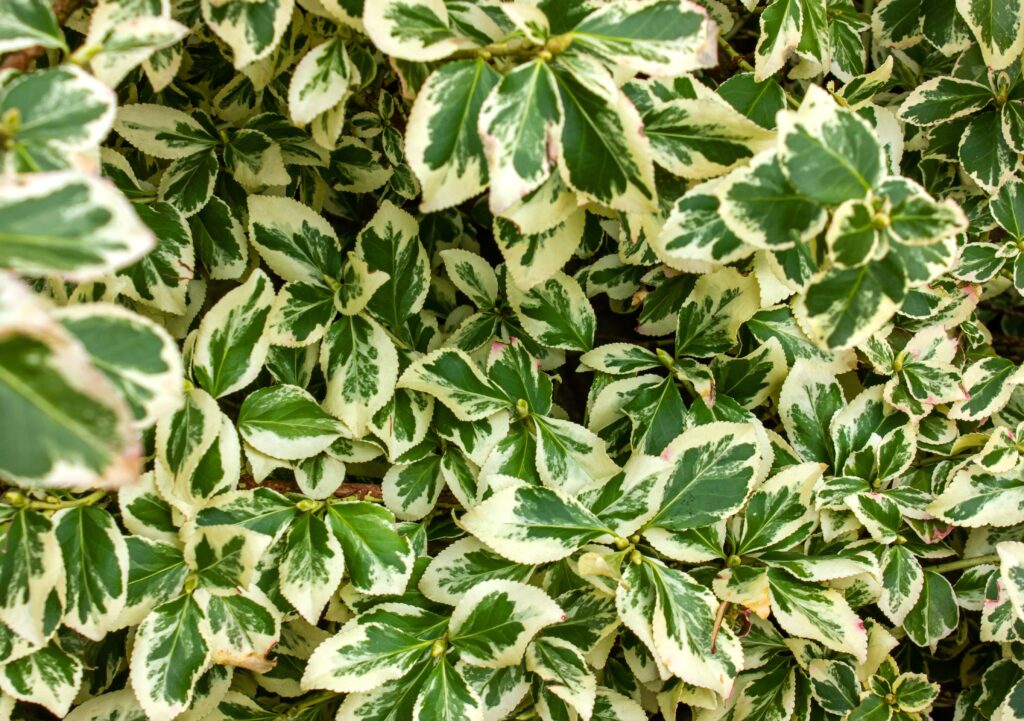
This ground cover keeps its leaves through cold months and can cling to the soil in a tight mat or climb a low wall if it finds support. It handles shade well, which makes it useful under trees where grass struggles. New growth can look fresh in late winter, but it may show some bronzing after hard cold.
Plan to trim it back once a year so it stays low and neat instead of turning into a thick tangle. It can spread beyond where you planted it, so edge it or pull runners that wander. In many regions it can move into natural areas, so it is best used where you can watch it closely.
Bearberry, Arctostaphylos uva ursi
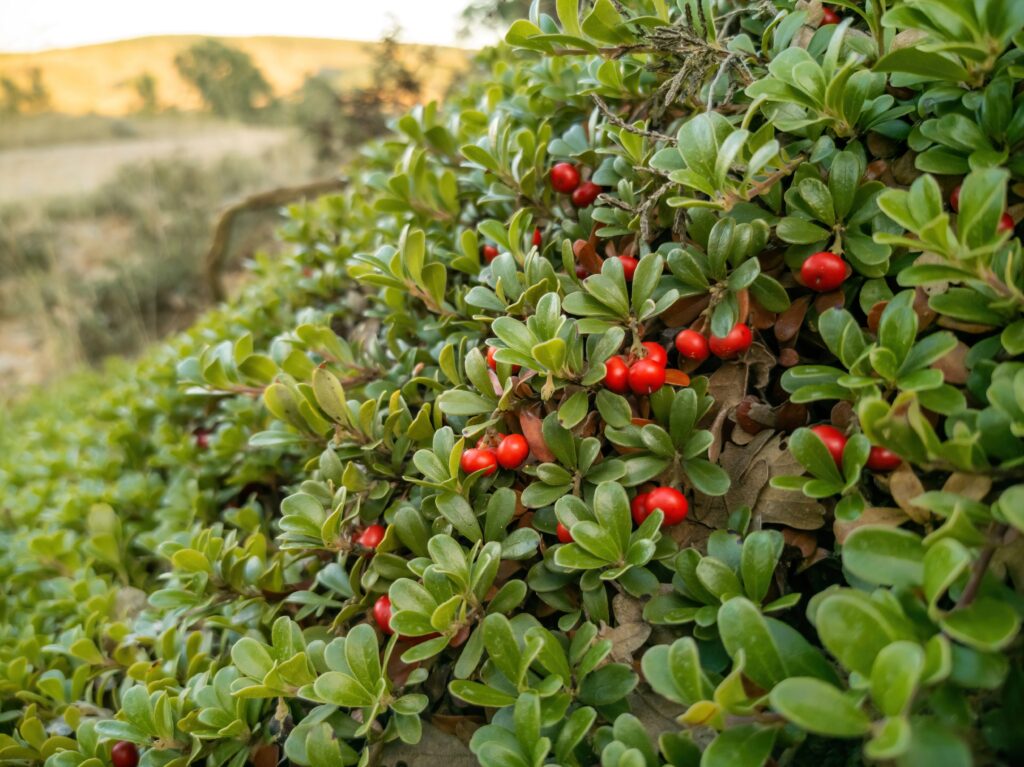
Bearberry stays low and tidy with small, leathery leaves that look clean even when temperatures swing. It does best in sunny spots and soil that drains fast, which makes it a good fit for slopes and sandy beds. Late winter can bring some red or bronze tones, then it greens up again.
Give it space and patience because it fills in steadily rather than quickly. Avoid soggy soil, since wet feet can lead to thin patches. Once established, it needs little attention beyond the occasional light shaping and a check for weeds while it spreads.
Creeping Juniper, Juniperus horizontalis
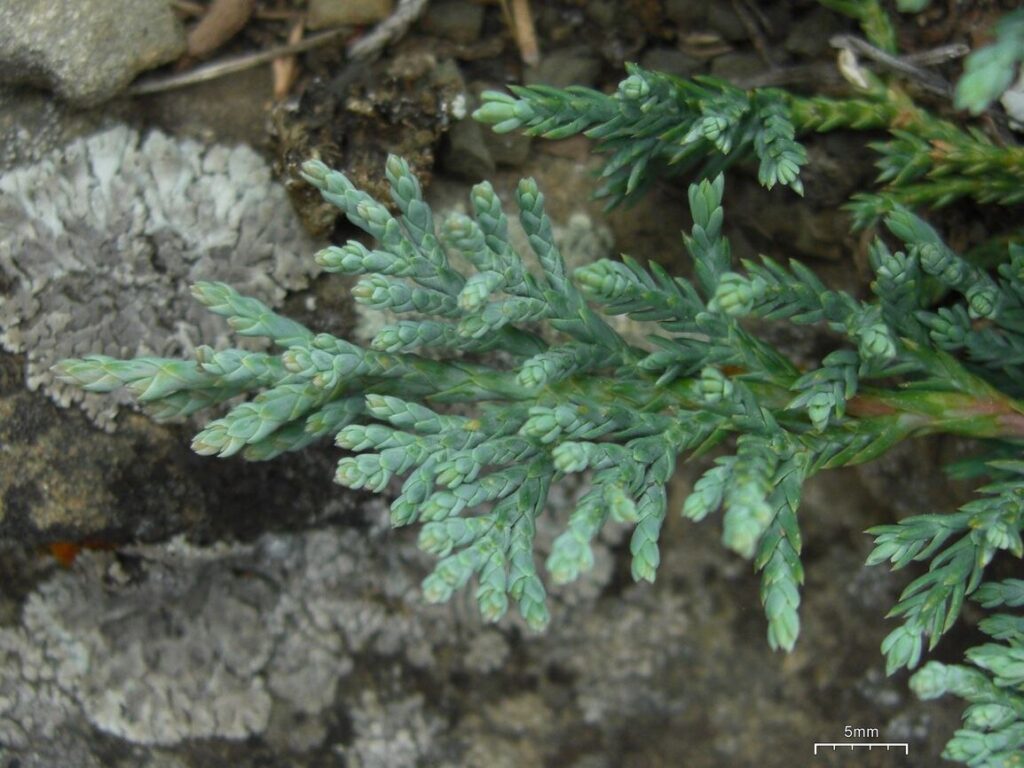
Creeping juniper forms a dense, needle like carpet that stays green and structured through late winter. It handles wind and poor soil better than many ground covers, so it is handy along driveways or open front beds. Some varieties shift to a purplish tint in cold weather, then return to green as days warm.
Full sun keeps it thick and low, while too much shade can make it open and leggy. Water it the first season so roots settle in, then let it dry between soakings. Prune stray tips in early spring if you want crisp edges around paths or rocks.
Creeping Thyme, Thymus serpyllum
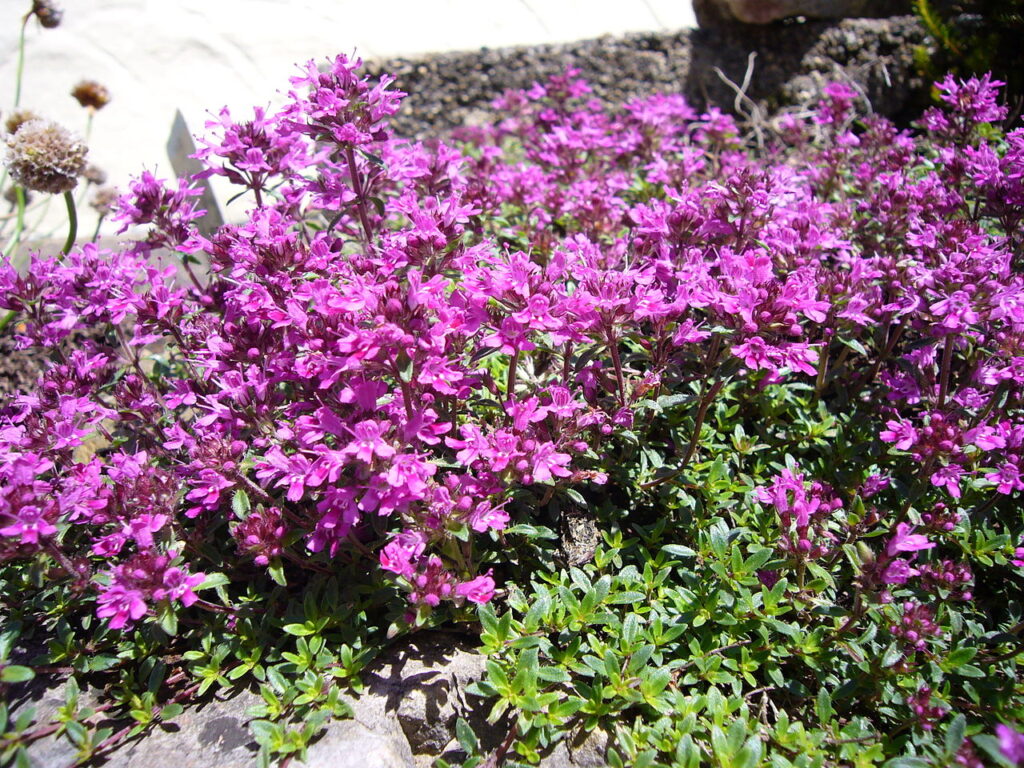
Creeping thyme makes a short mat of tiny leaves that looks tidy between stepping stones and along sunny borders. When temperatures are mild, it can stay green through late winter, especially in protected spots. The foliage also smells pleasant when brushed.
Good drainage matters more than rich soil, so a gritty bed is often best. Trim lightly after flowering to keep it compact and to prevent woody bare centers. If winter is harsh, you may see some thinning, but it often fills back in when warmth returns.
Irish Moss, Sagina subulata
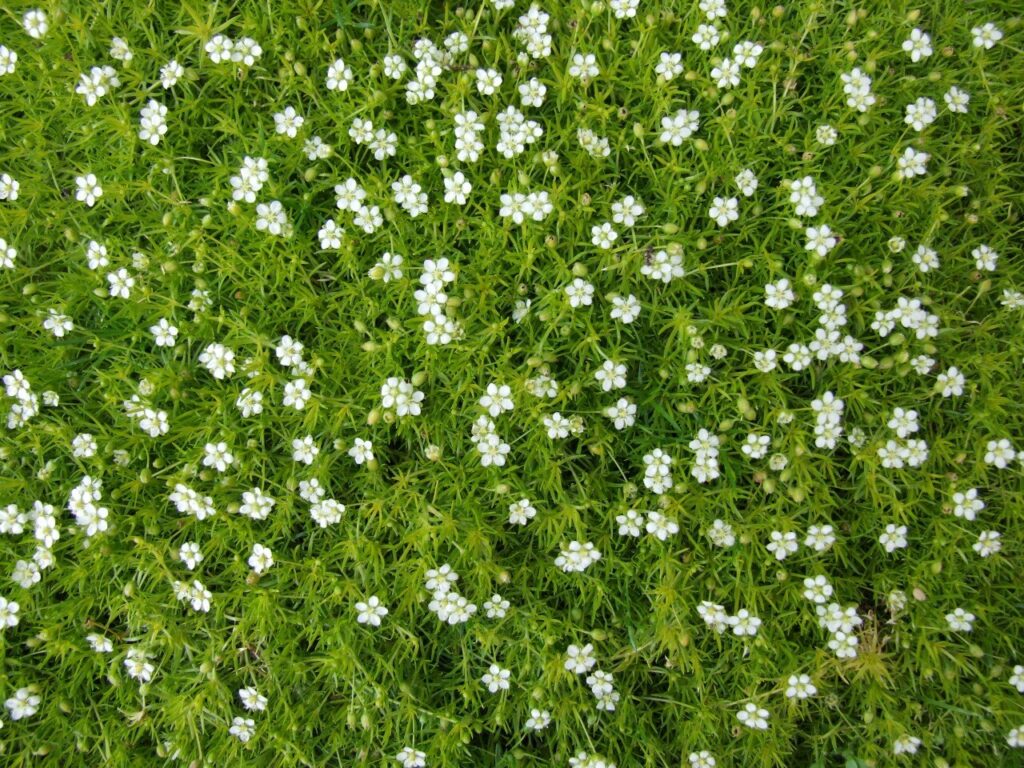
Irish moss looks like a soft, bright green cushion that keeps beds looking finished when other plants fade. It stays low and smooth, which is helpful near pavers or at the front of a border. In late winter, it can look its best where soil stays evenly moist.
Heat and drought can stress it, so pick a spot that does not bake all day in summer. Water during dry stretches and remove leaf litter so it does not smother the mat. When it starts to mound, a gentle shear keeps the surface even.
Scotch Moss, Sagina subulata Aurea
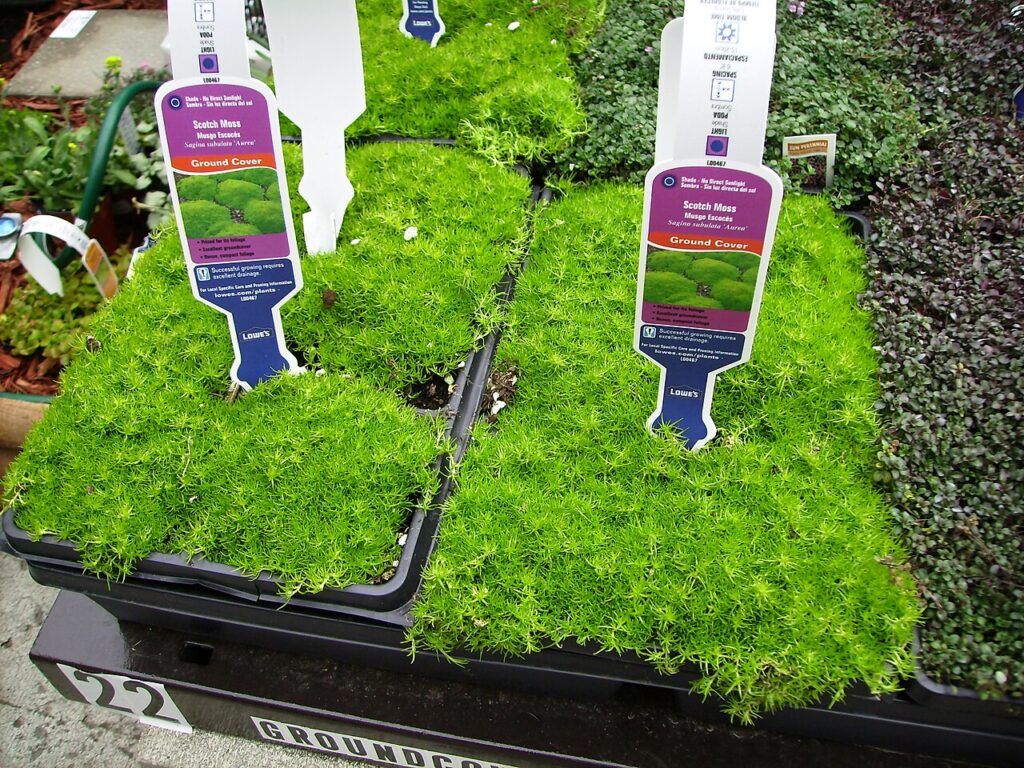
Scotch moss has the same tight growth as Irish moss, but its foliage runs more yellow to chartreuse in brighter light. That color can brighten a dull bed in late winter, especially next to darker greens. It stays very low, so it reads as a clean ground level layer.
Sun helps keep the color vivid, though a little afternoon shade can prevent scorching in hot climates. Like other moss like ground covers, it needs soil that drains well but does not dry to dust. A quick trim in spring keeps it from getting bumpy and helps it look freshly kept.
Hens and Chicks, Sempervivum tectorum
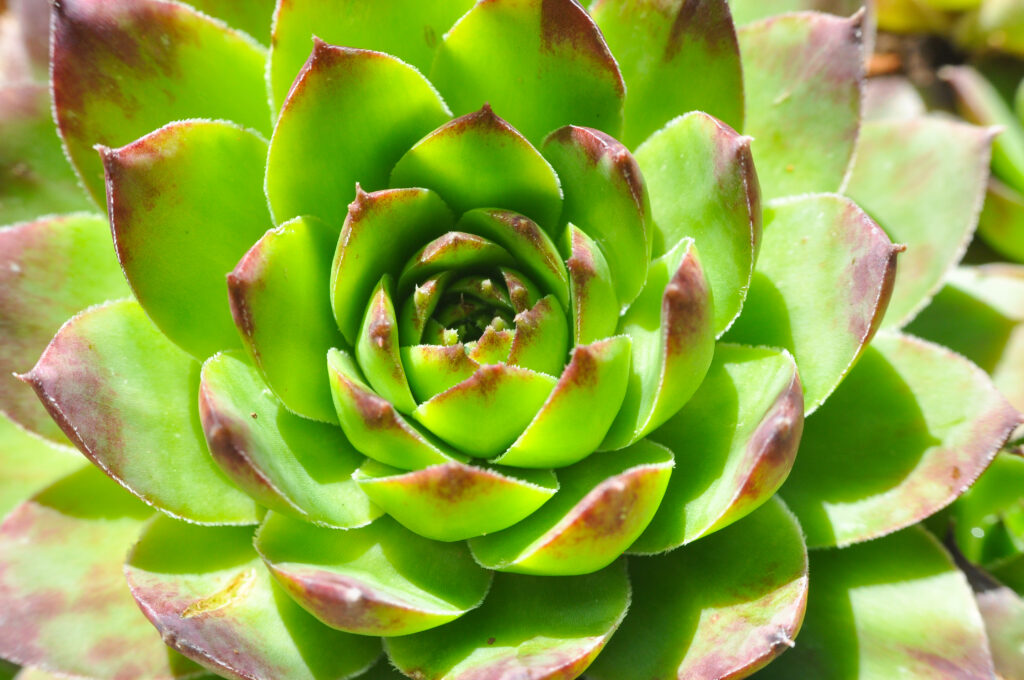
Hens and chicks form neat rosettes that stay green through cold weather, and they look like living little sculptures in late winter. Their thick leaves hold water, so they do not need much from you once planted. Offsets cluster around the main rosette, slowly forming a tidy patch.
They hate wet soil in winter, so drainage is the key to keeping them looking sharp. Use gritty soil or a raised spot, and avoid heavy mulch that holds moisture against the crowns. After flowering, the main rosette dies, but the offsets keep the patch going with very little fuss.
Blue Star Creeper, Isotoma fluviatilis
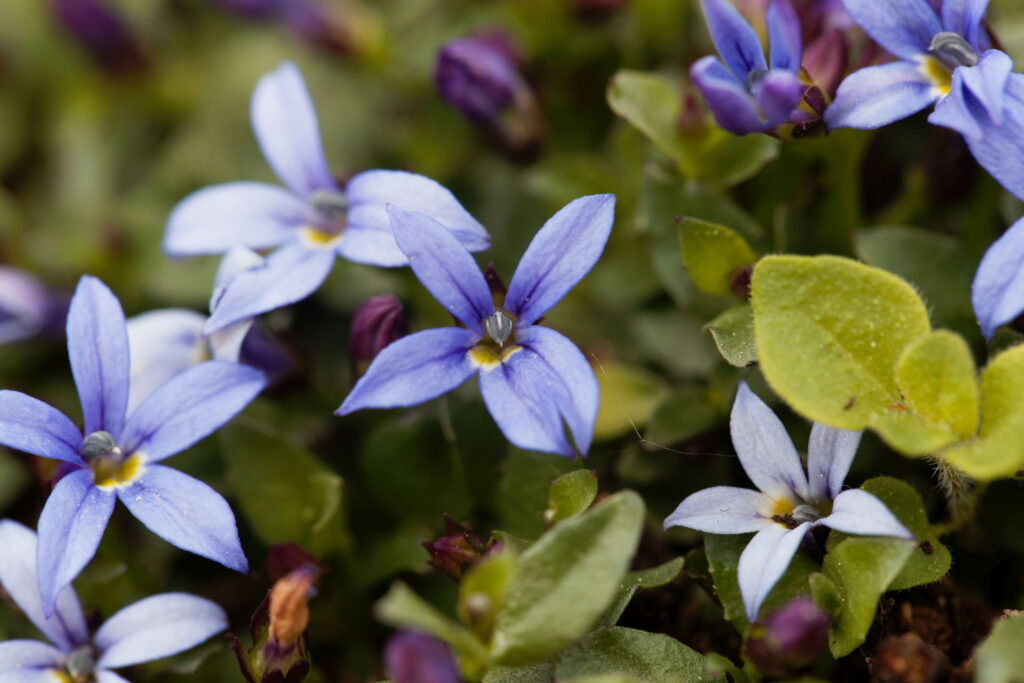
Blue star creeper makes a thin, low mat that can stay green and smooth in cool seasons. It is often used between stones because it tolerates light foot traffic better than many tiny ground covers. In late winter it can look fresh in moist soil and mild climates.
It spreads fast in the right spot, so set clear edges if you want it to stay put. Regular watering helps it knit together, but do not let it sit in puddles. When it gets too thick, lift and replant small sections to keep the patch airy and even.
Bugleweed, Ajuga reptans
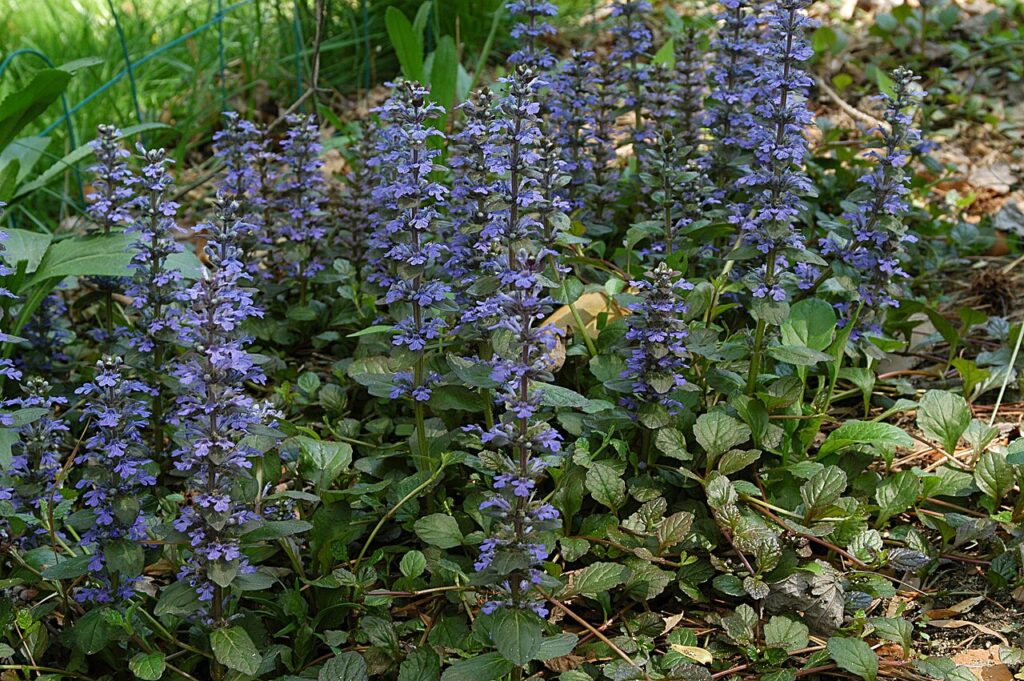
Bugleweed forms a dense mat of glossy leaves that holds color well through late winter, especially in part shade. Many types have darker foliage, which can make the green look deeper and cleaner in winter beds. It also fills in quickly, which helps keep bare soil covered.
Moist soil keeps it lush, though it usually tolerates brief dry spells once roots are set. Watch for runners moving into lawns or nearby beds, and pull them early so the mat stays neat. If you see crown rot in wet areas, thin it out and improve drainage to prevent repeat problems.
Allegheny Spurge, Pachysandra procumbens
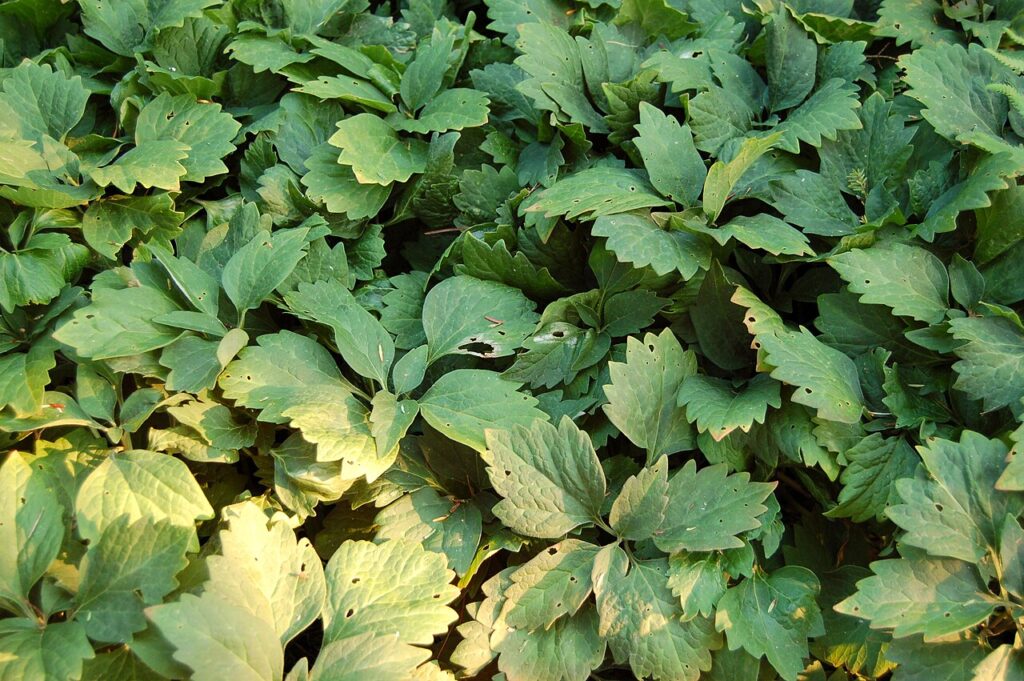
Allegheny spurge is a calm, shade loving ground cover with mottled leaves that can look good through late winter. It spreads slowly, so it works well in woodland style beds where you want a natural look without a fast takeover. In spring it can also produce small, sweet smelling blooms close to the ground.
Leaf litter is fine, but thick piles can smother young plants, so brush heavy layers aside. Water during the first year so roots settle in under trees. Once established, it mainly needs a quick cleanup of winter damaged leaves to keep the patch looking tidy.
Japanese Spurge, Pachysandra terminalis
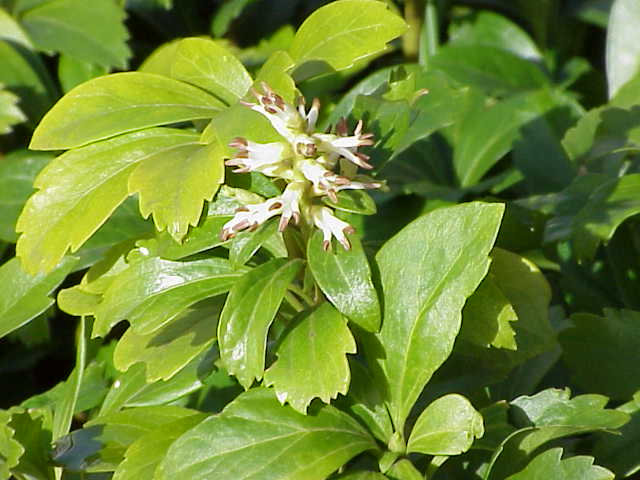
Japanese spurge forms a thick carpet of shiny leaves that stays green in shade through late winter. It is often used under shrubs and trees because it handles low light and roots competition better than many choices. The look is clean and uniform when it is kept weed free.
Because it spreads by runners, it can creep beyond borders if you do not edge it. Thin crowded areas to improve airflow, since dense mats can invite leaf issues in damp climates. If your region has concerns about spreading into natural areas, choose a more restrained option or keep it in tight, managed beds.
Sweet Woodruff, Galium odoratum
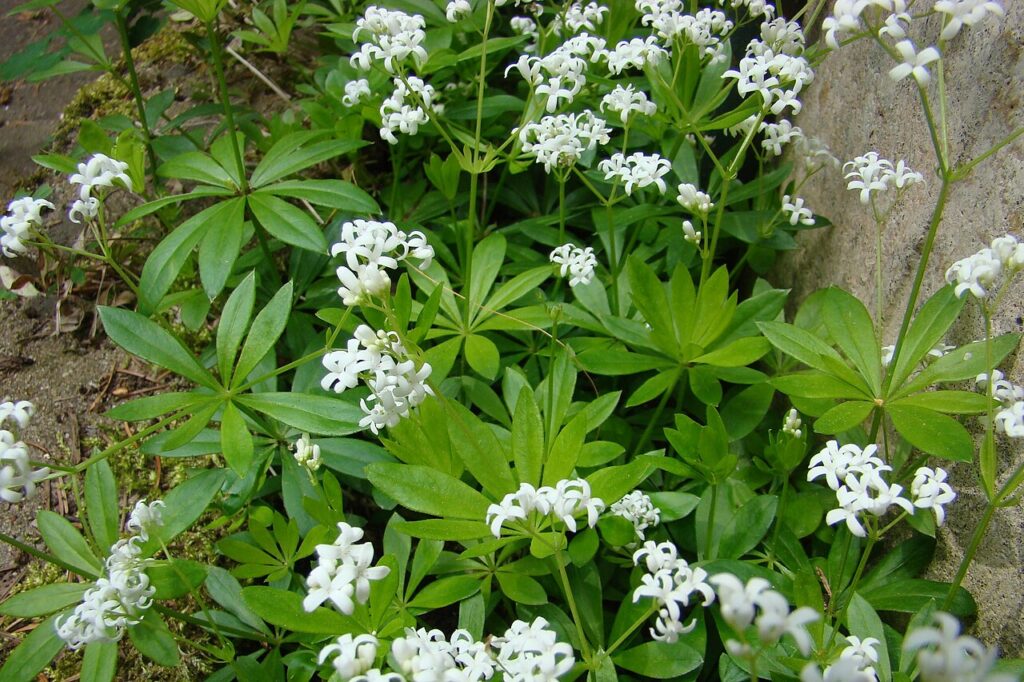
Sweet woodruff makes a soft, whorled mat that can stay green in mild winters, especially in shady, moist beds. It gives a light, airy texture that feels gentle under taller plants. Late winter growth can start early, which helps beds look awake before spring fully arrives.
It spreads by creeping stems, so it is best where you can pull a few pieces if it wanders. Keep soil evenly moist for the best look, but do not let it stay soggy. A light rake through the patch removes debris and keeps the leaves from matting down.
Vinca Minor, Vinca minor
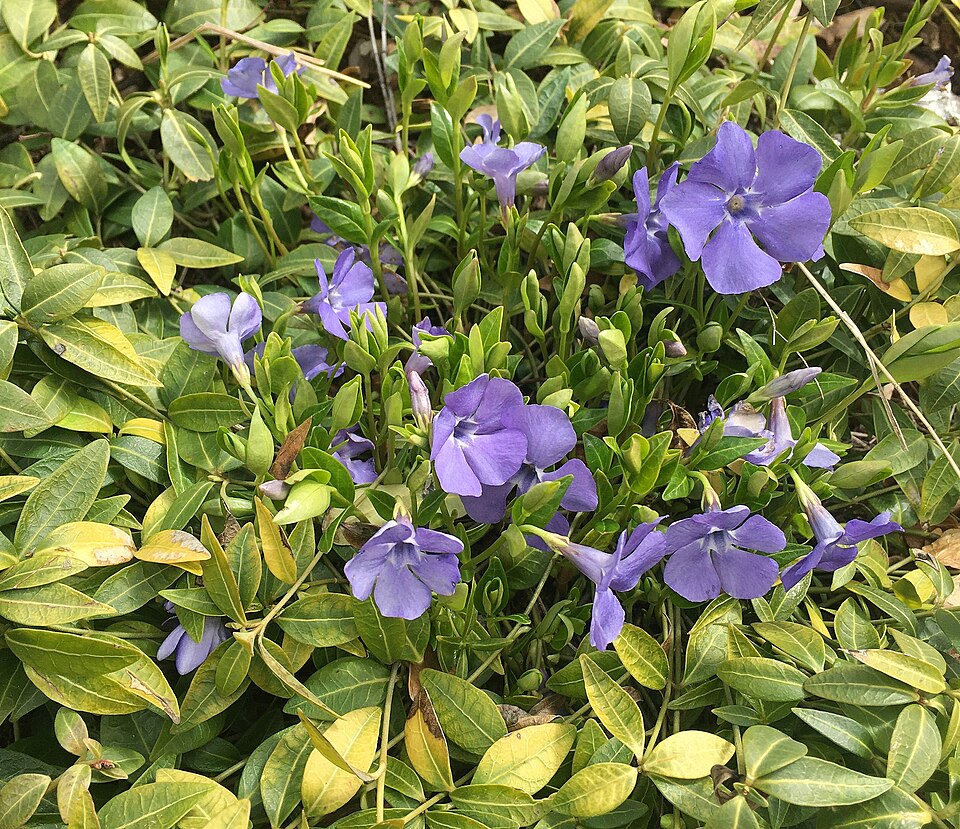
Vinca minor stays green and glossy through late winter and quickly covers bare ground with trailing stems. It handles shade and dry soil better than many ground covers, so it is often planted on slopes and under trees. Purple flowers can appear in early spring, adding color without much work.
It can spread aggressively in some regions, so use it only where you can control the edges. Pull stray runners and avoid tossing trimmings where they can root. If you want a neat look, shear the tips in spring to thicken the mat and keep it low.
Liriope, Liriope spicata
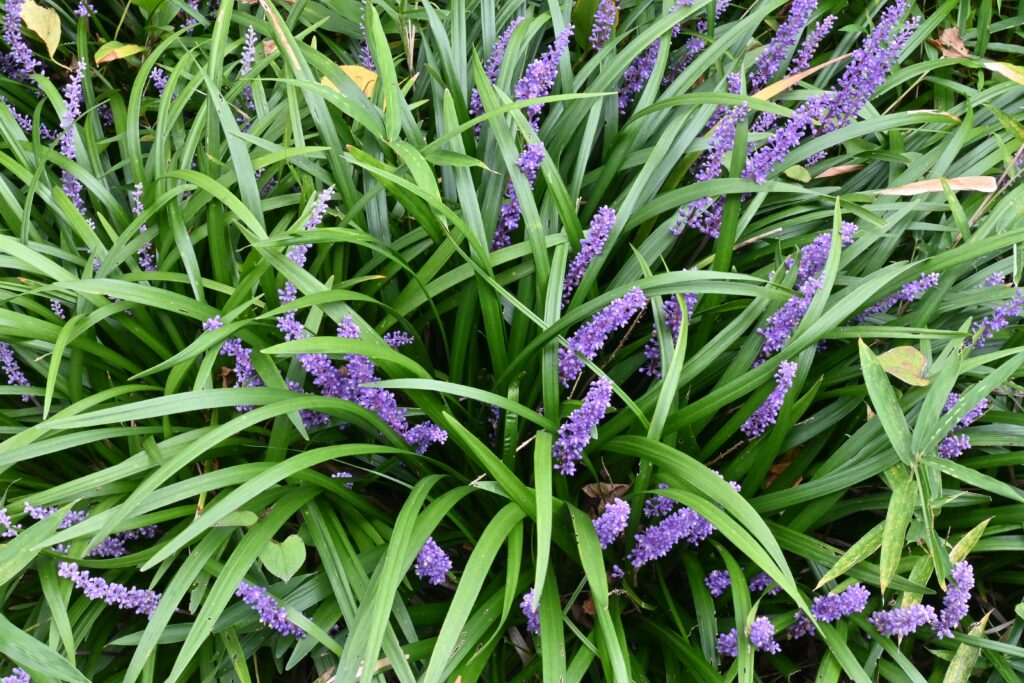
Liriope spicata forms grassy clumps that stay green in many climates, and it keeps beds looking orderly in late winter. It works well as a low border, along paths, or in mass plantings under open trees. The texture is simple and clean, which makes it easy to pair with shrubs and bulbs.
Cutting it back in late winter or very early spring removes tired blades and makes room for fresh growth. It spreads by underground runners, so it can drift outward unless you install edging or divide clumps. Once established, it usually needs little water, though it looks best with occasional deep soaking in dry weather.
Sedum, Sedum spurium
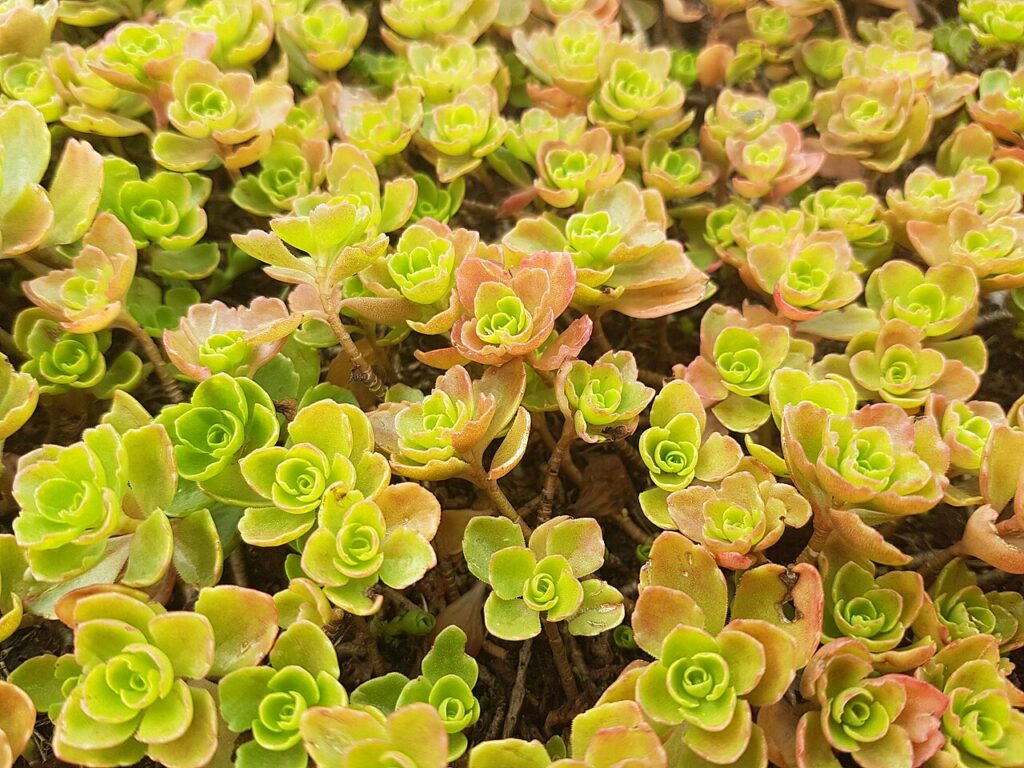
Sedum spurium stays low with fleshy leaves that can hold color through cool months, and some types keep a green look well into late winter. It handles sun, heat, and thin soil, which makes it useful in rock beds and along sunny borders. The mat stays tidy because the stems hug the ground instead of flopping.
Drainage keeps it happy, so avoid heavy clay that stays wet in winter. In spring, pinch back any loose pieces and remove dried stems to keep the patch even. If a section gets leggy, simply replant small cuttings, since many sedums root with little trouble.
This article originally appeared on Avocadu.