
15 Vintage Japanese Fashion Dolls That Collectors Keep Talking About
Vintage Japanese fashion dolls have captured the attention of collectors around the world for their intricate designs and historical significance. These dolls offer a glimpse into Japan’s rich cultural heritage, with each one reflecting the country’s artistry and craftsmanship. Whether it’s the detailed clothing, the carefully painted faces, or the unique features that set them apart, these dolls hold a special place in the hearts of collectors. Over time, they have become more than just toys, they’re cherished treasures passed down through generations. Many of these dolls represent iconic aspects of Japanese life, from traditional festivals to the elegance of the imperial court.
This post may contain affiliate links, which helps keep this content free. Please read our disclosure for more info.
Ichimatsu Doll from Japan
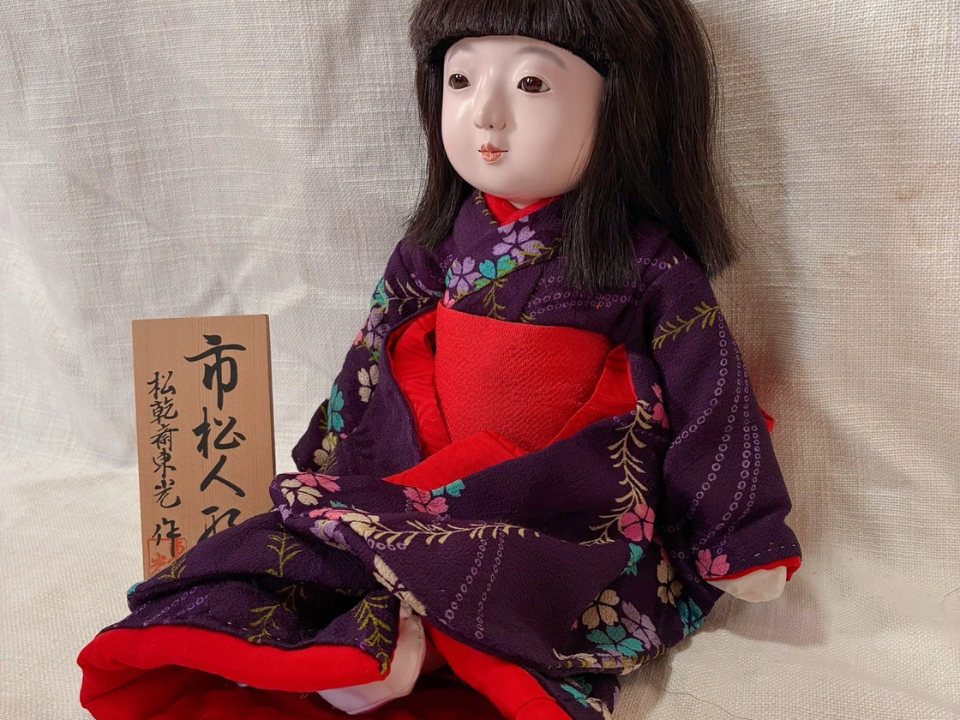
Ichimatsu dolls are named after a beloved kabuki actor from the Edo period. They are known for their lifelike appearance and realistic expressions that make them feel almost alive. Traditionally made in the early 20th century these dolls wear stunning kimono fabric and their hair is styled with great care. Collectors value the way the hands and feet are shaped with such delicate detail and the painted face that reveals a hint of personality.
Authentic vintage Ichimatsu dolls are rare and often passed down through families. The estimated value for a well kept original ranges around $600 to $2000. Condition matters greatly so collectors pay close attention to the fabric and joint movement. These dolls are often displayed sitting upright on shelves or in specialized cabinets that complement their garments.
Satsuma Doll with Painted Scene
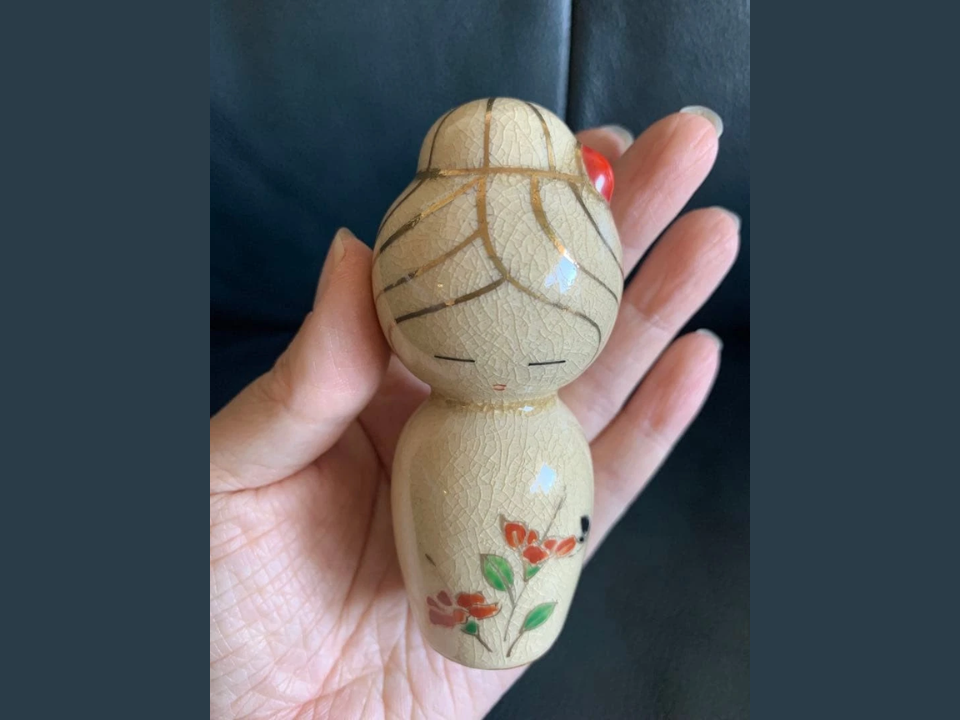
Satsuma dolls come from the region known for pottery and ceramics in southern Japan. Instead of fabric these figures are made of fine earthenware and decorated with tiny painted scenes. The decorations often show landscapes or cultural motifs that tell stories from old Japanese life. Early versions were created as exports in the late 19th century and became popular worldwide.
An original example with no chips might be worth in the range of $300 to $1200. The appeal comes from the warmth of the clay and the thoughtful art that covers the surface. Collectors appreciate how each piece feels unique because of the variations in painting. These dolls often have a soft touch of color that has gently aged with time.
Kokeshi Wooden Doll
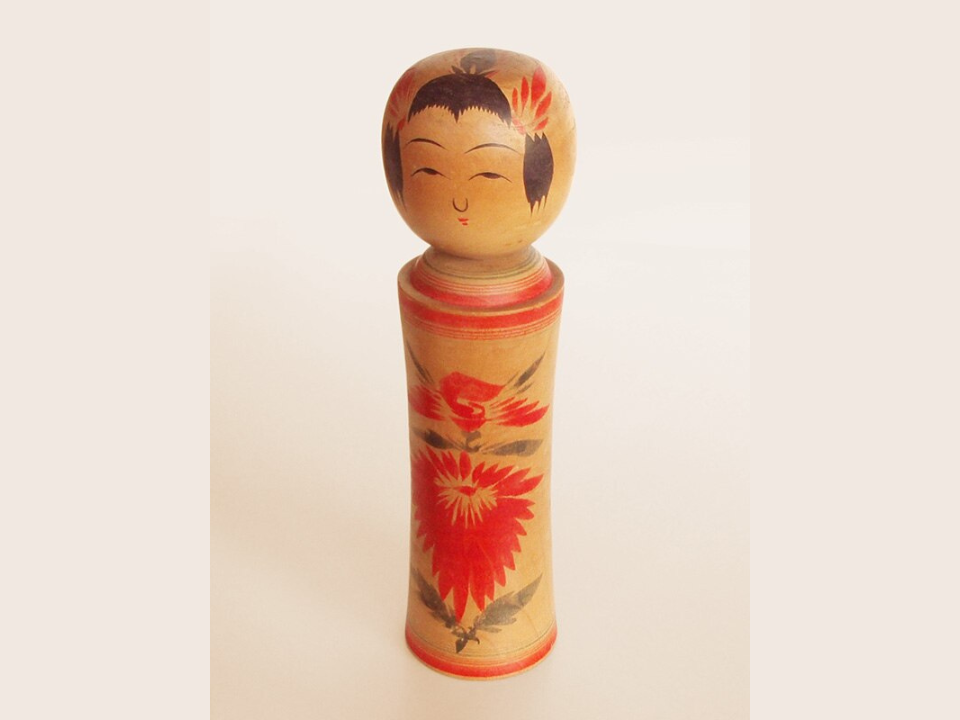
Kokeshi dolls are simple in shape but full of character. These wooden dolls have a round head and a cylindrical body with hand painted designs. They originated from northern Japan where artisans carved them during cold seasons to share with visitors at hot spring towns. Traditional kokeshi dolls do not have arms or legs yet each one carries its own story through the brush strokes.
Vintage kokeshi dolls from the early 1900s can sell around $150 to $800 depending on maker and condition. Enthusiasts respond to the smooth feel of the wood and the warmth it gives off when held. The painted patterns often include floral themes or simple geometric shapes that hint at local styles. Displaying a group of kokeshi dolls brings a quiet charm to any room.
Hakata Doll in Silk Kimono
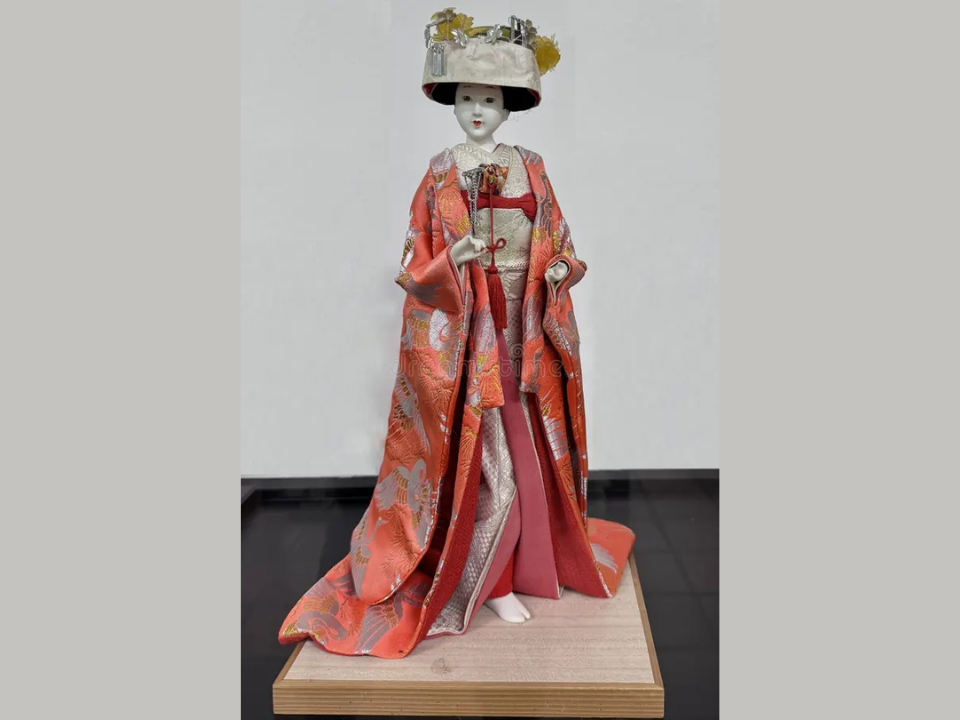
Hakata dolls are another style of ceramic that comes from Fukuoka. They are known for their painted silk kimono and soft glazed finish that feels inviting to the eyes. These figures often represent children or beautiful women in traditional attire with expressive faces showing a quiet mood. They were first made in the Meiji period and introduced to visitors and dignitaries who appreciated Japanese culture.
Because of their age and artistic detail older Hakata dolls might reach values around $400 to $1500. Collectors prize those that have retained their original colors without fading. The base of each figure usually includes a signature or mark from the artist that adds to its story. Many collectors place them on vintage wood stands to honor their presence.
Bunraku Puppet Figure
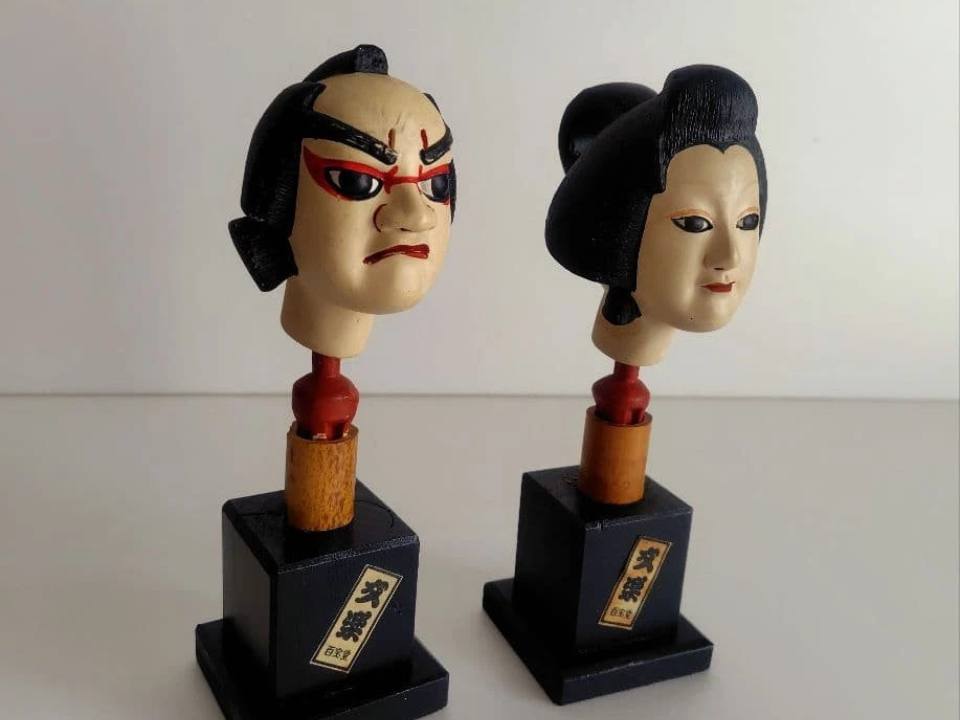
Bunraku puppet figures mimic characters from the traditional Japanese puppet theater that dates back to the 1600s. These scaled figures often show the clothing and gestures of characters from famous plays. They might not function like full puppets but serve as miniature representations with detailed costumes created by hand. Vintage puppet figures that have survived decades can be rare because they were made for display and not play.
Prices sit around $500 to $1800 for those with fine costume work and a known maker. Enthusiasts enjoy the depth of history tied to these figures and often pair them with books on puppet theater. Each figure stands as a reminder of an art form that blends performance with craftsmanship. The presence of a bunraku figure sparks conversations about history and tradition.
Edo Period Samurai Doll
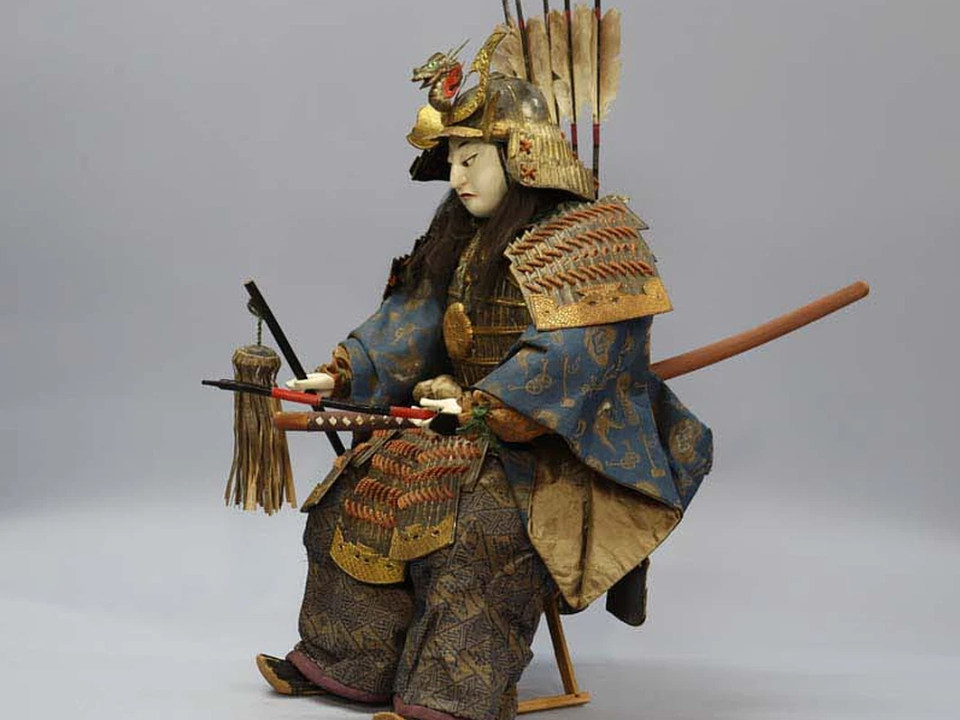
Samurai dolls are records of a time when warriors shaped Japanese history and culture. These figures are dressed in miniature armor with tiny plates and silk cords that mimic real battle attire. Many of these vintage dolls come from the late Edo period or early Meiji years when makers focused on historical scenes.
A samurai doll in good condition might be valued between $700 and $3000. The intricate fabric undergarments and the leather or metal details on the armor contribute to the worth. Collectors admire how these dolls connect to the bravery and complexity of a bygone era. Displayed on a low table or in a glass case the samurai figure becomes a centerpiece in a collection. Each piece tells a story about courage and ceremonial dress.
Gogatsu Ningyo Festival Doll
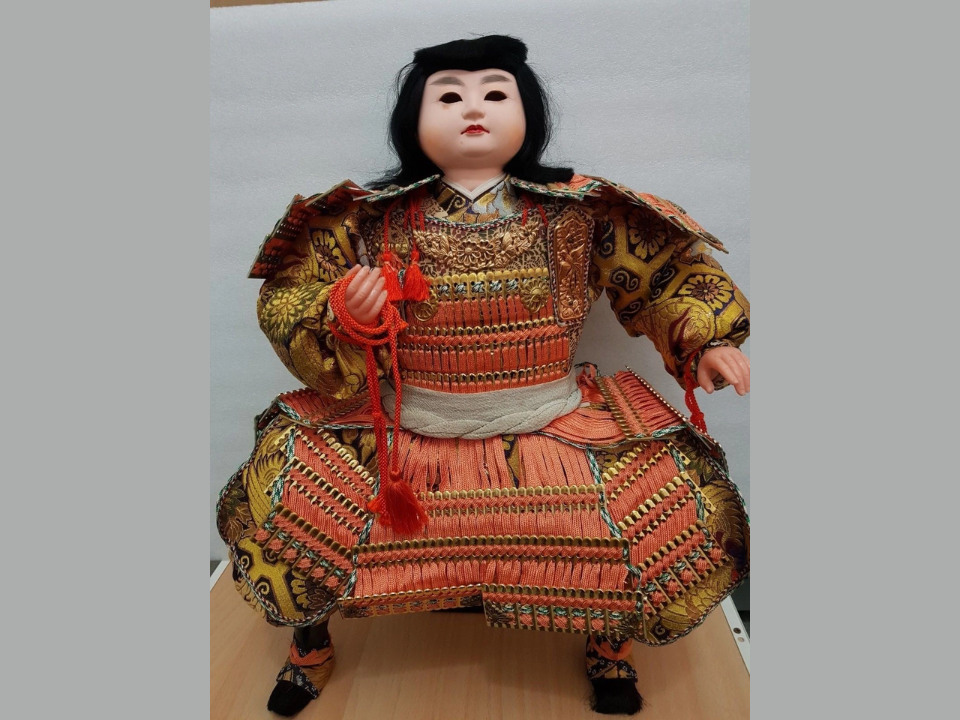
Gogatsu ningyo are part of a celebration for boys where figures represent heroes or warriors in a festive display. These dolls are larger and stand proudly with banners and symbolic items. They are made to honor strength and maturity in a way families would proudly show them in the home.
A vintage set that has kept its colors and accessories might reach a range of $800 to $4000. Collectors look for parts like tiny weapons and silk banners that are still intact. These dolls feel festive and grand which brings a strong presence to any shelf space. Stories connected to the figures often come with them from generations of ownership. The sense of tradition these dolls hold is part of what collectors enjoy most.
Geisha Doll with Sensu Fan
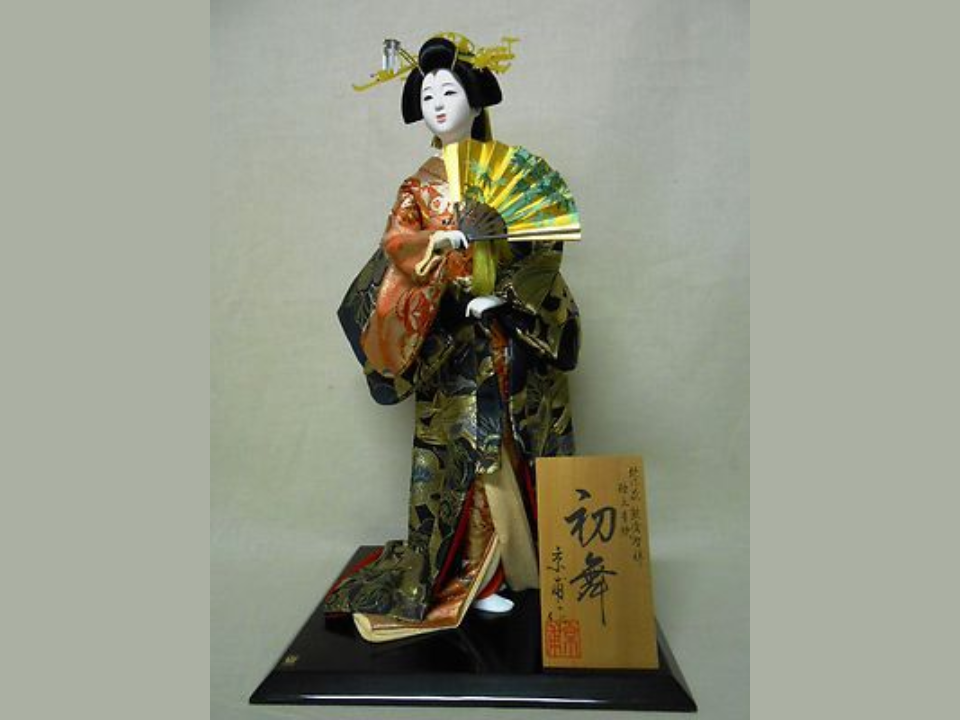
Geisha dolls represent performers from the pleasure quarters who were trained in music and dance. These figures often show a woman in elegant kimono with a sensu fan poised in her hand. The facial painting is soft and subtle with a quiet expression suggesting composure.
Vintage originals from early 1900s that have survived without cracks can be priced around $500 to $2000. The beauty lies in their stillness and the detailed kimono pattern that may include gold paint. Collectors enjoy how these dolls reflect a cultural world that is far removed from modern life. Many display them with small stands that bring the figure closer to eye level. The presence of a geisha doll invites reflection on the past.
Maruko-chan Doll
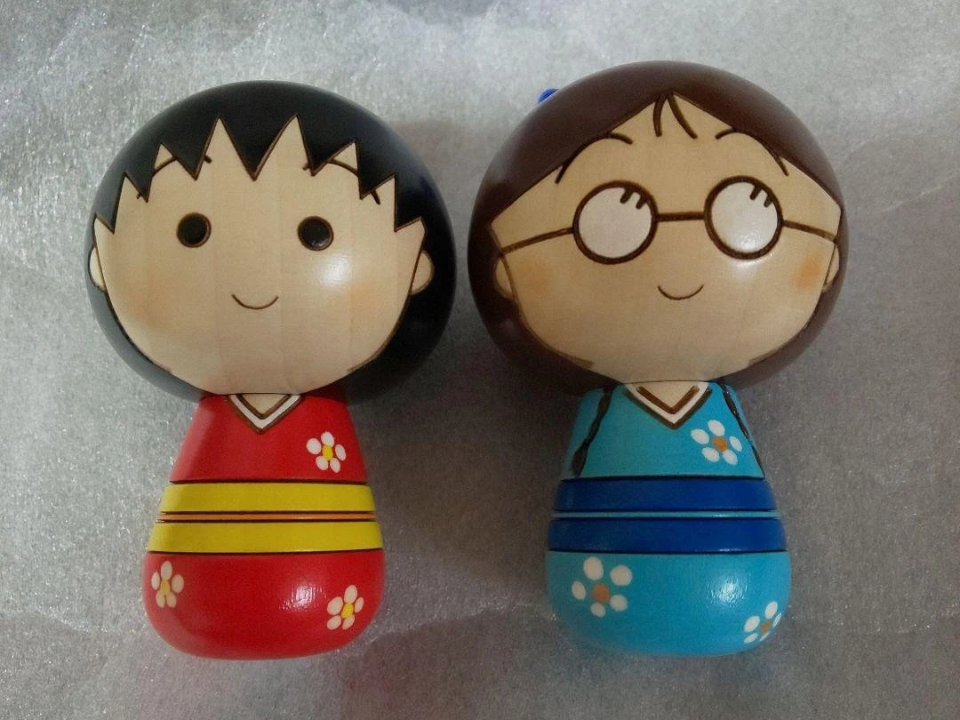
Maruko-chan dolls are based on a popular character from a Japanese cartoon that became a cultural icon. These dolls, designed to replicate the animated version, often feature her distinct bobbed haircut and wide-eyed expression. The clothing style reflects the simplicity and comfort seen in the show’s portrayal of suburban Japanese life. Since the character has a loyal following, vintage Maruko-chan dolls can attract a price range of $100 to $600.
Collectors appreciate the nostalgic connection to the 1990s and the doll’s association with childhood memories. Though not as intricate as some other vintage dolls, the charm lies in its iconic look and the character’s playful personality. Displayed next to other character dolls, Maruko-chan adds a lighthearted element to a collection. Her charm is timeless, and she continues to bring smiles to collectors young and old.
Takara Barbie Doll (Japanese Edition)
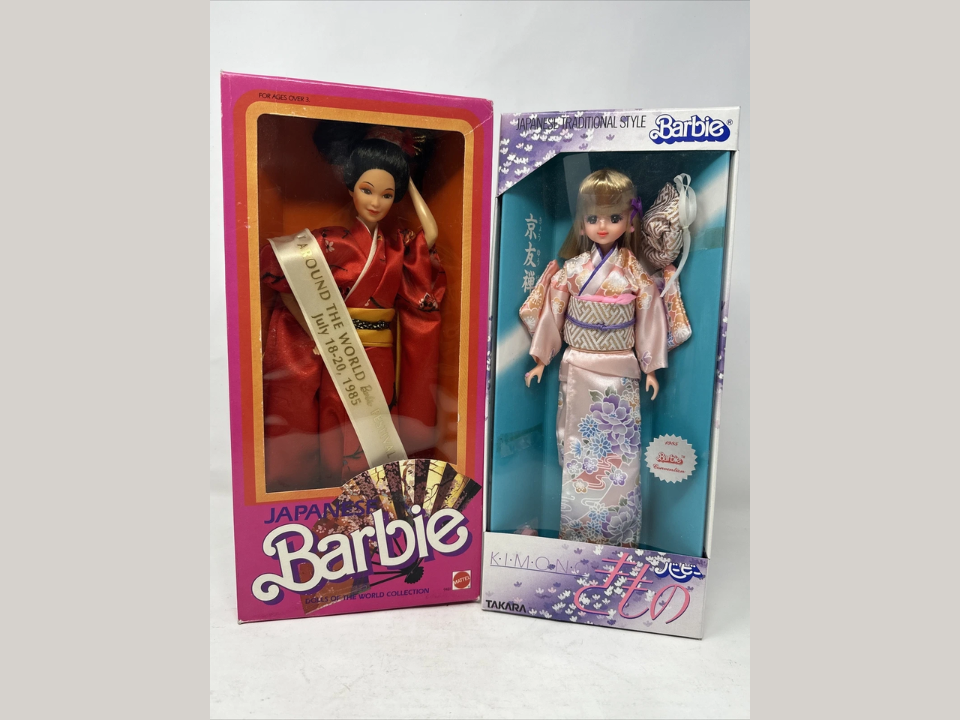
Takara’s Barbie dolls are part of a unique line produced exclusively in Japan, making them highly sought after by collectors around the world. These dolls, released in the 1970s and 1980s, feature delicate facial features, vibrant outfits, and sometimes even distinct packaging that set them apart from the American-made versions. The Barbie dolls produced by Takara were marketed as a luxury toy with high-end clothing and accessories, often based on Japanese fashion trends.
The rare Takara Barbie dolls in good condition with their original outfits and accessories can fetch $300 to $1200. The appeal of these dolls lies in their rarity, attention to detail, and their connection to both Barbie history and Japanese culture. As part of a collector’s set, they offer a fascinating look at how Barbie was adapted for the Japanese market. The dolls often come with high-quality packaging that is just as collectible as the doll itself. For fans of vintage Barbie or Takara’s unique take on the iconic doll, these figures are a prized possession.
Momoko Doll by Petworks
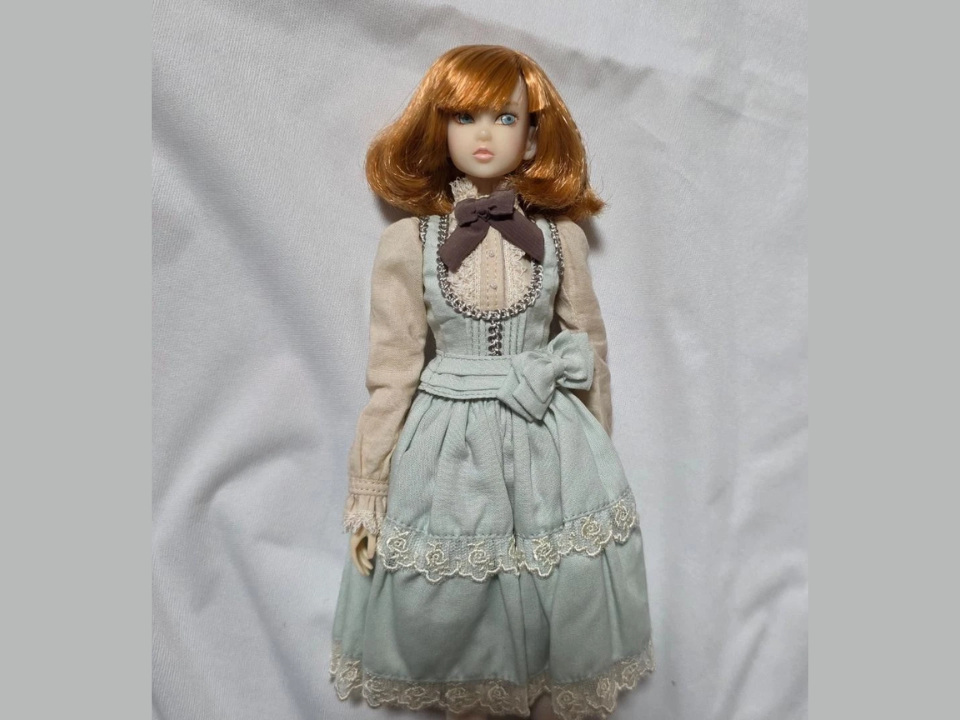
Momoko dolls are a modern favorite among collectors, created by the Japanese company Petworks. These dolls are famous for their refined fashion sense and highly articulated bodies that make them poseable and expressive. Momoko dolls have a contemporary, stylish look that blends traditional and modern Japanese fashion, often resembling high-fashion models. Released in the early 2000s, these dolls quickly gained a reputation for their stunning clothing and accessories.
Depending on the rarity of the specific release, the market value can vary, with prices ranging from $150 to $500. What sets these dolls apart is the wide variety of clothing and the attention to detail in their facial features. Collectors love the customizable nature of these dolls and the way they can showcase different fashion trends. The versatility of Momoko dolls makes them a favorite in both collecting and photography communities.
Hina Matsuri Doll
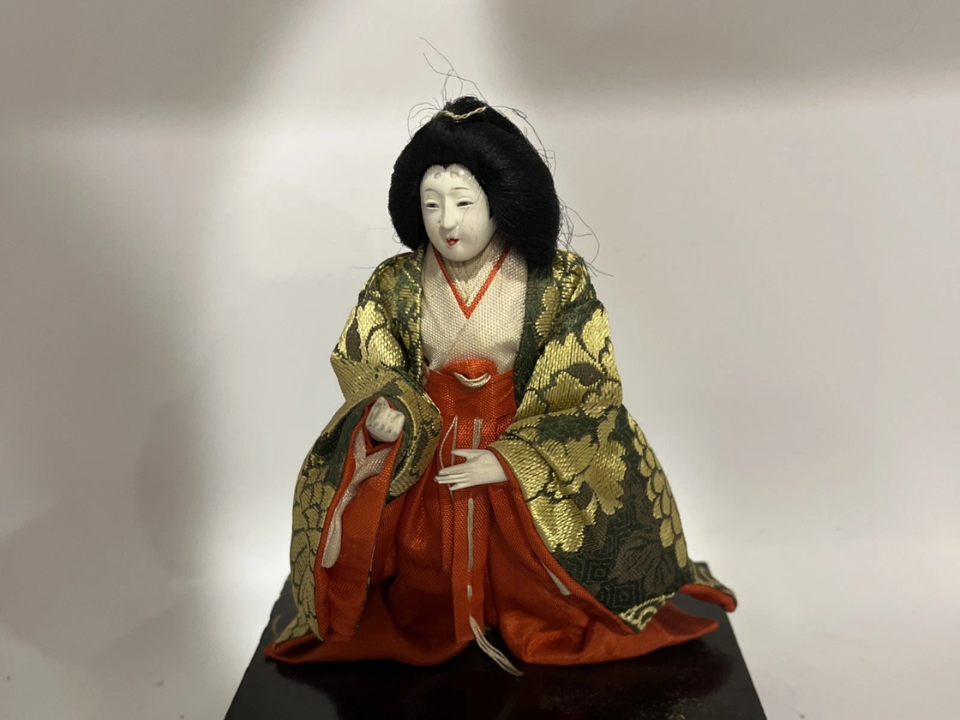
Hina Matsuri dolls are part of a traditional Japanese festival dedicated to girls and celebrated annually on March 3. These dolls represent the imperial family and are displayed on a tiered platform to symbolize royal court life during the Heian period. The Hina Matsuri doll collection often includes detailed costumes, such as the colorful silk kimonos, and traditional accessories like musical instruments or ceremonial items.
The value of a vintage Hina Matsuri doll set can range from $300 to $1500 depending on age, condition, and the level of craftsmanship. These dolls are typically passed down through generations, making them valuable family heirlooms. Their intricate features, from the painted faces to the delicate fabric, speak to the cultural importance of this celebration. Many collectors treasure these sets for their deep cultural meaning and historical context. Displaying Hina Matsuri dolls brings a sense of grace and tradition to any collection.
Urushi Lacquerware Doll
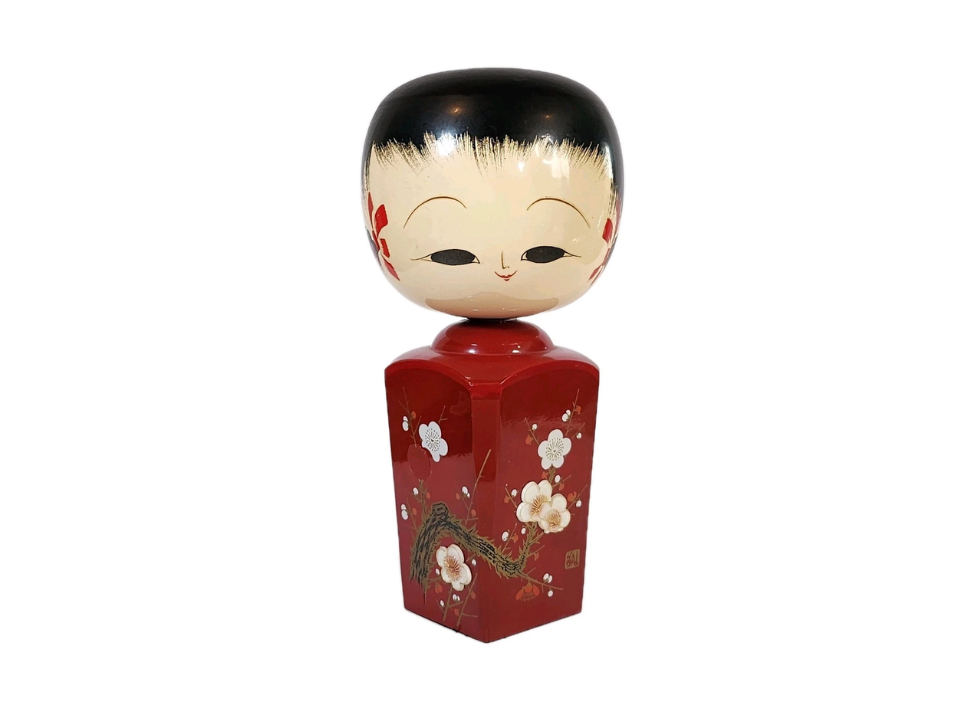
Urushi lacquerware dolls are crafted using the time-honored Japanese technique of applying lacquer to various materials. These dolls are often painted with black or red lacquer and then adorned with intricate gold leaf patterns or other decorative designs. Vintage Urushi dolls made in the early 20th century are highly valued due to the detailed craftsmanship involved.
Depending on age and condition, these dolls can be worth anywhere from $500 to $2000. The glossy surface of the lacquer gives each piece a distinct shine and an almost ethereal quality. Collectors appreciate the fine craftsmanship and the labor-intensive process required to make these dolls. The artwork on each piece is unique, as it combines ancient techniques with cultural symbolism. Displayed in a glass cabinet or on a shelf, these dolls add sophistication and elegance to any collection.
Shinto Shrine Doll
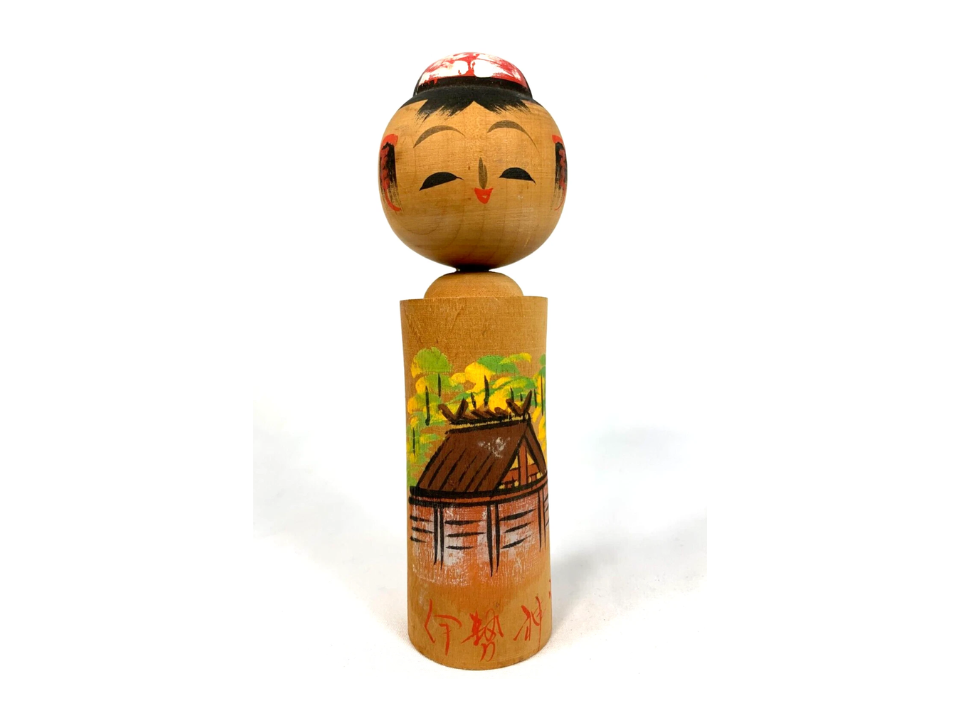
Shinto Shrine dolls are symbolic figures that reflect the spiritual traditions of Japan. These dolls often feature elements tied to Shinto practices such as the wearing of ceremonial attire, the use of sacred objects, and the peaceful expressions on their faces. Historically, these dolls were placed at Shinto shrines or homes during religious ceremonies to honor deities and spirits.
A vintage Shinto Shrine doll can be valued between $300 and $1000, depending on its condition and age. The beauty of these dolls lies not only in their craftsmanship but in their ability to represent the spiritual connection to the divine. The clothing, usually made of silk or fine cloth, is often detailed with symbolic patterns that represent protection and good fortune. Displaying these dolls offers a reminder of the deep spiritual practices embedded in Japanese culture.
Kabuki Actor Doll
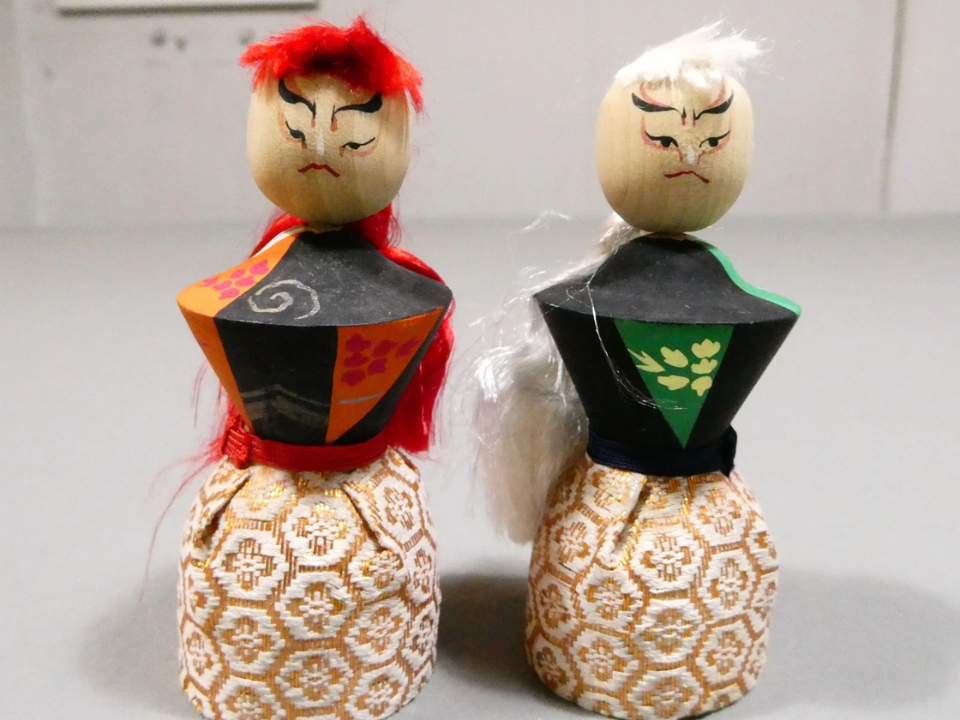
Kabuki actor dolls are miniature representations of actors from Japan’s famous Kabuki theater, known for its vibrant performances and highly stylized movements. These dolls often feature costumes that mirror the elaborate outfits worn by Kabuki actors, including striking facial paint and expressive poses that showcase the dramatic nature of the performances.
Vintage Kabuki dolls are collected by those who appreciate the theater’s cultural significance and can be worth from $400 to $2000 depending on their craftsmanship. The facial features are carefully painted to reflect the strong emotions that are central to Kabuki performances, such as anger, sadness, or joy. Collectors value these dolls for their artistic representation of a cultural form that is deeply rooted in Japanese history. Kabuki actor dolls are often displayed with other theatrical memorabilia or placed in settings that highlight their dramatic nature.
This article originally appeared on Avocadu.