
13 Late January Skincare Mistakes That Make Dryness Worse
Dry skin is a common concern during late January, especially with the cold, dry air zapping moisture. Many people unknowingly make skincare mistakes that worsen the issue. These errors are often simple to fix and can bring relief with just a few tweaks. Understanding how your skin reacts to the changing season can help you keep it nourished and smooth.
This post may contain affiliate links, which helps keep this content free. Please read our disclosure for more info.
Skipping Moisturizer After Washing Your Face

Skipping moisturizer after washing your face is a big mistake, especially in the winter. When you cleanse your face, you’re removing dirt and oil, but without replenishing moisture right after, your skin can become drier. Applying a rich moisturizer immediately after washing locks in hydration, helping to restore your skin’s balance. Choose a moisturizer with ingredients like hyaluronic acid or glycerin for added moisture retention.
Many people forget to moisturize in the winter months, but it’s one of the easiest ways to combat dry skin. Make it a habit to apply a good moisturizer daily, especially after cleansing, to help your skin stay hydrated and soft. This step will help keep your skin barrier intact, preventing excessive water loss.
Using Harsh Exfoliants

Exfoliating too often or using harsh scrubs can worsen dry skin by damaging the skin’s protective barrier. While exfoliating is important for removing dead skin cells, overdoing it can lead to irritation and increased dryness. Instead, choose a gentle exfoliant with mild exfoliating acids, such as lactic or glycolic acid, and limit exfoliation to once or twice a week. These acids will remove dead skin without causing the irritation that harsher scrubs can trigger.
If you have dry skin, think of exfoliation as a gentle treat for your face rather than a regular step. Over-exfoliating in the winter months can make your skin more vulnerable to the cold air. So, adjust your routine accordingly to avoid making your skin even drier.
Not Drinking Enough Water

Dehydration affects your skin, making it appear dull and flaky. If you’re not drinking enough water in the winter, your skin will lack the internal moisture it needs to stay healthy and hydrated. Make it a goal to drink at least eight glasses of water a day, even when it’s cold outside. This internal hydration will help support your skin from the inside out, improving its appearance and feel.
It’s easy to forget about staying hydrated when the weather is cold, but your skin depends on water to stay plump and smooth. Try keeping a water bottle with you throughout the day to remind yourself to drink more. Hydrated skin is less likely to become dry and irritated in harsh conditions.
Using Hot Water for Face Wash

Washing your face with hot water may feel soothing, but it strips your skin of its natural oils, leading to increased dryness. Hot water can irritate and inflame the skin, making it harder for your skin to maintain moisture. Instead, opt for lukewarm water when washing your face. This will help preserve your skin’s barrier and prevent further dehydration. To lock in moisture, follow up with a hydrating toner or moisturizer while your skin is still damp.
Hot water may feel comforting in cold weather, but it’s a quick way to make your dry skin worse. Gentle cleansing is key during the winter months, so try switching to a hydrating cleanser that doesn’t leave your skin feeling tight. You’ll notice a more balanced complexion and fewer flakes after consistent use of cooler water.
Using Alcohol-Based Toners
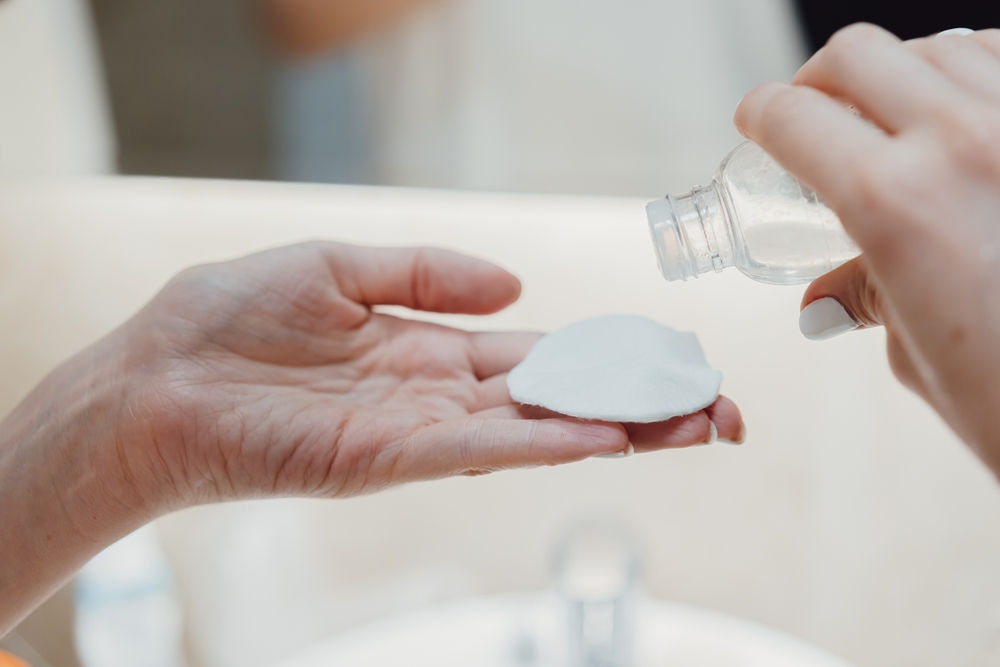
Toners with high alcohol content can dry out your skin and irritate the skin’s protective barrier, especially during the colder months. Alcohol removes excess oils but also strips your skin of moisture, making it even more prone to dryness. Opt for alcohol-free toners that contain soothing ingredients like rose water or aloe vera. These will help balance your skin without causing unnecessary dryness.
Switching to a gentle, hydrating toner is essential if your skin is prone to dryness. Alcohol-based toners can leave your skin feeling tight, which leads to further dehydration. By choosing a more skin-friendly option, you will help keep your skin balanced and comfortable.
Overusing Retinol

While retinol is known for its anti-aging benefits, using it too frequently in the winter can worsen skin dryness. Retinol speeds up cell turnover, which can be too harsh for already sensitive winter skin. If you use retinol, reduce the frequency to two to three times a week during the colder months, and always follow with a rich moisturizer. This will help minimize irritation while still benefiting from its effects.
Retinol can leave your skin dry and flaky if overused, so it’s essential to adapt your skincare routine for the season. By cutting back on how often you use it, your skin can better tolerate the active ingredient without becoming overly dry. Always balance it with hydrating products for the best results.
Using Fragrance-Heavy Products
Fragrances, whether in lotions, cleansers, or serums, can irritate dry skin, especially in winter when the skin’s barrier is weaker. Fragrance can lead to redness, stinging, and further dehydration. Switch to fragrance-free products, particularly in your facial care routine, to minimize irritation. Look for formulas specifically designed for sensitive skin to ensure your skin remains calm and hydrated.
Although fragrance in skincare products can feel luxurious, it’s not the best choice for dry skin during colder months. If you’ve been experiencing increased dryness or irritation, try eliminating products with fragrance to see an improvement in your skin’s moisture levels. This simple change can have a noticeable effect on how your skin reacts to winter air.
Ignoring Sunscreen in Winter

Even though the sun may not feel as intense in January, UV rays can still damage your skin and lead to dryness. Skipping sunscreen during the winter months can contribute to premature aging and increased skin sensitivity. Use a broad-spectrum sunscreen with an SPF of 30 or higher every day, even on cloudy or cold days. This helps protect your skin from UV damage while keeping it hydrated.
Sunscreen is essential year-round, even during the colder months. While it’s easy to forget about sun protection when it’s cold outside, the sun’s rays can still harm your skin. Applying sunscreen daily ensures that your skin is safeguarded against both UV damage and dryness.
Not Switching to a Heavier Moisturizer

During winter, lighter moisturizers may not provide the level of hydration your skin needs. In late January, as the air becomes drier, consider switching to a heavier, more emollient moisturizer. Look for products with ingredients like shea butter, ceramides, or hyaluronic acid to lock in moisture. These ingredients create a barrier that keeps your skin hydrated throughout the day.
Your skin’s moisture needs change with the seasons, so don’t hesitate to swap out your usual lightweight moisturizer for something richer. A heavier moisturizer will help prevent your skin from losing moisture to the harsh winter conditions. Using the right moisturizer is key to keeping your skin soft and hydrated all season long.
Skipping Lip Care

Dry, cracked lips are a common issue in the winter, yet many people overlook their lips in their skincare routine. Lip balms with hydrating ingredients like beeswax or petroleum jelly can help protect your lips from the cold, dry air. Reapply your lip balm throughout the day, especially before going outside. This simple step will prevent chapped lips and keep them soft and smooth.
Lips can become dry and cracked quickly in the winter, so giving them extra care is essential. Use a rich lip balm that seals in moisture and prevents dryness. Make this part of your routine to maintain soft, hydrated lips during the colder months.
Exposing Skin to Harsh Winds Without Protection

Harsh winter winds can damage your skin’s moisture barrier, leading to dryness and irritation. Exposing your skin without protection makes it more vulnerable to environmental stressors. Wear scarves or face masks to shield your face from the cold winds when going outside. This will help minimize the drying effects of wind and keep your skin feeling more comfortable.
In addition to wearing proper clothing, consider using a heavier moisturizer to create a protective barrier against the wind. Without protection, your skin can lose moisture quickly, resulting in increased dryness. Taking these precautions ensures your skin stays hydrated and comfortable in winter weather.
Not Adjusting Your Skincare Routine for Winter
Your summer skincare routine might not be ideal for the dry winter months. Many products designed for warmer weather can dry out your skin when used in colder conditions. Swap out drying products like gel-based cleansers for cream-based formulas and avoid using alcohol-heavy toners. By making these small adjustments, your skin will be better equipped to handle the challenges of winter.
In the winter, it’s important to rethink your routine to meet your skin’s changing needs. What worked in warmer months might not be enough to protect your skin from the drying effects of cold air. Keep your routine flexible and make seasonal changes to prevent dryness from becoming an issue.
Using Harsh Scrubs on Sensitive Skin

Scrubs with large exfoliating particles can be too abrasive on sensitive, dry skin during the winter months. These harsh scrubs can irritate your skin and cause further dryness. Switch to a gentle chemical exfoliator or a mild physical scrub with soft particles to safely remove dead skin. Exfoliate once a week to maintain smooth skin without causing damage.
Over-exfoliating or using products that are too rough on your skin can lead to redness and irritation. Stick to gentle exfoliation to avoid stripping away your skin’s protective barrier. With the right approach, you can keep your skin smooth and prevent dryness during the winter season.
This article originally appeared on Avocadu.