
12 Shrubs That Bloom in Late Winter When Nothing Else Does
Late winter often feels like a quiet time in the garden, with few signs of life. Thankfully, some shrubs bloom even when the temperatures are low and the days are short. Their colorful flowers make a refreshing contrast against the bare landscape. If you want to add a splash of color before spring arrives, these shrubs are a great option.
This post may contain affiliate links, which helps keep this content free. Please read our disclosure for more info.
Witch Hazel (Hamamelis)
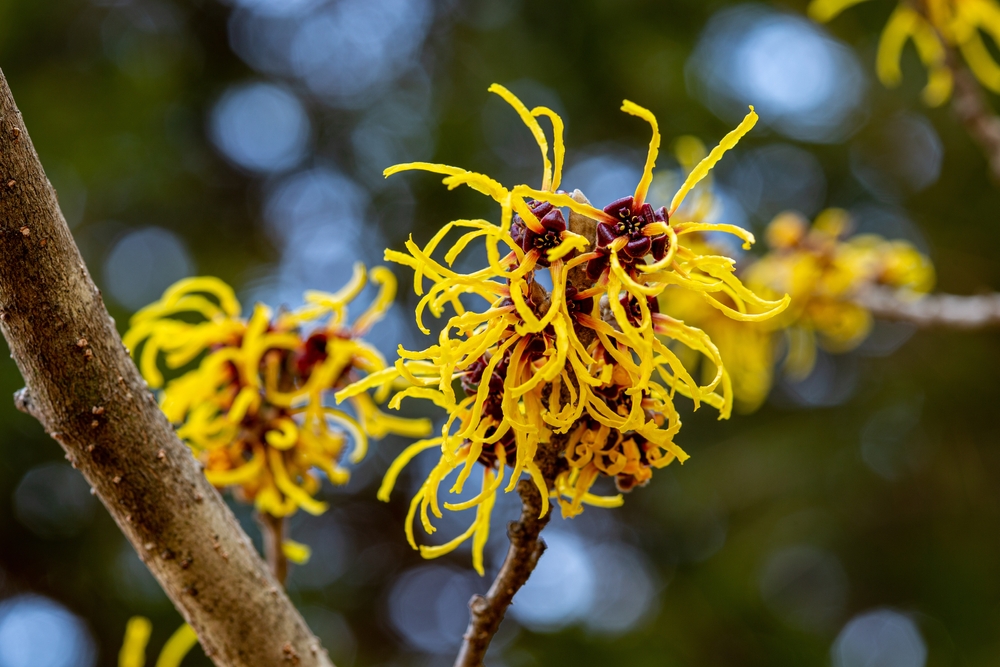
Witch Hazel is a shrub that surprises gardeners with its vibrant blooms in the coldest months. Its yellow, orange, or red flowers appear in late winter, often before the leaves even emerge. This hardy plant can tolerate a variety of conditions, from partial shade to full sun, and it thrives in well-drained soil. It is known for its fragrant flowers, which are often sought after by gardeners who want color during the winter months.
This shrub grows well in temperate climates and can reach heights of up to 15 feet. Witch Hazel is a versatile addition to gardens, often used in borders, as a specimen plant, or even in woodland gardens. It is important to prune it right after flowering to maintain its shape and ensure healthy growth. Its blooms make it an excellent choice for early-season interest in your garden.
Winter Jasmine (Jasminum nudiflorum)
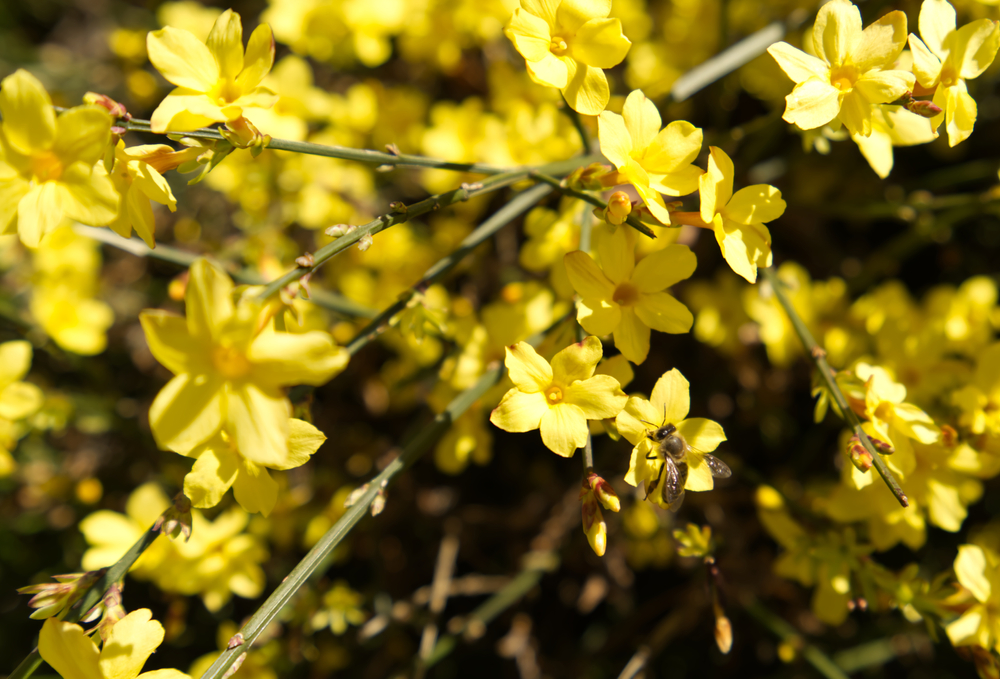
Winter Jasmine is a deciduous shrub that brings cheerful yellow flowers to gardens in late winter. Known for its ability to bloom in the coldest months, it often starts flowering in December and continues into early spring. The bright yellow blooms contrast beautifully with the dark branches, making it a standout in any garden. This shrub grows best in full sun but can also tolerate light shade.
Winter Jasmine is typically a low-maintenance shrub that grows between 3 and 5 feet tall. It is a great option for walls, fences, or as ground cover in garden beds. While it is generally resistant to pests, it does need well-drained soil to prevent root rot. Regular pruning after flowering helps maintain its shape and promotes strong new growth.
Snowdrop Bush (Halesia carolina)
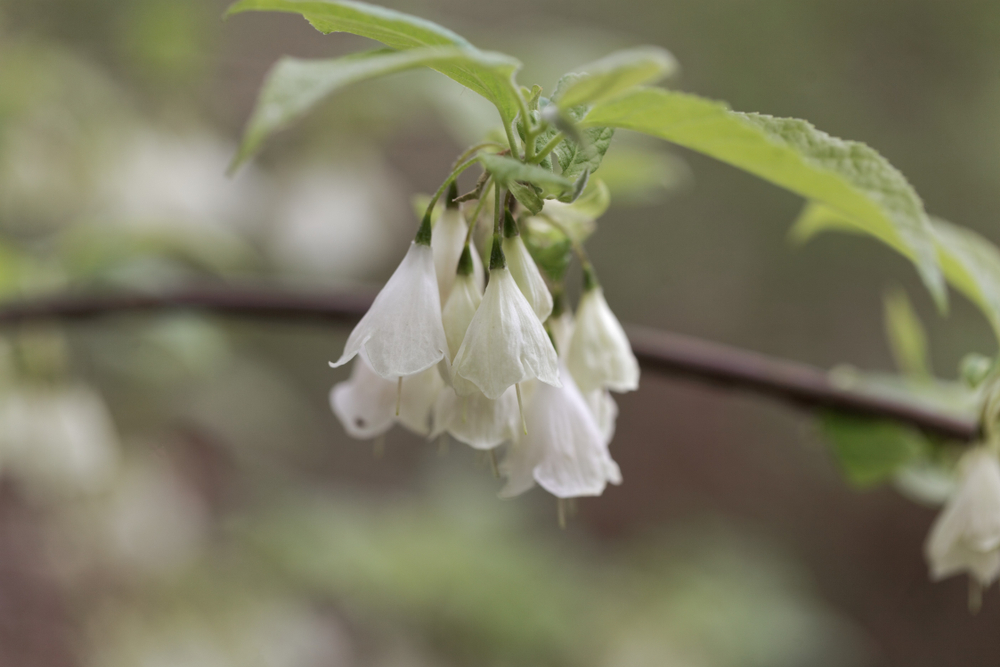
The Snowdrop Bush, also known as Carolina Silverbell, is a small shrub that blooms in late winter with delicate white or pale pink flowers. It is prized for its beautiful, bell-shaped flowers that appear before the leaves emerge. This shrub thrives in partial to full shade, making it a great option for woodland gardens or shaded spots. Snowdrop Bush is also valued for its smooth bark and attractive foliage.
This shrub reaches about 15 feet in height and spreads up to 10 feet wide, providing an excellent background or focal point in the garden. It requires well-drained, slightly acidic soil and should be watered regularly, especially during dry spells. Pruning is best done after blooming to maintain the shrub’s shape and encourage robust growth. Snowdrop Bush adds elegance to any garden, even in the coldest months of the year.
Daphne (Daphne odora)
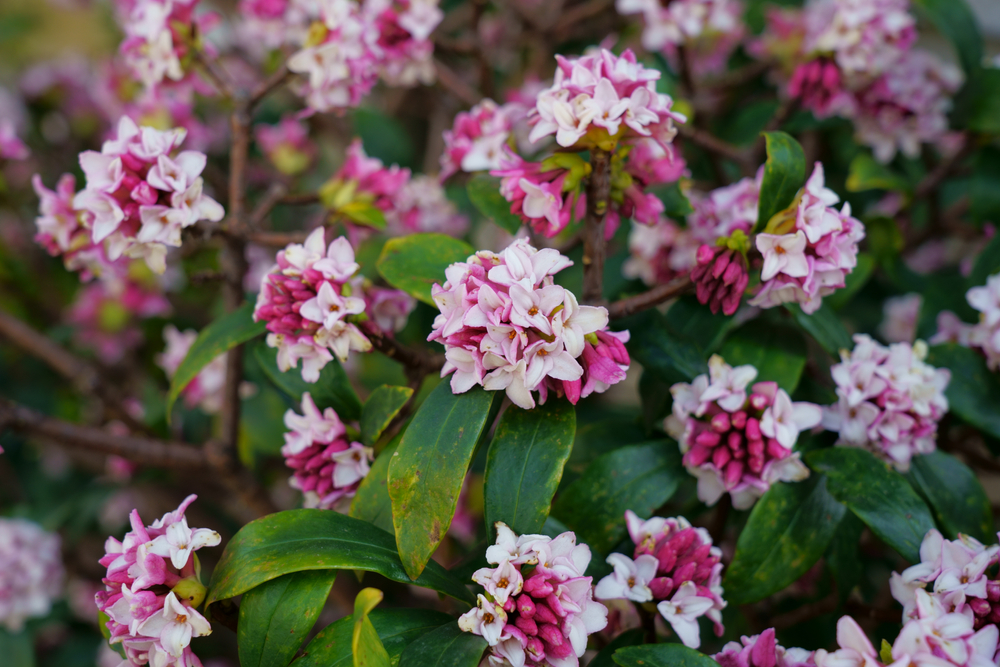
Daphne is a fragrant evergreen shrub known for its early winter to spring blooms. Its clusters of pink or white flowers are incredibly aromatic, making it a favorite for gardeners who enjoy a sensory experience. Daphne grows best in partial shade, especially in areas that offer some protection from the harsh winter winds. Its compact size, typically between 3 and 4 feet in height, makes it a great addition to smaller gardens or as a foundation plant.
Daphne’s glossy leaves provide year-round interest, and its flowers bring color and fragrance when most other plants are dormant. The shrub prefers well-drained, slightly acidic soil, and its roots are quite sensitive, requiring care when planting. While Daphne can be slow to establish, it is well worth the patience due to its stunning flowers and pleasant fragrance. Its beauty makes it an excellent choice for planting near patios or walkways where its scent can be fully appreciated.
Viburnum (Viburnum x bodnantense)
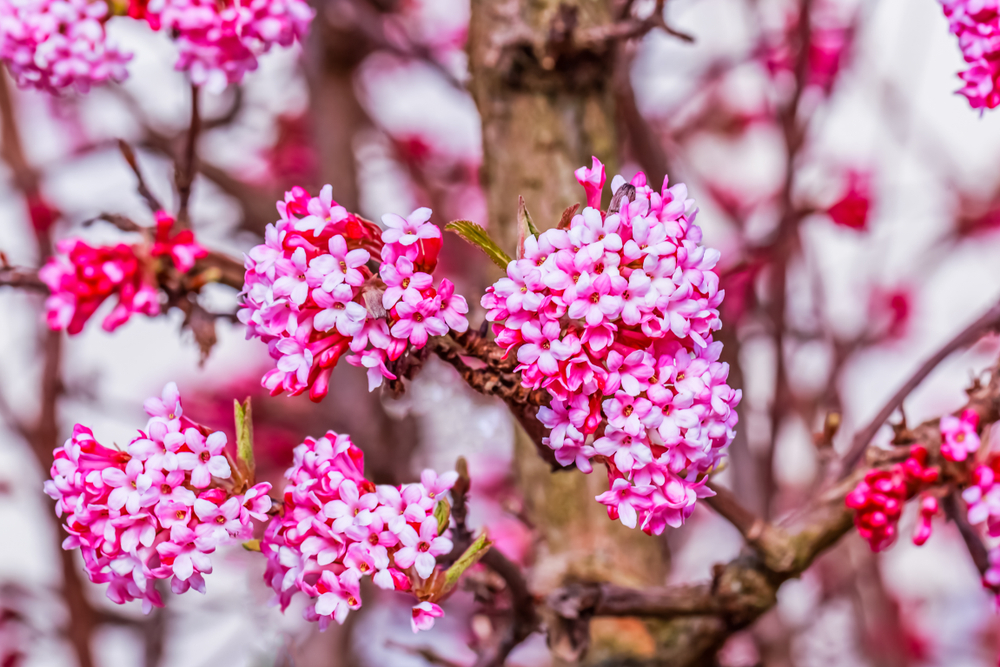
Viburnum is a deciduous shrub that blooms in late winter with clusters of small, fragrant pink or white flowers. Its blooms often appear in the depths of winter, making it one of the most popular choices for winter gardens. Viburnum can reach up to 12 feet in height, and its rounded form makes it an attractive shrub for hedges or privacy screens. It prefers full sun to partial shade and well-drained soil to thrive.
This shrub is not only known for its flowers but also for its attractive, dark green foliage and red to black berries that follow the blooms. Viburnum is relatively low-maintenance, needing only occasional pruning to maintain its shape and size. It is also resistant to pests and diseases, making it a reliable choice for many garden settings. Viburnum adds both beauty and structure to the garden, even in the cold winter months.
Winter Honeysuckle (Lonicera fragrantissima)
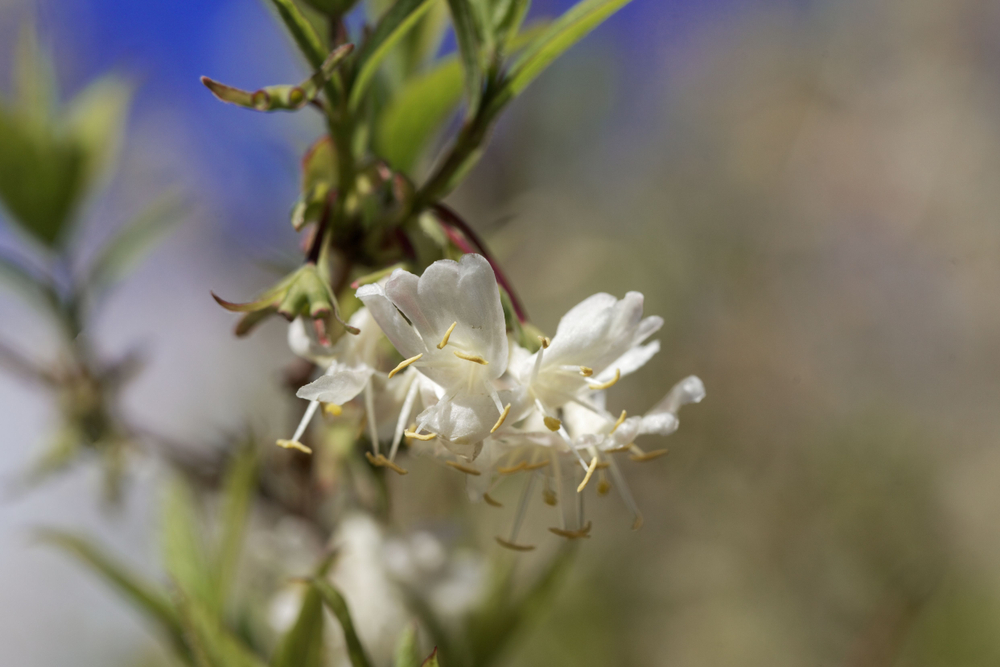
Winter Honeysuckle is an early-blooming shrub known for its fragrant white or pale yellow flowers. It starts blooming as early as January, sometimes even in the dead of winter, and continues to flower through early spring. This shrub has a sprawling, arching habit and can reach up to 10 feet in height. Its blossoms are highly aromatic, often drawing the attention of passersby.
Winter Honeysuckle is adaptable and grows well in a variety of soils, but it prefers well-drained locations and partial shade. It is an excellent choice for planting near walkways or garden gates, where its scent can be enjoyed. This hardy shrub is low-maintenance and can tolerate cold temperatures, making it perfect for regions with chilly winters. Pruning it after blooming helps control its growth and keeps it in shape.
Red Twig Dogwood (Cornus sericea)
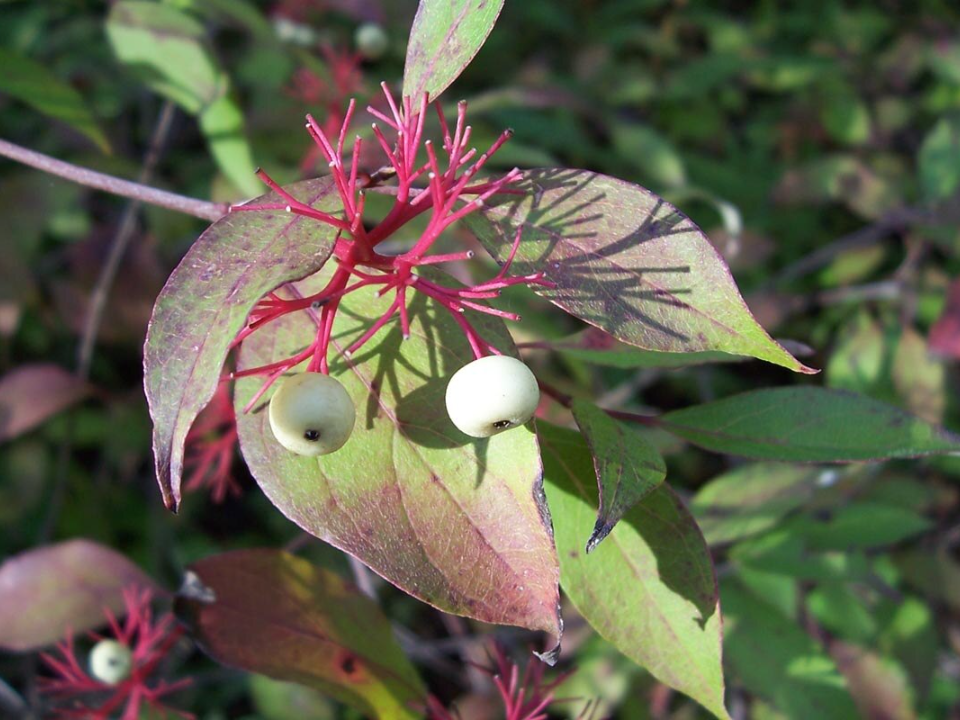
Red Twig Dogwood is a versatile shrub that offers both winter color and spring flowers. While its bright red stems are the main attraction in winter, it also produces small, white flowers in late winter to early spring. This shrub is perfect for adding winter interest to a garden, as its vibrant stems stand out against the snow. Red Twig Dogwood thrives in a variety of conditions, from full sun to partial shade.
This shrub can grow up to 9 feet tall, making it a good choice for backgrounds, hedges, or as a specimen plant. It prefers moist, well-drained soil and is often found near ponds or streams. Regular pruning encourages fresh growth, ensuring the red stems remain vibrant. The Red Twig Dogwood’s multi-season appeal makes it a valuable addition to any garden.
Camellia (Camellia japonica)
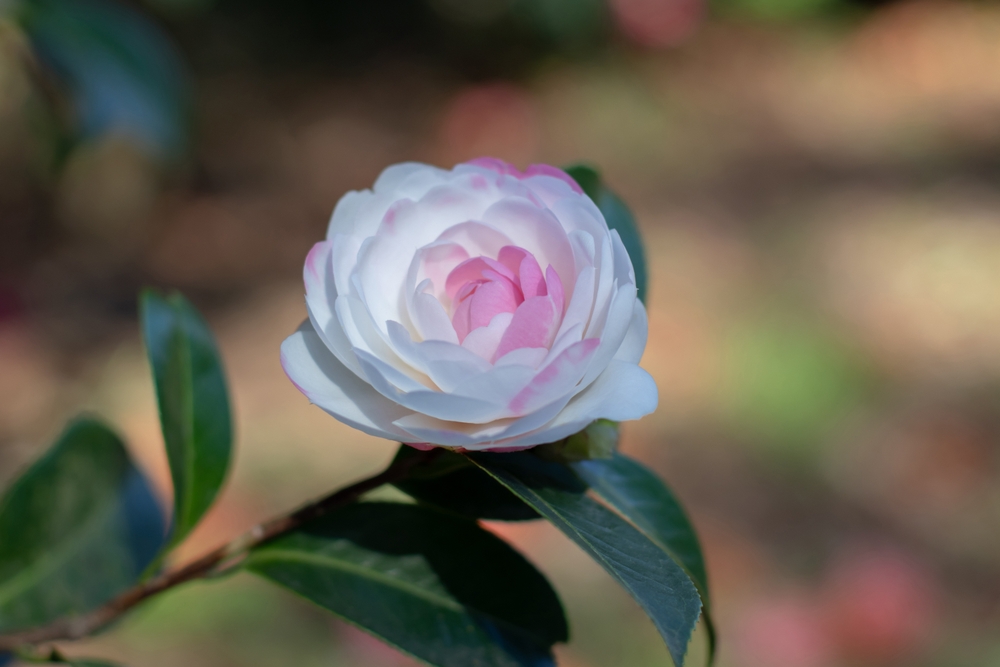
Camellia is an evergreen shrub known for its large, showy flowers that bloom in late winter to early spring. The flowers come in a variety of colors, including pink, red, and white, and they are often compared to roses due to their shape and elegance. Camellia thrives in partial shade and acidic, well-drained soil, making it perfect for sheltered garden spots. Its glossy, dark green leaves provide year-round interest, and its flowers offer a burst of color when most other plants are still dormant.
This shrub can reach up to 10 feet in height, and its dense foliage makes it a great privacy screen or backdrop in gardens. Camellia requires regular watering, particularly during dry spells, and should be pruned after blooming to maintain its shape. Its slow-growing nature makes it a long-term investment in the garden. Camellia’s beauty and longevity make it a standout shrub for late winter gardens.
Crocus (Crocus spp.)
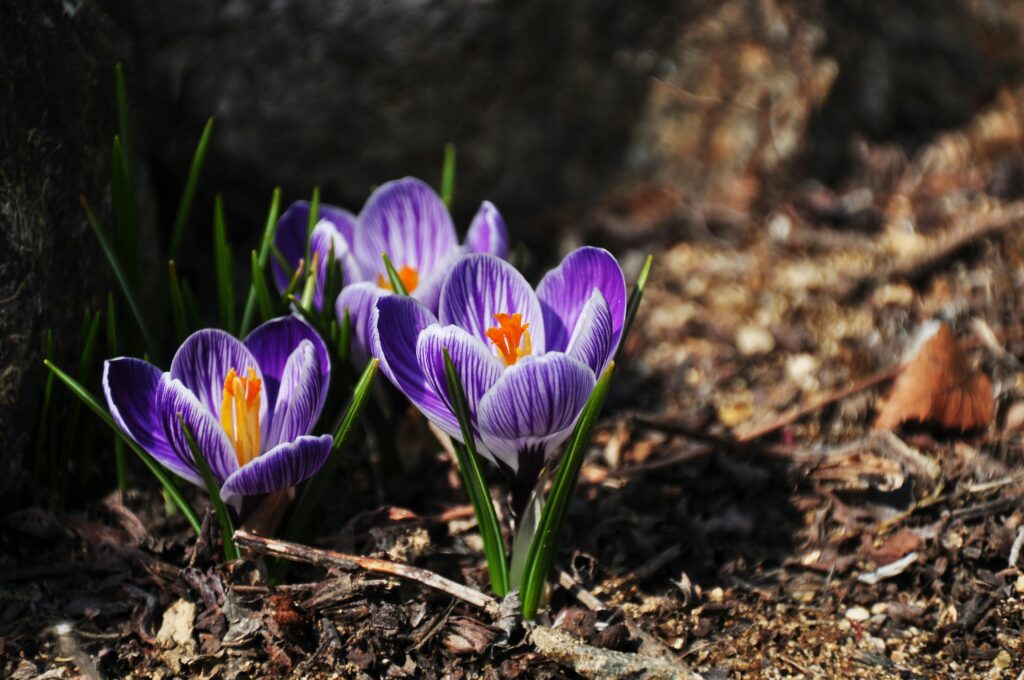
While technically a flower, Crocus is often planted alongside shrubs to bring early color to the garden. Known for its bright, cup-shaped blooms, Crocus flowers appear in late winter, often pushing through snow to make their debut. These flowers come in a variety of colors, including purple, yellow, and white, and they create a striking contrast against the cold, gray landscape. Crocus grows best in well-drained soil and is typically planted in groups for maximum impact.
Crocus is a low-growing plant, often reaching only 4 to 6 inches in height. It is ideal for planting under shrubs or in rock gardens where it can emerge early in the season. Once the flowers have faded, the foliage disappears, allowing other plants to take center stage. Crocus adds a pop of color to your garden when few other plants are in bloom.
Primrose (Primula spp.)
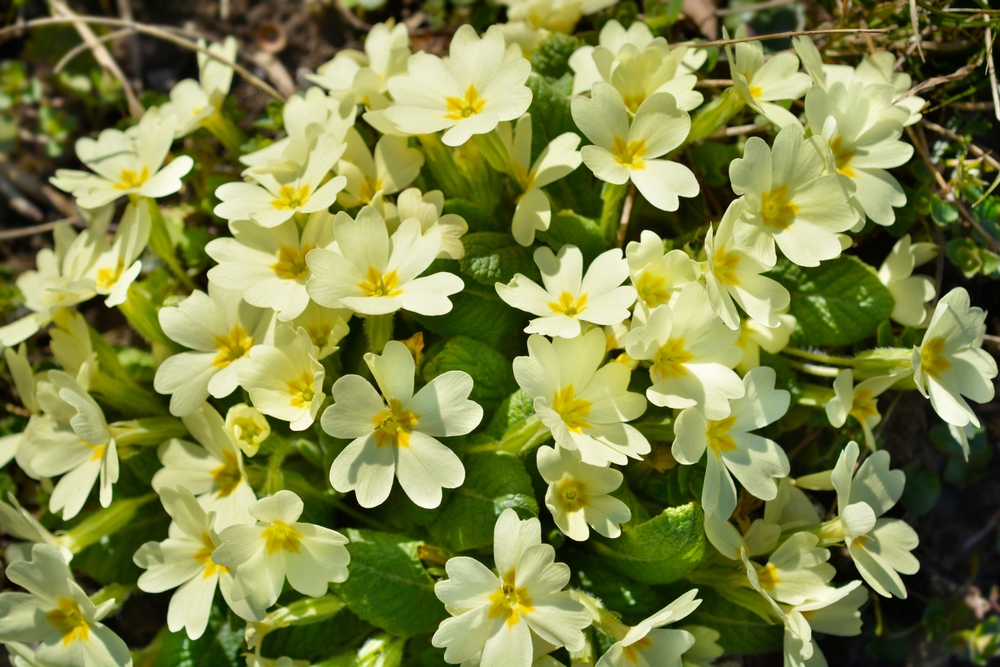
Primrose is another early bloomer that adds color to your garden during late winter. It produces delicate, colorful flowers in shades of pink, purple, red, and yellow. While Primrose is often thought of as a spring flower, it can start blooming in late winter, making it a valuable addition to the garden. Primroses grow best in cool, moist conditions and prefer well-drained, rich soil.
This plant is perfect for planting in partially shaded areas or along the edges of garden beds. Primroses are compact, usually growing between 6 and 8 inches tall, and their cheerful flowers brighten up any space. They are great for attracting early-season pollinators, and their color makes them a great choice for container gardens or as border plants. Regular watering and occasional deadheading can keep them blooming longer into the season.
Erica (Erica carnea)
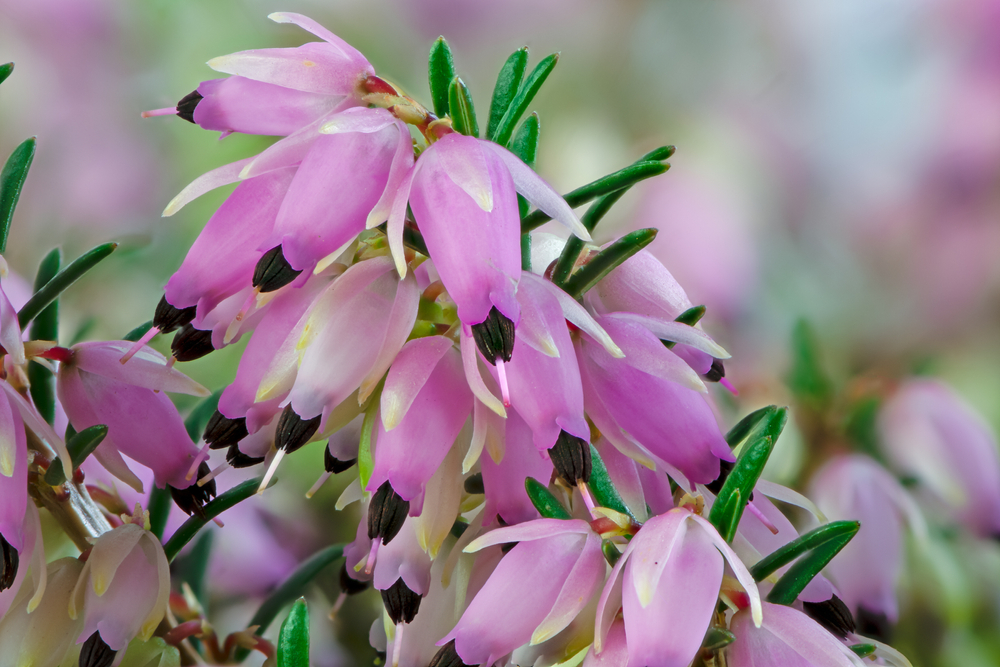
Erica, commonly known as Winter Heath, is a compact evergreen shrub that produces vibrant pink, purple, or white flowers in late winter. Its small, bell-shaped flowers add color to the garden when most other plants are still dormant. Erica thrives in well-drained, acidic soil and prefers full sun, although it can tolerate light shade. This shrub is an excellent choice for planting in containers, rock gardens, or along garden borders.
Reaching a height of about 6 to 12 inches, Erica is a great option for adding a carpet of color to your garden during the cold months. Its dense, evergreen foliage remains attractive even after the flowers have faded, providing year-round interest. Erica is a low-maintenance shrub that requires minimal care once established. Regular pruning after flowering helps maintain its compact form and encourages healthy growth.
Forsythia (Forsythia x intermedia)
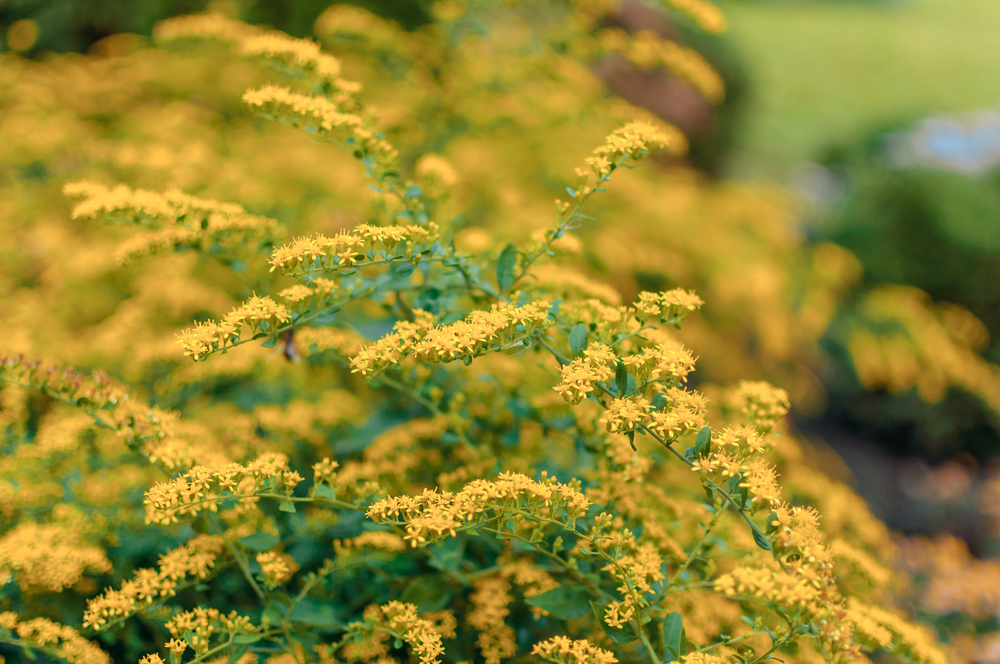
Forsythia is one of the first shrubs to bloom in early spring, but its striking yellow flowers often start appearing in late winter. The bright yellow blooms are one of the most noticeable signs that winter is coming to an end, and their early appearance adds a burst of color to gardens. Forsythia thrives in full sun and is adaptable to a variety of soil types, making it a popular choice for many gardeners. It is a fast-growing shrub, often reaching heights of 6 to 10 feet.
The bold, arching branches of Forsythia are covered in flowers, creating a stunning display that can be seen from a distance. While the flowers are short-lived, the shrub’s green leaves provide a backdrop for other plants once the blooms fade. Forsythia is easy to care for, requiring only occasional pruning to keep its shape. It can be used in hedges, as a specimen plant, or as a background for other spring bloomers.
This article originally appeared on Avocadu.