
17 Perennials That Wake Up Early in the Year and Look Good First
Spring may seem like a long way off, but certain perennials are already waking up early. These hardy plants offer beauty even before the full warmth of the season arrives. You can count on them to provide some early color in your garden. Many are low-maintenance and easy to care for. If you’re looking for plants that thrive in the early months, this list is for you.
This post may contain affiliate links, which helps keep this content free. Please read our disclosure for more info.
Hellebores
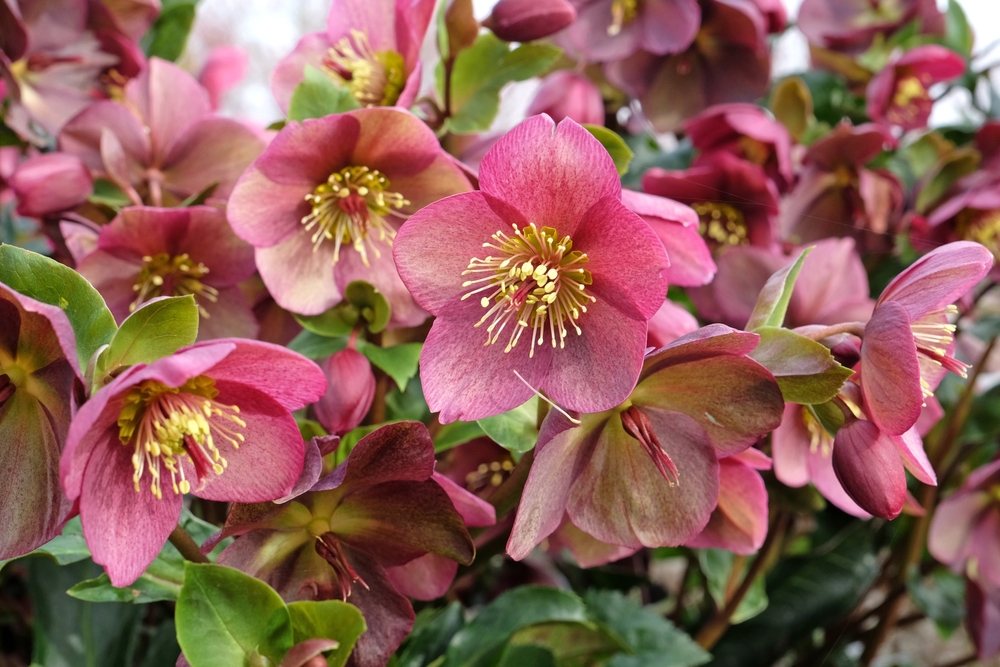
Hellebores are one of the earliest perennials to bloom, often appearing in late winter or early spring. Their waxy, nodding flowers come in a variety of colors, from soft pinks to deep purples, and they thrive in shady spots. These plants are hardy and can tolerate cold temperatures, making them perfect for early spring gardens. Once established, hellebores require minimal care and will continue to grow year after year, providing beauty during the cooler months.
They also have attractive, evergreen foliage that adds texture and interest even when not in bloom. Hellebores prefer well-drained soil and can adapt to a variety of conditions, but they do best in partial to full shade. If you want an early-blooming perennial that will last, hellebores are a fantastic choice. Their unique, long-lasting blooms make them a favorite for many gardeners seeking color early in the season.
Creeping Jenny (Lysimachia nummularia)
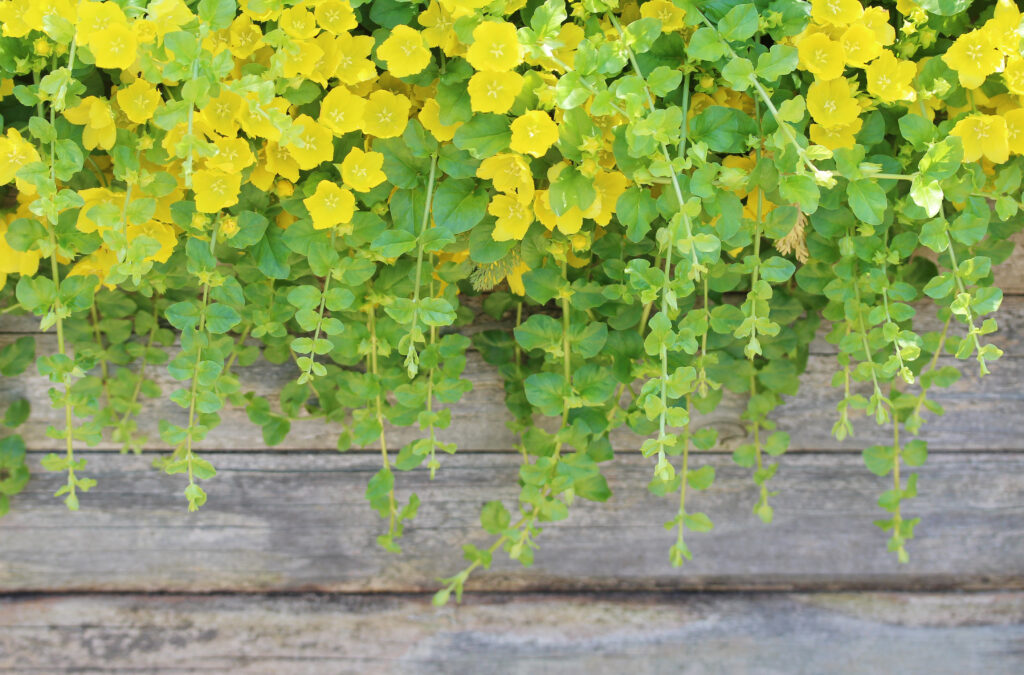
Creeping Jenny is an early-blooming perennial that is known for its bright yellow-green foliage. This ground cover spreads quickly, creating a carpet of color that wakes up as soon as the weather warms. It is a low-maintenance plant that thrives in both sun and partial shade. Creeping Jenny is an excellent choice for hanging baskets, containers, or as a ground cover in garden beds.
While its small, yellow flowers are subtle, the real appeal of this plant lies in its vibrant foliage. It is also an excellent choice for areas with moist, well-drained soil and can handle a variety of soil types. Creeping Jenny’s ability to spread rapidly makes it a good option for filling in empty spaces and providing an early splash of color. It is a hardy perennial that can handle both cold and moderate heat, making it suitable for many climates.
Primrose (Primula spp.)
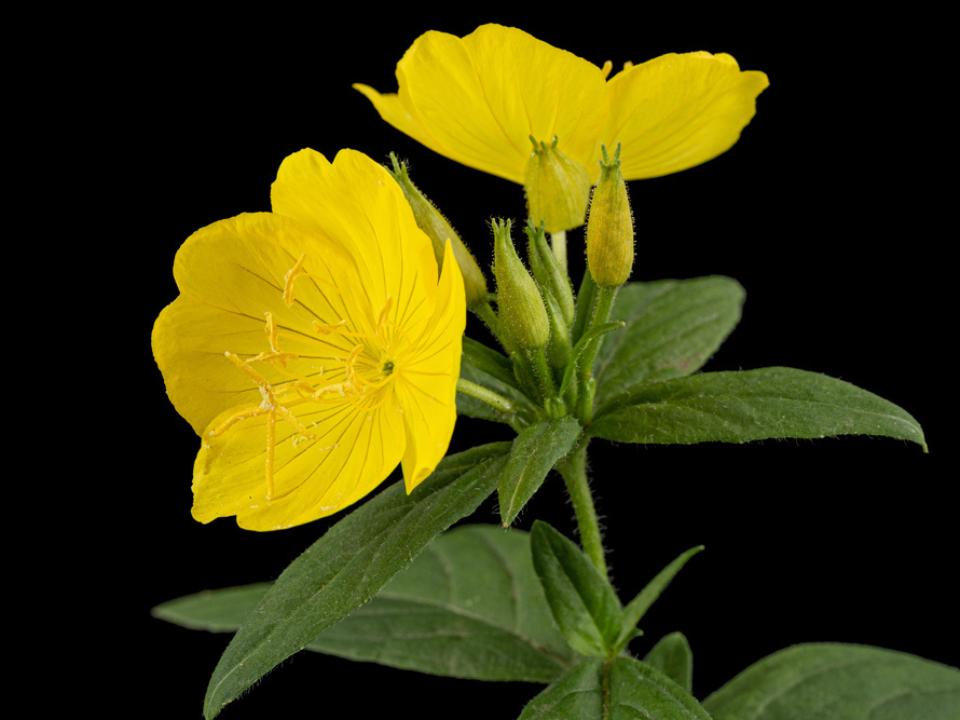
Primroses are one of the first flowers to bloom in the spring, often appearing in March or April. They are known for their bright, cheerful blooms in a variety of colors, including yellow, pink, red, and purple. Primroses thrive in cool, moist conditions and are perfect for brightening up shady areas. They prefer well-drained, fertile soil and will bloom profusely if they are cared for properly.
These plants are easy to grow and spread over time, forming a lovely carpet of color in garden beds. Primroses are ideal for woodland gardens, borders, or containers where they can be admired up close. In addition to their early blooms, primroses are also prized for their ability to tolerate cold temperatures, making them a great choice for gardens that experience chilly springs. Their vibrant flowers are a welcome sight after a long winter.
Pasque Flower (Pulsatilla vulgaris)
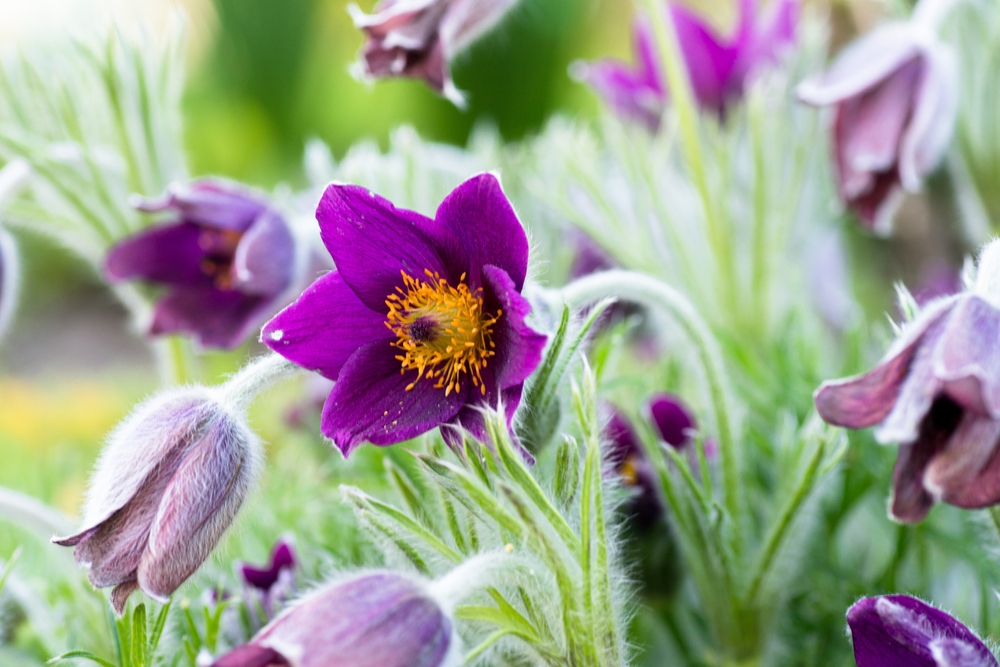
Pasque flowers are one of the earliest bloomers in the spring garden, often appearing as soon as the snow starts to melt. They feature large, striking purple or white flowers with a unique, silky texture. The flowers are followed by feathery seed heads that add interest even after the blooms have faded. Pasque flowers are perfect for rock gardens or naturalized areas and thrive in full sun to partial shade.
These hardy perennials are well-suited for dry, well-drained soils, making them a great choice for gardens in areas with less moisture. Their striking flowers and distinctive foliage provide visual interest in the early spring months. Pasque flowers are low-maintenance and will gradually multiply over time, creating a stunning display in your garden. They are also deer-resistant, making them a great option for gardens where wildlife is a concern.
Bleeding Heart (Dicentra spectabilis)
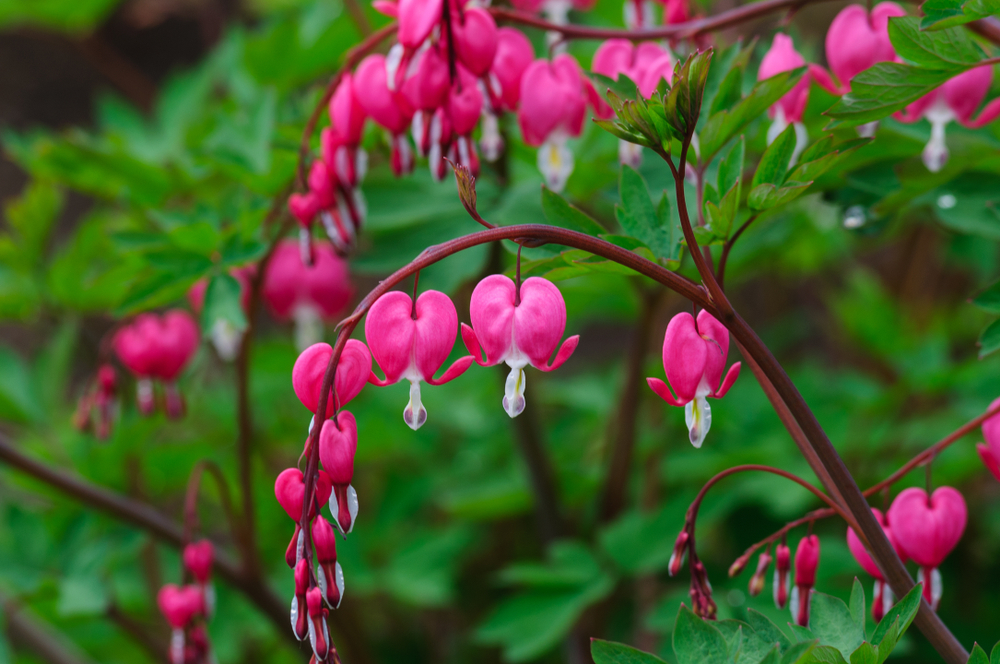
Bleeding heart is a classic spring perennial known for its unique, heart-shaped flowers. These plants bloom early in the season, producing clusters of pink or white flowers that dangle from arching stems. Bleeding hearts are a favorite for shaded gardens and thrive in moist, well-drained soil. They are a great addition to borders, woodland gardens, or along the edges of walkways where their blooms can be admired up close.
After blooming, the foliage of bleeding heart begins to die back, making it an ideal companion for later-blooming plants. It is a low-maintenance perennial that requires little care once established. Bleeding hearts are best planted in a location with partial to full shade, as they tend to prefer cooler conditions. Their unique flower shape and delicate blooms make them a standout in early spring gardens, adding a touch of whimsy and charm.
Dutchman’s Breeches (Dicentra cucullaria)
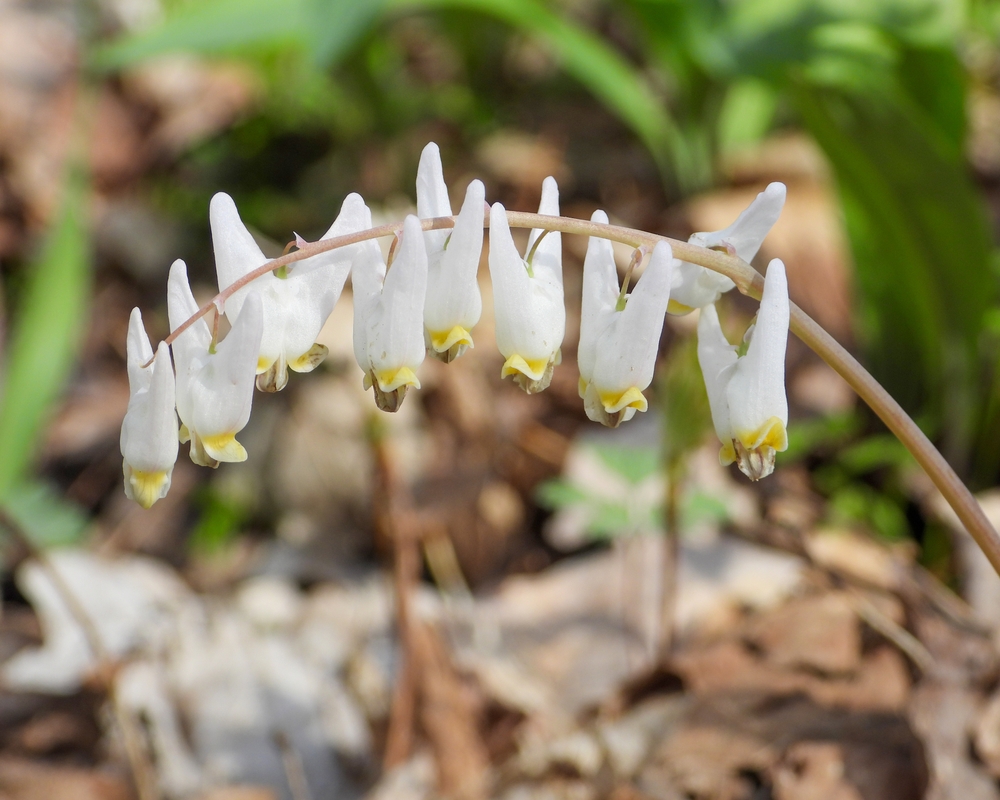
Dutchman’s breeches are another member of the bleeding heart family that makes an early appearance in the garden. Their unique flowers resemble old-fashioned pantaloons, creating a whimsical and charming look. These plants bloom in early spring, with delicate white or yellow flowers hanging from arching stems. They prefer shaded or woodland areas with rich, well-drained soil.
The foliage of Dutchman’s breeches is fern-like, adding texture to the garden even when the flowers are not in bloom. They are well-suited for naturalizing in woodland gardens, as they thrive in moist, organic-rich soils. These plants are relatively low-maintenance, requiring only a bit of water during dry spells. Once established, Dutchman’s breeches will multiply over time, creating a stunning carpet of flowers each spring.
Snowdrop (Galanthus nivalis)
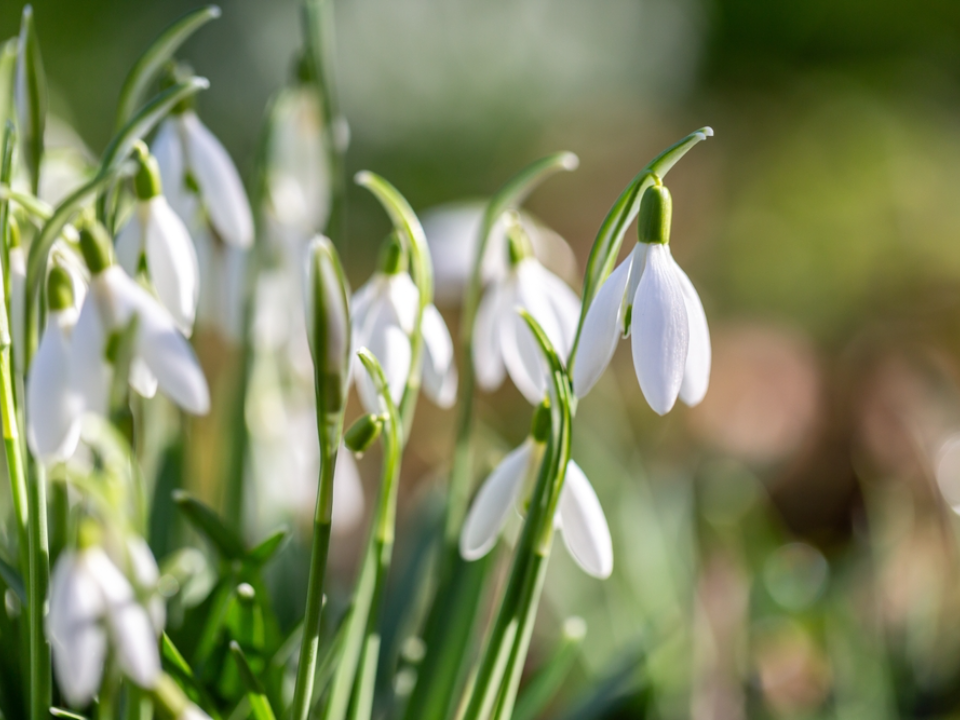
Snowdrops are among the first flowers to bloom each spring, often pushing through the snow to greet the season. These small, delicate white flowers are known for their simplicity and elegance. Snowdrops are hardy plants that thrive in a variety of soil types, though they prefer well-drained, slightly acidic soil. They are a great addition to woodland gardens, borders, or under trees where they can naturalize.
Though small in stature, snowdrops make a big impact when they bloom, providing a stunning contrast to the still-bare landscape. These early bloomers are perfect for gardeners looking to add a touch of spring color as soon as possible. Snowdrops are relatively easy to grow and will often multiply over time, forming a beautiful carpet of blooms. Their early arrival is a reminder that spring is just around the corner.
Lungwort (Pulmonaria spp.)
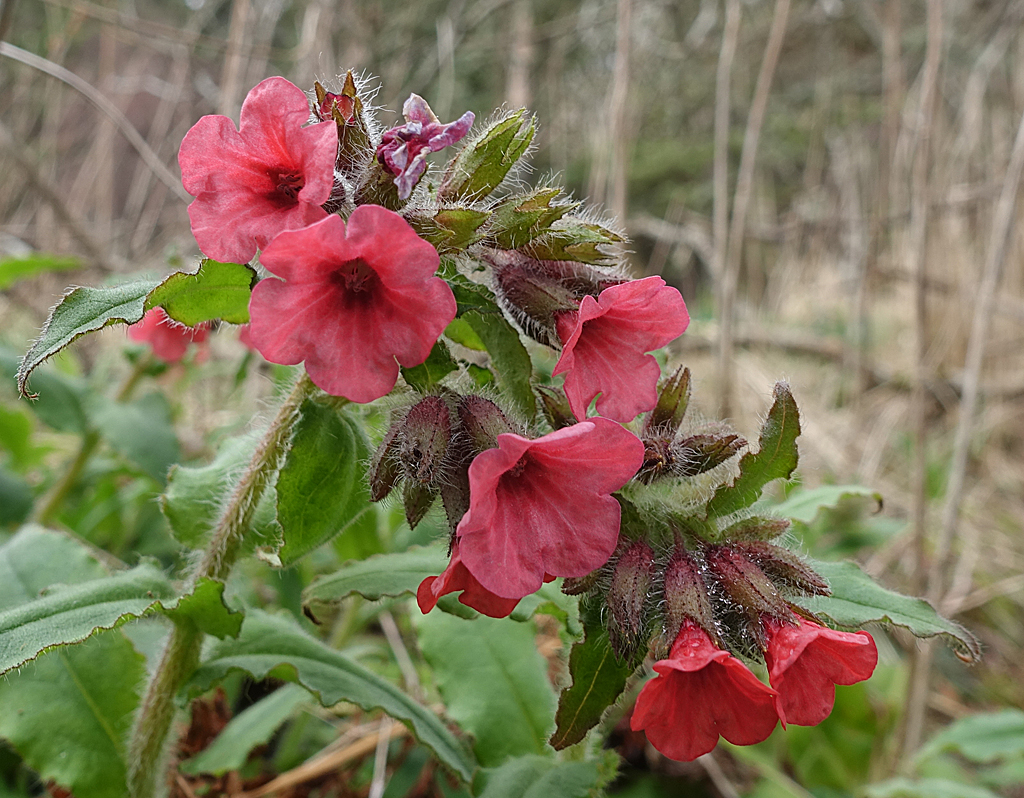
Lungwort is an early-blooming perennial known for its attractive foliage and vibrant, springtime flowers. The blooms, which range from pink to blue, appear in early spring, often before the leaves have fully unfurled. This plant is perfect for shaded or woodland gardens, as it thrives in cool, moist conditions. Lungwort’s distinctive spotted leaves add texture to the garden even when it is not in bloom.
This plant is an excellent choice for ground cover or as a companion plant in shady garden beds. Lungwort is low-maintenance and can adapt to a variety of soil types, though it prefers well-drained, humus-rich soil. It is also a great choice for attracting pollinators like bees. The combination of its early blooms and unique foliage makes lungwort a standout in spring gardens.
Columbine (Aquilegia spp.)
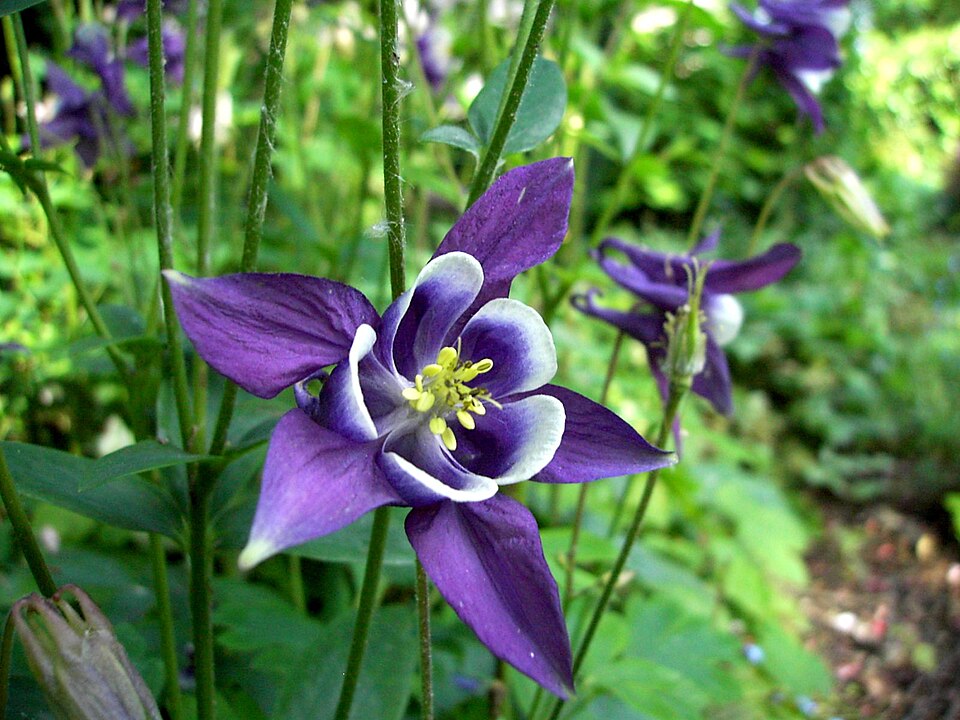
Columbine is an early-blooming perennial known for its unique, spurred flowers. These plants come in a variety of colors, including red, yellow, blue, and purple, and they attract pollinators like bees and hummingbirds. Columbines bloom in late spring, but their distinctive shape and vibrant colors make them a welcome sight as the garden begins to wake up. They prefer well-drained, slightly acidic soil and are a great addition to cottage gardens, borders, or naturalized areas.
In addition to their beauty, columbines are relatively low-maintenance and will self-seed if left to their own devices. They can thrive in both sun and partial shade, making them versatile for a variety of garden settings. Columbines are perfect for gardeners looking for a plant that adds both color and interest without requiring too much attention. Their early blooms and charming flowers make them a favorite in many spring gardens.
Ajuga (Ajuga reptans)
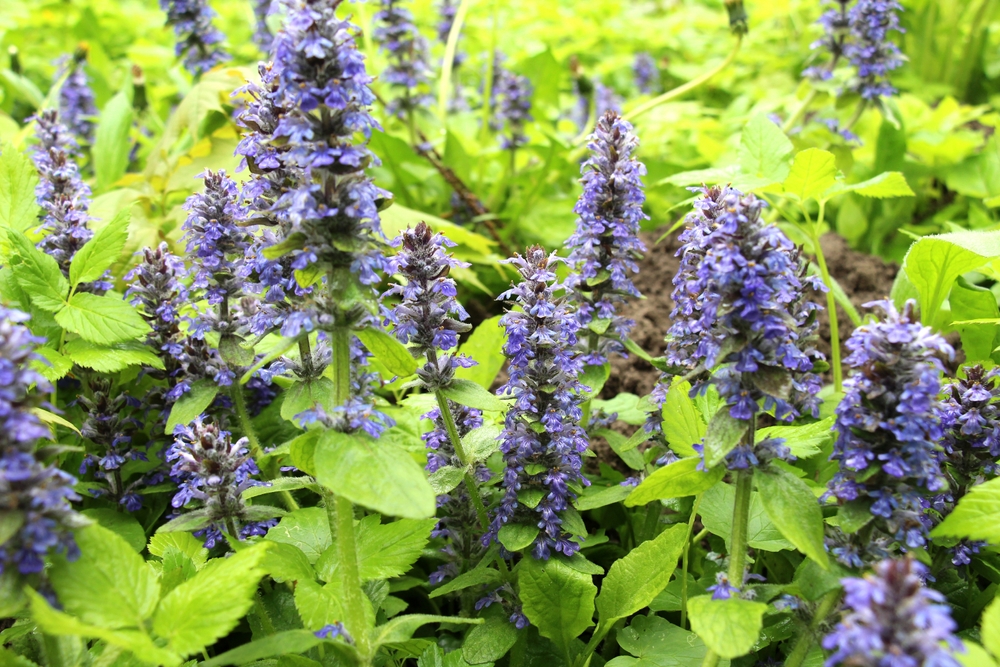
Ajuga, also known as bugleweed, is an early-blooming ground cover that adds color and texture to the garden. Its deep purple or blue flowers emerge in early spring, contrasting beautifully with its glossy, evergreen foliage. Ajuga is perfect for shaded areas where other plants might struggle. It is an excellent choice for filling in empty spaces or as a low-maintenance ground cover in garden beds.
Ajuga spreads quickly, creating a lush carpet of color that works well in both woodland and herbaceous gardens. It thrives in moist, well-drained soils and can tolerate both sun and shade. Once established, Ajuga requires little care and continues to provide year-round interest. Its bold foliage and early spring blooms make it a standout in any garden.
Crocus (Crocus spp.)
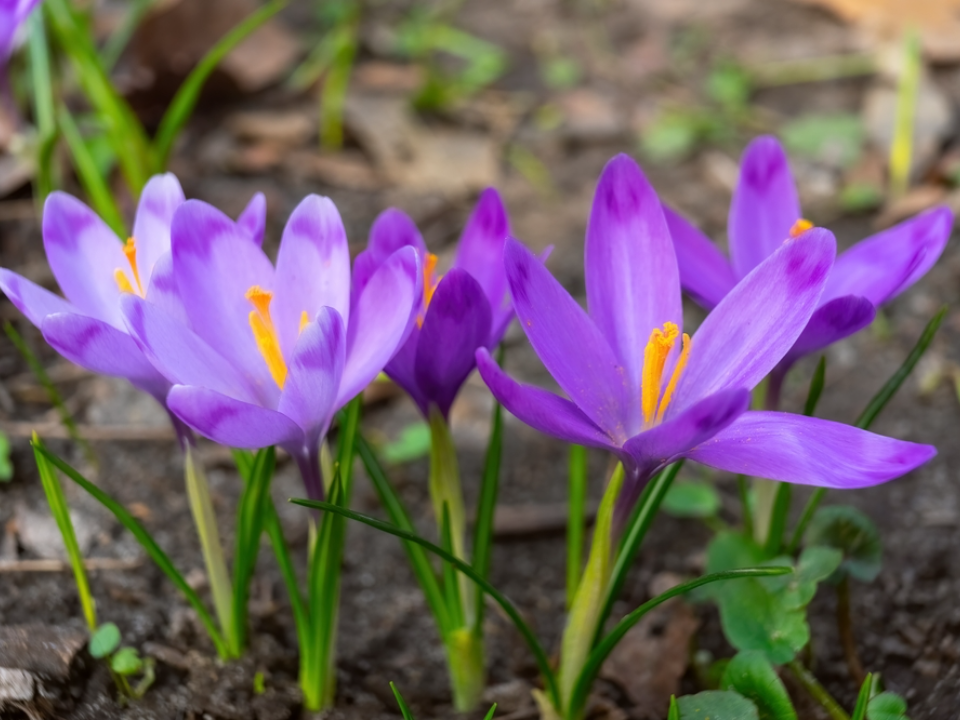
Crocus flowers are one of the earliest blooms in the spring garden, often emerging while the ground is still partially frozen. These small, cup-shaped flowers come in a variety of colors, including purple, yellow, white, and striped varieties. Crocus are perfect for planting in groups, creating a striking display as they push through the soil. They are ideal for rock gardens, borders, or naturalized areas.
These plants thrive in well-drained soil and prefer a sunny spot to ensure that they bloom early in the season. Crocus are low-maintenance and easy to grow, making them a favorite among gardeners who want early color without too much effort. They naturalize well, multiplying over time to form stunning patches of color in your garden. Their cheerful appearance is a welcome sign that spring has arrived.
Bloodroot (Sanguinaria canadensis)
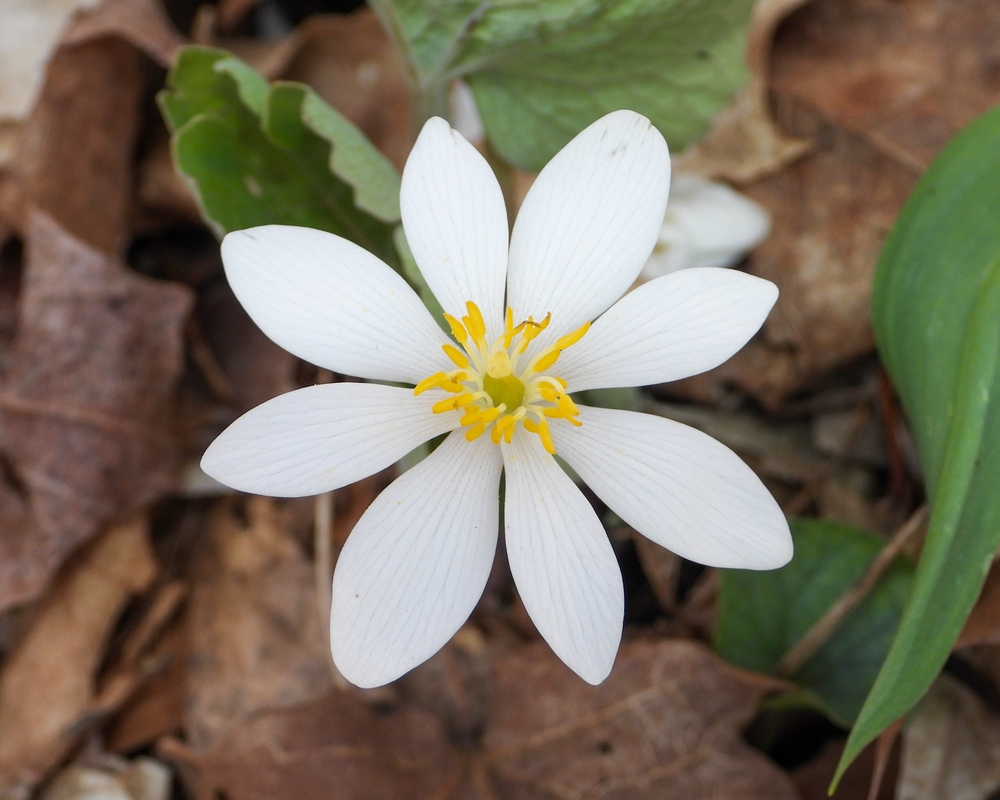
Bloodroot is an early-blooming perennial known for its pure white flowers that emerge in early spring. This plant is native to North America and thrives in shaded areas with rich, well-drained soil. Bloodroot is often found in woodland gardens and naturalized areas, where its striking flowers provide a bold contrast against the forest floor. It gets its name from the reddish sap found in its roots, which was historically used by Native Americans for medicinal purposes.
Though short-lived, bloodroot blooms are unforgettable. The flowers are typically 2 to 3 inches wide and have a distinct, cup-like shape. Bloodroot plants are perfect for woodland gardens or shaded spots where other plants may not thrive. Once established, they will continue to come back year after year, adding charm and elegance to your early spring garden.
Tiarella (Tiarella cordifolia)
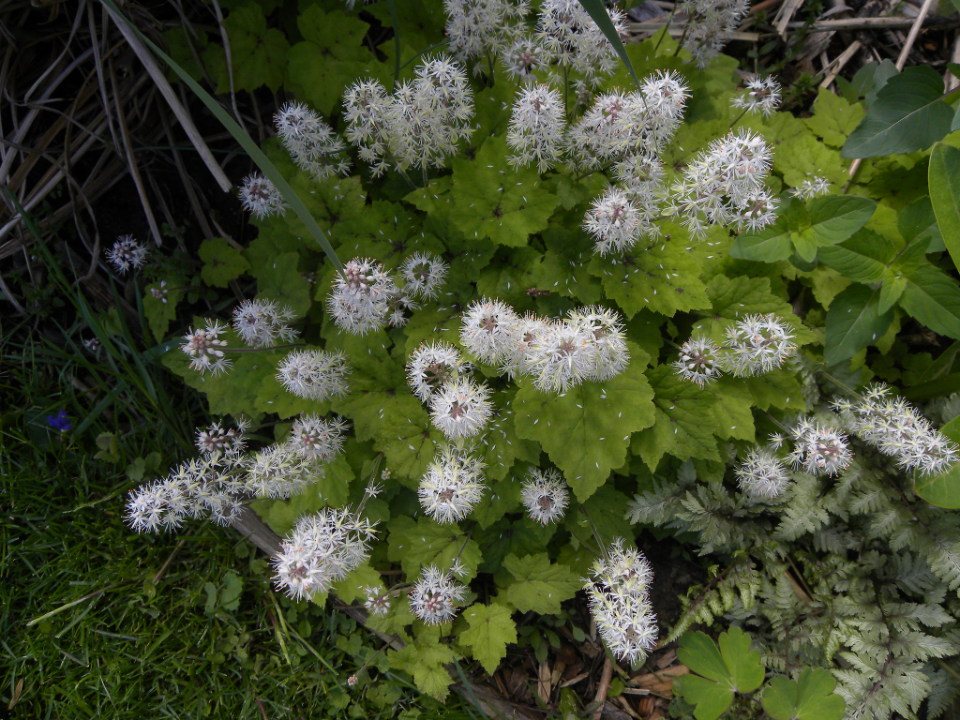
Tiarella, or foamflower, is a perennial that offers early spring color with its delicate, frothy blooms. The flowers, which are typically white or pink, appear in early spring, creating a light, airy effect in the garden. Tiarella prefers shady or woodland areas and thrives in moist, well-drained soils. Its heart-shaped leaves are attractive year-round, making it a valuable addition to shaded gardens.
This plant is perfect for filling in ground cover areas and works well alongside other spring bloomers. Tiarella’s unique flowers are a magnet for pollinators, making it an excellent choice for gardeners looking to support local wildlife. Its low-maintenance nature and ability to grow in a variety of conditions make it an excellent choice for any garden. Tiarella’s combination of attractive foliage and early blooms makes it a standout plant in early spring gardens.
Trillium (Trillium spp.)
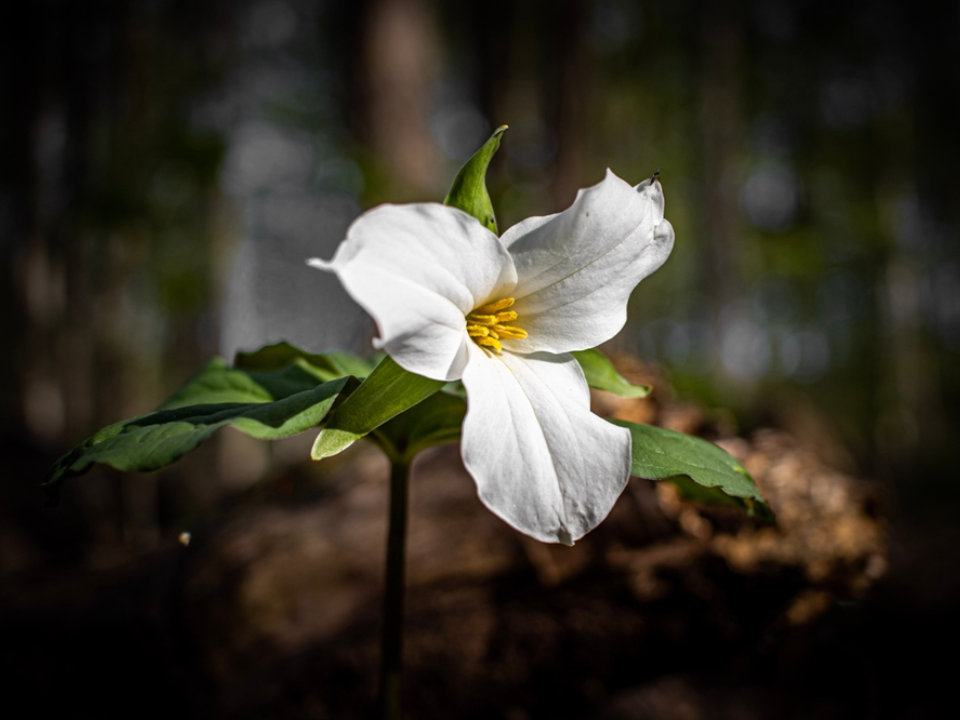
Trilliums are early-blooming perennials that thrive in shaded, woodland areas. Their three-petaled flowers come in shades of white, pink, or red, and they are known for their distinctive, whorl-like leaves. Trilliums bloom in early spring and are often one of the first signs of life in a woodland garden. They require rich, well-drained soil and are best suited for cooler, moist conditions.
Trilliums are slow-growing and can take a few years to become established, but once they do, they form stunning clumps of flowers. These plants can live for many years and are ideal for naturalizing in shady areas. While they are relatively low-maintenance, they do best when left undisturbed. Their elegant flowers make them a favorite for gardeners looking to add a touch of wild beauty to their spring gardens.
Lily of the Valley (Convallaria majalis)
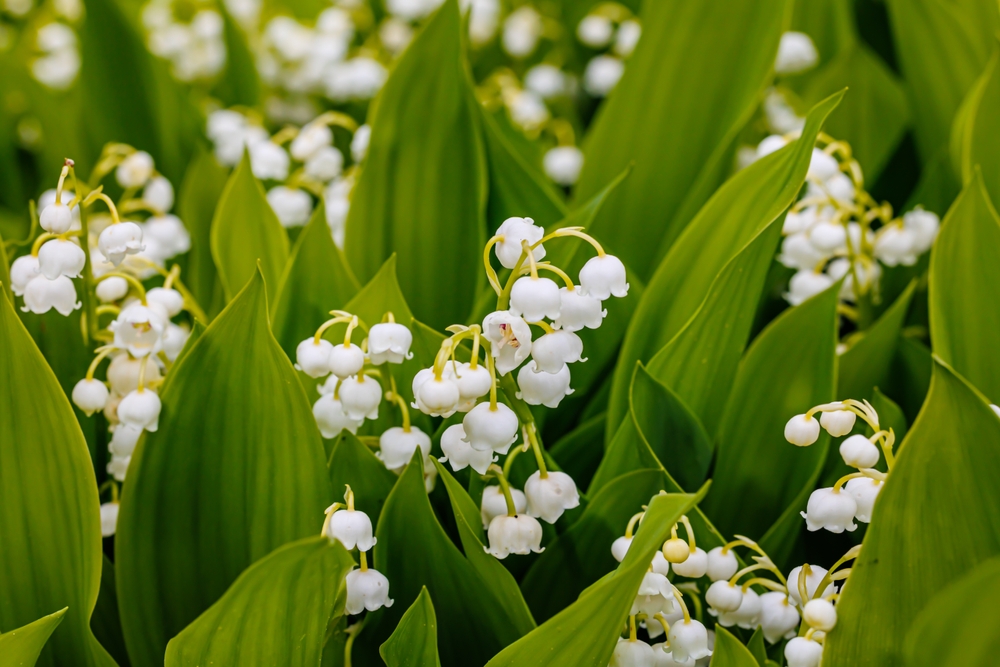
Lily of the Valley is a fragrant, early-blooming perennial that thrives in shaded areas. It produces small, bell-shaped white flowers that dangle delicately from arching stems. These plants spread quickly through rhizomes, forming a lovely ground cover. Lily of the Valley is perfect for filling in spaces under trees or in shaded garden beds.
This perennial is known for its sweet fragrance, which becomes stronger as the flowers mature. It prefers moist, well-drained soils and is easy to grow once established. While it can be invasive in some gardens, it is often used to create lush, fragrant carpets of blooms. Lily of the Valley adds an element of elegance and scent to any early spring garden.
Sweet Woodruff (Galium odoratum)
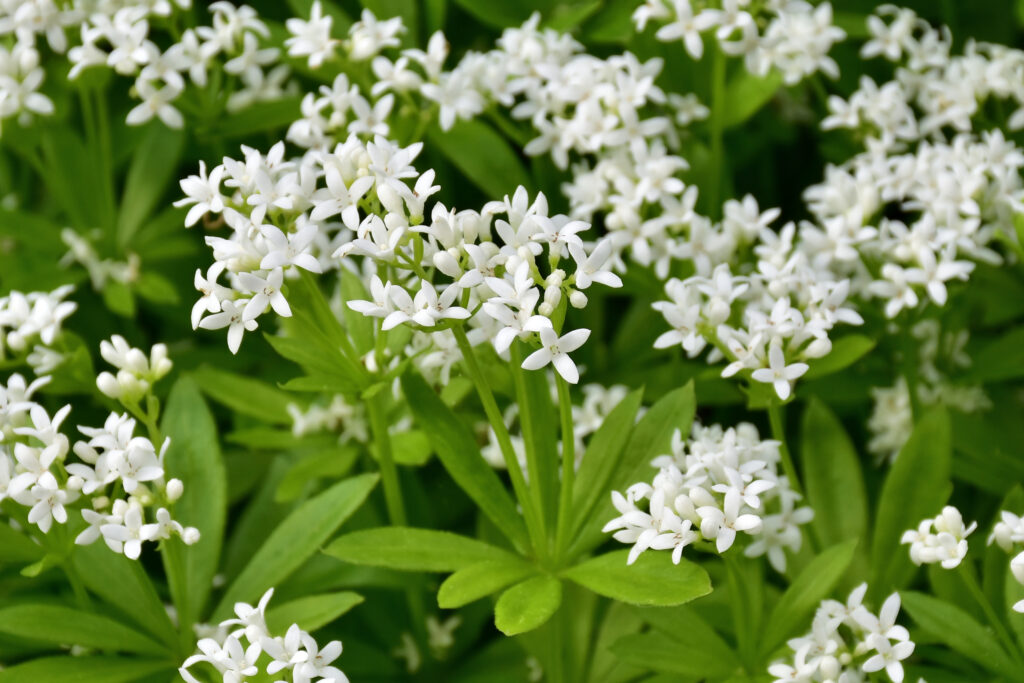
Sweet Woodruff is a low-growing perennial that thrives in shady areas and produces small, white, star-like flowers in early spring. It is known for its sweet fragrance, which is often described as a blend of vanilla and freshly-mown hay. This plant is perfect for creating a lush ground cover, especially in moist, well-drained soils. It is an excellent choice for woodland gardens or shaded spots where other plants might struggle.
Sweet Woodruff’s attractive foliage remains vibrant throughout the year, even after the blooms have faded. It is a low-maintenance plant that spreads easily through runners, making it ideal for filling empty spaces or creating a soft, green carpet. Its fragrance adds a delightful touch to shaded garden areas, and it also attracts pollinators like bees. Sweet Woodruff is perfect for gardeners looking for a plant that offers both fragrance and early-season blooms.
Chionodoxa (Chionodoxa luciliae)
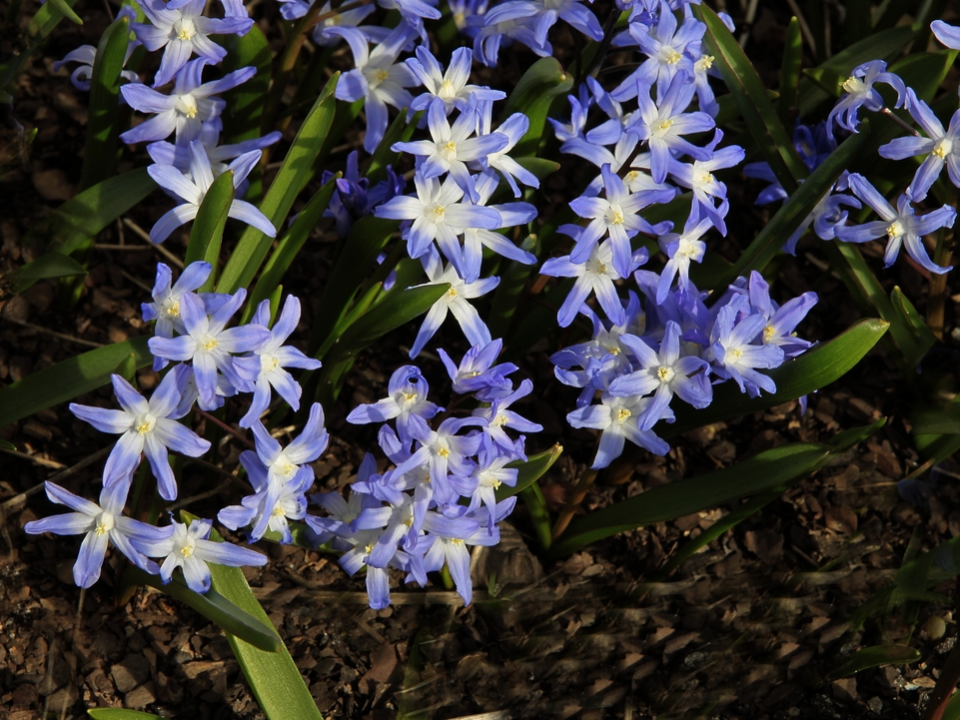
Chionodoxa, also known as Glory of the Snow, is a charming spring perennial that produces vibrant blue, star-shaped flowers. These plants are among the first to bloom in early spring, often emerging while the ground is still cool. Chionodoxa thrives in well-drained soil and prefers sunny to partially shaded areas. They are perfect for planting in rock gardens, borders, or along pathways where their bright flowers can be easily admired.
These plants are low-maintenance and will multiply over time, forming a stunning carpet of color in your garden. Chionodoxa flowers are striking in their color and contrast beautifully with the still-bare landscape of early spring. They work well in both naturalized areas and formal gardens, adding an early splash of blue to your garden. Their ability to thrive in a variety of conditions and their early blooms make them a great choice for gardeners seeking beauty as soon as the season begins.
This article originally appeared on Avocadu.