
17 Vegetables You Can Plant in Late Winter for an Early Harvest
The days are still short, but it is not too early to plant vegetables for an early harvest. Late winter is the perfect opportunity to get a head start on the growing season. There are many hardy vegetables that can be planted during this time, ensuring that you will enjoy fresh produce sooner than expected. The key is choosing the right plants that can handle the chill.
This post may contain affiliate links, which helps keep this content free. Please read our disclosure for more info.
Spinach
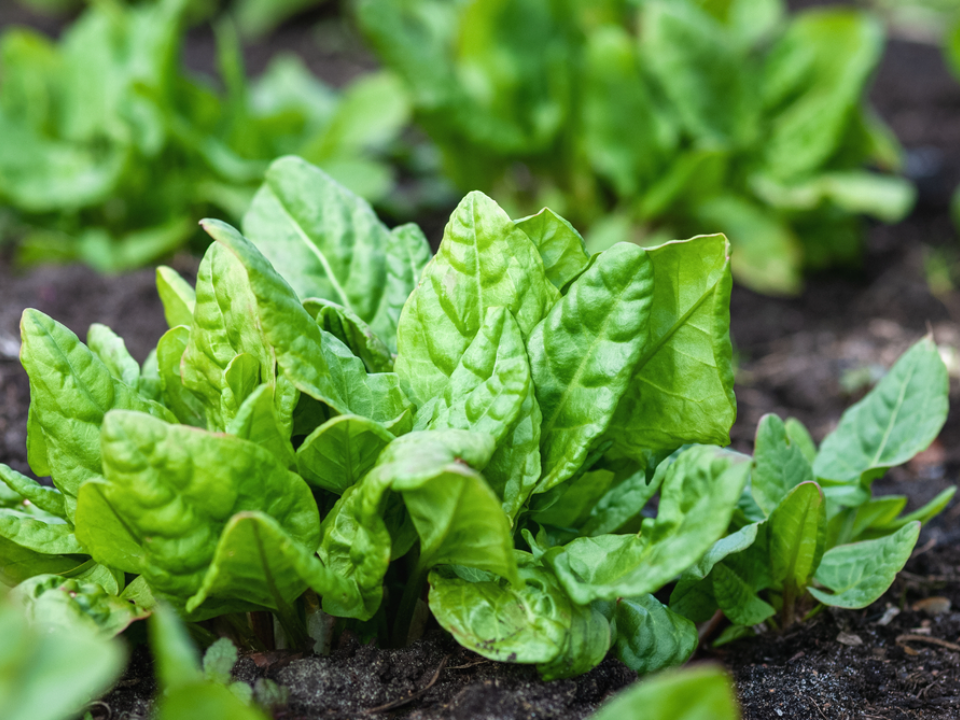
Spinach is one of the most reliable vegetables to plant in late winter. It is a cool-weather crop that can tolerate frost and is perfect for early harvesting. Spinach grows quickly, and once planted, you can expect to start picking leaves in about 4 to 6 weeks. It thrives in rich, well-drained soil and should be spaced about 4 to 6 inches apart to allow room for growth.
This vegetable is packed with nutrients and offers a quick return for your efforts. You can enjoy it fresh in salads or cooked into various dishes. If you plant spinach early enough, it will produce tender leaves before the heat of summer slows it down. Keep the soil consistently moist to help your spinach grow strong and vibrant.
Lettuce
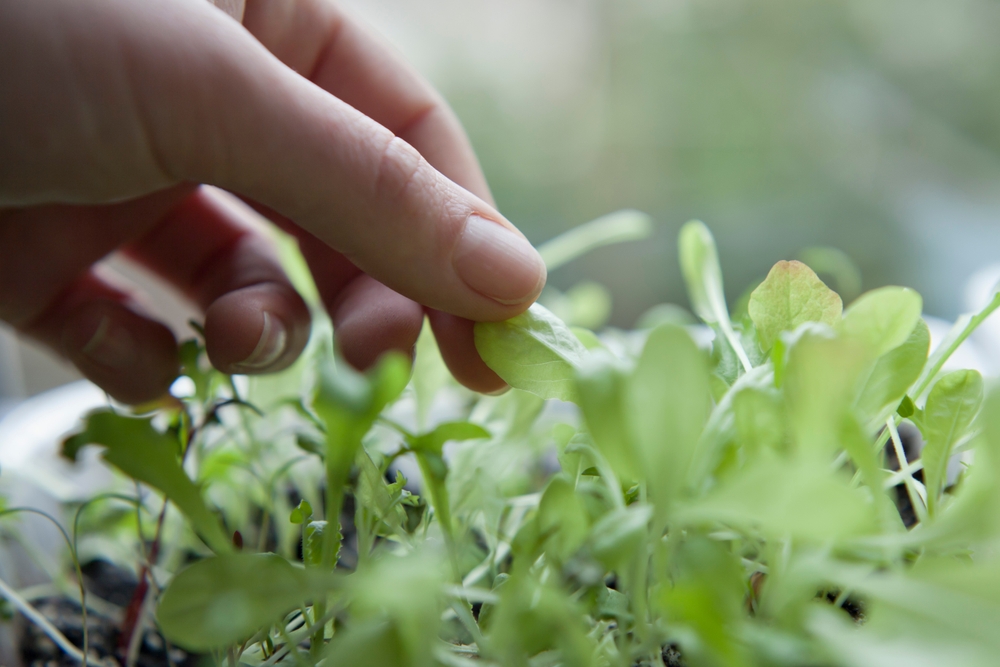
Lettuce is another excellent choice for late winter planting, as it grows well in cooler temperatures. Whether you opt for leaf, butterhead, or Romaine varieties, lettuce can be planted early for an early harvest. It thrives in soil that is rich in organic matter and should be spaced about 6 inches apart for ample room to grow. Lettuce will generally be ready to harvest in about 6 to 8 weeks.
This vegetable prefers moderate temperatures, so planting it during the late winter ensures that it will mature before the warmer weather sets in. Lettuce is versatile and can be used in sandwiches, salads, or as a garnish. It grows quickly, making it a rewarding crop for gardeners looking for a fast harvest. Be sure to water it regularly to prevent wilting.
Radishes
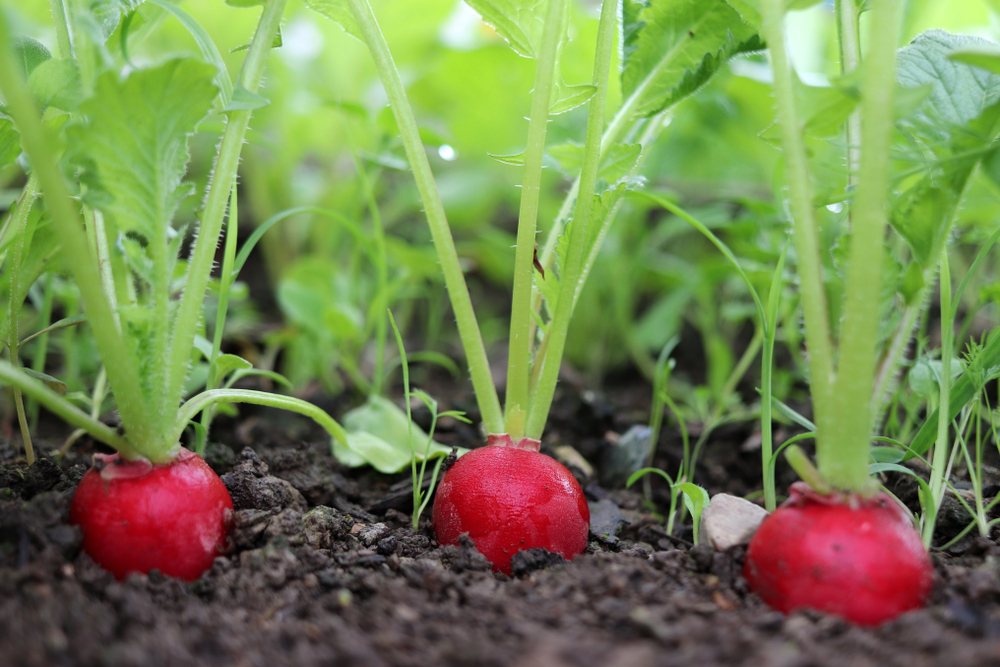
Radishes are an ideal vegetable for late winter planting due to their fast-growing nature. They can be harvested in as little as 3 to 4 weeks, making them one of the quickest crops to grow. Plant them in loose, well-drained soil, and space the seeds about 1 inch apart. Radishes prefer cooler temperatures, so late winter is the perfect time to sow them.
These root vegetables come in a variety of colors and sizes, from small, round red radishes to larger white varieties. Radishes are perfect for adding a crunchy texture to salads or using as a garnish. Their short growing time means you can plant them in succession for multiple harvests throughout the early spring. Regular watering will help them grow consistently.
Kale
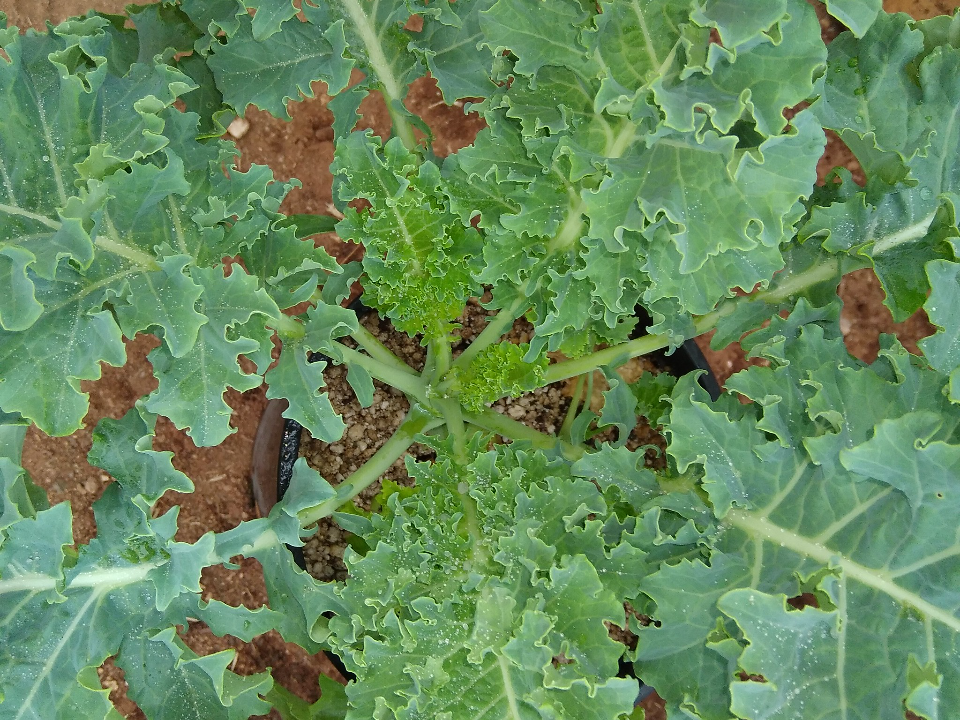
Kale is a hardy, nutrient-rich vegetable that can thrive in late winter conditions. It is well-suited to cooler temperatures, and its leaves become even sweeter after a light frost. This leafy green can be planted early and harvested throughout the spring. Space the plants about 12 inches apart to give them enough room to grow and spread.
As one of the most popular superfoods, kale is packed with vitamins A, C, and K. It is a versatile vegetable that can be used in salads, soups, or baked into crispy kale chips. When grown early, kale will produce tender, flavorful leaves that are perfect for early spring meals. Regular watering and well-drained soil are essential for healthy growth.
Peas
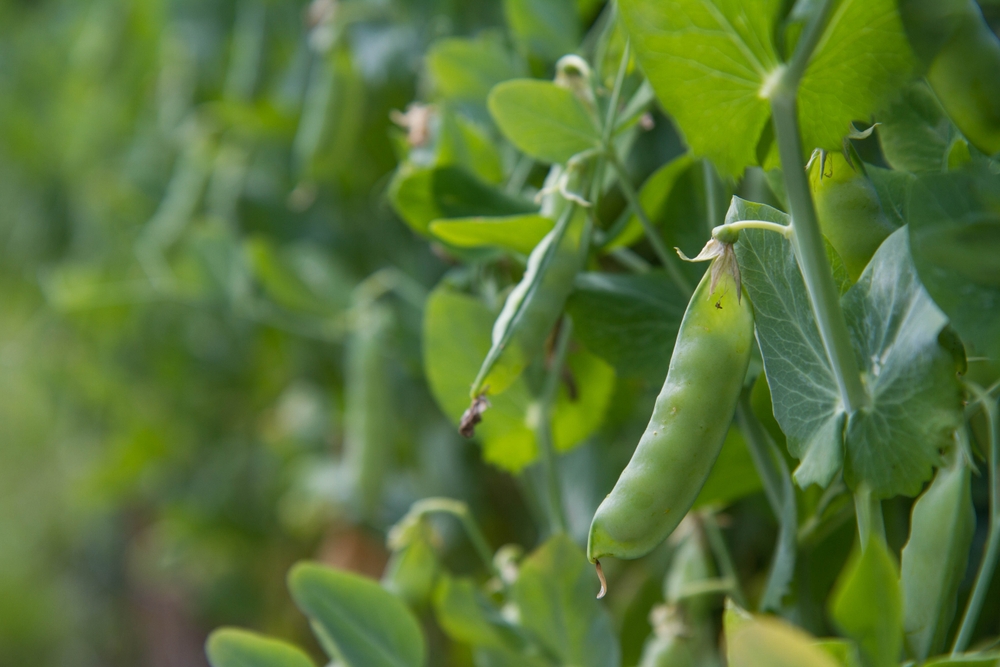
Peas are another excellent vegetable for early planting in late winter. They thrive in cool temperatures and can be harvested in about 60 to 70 days. Plant them in well-drained soil, spacing them about 1 inch apart and offering support for their climbing vines. The peas will start to sprout quickly, and you’ll begin to see flowers before the season changes.
There are different types of peas to choose from, including snap peas, snow peas, and garden peas, each offering unique flavors and uses. Peas are ideal for fresh eating, soups, or stir-fries, and their sweet flavor pairs well with many dishes. They grow best in soil that is rich in nutrients, so it may be worth adding compost before planting. Keep an eye on their growth, as they can quickly become tangled without proper support.
Arugula
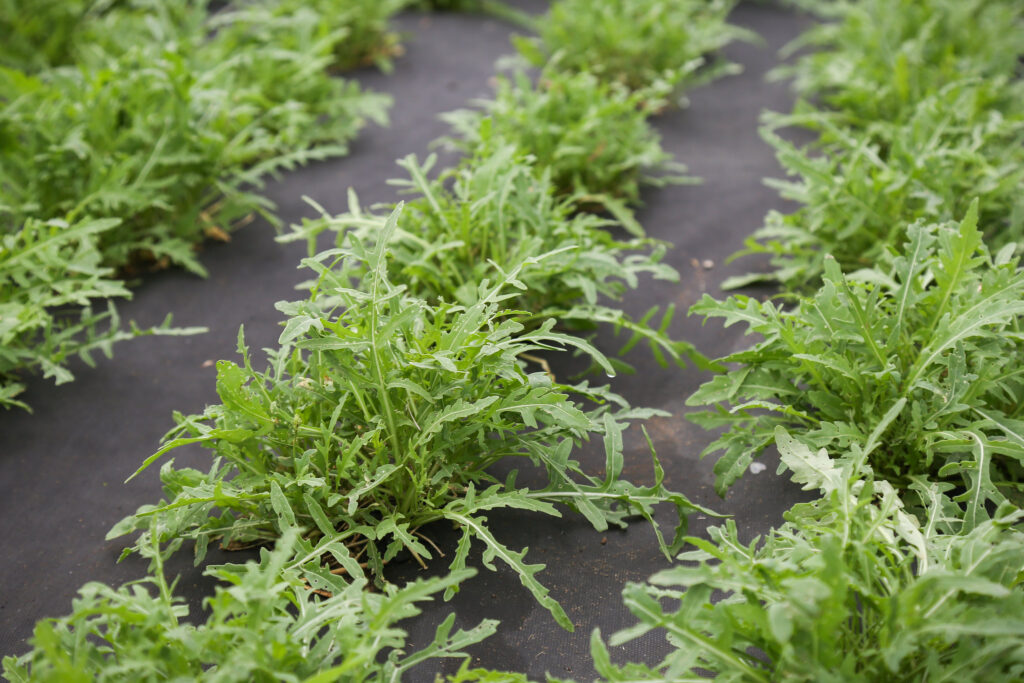
Arugula is a peppery leafy green that grows well in late winter, thriving in the cool soil of early spring. It is known for its distinct flavor and adds a zesty touch to salads and sandwiches. You can harvest arugula leaves in as little as 4 weeks, making it an excellent choice for gardeners looking for a quick return. Space the seeds about 2 inches apart, as this will give the plants enough room to grow.
Arugula prefers well-drained, fertile soil and regular watering to keep the leaves fresh and tender. The cooler temperatures of late winter are perfect for growing this vegetable, as it will bolt quickly in hot weather. As an added bonus, arugula can be harvested continuously by picking outer leaves, allowing you to enjoy a long harvest. The leaves can be used fresh or lightly wilted for a more robust flavor.
Mustard Greens
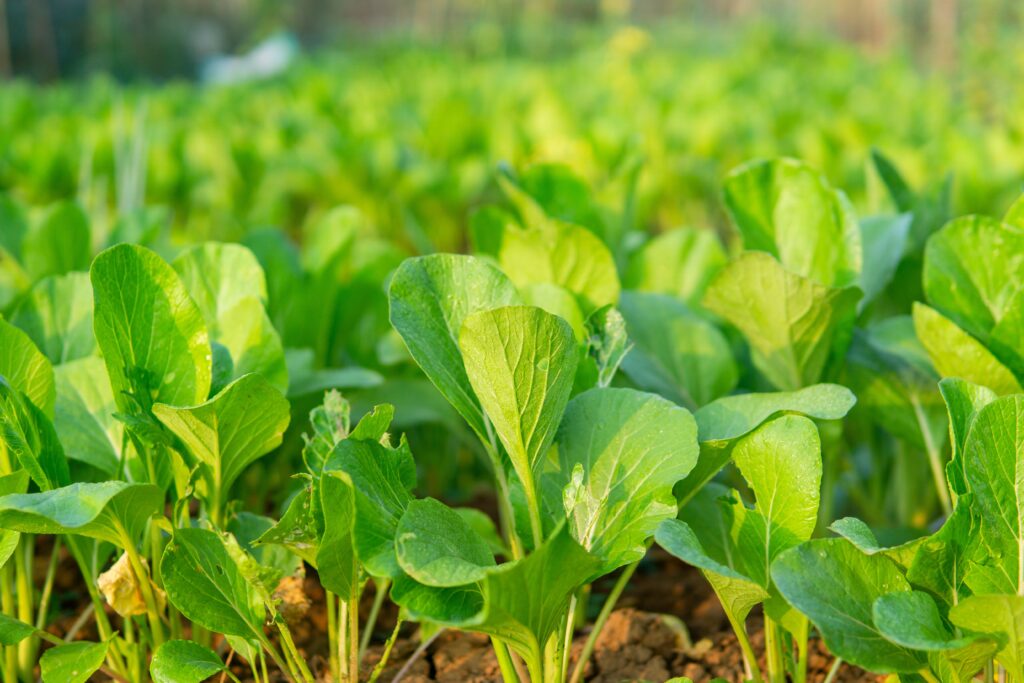
Mustard greens are another cold-tolerant vegetable that thrives in late winter. They can be planted early for a quick and nutritious harvest. Mustard greens grow quickly, with a harvest time of about 6 weeks from planting. They can tolerate frost and even taste sweeter after exposure to cooler temperatures.
These greens are known for their spicy, peppery flavor, which makes them a great addition to salads, stir-fries, or cooked dishes. They grow best in soil that is rich in organic matter and should be spaced about 6 inches apart to allow for proper growth. Mustard greens are also packed with vitamins and minerals, making them a healthy choice for any garden.
Carrots
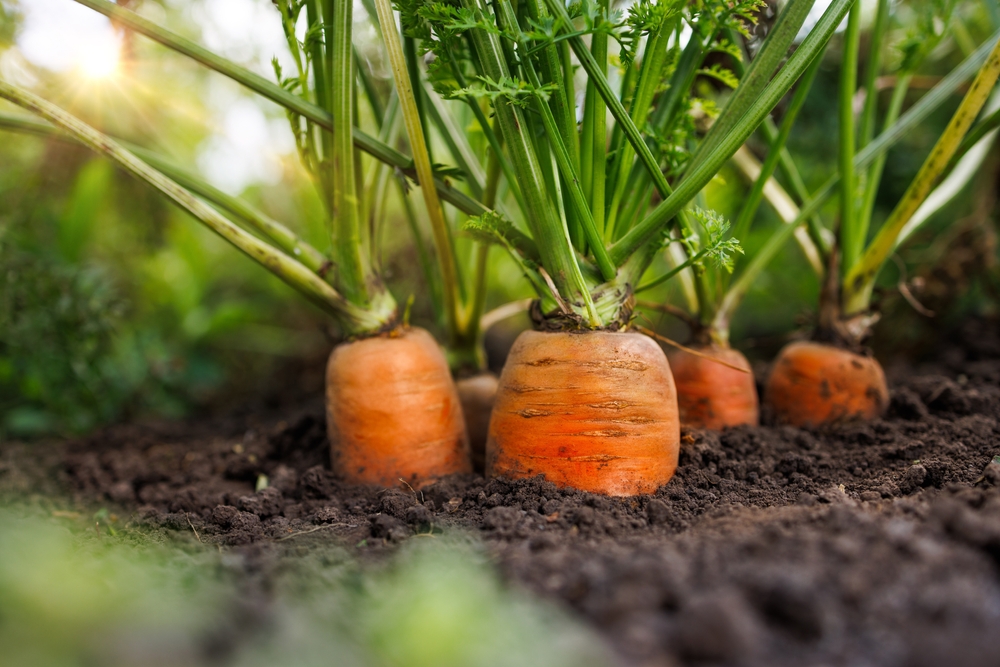
Carrots are a great vegetable to plant in late winter, as they prefer cooler soil for strong, sweet roots. These root vegetables take a little longer to mature, typically around 70 to 80 days, but planting them in late winter ensures they are ready to harvest early in the spring. Carrots do well in loose, well-drained soil, so be sure to prepare the bed well before planting.
While carrots require patience, they are well worth the wait. Fresh, homegrown carrots are sweet and flavorful, perfect for eating raw, in soups, or roasted. You can choose from a variety of colors and sizes, from the traditional orange to purple or yellow varieties. Be sure to thin the seedlings as they grow to prevent overcrowding and promote healthy root development.
Swiss Chard
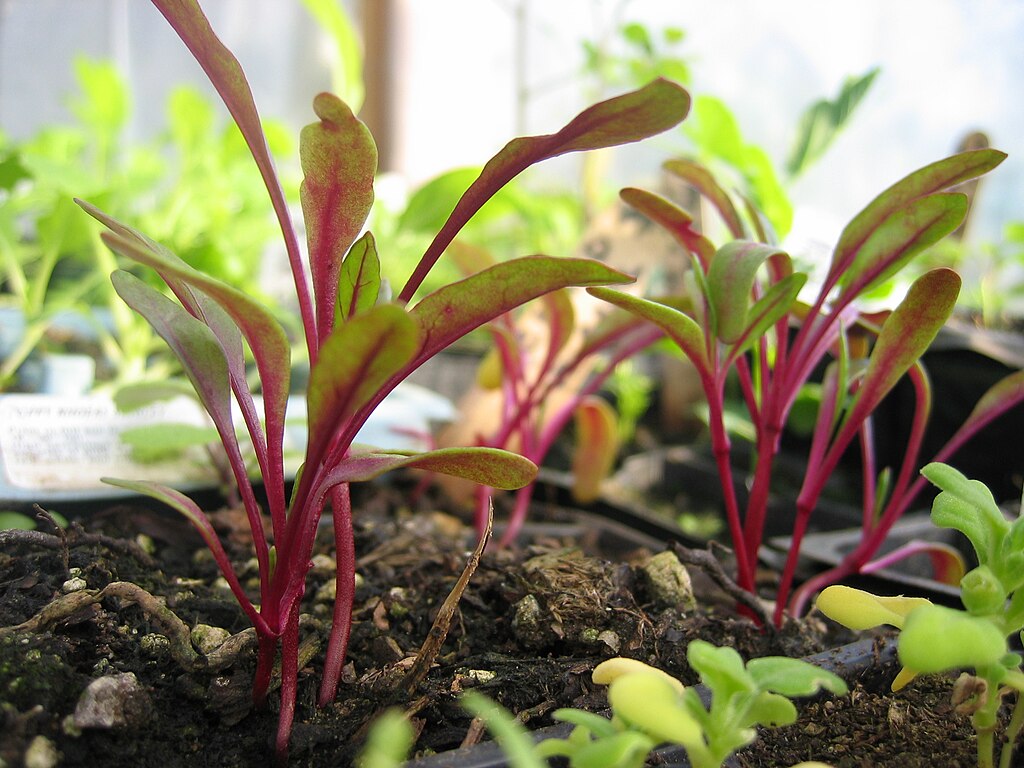
Swiss chard is a colorful, leafy green that is perfect for late winter planting. It can tolerate frost and cold temperatures, making it ideal for early harvests. Once planted, Swiss chard will be ready to start harvesting in about 6 to 8 weeks. Space the plants about 12 inches apart to give them room to grow and spread their vibrant leaves.
This vegetable is rich in vitamins A, C, and K and offers a mild, earthy flavor that pairs well with many dishes. Swiss chard is easy to grow and can produce multiple harvests if you pick the outer leaves and allow the inner ones to continue growing. It is a great vegetable for adding color and nutrition to your early spring meals.
Broccoli
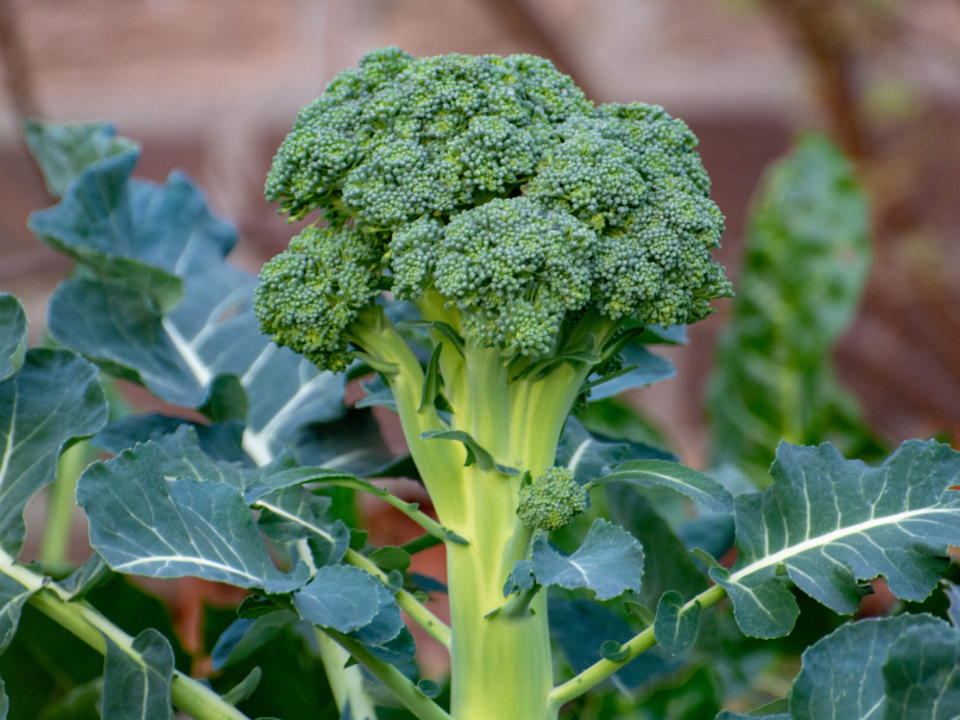
Broccoli is a cool-weather vegetable that grows well when planted in late winter for an early spring harvest. This vegetable can take around 60 to 80 days to mature, but planting it early ensures that it will be ready for harvest as temperatures warm up. Broccoli requires fertile, well-drained soil and should be spaced about 18 inches apart to allow for proper head development.
Broccoli is packed with nutrients, including fiber, vitamin C, and antioxidants, making it a healthy choice for any garden. It can be eaten raw, steamed, or used in a variety of dishes. If you provide adequate care, including regular watering and good soil, you can expect healthy, flavorful heads of broccoli early in the season. Be sure to harvest the main head before the plant starts producing smaller side shoots.
Cabbage
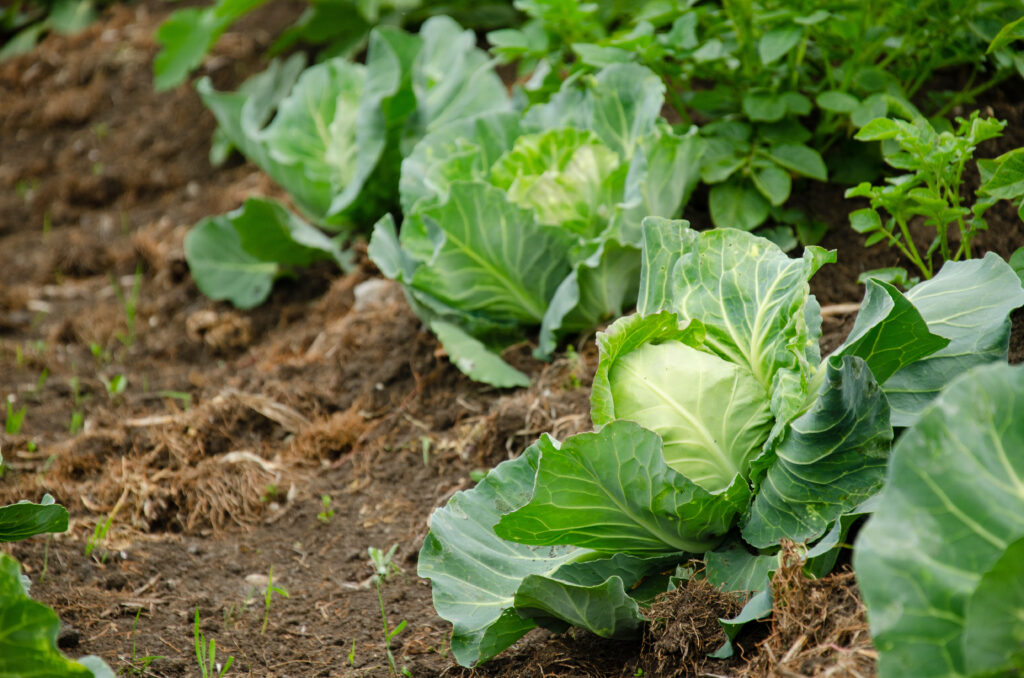
Cabbage is a hardy vegetable that thrives in cool temperatures and can be planted in late winter for an early spring harvest. It takes about 70 to 80 days to reach full maturity, making it an excellent vegetable for early planting. Cabbage grows best in fertile, well-drained soil and should be spaced about 12 to 18 inches apart.
This vegetable is known for its crunchy texture and mild flavor, making it perfect for salads, coleslaw, or stir-fries. It is also a great source of vitamins C and K. By planting cabbage early, you can enjoy fresh, crisp heads before the summer heat causes them to bolt. Make sure to water your cabbage regularly to keep the leaves healthy and vibrant.
Bok Choy
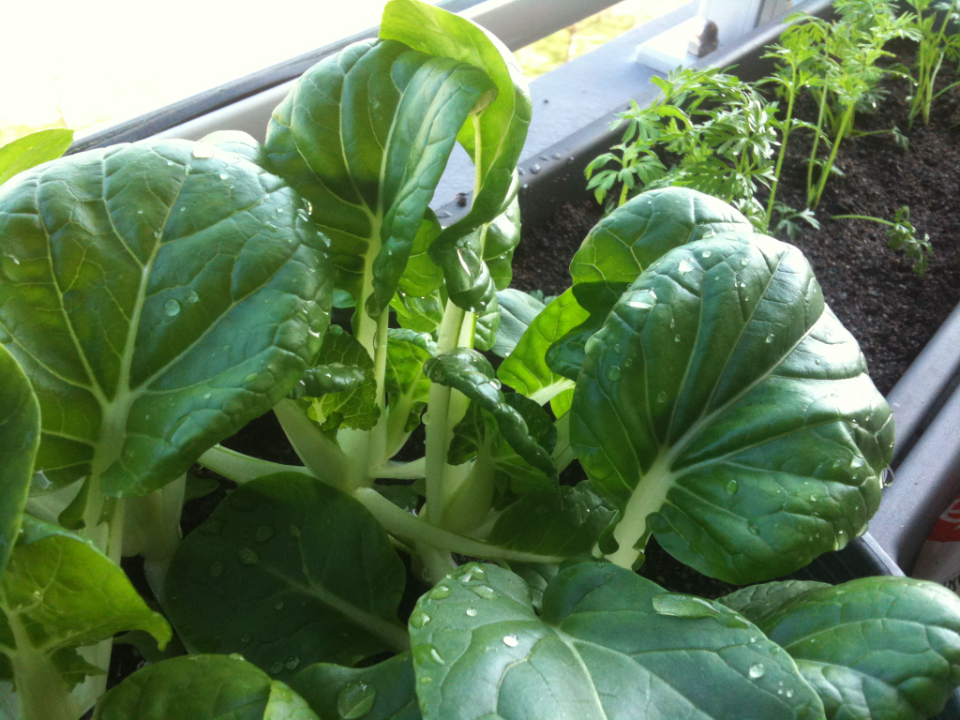
Bok choy, also known as Chinese cabbage, is a versatile vegetable that grows well in cooler temperatures. It can be planted in late winter for an early harvest, typically within 6 to 8 weeks. This vegetable does well in well-drained, fertile soil and should be spaced about 6 to 12 inches apart. It grows quickly, making it a great option for gardeners looking for a fast return.
Bok choy has tender, mild-flavored leaves and crunchy stalks, making it a popular ingredient in stir-fries, soups, and salads. It is packed with vitamins and minerals, including calcium, iron, and vitamin C. By planting bok choy early, you can enjoy it as a fresh, nutritious vegetable before the warmer weather arrives. Regular watering is important to keep it growing strong.
Beets
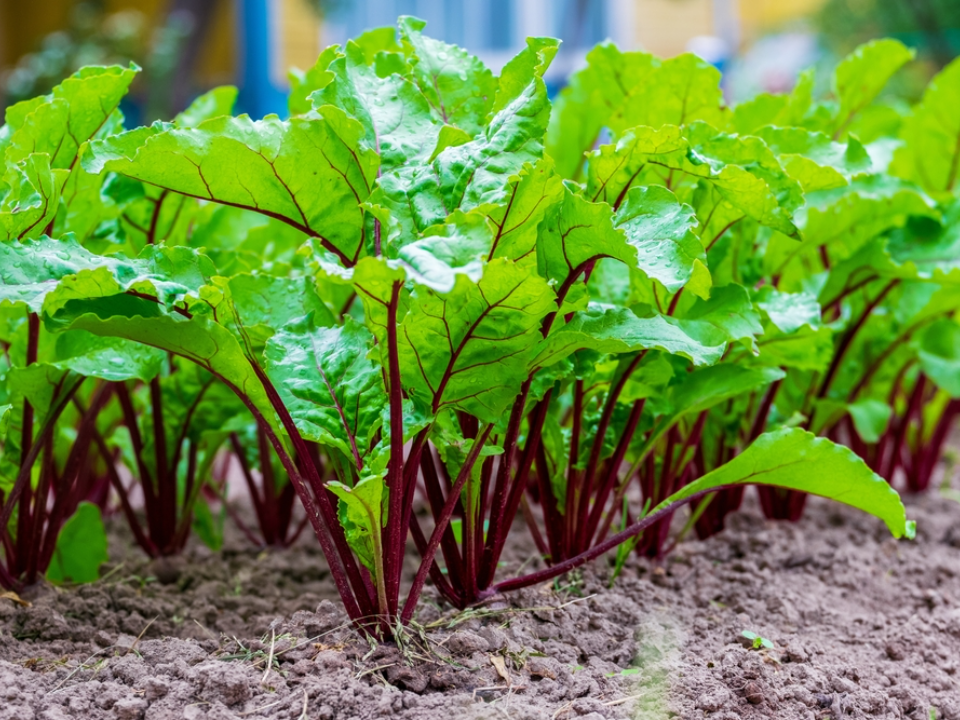
Beets are a root vegetable that thrives in cool weather, making them perfect for late winter planting. They take about 50 to 70 days to mature, but planting them early ensures a harvest before the heat of summer. Beets should be planted in well-drained, loose soil and spaced about 2 inches apart.
Both the roots and the leaves of the beet plant are edible, and they offer a variety of uses in the kitchen. Beets are packed with nutrients, including fiber, folate, and vitamin C. They can be eaten roasted, boiled, or raw in salads. Growing beets in late winter ensures a sweet, flavorful crop that will add color and nutrition to your meals.
Collard Greens
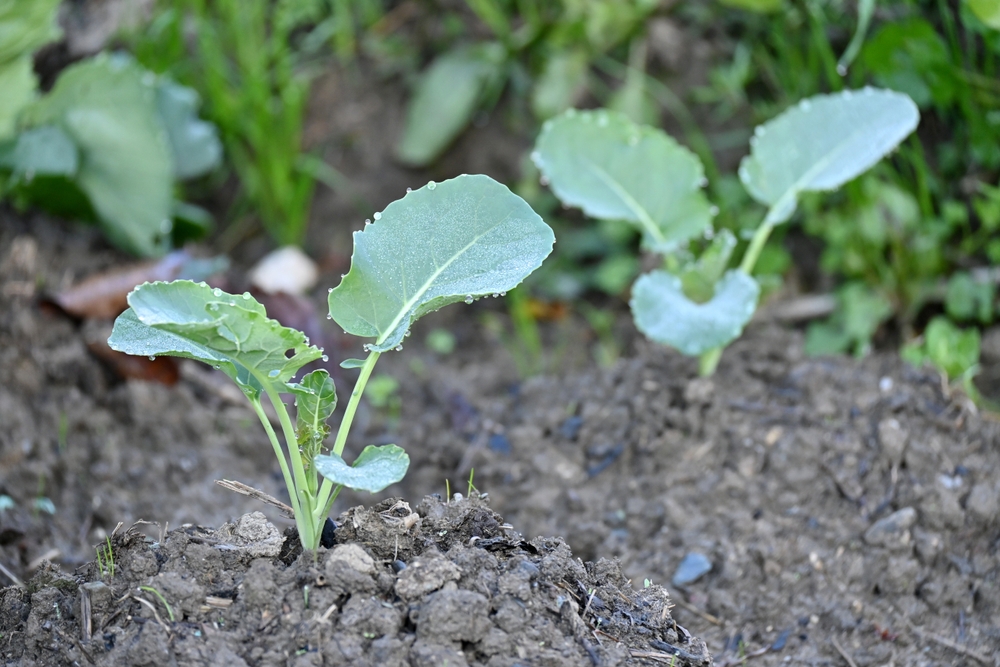
Collard greens are a hardy, cool-weather vegetable that can be planted in late winter for an early spring harvest. They grow quickly, with harvests starting in about 60 to 70 days. Plant them in fertile, well-drained soil, and space the plants about 12 to 18 inches apart for proper growth.
Collard greens are a rich source of vitamins A, C, and K and have a mild, slightly earthy flavor. They can be used in a variety of dishes, from soups to stir-fries. By planting them early, you will enjoy tender, flavorful greens well before the summer heat causes them to become tough. Be sure to keep the soil consistently moist for optimal growth.
Shallots
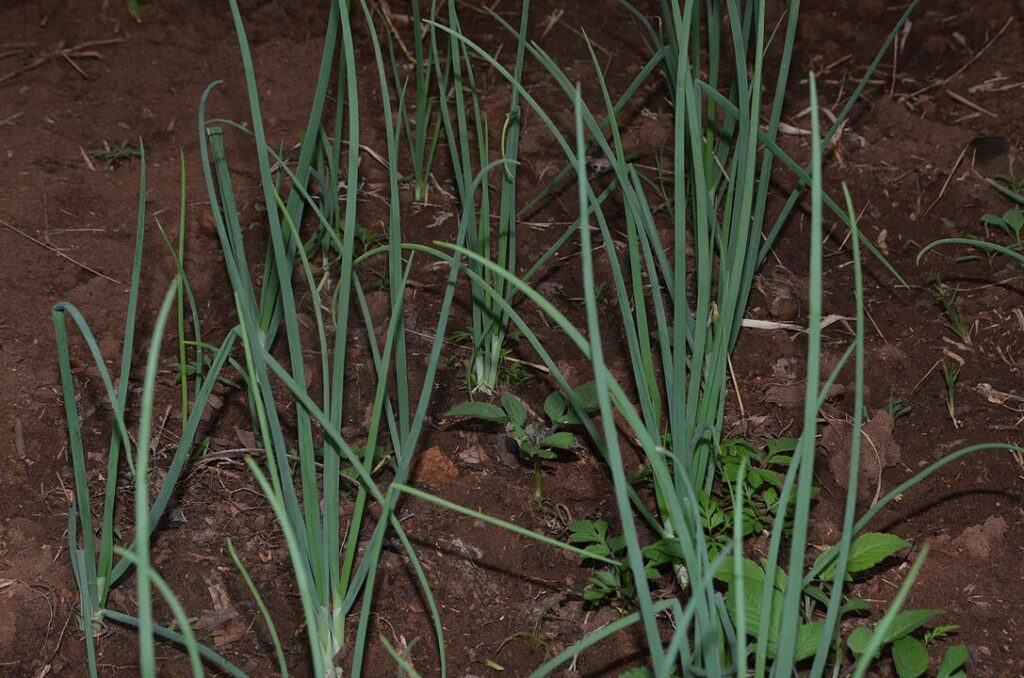
Shallots are a smaller, milder version of onions that can be planted in late winter for an early harvest. They thrive in cooler temperatures and can be harvested in about 90 days. Shallots should be spaced about 6 inches apart and grown in well-drained, fertile soil for the best results.
Shallots add a sweet, delicate flavor to a variety of dishes, from soups to salads and roasted vegetables. They are easy to grow and require minimal care, making them a great option for beginner gardeners. Planting shallots early will allow you to enjoy their mild flavor before the summer heat sets in. Regular watering and good soil preparation are key to healthy growth.
Turnips
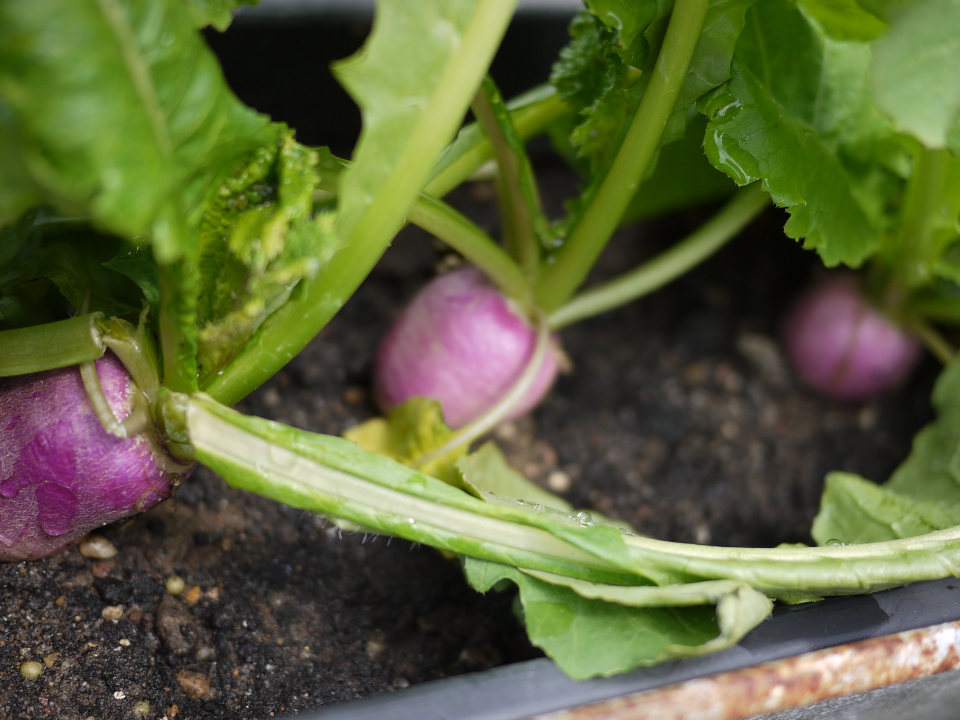
Turnips are another fast-growing vegetable that can be planted in late winter. These root vegetables prefer cooler soil and can be harvested in about 60 to 70 days. They should be planted in well-drained soil and spaced about 4 inches apart to allow room for growth.
Turnips have a slightly sweet, earthy flavor and can be eaten raw, roasted, or cooked in stews. Both the roots and the leaves are edible, with the greens offering a nutritious addition to salads or sautéed dishes. By planting turnips early, you can enjoy them as a fresh and flavorful vegetable before the warmer weather arrives. Keep the soil consistently moist to ensure healthy growth.
Leeks
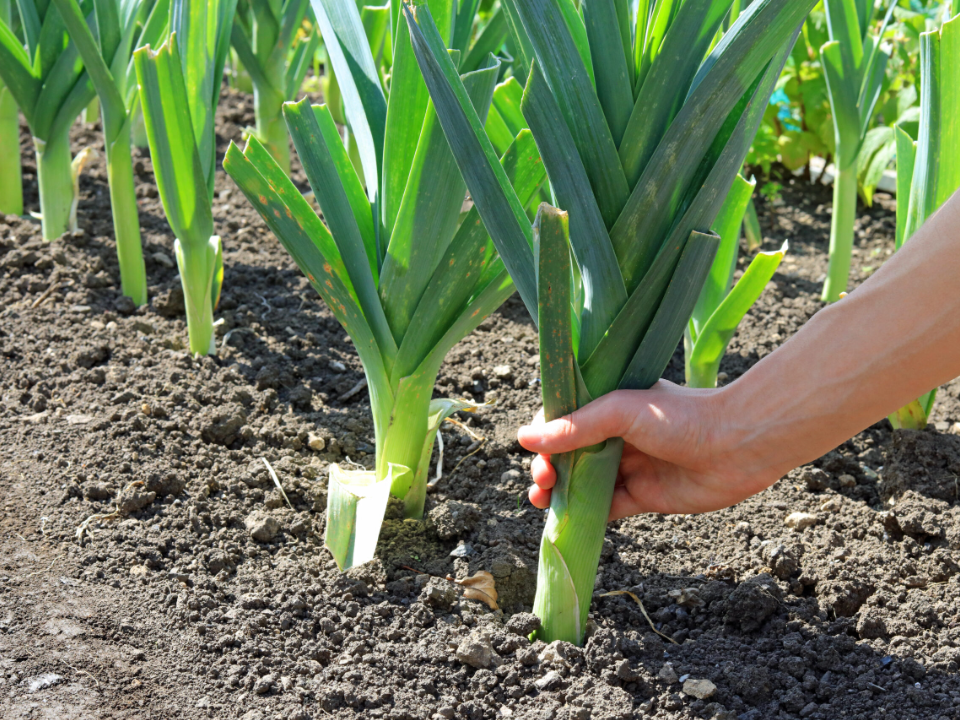
Leeks are a cool-weather vegetable that can be planted in late winter for an early spring harvest. They take about 90 days to mature, but planting them early ensures a flavorful harvest before the summer heat arrives. Leeks should be spaced about 6 inches apart and grown in well-drained, fertile soil for the best results.
Leeks have a mild, onion-like flavor and can be used in soups, stews, or roasted dishes. They are rich in vitamins and minerals, including fiber and vitamin K. Growing leeks early allows you to enjoy their sweet, delicate flavor long before the summer onions are ready for harvest. Regular watering will help them grow strong and healthy.
This article originally appeared on Avocadu.