
15 Late Winter Herbs That Start Strong in Cool Soil
Winter doesn’t have to stop your gardening. Some herbs thrive in cooler soil, ready to push through even as the cold lingers. These hardy herbs are the perfect addition to your garden as the season shifts. By planting them now, you can enjoy fresh flavors well before spring.
This post may contain affiliate links, which helps keep this content free. Please read our disclosure for more info.
Parsley
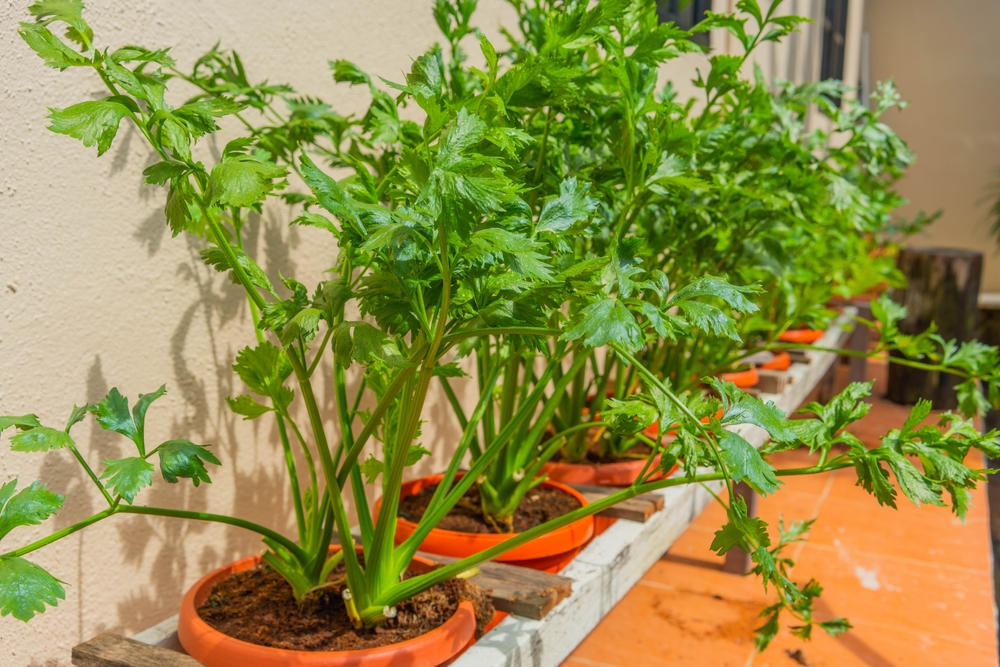
Parsley is a versatile herb that thrives in cool soil, making it ideal for late winter planting. It grows best when the temperature stays between 50°F and 70°F, and it tolerates light frosts. Whether used in salads, soups, or as a garnish, parsley adds a refreshing burst of flavor to any dish. It is also a nutritious herb, packed with vitamins A, C, and K, as well as antioxidants.
Planting parsley in late winter gives it a head start, allowing it to develop strong roots before the warmer months. This herb prefers moist, well-draining soil and should be watered regularly, though it does not like to sit in standing water. When harvesting, you can snip leaves from the outer stems to promote continued growth. With its ability to grow in both sun and partial shade, parsley is a great herb for any garden.
Cilantro
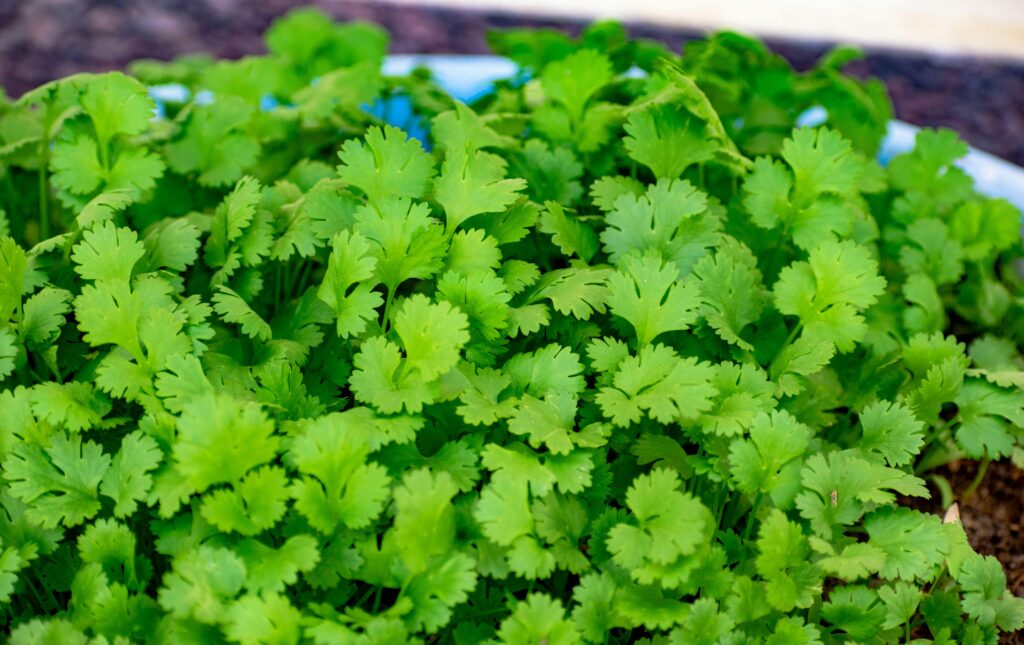
Cilantro, also known as coriander, is another herb that performs well in cool soil during late winter. It grows quickly, producing fresh leaves that can be used in a variety of dishes, from salsas to curries. Cilantro thrives in the cooler temperatures of late winter and early spring, which helps prevent the herb from bolting. The flavor is best when harvested early, before the plant begins to flower and produce seeds.
Cilantro prefers well-drained soil and requires regular watering to keep it healthy. It is also known for its ability to self-seed, meaning that once it starts growing, you can expect new plants to appear year after year. A quick-growing herb, cilantro can be harvested in as little as three to four weeks, making it a great option for gardeners looking for fast results. However, it should be planted in full sun to ensure the best flavor and growth.
Thyme
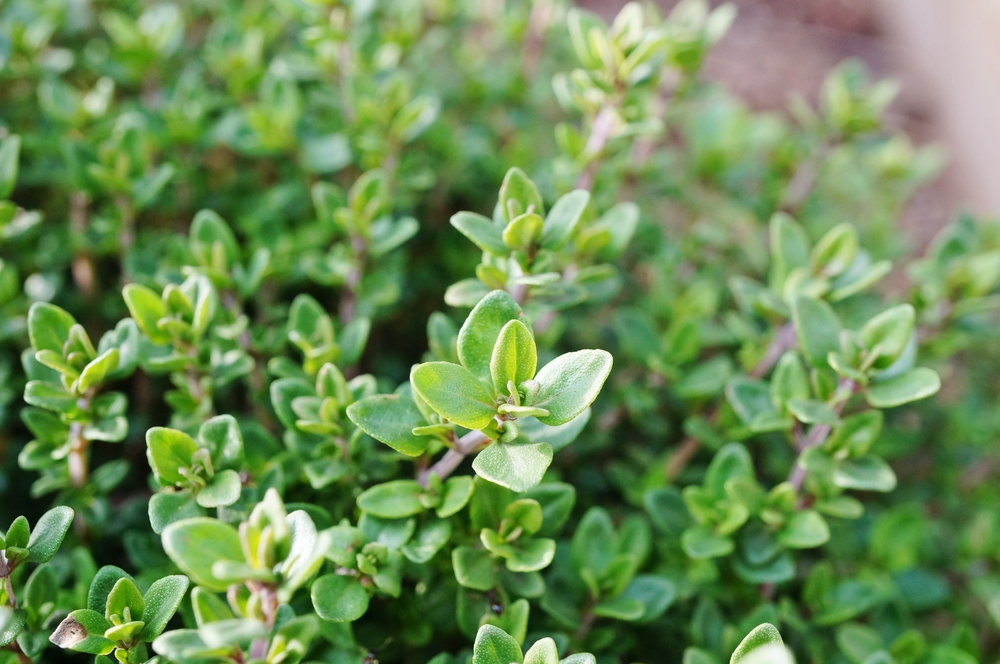
Thyme is a hardy herb that does exceptionally well in cooler soil, making it a perfect candidate for late winter planting. Known for its woody stems and small, aromatic leaves, thyme adds depth of flavor to a wide range of dishes. This herb is low-maintenance and can thrive in soil that is not too rich, making it perfect for growing in late winter conditions. It can be used fresh or dried, making it a versatile addition to any kitchen.
Thyme prefers well-draining, slightly alkaline soil and should be watered sparingly, as it is drought-tolerant once established. It also benefits from a sunny spot in the garden, although it can tolerate light shade. Thyme is a great herb for both beginners and experienced gardeners, as it requires minimal care. Regular trimming will help keep the plant compact and encourage new growth, ensuring a steady supply of fresh herbs.
Kale
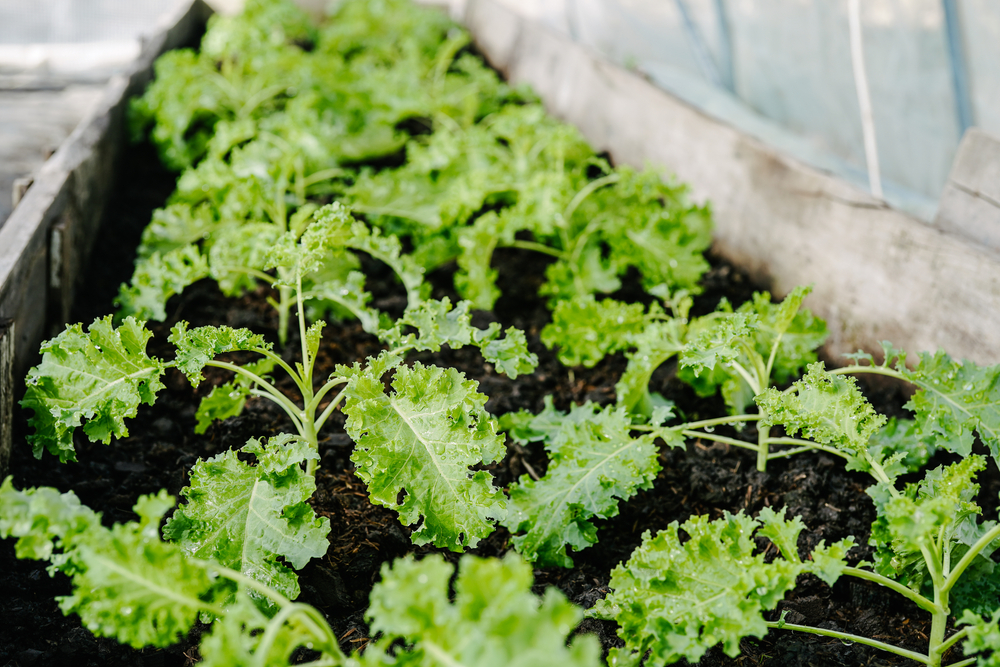
Kale is a cold-hardy green that thrives in the cool temperatures of late winter. It is a perfect herb to grow during this season, as it tolerates frost and even improves in flavor after a cold snap. Kale is rich in vitamins A, C, and K, as well as calcium and iron, making it not only a tasty herb but also a nutritious one. This plant can be used in salads, soups, or even smoothies.
When planting kale in late winter, it is important to choose a location that receives full sun and provides well-drained soil. Regular watering will keep the leaves crisp and tender, but be sure to avoid overwatering. Kale also grows well in containers, so if you are short on space, you can easily grow it on a balcony or patio. Harvest the outer leaves when they are young to promote new growth and extend the growing season.
Chives
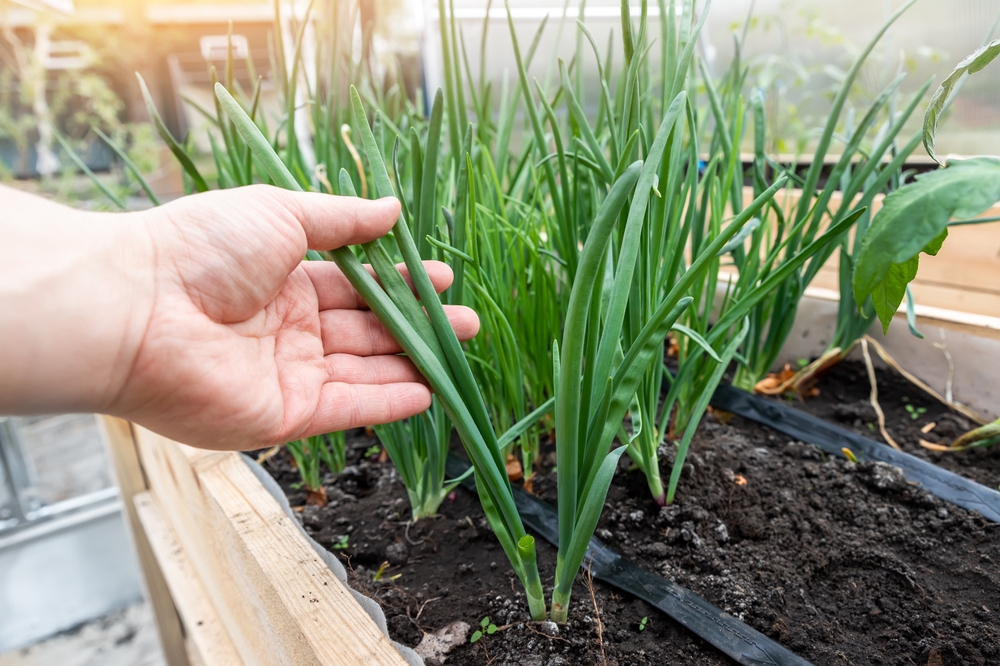
Chives are another herb that thrives in cool soil, making them perfect for late winter planting. They grow quickly and can be used to add a mild onion flavor to a variety of dishes. Chives are perennial herbs, meaning they will come back year after year, making them a great investment for your garden. The long, thin leaves are perfect for snipping and adding to salads, soups, and sauces.
Chives prefer slightly acidic to neutral soil and should be planted in a sunny spot to encourage strong growth. They are also very hardy and can survive light frosts, which is why they are so well-suited for late winter gardening. Water chives regularly, but ensure that the soil drains well to prevent root rot. As they grow, you can trim the leaves back to encourage new growth, ensuring a steady supply throughout the season.
Mint
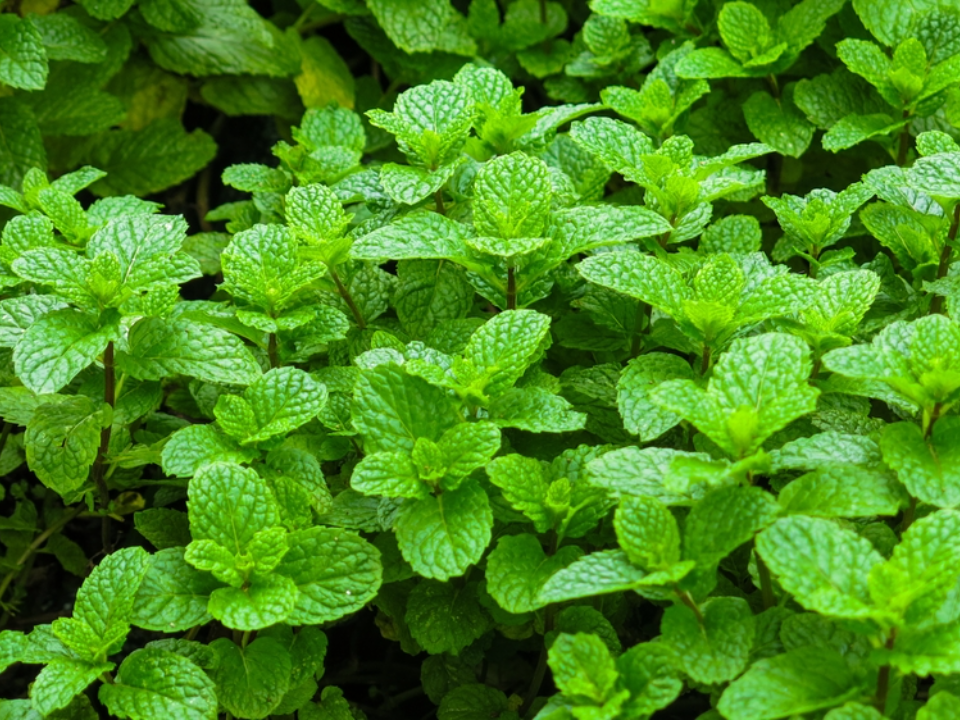
Mint is a fast-growing herb that does well in cool soil during late winter. Known for its refreshing and aromatic leaves, mint is a popular herb in teas, desserts, and savory dishes. It thrives in moist, well-drained soil and can tolerate cooler temperatures, making it ideal for planting during this time of year. Mint is also an invasive herb, so it is best grown in containers or with barriers to keep it from spreading too aggressively.
Planting mint in late winter gives it a jump start on the growing season. It prefers a location with partial shade, although it can tolerate full sun as long as it is kept consistently moist. Mint is relatively low-maintenance but should be trimmed regularly to prevent it from becoming leggy. When harvesting, it is best to pick the leaves before the plant flowers, as this is when the leaves have the most flavor.
Sage
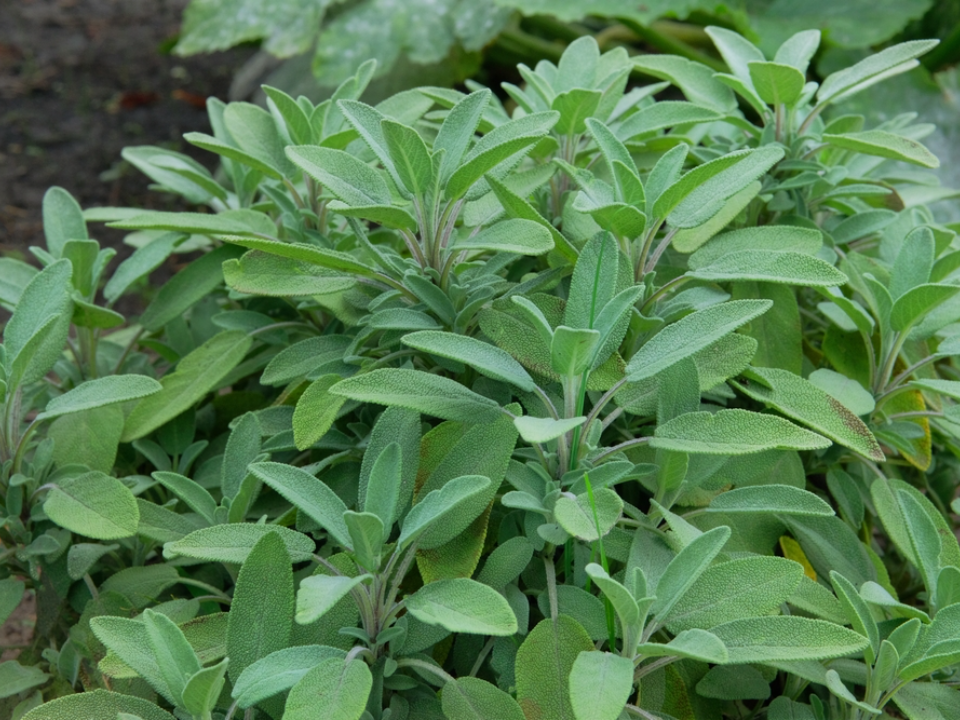
Sage is a hardy herb that thrives in cooler soil and is well-suited for late winter planting. Known for its distinctive, slightly peppery flavor, sage is a staple in many Mediterranean dishes. It grows best in well-drained, slightly alkaline soil and can tolerate frost, which makes it perfect for the late winter months. Sage is also a perennial herb, so once established, it will return each year, providing fresh leaves for your cooking.
To grow sage successfully in late winter, plant it in a location that receives full sun and is sheltered from strong winds. Regular watering will keep the plant healthy, but be sure not to overwater, as sage is drought-tolerant once established. Sage can be harvested throughout the growing season, and trimming the plant back regularly will encourage bushier growth. This herb is also great for drying, allowing you to enjoy its flavor throughout the year.
Arugula
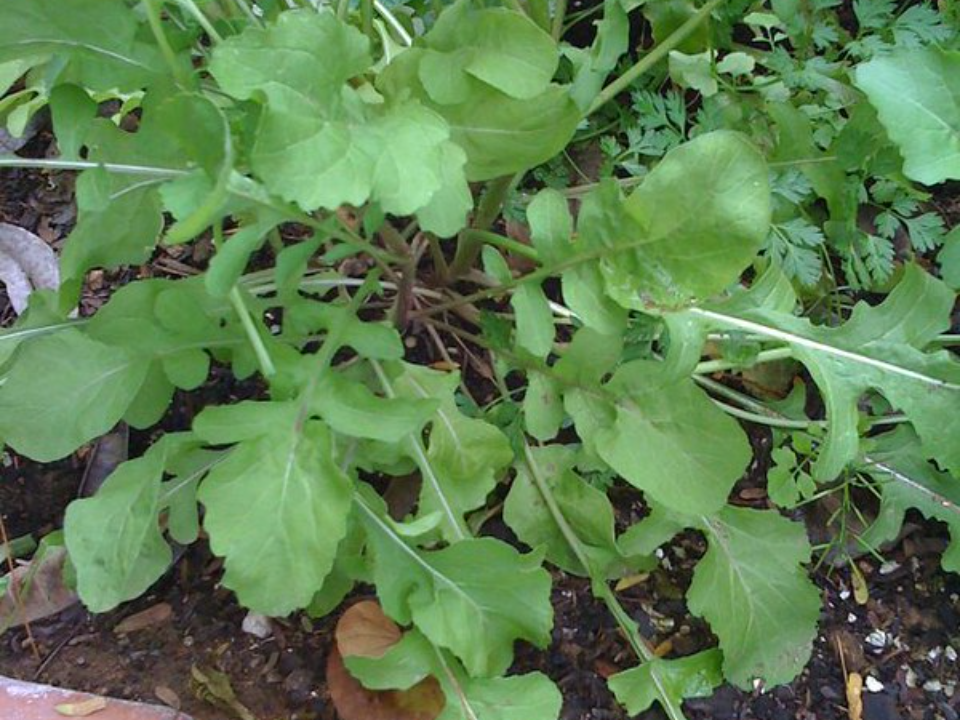
Arugula is a cool-weather herb that thrives in the late winter months, especially when planted in well-draining, fertile soil. Known for its spicy, peppery flavor, arugula is a popular addition to salads and sandwiches. It grows quickly, and you can begin harvesting the tender leaves just a few weeks after planting. Arugula is also rich in vitamins A, C, and K, as well as calcium and iron.
This herb prefers full sun but can tolerate some shade. It grows best in soil that is kept moist but not soggy, and it should be watered regularly to encourage strong, tender leaves. Arugula is a fast-growing herb, and its young leaves are the most flavorful, so be sure to harvest them early. You can continue to harvest as the plant grows, but be careful not to let it flower, as this can cause the leaves to become bitter.
Sorrel
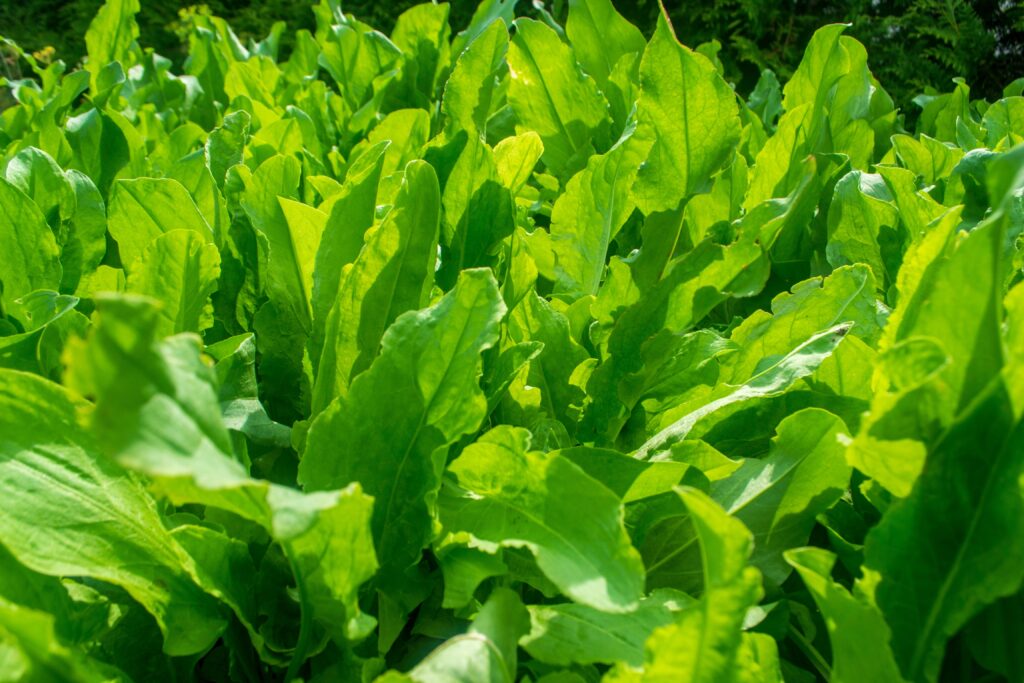
Sorrel is a hardy herb that thrives in cool temperatures and can be planted in late winter. It has a tangy, lemony flavor that adds a refreshing note to salads and soups. Sorrel is easy to grow and prefers slightly acidic to neutral soil. This herb is also packed with vitamins and antioxidants, making it not only flavorful but also nutritious.
Plant sorrel in a location that receives partial shade or full sun, depending on your climate. The soil should be well-drained but rich in organic matter. Sorrel can tolerate light frosts, making it ideal for early-season growth. When harvesting, pick the outer leaves to encourage continued growth, and be sure to remove any flowers that appear, as they can make the leaves more bitter.
Mustard Greens
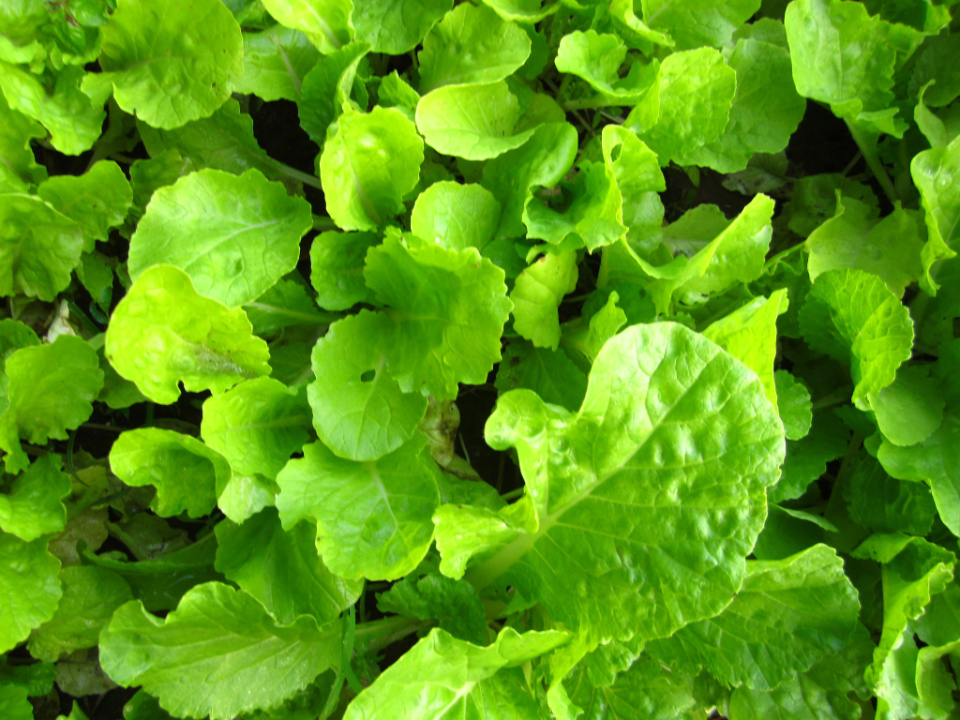
Mustard greens are a cold-hardy herb that does well in cool soil, making them perfect for late winter planting. Known for their spicy, mustard-flavored leaves, they add a unique kick to salads, sautés, and soups. Mustard greens grow quickly, and their tender leaves can be harvested in just a few weeks. They are also a rich source of vitamins A, C, and K, as well as folate and fiber.
Plant mustard greens in a sunny spot with well-draining soil, and keep the soil consistently moist. This herb is relatively low-maintenance and can tolerate light frost, which makes it ideal for planting in late winter. Regular harvesting will encourage the plant to grow more leaves, providing a continuous supply. Mustard greens are best eaten young, as the leaves can become tough and bitter as the plant matures.
Fennel
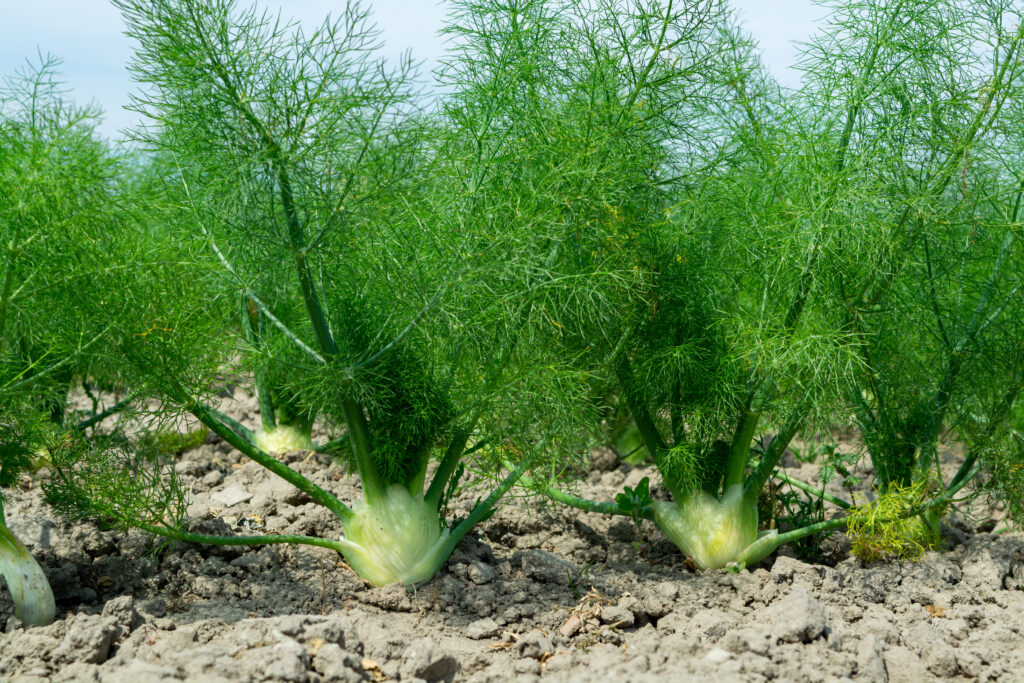
Fennel is a versatile herb that grows well in cool soil and is perfect for late winter planting. Known for its mild, licorice-like flavor, fennel is used in a variety of dishes, from salads to soups. The bulb, fronds, and seeds of the fennel plant are all edible, making it a useful herb in the kitchen. Fennel prefers well-draining soil and should be watered regularly to promote strong growth.
Plant fennel in a sunny spot where it can get plenty of light. It is important to ensure that the soil drains well, as fennel does not tolerate standing water. Regular watering and occasional fertilizing will keep the plant healthy. Harvest the fronds early for use in cooking, and wait until the bulbs are fully mature before harvesting them for the best flavor.
Oregano
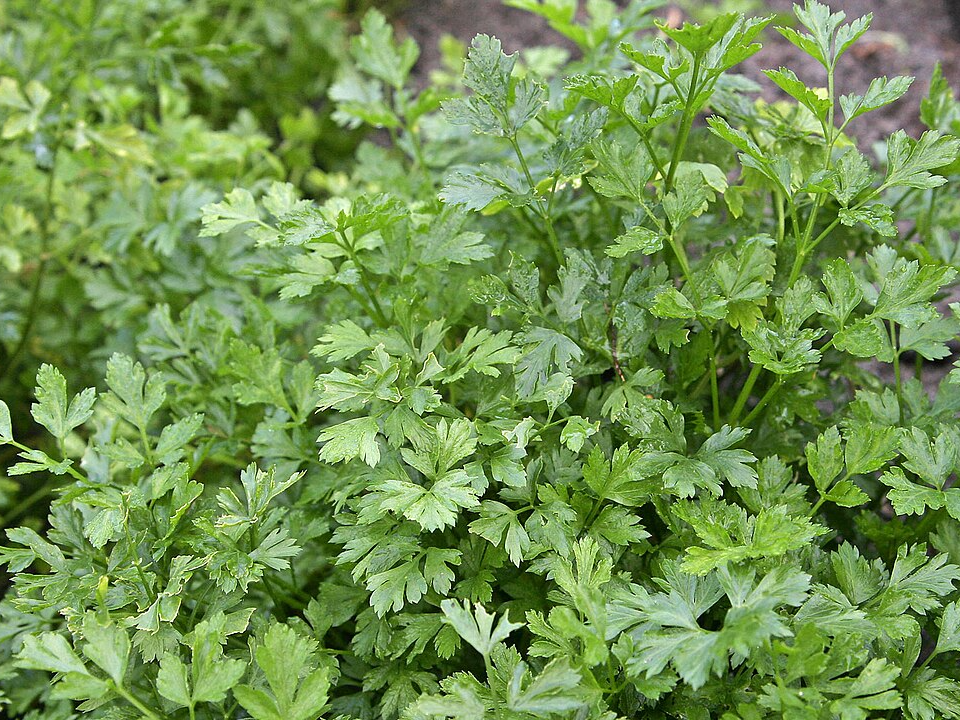
Oregano is a hardy herb that does well in cooler temperatures, making it ideal for late winter planting. It thrives in well-drained, slightly alkaline soil and can withstand light frosts. Oregano is a popular herb in Mediterranean cooking and adds a bold, aromatic flavor to a variety of dishes. This perennial herb can be used fresh or dried, making it a versatile addition to your kitchen.
To grow oregano successfully, plant it in a sunny location where it can receive at least six hours of sunlight each day. It prefers soil that is not too rich, as it can become leggy if overfed. Water oregano regularly but avoid letting it sit in standing water. Once established, oregano is drought-tolerant and can be harvested throughout the growing season.
Dill
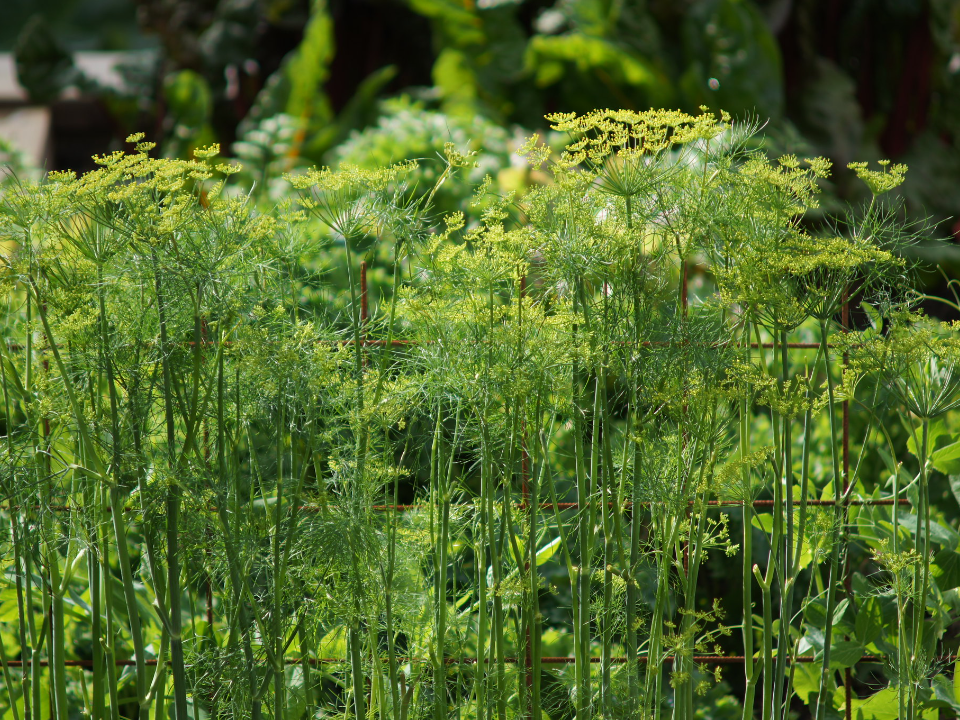
Dill is another cool-weather herb that thrives in late winter soil. It has a mild, slightly tangy flavor that is perfect for pickling, salads, and seafood dishes. Dill grows best in well-drained, fertile soil and prefers full sun. This herb is also a great source of vitamins A and C, as well as antioxidants.
Plant dill in a sunny spot with well-draining soil, and water regularly to keep the soil consistently moist. Dill is a fast-growing herb and can be harvested as soon as the leaves are large enough to use. It is also known to attract beneficial insects to the garden, making it a great companion plant. Be sure to cut back the plant before it flowers, as the flavor of the leaves will become more intense and less desirable.
Winter Savory
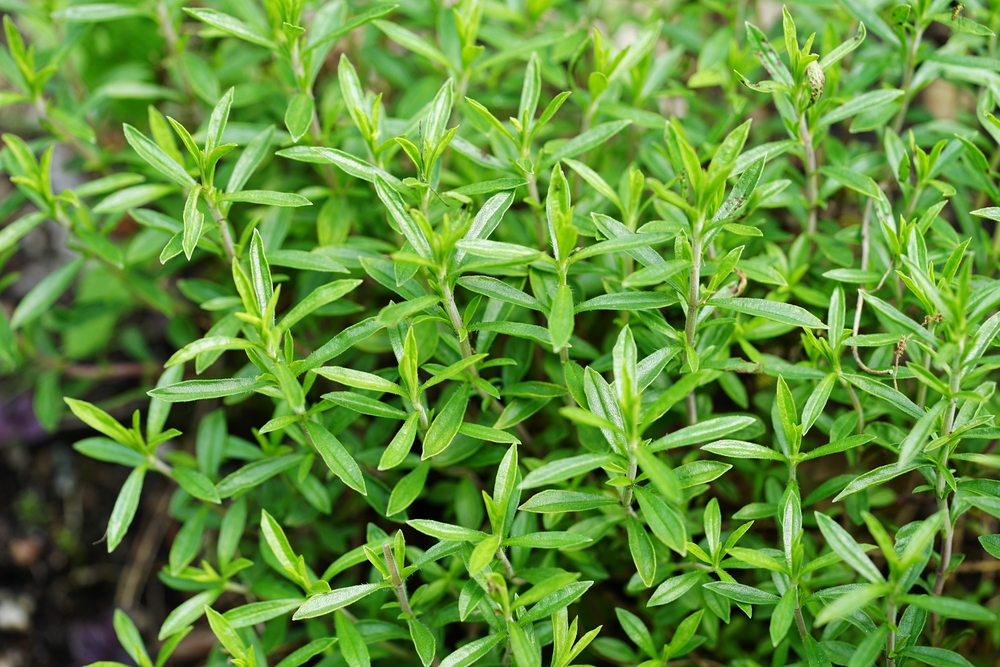
Winter savory is a hardy herb that grows well in cool temperatures and is ideal for late winter planting. It has a slightly peppery, thyme-like flavor that complements a variety of dishes, especially meats and stews. Winter savory thrives in well-draining soil and requires full sun to grow properly. It is also known for its ability to attract pollinators, making it a great addition to any garden.
Plant winter savory in a location that receives plenty of sunlight and has soil that drains well. Water the herb regularly, but make sure the soil does not become soggy, as this can lead to root rot. Winter savory is a low-maintenance herb and can be harvested throughout the growing season. The leaves can be used fresh or dried, making it a versatile addition to your kitchen.
Borage
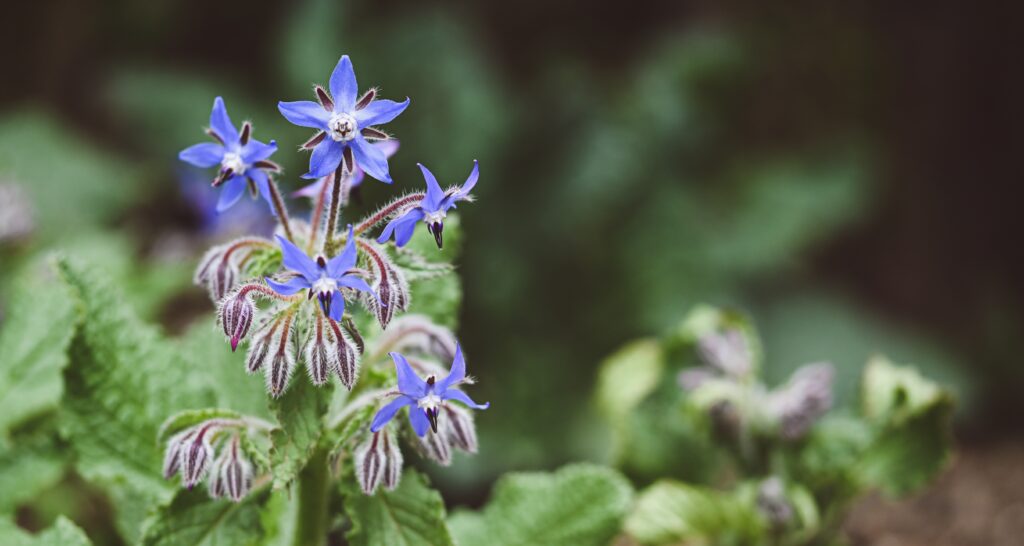
Borage is a cool-weather herb that thrives in late winter soil. Known for its bright blue flowers and cucumber-like flavor, borage is often used in salads, beverages, and as a garnish. This herb is easy to grow and can tolerate light frosts, making it perfect for planting during the cooler months. The leaves and flowers are both edible, with a mild flavor that pairs well with a variety of dishes.
Plant borage in well-drained soil with plenty of sunlight. It grows best in moderately rich soil but can tolerate a range of conditions. Water the plant regularly to keep the soil moist, but avoid overwatering. Borage is a great herb for attracting beneficial insects, including bees, which can help pollinate other plants in your garden. Harvest the leaves and flowers as needed throughout the growing season.
This article originally appeared on Avocadu.