
15 Coins with Low Mintage Numbers That Often Become Future Collector Items
Coins with low mintage numbers often capture the attention of collectors for good reason. When a coin is produced in limited quantities, its rarity naturally increases its appeal over time. These coins are often seen as valuable pieces of history, holding not just monetary worth, but also a story to tell. Over the years, some of these rare coins have become highly sought after, with their value climbing as collectors recognize their scarcity. Whether it’s a particular design, a production error, or simply a small run, these coins tend to stand out in the world of numismatics.
This post may contain affiliate links, which helps keep this content free. Please read our disclosure for more info.
1933 Saint Gaudens Double Eagle Gold Coin
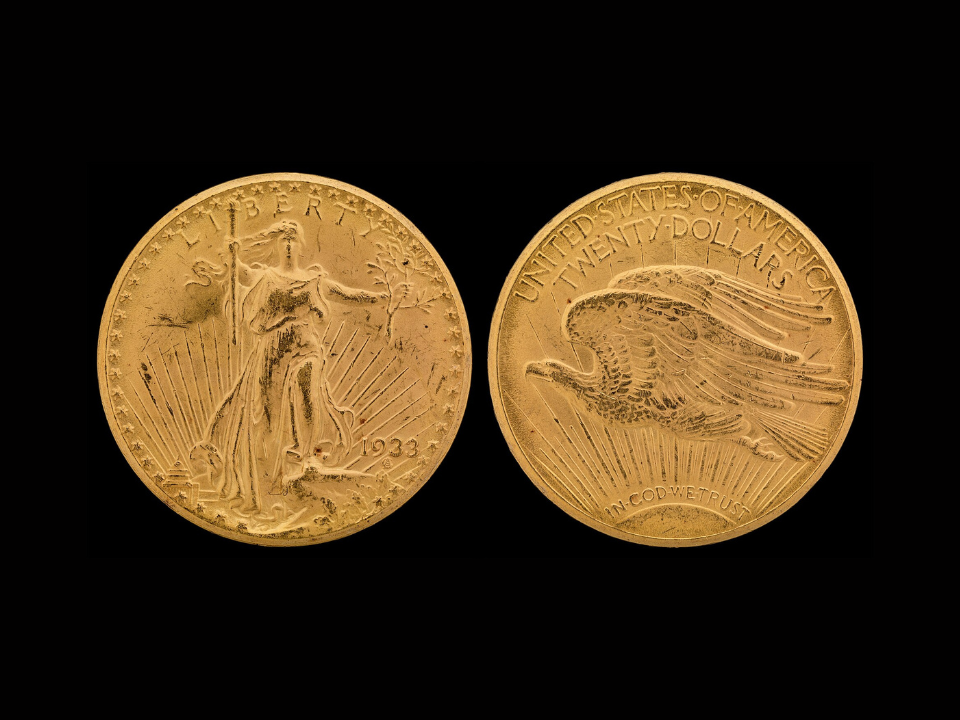
The 1933 Saint Gaudens Double Eagle is one of the most talked about coins among collectors. This coin was never officially released for normal use but a small number escaped government control. Its rarity is tied to the historical moment when gold was removed from circulation in the United States.
Each known example is subject to intense interest at auctions and private sales. The design by Augustus Saint Gaudens is widely admired for its elegance and detail. Because so few are legally available to collectors, ownership is a statement of deep interest in American numismatic history. A single example sold for more than $18 million. This makes it among the most expensive coins seen in the collecting world.
1909-S VDB Lincoln Cent
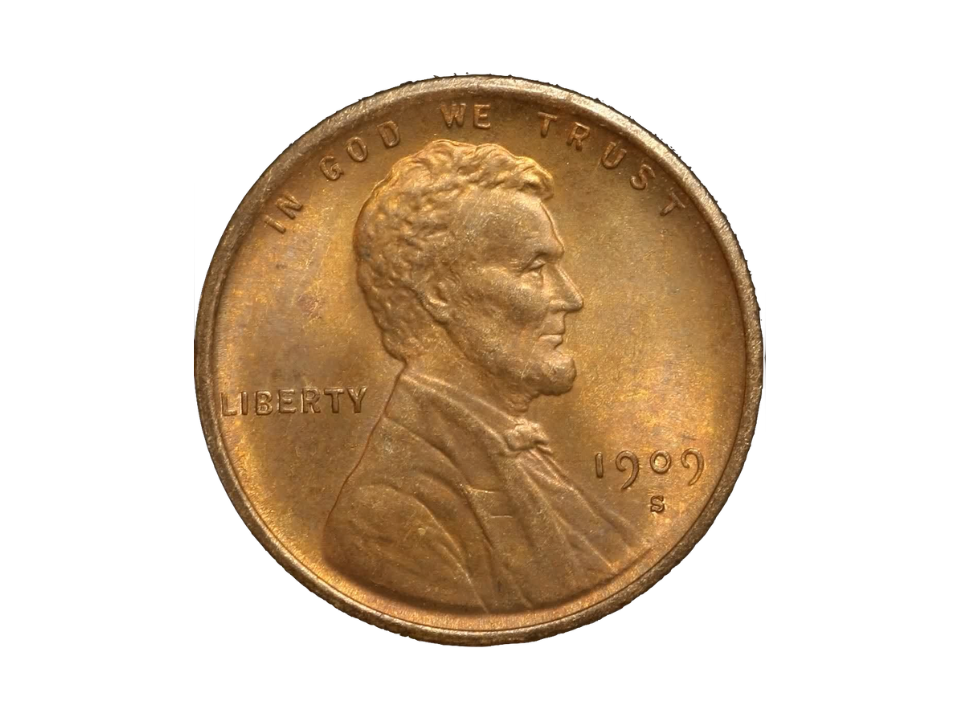
The 1909-S VDB Lincoln Cent is a key date in the Lincoln wheat cent series. It was produced in limited quantity at the San Francisco mint with the initials of the designer on the reverse. Many examples were melted because early collectors and dealers found the initials unattractive. This has left a small number surviving in good condition today.
Collectors prize this coin because it is both an early Lincoln cent and a low mintage issue. Even worn examples can command strong interest when offered for sale. High grade specimens can reach upwards of $10,000. The story behind its production and survival makes it a topic of frequent discussion among coin fans.
1913 Liberty Head Nickel
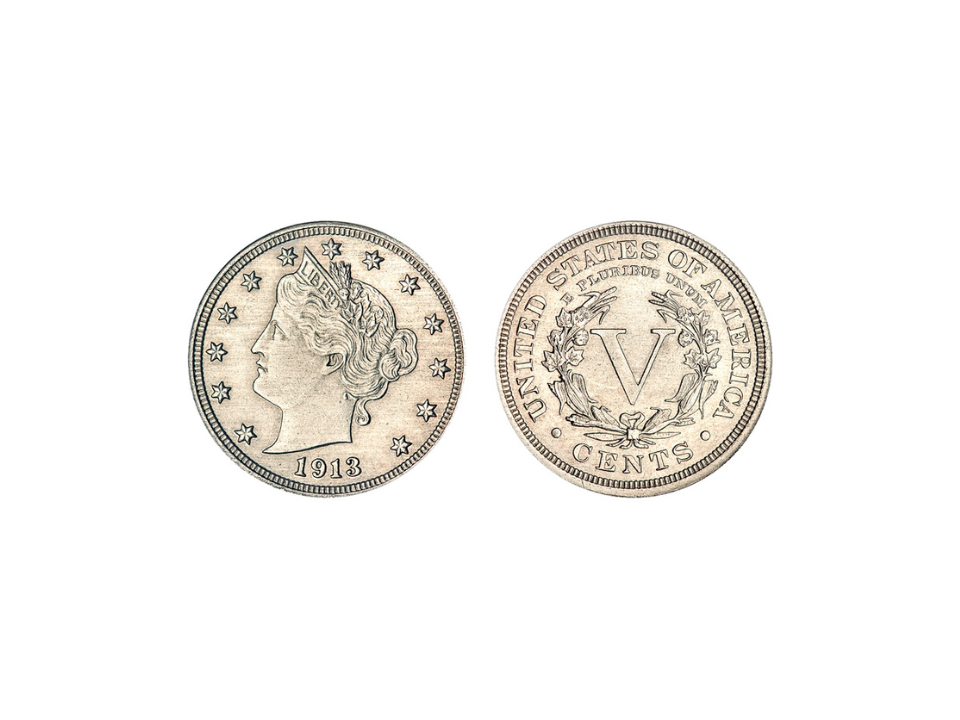
The 1913 Liberty Head Nickel is shrouded in mystery. Official records indicate none were authorized for minting, yet five pieces exist. These coins became known through private ownership early in the twentieth century. Their rarity places them among the most intriguing rarities in United States numismatics.
Each of the five examples has its own ownership history that collectors track closely. They are typically sold through high profile auctions when they change hands. Prices have reached over $4 million for individual coins. Because so few exist, they are often described in magazines and books about rare money.
1804 Silver Dollar
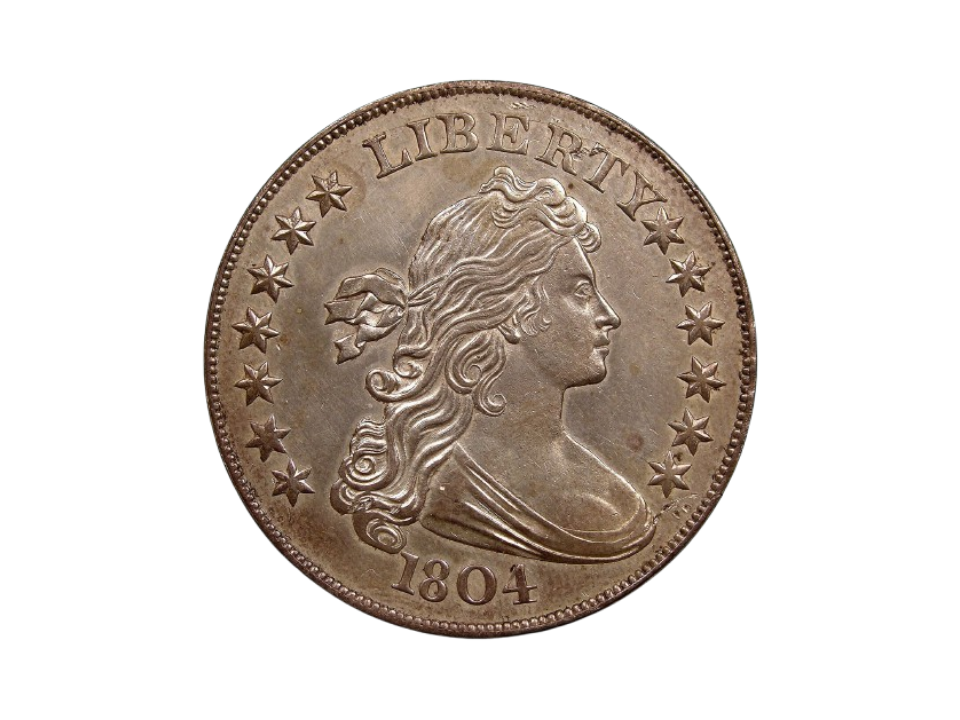
The 1804 Silver Dollar is often referred to as the “King of American Coins” by collectors. Ironically, none were struck in the year shown on the coin. They were produced later for diplomatic presentation sets, which makes them rare survivors today. Only a few of these coins are known to exist in private hands. They display fine neoclassical designs that appeal to collectors who enjoy early American money.
Surviving examples often appear at major auctions and attract attention from serious buyers. Condition and provenance both play strong roles in determining value. Recent sales have reached figures around $3 million. The blend of history and scarcity keeps interest high among dedicated collectors.
1794 Flowing Hair Silver Dollar
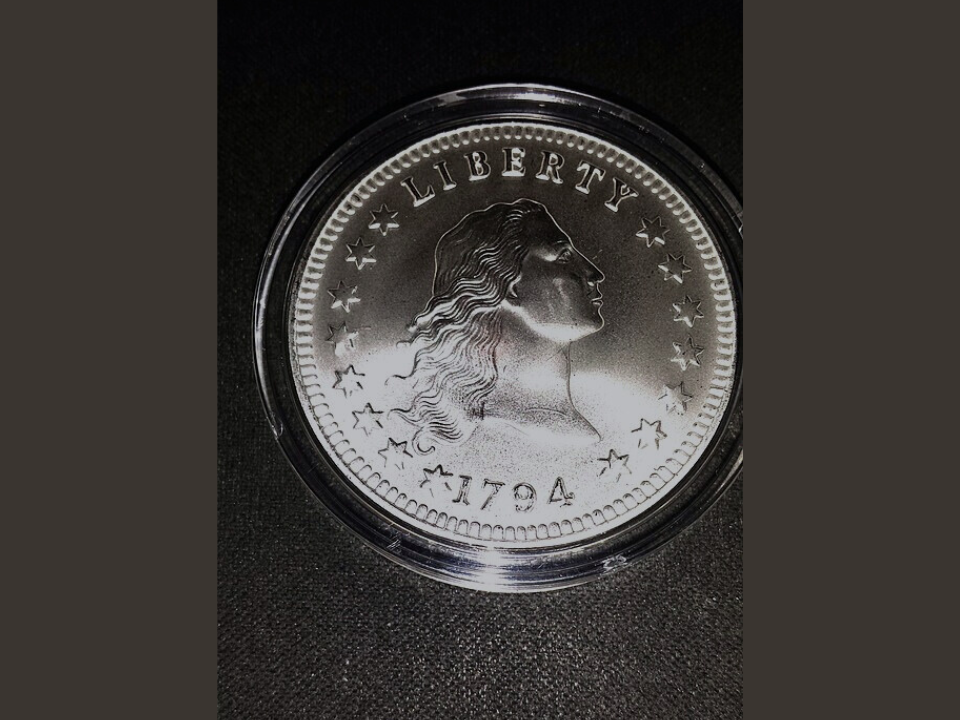
The 1794 Flowing Hair Silver Dollar is believed by many experts to be one of the first silver dollars struck under the Constitution. The design shows Lady Liberty with flowing hair and a small eagle on the reverse. Survival rates for this issue are extremely low, especially in higher grades. Collectors prize well preserved examples for their early status and visual appeal.
Auction results show that fine examples can reach into the millions. Specialists study die varieties and subtle differences that influence value. This coin is central to collections of early American currency. Its importance in the chronology of silver dollar production cannot be understated.
1894-S Barber Dime
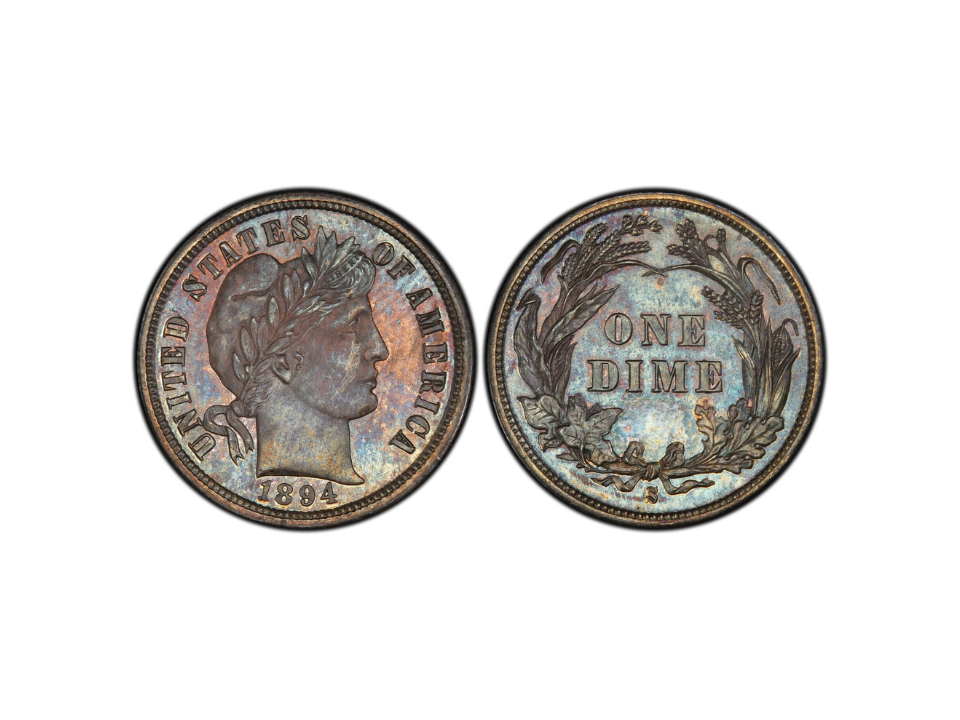
The 1894-S Barber Dime is among the rarest dimes from the Barber series. The San Francisco mint struck very few pieces, and only a fraction of those remain in collectible condition. Stories about why so few were made add to the coin’s mystique. Some reports suggest they were struck for specific individuals rather than general distribution.
Collectors value original surfaces and clear wear patterns that show their age. Auction records show high grade pieces sold for well over $2 million. Even modest examples can fetch five figure sums in the right market. This coin is a highlight in advanced collections of early twentieth century coins.
1943 Copper Lincoln Cent
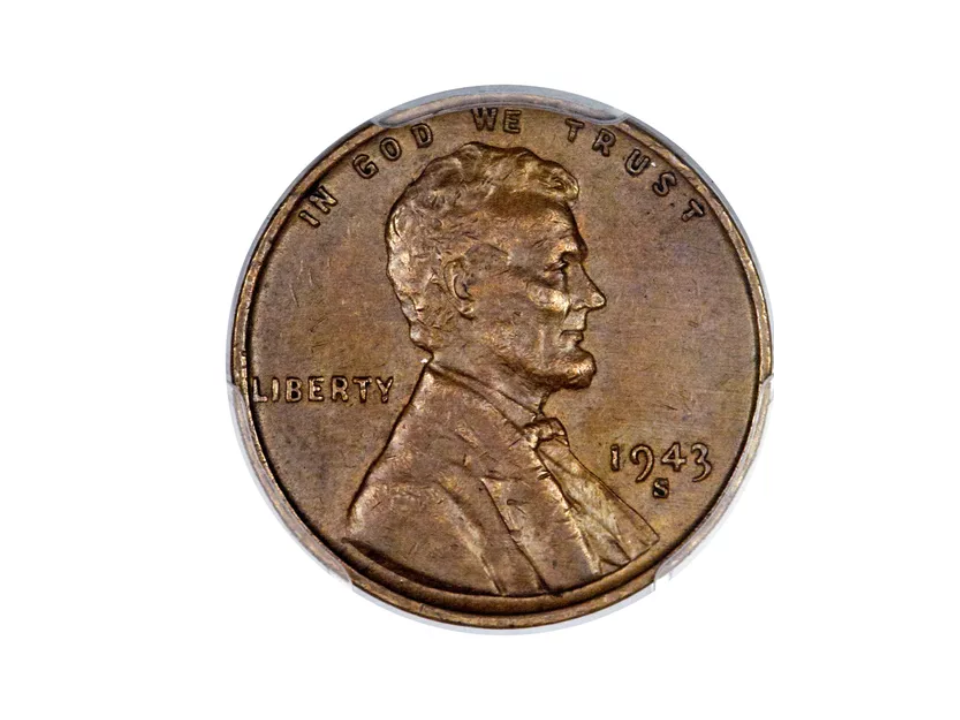
In 1943 most pennies were struck in steel due to wartime metal needs. A handful of copper planchets were mistakenly used, creating rare error coins. These 1943 copper cents are highly sought by error collectors and Lincoln cent specialists. Authentication is critical because many replicas exist.
Genuine examples with original surfaces and minimal damage attract strong interest. Prices for confirmed 1943 copper cents often exceed $100,000 at auction. The story behind their creation adds to their value for collectors of American coins. With so few examples known, each one draws attention when it appears in available offerings.
1995-W American Eagle Silver Proof
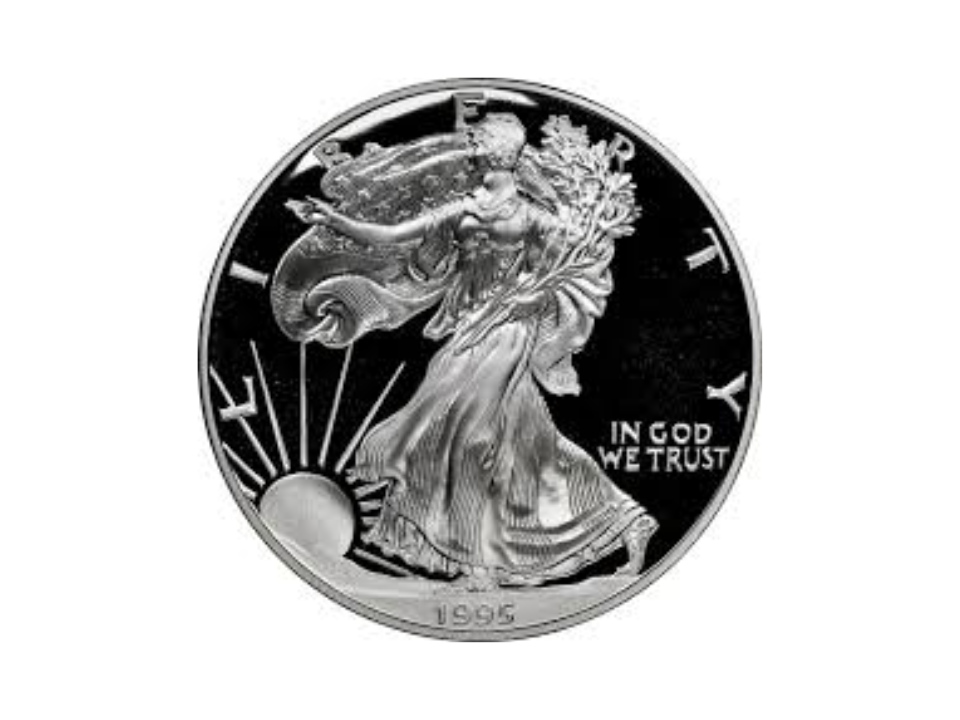
The 1995-W American Eagle Silver Proof coin was struck at the West Point mint in small quantity. Collectors sought it due to the prestige of the West Point mark and the limited production run. This coin quickly became a highlight in modern silver coin series. Proof condition examples with deep mirror fields are especially prized. O
ver time some holders have kept their coins sealed in original packaging, which can raise value. Current market interest can place a choice specimen above $1,000. It represents a modern rarity in an era when many coins are produced in large numbers. For collectors focused on limited issue silver coins, it is a noteworthy piece.
2000 Sacagawea Dollar Wide Rim
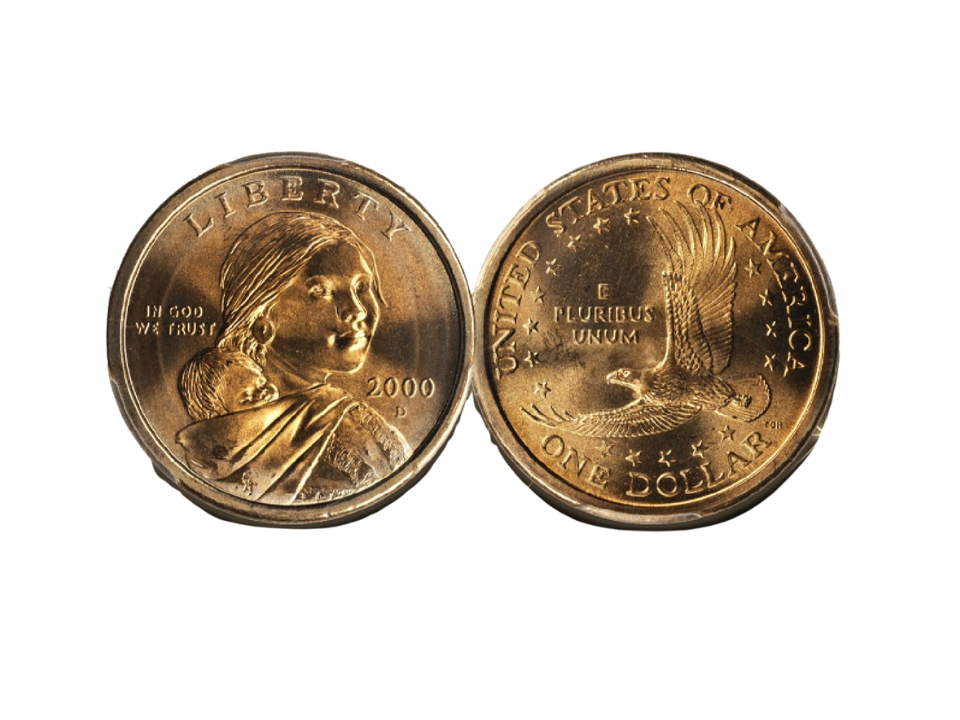
The 2000 Sacagawea Dollar Wide Rim is an oddity that surfaced when some planchets left the mint without the intended design rim width. These coins are considered errors and are not common. Collectors of modern errors look for full detail and eye appeal when evaluating them.
Because they differ from the standard release, they draw questions and interest at shows and online forums. Auction sales can range from several hundred to over a thousand dollars depending on condition. Many examples are graded by independent services to confirm authenticity. They offer a look at how variations in production can lead to collectible status. Interest in these coins continues among specialists in dollar series.
1822 Half Eagle
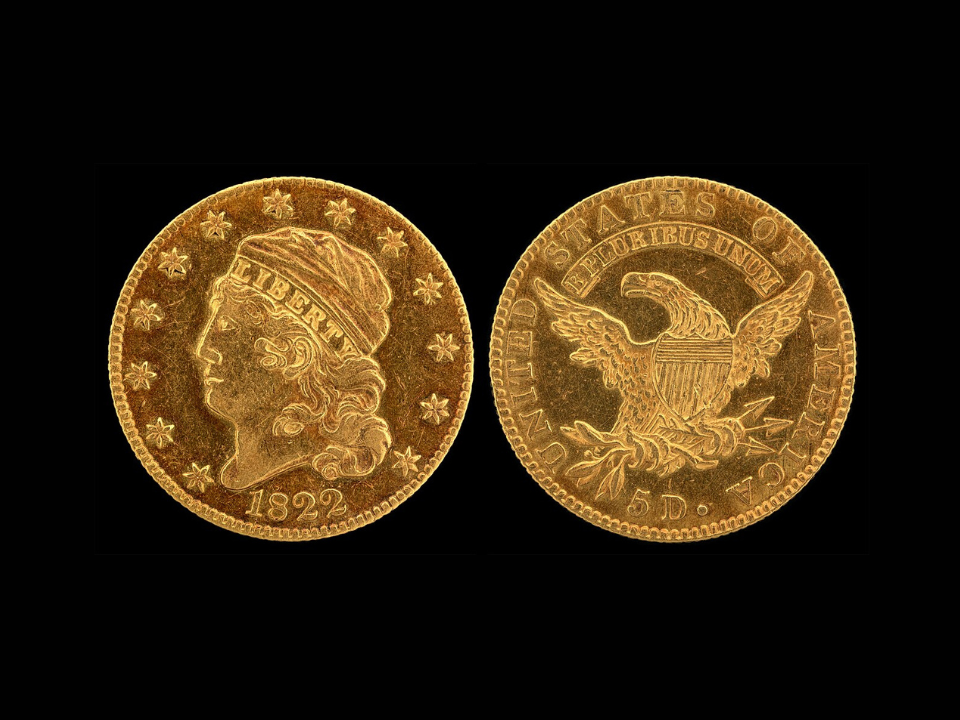
The 1822 Half Eagle is one of the most elusive gold coins from the early United States. Few examples are known to exist today. It was produced in a period when record keeping was less consistent than later years. Surviving specimens are often discussed in numismatic literature and shown at major events.
Because of the scarcity, each example is studied for its condition and history. Auction prices for such gold coins can exceed $500,000 for strong condition pieces. Collectors often highlight this issue when describing rare gold series. Its place in early mint history makes it a subject of fascination.
1895 Morgan Silver Dollar
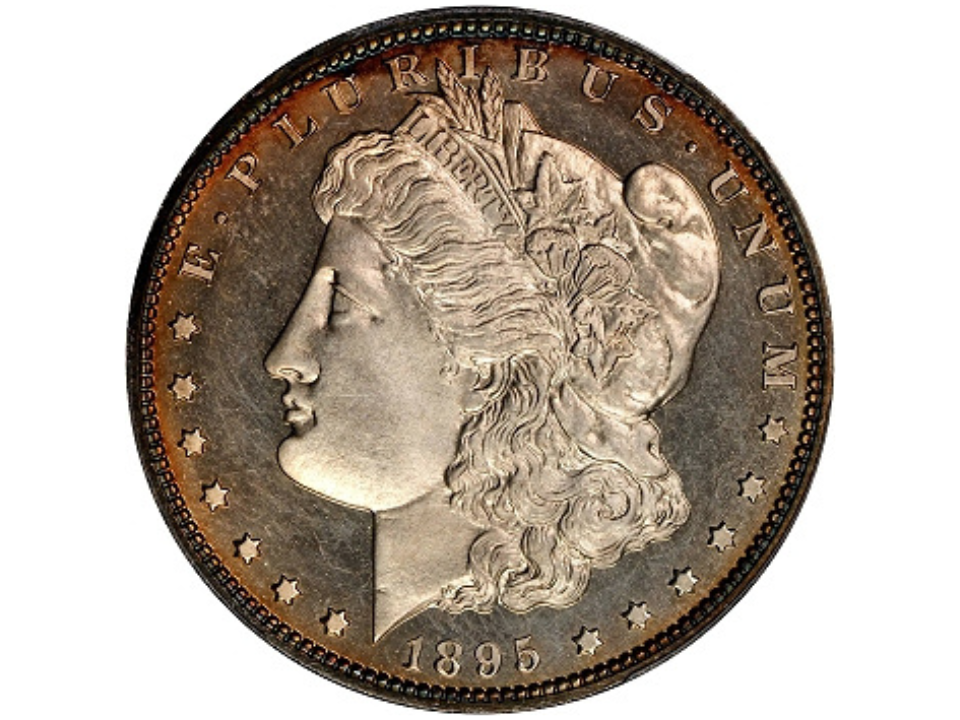
The 1895 Morgan Silver Dollar is well known for its low official mintage figure. While some were proof strikes, the majority of business strikes were melted or lost. Today only a small number are confirmed in collector hands. This rarity makes the coin an important target for advanced Morgan dollar collections.
Highly graded examples can bring prices north of $250,000. Silver dollar enthusiasts discuss this date at length because of its combination of age and scarcity. Many pieces show wear that reflects their long history in circulation. The 1895 Morgan remains a highlight of late nineteenth century coins.
1916-D Mercury Dime
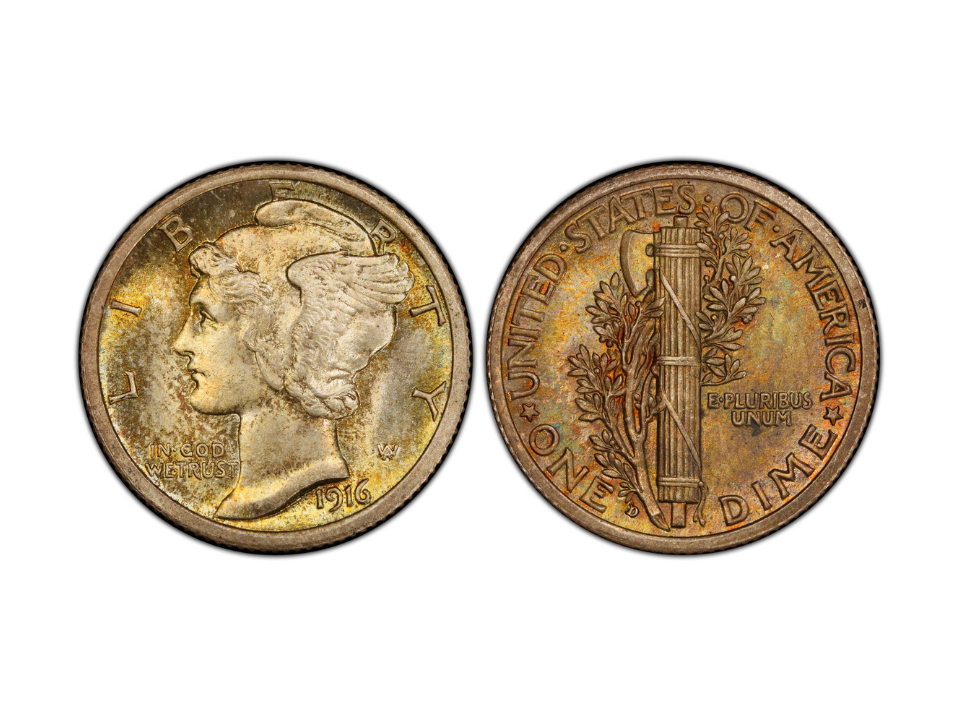
The 1916-D Mercury Dime is recognized as a key date in the Mercury dime series. The Denver mint produced very few pieces that year. Collectors of dime series often search out this date because it completes sets and represents limited availability. Well preserved examples with original luster can command high prices.
Auction records show values above $10,000 for premium condition coins. The design by Adolph Weinman is admired for its artistic qualities. Condition and eye appeal influence what a collector might pay. This coin is a staple of advanced small denomination collections.
1873-CC No Arrows Seated Liberty Dime
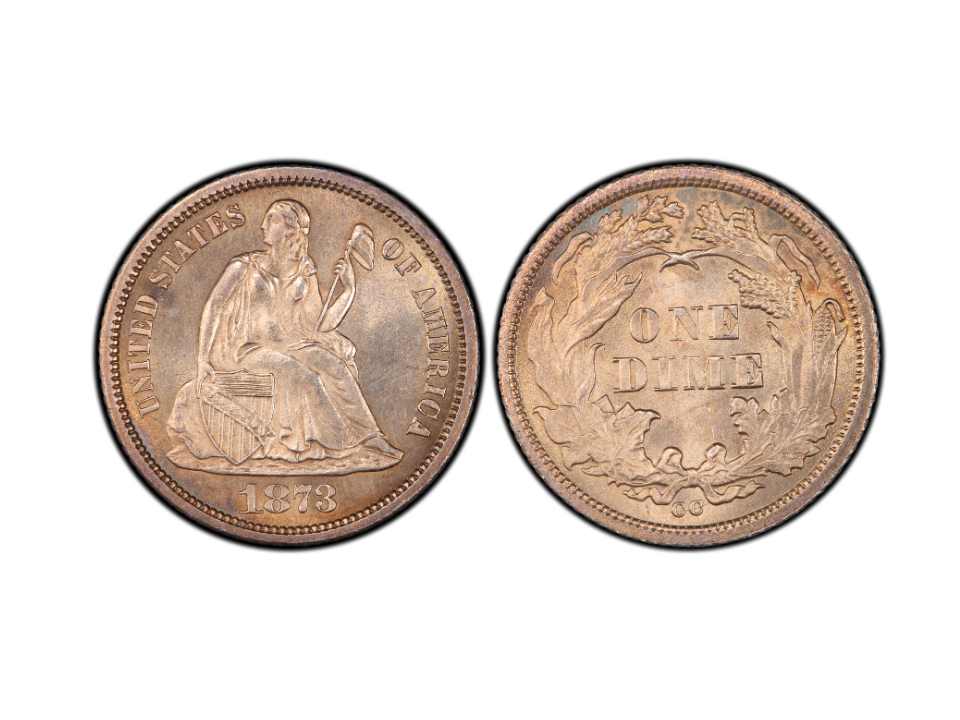
The 1873-CC No Arrows Seated Liberty Dime comes from the Carson City mint with a very limited count. The absence of arrows at the date edge sets this version apart from others that year. Collectors of the Seated Liberty series prize these because they are scarce survivors. Condition can vary from worn to nearly mint state, and that range affects price.
Strong examples can sell for over $30,000. The historical context of Carson City coin production adds to its appeal for some. Specialists pay attention to surface quality and strike details when evaluating. This dime is often discussed among fans of nineteenth century small change.
1937-D Three-Legged Buffalo Nickel
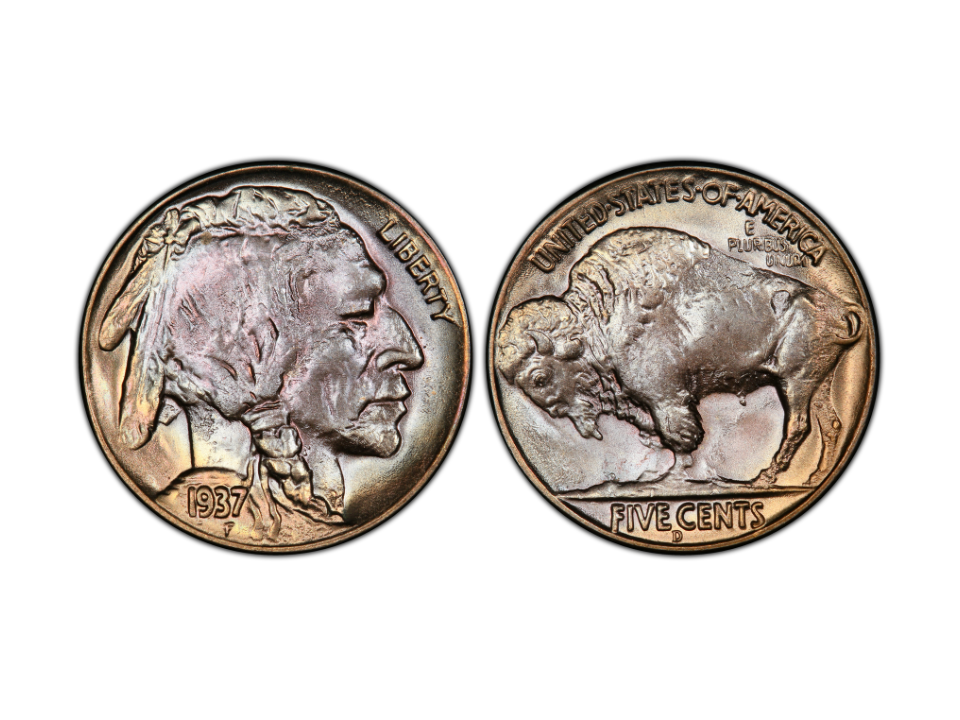
The 1937-D Three-Legged Buffalo Nickel is an unusual error variety. A die clash or over polishing removed the front leg of the buffalo design. This striking peculiarity has made it a subject of interest for collectors who focus on varieties. Many examples exist but quality and clarity of the error vary.
Full detail and strong strike can raise value above typical 1937 nickels. Typical market values might be in the range of several hundred dollars for collector grade pieces. Specialists refer to this coin when discussing die state changes. It appears frequently in guides to interesting errors.
1796 Quarter
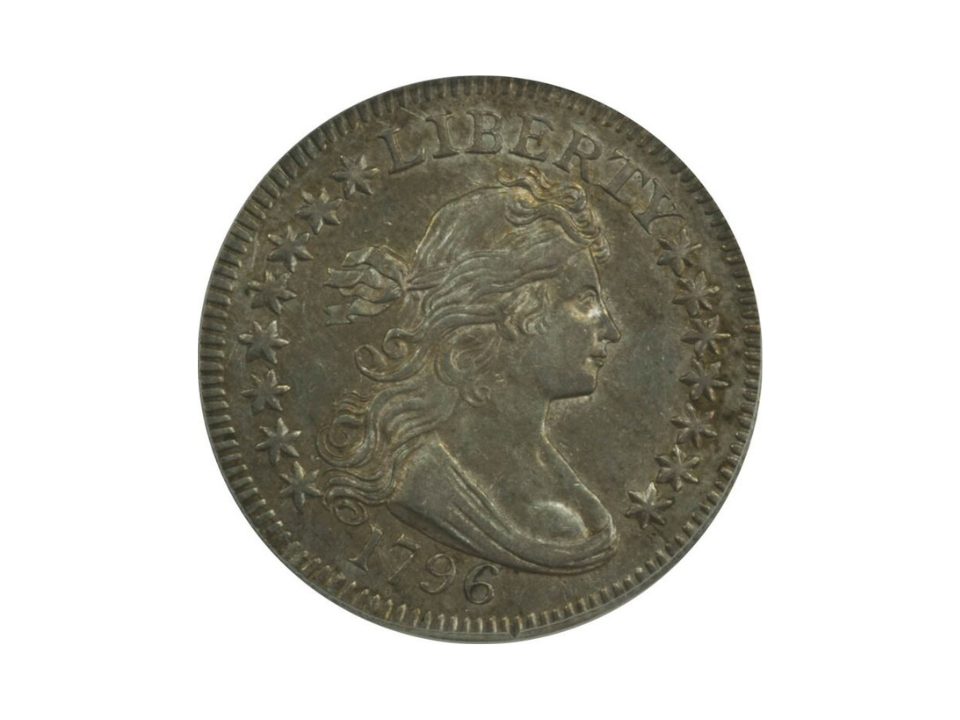
The 1796 Quarter represents the first-year quarters were produced for the United States. Very few examples survive in any condition today. Collectors prize well preserved pieces for their historical importance. Auction results show sums that can exceed $1 million for outstanding specimens.
The design shows Lady Liberty on the obverse and an eagle on the reverse. Because of its age and scarcity, it appears in many discussions of early American coinage. Condition and provenance both influence what buyers will pay. Its status as a first year issue keeps interest alive.
This article originally appeared on Avocadu.