
14 Cold Hardy Flowers That Can Handle Late Winter Weather
If you are looking to add some life to your winter garden, cold-hardy flowers are the way to go. These flowers stand strong against the cold and can bloom even when other plants are dormant. Their ability to endure the harsh winter months makes them a great choice for gardeners looking for year-round beauty. Find out which flowers can handle the chill and bring color back to your garden. These tough varieties will make sure your garden does not miss a beat, even in late winter.
This post may contain affiliate links, which helps keep this content free. Please read our disclosure for more info.
Snowdrop (Galanthus nivalis)
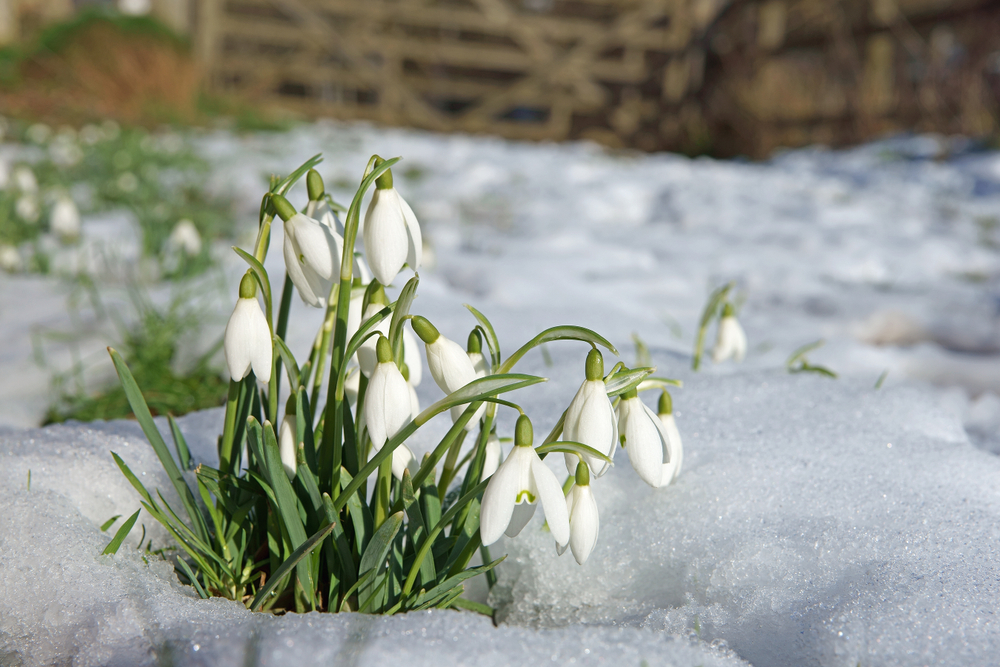
Snowdrops are one of the earliest signs of spring, often blooming while the ground is still covered in snow. These small, white flowers emerge in late winter, making them a favorite for gardeners eager to see some color after the long cold months. Snowdrops thrive in cold conditions and can even bloom in temperatures close to freezing. Planting them in a well-drained, partially shaded area will encourage the best growth.
Despite their delicate appearance, snowdrops are resilient and can withstand frost and light snow. They often grow in clusters, creating a beautiful blanket of white. These flowers are typically low-maintenance, making them ideal for gardeners who want to add some early beauty without much effort. As they bloom, snowdrops serve as a reminder that even in the harshest winters, life finds a way to thrive.
Winter Aconite (Eranthis hyemalis)
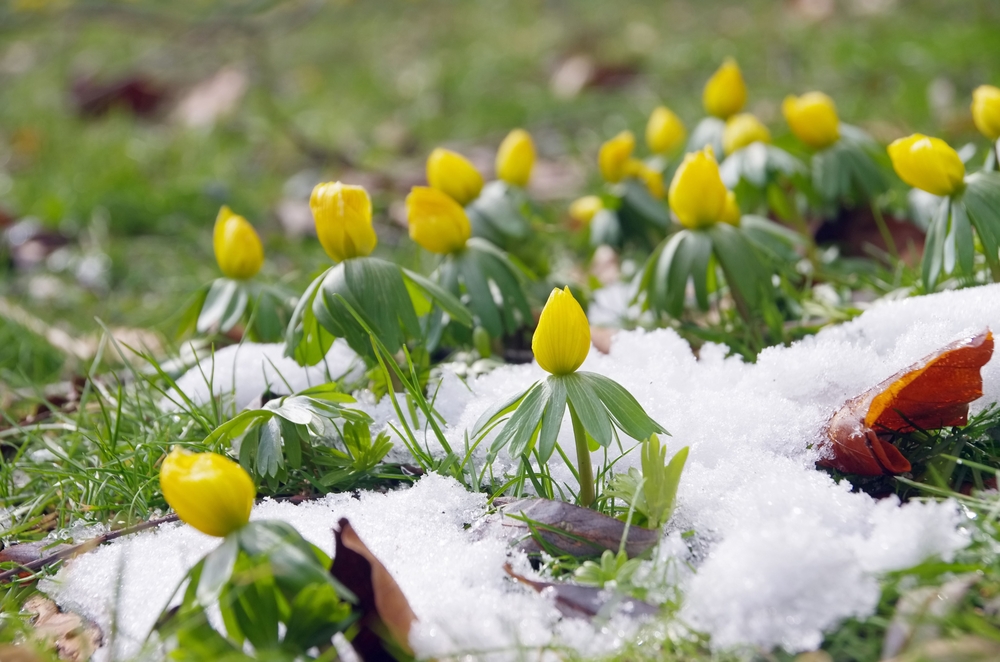
Winter aconites are small, vibrant yellow flowers that bloom early in the year, often breaking through the frost in late winter. Their cheerful color stands out against the gray, winter landscape, brightening up any garden. These flowers prefer well-drained soil and can thrive in areas with full sun or partial shade. They are often used in naturalized planting schemes, where they will multiply and create a stunning carpet of yellow.
Winter aconites are hardy and can survive cold temperatures, even enduring light snow and frost. They are also resistant to pests and diseases, making them an excellent choice for low-maintenance gardening. In addition to their beauty, these flowers are a favorite of pollinators, helping to support early-season bees. Their ability to bloom so early in the season makes them a standout in late winter gardens.
Hellebore (Helleborus)
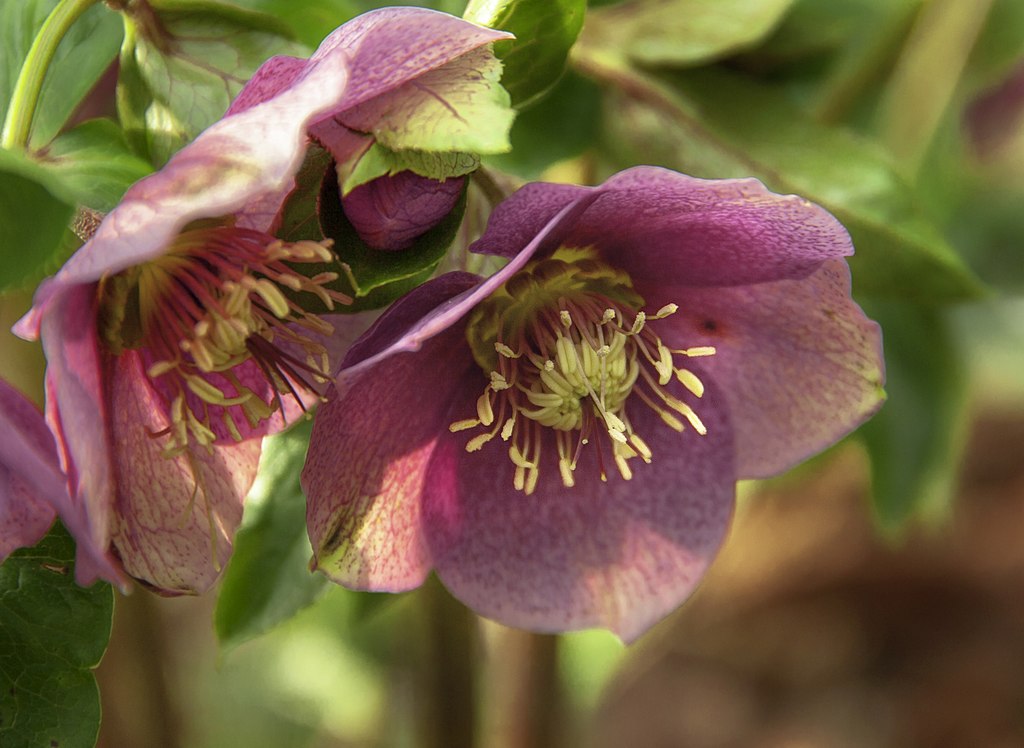
Hellebores, also known as Lenten roses, are renowned for their ability to bloom during the coldest months. With flowers that can range from white to deep purple, hellebores bring a variety of colors to a winter garden. These flowers are hardy and can survive harsh winter conditions, even when covered by a layer of snow. They thrive in well-drained, slightly acidic soil and can handle both sun and shade, depending on the variety.
What makes hellebores particularly special is their ability to bloom for several months, often from late winter into early spring. Their large, showy flowers provide a beautiful contrast to the bare branches of trees and shrubs. While they are slow-growing, once established, hellebores are relatively low-maintenance. They also attract pollinators like bees and butterflies, making them an important addition to a wildlife-friendly garden.
Crocus (Crocus sativus)
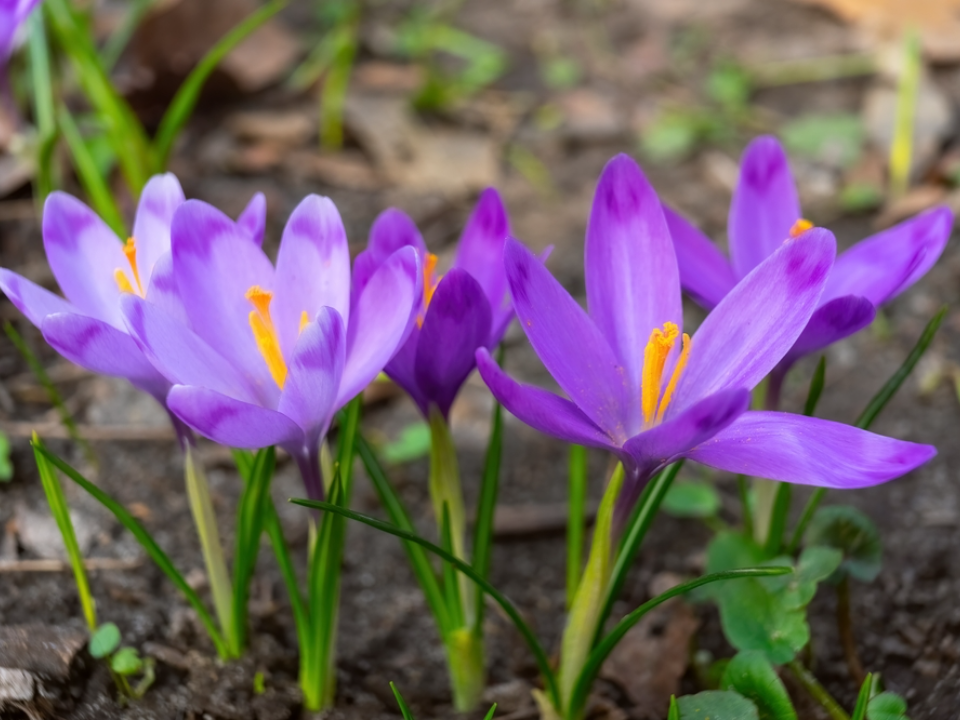
Crocuses are a classic sign of spring, but they are also one of the first flowers to bloom in late winter. Their bright, colorful petals, ranging from purple to yellow, often emerge while the ground is still cold, sometimes even breaking through the snow. Crocuses are hardy and can tolerate frost, making them perfect for planting in late winter to bring a splash of color to the garden. They thrive in well-drained soil and prefer full sun but can tolerate light shade.
These small flowers grow from corms and can be planted in clusters for a stunning effect. Crocuses are known for their early bloom time, often being among the first flowers to appear after winter. They are also very easy to grow and require minimal care once established. Crocus flowers are also a favorite of pollinators, making them an excellent choice for a garden that supports wildlife.
Primrose (Primula vulgaris)
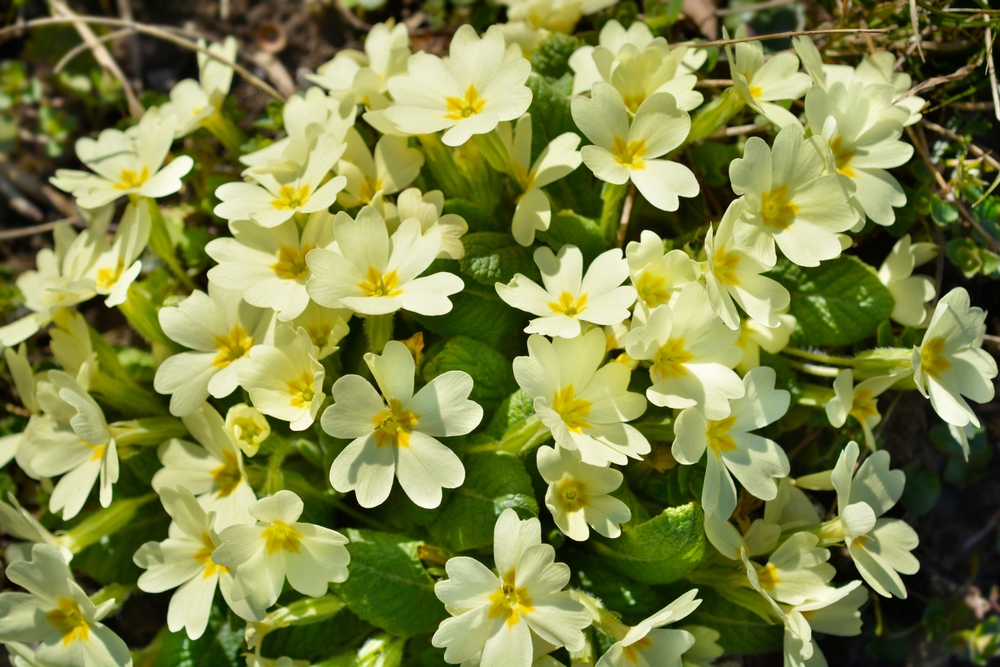
Primroses are known for their ability to handle cool temperatures and bloom early in the season. These colorful flowers, available in shades of pink, yellow, and purple, can brighten up any late winter garden. Primroses prefer moist, well-drained soil and thrive in partial shade, although they can tolerate full sun in cooler climates. Their ability to bloom during late winter and early spring makes them an essential plant for adding color when other flowers have not yet bloomed.
Primroses are relatively hardy, able to endure light frosts without suffering much damage. These flowers can be planted in garden beds or containers, adding versatility to their placement. Their flowers also have a sweet fragrance, attracting early-season pollinators such as bees. Primroses can be grown as perennials in most climates, returning year after year with little care required.
Pansy (Viola tricolor var. hortensis)

Pansies are among the hardiest flowers you can plant in late winter, able to endure chilly temperatures and even light snow. Known for their vibrant colors, pansies come in a variety of shades, including purple, yellow, white, and red. They prefer cool temperatures, which makes them perfect for late winter and early spring gardens. Pansies thrive in moist, well-drained soil and can be planted in both full sun and partial shade.
In addition to their beauty, pansies are known for their ability to withstand light frosts and will often bloom right through early spring. These flowers can last for several weeks, providing color in gardens when many other plants are still dormant. They are also low-maintenance, needing only occasional watering and light fertilizing to keep them thriving. Pansies are an excellent choice for adding lasting color to any late winter garden.
Vinca (Vinca minor)
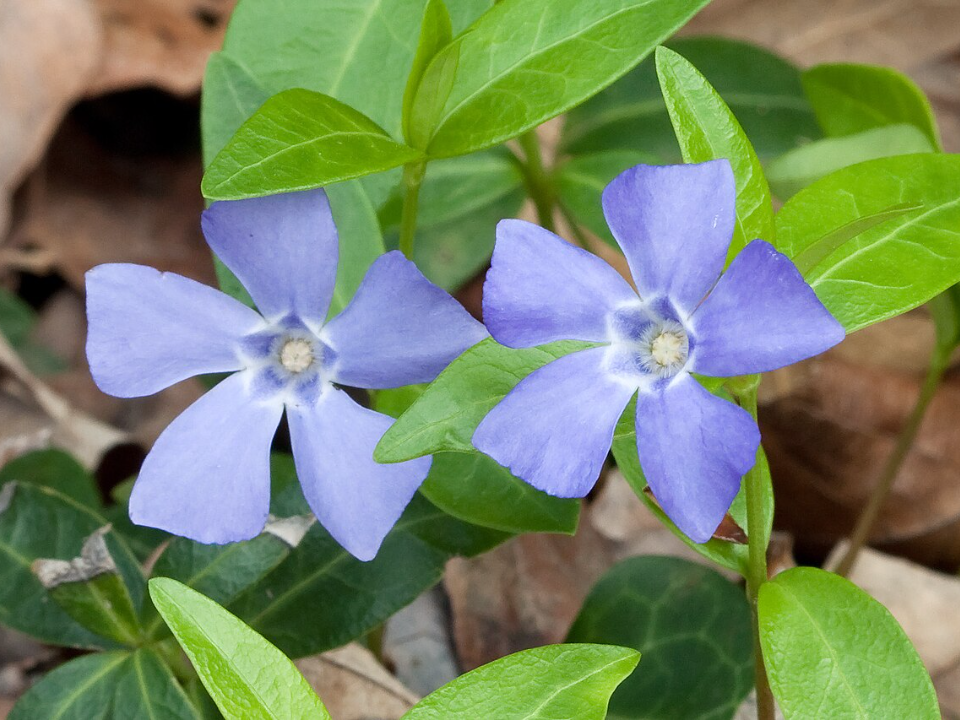
Vinca, also known as periwinkle, is a hardy evergreen ground cover that blooms early in the year, making it an excellent choice for late winter gardens. Its delicate, purple-blue flowers appear in late winter or early spring, brightening up areas that may otherwise seem dull. Vinca thrives in well-drained soil and can tolerate a variety of growing conditions, from full sun to partial shade. It is a low-maintenance plant, making it ideal for gardeners who want color without much effort.
Vinca is known for its ability to handle cold weather and will continue to bloom through the early spring months. It is often used as a ground cover to add color beneath shrubs or trees. The plant is also resistant to pests, making it a reliable choice for low-maintenance gardens. With its attractive flowers and easy care, vinca is a perfect addition to any late winter landscape.
Winter Jasmine (Jasminum nudiflorum)
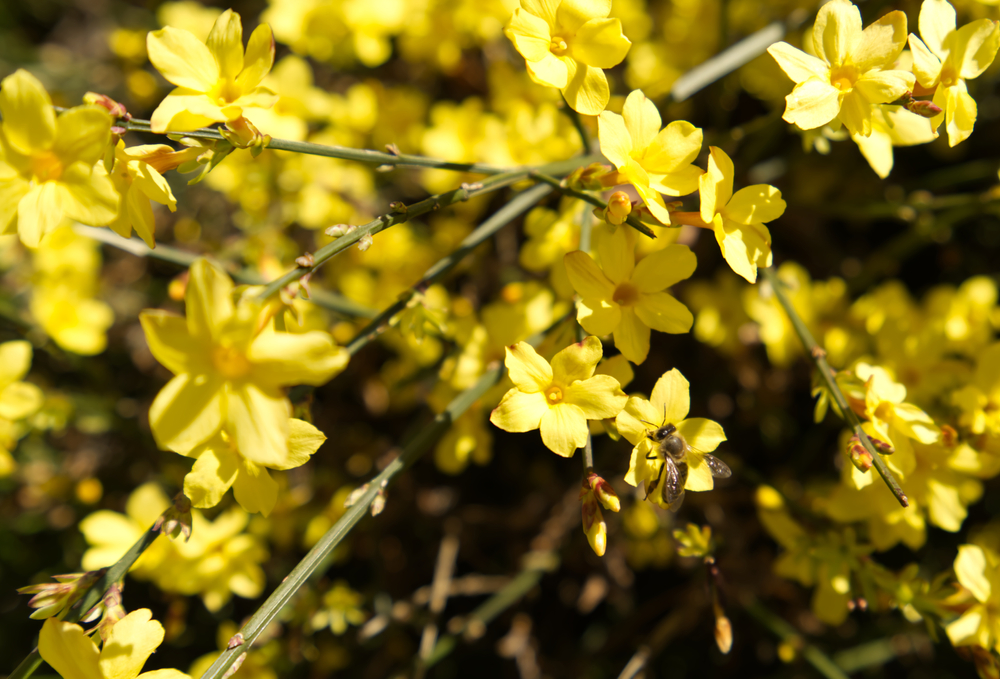
Winter jasmine is one of the earliest-blooming shrubs, often showing its golden-yellow flowers in late winter. This hardy plant can withstand cold temperatures and is known for its ability to bloom even when snow is still on the ground. Winter jasmine thrives in well-drained soil and prefers full sun but can tolerate some shade. It is often used as a climbing plant or ground cover in gardens, where it can quickly spread and create a stunning display of yellow flowers.
The bright yellow flowers of winter jasmine contrast beautifully against the cold, barren winter landscape. This plant is low-maintenance and grows quickly, making it a popular choice for gardeners looking to add some early-season color. Winter jasmine is also resistant to pests, making it a reliable addition to any garden. Its ability to bloom during the coldest months makes it a standout in late winter gardens.
Camellia (Camellia japonica)
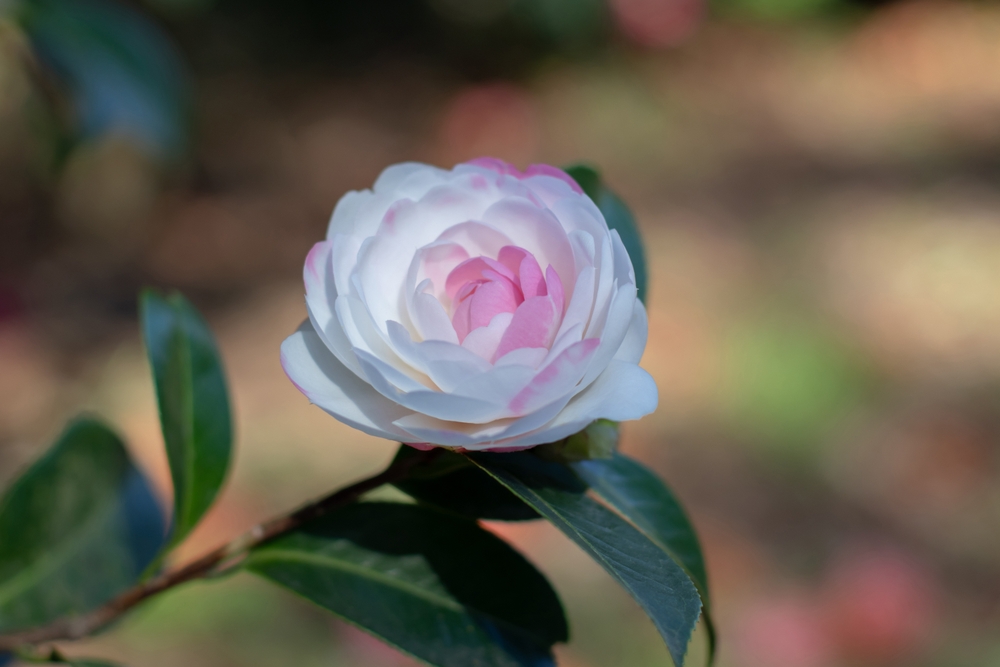
Camellias are beautiful evergreen shrubs that bloom in late winter to early spring, making them perfect for adding color during the colder months. These flowers come in shades of white, pink, and red, and their glossy green leaves provide a lovely contrast. Camellias thrive in acidic, well-drained soil and prefer partial to full shade. They are relatively hardy, able to withstand frost, although they may need some protection during extreme cold snaps.
Camellias are known for their ability to bloom in the middle of winter, often when other plants are still dormant. Their flowers are large and showy, making them a striking addition to any garden. These shrubs require minimal care once established, though regular watering and occasional fertilizing will help them thrive. Camellias are often used in landscaping for their year-round appeal, providing both beautiful flowers and attractive foliage.
Cyclamen (Cyclamen hederifolium)
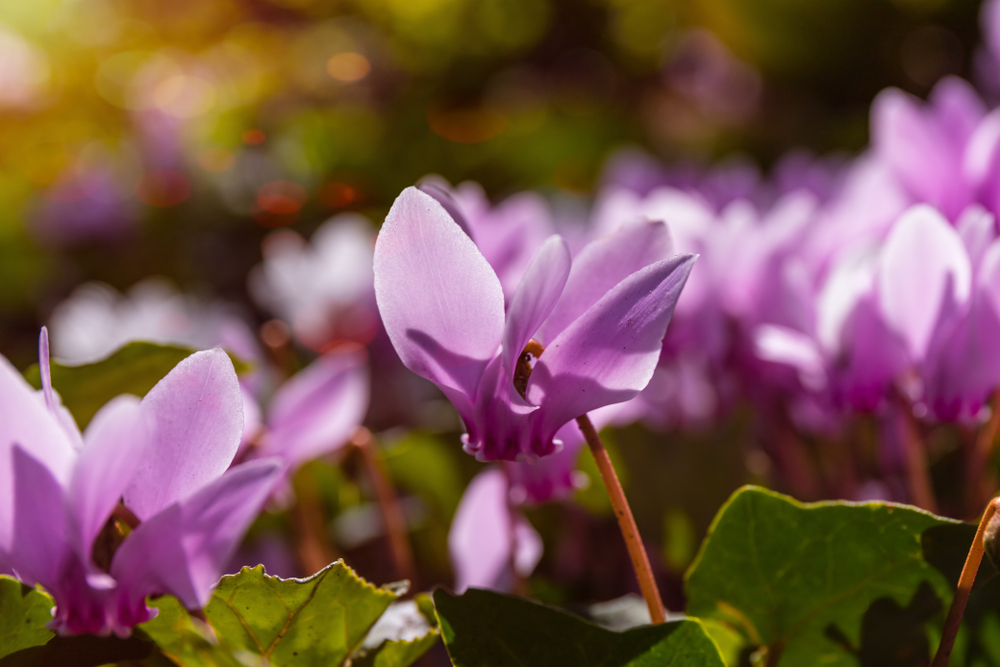
Cyclamen are hardy flowers that bloom in late winter, offering beautiful color when few other plants are in bloom. These flowers are typically pink or white, with heart-shaped leaves that have striking patterns. Cyclamen prefer well-drained, slightly acidic soil and thrive in shaded or partially shaded areas. They are particularly suited for woodland gardens or under trees, where they can spread and form a naturalized carpet of color.
Cyclamen are known for their ability to endure cold temperatures and can survive frost without much damage. They are low-maintenance plants that require little attention once established. These flowers are also favored by early-season pollinators, adding to their importance in a wildlife-friendly garden. Their delicate flowers and striking foliage make them a lovely addition to any late winter landscape.
Heather (Calluna vulgaris)
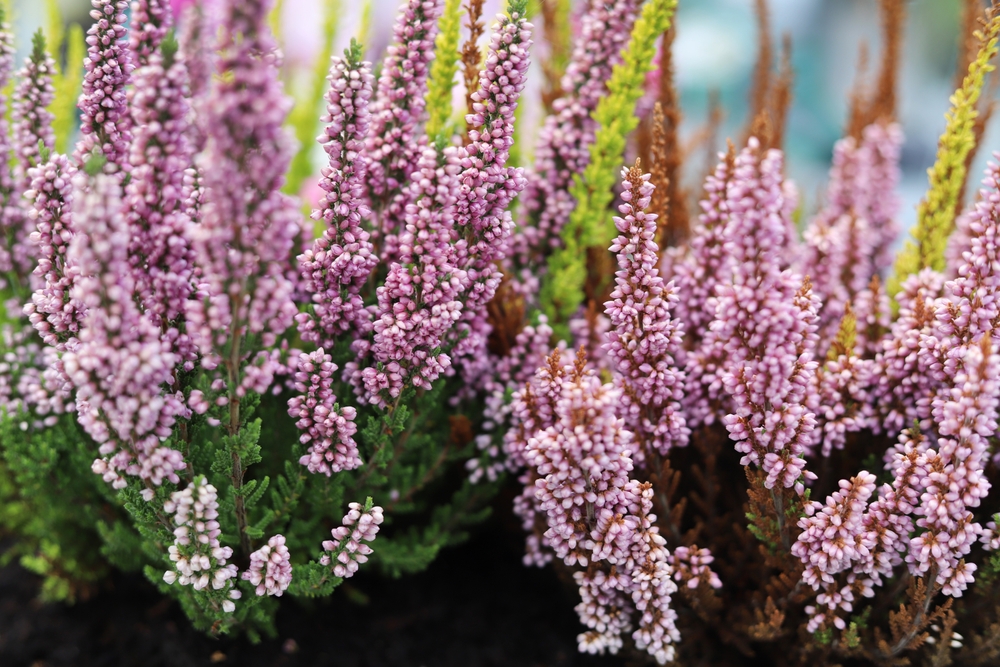
Heather is a hardy shrub that blooms in late winter, offering a burst of color with its small, bell-shaped flowers. These flowers range in color from pink to purple and often appear just when most other plants are still dormant. Heather thrives in acidic, well-drained soil and prefers full sun, although it can tolerate some shade. It is commonly used as ground cover or as a border plant in gardens.
This evergreen shrub is known for its ability to survive cold temperatures, even in areas with harsh winters. Heather can handle frost without much damage, making it a reliable choice for late winter gardens. The small, colorful flowers of heather create a soft, natural look that complements larger plants. Heather is also low-maintenance, requiring only occasional trimming to keep it neat and tidy.
Iris (Iris reticulata)
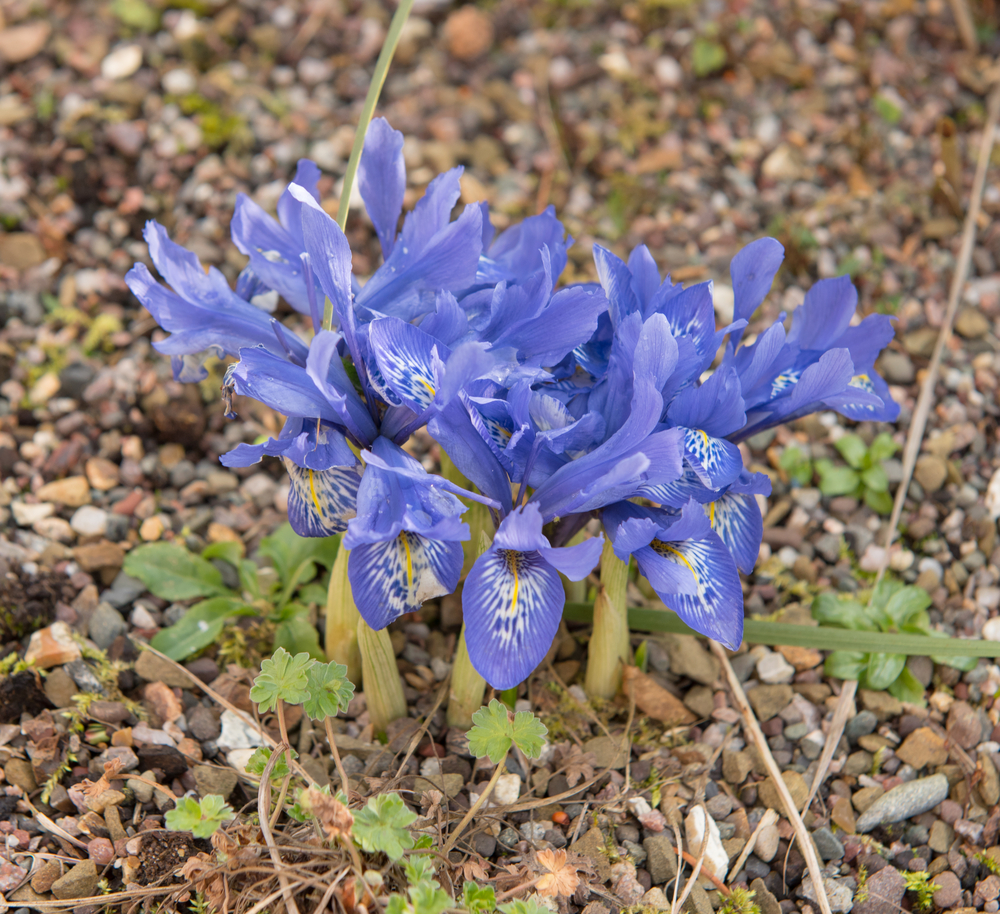
Iris reticulata, commonly known as the dwarf iris, is a hardy flower that blooms in late winter to early spring. These small irises feature bright blue, purple, or yellow flowers that add an elegant touch to any garden. They thrive in well-drained, slightly acidic soil and prefer full sun but can tolerate light shade. The compact size of these flowers makes them ideal for planting in containers or small garden beds.
These irises are known for their ability to bloom in cold temperatures, often appearing before the first signs of spring. They are low-maintenance flowers that require little care once established. Dwarf irises are also perfect for gardeners with limited space, as they do not spread quickly. Their striking flowers and early bloom time make them a favorite for late winter gardens.
Glory-of-the-Snow (Chionodoxa luciliae)
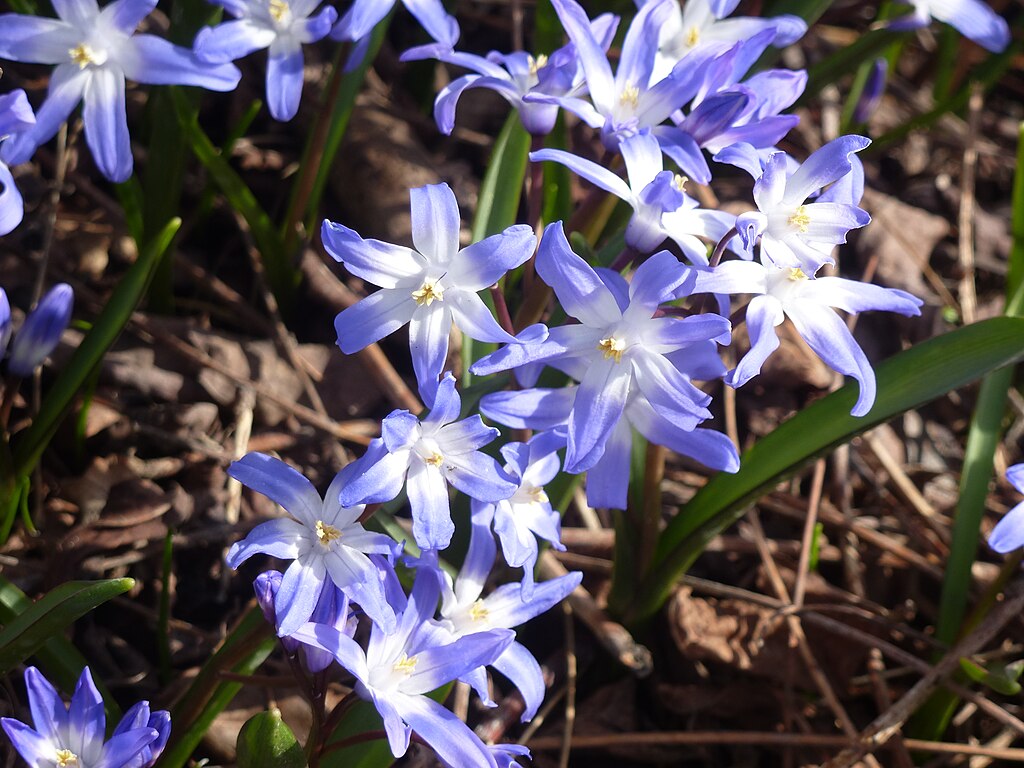
Glory-of-the-snow is one of the earliest-blooming flowers, often appearing while the ground is still covered with snow. Its star-like flowers are typically blue, though they can also be white or pink, adding a cheerful burst of color to the winter landscape. Glory-of-the-snow thrives in well-drained, slightly acidic soil and prefers full sun or partial shade. This plant is perfect for naturalizing, as it will multiply and spread over time.
Glory-of-the-snow is known for its cold hardiness and can survive frost without damage. These flowers are often planted in clusters to create a stunning display of color. They require little maintenance once established, making them an excellent choice for gardeners looking for a low-effort flower that still provides beauty. Their ability to bloom early in the season makes them a standout in late winter gardens.
Daphne (Daphne mezereum)
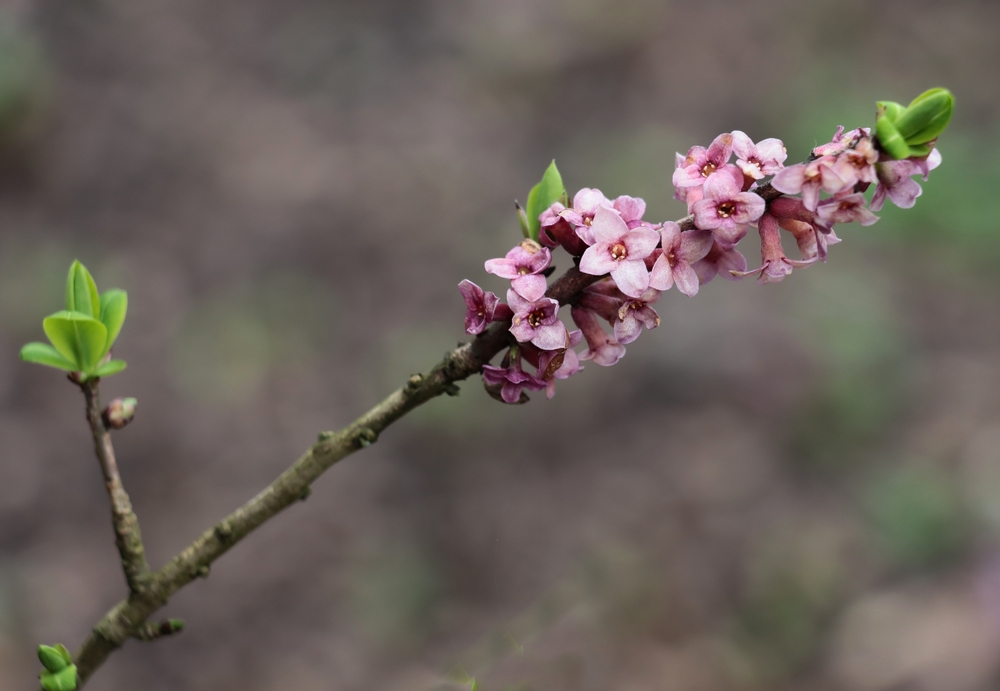
Daphne is a fragrant, cold-hardy shrub that blooms in late winter or early spring. The flowers are usually pink or purple and have a sweet scent that fills the garden air. Daphne thrives in well-drained, slightly acidic soil and prefers full sun or partial shade. This plant is slow-growing but can live for many years with proper care.
Despite its slow growth, daphne is a favorite for its early bloom time and beautiful flowers. It is hardy enough to withstand frost, and its fragrance is especially noticeable when the weather is still chilly. Daphne is often planted as a specimen plant or in border gardens, where its sweet scent can be enjoyed. This shrub is a favorite among gardeners who appreciate both its beauty and its ability to bloom in late winter.
This article originally appeared on Avocadu.