
12 Ways to Keep Houseplants Happy When Your Heat Is Running All Day
With the heat running day and night, your indoor air becomes drier, and your houseplants can feel the effects. This is especially true for tropical and moisture-loving plants. Keeping your plants healthy in these conditions may seem difficult, but it is easier than you think. By providing them with the right care and environment, your plants can thrive despite the dry air.
This post may contain affiliate links, which helps keep this content free. Please read our disclosure for more info.
Group Plants Together
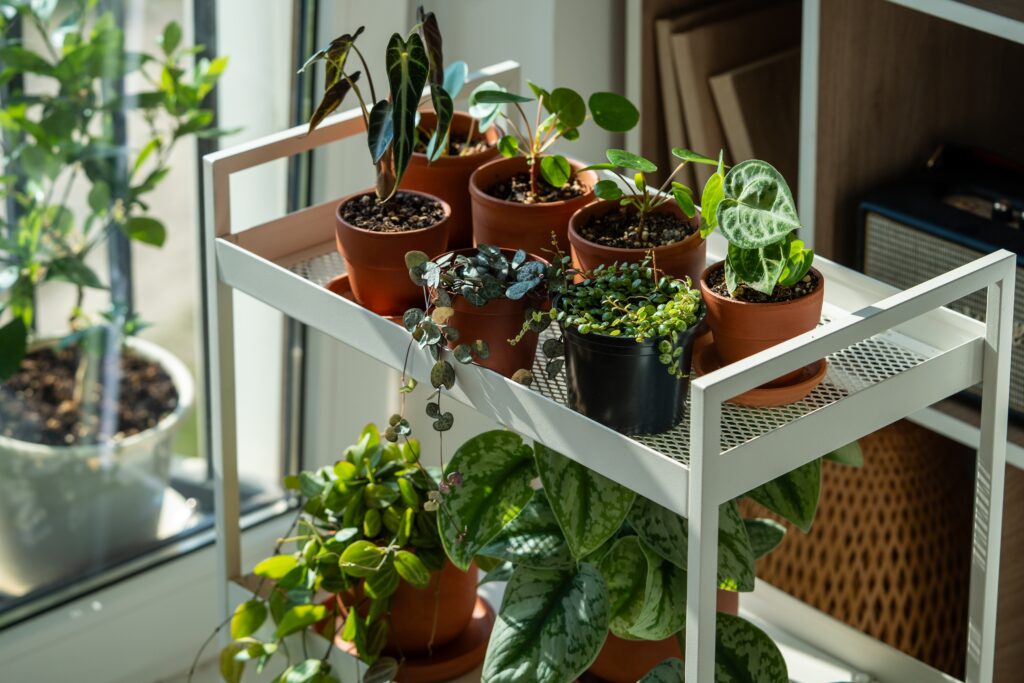
Grouping plants together can help create a more humid microenvironment, which is especially beneficial when the air is dry due to heating. By clustering them, the plants will naturally release moisture through transpiration, which can increase the humidity around them. This simple technique can help mimic the conditions of a more tropical environment, which many indoor plants prefer. It also makes it easier to manage your plants’ care, as you can adjust their watering schedule in a more efficient way.
Keep in mind that not all plants will thrive in close proximity. It is important to consider the needs of each plant, such as light exposure and moisture preferences, before grouping them together. For instance, succulents and cacti prefer drier conditions, while ferns and tropical plants benefit from more humidity. Take some time to experiment with different groupings to find what works best for your plant collection.
Use a Humidifier
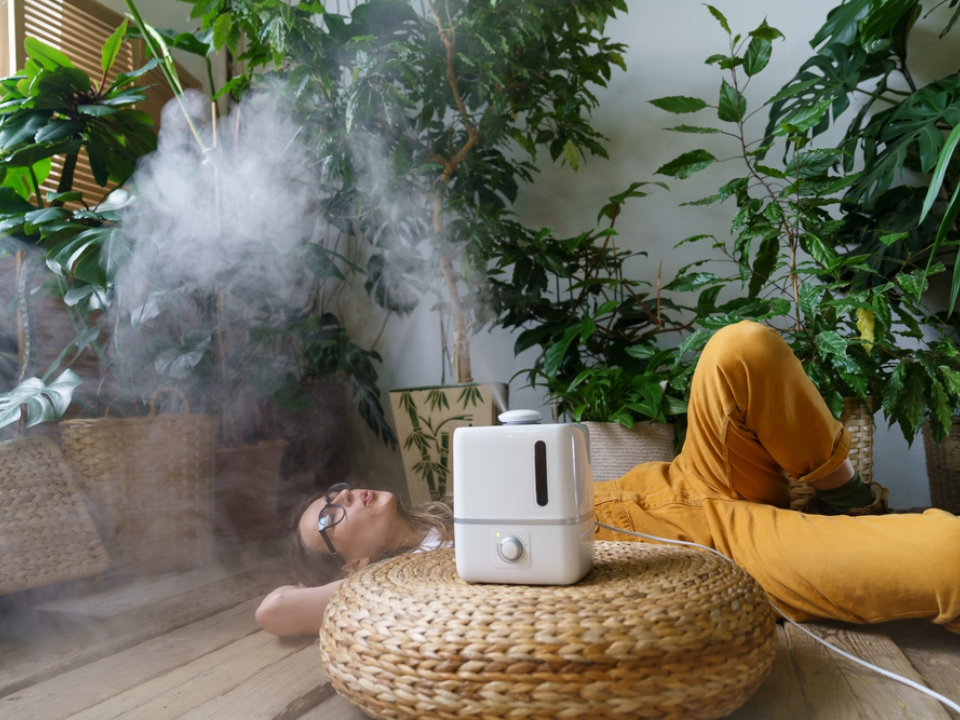
Using a humidifier is one of the most effective ways to combat dry indoor air. It helps maintain moisture levels in the air, preventing the heat from drying out your plants. When you run your heat all day, the air tends to become very dry, which can lead to brown leaf edges and stressed plants. A humidifier can offer a steady source of moisture, ensuring your plants get the humidity they need to stay healthy.
Place the humidifier near your plants but not directly on them. You do not want to over-saturate the soil, as this can cause root rot. Setting it on a nearby table or shelf can create the right balance of moisture for your plants. Regularly clean your humidifier to avoid mold and bacteria buildup, which can affect both your plants and your air quality.
Increase Watering Frequency
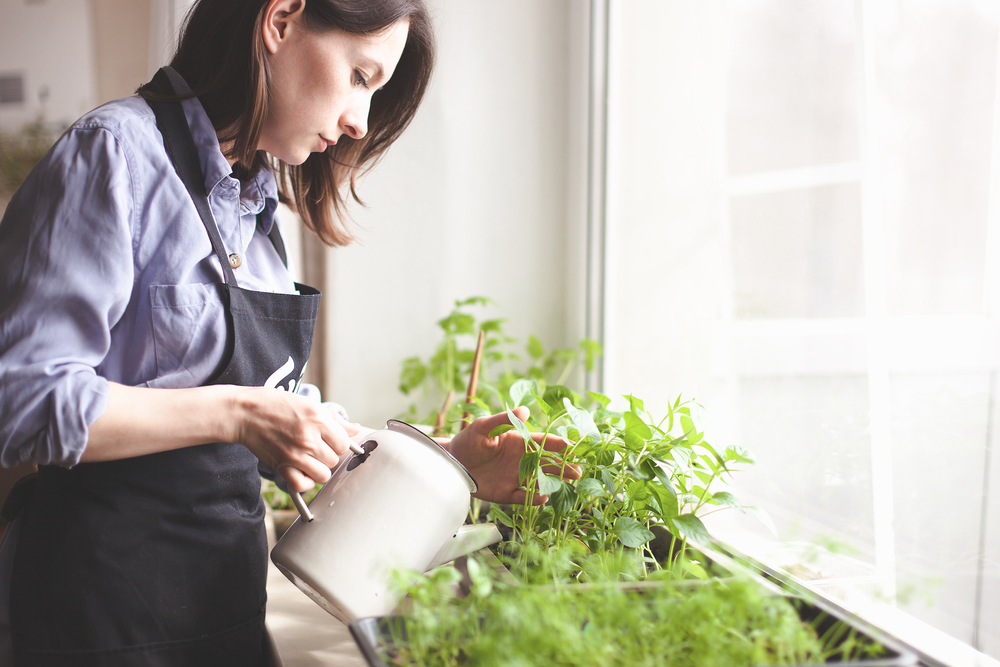
When the heat is running continuously, plants lose moisture more quickly, and their soil dries out faster than usual. Increasing your watering frequency can help counteract this. Make sure to check the soil moisture regularly to determine when your plants need water, and be careful not to let them dry out completely. Adjusting your watering routine according to the climate indoors can keep plants hydrated and thriving.
Be mindful that different plants have different water needs. While some plants require more frequent watering, others, like succulents, prefer to dry out between waterings. It is important to find the right balance to avoid over-watering, which can lead to root rot. Consider using a moisture meter for more accurate readings, ensuring your plants are properly hydrated.
Keep Plants Away from Direct Heat Sources
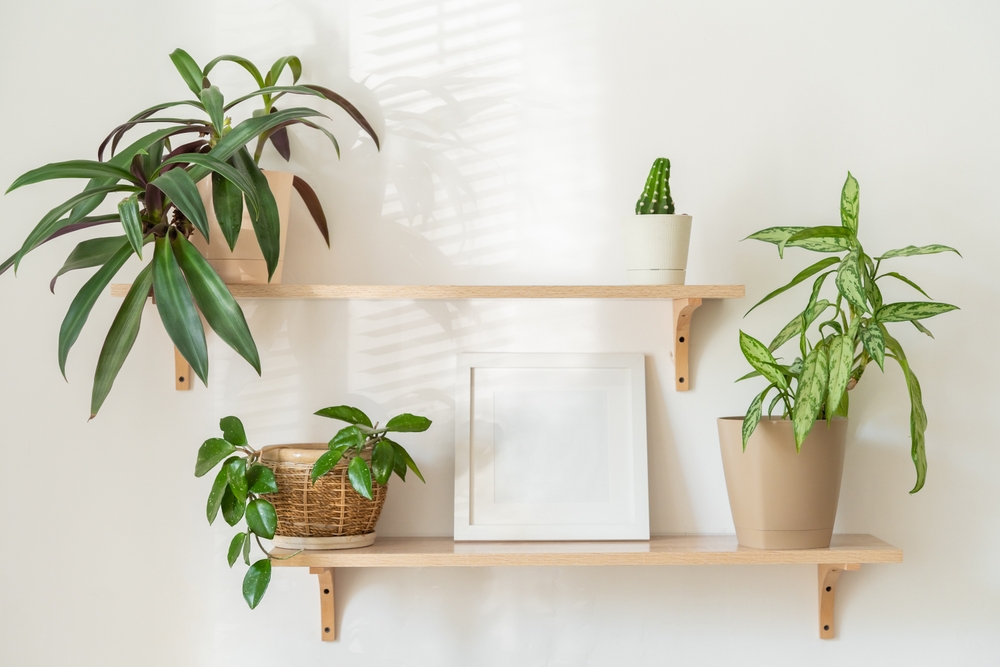
Placing plants near direct heat sources, such as radiators, space heaters, or vents, can cause them stress. The hot, dry air can quickly dehydrate your plants and cause leaf burn. To keep your plants happy, make sure to place them in areas with more consistent, indirect warmth. This will prevent the heat from drying out their leaves and soil too quickly.
If you cannot avoid the heat sources, try moving your plants further away or using a heat shield. A simple trick is to place a piece of fabric or cardboard between the plant and the heat source. This will help buffer the direct heat, offering some protection. Keep an eye on your plants’ health and adjust their location if necessary.
Regularly Mist Your Plants
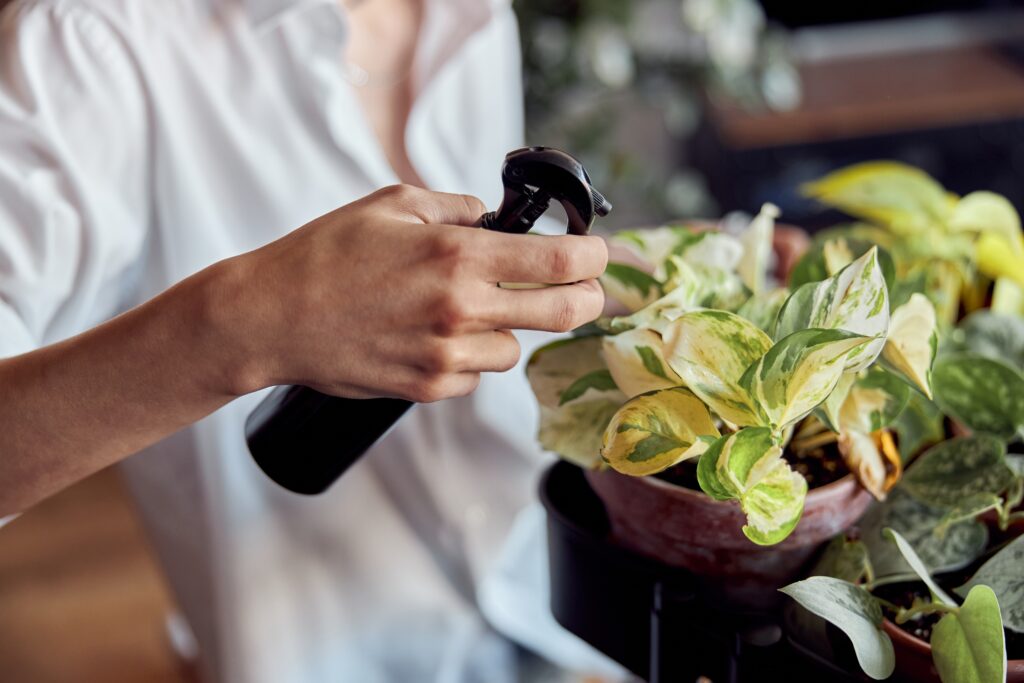
Misting is a quick and easy way to increase humidity around your plants. When your indoor heating is running all day, the air can become very dry, which is hard on moisture-loving plants. Misting your plants a few times a week can provide a burst of moisture and help mimic the conditions of their native environments. This works especially well for tropical plants that thrive in humid conditions.
However, avoid over-misting, as standing water on leaves can lead to fungal issues. Mist early in the day so that the water has time to evaporate by evening. Make sure to use room-temperature water, as cold water can shock the plants. Additionally, invest in a spray bottle that produces a fine mist to ensure even coverage.
Consider Larger Planters
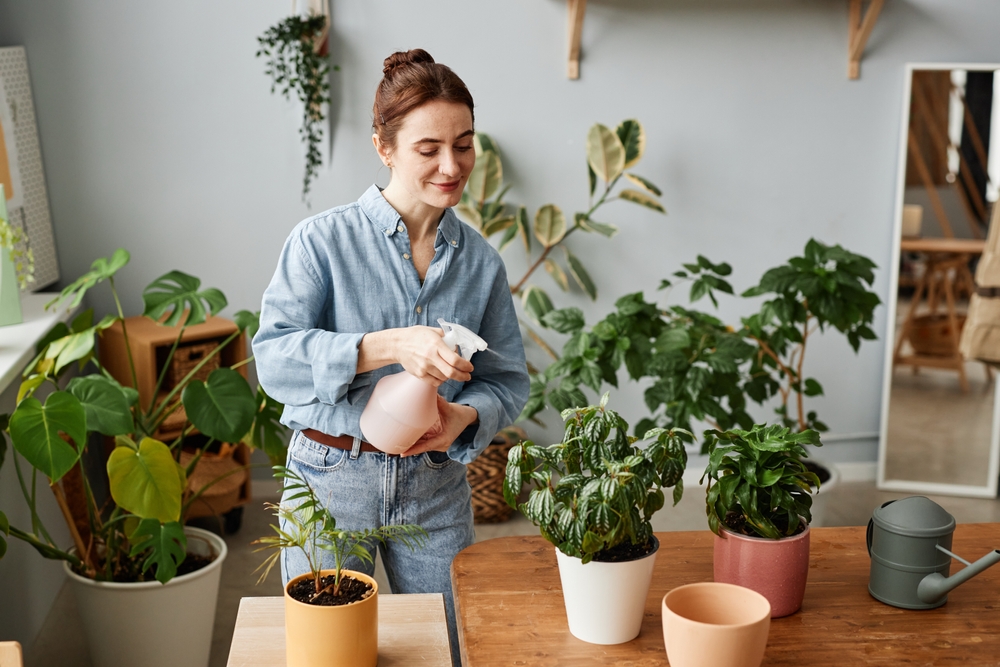
Larger planters hold more soil, which can help retain moisture for longer periods, preventing the soil from drying out too quickly. When your heating system is running all day, plants in smaller pots tend to lose water faster. By transferring your plants into larger containers, you can help create a more stable environment that keeps the soil moist for a longer time.
When choosing a larger planter, ensure it has proper drainage to prevent water from collecting at the bottom. You can also add a layer of pebbles at the base to improve drainage. While larger pots can be more challenging to move, they often make it easier to maintain a consistent moisture level for the plant. Consider upgrading to larger pots as your plants grow to meet their needs.
Place Plants Near a Humid Room
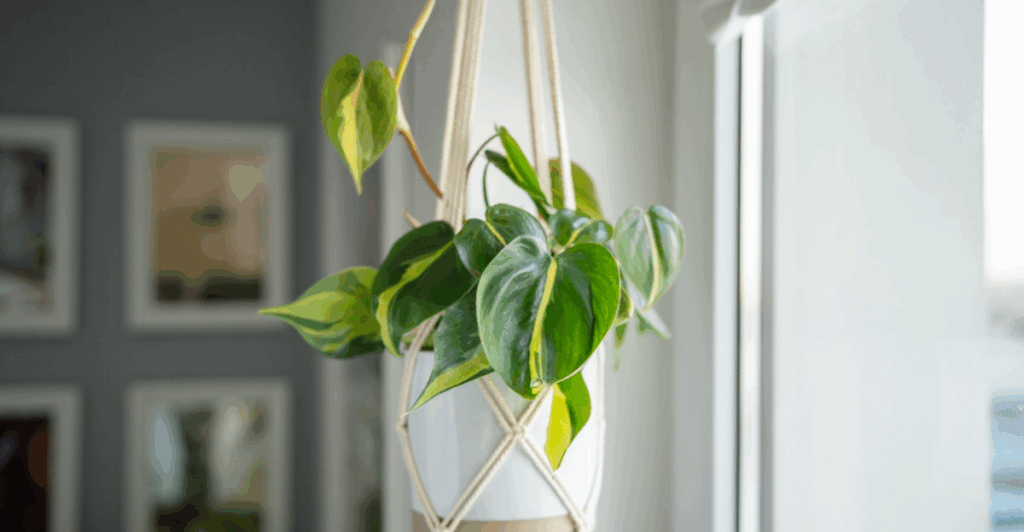
If your home has areas with higher humidity, such as the bathroom or kitchen, try placing your plants there. These rooms typically retain more moisture due to activities like showering or cooking. By placing your plants in these areas, you can give them a natural humidity boost without much effort. However, be mindful of temperature fluctuations in these rooms, as plants may not thrive in cold drafts or extreme heat.
The bathroom is a particularly great option for plants that enjoy high humidity, such as ferns and orchids. Just make sure the room has proper lighting, as some bathrooms lack natural sunlight. If needed, supplement with artificial grow lights to provide your plants with the light they need while benefiting from the humidity of the room.
Avoid Overwatering
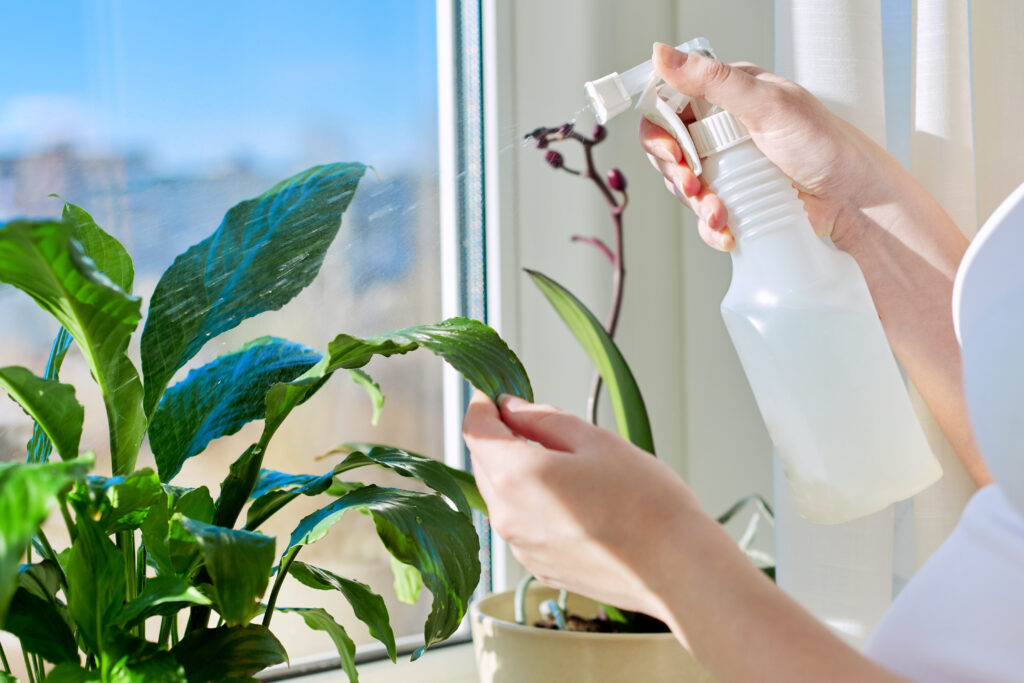
While increasing your watering frequency can help, overwatering can be just as damaging to your plants as letting them dry out. When the heat is running all day, plants need less water than usual, as they are not actively growing in the winter months. Overwatering can lead to root rot, especially in plants that do not like wet conditions. Always ensure the soil is dry to the touch before watering, and check that the pot has proper drainage.
You can also monitor the humidity levels to determine how much water your plants need. If the air is particularly dry, your plants may require more frequent watering, but never to the point of saturation. It is important to adjust your watering routine to match the needs of each plant while considering the climate inside your home.
Use Indoor Plant Lights
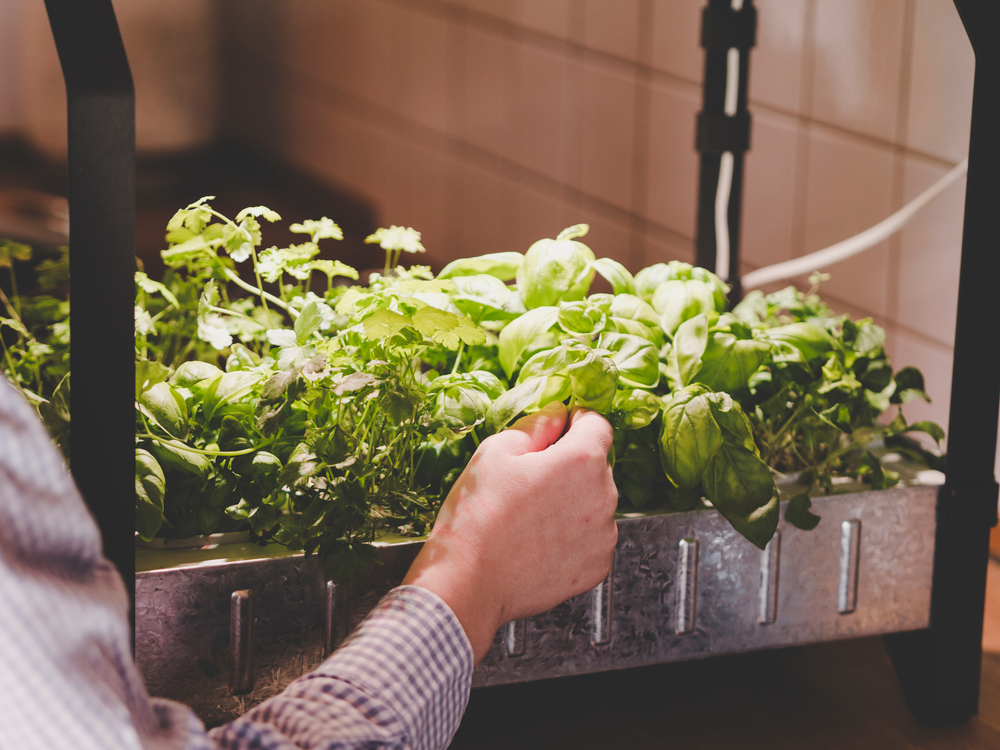
During the winter months, natural light can be limited, especially when your heat is running all day. Using indoor plant lights can help supplement the light your plants are getting. These lights are designed to mimic natural sunlight, promoting healthy growth even during darker months. Providing your plants with the right amount of light can help them stay strong and happy, even when the heat is on.
There are many types of grow lights available, including LED, fluorescent, and incandescent. LED lights are energy-efficient and long-lasting, making them a popular choice for indoor plants. Make sure to place the lights close enough to the plants to provide adequate coverage, but not so close that they cause overheating. Aim for about 12-16 hours of light per day, depending on your plants’ needs.
Repot Your Plants
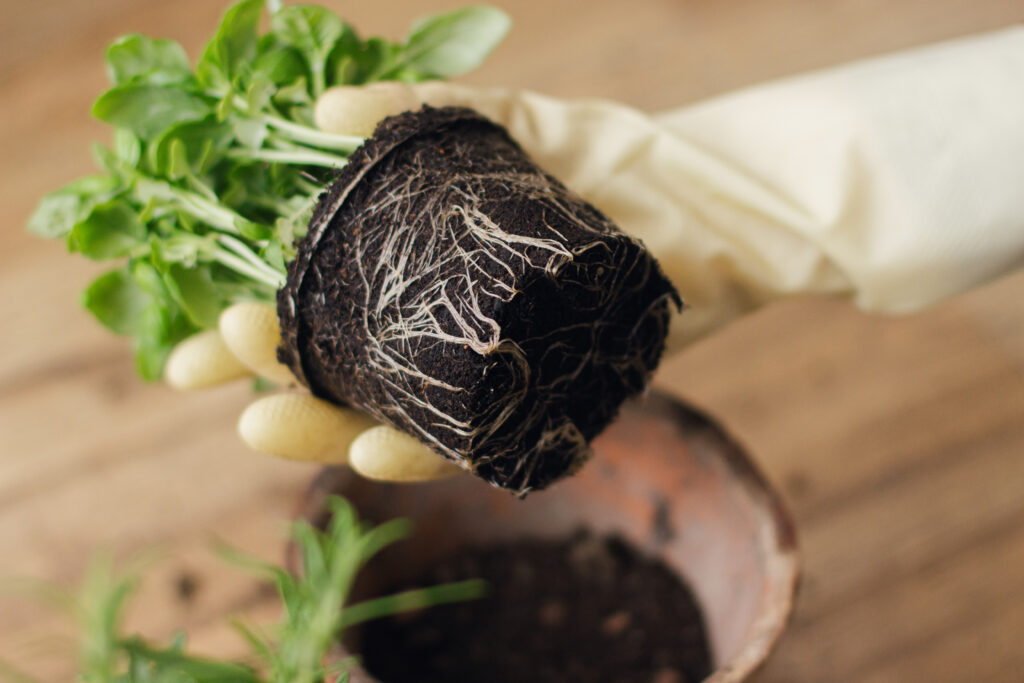
Repotting your plants into fresh soil can be a helpful way to refresh their environment. Over time, indoor plants can outgrow their pots, and the soil can become compacted or depleted of nutrients. When the heat is running, your plants may need more space to grow and better soil to retain moisture. Repotting can also prevent root rot by allowing for better drainage and more air circulation.
When repotting, choose a pot that is 1-2 inches larger in diameter than the current one. Make sure the new pot has good drainage holes to prevent water from accumulating at the bottom. Fresh soil will provide your plants with the nutrients they need to stay healthy, and the extra space will allow their roots to thrive. This is especially important for plants that are growing quickly or showing signs of stress.
Use Self-Watering Pots
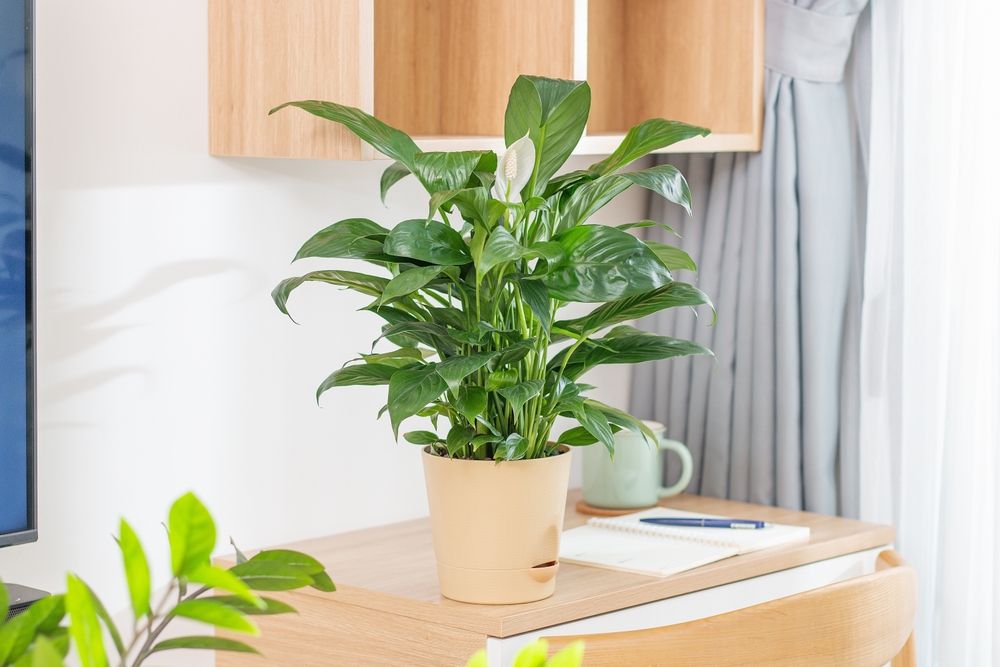
Self-watering pots are designed to help regulate the moisture levels in the soil, making them a great option when your heat is running all day. These pots have a built-in reservoir that allows the plant to take up water as needed, which reduces the risk of overwatering. The consistent moisture level helps keep plants hydrated without the need for constant attention. This makes them especially helpful for busy individuals or for plants that need a steady water supply.
Make sure to choose a self-watering pot that is the right size for your plant. It is important to check the water level regularly and refill the reservoir as needed. While these pots are convenient, they still require some monitoring to ensure the plant is not sitting in water for too long. Self-watering pots are a helpful tool for keeping your plants hydrated, even in dry indoor conditions.
Trim Dead Leaves
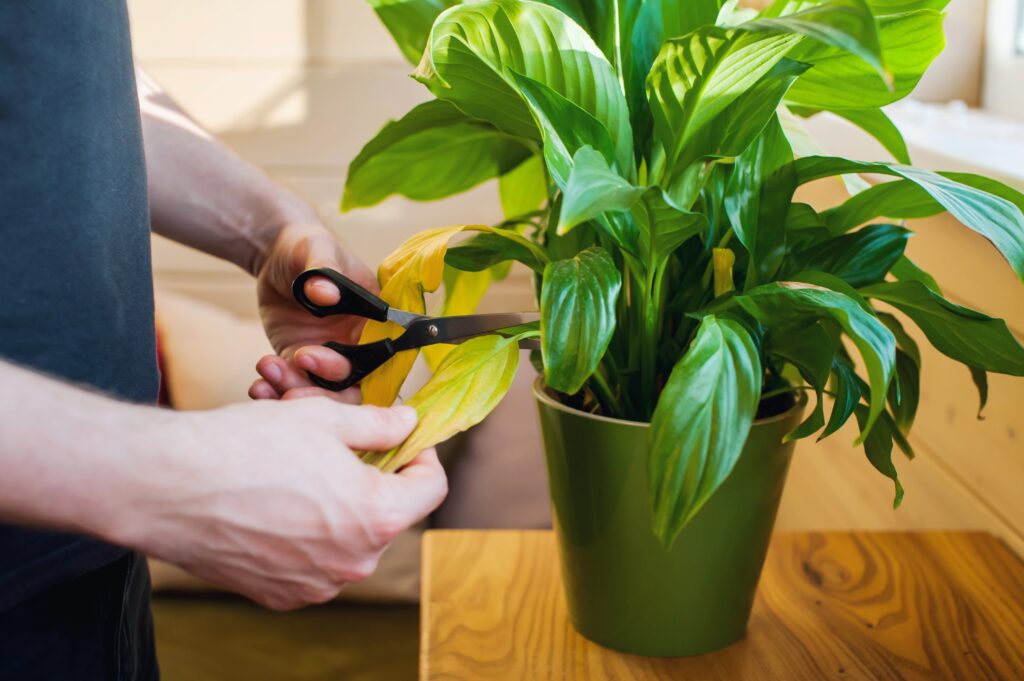
Removing dead or damaged leaves helps your plants conserve energy and prevents the spread of disease. When indoor heating runs all day, it can cause leaves to dry out, which can lead to unsightly browning and crisping. By trimming these leaves, you help the plant focus its energy on new growth. It also keeps your plants looking tidy and vibrant, as dead leaves can detract from their overall appearance.
Always use clean, sharp scissors or pruning shears to avoid damaging your plants. Be sure to remove leaves that are yellowing, browning, or falling off, as they no longer contribute to the plant’s health. Regularly checking for dead or damaged leaves can also help you spot any signs of pests or disease. This simple task can have a big impact on your plant’s overall well-being.
This article originally appeared on Avocadu.