
12 Small Maritime Museums in the U.S. With Ships You Can Walk On
If you want to truly understand maritime history, there is nothing like walking aboard the ships that once sailed the seas. Small maritime museums are home to incredible vessels, many of which are open for exploration. Stepping onto these ships gives you a sense of what life was like for sailors of the past. From historic warships to exploration vessels, these museums offer rare opportunities to interact with the past.
This post may contain affiliate links, which helps keep this content free. Please read our disclosure for more info.
Mystic Seaport Museum
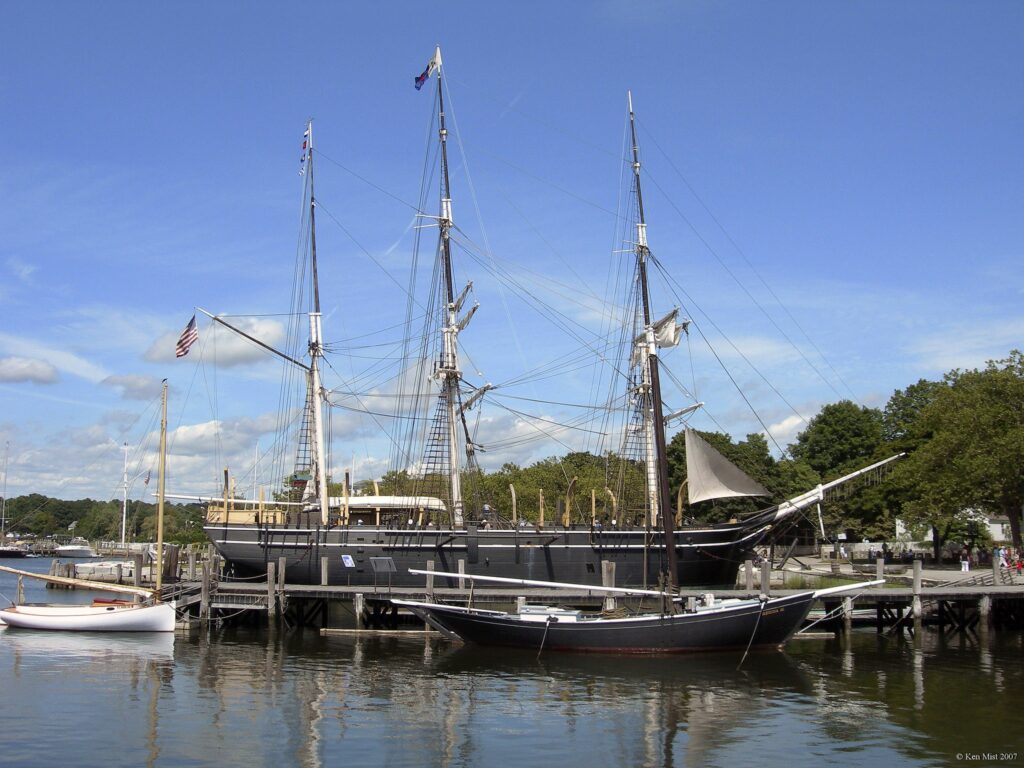
Mystic Seaport Museum, located in Connecticut, is a living history museum that brings the past to life with its collection of ships and historic buildings. One of the main attractions is the Charles W. Morgan, a 19th-century whaling ship, which you can board and explore. The museum’s recreated seaport village offers additional insights into the maritime history of New England. As you walk through the museum, you can see skilled artisans demonstrating traditional boatbuilding methods, making this a hands-on learning experience.
The museum offers an engaging way to understand the lives of sailors and the importance of the whaling industry to early American trade. Visitors can explore the decks of historic vessels, see how sailors lived and worked, and learn about the significance of ships in shaping global commerce. The combination of real ships, exhibits, and interactive experiences makes this museum a must-see for anyone interested in maritime history. Make sure to take time to enjoy the beautiful waterfront views and seasonal events.
USS Midway Museum
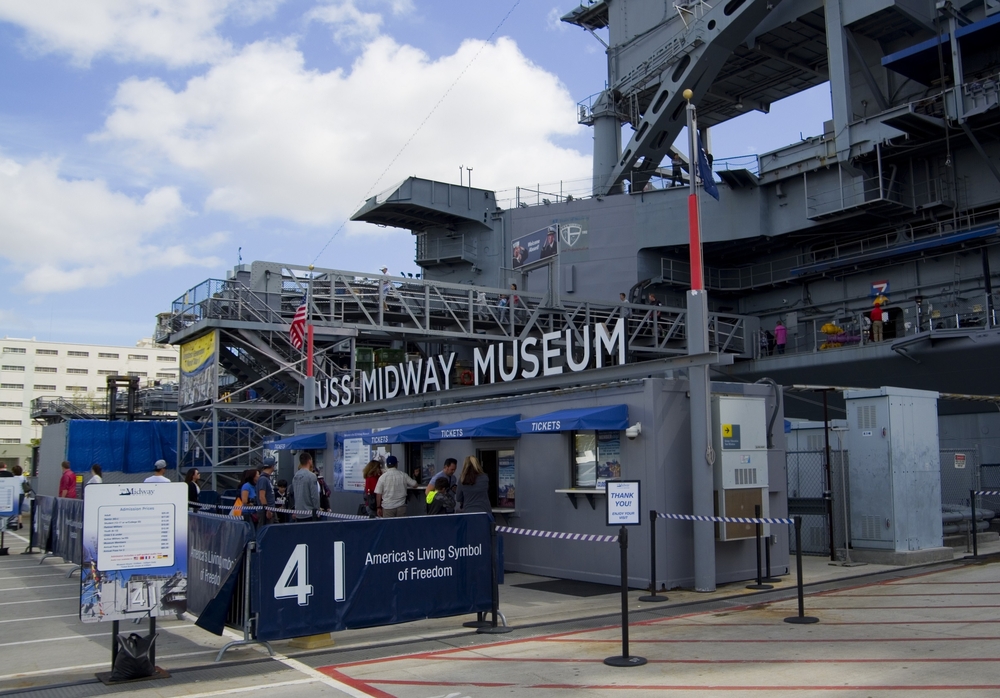
Located in San Diego, the USS Midway Museum is housed in an aircraft carrier that served the U.S. Navy for nearly fifty years. Walking aboard the USS Midway allows visitors to explore the ship’s flight deck, hangar deck, and officer quarters, all while learning about its service in wars and operations worldwide. With over 30 restored aircraft on display, the museum offers a comprehensive look at naval aviation and its evolution over decades. It is one of the few places where visitors can experience such a large and complex vessel up close.
The museum brings the history of the USS Midway to life with stories told by knowledgeable guides, many of whom served aboard the ship. The exhibits are well-curated, and the scale of the aircraft carrier makes the visit a truly immersive experience. For those interested in naval history or aviation, this museum offers the chance to walk in the footsteps of sailors and aviators. It is a perfect family outing, where both adults and children can discover the challenges of life at sea.
Patriots Point Naval & Maritime Museum
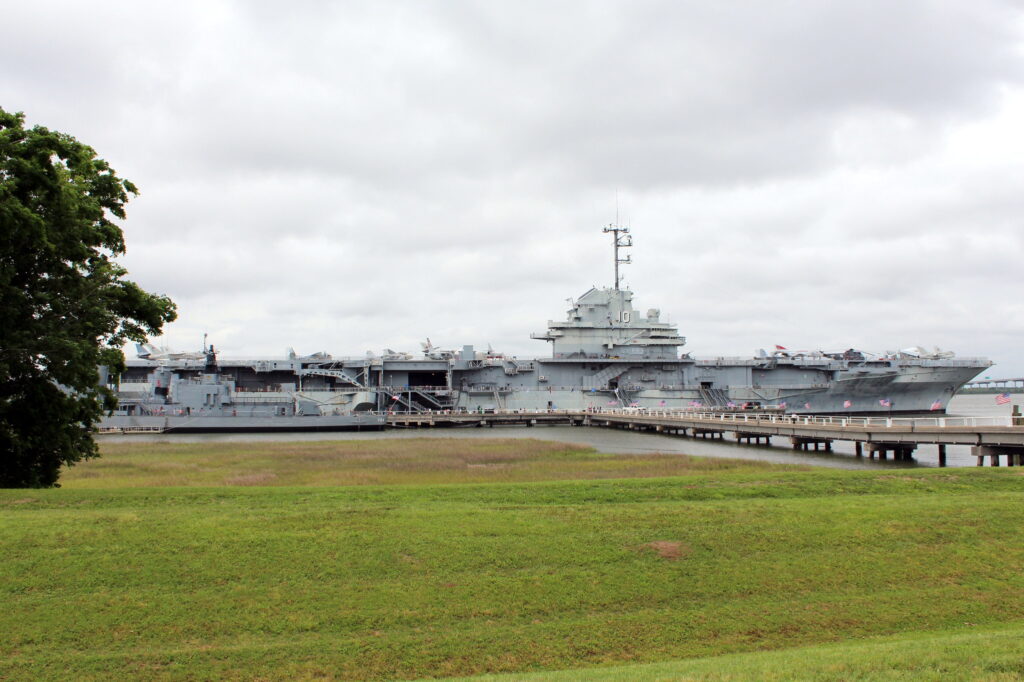
Located in Mount Pleasant, South Carolina, Patriots Point Naval & Maritime Museum is home to the USS Yorktown, a World War II aircraft carrier that played a significant role in the Pacific Theater. Visitors can step aboard the ship and explore its various decks, including the hangar deck and flight deck, where they can imagine the hustle and bustle of daily operations during wartime. The museum also features the USS Laffey, a World War II destroyer, and the USS Clamagore, a Cold War-era submarine, providing a comprehensive view of naval history across different periods.
Patriots Point offers a deep dive into military maritime history, and the combination of ships and exhibits makes it an unforgettable experience. Interactive displays, aircraft exhibits, and detailed plaques allow visitors to fully grasp the ship’s role in history. Special events and educational programs add extra layers of learning, making it a great spot for families, school groups, and history enthusiasts alike. The breathtaking views of Charleston Harbor add to the overall experience, making this museum a standout destination.
San Francisco Maritime National Historical Park
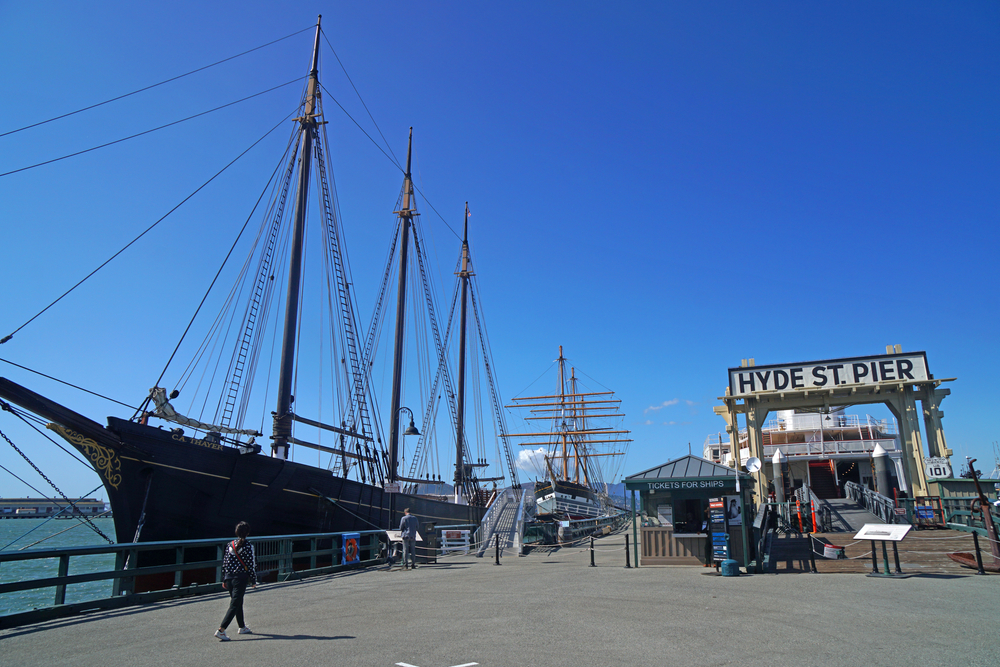
San Francisco Maritime National Historical Park offers a unique opportunity to explore a variety of historic vessels, including the Balclutha, a 19th-century square-rigged ship, and the steam ferry Eureka. Visitors can walk aboard these ships and learn about the different types of vessels that helped shape the West Coast’s maritime history. The park’s Hyde Street Pier is lined with boats from various periods, each showcasing a different aspect of maritime life, from fishing to ferrying passengers across the bay. The museum also provides a wealth of exhibits about the lives of sailors and the development of maritime trade.
Walking these historic ships gives you a tactile connection to the past, allowing you to step into the lives of sailors who worked on these vessels. The museum offers interactive exhibits that explain the roles of these ships in commerce and industry. Whether you are exploring the woodwork of the Balclutha or experiencing the engine room of Eureka, you are immersed in the world of maritime history. The picturesque setting at Fisherman’s Wharf, combined with the rich historical context, makes this museum a perfect spot for learning and exploration.
Independence Seaport Museum
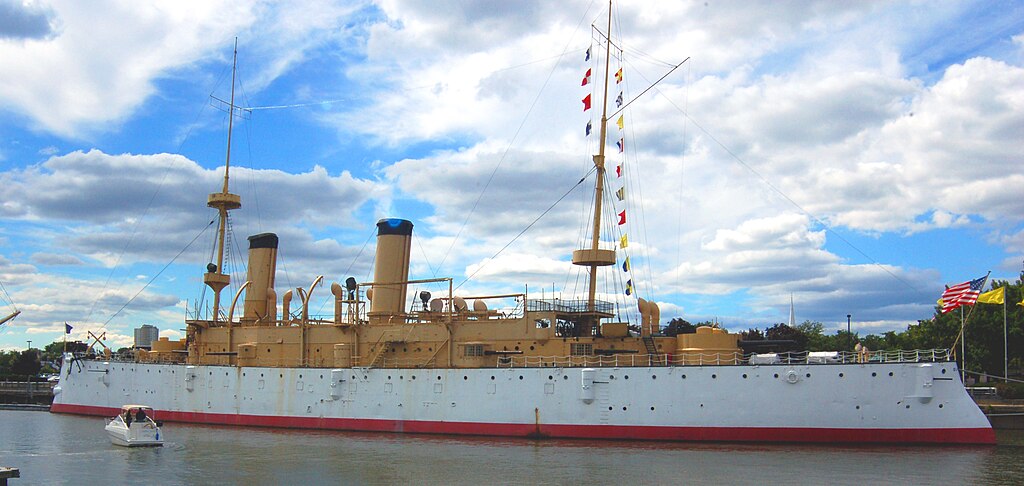
The Independence Seaport Museum in Philadelphia is home to two National Historic Landmark vessels, which are the USS Olympia and the USS Becuna. Visitors can board the USS Olympia, which served during the Spanish-American War, and explore its gun decks, engine room, and officer quarters. The USS Becuna, a World War II submarine, offers a contrasting experience, with its tight, confined spaces that show the challenges of life underwater. The museum provides rich context for these vessels, with exhibits that cover naval history, shipbuilding, and the stories of the sailors who served aboard these ships.
The museum also offers a deeper understanding of Philadelphia’s role in maritime history, from early colonial trade to the evolution of naval warfare. Guests can enjoy interactive exhibits and guided tours that shed light on the mechanics of naval life and ship operations. This museum makes an excellent stop for anyone interested in naval history, engineering, or the technological advancements that shaped warfare on both land and sea. The waterfront location adds to the experience, allowing visitors to reflect on the significance of Philadelphia as a historic port.
Wisconsin Maritime Museum
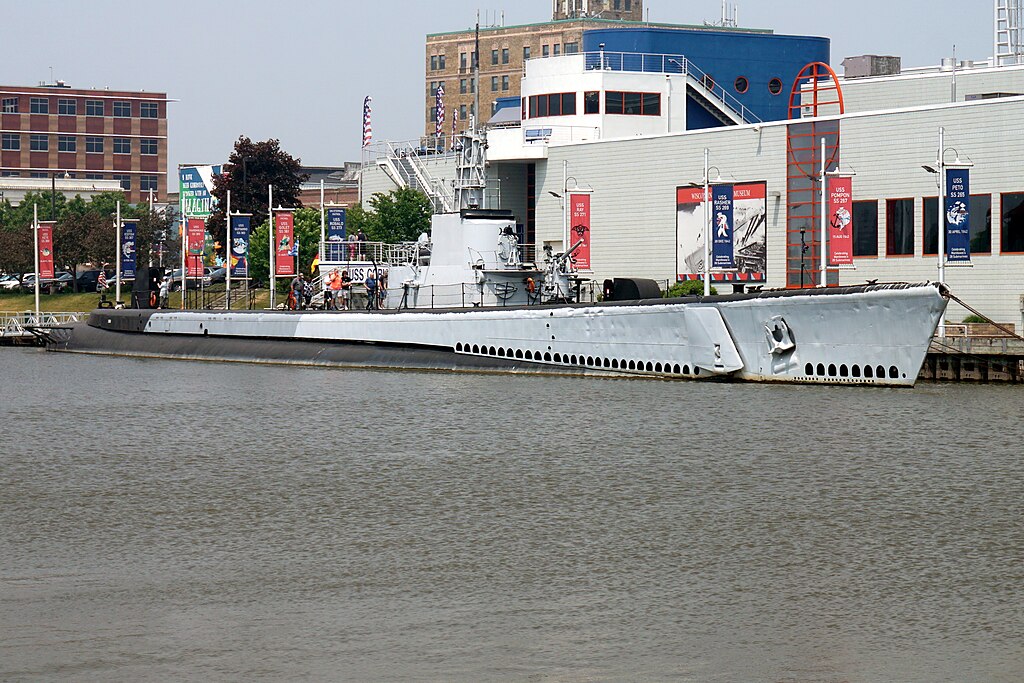
The Wisconsin Maritime Museum in Manitowoc is home to the USS Cobia, a World War II submarine that you can walk aboard and explore. The museum’s collection of artifacts, models, and historic vessels tells the story of the Great Lakes’ maritime heritage, from shipbuilding to naval warfare. Guests can climb into the cramped spaces of the USS Cobia to get a feel for submarine life during wartime, with well-curated exhibits that explain the submarine’s role in the Pacific Theater. The museum also features exhibits about the Great Lakes shipping industry, which played a vital role in the regional economy for over a century.
In addition to its ship exhibits, the museum offers a glimpse into the evolution of maritime engineering and the types of vessels that navigated the Great Lakes. The USS Cobia, with its narrow passageways and hidden compartments, offers a rare opportunity to see a working submarine up close. Visitors will also find displays about local shipyards and the history of commercial shipping, which played an important role in the region’s economy. This museum provides a comprehensive experience that connects local maritime history to global events.
South Street Seaport Museum
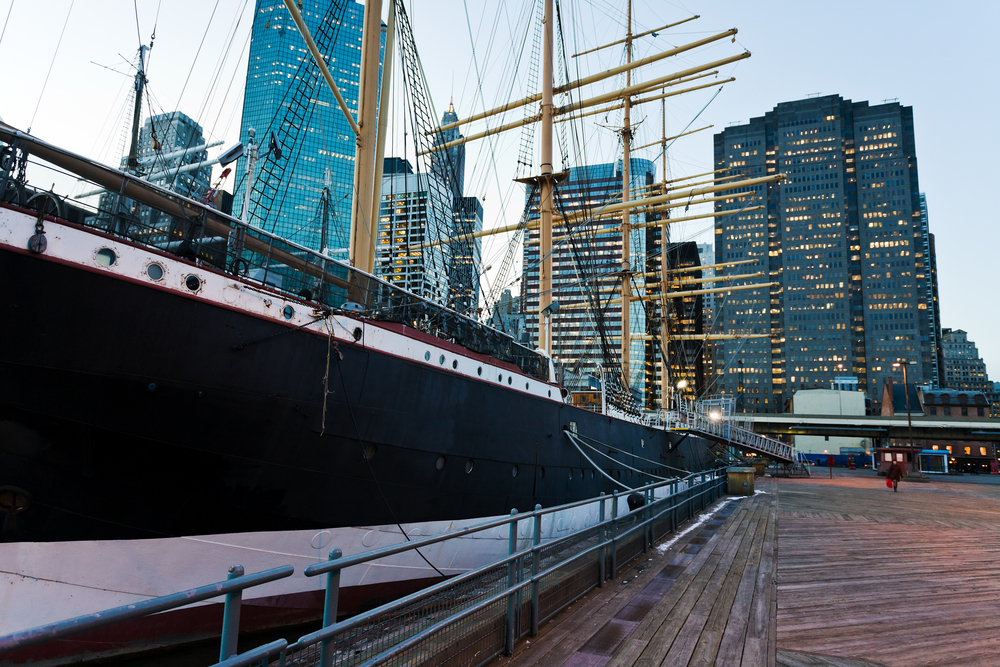
Located in New York City, the South Street Seaport Museum features a collection of historic ships that reflect the city’s long maritime history. Visitors can step aboard the wooden fishing schooner Lettie G. Howard, the lightship LV‑87, and several other vessels that tell the story of New York’s role in trade, fishing, and shipping. The museum also includes exhibits that explain the history of seafaring in the area, showcasing the development of waterfront commerce and its impact on the city. Walking through these ships allows visitors to imagine the bustling trade that once took place along the city’s docks.
The museum’s location near the East River offers visitors picturesque views of the Brooklyn Bridge and the Manhattan skyline, providing a perfect setting for exploring these historical ships. The interactive exhibits and knowledgeable staff make this an educational and enjoyable experience for all ages. The museum is dedicated to preserving the rich maritime heritage of New York, and it offers a deep dive into the city’s role in shaping both regional and global trade networks. It’s a great spot to learn about the early days of the American maritime industry.
USS Constitution Museum
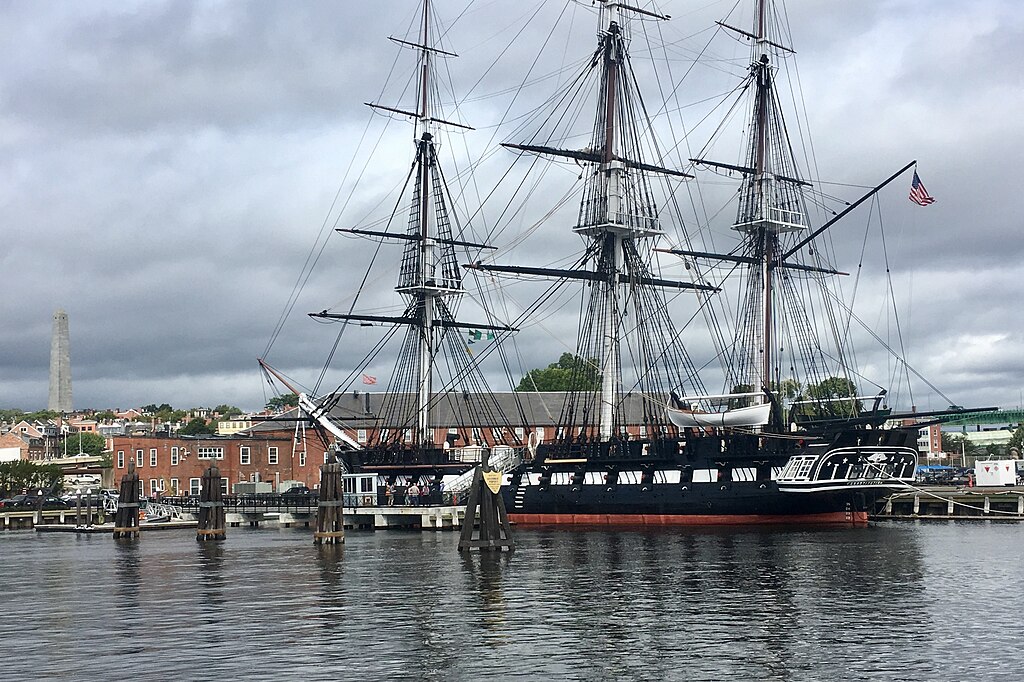
The USS Constitution Museum in Boston offers a chance to board “Old Ironsides,” the oldest commissioned warship afloat in the world. Visitors can explore the ship’s thick wooden hull, gun deck, and officer’s quarters while learning about its role in the War of 1812 and its continued service in the U.S. Navy. The museum next door provides additional context about the ship’s history, with exhibits that focus on early naval warfare, ship design, and the life of sailors in the early nineteenth century. Visitors can interact with displays and learn about the rigging and armaments that made this ship a formidable force.
Walking aboard the USS Constitution gives a tangible connection to American maritime history, allowing you to step into the shoes of sailors who served on the vessel. The museum’s archives contain a wealth of documents that trace the ship’s storied past, making it an ideal stop for anyone interested in naval history. Visitors will also find educational programs and special events that explore naval heritage and the Constitution’s lasting legacy. This museum offers a comprehensive look at the beginnings of the U.S. Navy.
Antique Boat Museum
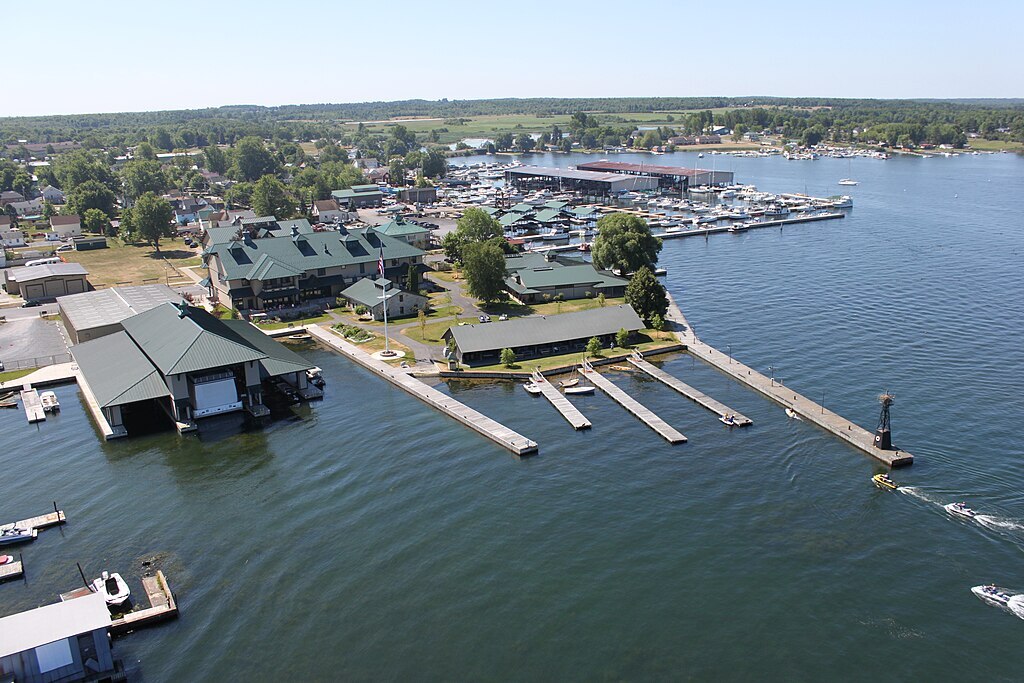
The Antique Boat Museum, located in Clayton, New York, focuses on preserving the history of small craft from the region. Visitors can explore historic boats, including wooden runabouts, steam launches, and classic canoes, many of which can be boarded and examined up close. The museum offers a look at how watercraft changed over time and the role of boating in commerce, leisure, and exploration on the St. Lawrence River. Guided tours and interactive exhibits enhance the experience, offering detailed explanations of boatbuilding techniques and the cultural significance of these vessels.
The museum’s waterfront setting adds to the charm, providing scenic views of the river and the chance to see antique boats in their natural environment. Special events, including antique boat shows, bring these classic vessels to life, with boats sailing along the river for visitors to admire. The museum also offers educational programs for those interested in learning more about boatbuilding and the craftsmanship behind these timeless vessels. For anyone interested in the history of recreational boating, the Antique Boat Museum is a must-visit.
Maritime Museum of San Diego
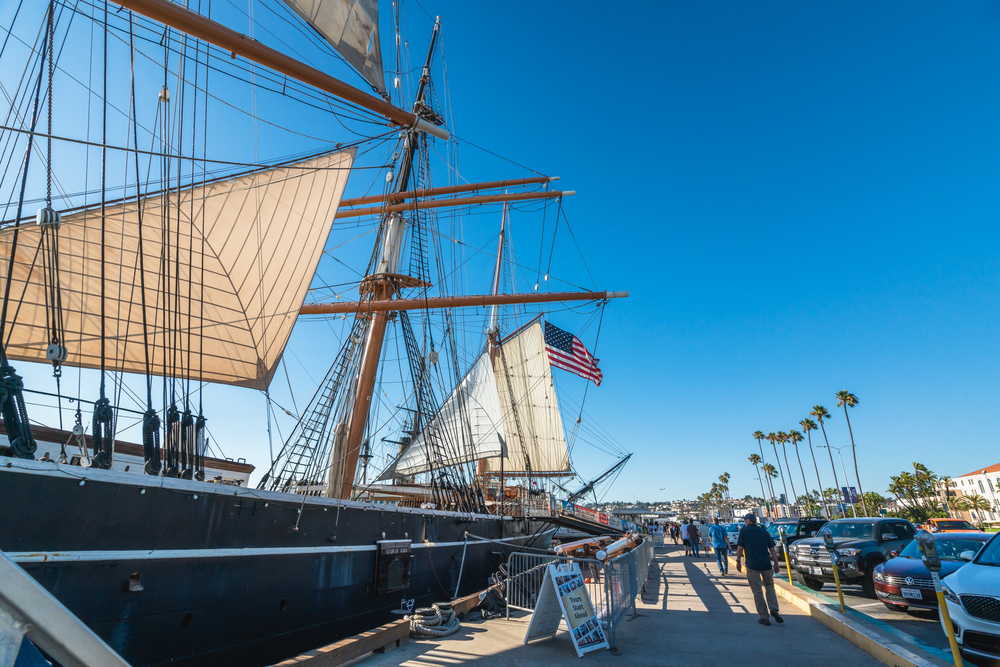
The Maritime Museum of San Diego showcases one of the most diverse fleets of historic vessels in the United States. Visitors can board the tall ship Star of India, the oldest active sailing ship in the world, and other significant vessels such as the USS Dolphin, a retired submarine. The museum offers a unique opportunity to explore these ships and experience life at sea through exhibits, interactive displays, and onboard tours. The museum also features a variety of maritime artifacts that help contextualize the history behind these remarkable ships.
A visit to this museum offers an intimate view of naval and commercial vessels that played vital roles in maritime history. Whether exploring the rigging of a sailing ship or stepping into the cramped quarters of a submarine, visitors are transported back in time. The museum also provides access to a range of historic boats and offers educational programs that bring the stories of these ships to life. Its location on the water adds to the immersive experience, providing beautiful views of the San Diego Bay.
Galveston Naval Museum
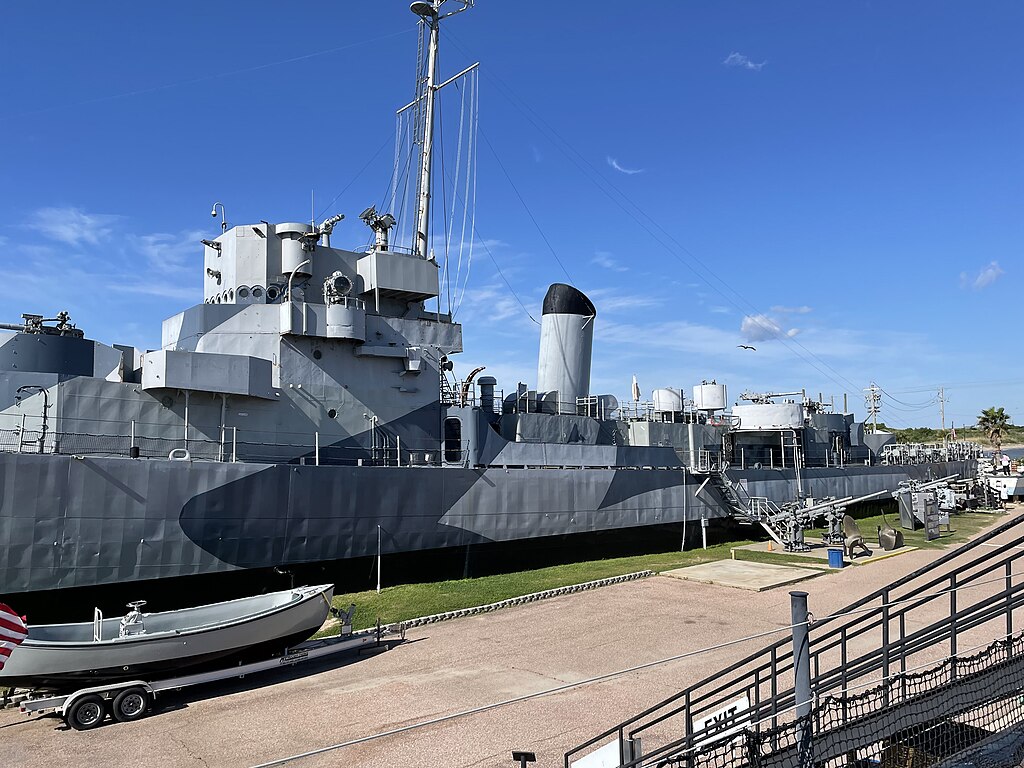
Located on the Gulf Coast in Texas, the Galveston Naval Museum offers visitors the chance to explore the USS Cavalla, a World War II submarine, and the USS Stewart, a Navy destroyer escort. Both ships played significant roles in naval operations and offer a glimpse into life aboard military vessels. The museum’s exhibits provide context about the ships’ service and the history of the U.S. Navy during the mid-20th century. Guests can walk aboard the ships, exploring their decks, control rooms, and living quarters while learning about naval strategy and technology.
The museum is situated in the historic district of Galveston, adding to the charm of the experience. Guests can enjoy the scenic views of the Gulf of Mexico while exploring the ships. Educational programs and guided tours are available to provide deeper insights into naval history and the contributions these vessels made during wartime. This museum is an excellent destination for military history enthusiasts and families looking to explore hands-on exhibits.
The Mariners’ Museum
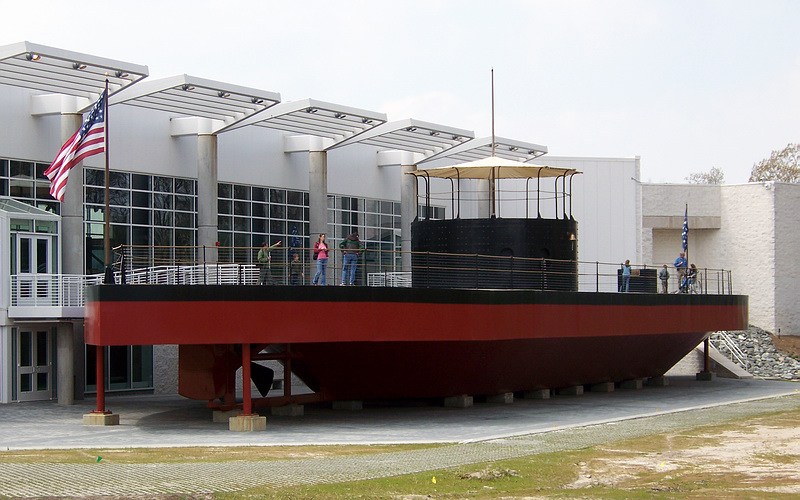
Located in Newport News, Virginia, The Mariners’ Museum boasts a large collection of maritime artifacts, including the iconic USS Monitor, the first ironclad warship ever built. Visitors can walk through the museum’s collection and see historic ships, ranging from small boats to large naval vessels, and explore exhibits that highlight the impact of maritime industries and naval warfare. The museum’s exhibits cover everything from exploration to modern-day shipping and offer in-depth insights into the evolution of maritime technology and culture.
The museum’s focal point is the USS Monitor Center, which houses the most significant collection of artifacts from the Monitor, including portions of the ship itself. The Mariners’ Museum also offers hands-on activities and educational programs that enhance the visitor experience. It is a must-visit for anyone interested in naval history and shipbuilding, and it provides a fascinating look at how ships have influenced global history. The museum’s expansive grounds and waterfront setting make it a lovely spot to spend a day learning about maritime history.
This article originally appeared on Avocadu.